Bring Some UNESCO Heritage Into Your Kitchen
When the Italian cuisine was officially declared a UNESCO Intangible Cultural Heritage of Humanity, it was like putting Italian food culture up against incredible world treasures like the Colosseum, although this recognition is different because it is not about a static building or historical place, nor one thing in particular. Rather, this Italian Cuisine designation is about recognizing a living, breathing system of rituals, biodiversity, and community that happens every day around the table.
We here at Vero believe that for the Italian foodie and wine lover, this UNESCO status is much more than a headline; it is the ultimate stamp of authenticity. In a world saturated with "Italian-style" products and mass-produced “wannabe” shortcuts, this designation serves as a North Star for authenticity. It is seeing Italian food and wine as part of a complex cultural system where the cuisine, the people, the land, and the traditions are inseparable. You see, the soul of this cuisine isn't just found in a list of ingredients or even the recipes. It is found in the intention behind them.
UNESCO recognized Italian cooking for its rich heritage, which we broke down into 3 key pillars:
Identity and Tradition, recognizing the long history and culture which generations have kept intact over hundreds of years;
Territorio or Expression Place and its biocultural diversity;
The concept of growing, harvesting, preparing and serving all together, a concept which embraces both seasonality and sustainability.
By understanding these three pillars, you aren't just "cooking Italian"; instead, you are participating in a protected global legacy.
It is something that we have been innately curating over the years in the VeroBlog as we have shared authentic Italian recipes, gathered from friends, family, winemakers, and local favorite, “real” Italian trattorias.
In this article, we highlight some of our favorite Italian dishes and share those recipes, in line with the importance of UNESCO’s Italian cuisine and its 3 pillars.
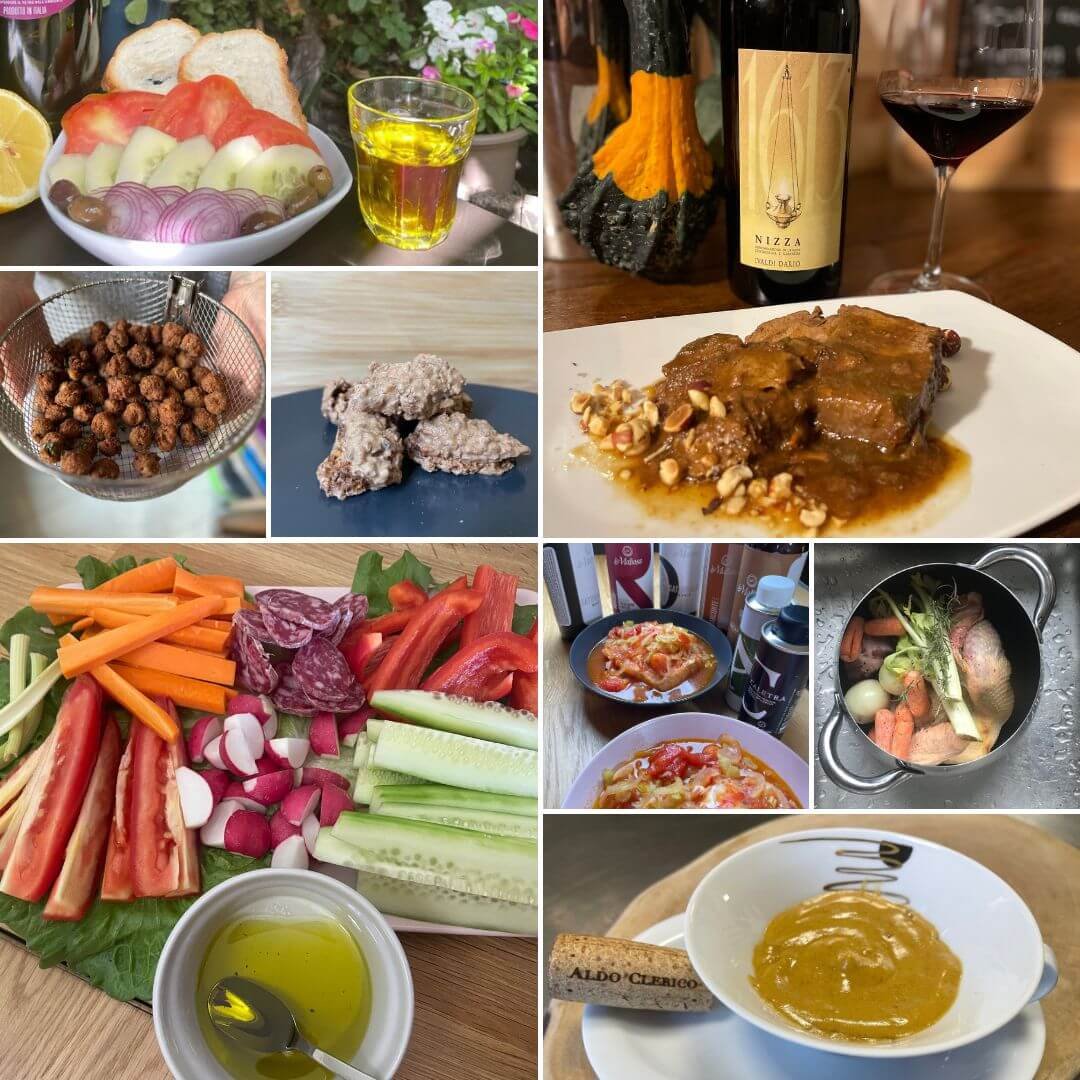
Understanding the Italian Meal and Dishes
First, a quick note on how Italian recipes are structured.
Italian dishes have reason and structure; to eat like an Italian is to embrace a specific rhythm.
Rather than piling everything onto a single plate, an authentic Italian meal is a structured sequence of different courses designed to slow down the pace and enjoy a meal.
This intentional separation allows you to focus on the nuances of each dish and gives you the space to enjoy the wine and the conversation. Think of the concept of mindfulness regarding both food and wine that we discussed in this article.
Not counting the aperitivo, a dolce vita tradition, a traditional Italian meal:
starts with the Antipasto, the starter or appetizer;
followed by the Primo, the "first course," usually a pasta, like with sugo, or rice, or soup;
next comes the Secondo, the "second course," which comprises an entree which is typically a protein, that is often served with a vegetable contorno;
a meal concludes with the Dolce, dessert, ideally paired with a passito, sweet wine;
which signals the transition to caffè, or coffee, sometimes a digestivo, an after dinner liqueur, like an amaro or grappa.
“Vero” UNESCO Italian Recipes to Try
In Italian, Vero means "real" or "true." The recipes we share here on the VeroBlog are a direct reflection of that name; they are not just pulled from the web or an AI bot, but are "true" artifacts of Italian life.
These dishes come directly from the kitchens of our artisan farmers, our founder, the professional culinary experience of Vero Collaborator Jacqueline Mitchell, an American who spent over 10 years in a local Italian restaurant in Northern Italy, and the treasured recipes of friends and family all along the peninsula.
So without further ado, let’s explore some Italian recipes and dishes, and how they help us build the three pillars of Italian cuisine.
Pillar One: Identity and Long Tradition
This pillar represents the familial soul of Italy. Food is often the center of Italian society, where recipes are passed down like treasured antiques that are meant to be honored, not modified. Because Italy was unified as a singular country only 165 years ago, an Italian’s true identity is often tied to their specific town or area rather than the nation as a whole. This fierce local pride is why traditions are handed down and treasured as such an integral part of a specific place.
Antipasto: Bagnet Verd
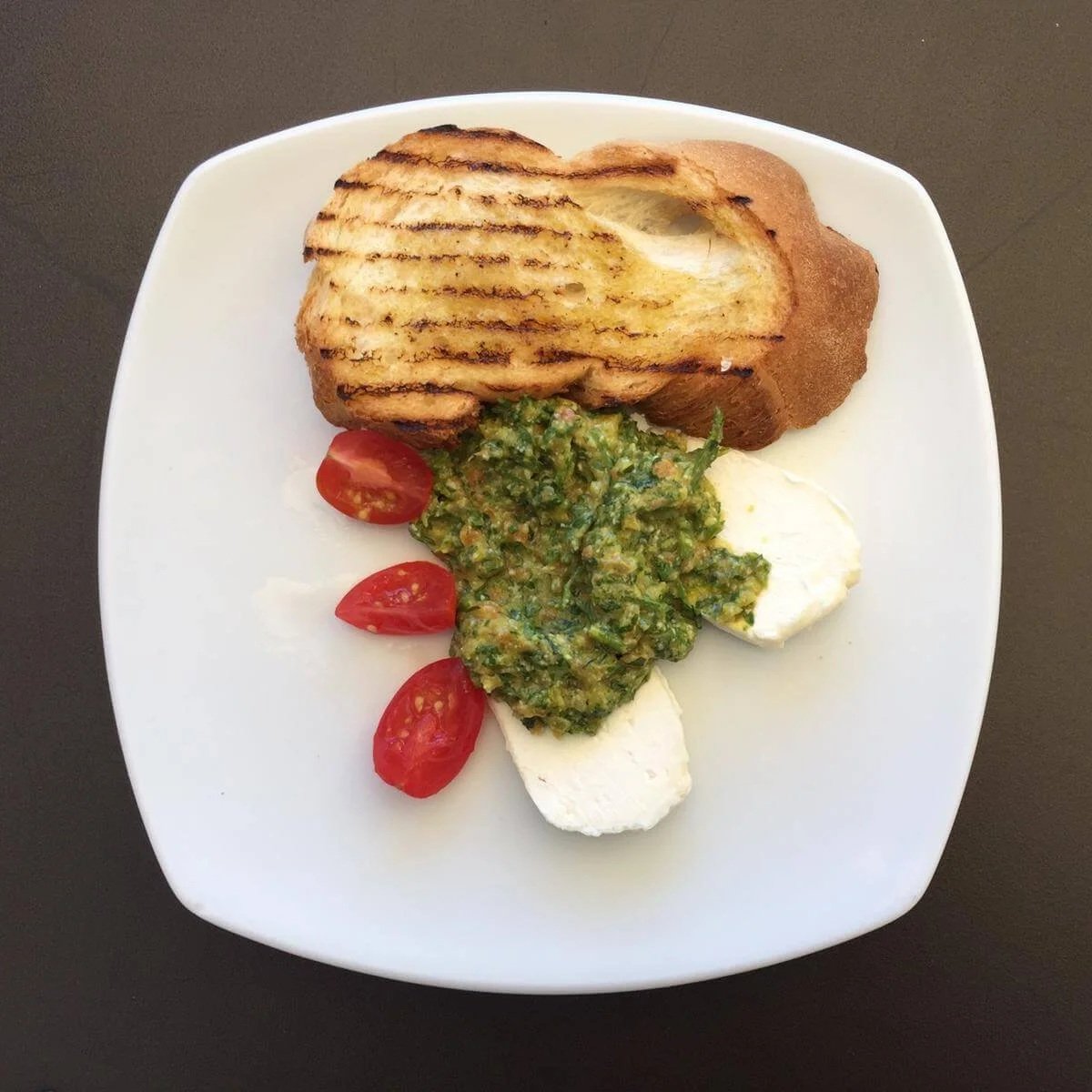
Bagnet Verd (Parsley Sauce): In Piemonte, this green sauce is a staple of regional identity. While every household has their own secret version, it remains fundamentally tied to the Piedmontese table, being served with multiple dishes as well as an antipasto.
Primo: Brodo & Timballo
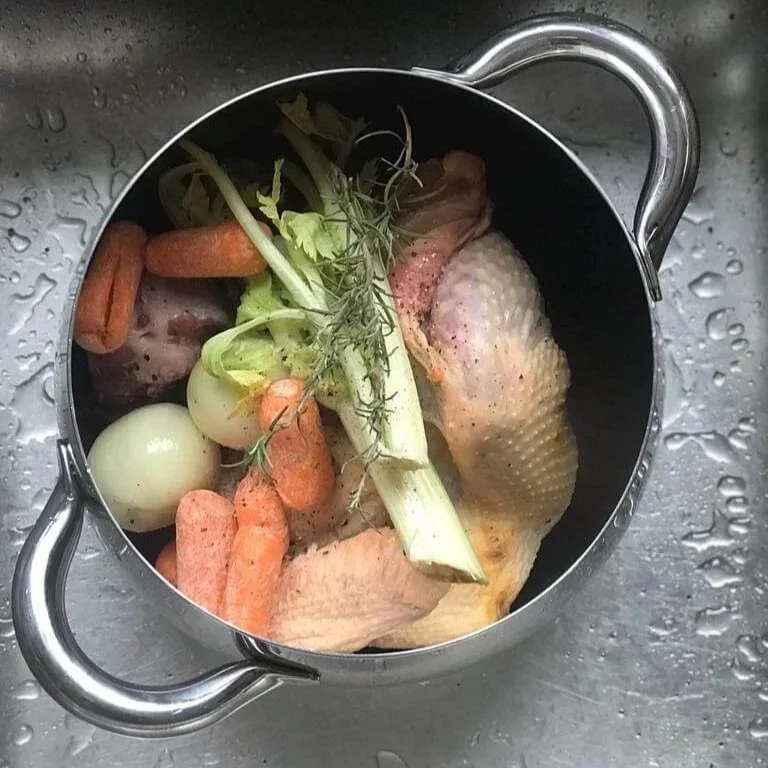
Brodo (Broth or Stock): Tradition is often a family heirloom. Our homemade broth recipe comes straight from Sheila’s mother-in-law’s nonna, and is a foundational base and technique for any authentic Italian kitchen.
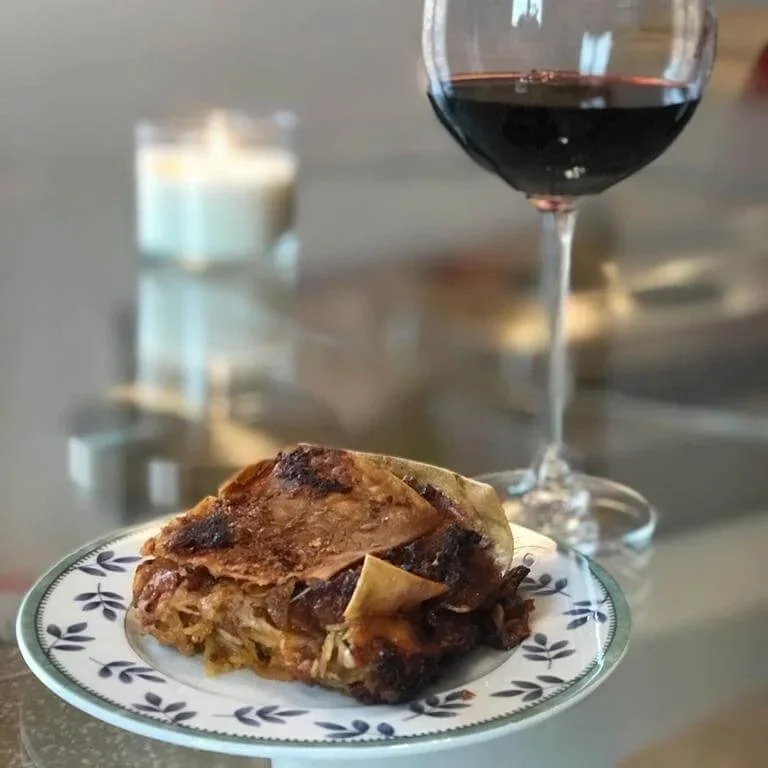
Timballo (Abruzzese Lasagna): For a more regional look at identity, Vero Friend Gaia’s Timballo is a crepe-based "lasagna" from her grandmother’s kitchen in Abruzzo, representing a specific local history preserved for generations.
Secondo: Caponata e Polpette
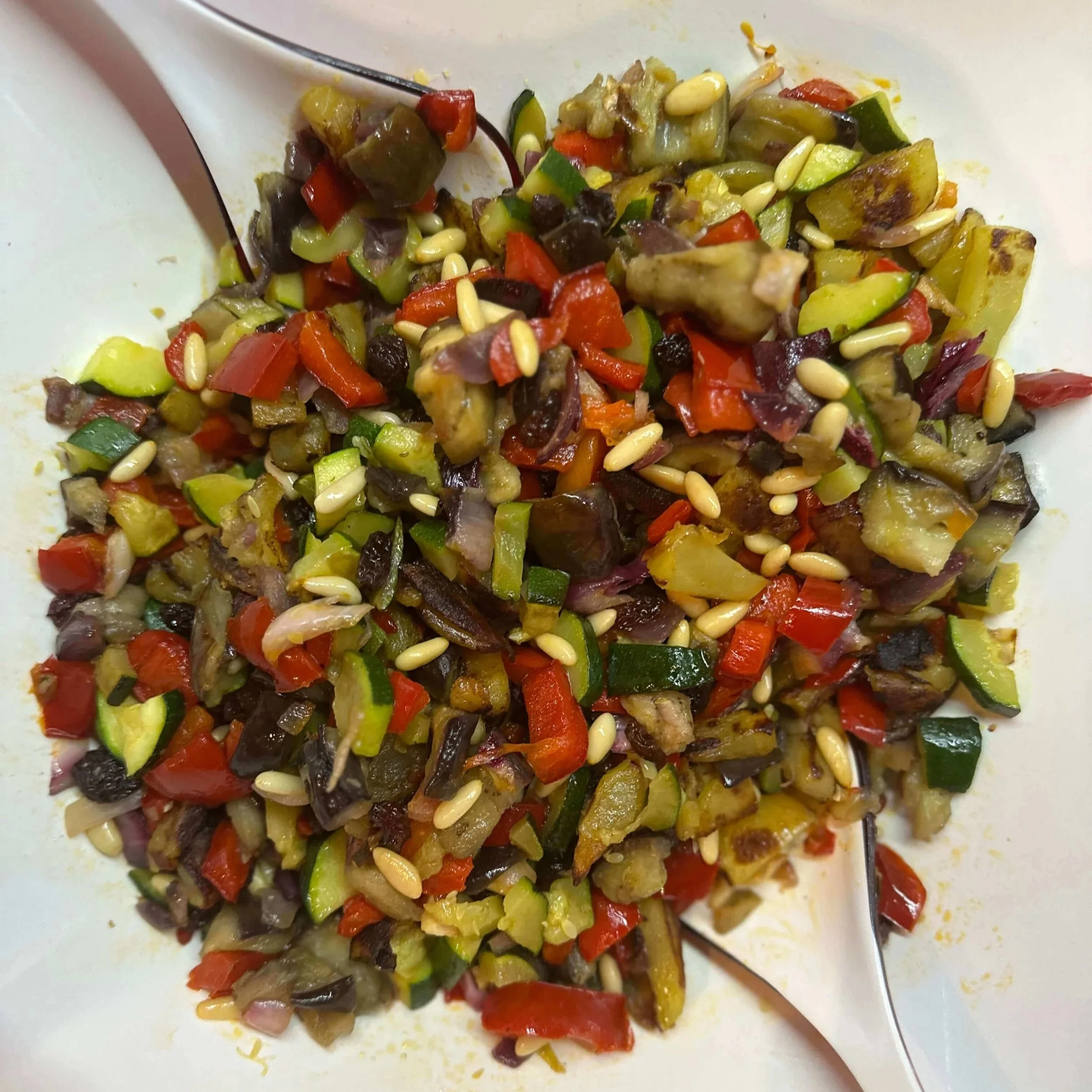
Eggplant Caponata: Identity travels with the person. Our Sicilian Eggplant Caponata is Vero Friend Daniela’s grandmother’s recipe, bringing the vibrant flavors of Sicily to life.
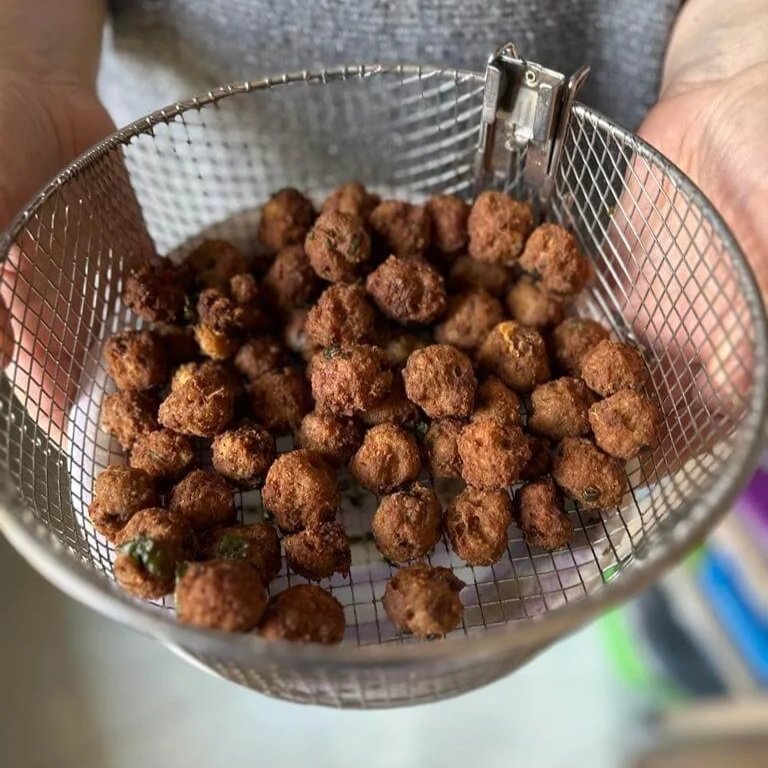
Polpette (Meatballs): Our Polpette come from another Vero Friend, a Pugliese friend, living in Bologna.
Dolce: Crostata & Sfrappole (or Chiacchiere… or Bugie… depends on where you are from!)
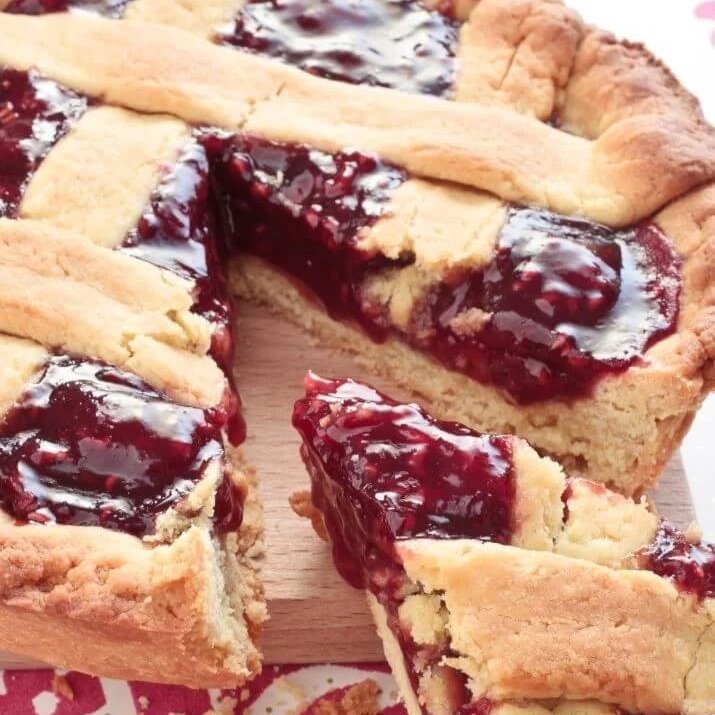
Crostata (Jam Pie): The Crostata is a classic Northern Italian dessert. Simple (pie crust and jam), every family and Nonna has their way of making it.
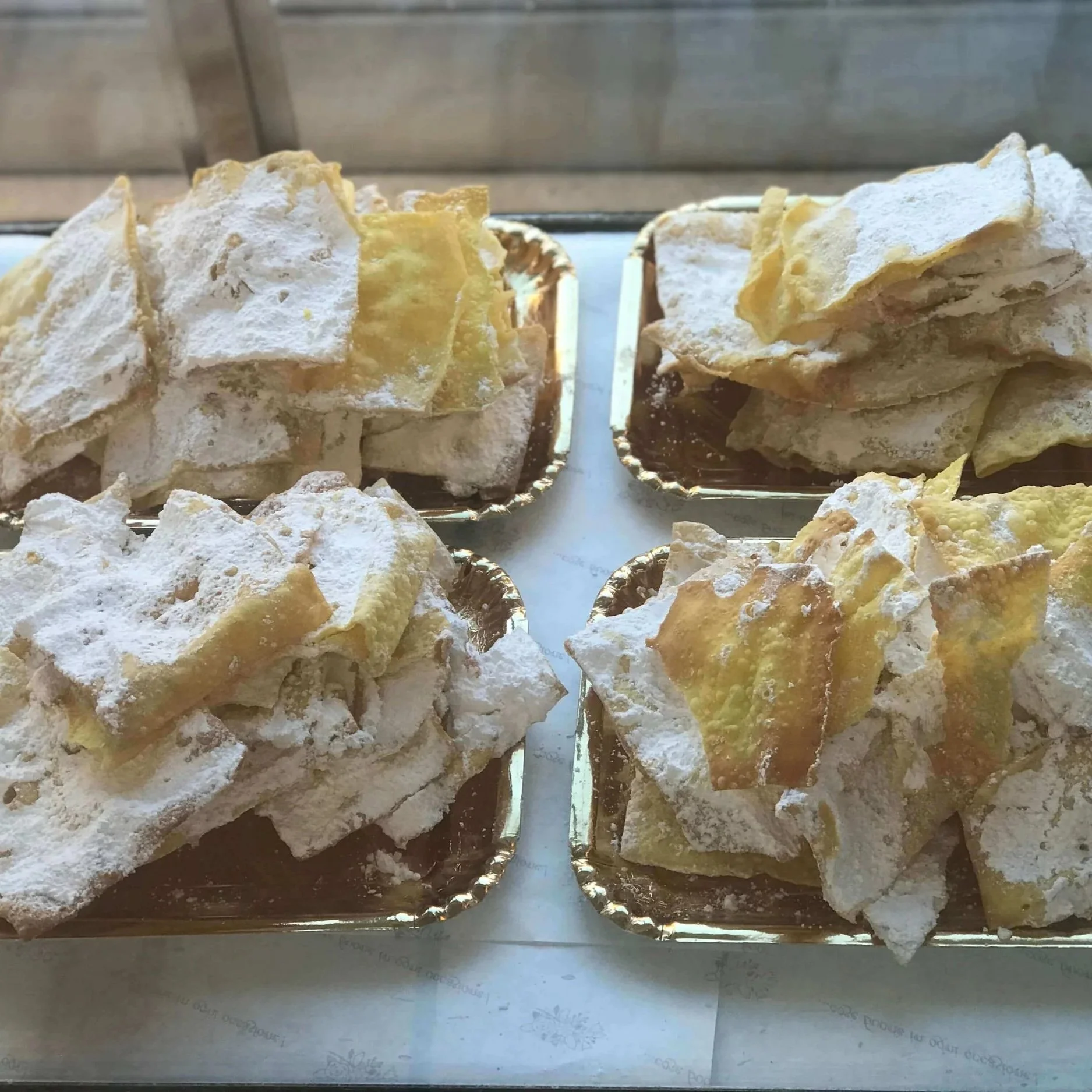
Bugie, Sfrappole, Chiacchiere: For a festive touch, we have Sfrappole, traditional during Carnevale. While the name of these fried dough ribbons changes depending on which area you are in (Bugie for Piedmont, Sfrappole in Bologna, and Chiacchiere in Milan), the tradition remains a core part of the Italian Carnevale season, no matter where you are and what they are called!
Pillar Two: Territorio or Expression of Place & Biocultural Diversity
As we mentioned in this previous article, the Italian word territorio goes far beyond its literal translation of “territory”. It is more than just a dot or delineated area on a simple map, but rather also all of the culture, climate, landscape, and people that are in that physical space. Italian cuisine is a mosaic of biocultural diversity, where a dish changes the moment you cross into the next valley or sometimes even the next town. This pillar recognizes that a recipe is an edible map of its specific soil, climate, people, and history.
Antipasto: Frico
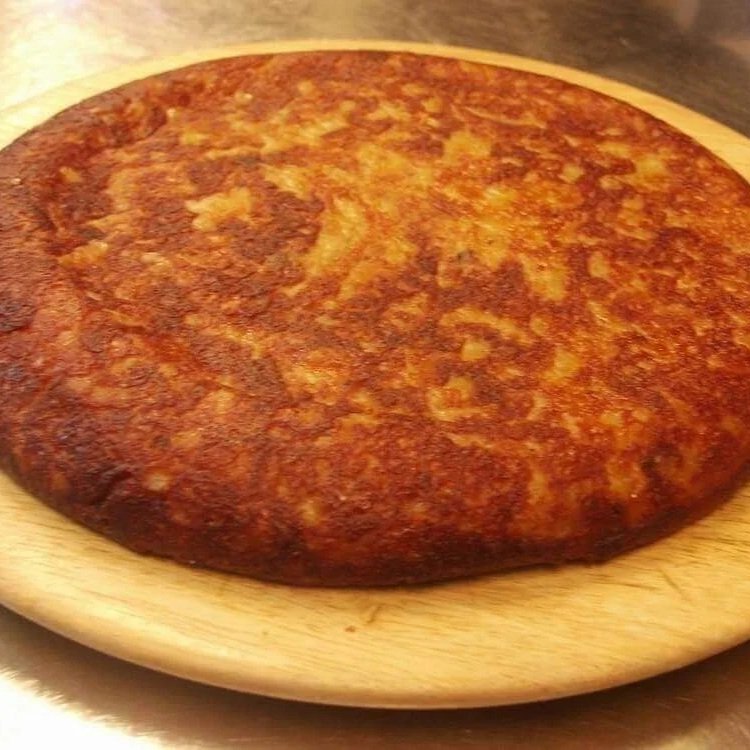
Frico (Potato and Cheese Hashbrown): Hailing from the mountains of Friuli, Frico is a testament to the local traditions. It can be served and made lots of different ways, depending on the potatoes, cheese, and hand. But the hearty dish is one that seems made for the rugged territorio of the Northeast and its crisp white wines.
Primo: Riso Mantovano & Risotto al Barolo
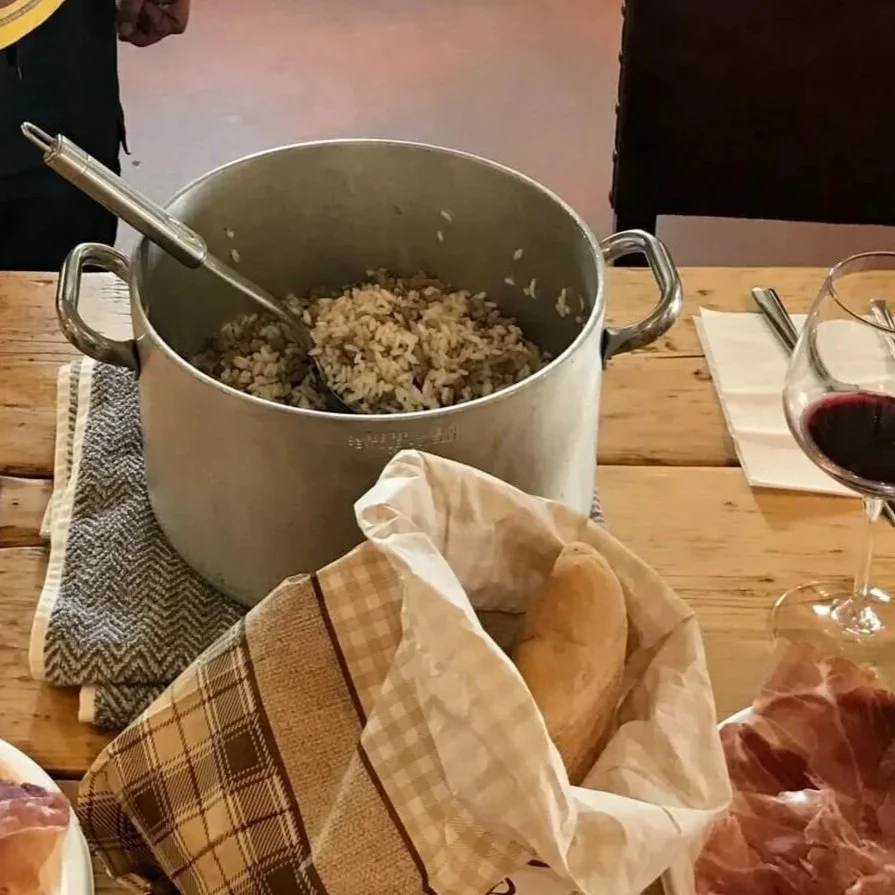
Riso alla Mantovana (Mantuan Rice): In Mantova, where a lot of rice is grown, their prized rice is paired with local garlic-rich sausage (pigs are also plentiful in the area) to create a hearty, regional staple made from local ingredients typical to the area.
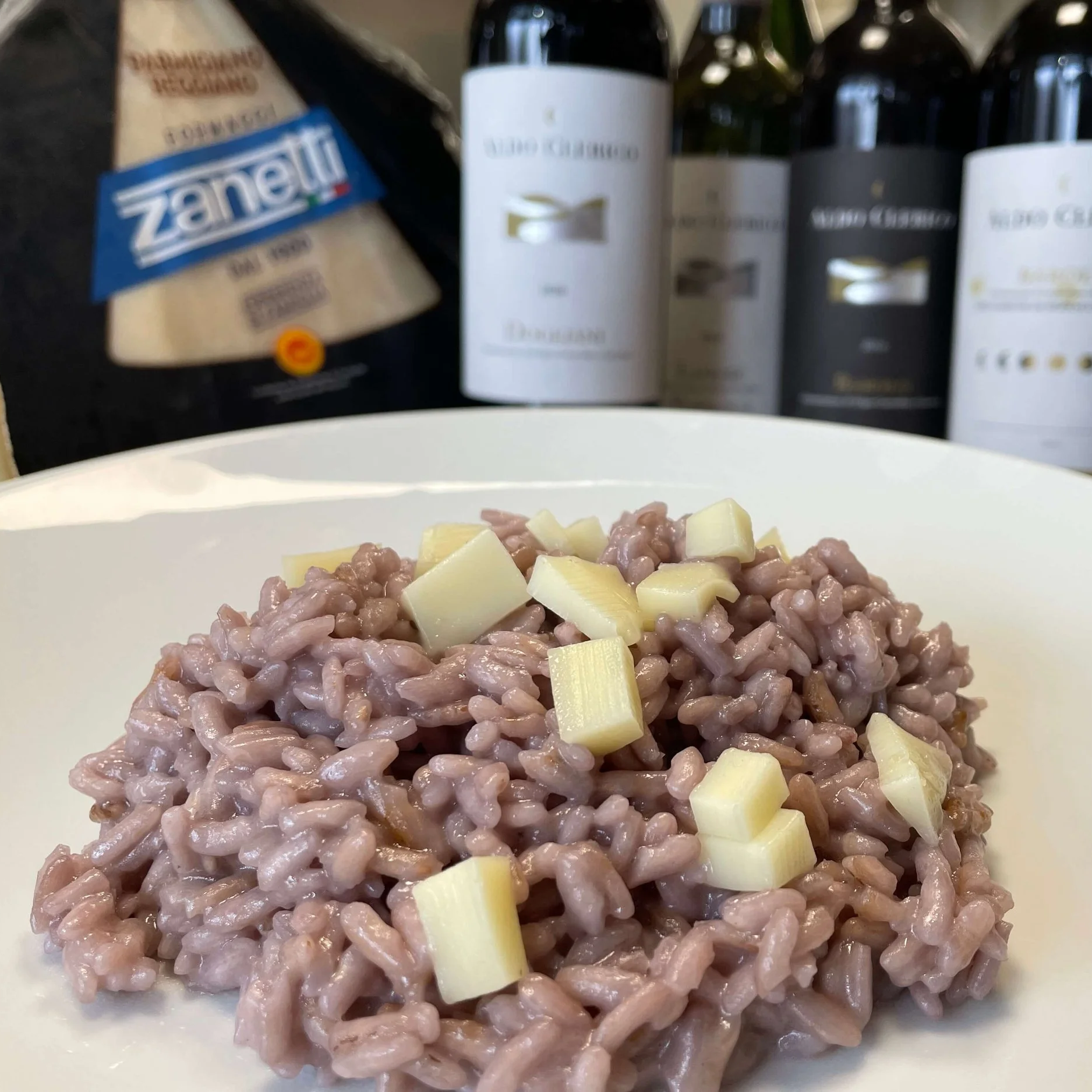
Risotto al Barolo (Barolo Rice): Meanwhile, in Piemonte, we use the "King of Wines" to create a risotto, literally infusing the local terroir into every grain of rice. Top it off with a local Bra cheese for a creamy, tangy, dish.
Secondo: Arrosto alle Nocciole
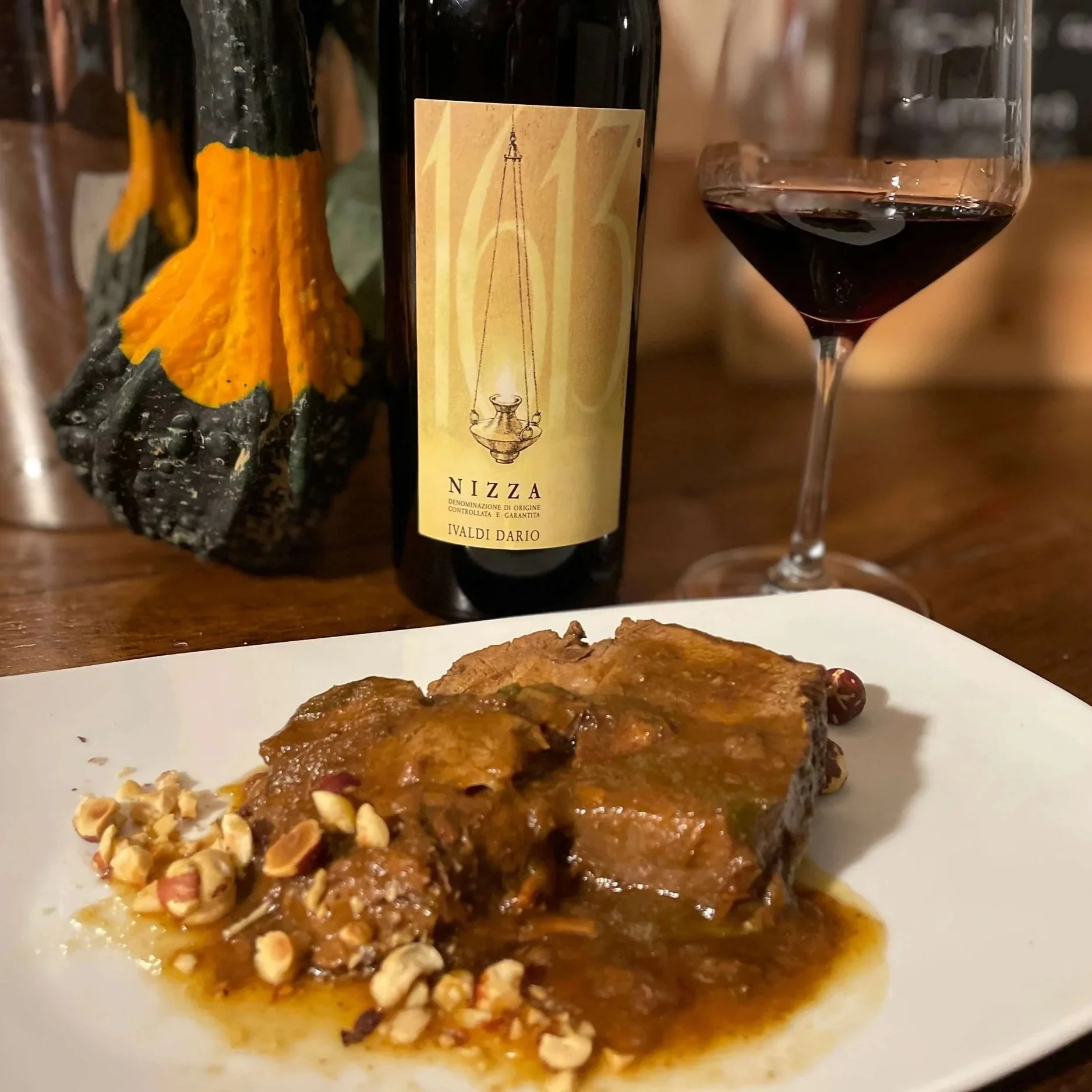
Arrosto alle Nocciole (Roast with Hazelnuts): This roast celebrates not one, but two of Piemonte’s amazing products: Hazelnuts and Fassona beef.
Dolce: Zabaglione
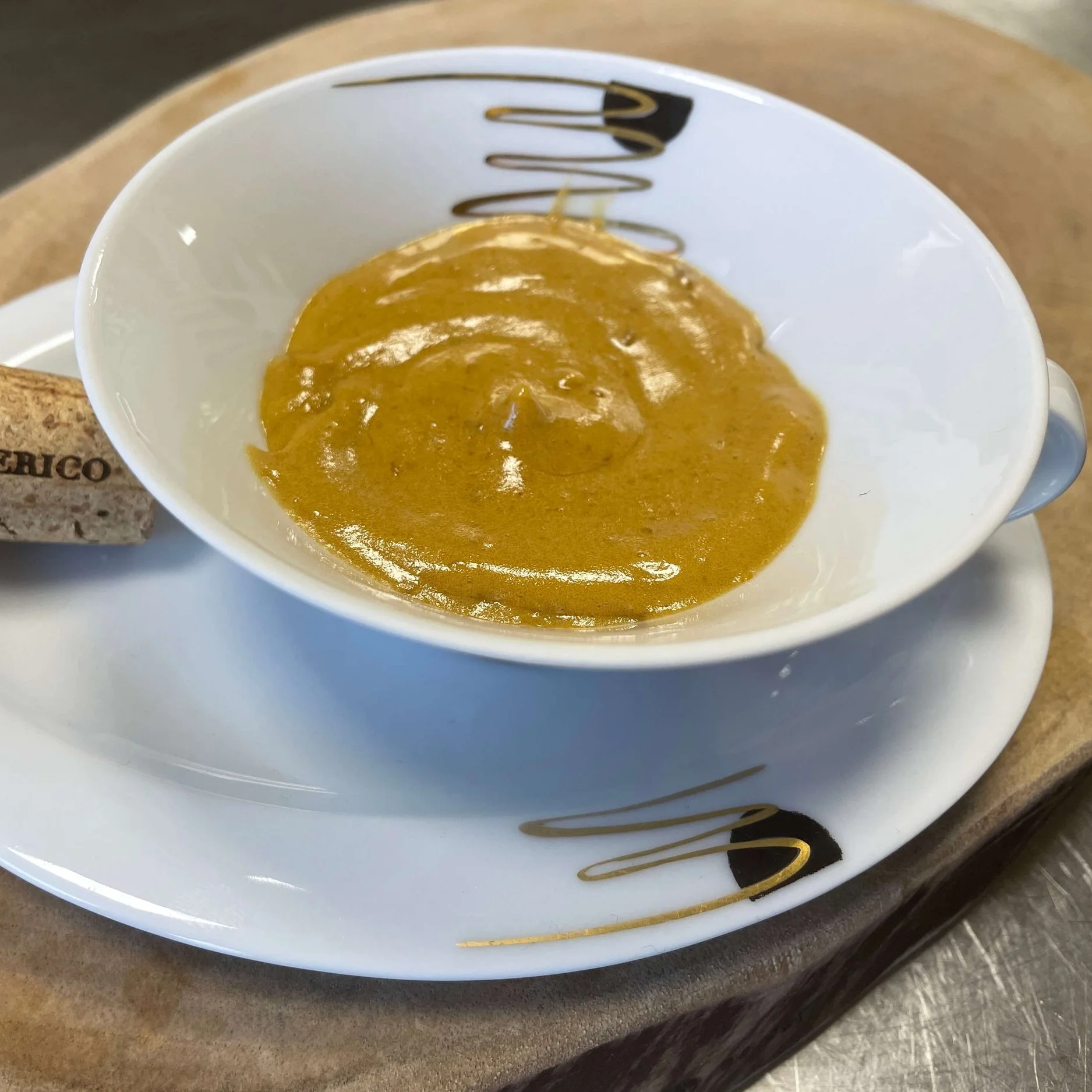
Zabajone (Custard with Wine): Even a simple whipped custard is a map of the place. By using a bold Nebbiolo or a sweet, floral Moscato, the dessert changes entirely to reflect the specific vineyards surrounding the kitchen.
Pillar Three: Farm to Table, Sustainability, and Seasonality
The final pillar is rooted in respect for the Earth and the land. Long before farm-to-table was a modern trend, it was a necessity of Italian life. This pillar celebrates the "anti-waste" philosophy of Italian cuisine, about using every part of an ingredient and cooking what the current season provides. It is about the circular relationship between the farmer, the cook, and the land. And it is also a look into the less metropolitan and more rural aspect of Italian life, where life was sometimes difficult. This waste not want not mentality has its roots in "poor man’s food", or making do with what you have, so make the most of it. Not to mention, making sure that you are acting in harmony with the local environment, ensuring the land remains healthy for the next generation.
Antipasto: Pinzimonio
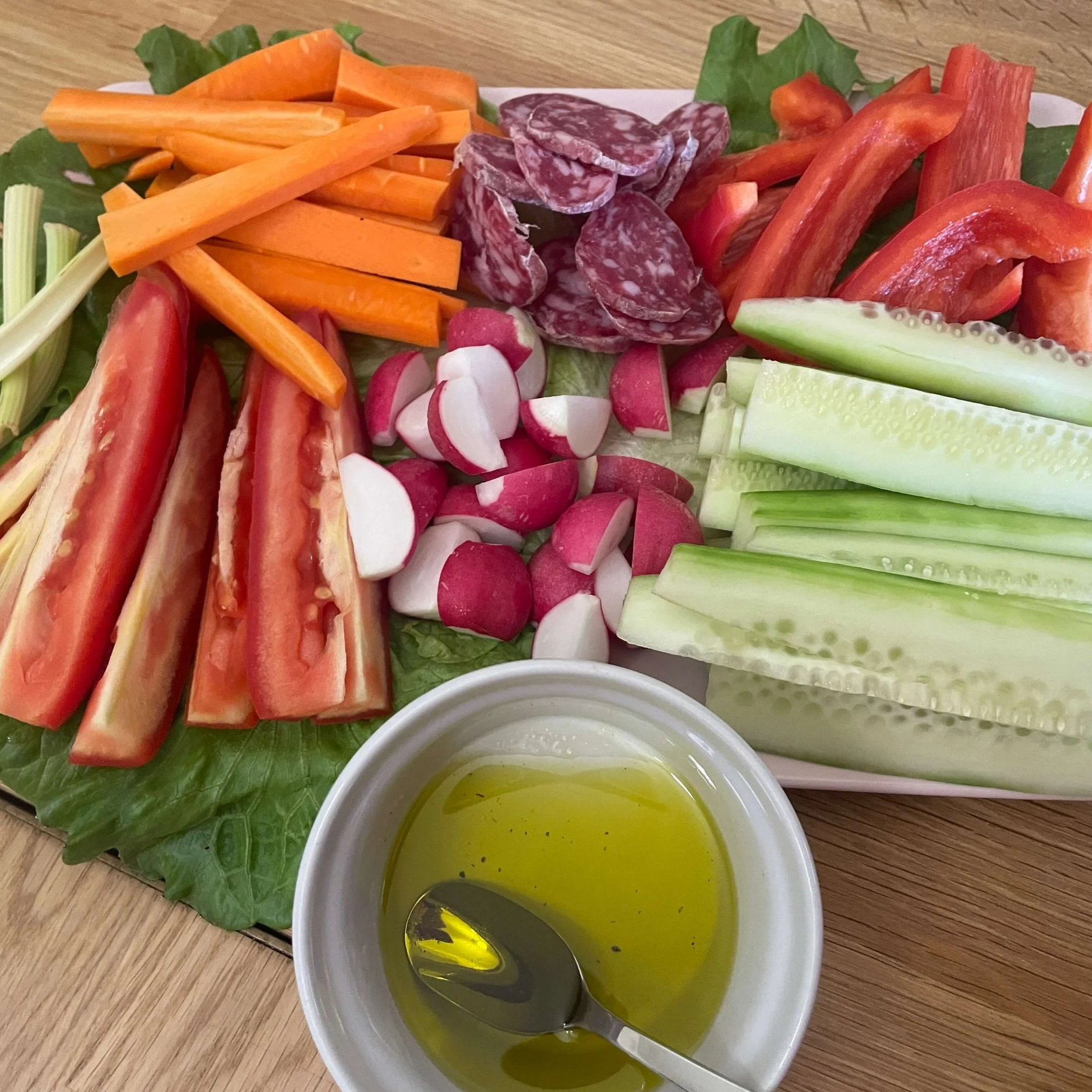
Pinzimonio (Crudité): The ultimate celebration of seasonality. Pinzimonio is nothing more than the freshest, raw seasonal vegetables dipped in high-quality extra virgin olive oil and sea salt. It is a dish that honors the farmer’s current harvest and the purity of the land.
Primo: Acqua Cotta & Pasatelli
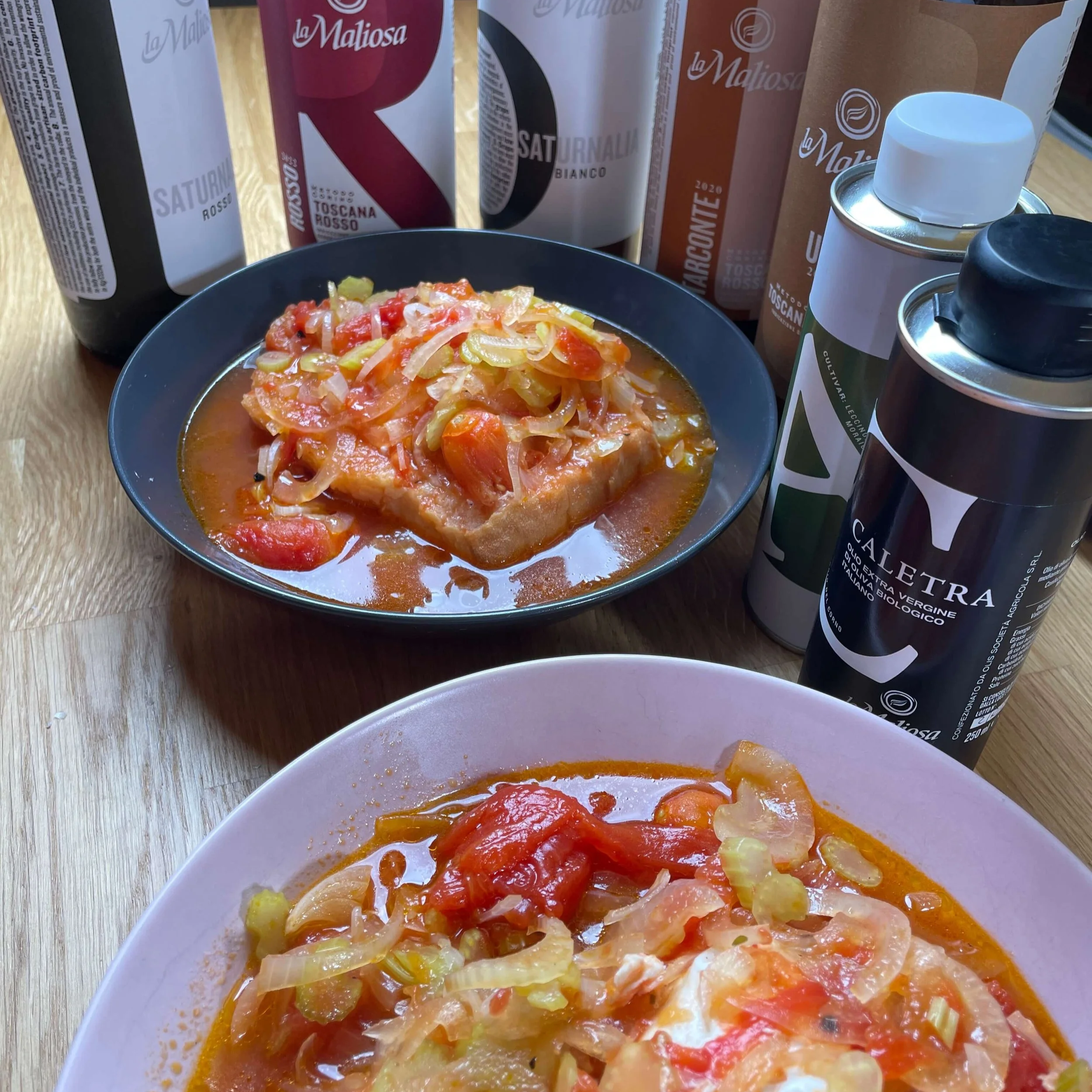
Acqua Cotta (Tuscan Soup): Acqua Cotta literally means “cooked water", and is the hallmark of sustainability. Born in the Maremma region, it was a way for shepherds to create a hearty meal using only water, stale bread, and whatever vegetables or canned tomatoes they had on hand.
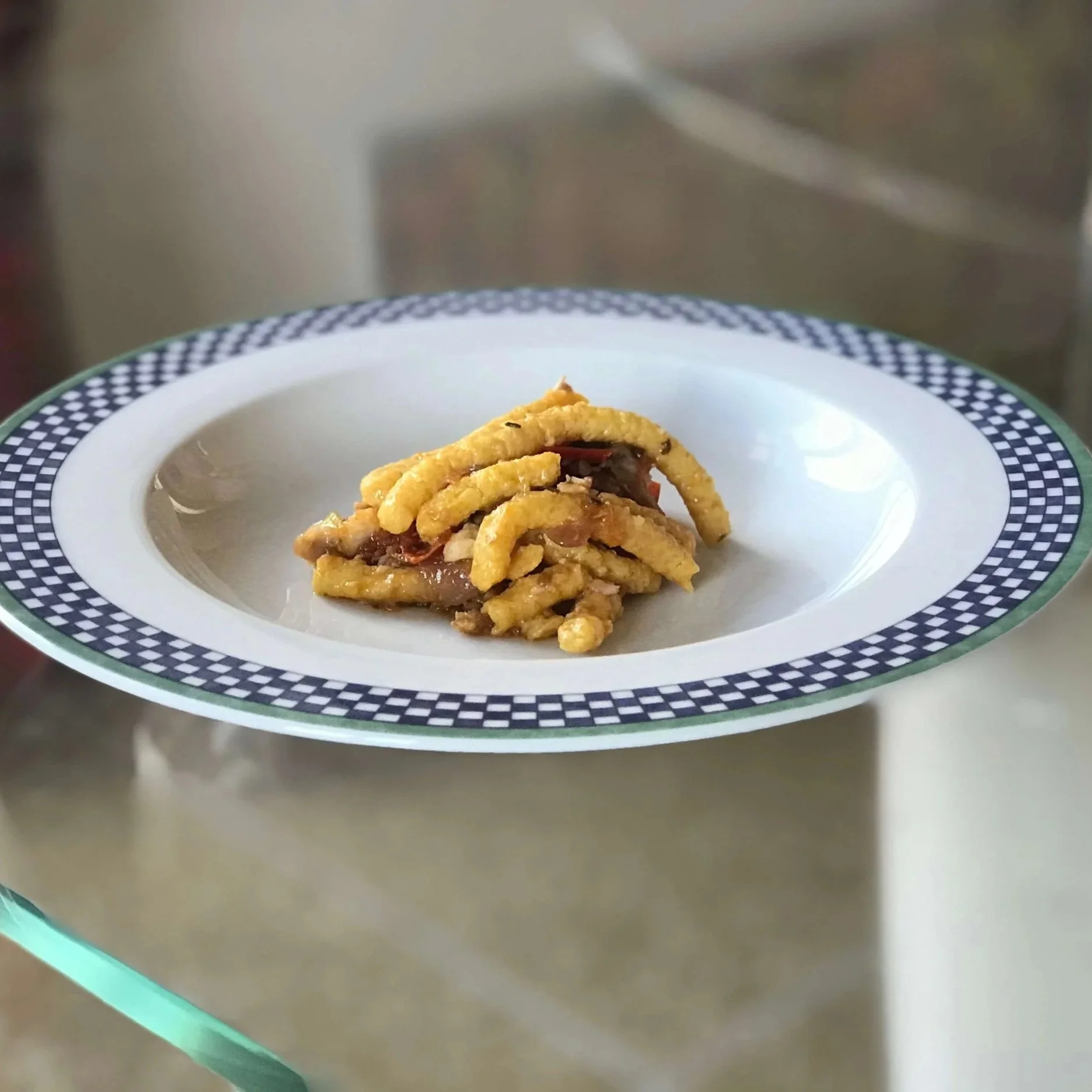
Pasatelli (Pasta Noodles): Passatelli is made in various styles across Italy, but uses leftover breadcrumbs, cheese, and eggs to create a unique pasta that ensures nothing in the pantry goes to waste.
Secondo: Panzanella & Goulash
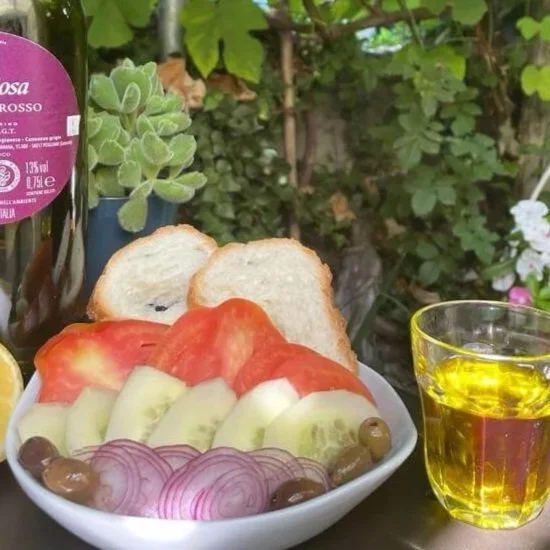
Panzanella (Tuscan Salad): Panzanella is the summer answer to sustainability, using day-old bread to soak up the juices of sun-ripened tomatoes and garden vegetables. All with a drizzle of delicious extra virgin olive oil on top for extra flavor.
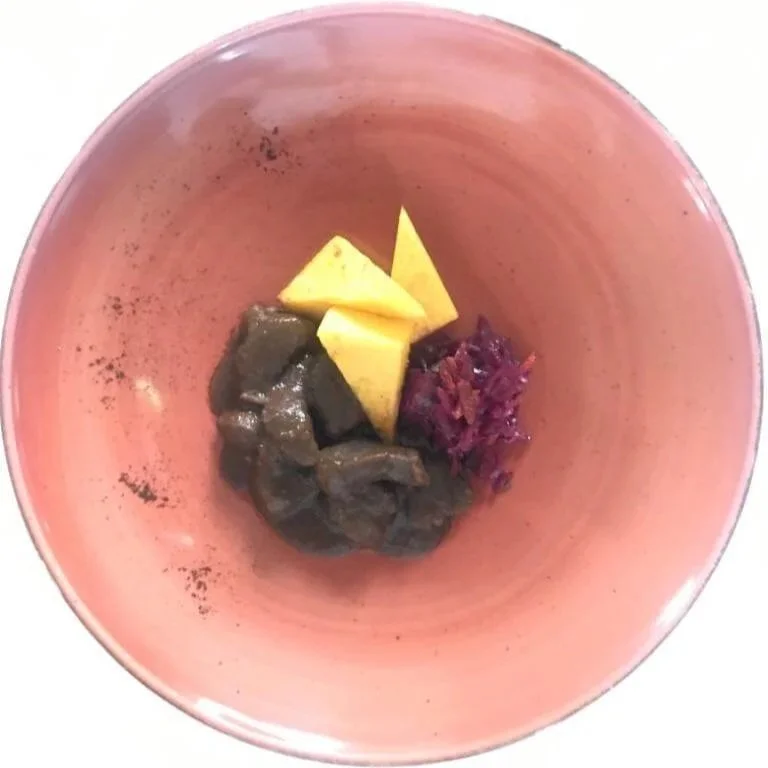
Goulash (Stewed Meat): Our Goulash recipe from the Friuli region represents wintertime hearty meals. It is a slow-cooked, warming dish designed for the colder months using hearty, local ingredients.
Dolce: Brutti ma Buoni
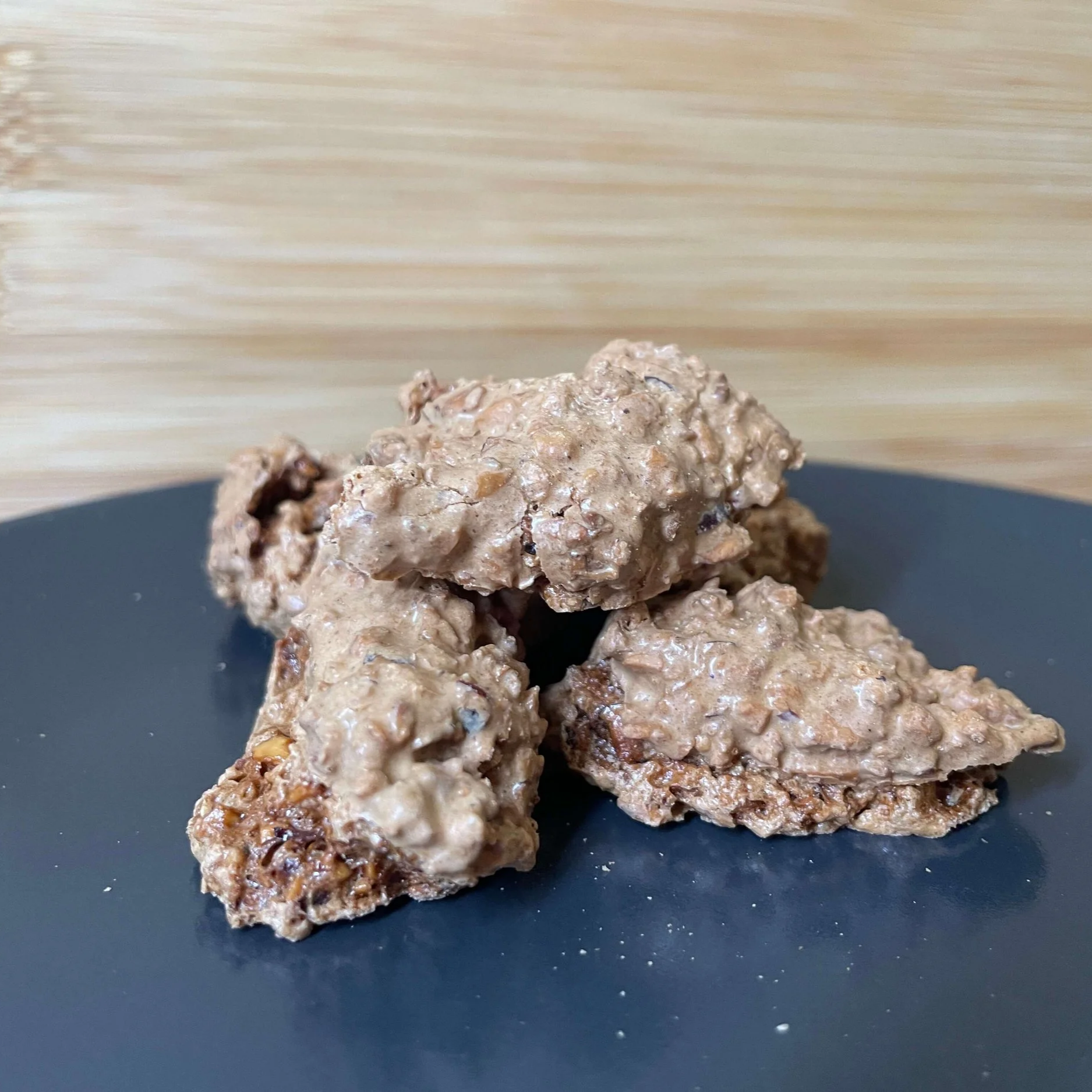
Brutti ma Buoni (Hazelnut Cookies): The name translates to "Ugly but Good." These cookies are the perfect waste not want not finish; they were traditionally made to use up leftover egg whites and nuts, proving that in an authentic Italian kitchen, even the scraps can become a delicacy. These cookies are never made by themselves… but always as a left-over from another dish.
Time to Get Cooking
While so many UNESCO heritage sites are far away, there is cultural heritage that you can recreated in your own home. In fact, Italian Cuisine is a world heritage that you can experience right at your own dinner table. By choosing authentic recipes and the artisan ingredients that support them, you are doing more than just cooking, but you are helping to preserve the biodiversity and traditions that UNESCO has deemed essential to humanity. We invite you to explore these flavors, slow down the pace of your next meal, and taste the difference that "Vero" authenticity makes. Be sure to sign up for the Vero newsletter so to be the first to try new recipes that we publish.
For those of you that know our curation style, you know that we love to support small producers and bring you unique fun wines and specialty foods. And you can enjoy these curations by trying a selection of different wines, foods, and olive oils from our portfolio. We sell to both businesses and consumers across the US:
We are enlarging our network of distributors around the country. Reach out to us if you are interested in distributing our products.
We sell to wine stores and restaurants in certain states - contact us if you would like more info.
We do corporate gifts and sommelier guided wine tastings. Email us and we’ll tailor unique and sustainable corporate gift ideas.
If our farm crafted wines, specialty foods, and olive oils are not in your local shop or restaurant buy wine online here and we’ll ship it to you, and we ship to most states.
We also have an award winning wine club for true wine explorers seeking to continually discover unique, sustainable and authentic small production wines they never had.
Italian Organic Extra Virgin Olive Oils
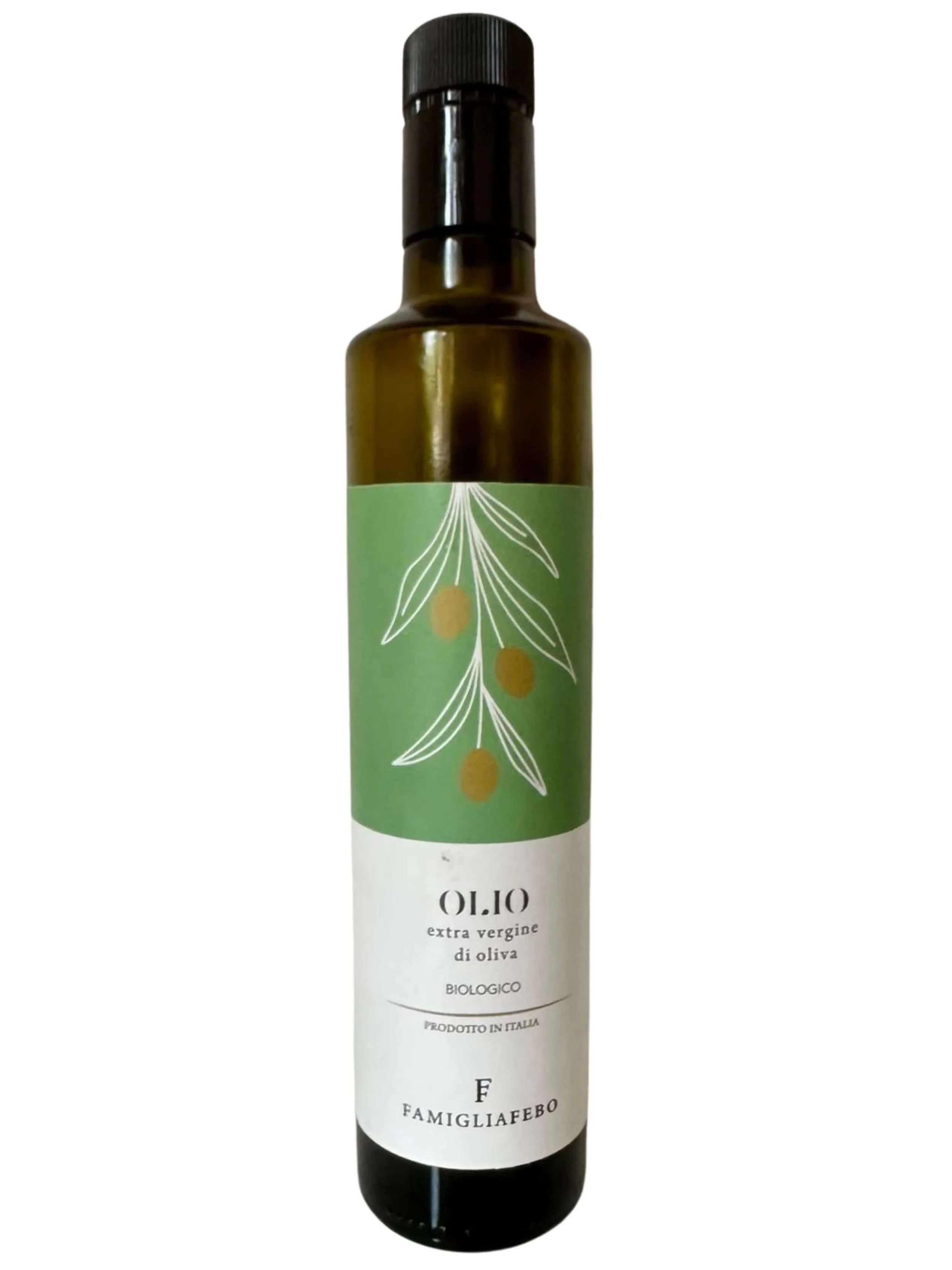
From the hills of Abruzzo near the Adriatic Coast of Italy, comes this Organic EVOO, or Extra Virgin Olive Oil, farmed and made by the Febo family. Farmed sustainably and organic, this natural extra virgin olive oil is also vegan and, like all evoos, a first run - cold press olive oil, the best kind of olive oil for you.
The 2024 harvest is still made from a blend of olives like leccino and 500 year old trees, but now it is mostly the dritta cultivar.
Farming & Winemaking Highlights: Regenerative Agriculture | Sustainable Farming | Biodynamic | Vegan | No additives | Unfiltered | Organic
Fun Facts: The dritta cultivar is a rare one being saved by Davide Febo who is trying to save and rehabilitate it.

This is an olive oil, super food for super foodies. This is small production organic & vegan extra virgin olive oil made primarily from a rare local cultivar from the area of Macerata Italy called Piantone de Mogliano. The buttery flavors and taste of this organic EVOO so inspired the family behind Quercia Scarlatta farm and winery in Le Marche Italy to name it ‘our gold’, or Il Nostro Oro.
Hand harvested and milled at the family’s farm, a first run, cold press evoo, this olive oil’s aromas remind you of stepping into a garden full of fresh green beans with a whiff of black pepper. Likewise, tasting it is like having fresh green beans with black pepper and butter, thanks to its buttery texture. Black pepper continues on the finish.
This organic extra virgin olive oil comes in a 3 liter container, made for following the Mediterranean diet to a tee!
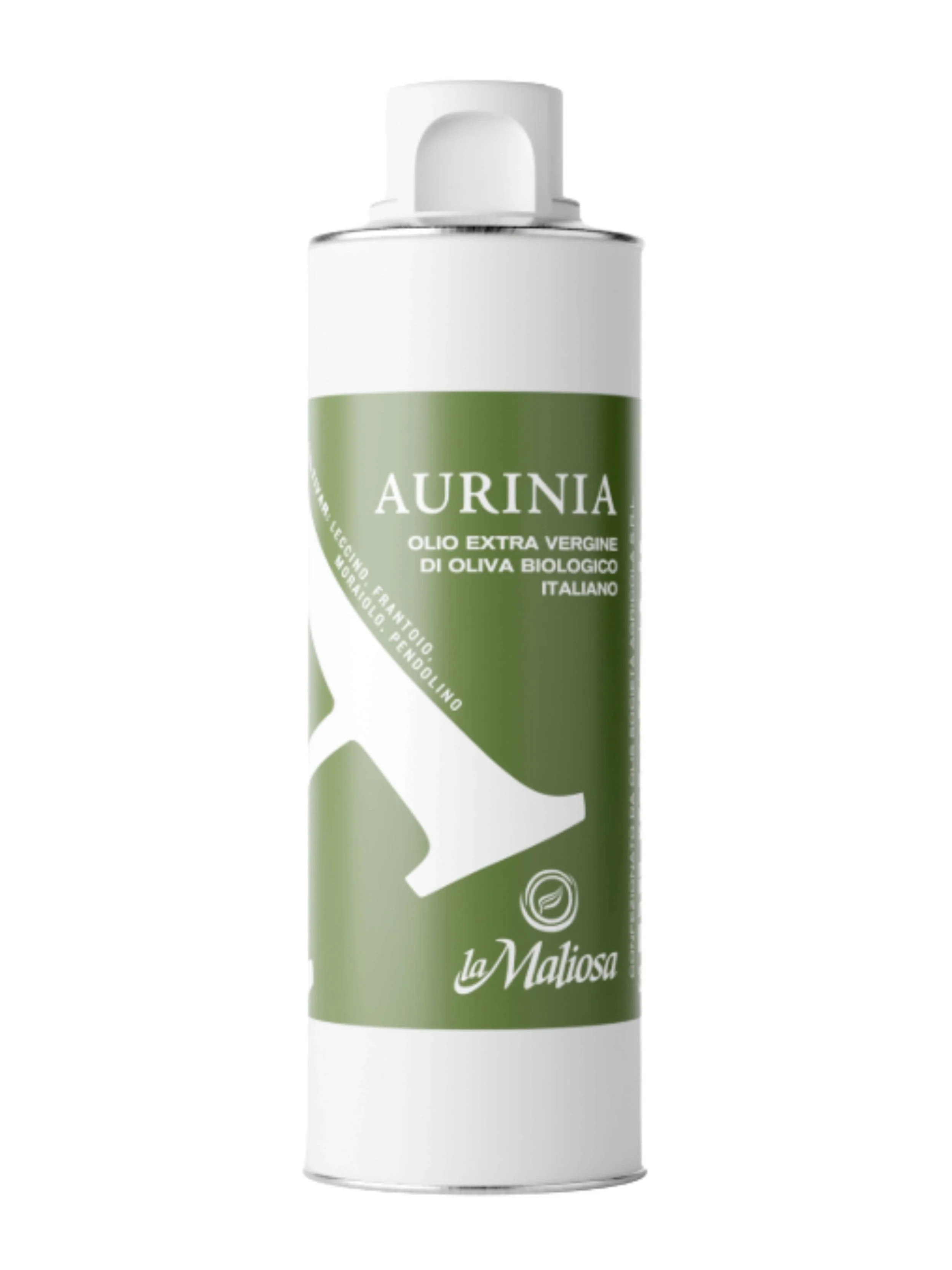
This is a woman made, limited production first cold press organic Extra Virgin Olive Oil from the Maremma hills of Tuscany made from a blend of four Tuscan cultivars. Buttery deliciousness with a bitter kick at the end, thanks to its polyphenols. It has won gold medals in a competition which judges the best extra virgin organic olive oils from around the world.
Farming & Winemaking Highlights: Regenerative Agriculture | Sustainable Farming | Biodynamic | Vegan | No additives | Unfiltered | Organic | Metodo Corino
Fun Facts: The natural farming method that produced this extra virgin olive oil, the metodo corino, is actually patented by La Maliosa woman winemaker Antonella Manuli after she helped to develop it with natural wine legend Lorenzo Corino of Case Corini.
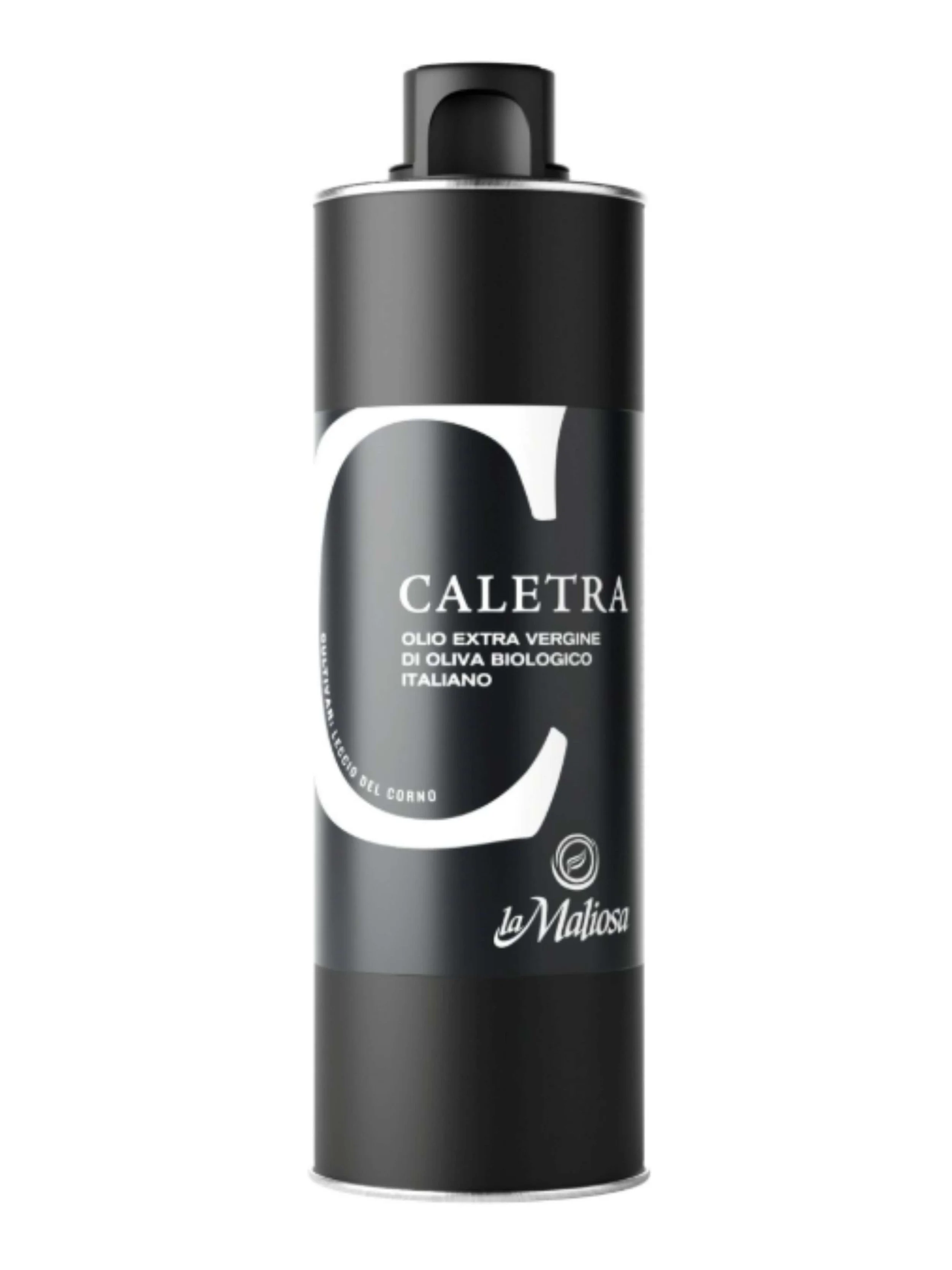
A prestigious first cold press monocultivar organic extra virgin olive oil from the Maremma hils of Tuscany which has won best organic extra virgin olive oil from Tuscany! Its polyphenols which are used to determine how good an olive oil is, are exceptionally high!
Top awards include extra gold, as best Tuscan organic EVOO by Biol Novello which evaluates the best olive oils in the world. In the past this olive oil has also won Best in Italy, as well as Gambero Rosso 3 leaves (their highest rating).
Its aromas of grass, green pepper and mint lead to an intense hot pepper taste and a long finish with black pepper lingering in your mouth. Even just a little drizzled over a simple lettuce salad will bring it to life with flavor.
Farming & Winemaking Highlights: Regenerative Agriculture | Sustainable Farming | Biodynamic | Vegan | No additives | Unfiltered | Organic | Metodo Corino
Fun Facts: The natural farming method that produced this extra virgin olive oil, the metodo corino, is actually patented by La Maliosa woman winemaker Antonella Manuli after she helped to develop it with natural wine legend Lorenzo Corino of Case Corini.
Hazelnuts for Snacks and Cooking…
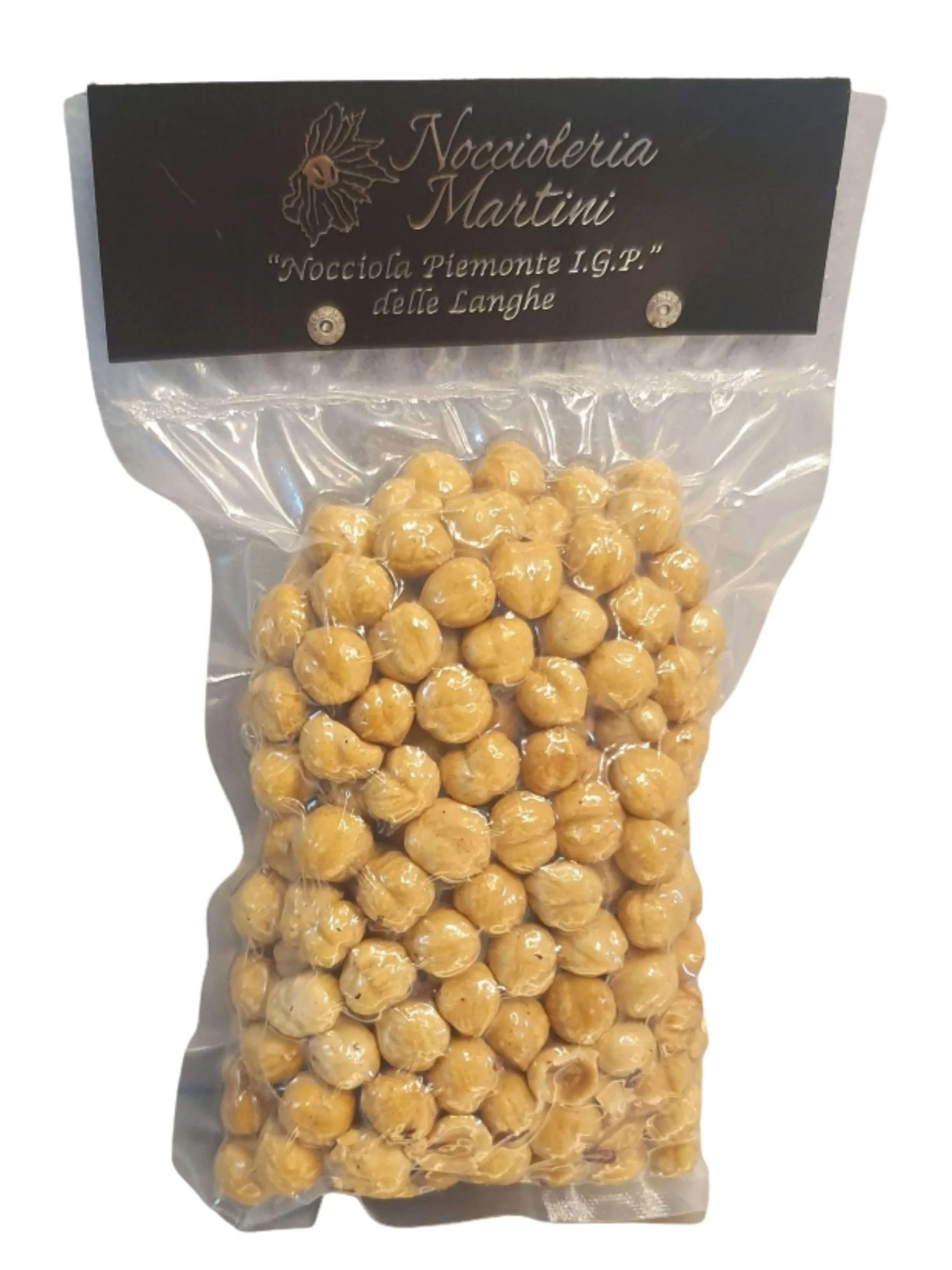
Simplicity at its best: nuts and nothing else! Woman artisan farmer Silvia Martini cares for her trees to ensure that her hazelnuts are healthy, delicious, and wonderful enjoyed simply with little flair. These hazelnuts, hand selected by Silvia from her harvest are toasted and packed under vacuum to maintain their freshness.
How We Enjoy This Food: Enjoy them on their own as a healthy snack, crushed as a garnish for a savory roast, and baked into sweet cookies.
Farming Highlights: Regenerative Agriculture | Sustainable Farming | Biodynamic | Vegan | No Additives | Organic | Gluten Free
Fun Facts: These hazelnuts are certified IGP (or indicazione geografica protetta, a protected geographic indication) from the Langhe. That means they are protected by law as special.
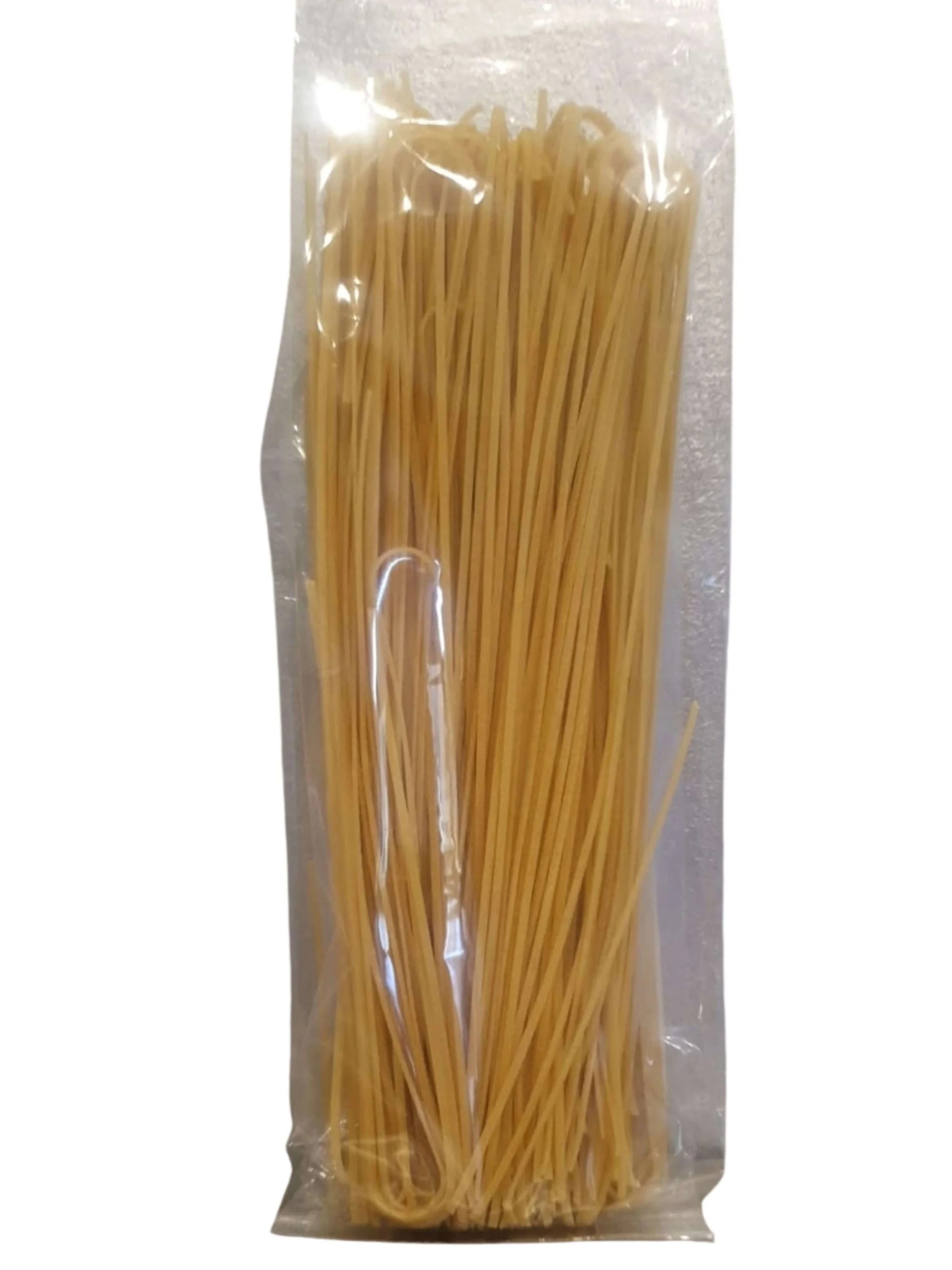
Create a unique dish for your next Italian Night dinner at home with this pasta! Made from a mixture of wheat flour and hazelnut flour from woman artisan farmer Silvia Martini, this pasta has a unique flavor and texture. Cook it slightly al dente to truly feel Italian, and drizzle on a little Italian extra virgin olive oil for a simple and delicious meal.
How We Enjoy This Food: Serve this pasta with simple sauces to let the hazelnut flavor shine through. Bonus points for dressing it with a hazelnut pesto.
Farming Highlights: Regenerative Agriculture | Sustainable Farming | Biodynamic | Vegan | No Additives | Organic
Fun Facts: This product is entirely “made in Italy”, as even the wheat used to make the additional flour is grown and processed in Italy.

Simple three ingredients: hazelnuts, salt, and pepper, yet packed so full of flavor! This is a great all-purpose sauce to keep in your kitchen, as an alternative to your usual pesto as a pasta sauce, but more, like add it to your favorite salad. This truly tastes like you are eating salted hazelnuts, just in a creamy, pesto form. Made in the shop of woman artisan farmer Silvia Martini.
How We Enjoy This Food: As a pasta sauce, especially with Hazelnut Flour Pasta
Farming Highlights: Regenerative Agriculture | Sustainable Farming | Biodynamic | Vegan | No Additives | Organic | Gluten Free
Fun Facts: Try this as your next sandwich spread instead of mayonnaise.
… And for Dessert!
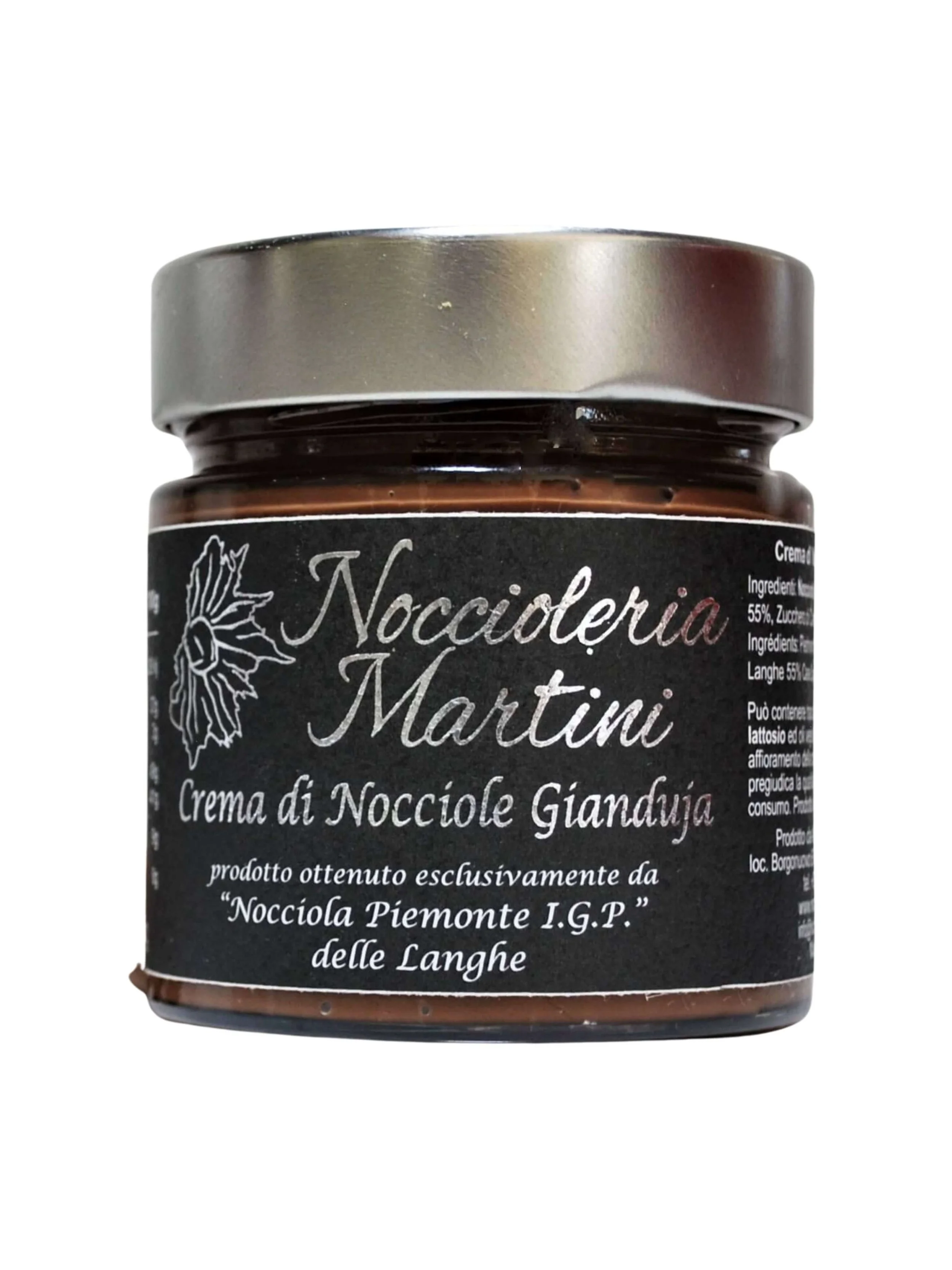
Lusciously sweet, it is not overpoweringly so. Creamy, it is a wonderful and classic blend of hazelnut and chocolate flavors. Pronounced jahn-due-ya, this cream that is a blend of hazelnuts, cacao powder, and sugar, was originally born in the Piedmont capital of Turin before eventually being commercialized by Ferrero as “Nutella”. In fact, that is why we consider this a great alternative for those that find Nutella too sweet or processed. Made in the shop of woman artisan farmer Silvia Martini.
How We Enjoy This Food: Use as a Nutella alternative with whole ingredients
Farming Highlights: Regenerative Agriculture | Sustainable Farming | Biodynamic | Vegan | No Additives | Organic | Gluten Free
Fun Facts: Gianduja is the original predecessor to Nutella. In fact, it can be considered like an Artisinal Nutella.

Thick, creamy, spreadable, we love to use this instead of peanut butter! A product quite on its own, it has slight differeneces from all of the other hazelnut creams made by artisan farmer Silvia Martini. Sweet like the Praline cream but without the caramel undertones, thick like the Black and Gianduja but with no cacao powder, this is a great product to enjoy by the spoonful, or on your next PB&J. Made in the shop of woman artisan farmer Silvia Martini.
How We Enjoy This Food: Use as a sweet peanut butter alternative
Farming Highlights: Regenerative Agriculture | Sustainable Farming | Biodynamic | No Additives | Organic | Gluten Free
Fun Facts: Same ingredients of Silvia’s Gianduja, but just different ratios of sugar and cacao for a slightly different taste.

Silvia calls this “Crema di Nocciola Black” as this is likened to a dark chocolate hazelnut cream. It’s a great creamy spread for those who prefer dark chocolate. Thanks to extra cacao powder, it has a more chocolatey taste with more of a bitter-dark chocolate type flavor when compared to other hazelnut creams. Made in the shop of woman artisan farmer Silvia Martini.
How We Enjoy This Food: Much the same as the Gianduja cream, use as a Nutella alternative.
Farming Highlights: Regenerative Agriculture | Sustainable Farming | Biodynamic | Vegan | No Additives | Organic | Gluten Free
Fun Facts: Same ingredients of Silvia’s Gianduja, but just different ratios of sugar and cacao for a slightly different taste.

This is a unique, sweetened hazelnut cream which woman farmer and creator calls “Pralinato di Nocciole” which translates to Hazelnut Praline Cream. It has a full-on flavor of the best hazelnuts on the earth, which are “Nocciola Piemonte I.G.P.” delle Langhe, the strictest appellation in the world to determine hazelnut quality. Well balanced, with the nutty aromas, rich taste and just the right amount of sweetness, with a touch of caramel flavor. It is really to die for! This is thanks to the careful, organic farming and production method of woman artisan farmer Silvia Martini. In fact, she actually blends Silvia Martini’s Candied Hazelnuts to make this incredible nutty and sweet spread.
How We Enjoy This Food: Spread it on toast in the morning for a wonderful treat to start your day. Or, bakers out there, us it as a filling in pastries and baked books, use as a sweet peanut butter replacement
Farming Highlights: Regenerative Agriculture | Sustainable Farming | Biodynamic | Vegan | No Additives | Organic | Gluten Free
Fun Facts: One of Barolo winemaker Aldo Clerico’s favorite hazelnut spreads.

These little treats are just two ingredients: hazelnuts and sugar. Made by woman artisan farmer Silvia Martini in her kitchen behind her shop front, they are crunchy and soft all at once. A crisp crunch from the sugar coating, and a soft chew from the hazelnut inside. Sweet and delicious, these caramelized hazelnuts are a great snack for a sweet tooth.
How We Enjoy This Food: Great as a sweet treat, we dare you to eat just one!
Farming Highlights: Regenerative Agriculture | Sustainable Farming | Biodynamic | Vegan | No Additives | Organic | Gluten Free
Fun Facts: Sometimes also called “candied hazelnuts”, they are created by meticulously layering sugar over a hazelnut and letting it crisp into a caramel.