Conversation with a Wine Loving American in Italy

Vero Collaborator Jacqueline Mitchell, after earning her sommelier certification from AIS (Association of Italian Sommelier).
The world of wine is built by the hands and brains of women the world over, and in honor of Women’s history month, we like to talk with some of these women that help not only make amazing wines, but help them make it to your glasses. In the past this has been women winemakers like Hilde Petrussa, and Irene Balim, women behind the scenes at wineries like Luisa Corino, Francesca Mecchia, Claudia Pagliotti, Valentina Conterno, and Gretel Meys Compton, and the business women bringing these wines to the forefront, like our own founder Sheila Donohue, and professionals like Helen Gallo Bryan, Tayna Ho-Shue and Burley Tuggle.
And today, we are looking back behind the scenes of Vero, at our very own collaborator, Jacqueline Mitchell. She is a sommelier, wine professional, and ex-cook living in Northern Italy for over 10 years now. She has worked with Vero for the last five years, running our website, as the the presenter on our YouTube channel, and you may in fact recognize her from a VeroTalk where she taught us some local Piemontese dishes all cooked with Barolo.
We sat down and talked a little bit about her family’s wines, her journey to life in Italy, and her love of wine, so without further ado, let’s get to know Jacqueline.
Meet Jacqueline Mitchell
We’ve heard through the “grapevine” that Ojai Pacific View Vineyard and Winery is you family’s, started by you and your Mom.
I spent my early childhood in Chicago; however, when I was 8 years old, my parents purchased raw land in Ojai, Southern California, near where they grew up. We moved out to California and built what we referred to as “the ranch” from the dust of sage brush into a beautiful place to live.
We had horses and a whole host of other animals (at our peak 5 horses, 6 dogs, 20 odd cats, and 40 chickens); and built our homes and buildings ourselves. The ranch gave me a lot of education in life, and I consider it formative in creating who I am at my core today: grit, a drive to build, work hard, move my hands. It was also where my journey in wine officially “started”.

The view from Ojai Pacific View Vineyard and Winery.
The one thing we always struggled with on the ranch was planting. The soil was rocky limestone, what little “dirt” there was, often was acidic from nearby oak trees. The water, too, had a ton of minerals, although we were fortunate that it was one of the few on the ridgeline that didn’t contain the infamous sulfur compounds for which the area was named: Sulphur Mountain. Everything we planted died… orange and avocado trees, fruit trees, vegetables. Finally, getting soil and water samples, it was discovered that actually, grape vines would thrive. So, the family decided to plant a vineyard.
We dug irrigation, set up fencing against deer, and we began to research how to build and tend a vineyard. Many grape varieties were thrown around, but for some reason, none of them felt quite like us. But, on a family trip to Northern Italy (Piedmont specifically), we tasted lots of local wines and talked to winemakers and all sorts of people. At a lunch in the Langhe, at a restaurant we were promised was a “local favorite” (and where I ended up working for over 10 years, but that is further on in the story), the grandfather figure serving us wine laughed at my mother when she said we were planting a vineyard and that she really liked this Dolcetto wine… maybe she should plant that! He responded to her with “go sit on the beach… leave the dolcetto wine to me.” That evening, Mom proclaimed she was going to plant dolcetto. So we did!
The first few years were rough… deer and various wildlife wreaked havoc on our crop, but finally in 2017 we had our first harvest. I loved the harvest, picking the grapes, watching them be crushed; it was a blast for me.
Learning about wine, my parents made social connections to a lot of winemakers in our area, and I would listen in to conversations and even get to taste with them a little bit. I liked wine, I liked the variability, what seemed like endless opportunity to try different things. I kept the interest, trying to read and learn where I could. Of course, the fact that I ended up living in the Langhe in Italy, home of some of the best red wines in Italy, made this easy to do.

Jacqueline on a tractor building the vineyard.
What spurred you to move to Italy in the end, was it for wine?
No, actually, the wine was auxiliary. I moved there for a job in the restaurant industry, as a cook. For almost two years I went back and forth trying to get a visa; I had a job offer at a local bakery, but the visa just wasn’t happening. Finally I tried a different angle, getting a student visa through a culinary school. It was specifically targeted at foreigners with classes translated into English, and after had four months of internship work experience at a restaurant of your choice.
While a lot of my fellow students went to Michelin starred or fancy restaurants throughout Italy, I instead chose to stay locally and asked a restaurant that I had often visited over the last few years if they would hire me. I wanted something small, family owned, and of course, with quality food, so I had the most possible opportunities to actually get my hands dirty and learn. And I picked well, while a lot of friends were peeling potatoes and chopping onions, I got to do so much more. I mean, I peeled potatoes too, but I made several types of pasta by hand every week, I got to pretty much touch and work on every single type of preparation and traditional dish. Within just a few short months I had learned so much, not just recipes and dishes, but how to cook as well.
Towards the end of my student visa, at the restaurant we were all getting along so well, it was decided that we would at least try for a work visa. It was a difficult process and took the better part of a year, but in the end, through a ton of grit, we got the work visa through. It was quite an amazing moment, and standing at the immigration counter I didn’t really understand at first that it had worked and I was getting the visa for what I thought was to last for a year.
Only a year? But wait, don’t you still live in Italy?
Yes, I do still live in Italy! I actually ended up working at that restaurant where I did my internship, Trattoria Risorgimento, for over 10 years. They truly welcomed me into their family, adopting me so to speak. It was a huge influence in my decision to stay in Italy… I loved the people I worked with so much, to continue to renew the visa year after year, seemed like a natural decision. In all honesty, it just never occured to me to “go home”. It was hard work, restaurant work is after all, but working with people that I loved and that loved me was wonderful, and I feel like it helped me assimilate into Italian culture easier. I had very close examples to follow in the family, and they would help me, too, answering questions and showing me the local way of life. I learned Italian through them, I never took a class really, I just listened to the family conversations around me. It has led to a few unintentional consequences, like learning more than a few swear words without realizing what they actually signified, but also learning a lot of local dialect without meaning to. The family speaks a mixture of Italian and the local dialect Piemontese (actually a separate language), so as I listened and learned, I was picking up certain vocabulary words or pronunciations in Piemontese, and I actually wouldn’t learn the Italian until way later. Even now, there are certain words that just come more naturally in dialect to me.

Jacqueline at culinary school in Italy.
So what is it like to live in Alba? What are the pros and cons?
I am lucky that where I live in Piedmont, Alba in the Langhe, is actually a tourist destination. I remember how the first time I went to eat at Trattoria Risorgimento (two years before I even knew I would go work there one day), I was hanging out of the car window taking photos of the views, amazed at how beautiful it was. I never imagined that I would drive up that same road every day for 10 years. I love Alba itself too. Not only is it a cute little town; but I think it is the perfect size. Small enough that you can walk anywhere you need to in town, yet not big enough where it is chaotic or hectic and difficult to navigate. Yet, it is large enough that in the periphery and even in the center, there is pretty much anything you need nearby. Big cities like Torino or Milano are not too far away, even if I tend to view a “trip” to the city as a special occasion. A con, of being a local, I find that, especially compared to a very big area of Los Angeles that I used to live near, there is not a whole lot of food diversity. In California, imagine the type of food, be it tex-mex, thai, Greek, Korean, or whatever, and there is a great place to eat or market to shop at. Here in Alba and in the Langhe, there is such a strong gastronomic and food tradition, all the restaurants really lean in to it (rightly so, I must add). Especially having worked for so many years in a traditional place, sometimes I really miss non-piemontese food. It seems silly and very “first world problem” to complain about… but sometimes I really want a good non-piemontese meal and it just doesn’t exist!
I feel like a lot of the social and cultural pros and cons of life in Alba are in general those felt by many immigrants the world over. You leave behind your home culture, familiarities, and in many cases, language all to embrace new versions. It’s a balancing act between assimilating and honoring your new home, without losing your own identity and history. Of course, a major issue, as again with many immigrants, is that of being, well, an immigrant. Being laughed at for your accent or poor grammar in your new tongue, or ending up in tears trying to understand some bizarre bit of bureaucracy. But there are also lots of people that are kind, like the restaurant, that have understanding to teach and help as you get used to this new home. I think, however, no matter what, there is always a bit of nostalgia for your home culture, especially things like foods and traditions.
Back to wine, what spurred you to transition from the culinary space to the wine industry officially?
Well, the whole area of the Langhe that Alba is the center of is of course, famous for wines, like Barolo. As well, working at Trattoria Risorgimento in Treiso (one of the four communes that can make the famous Barbaresco wine), and having a lot of friends that either owned or worked for local wineries, wine was as ubiquitous as food to me. With my family ranch, I knew I was interested in wine, and it became a sort of hobby that tied in nicely with my food-related job. With a lot of experts with real-world knowledge coming in for coffee at the bar attached to the restaurant every day, and talking with my friends, I tried to learn and absorb as much information about wine as I could. I took advantage of being in an area famous for wine to drink “good wine” and learn about what I liked. The more time that went on, the more I fell in love with wine and wanted to learn more; be more “professional” so to say. When the opportunity came about to work with Vero founder Sheila Donohue (at that point, a good friend of the family) arose during COVID when I was not working in the restaurant during lockdowns, I was excited to try my hand at something new outside of pots, pans, and stoves.
Did you do any formal studying for wine? What are your future plans in the wine industry?
When I started working with Vero, I had already planned on completing some sommelier courses to help amplify my wine knowledge, and I found studying and working in wine simultaneously complemented each other nicely. Life became a bit chaotic for a few years as I went back to work in the restaurant full time after the lockdowns ended, continued working for Vero, and then added in intense studying for wine certifications. In the end, since 2020, I have become certified by AIS (Association of Italian Sommelier), the same association that certified Sheila, and I have also passed my WSET levels II and III. In the future I am interested in doing some more focused courses, especially in regions I am not too familiar with now, such as through the Wine Scholar guild, but at the moment I don’t have an active study plan.

Jacqueline with Vero Founder Sheila Donohue shooting videos on location at Clos des Amis.
I am hoping to continue to grow and build a career in the world of wine. I left the restaurant and hung up my apron at the end of 2023 after 10 and a half years working there (although I still remain very close to the family). I am currently working on building a professional life centered around wine and the wine industry, as I feel that I have found my passion. I also currently work with a small local winery handling back-office admistration, export, and sales, as well as running their tasting room. I feel fortunate to get to work on both sides of the coin: in importation and distribution with Vero, but also in production and sales with the winery. I truly love getting to learn, interact with other wine lovers and professionals, and of course it is all tied in getting to enjoy a glass of delicious tasting wine here and there!
Part of this new career in wine is also tied to YouTube, like with the Vero channel. How did that start up?
It started as a hobby with my soon-to-be husband, who loves photography and video editing. He has been sort of on this wine journey with me as well. A Langhe native, he never really thought much about wine, as much as it is a part of daily life here. When I started working with Vero, tasting off the beaten path wines, and eventually starting my courses, he decided to come along “for just the first level”. In the end, he got as into it as I did and to do WSET III was actually his idea! Videos and YouTube seemed like a natural way for us to continue studying and give a purpose to our love of wine: my fiancè behind the camera doing the techy part, and me in front writing scripts and presenting. Making videos on YouTube allows us to share in our love of wine, researching and filming, but also spend time together.
I enjoy YouTube as I love to be able to share (whether in the tasting room or on camera) my experiences with wine and hopefully inspire people to get as passionate about wine as we are! All while gaining a little extra knowledge about wine, too.
Last question, what are some of your favorite wines and regions, and what do you love most about wine in general?
Oh that’s a hard one. I don’t know if I really have a “favorite”… a lot like music and books, it kind of depends on my mood! Overally, I tend to feel really attached to the wines and areas I have had the opportunity to travel to and be able to taste firsthand. This goes for producers too: I find getting to meet the producer or hear their story makes the wine way better! This is also one of the reasons I love working for Vero and believe so much in Vero’s mission! Through Vero, I, as well as our customers, can feel like they get to meet the producers and hear their story, adding extra flavor and emotion to every glass.
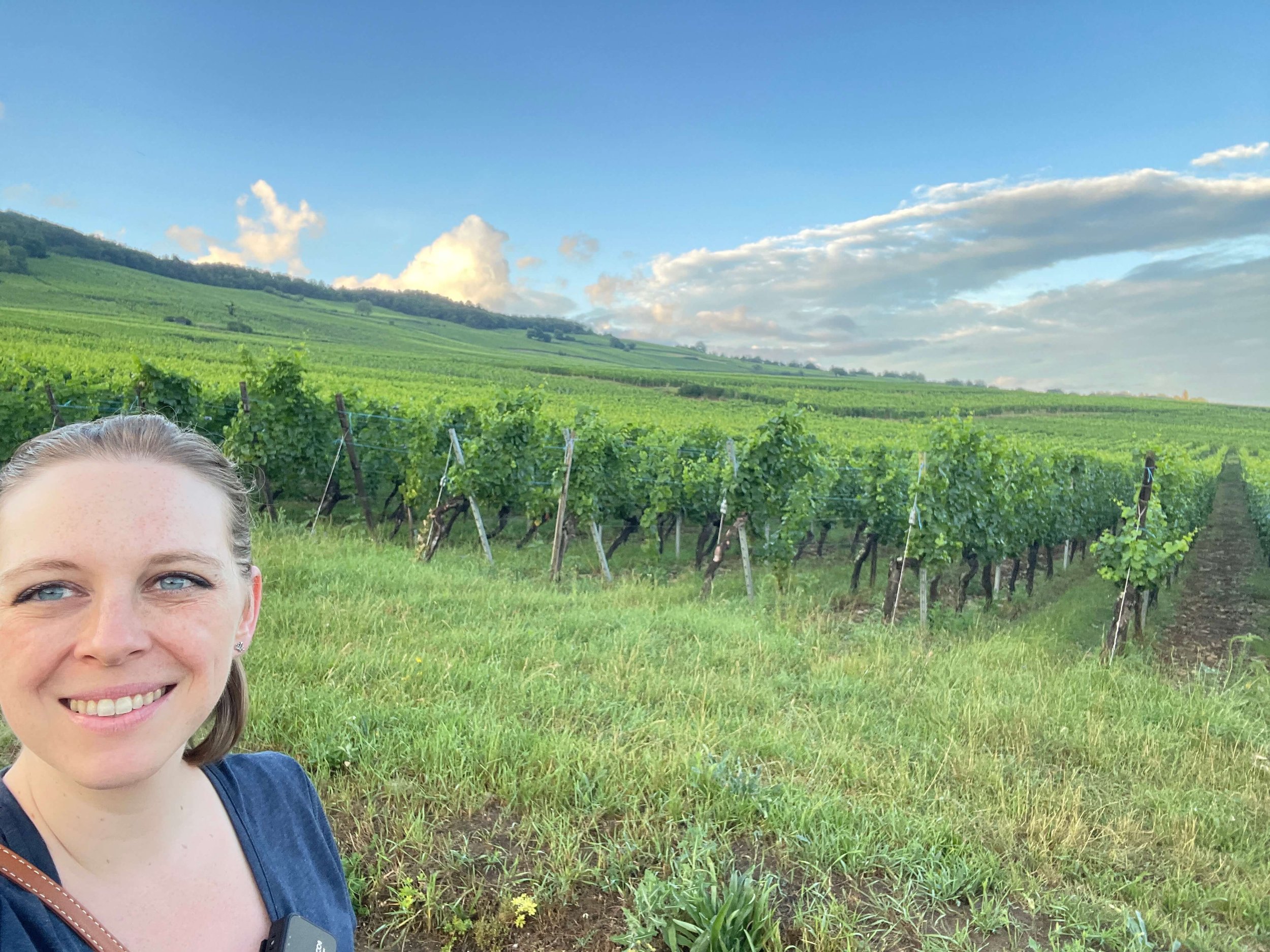
Jacqueline’s travels often take her to wine regions, like Alsace, France last summer.
Obviously California and the Langhe are top of that list actually living there, but my trips to places like Burgundy, Montalcino, the Mosel, and Lake Garda have really impacted my overall love of certain wines. I love discovering new wines, one of my favorite parts of the job here at Vero, and I liken my joy of finding a new variety, style, or region to like collecting Pokemon cards, gotta sip ‘em all! I’ve had the wonderful opportunity working for Vero to get to taste a lot of unique wines, like Schioppettino,
It’s a hard choice, but if I had to pick my top wines I have been able to taste from Vero, I would pick: Aldo Clerico’s Barbera d’Alba (for an every day Barbera wine, it is well balanced with great flavor), Thaya’s Saint Laurent (a pinot noir relative, discovering this grape was so much fun!), Case Corini’s Ciabot del Moreto (an orange wine moscato, it has such typical yet unusal aromas and flavors, I love it as a sipping wine), Aldo Clerico’s Barolo Ginestra (not just an amazing wine, I mean it’s a Barolo of course it’s amazing, but to get this exclusive cru at this price is awesome. My fiancè and I currently have a 2019 vintage saved as an anniversary wine), and Febo’s Parella (a white wine that is complex yet enjoyable. Fabulous aromas and a great finish). At least according to my database of wine ratings these are the three highest rated Vero wines!
In terms of what I love about wine ties into this too… I love how vast the world of wine is. I feel like I could study and learn for my whole life and never even scratch the surface. Wine gives me an opportunity to endlessly study and learn about something that I find truly interesting. Plus mix in some food and travel as wine is a world-wild thing and I feel kind of like the question to me is more, what’s not to love about wine?!
Taste Jacqueline’s Top Pick Wines
As Jacqueline mentioned, we exist to allow all Americans, across the US, from businesses to consumers, to experience the pleasures of small production, farm to glass wines from producers we have met and talked with. But how can you get your hands on these hidden gems we forage for?
If you are a distributor reach out to us introduce our highly curated portfolio of one of a kind small production wines to your state.
We sell to wine stores and restaurants in certain states - contact us to learn more.
If our farm crafted natural wines and olive oils are not in your local shop or restaurant, buy wine online here, and we’ll ship it to you, including wine gifts.
We also have an award winning wine club for true wine explorers that are seeking to continually discover unique, sustainable and authentic small production wines they never had. These are wines selected by our sommeliers and curated for each box.
We do corporate gifts and sommelier guided wine tastings. Email us and we’ll tailor unique and sustainable corporate gift ideas.

This mother-daughter winery keep hitting home runs with their ‘experimental’ one acre vineyard of dolcetto on a mountaintop in upper Ojai, California, which started with an idea they brought back with them from Piedmont Italy over 10 years ago. Their super small production Dolcetto experiment is a success, backed up with back-to-back gold medals on their 2019, 2020 and 2021 vintages, and then winning Double Gold and Best of Class in the International Womens Winemakers competition.
The 2020 vintage produced only 23 cases and was aged for over a year in neutral oak. It is fresh and juicy with rich wild berry cassis-like taste. It's an approachable yet complex with a mineral-saline finish. And now, coming off of their wins in 2019 and 2020, Ojai Pacific View has now released the latest edition of their California Dolcetto, the 2021 vintage.
Overall, the wine is a dark purple color, the nose is complex with a mix of plum, herbs, flint and vanilla spice. The fruit and terroir of this old world new world dolcetto red wine that really stands out, thanks to the high altitude and marine fossil soil of this wine estate in upper Ojai.
Here is what other sommeliers are saying about this wine:
Sommelier Marc R. Kauffman:
“Fine wine from Southern California! Italian varietals have been attempted in California with some successes and some not so good examples over the years. The 2019 California Dolcetto from Pacific View Vineyard and Winery is a stunning success! Darkly brooding in the glass, aromas of cedar, spice and vanilla offer a promise of seriously complex wine. Dark cherry and blackberry flavors mingle and dance in your mouth. The tannins are smoothly integrated, and the finish is so smooth I did not want it to end! Harmonious is the one word I would use to describe this wine. This is the third vintage from a very small plot of Dolcetto grapes growing high above the Pacific Ocean in a secluded spot north of Los Angeles. Available only in limited quantities direct to consumer or to a few select restaurants it is well worth the effort to search it out.”
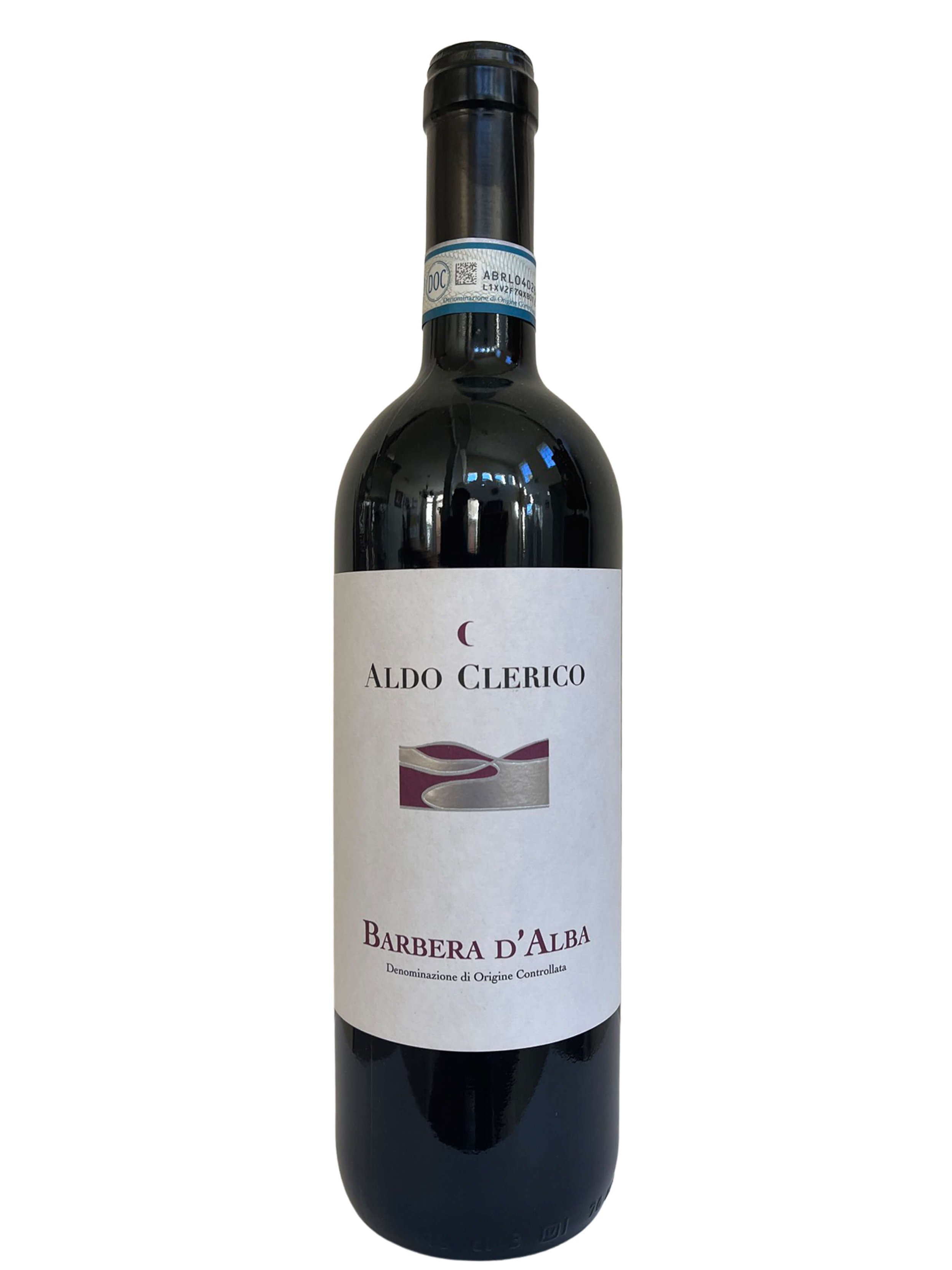
A really good, soft and fleshy Barbera from Alba, from a single vineyard located in the Barolo designated wine region, one of the best areas for Barbera. Nice acidity and fruitiness with some spice, thanks to 14-16 month aging in new and used oak.
A very balanced and elegant wine on the nose, and a good body and structure on the palate with a pleasant and vibrant acidity. A rounded wine with fresh yet fruity notes that finish with a creamy texture thanks to the oak barrel aging.
Do you want to regularly purchase this wine? Check out the Subscribe and Save option available HERE!
Tastes Like: Pretty, ripe, dark cherries
Farming & Winemaking Highlights: Biodynamic | Native Yeast Fermentation | Single Vineyard
Fun Facts: With its aging, this Barbera d’Alba technically follows guidelines for a Barbera d’Alba Superiore, but winemaker Aldo Clerico decides to declassify it.

From the Thaya estate winery in the Czech Republic, this single vineyard 100% Saint Laurent, which is called Svatovavřinecké in the Czech language and is a descendant of pinot noir, is from the U Chlupa vineyard with dusty loess and clay soils and which is in a national park. It has an inky deep purple color, a pretty nose, of violets, milk chocolate and spice. It is fresh with chaulky tannins, dark fruit taste, a harmonious and balanced wine. The wine was made naturally and fermented with native yeasts. It aged for 18 months in oak barrels of assorted sizes and types of toasting. It’s what’s called a “beefier Pinot Noir.”

Made from the sought-after Ginestra Barolo Cru, this single vineyard wine epitomizes the greatness of the nebbiolo grape from the Barolo wine region, in terms of structure, age-worthiness and fruit expression. The native yeast fermentation used in making this natural wine also helps bring out the special and sought after terroir of the Ginestra cru.
An intense garnet color, on the nose this Barolo tends towards red fruits, with a touch of balsamic notes. As it opens on the palate the elegant tannins harmonize with the acidity for an overall richness that creates a pleasant and enjoyable experience while sipping alone or with food.
Tastes Like: Balsamic Tabacco leaves
Farming & Winemaking Highlights: Biodynamic | Native Yeast Fermentation | Single Vineyard
Fun Facts: The Ginestra cru is very limited and only a few wineries have access to harvest from there. Aldo can thanks to his wife’s, Valentina’s, Conterno family vineyards.
Fun Facts: The hands on the bottle represent Aldo’s two daughters; for this reason he often says this is the wine closest to his heart.

An organic & vegan natural wine made from 100% trebbiano abruzzese, a white wine grape which the New York Times cites a grape “worth knowing better”. It has an inviting straw yellow color and an exotic nose (look for the saffron!) and an intriguing fruity and herbal taste.
This white wine is age-worthy too! Fermented and refined in grandfather Febo’s concrete vessels.
Region: Italy > Abruzzo > Chieti
Tastes Like: Peaches and Saffron
Farming & Winemaking Highlights: Regenerative Agriculture | Sustainable Winery | Biodynamic | Native Yeast Fermentation | Vegan | Single vineyard | Old Vine | Organic | Natural Wine
Fun Facts: This wine is named from the single vineyard from which it comes, Parella in Chieti.
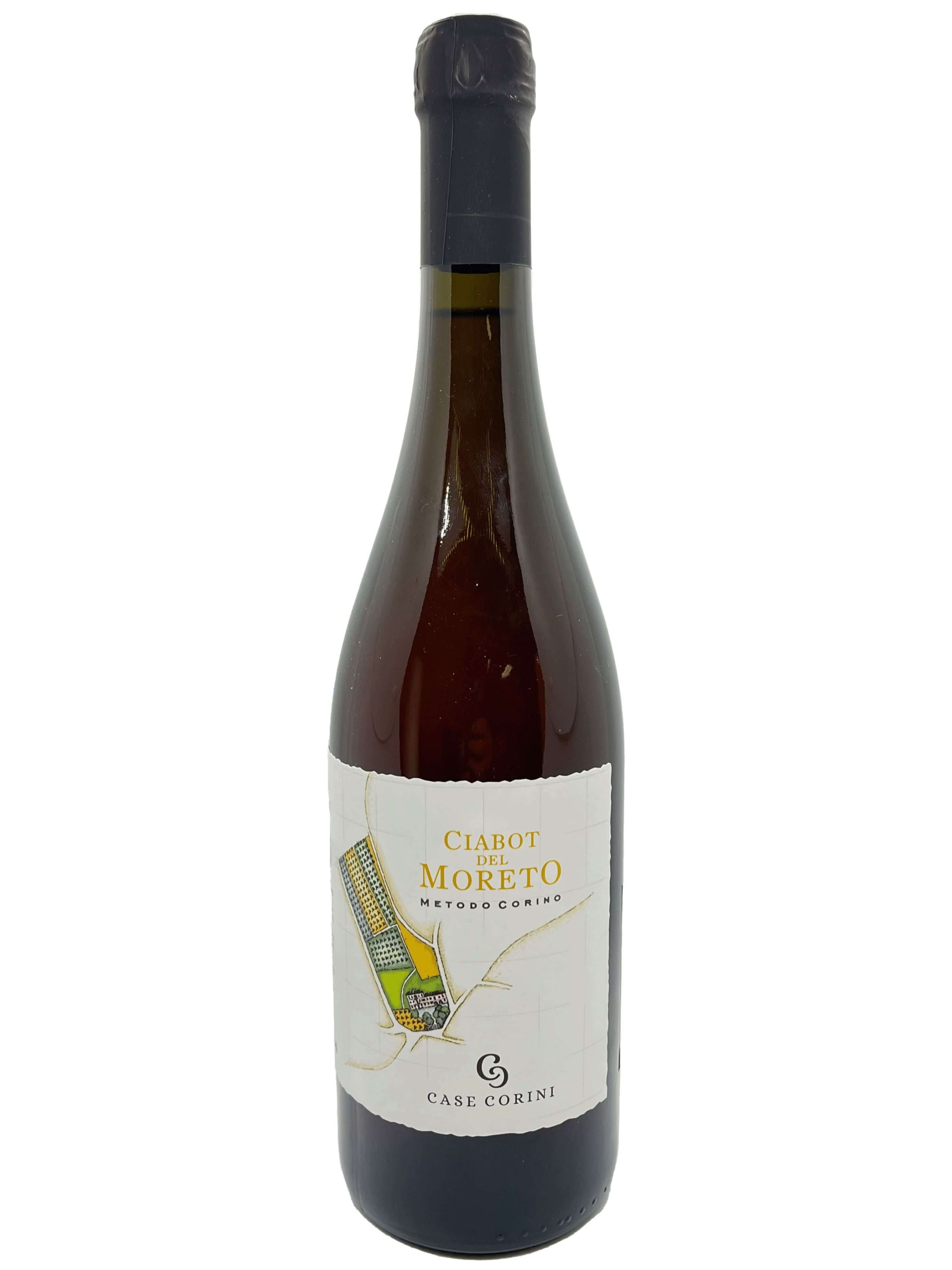
This is an aromatic late harvest skin contact Orange wine from the natural wine 'legend' Lorenzo Corino and his son Guido. The color of rust orange opens to a complex bouquet of orange blossom, candied fruits, caramel and pine leading to a fresh taste of apricots with some mineral savory-ness, pleasant tannins, lovely texture. It is balanced with a long finish. This vegan wine is made naturally, with no intervention of any kind made and no sulfites added. It is a super interesting wine for those who enjoy muscat natives and orange wines. The name Ciabot del Moreno refers to the small wine hut (part of the Piedmontese wine 'ways and culture) in the area where the single vineyard is (Moreto). A lot of local stories are born around these "ciabot". The 70 year old vineyard with different Moscato biotypes is 230m high in Santo Stefano Belbo, 15 min south of Costigliole d'Asti and a half hour east of Alba. After a gentle crushing, fermentation starts with native yeast fermentation and wines are left with skin contact for 2-3 weeks, followed by 6 months of aging in wooden barrels.