A Sicilian Tradition that Americans Love
Our founder, Sheila Donohue, grew up in a die hard Irish American family household. Nevertheless, her mom (and grandmother) had their favorite go-to Italian food dishes, thanks to grandma’s childhood best friend “Susie,” who was an Italian American that influenced our founder’s grandmother a lot.
So, when growing up, Sheila’s mom would feature Italian foods at family gatherings, and one dish which she would buy, but only on special occasions, was caponata. Despite it being a dish full of vegetables, which, in theory, a kid “should not like,” Sheila would go for the caponata amongst the spread of appetizers on the table and eat it up. She remembers to this day the delight of the seemingly magical combination of flavors in that dish.

This view of Mount Etna is not only famous in Sicily, but was also the view that Daniela Pulvirenti would see growing up in Acireale Sicily.
Fast forward “many” years, to when our founder went to her friend, and yoga teacher, Daniela Pulvirenti’s, summer party while in Bologna Italy, she found herself having a flashback to childhood: like clockwork, the one dish that she kept going back to get seconds of was the caponata. But this was one different: It was THE best caponata she ever had (sorry mom!)
But it’s not that surprising because Daniela is from Sicily Italy, where caponata comes from. If you are an avid reader of our blog, you know that food is an integral part of Italian culture and that Italians are very much tied to their homeland, meaning the city or town that they grew up in. So, food and place of origin makes up the culinary traditions of each place you visit when you are in Italy. (The same goes with wine, by the way!)
So Daniela, her caponata and the amazing place where she is from, Sicily, is the inspiration for this delicious article (if an article could be delicious, this one is!). If you keep reading, you’ll find a real Italian caponata recipe.
What is Caponata?
Caponata came about, as many popular traditional foods, because it was a dish that ordinary people could afford to make. Like this traditional Italian recipe from Abruzzo for vegeterian meatballs, caponata was a cibo dei poveri, or poor-man’s food, since most people could not afford the local “capone” fish, a Mediterrean Mahi Mahi, from which the dish gets its name. Caponata was originally made exclusively for aristocrats with this local Mahi Mahi however it did have accompanied with it the agrodolce, or “sweet and sour,” mix of vegetables and other ingredients that make up the vegeterian (or vegan, really) caponata eggplant dish that we know today. Bascially they substituted the fish with eggplant, going back far in history, at least to the 1700s, when it became a common dish to have with bread, referred to in 1709 as a “salad with a lot of little cooked things”.
As it goes with Italian food, you’ll find at least 30 different variations of eggplant caponata recipes as you travel across Sicily. In this article, we learn about the Catania version of caponata, thanks to Daniela’s roots.
Let’s Get to Know a Real Sicilian Woman
Before jumping into the recipe, let’s get a perspective on Sicily Italy from an insider: we sat down with Daniela to find out about her, what inspires her and to understand what Sicily means to someone who is from there.
Tell us about yourself

Daniela Pulvirenti in her happy place
“Let me introduce myself: I am Daniela, I was born and raised at the foot of Etna, in Acireale, a splendid town in baroque style on the sea just north of Catania. For the past 25 years I have been living in Bologna where I moved to discover new lifestyles and find job opportunities more suited to my studies.”
What do you miss most about living in Sicily?
“I miss the sea, the sun and the scents of the air we breathe in Sicily.”
Who influenced you the most growing up?
”My maternal grandparents together and my father, even if only for a short time, were my guide, my support and the greatest love I have ever received in my life came from them.”
How did you learn to make caponata?
“I have never abandoned my roots and I have tried to continue my traditions also through the flavors, colors and aromas of my culinary tradition in Sicily. Among these, a dish that I typically prepare for my guests is caponata. But to make it special you must use products exclusively from my land, there are no eggplants, peppers and cherry tomatoes that can match the Sicilian ones. This is precisely the real secret of the goodness of flavor that makes my guests happy, in addition to the love with which I prepare it because it was my grandmother's favorite dish, who taught me how to prepare it.”
We hear you are Sheila’s yoga instructor. How did you get into yoga? What inspired you to become a yoga instructor?

Another view you get in Daniela’s hometown of Acireale Sicilia is the sea, where you get splendid sunrises like this one.
“When I moved to Bologna in 2000 I discovered the world of yoga. I started in a small gym where I went on my lunch break from work. There, the owner proposed that I attend teacher training in Ravenna because she believed that I had the potential and skills to teach. This invitation also took me by surprise because at the time it was not easy to enter schools to become teachers where it took several years of practice before gaining access, but I followed her advice; even though I already had a job that I liked, I felt that this was an opportunity to make myself useful to others.
The practice of yoga is at the center of my life because it allows me to maintain contact with myself on different levels. On a physical level through breathing and conscious practice, both on a mental level because it allows me to stay in the present and, on a more subtle level, making me feel the flow of energy that governs my being."
What advice to you have to keep healthy?
“To have good health, a good start is certainly to practice yoga constantly, which must be accompanied by a good dose of joy, happiness and unconditional love.❤️🙏🏽”
How to Make Caponata the Real Sicilian Way

Daniela explains how her Sicilian nonna taught her to extract bitterness from eggplant.
First, a couple of words about eggplant. It is common to find eggplant based dishes, like eggplant parmesan across Italy, which is such a favorite in many places that it is made in trattorias across Italy, like in Piedmont, Northwest Italy, where we got this recipe. But, after you’ve been to other parts of Italy, and then go to Sicily, you will definitely notice that of all Sicily foods, eggplant is big there. In fact, when Sheila went to Sicily with her friend who’s from there, she woke up one Sunday morning to the house filled with this lovely aroma which was, you guessed it, eggplant parm, but a whole different take on it than what she was used to (hint: it had hard boiled eggs in it, and it was good!)
So, not surprisingly, when Sheila asked Daniela how to make her caponata, speaking like a true Sicilian, she intricately described how to prepare the eggplant ahead of time. As we mentioned in our eggplant parmesan recipe article, you do need to salt the eggplant ahead of time to get rid of bitterness. However, Daniela’s nonna taught her a technique that Sheila never heard about: putting the cut up eggplant into a colander, putting salt on top and then placing a weight on top, in the form of a heavy pot, to allow the force of gravity to get the bitterness from the eggplant to seep out.
But do you want to know the main secret to making a really good caponata? You need to cook every ingredient separately.
Hence the recipe below outlines all the ingredients, which are primarily vegetables, making it a super healthy dish too.
Sheila followed Daniela’s caponata recipe Sicilian and also noticed some other things to watch out for: like as you are cooking the vegetables in the pan, you want to cook them on a lower heat so they won’t burn, and keep stirring and checking to see if they are done, sometimes adding more Italian olive oil to the pan as it cooks to prevent from drying.
How to Enjoy Caponata

Enjoying a healthy and delicious aperitivo with caponata, a really good organic EVOO and Italian wine, like this food friendly tasty Prosecco by Col del Bat.
Italian antipasto dishes like caponata fall under the Mediterranean diet, and are not only tasty Mediterranean diet ideas, but are also an inspiration for organizing a traditional Italian aperitivo right in your home or at a party or gathering, even just impromptu when you find yourself wanting a treat but without overdoing it. Caponata is an Evoo food, after all, Italian olive oil is what each individual ingredient is cooked in. The final touch on your caponata, once it is on a piece of bread, is to drizzle it with a really good EVOO, even better if it’s organic, like all the ones we carry.
What wines would you have with an aperitivo?
Enjoy Italian appetizers, like caponata, with a spritz, either a traditional one, or an alternative wine spritzer cocktail like this one made from Brachetto.
No doubt Prosecco is the Italian go-to for all apertivos, after all, it is the common ingredient in every spritz recipe. It is a natural choice due to its delicate flavor profile, low alcohol and bubbles which add to the celebratory nature of apertivo time.
We offer Proseccos from small, unknown artisan farmers in Valdobbiedene, considered by many one of the best growing areas for Prosecco. One small Prosecco producer is Col del Balt who makes traditional DOCG Proseccos in addition to a Pet Nat style prosecco. Another Vero producer in Valdobbiadene is Zanon who specializes in local native grapes, like glera, the Prosecco grape, and makes them all in Pet Nat style natural wines, like this 100% glera (aka prosecco) Pet Nat. Or you could venture to try a super rare grape, Boschera, which Eros Zanon makes it as an aged Pet Nat: think of it as a champagne style wine that is not filtered.
Lambrusco for sure is a great choice for an aperitivo. Think of it simply as the red version of Prosecco. Woman owned Frignano makes this fruity and smooth Lambrusco Pet Nat that is a popular Italian wine.
Rose wine is another great wine and food matching choice for Italian appetizers, since they are basically lighter, fruiter, and easier to drink versions of their red wine counterparts, thanks in large part to lower tannins, like this Cerasuolo d’Abruzzo, which is the rosé wine equivalent of the Montepulciano red wine.
Then, a white wine also has very little to no tannins, and for the same reason as many like drinking rose wine, white wines are often a a go-to for an easy sipping wine, after all, why did Prosecco become Italy’s choice as the main aperitivo wine? This organic white wine blend from native grapes from Le Marche region in Italy is a good choice for an aperitivo. If you prefer a white wine with a more savory profile, try Trebbiano Abruzzese, like this organic, biodynamic wine from the Febo Family in Abruzzo.
Last but not least, a red wine with low tannins works well also as an aperitivo wine. The best way to figure it out is to know whether a grape has naturally high or low tannins. Some examples of red wines without that mouth drying effect that tannins create is Barbera, of which we have many from Italian winery families, like Aldo Clerico’s Barbera d’Alba. Another example is the schioppettino grape which, like Barbera, is fruity and low tannins, although in addition it has an intriguing black pepper note. Try this unoaked Schioppettino from women owned Vigna Petrussa (great chilled too!)
All of these wines and olive oils are curated by us personally by going to small farms around the world seeking hidden gems that are missing from the US market. We import them in and sell them to businesses and consumers around the US.
We are enlarging our network of distributors around the country. Reach out to us if you are interested in distributing our wines.
We sell to wine stores and restaurants in certain states - contact us if you would like more info.
We do corporate gifts and sommelier guided wine tastings. Email us and we’ll tailor unique and sustainable corporate gift ideas.
If our farm crafted wines and olive oils are not in your local shop or restaurant, buy wine online here, and we’ll ship it to you, including wine gifts, and we ship to most states.
We also have an award winning wine club for true wine explorers seeking to continually discover unique, sustainable and authentic small production wines they never had.
Cheers!
Daniela’s Nonna’s Caponata Recipe
Cooking and Prep Time: 2 hrs
Ingredients:
1 large eggplant, cut into cubes
2 red peppers, cut into cubes
2-3 zucchini, cut into cubes
4 potatoes, peeled and cut into cubes
1 white (or red) onion, cut into small pieces
2 tbsp raisins
1/2 cup pine nuts
1 tbsp vinegar
1 tsp sugar
Coarse salt, preferably sea salt
Olive oil, preferably extra virgin olive oil
Wine Pairing Suggestions:
Spritz wine cocktail, Prosecco, and other Aperitivo Wines
Procedure:
1. Place eggplant cubes into colandar, sprinkle 1 tbsp of salt over and place a heavy pot over to apply pressure and place somewhere, eg into sink, so it drains for minimum 30 minutes. Afterwards rinse with cold water, and place on dry surface on top of paper towels to dry.
2. Cook each vegetable separately in a pan with 1 tbls of olive oil over medium to low heat, with only the potatoes needing a cover to allow steam to help them cook. Except for the eggplant, which are already salty, add a pinch of salt as desired to the other vegetables while cooking. Stir frequently and adding more olive oil to moisten as necessary. Once the onions are half cooked, add the raisins to the pan, and continue to stir. Cook each until they are soft, perhaps still with a bit of crunchiness and be careful not to burn.
3. Add all vegetables (with raisins) into a large bowl. Gently fold in pine nuts and 1 tbsp of vinegar and 1 tsp of sugar and mix it until all ingredients are combined.
4. Let sit for a bit, ideally 1 hour, before serving. Serve on fresh bread, ideally lightly toasted, and finish off with a couple of drops of extra virgin olive oil.
5. Enjoy pairing with a Spritz, Prosecco or other Aperitivo wine.
This recipe is courtesy of Daniela Pulvirenti and her Nonna.
EVOO for Your Caponata and Other EVOO Food Delights

This is an olive oil, super food for super foodies. This is small production organic & vegan extra virgin olive oil made primarily from a rare local cultivar from the area of Macerata Italy called Piantone de Mogliano. The buttery flavors and taste of this organic EVOO so inspired the family behind Quercia Scarlatta farm and winery in Le Marche Italy to name it ‘our gold’, or Il Nostro Oro.
Hand harvested and milled at the family’s farm, a first run, cold press evoo, this olive oil’s aromas remind you of stepping into a garden full of fresh green beans with a whiff of black pepper. Likewise, tasting it is like having fresh green beans with black pepper and butter, thanks to its buttery texture. Black pepper continues on the finish.
This organic extra virgin olive oil comes in a 3 liter container, made for following the Mediterranean diet to a tee!
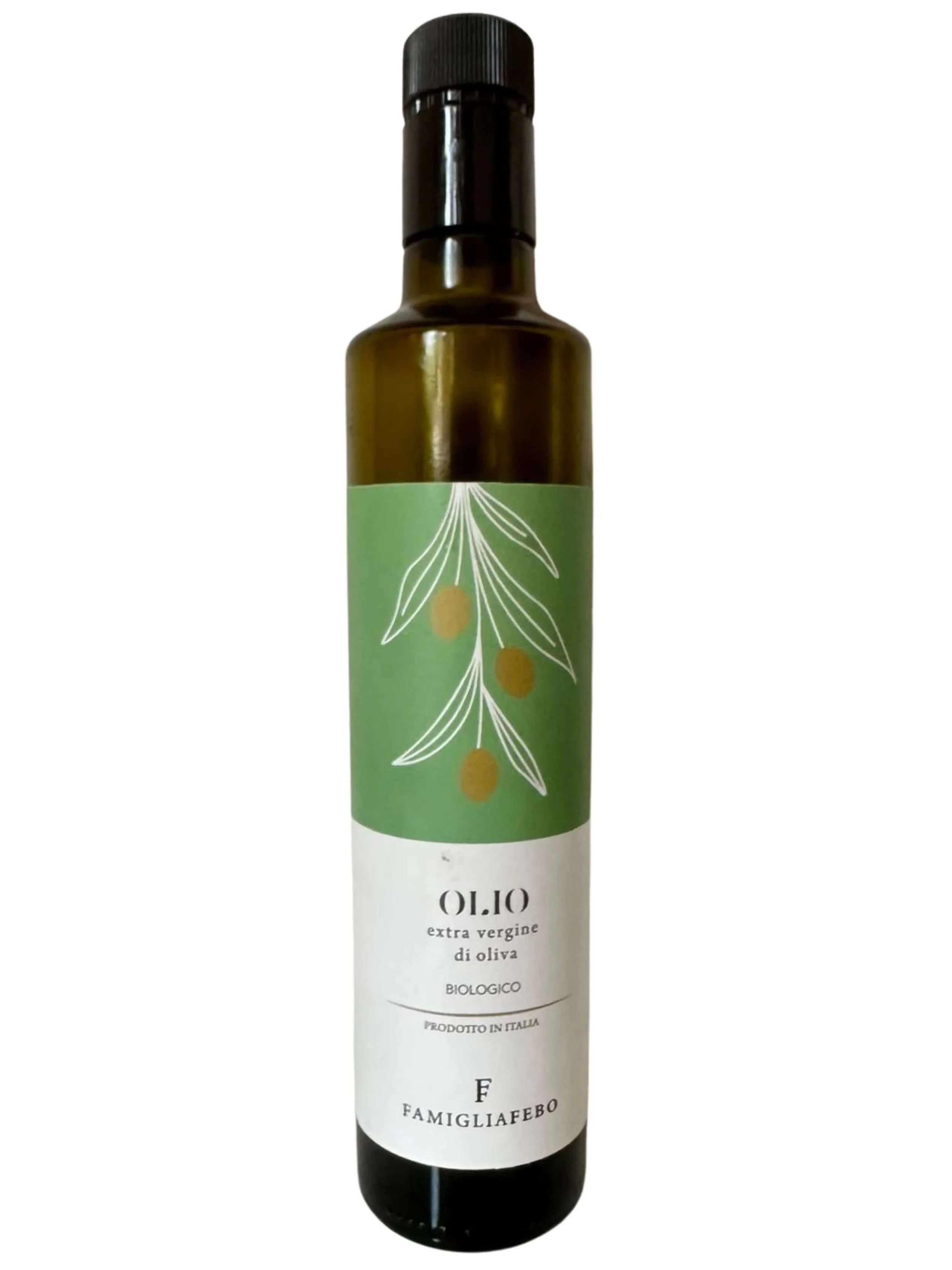
From the hills of Abruzzo near the Adriatic Coast of Italy, comes this Organic EVOO, or Extra Virgin Olive Oil, farmed and made by the Febo family. Farmed sustainably and organic, this natural extra virgin olive oil is also vegan and, like all evoos, a first run - cold press olive oil, the best kind of olive oil for you.
The 2024 harvest is still made from a blend of olives like leccino and 500 year old trees, but now it is mostly the dritta cultivar.
Farming & Winemaking Highlights: Regenerative Agriculture | Sustainable Farming | Biodynamic | Vegan | No additives | Unfiltered | Organic
Fun Facts: The dritta cultivar is a rare one being saved by Davide Febo who is trying to save and rehabilitate it.
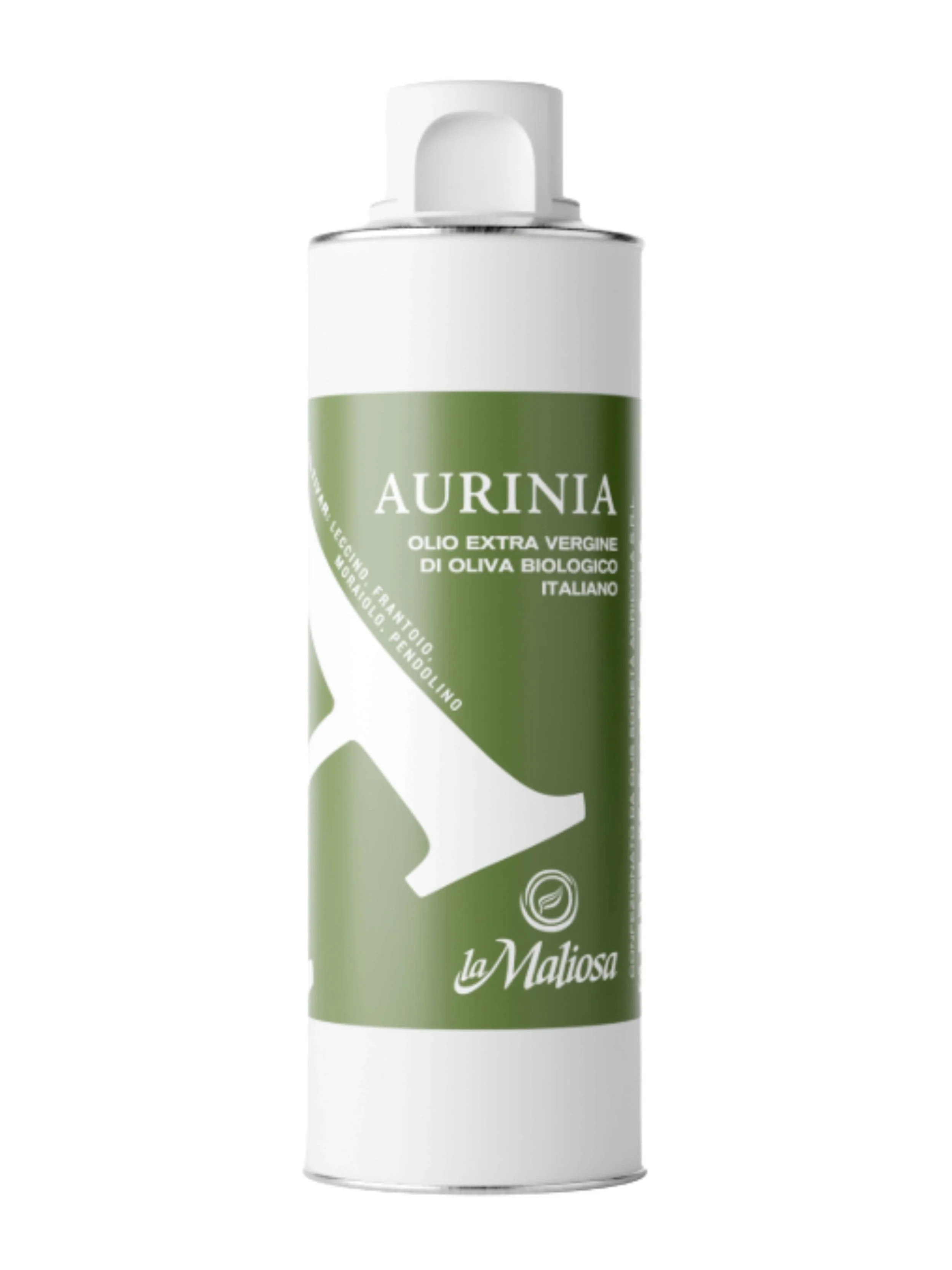
This is a woman made, limited production first cold press organic Extra Virgin Olive Oil from the Maremma hills of Tuscany made from a blend of four Tuscan cultivars. Buttery deliciousness with a bitter kick at the end, thanks to its polyphenols. It has won gold medals in a competition which judges the best extra virgin organic olive oils from around the world.
Farming & Winemaking Highlights: Regenerative Agriculture | Sustainable Farming | Biodynamic | Vegan | No additives | Unfiltered | Organic | Metodo Corino
Fun Facts: The natural farming method that produced this extra virgin olive oil, the metodo corino, is actually patented by La Maliosa woman winemaker Antonella Manuli after she helped to develop it with natural wine legend Lorenzo Corino of Case Corini.
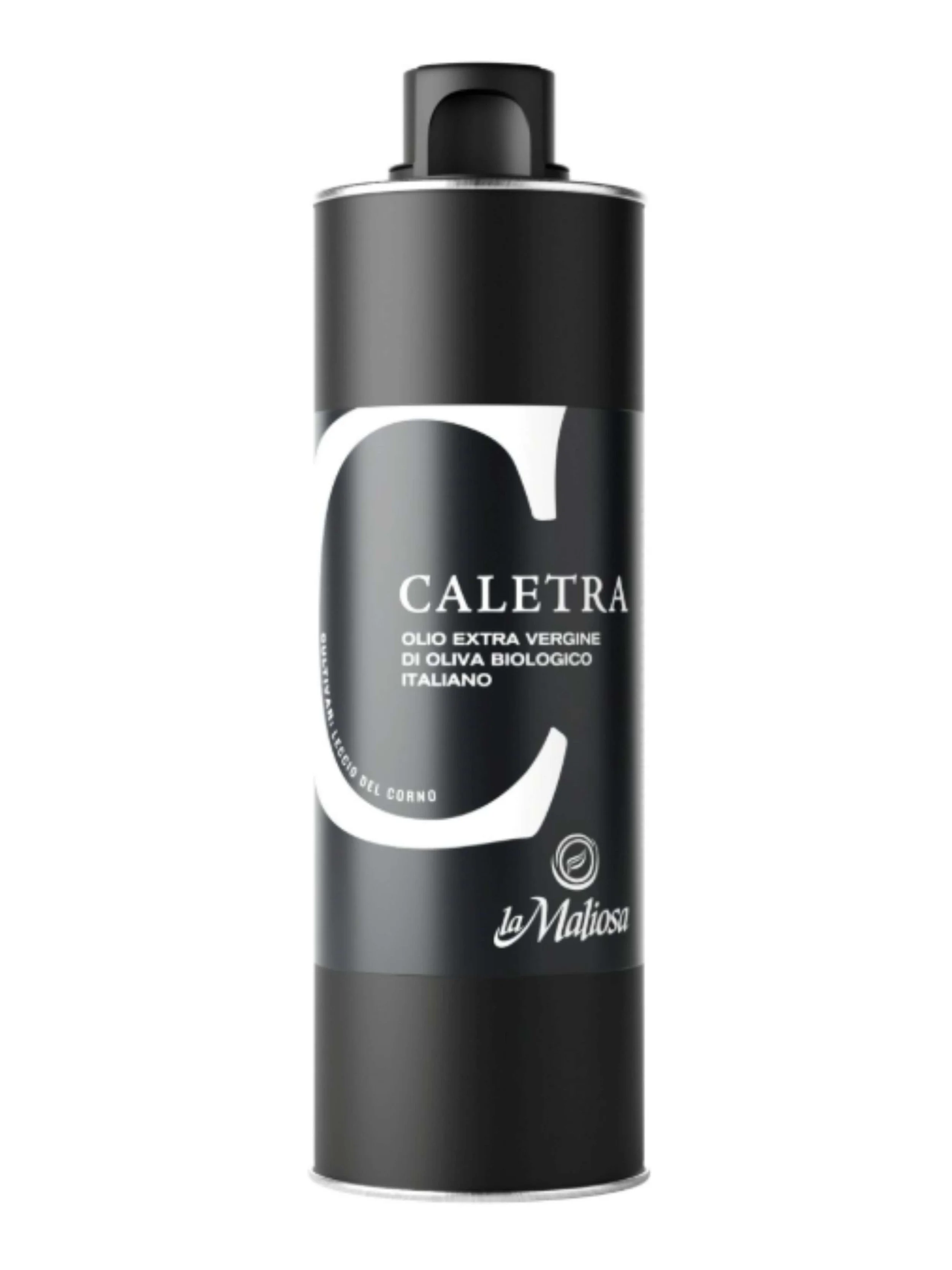
A prestigious first cold press monocultivar organic extra virgin olive oil from the Maremma hils of Tuscany which has won best organic extra virgin olive oil from Tuscany! Its polyphenols which are used to determine how good an olive oil is, are exceptionally high!
Top awards include extra gold, as best Tuscan organic EVOO by Biol Novello which evaluates the best olive oils in the world. In the past this olive oil has also won Best in Italy, as well as Gambero Rosso 3 leaves (their highest rating).
Its aromas of grass, green pepper and mint lead to an intense hot pepper taste and a long finish with black pepper lingering in your mouth. Even just a little drizzled over a simple lettuce salad will bring it to life with flavor.
Farming & Winemaking Highlights: Regenerative Agriculture | Sustainable Farming | Biodynamic | Vegan | No additives | Unfiltered | Organic | Metodo Corino
Fun Facts: The natural farming method that produced this extra virgin olive oil, the metodo corino, is actually patented by La Maliosa woman winemaker Antonella Manuli after she helped to develop it with natural wine legend Lorenzo Corino of Case Corini.
Apertivo Wine Ideas

Made from Glera grapes in one of the best areas for Prosecco, Valdobbiadene, this is a crisp, clean delicious dry Prosecco DOCG with a light yellow color and lovely effervescence. It has notes of pear with a minerally flavor and a citrusy, slight bitter finish reminding you of the rich terroir where this wine comes from. This Col del Balt Brut Prosecco made by the Sanzovo brothers has approximately 5g of residual sugar. As well, it is a special Millesimato Valdobbiadene Prosecco Superiore, meaning not only does it come from the select Valdobbiadene “heart” of Prosecco, but it is also from a singular vintage, not a blend of multiple vintages like many Proseccos.

Before this 'modern era' of Proseccos made with the Charmat method, Prosecco was made with the ancestral method, like this wine, Codolà, where fermentation takes place in the bottle, and it is not disgorged. This means that the wine is unfiltered since it is on its lees. In Italy it is also called a Col Fondo sparkling wine and in the US, we use the French term ‘Pet Nat’ to describe this wine. This results in a white sparkling wine whose aromas and flavors continue to evolve while they are in the bottle. This Col del Balt white sparkling wine made by the Sanzovo brothers has a straw yellow color with lots of fine bubbles and green herb and pear aromas with a hint of lemon zest. It has 0 residual sugar and it tastes dry and clean, with a slightly bitter, lemon rind tasting, finish.
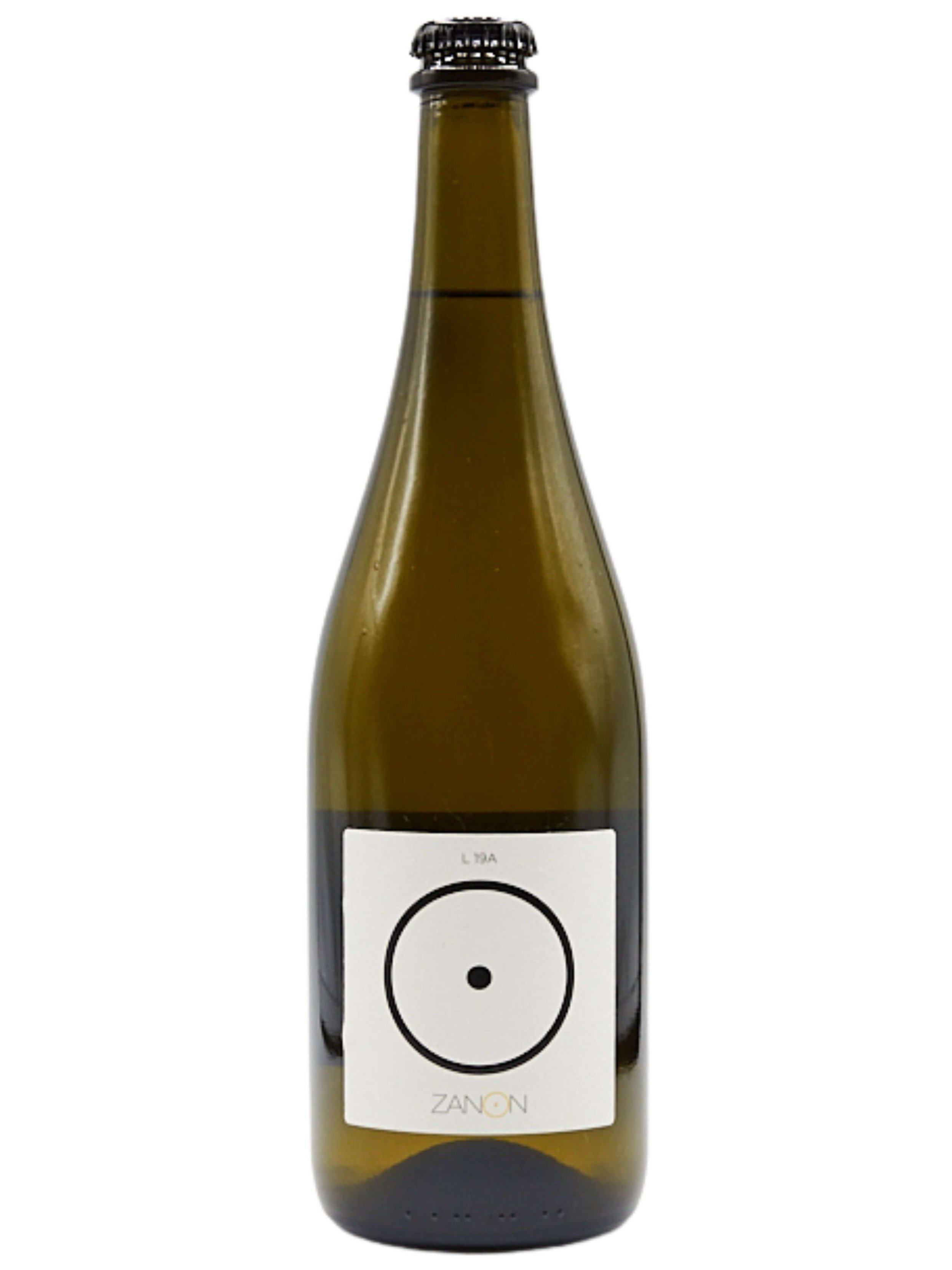
A 100% glera grape white sparkling wine made with native yeast fermentation, this natural wine vintage “prosecco” is from vineyards in the old part of Valdobbiadene, made also in the historic tradition of the ancestral style, or Pet Nat, as it is bottle fermented on the lees. A light color, giving an early hint to its bright acidity, the bouquet of citrus and lemon flowers bursts forth in the glass once it opens. When tasting this ancestral method natural wine, apricots and persistent bubbles create a sparkling wine that is enjoyable with brunch, aperitivos , get-togethers, you name it.
The circle and dot logo represents both the human existence and evolution, as well as winemaker Eros Zanon’s personal view of his vineyards, a dot of small-production boutique quality in the larger circle of large-production Proseccos.
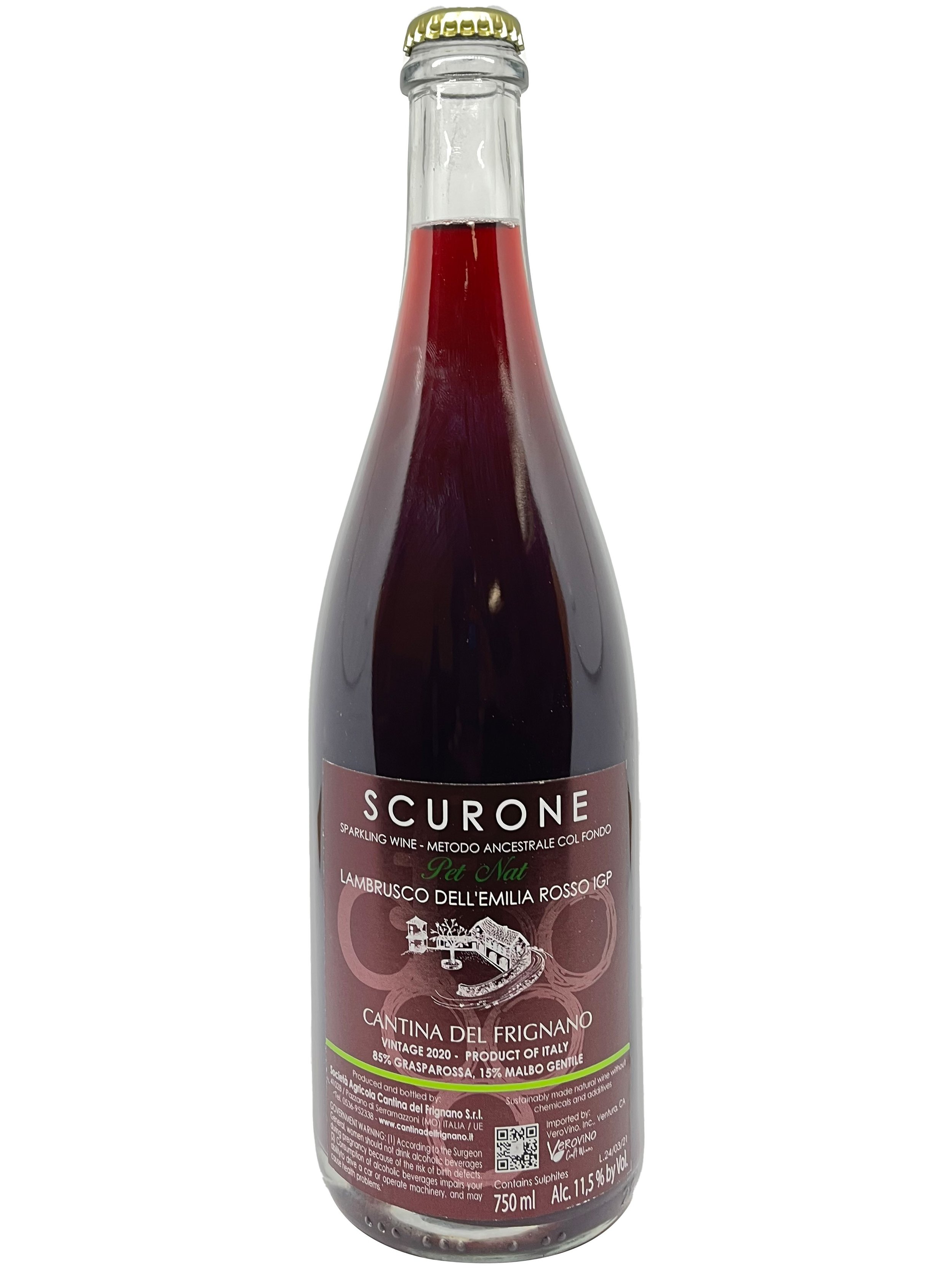
This is an ancestral method Lambrusco made primarily with the Lambrusco Grasparossa grape, and with some Malbo Gentile grape, which is local to the area of Frignano in Modena. It is a lighter red ruby color, light effervescence, a nose that has red fruit with hint of orange peel. It is fresh and fruity, with plum taste, and grippy tannins and noticeable texture.
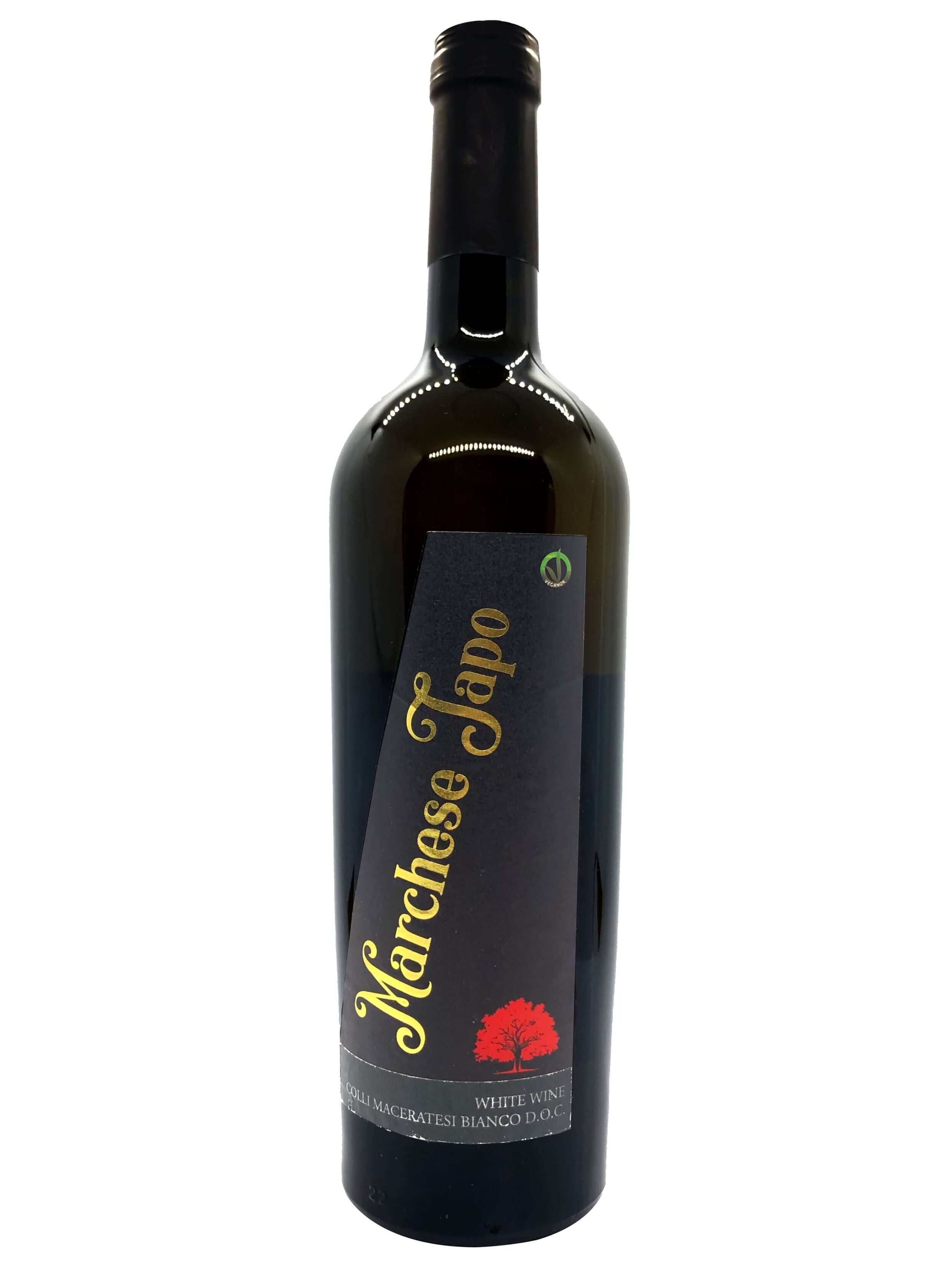
This natural wine is delicious fruit-forward organic vegan white wine, a blend of hard-to-find native varieties from the province of Macerata in Le Marche, Italy, a hilly area just to the east of Tuscany not far from the Adriatic Sea, has it all, great nose, taste, texture and structure. While it is unoaked, it was on the lees for 6 months with weekly battonage, contributing to its complexity of aromas, ranging from melon to saffron, and intensity of flavors. Made with indigenous varieties from Le Marche, Maceratino (also called Ribona) and Incrocio Bruni 54, it is a testament to Le Marche white wines.
Quercia Scarlatta follows a minimal intervention approach to vegan winemaking, using native yeast fermentation in their wines like this Marchese Japo.

An organic & vegan natural wine made from 100% trebbiano abruzzese, a white wine grape which the New York Times cites a grape “worth knowing better”. It has an inviting straw yellow color and an exotic nose (look for the saffron!) and an intriguing fruity and herbal taste.
This white wine is age-worthy too! Fermented and refined in grandfather Febo’s concrete vessels.
Region: Italy > Abruzzo > Chieti
Tastes Like: Peaches and Saffron
Farming & Winemaking Highlights: Regenerative Agriculture | Sustainable Winery | Biodynamic | Native Yeast Fermentation | Vegan | Single vineyard | Old Vine | Organic | Natural Wine
Fun Facts: This wine is named from the single vineyard from which it comes, Parella in Chieti.
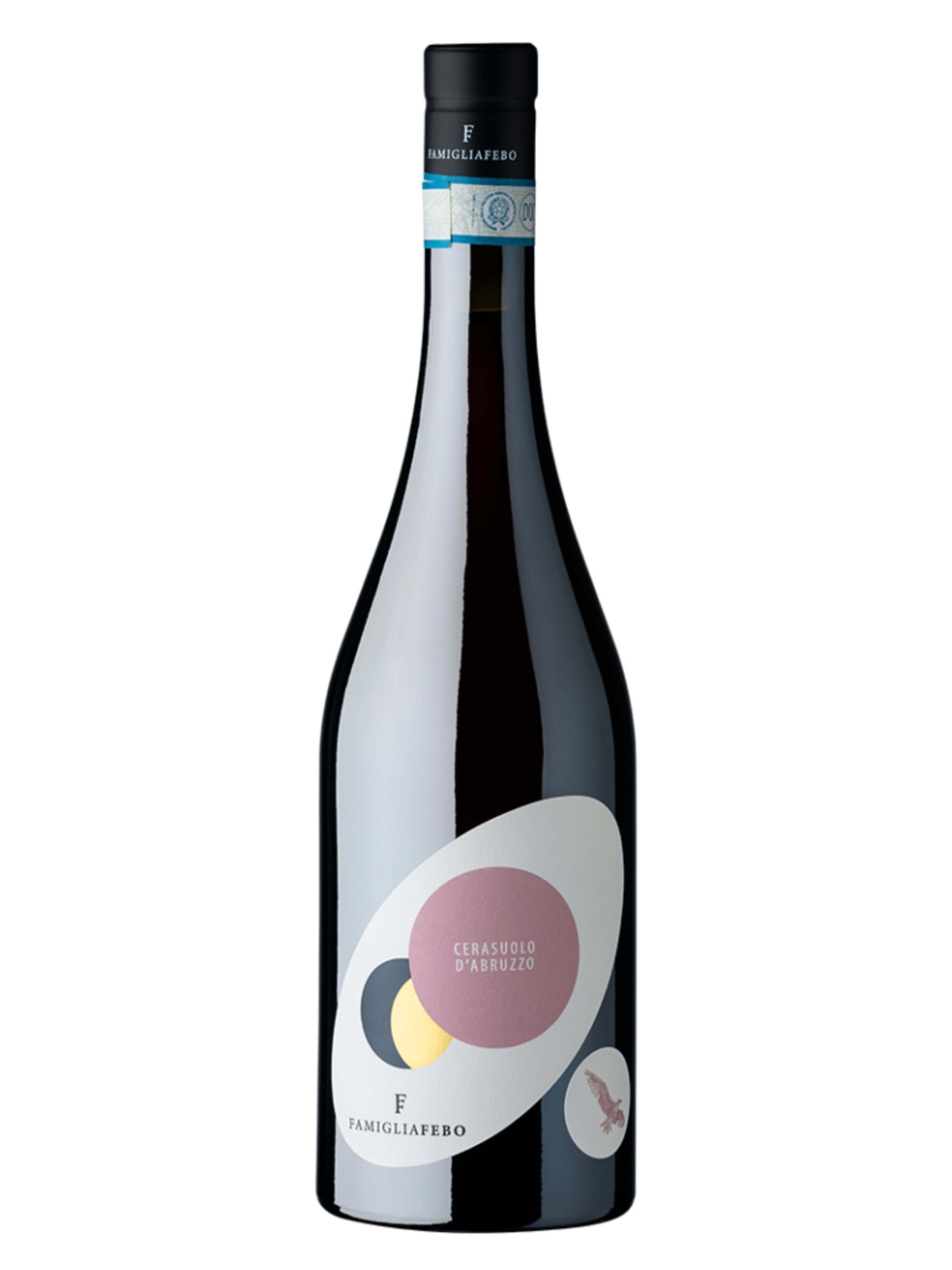
While made as a rosé wine, this Cerasuolo d’Abruzzo is actually more like a light red wine thanks to the dark pigments of the Montepulciano grapes used, farmed on Febo family’s estate vineyards in Abruzzo.
The minimal intervention approach of this natural wine producer results in a lot of vintage variation year after year. For example, the 2021 Cerasuolo d’Abruzzo has a cherry taste with a salty finish, and is considered a “serious” rosé wine while the 2024 is a Rosorange color that bursts with blood orange flavors mixed with cherry.
Region: Italy > Abruzzo > Spoltore & Chieti
Tastes Like: 2021 - Cherries | 2024 - Tart cherries and blood orange
Farming & Winemaking Highlights: Regenerative Agriculture | Sustainable Winery | Biodynamic | Native Yeast Fermentation | Vegan | Organic | Natural Wine
Fun Facts: Both vintages are fermented with native yeast and refined in the winegrower's grandparents' concrete vessels. Great chilled and a good pairing is eggplant parmesan.
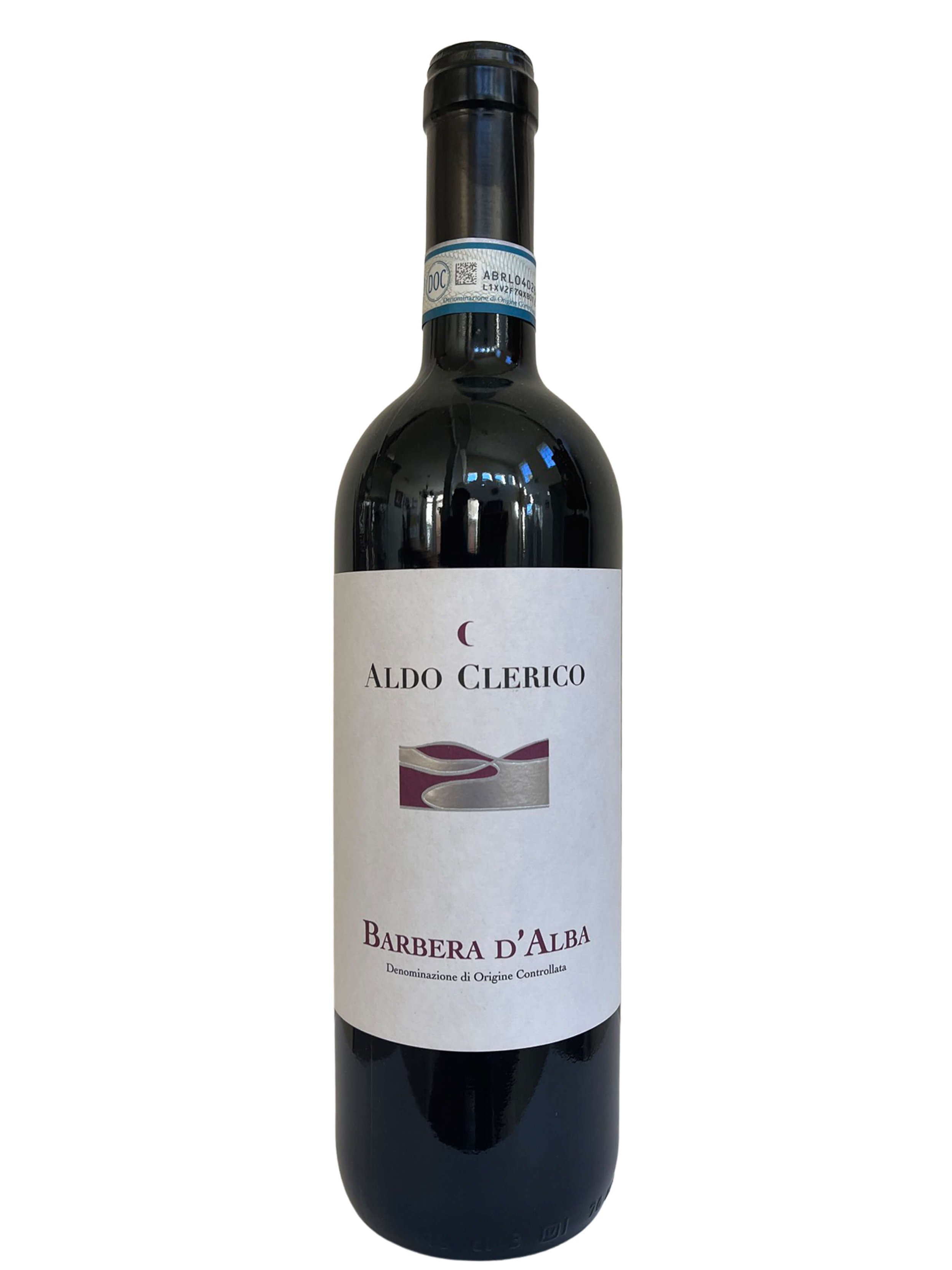
A really good, soft and fleshy Barbera from Alba, from a single vineyard located in the Barolo designated wine region, one of the best areas for Barbera. Nice acidity and fruitiness with some spice, thanks to 14-16 month aging in new and used oak.
A very balanced and elegant wine on the nose, and a good body and structure on the palate with a pleasant and vibrant acidity. A rounded wine with fresh yet fruity notes that finish with a creamy texture thanks to the oak barrel aging.
Do you want to regularly purchase this wine? Check out the Subscribe and Save option available HERE!
Tastes Like: Pretty, ripe, dark cherries
Farming & Winemaking Highlights: Biodynamic | Native Yeast Fermentation | Single Vineyard
Fun Facts: With its aging, this Barbera d’Alba technically follows guidelines for a Barbera d’Alba Superiore, but winemaker Aldo Clerico decides to declassify it.
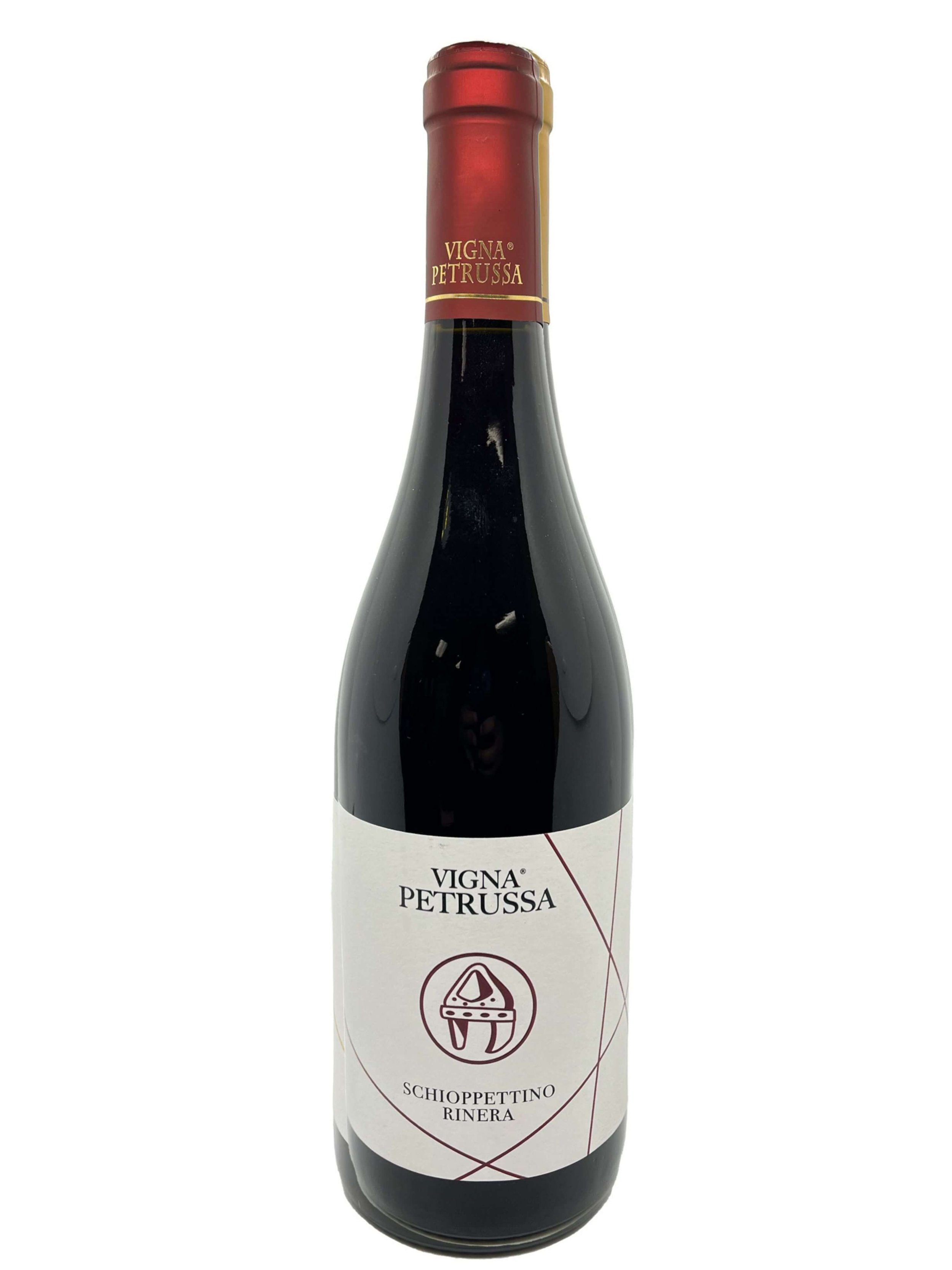
This is an unoaked Schioppettino from a women owned winery who spearheaded the rebirth of Schioppettino in the 'birthplace' of the grape which is Prepotto, Fruili. Having a deep purple-garnet color, it has notes of black pepper and dark fruit. Its taste is tangy, fresh and juicy with a long clean finish. Pairs with many dishes from hamburgers to roast pork. World renowned wine critic, Ian D’Agata calls this Schioppettino a ‘very pretty wine’ and named it a 'Best Buy Italian Wine'.
Some fun facts about this wine:
Vigna Petrussa also calls this wine ‘RiNera’, or a nickname for ‘Ribolla Nera’, local term given to the wine.
The grapes actually come from Prepotto but since it is not aged in oak the winery is not 'allowed' to put Prepotto on the label.
Vigna Petrussa is a certified sustainable and biodiverse women-owned winery.