All in The Family: Growing Up in Wine
Every person, every wine drinker, has a unique perspective and story behind to their love of wine and their journey discovering wine. Be it as a die-hard wine lover, a professional sommelier, or a casual sipper, there is one “category” of wine-person that has perhaps one of the most exclusive viewpoints into the world of wine: that of the winemaker, the person that does the work and makes the critical decisions about the liquid that ends up in our glasses.
A winemaker, a wine farmer, must not only understand and analyze the final product in the bottle and glass, determining things like quality, flavor, mouthfeel, balance, but they also much understand how to get from green grapevines to that final product. They need to understand and decide when to harvest to give the right amount of residual sugars versus acidity, or how to prune the vines to promote the best growth the following harvest, or when to remove the wine from oak barrels and bottle it.
For this reason, we talked with some Vero Producers, the real winemakers, farmers, behind some of your favorite wines. In this first part of a two part series, we talk with multi-generational wine growers and wine makers, getting to understand how family experiences makes a difference in their livelihoods centered around wine. We go into the how family has impacted their winemaking, including special memories, lessons learned, and tips and tricks they have picked up along the way. Following are honest answers from six Vero Producers: Aldo Clerico from the Langhe, Alberto Pagliantini from Canalino in Montalcino Tuscany, Davide Febo from Abruzzo, Andrea Ivaldi from the Monferrato, Guido Corino from Case Corini, and Hilde Petrussa from Vigna Petrussa in Friuli Venezia Giulia.

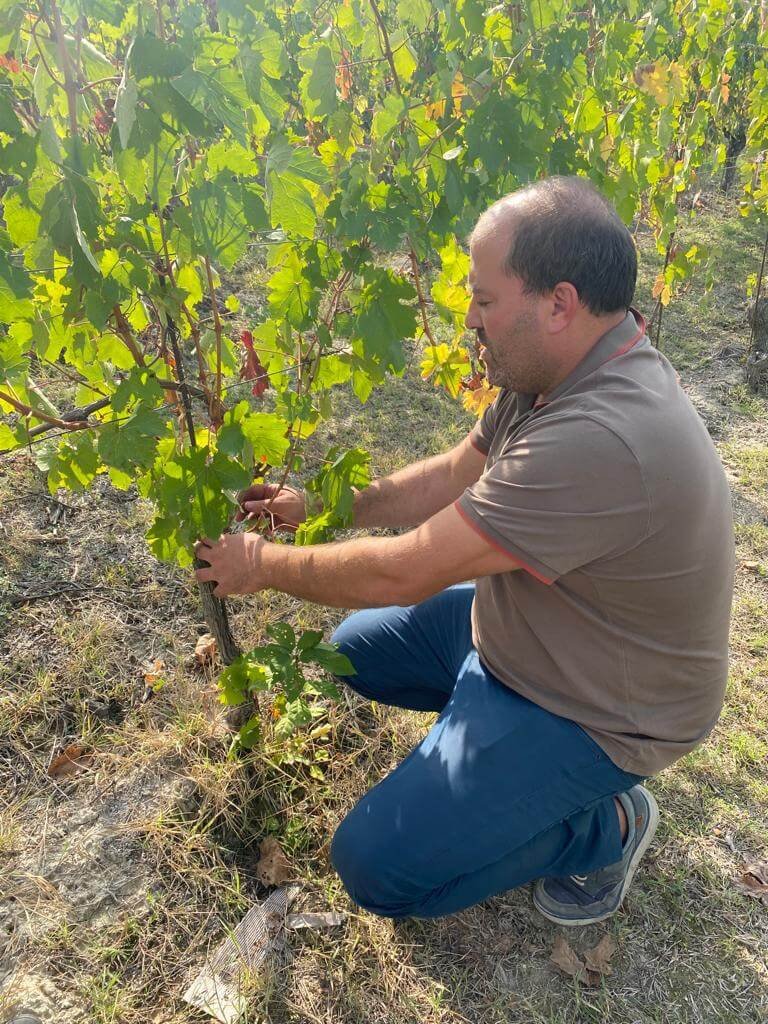
Davide Febo in his Abruzzo vineyards.
Growing Up Winemakers
For some winemakers wine is sort of bred into their bones. They have grown up not only in a specific viticultural area no doubt, but also watching family members from a young age go through the winemaking rituals. They might have even helped, snipping grapes when just old enough to squeeze scissors or working alongside fathers, mothers, and grandparents in the cellar.
What’s your fondest memory of growing up in a winegrowing family?
Aldo Clerico: The most beautiful memories are from during the harvest. It was a party with all the relatives who came to give us a hand.
Alberto (Canalino): There are many memories, but my first time making wine with my family members is the most precious to me.
Andrea (Ivaldi): As children, we were taken to the vineyard with our grandparents. While they worked, we watched instead of playing. My sister and I hid among the rows, or they would make us start with small activities like picking grapes with scissors to then crush them with our feet. My family also had apples, so we climbed the fruit trees, or we went to the barn or into the wheat and hay meadows, where we played with the hay. I have beautiful memories of when I played in nature with my sister and the neighbors. I grew up in a family tied to the land, and what I do now I have watched be done since I was born.
Davide (Febo): Of memories and beautiful family moments related to wine there are many, but they are not particular or extraordinary events. The most beautiful memories are a constellation of situations that concerned everyday life linked to the countryside, the vineyards, the cellar, and winemaking during the harvest period. They are moments that I experienced from a very young age to adulthood and in a certain sense I have always taken them for granted. I remember the emotions I felt when after school when I would go to my grandfather in the vineyard who was picking grapes with the gentlemen and ladies who lived near the house and would help in the countryside. I remember their laughter, their genuine and authentic stories, I remember performing my first maneuvers with the tractor in the vineyard and the fear of not succeeding, I remember the sticky hands, the old cellar, the smells, the noise of the crusher in my ears, the lunches in the kitchen downstairs with the dishes cooked by my grandmother, the bottle of wine that was tapped from the barrel and placed on the table, the tiredness in the evening when the last load of grapes of the day returned. While I was living these realities I did not think that sooner or later everything would change, today I often stop to reflect and still today I can savor the sensations I felt.
Guido Corino (Case Corini): The first harvests, some are a memory only through the photos taken by my dad like the one in the rows of the Bricco vineyard in 1982.
Hilde (Vigna Petrussa): Certainly the harvest. Since I was a child, the harvest was a party: all that frenzy, the joy, the laughter, the ride on the tractor cart from the vineyard to the cellar. It was a moment when the whole family gathered to do the same thing, in unison, from the youngest to the oldest. We collected the grapes on both sides of the rows in parallel and then went back to check if we had forgotten any bunches, because every grape berry is precious! I remember racing between the rows and the laughter of my grandmother, which still accompany me today, like an echo, during the harvest.
What do you love most about the area where you grew up, and why is this area particularly good for making wine?
Aldo Clerico: The beauty of my area is the wonderful landscape and the culinary and wine culture that I consider to be one of the best in the world. As well, the Langhe has the perfect microclimate and the right altitude to best favor the production of excellent grapes.

Hilde Petrussa with her precious Picolit wine and vines.
Alberto (Canalino): In my area, I love the climate and the taste of the local products of the land (oil, fruit, vegetables, honey, wine, mushrooms). This area has become so well-adapted to wine thanks to what I believe is a combination of the work of the men of the territory and of people who have emigrated to these areas over the decades who with their choices have optimized the grape growing culture.
Andrea (Ivaldi): What I like most about where I grew up is the panorama of these hills that never end. Despite observing them for 44 years, every day I discover something new. The layout of the vineyards, the sunsets, the sunrises, the plays of light of the sun, the fog, the snow... everything changes constantly. Even when the fog envelops the landscape and then clears, it reveals unexpected glimpses, as if it were the first time I see them, even if I have known them forever. Piedmont, and in particular my area, is particularly suitable for viticulture for several reasons. First of all, our hills are unique in their kind; unlike other regions where the slopes are steeper, here the hills are gentle and well exposed. Furthermore, Piemonte benefits from the protection of the Alps, which mitigate harsh colds, and there is the influence of the sea air, given by the proximity to Liguria, reachable in less than an hour from the Monferrato. These combinations of factors creates an ideal microclimate for grapevines. Finally, the clayey, marl and calcareous soil lends itself perfectly to the cultivation of the vine, favoring the production of high quality wines.
Davide (Febo): My attachment to this geographical and wine-growing area is due to the fact that the lands that I cultivate today have been in my family for about four generations. I have a visceral attachment to the countryside, and something that goes beyond the purely economic side of having to manage a company. I welcome with joy what the land manages to give us and I bear the sacrifices because I know that dealing with the land means also this. This land is able to give us good wine thanks to a combination of climatic characteristics, exposure of the vineyards, soil composition, and method of growing the vines.
Guido Corino (Case Corini): The hills of Monferrato where I grew up are an environment still authentic for many of those values that have characterized these places for centuries. We produce wine in an area particularly suitable for viticulture for centuries, the hills on which we cultivate our vineyards on the most suitable slopes have very fertile soils, ideal slopes and climates suitable for viticulture.
Hilde (Vigna Petrussa): I love the nature. The succession of the seasons and their colors, which stand out even more in the vineyard and in the surrounding woods. Then the wind that in the Judrio Valley blows almost constantly, fresh and clean. I love walking on the edge of the vineyard, where the forest begins beyond the stream with its relaxing noises. I have always loved my territory, in fact after years spent elsewhere, I decided to return to it. After 30 years I am truly happy.
It is this nature that has created a perfect environment for the cultivation of grapevines. First of all the lay of the land: in our area there is a clean breeze that rises from the Adriatic Sea to wedge between the Julian Prealps that act as an natural amphitheater for the vineyards; this constant ventilation keeps the grapes healthy and dry preventing diseases. Then there is the temperature range: between day and night the temperatures dance following the natural rhythm that favors the development of aromatic compounds in the grapes. The terroir, the ponca soil: the layers of marl-sandstone of Eocene origin crumble among the industrious roots of the vines on the hillside terraces, gives the soil the minerals that the plants need to produce grapes of undisputed quality.
Perfecting Their Craft
Of course, the best winemakers understand that innovation is key. Through their journey from children growing up amongst the vines, to now heads and leaders of their own winery enterprises, they have picked up a trick or two. Be it through experimentation, or simple experience, they have created their own philosophies and techniques that allow their wines to express the unique vision of each winemaker.
What guiding principles do you follow in winegrowing and winemaking?
Aldo Clerico: I try to follow the wine traditions of this area while staying true to myself.
Alberto (Canalino): My main principle is to always have respect towards the environment and what comes from it.
Andrea (Ivaldi): The principles that guide me are respect for nature and for agriculture, as well as tradition and a passion for this work. Without passion, you can't do well in this work. I often see new entrepreneurs who buy wineries, which is positive, but true passion is demonstrated in the vineyard, not just by buying a pre-built structure. So, my principles are to produce wine in a sustainable way, as demonstrated by our SQNPI certification, and to keep tradition alive while working in respect for nature.

Guido Corini in the natural Monferrato vineyards of Case Corini
Davide (Febo): I have several fundamental principles that I follow in the vineyards and in winemaking. I want to always respect the vintage: every year the season can have different climatic trends that will be reflected on the ripening of the bunches. I want to respect the territory: the wines must be identifiable as from this area and in the glass we must taste a wine that represents Abruzzo with all its characteristics and controversies. And lastly, I want to respect the wine as a living beverage that has its own character and that evolves over time.
Guido Corino (Case Corini): In viticulture the most important guiding principles are those of careful observation of the development of the various growing phases of the vine, of interpreting the seasonal conditions of the external environment and of planning and applying the necessary interventions at the moments that experience deems useful and indispensable. Winemaking is closely linked to the choices made in the vineyard, its most important guidelines reflect those that apply in field practices, grapes harvested in their best condition of ripeness, spontaneous fermentations with native yeasts, macerations and aging to guarantee the wine the most natural of evolutions.
Hilde (Vigna Petrussa): I am guided by respect for this territory and its traditions, from the vineyard to the cellar. In addition to the careful and constant research in the creation of wines that reflect the territory, both in vinification (with the use of native and indigenous yeasts) and in aging. We invest in new technologies that allow us to improve all processes, to select the grapes and to work with greater care.
What specific technique(s) do you apply in winegrowing and in winemaking based upon your own past experience, and why?
Aldo Clerico: I try as much as possible to respect the nature that surrounds my vineyards by trying to use as few chemicals as possible and avoiding herbicides as far as the vineyard is concerned. In the cellar we try to use the same oenological practices as in the past but with an eye to the future. For this reason, during vinification we do not use yeasts. We only use those naturally present in the grapes. I find added yeasts to be useless and unnecessary.
Alberto (Canalino): In the vineyard and cellar we always have the opportunity to improve. In the field we have always avoided herbicides and chemical fertilizers on the ground, opting for phytohormones and vegetation based fertilizers. As well, pruning techniques have improved from the old fashioned spurred cordon pruning without respect the permanent wood structure, and now is moving to new pruning techniques that respect the permanent wood and do not create damage or cause rot to the vines. This creates a strong lymphatic system for a healthier vine.
In the cellar we have tried to remain as traditional as possible without taking away the manual work of the winemaker; therefore the presence of man in all three phases of the winemaking process is essential to constantly evaluate the process from vinification to aging to bottling. During vinification, we only add bisulfites and we use native yeasts for fermentation. I pay close attention to temperatures, and perform pump-overs in open fermenter to keep the skins and lees submerged. I control the malolactic process by opting to warm the vinification room up. During the entire aging process, we pay particular attention to prevent deposits and odors, so therefore there is no need of further additions of chemicals to correct any defects. I also use the latest generation of bottling techniques and processes with nitrogen that prevents the loss of perfumes and does not distort the wine.
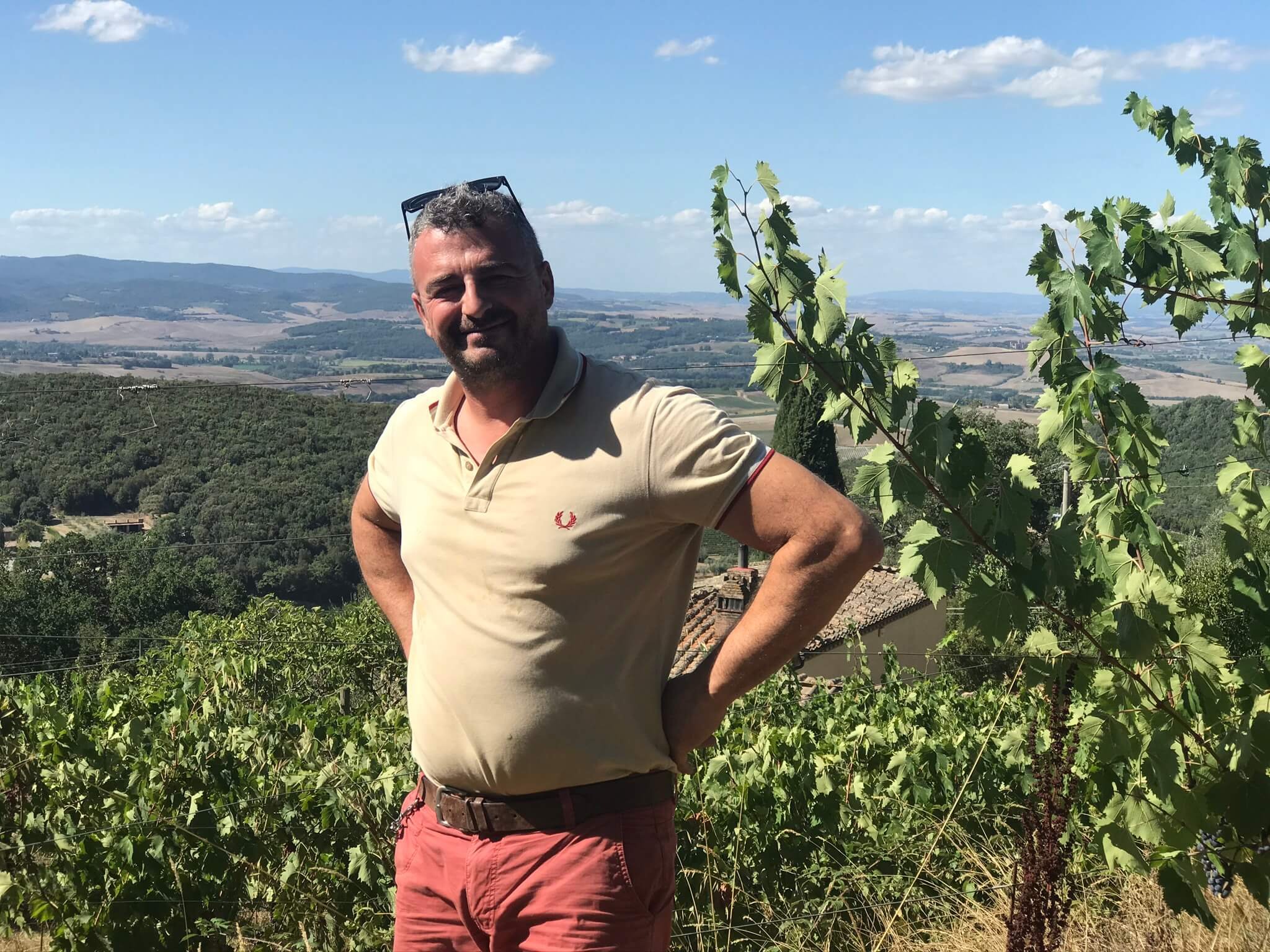
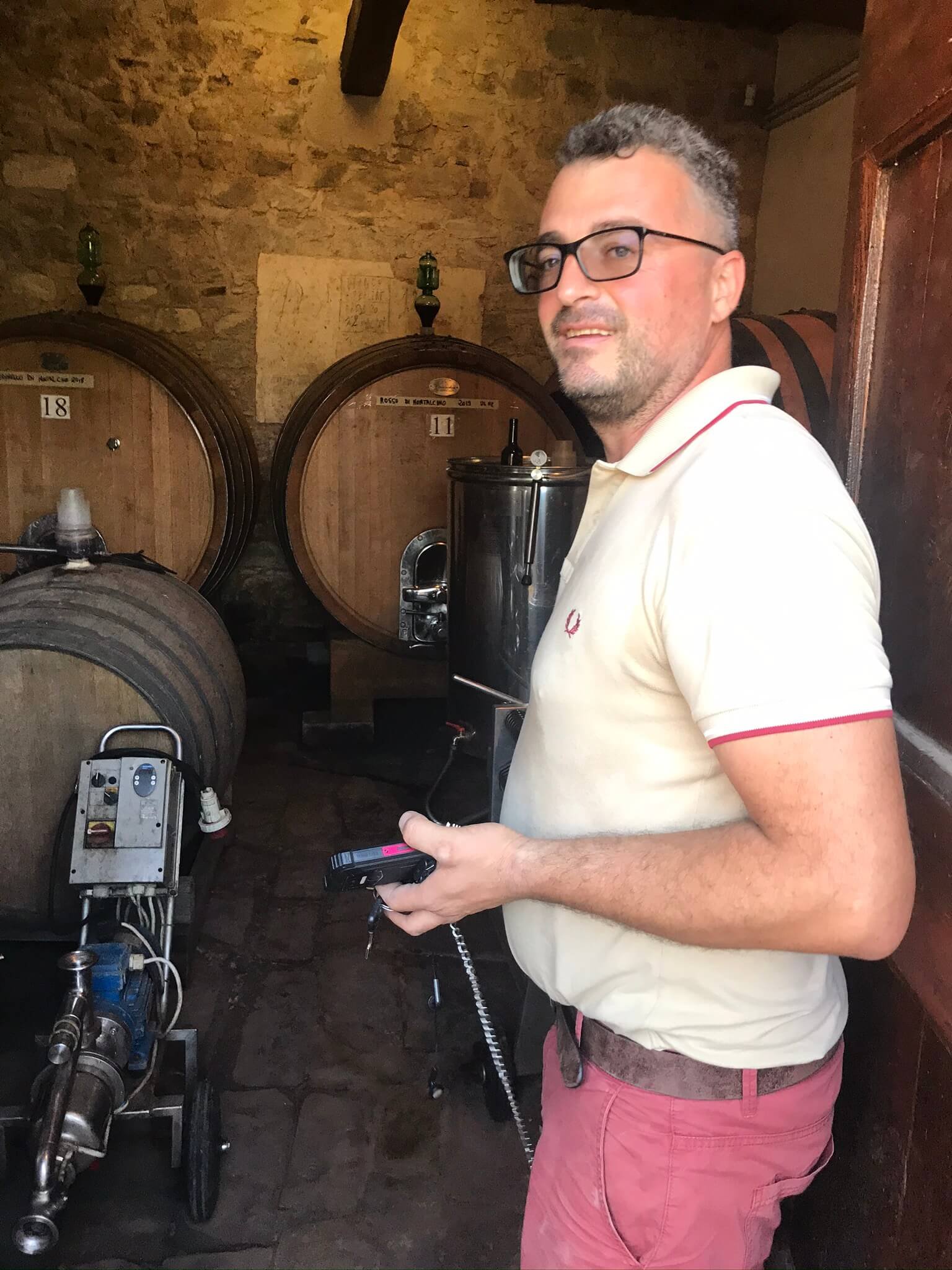
Alberto Pagliatini in his Montalcino, Tuscany vineyards.
Andrea (Ivaldi): I still work in a traditional way where 90% of the work on the vineys themselves, from pruning to harvesting, are done by hand. This is because machines do not have the necessary precision to be accurate and with your hands, you can correct many imperfections while avoiding damage to the vineyard and keep the vineyard healthy as long as possible. During pruning, we carefully inspect and work with each individual plant to preserve its vitality. At harvest, we manually select each bunch, discarding those damaged, rotten or unripe berries that a machine would not be able to do.
As for the specific techniques of winemaking, for red wines I still use the traditional method, with winemaking in cement and daily pump-overs to keep the skins and juice in contact, and this follows in the footsteps of my grandparents. For white wines, which are more delicate, I have adopted more modern techniques, such as the cooling of juice and must. This is particularly important in hot vintages, to help preserve the aromas and control the fermentation temperature. I will also use different techniques depending on the type of wine, with the aim of keeping the innate characteristics of the grapes intact, to better represent them in the glass.
Davide (Febo): I could say that I move as if I were an observer, and will adapt based on the climatic trend of the season, the particular vineyard, the exposure, the age of the plants, the vegetative strength. I make decisions that would concern more or less invasive pruning, more or less superficial soil work. Even in winter pruning, which is a fundamental activity, I cannot say that I do it in the same way in all the vineyards. Basically, I do not manage the countryside with a standard protocol; rather, every year I make management decisions in order to adapt to the needs of the vineyard based on the climatic situation that the plants are experiencing.
The same can be said for winemaking. Each wine, once the spontaneous native yeast fermentation is finished, is racked and then the aging period begins. But then, each wine will have its own life and will evolve differently so I can only observe, in this case I taste the tank and make decisions aimed at enhancing the expression of the wine at that moment. There are cornerstones that I always respect for each wine such as the right harvest period, spontaneous fermentation, and subsequent racking, but from there each wine takes its own path and I follow it.
Guido Corino (Case Corini): The techniques used in the vineyard and in the cellar are all based on the experience and experimentation that I had the opportunity to learn about over the years from my father Lorenzo Corino. All seasons remain a unique case and therefore also a source of new ideas and opportunities to refine the technique.
Hilde (Vigna Petrussa): The primary desire to respect the territory and the peculiarities of the vines that grow in this area, combined with field experience, have taught me to follow certain precise principles and processes in viticulture. It starts with manual work in the vineyard: winter pruning, leaving the shoots on the ground to enrich the soil; the bending of the shoots to bilateral guyot, then the thinning of the extra buds in spring to give vigor to the remaining bud; the summer thinning of the bunches to allow only the best to ripen perfectly; then the defoliation, to expose the berries to the sun and perfect the ripening before the harvest. Following will be mechanical procedures such as mowing the grass leaving a few centimeters of mantle, to preserve biodiversity in the vineyard. Then the release of predatory insects in the vineyard to prevent naturally (by sexual confusion) attacks of other harmful insects. These are all techniques that have allowed me over the years to produce wine in a sustainable way and obtain the SQNPI certification.
In the cellar, after the manual harvest, they are destemmed with an extraordinary machine that allows a careful separation of the berries from the stems. The grapes then fall on the sorting table, where we check them individually to remove by hand the last small impure berries before they enter the vinification process. We also use a pressing machine that is a new concept that allows an optimal crush of the berry according to its maturation, a better extraction of must, juice, polyphenols and aromatic compounds that allow to give life to unprecedented final products. This is done by increasing the contact surface between must and skins, so therefore, I not use green or unripe berries. This helps as well to achieve more intense and fragrant wines with greater color stability and there will be a reduction of herbaceous taste and bitterness on the palate. In the cellar, I love experimentation and I do it through the use of certain yeasts, even indigenous ones, maceration for a precise number of days for each variety. All of this is in order to create wines that can maintain all the characteristics of their territory.

Aldo Clerico in his Monforte Barolo Vineyards
It’s All in the Family
Family, to these winemakers is also important. Sometimes they add on to the knowledge of previous generations, and at others they still turn to those older generations for advice. Yet, at times they feel it is best to keep their own counsel as well.
What have you have done differently compared to previous generation(s)?
Aldo Clerico: I made a leap in quality. In the past, my family produced more quantity and less quality. Today, I prefer less quantiy but higher quality.
Alberto (Canalino): My matneral grandparents cultivated everything from wheat and vegetables, and they also collected the fruits of their land such as cherries, plums, apples, olives to make oil and grapes to make wine. They had the opportunity to raise animals such as chickens, rabbits, pigs and therefore survived on these products also thanks to their sale. But I have chosen to focus more on just the grapes and viticulture.
Andrea (Ivaldi): Differently from previous generations, I have studied. My degree in oenology has allowed me to understand the why of certain practices. Before, many things were done soley by tradition, without necessarily understanding the reasons. I, on the other hand, have been able to introduce targeted improvements. For example, for white wines, I have abandoned winemaking with maceration on the skins and introduced the use of temperature-controlled tanks. I have also replaced our traditional press with a new pneumatic press, which allows for a softer and more controlled pressing and reduces the risk of oxidation. Finally, unlike my grandparents and my parents, who sold bulk wine, I started bottling our wines for sale.
Davide (Febo): I have done a few things that are in my opinion fundamental. The ripening curves from mid-August onwards, and when I harvest I need to know the fundamental quality of the bunches, so I select carefully the bunches, otherwise it becomes impossible to not intervene in the cellar to save the produt, especially in the last vintages that have been difficult. I have also renewed our oenological equipment. To make identifiable wines, without intervening in the cellar it is essential to use equipment that gives you the possibility to take a whole series of precautions. For example using careful techniques during destemming or crushing or using an even more soft pressing than usual to prevent bruising.
Guido Corino (Case Corini): I have the fortune of being able to work with a very important wealth of experience and the possibility of comparing oneself with increasingly reliable, precise and innovative technology is certainly an added value compared to the past
Hilde (Vigna Petrussa): I wanted from the beginning to favor the indigenous vines (such as Tocai Friulano, Schioppettino, Picolit) to highlight the uniqueness of the territory. Then I decided to use advanced and sustainable technologies, in addition to indigenous yeasts in fermentation to increase the territoriality in wines. Unlike my mother, I started an organized marketing and I started to export to foreign markets.
Who is the “go-to” person who helps you when you have tough decisions to make in running your winery?
Aldo Clerico: My parents; they have much more experience than me.
Alberto (Canalino): For the last 15 years, I have always been the one to make major decisions in the vineyard and winery.
Andrea (Ivaldi): When I have doubts or have to make difficult decisions, especially regarding winemaking or before bottling, I consult with an oenologist, a specialized laboratory or a technical consultant. Sometimes, I also turn to another laboratory to get a different opinion. In this way, I can make more informed decisions. However, in 99.9% of cases, the final decisions are always mine.
Davide (Febo): I make the decisions in the cellar together with my father who has passed to me the art of knowing how to work in the cellar. I work close with Leonardo Seghetti, as well, he is a friend who has supported me from the very beginning, a man who has infinite culture about it and has taught me so much.
Guido Corino (Case Corini): In the most important decision-making moments it is very important to act following one's instinct, going to study the notes taken in previous years and trying to act always with carefulness and the correct philosophy. Not always the reference can be a single person, perhaps multiple opinions can be even more useful, finally the decision remains yours anyway and that certainly will not be 100% correct.

Andrea Ivaldi in his Monferrato tasting room.
Hilde (Vigna Petrussa): I turn to my husband, who for decades has been by my side and supports me in decisions, in difficult moments and shares the joys with me. It was not easy as a woman to face this job that has always been masculine, especially to take over the company that was managed by another woman: my mother. The decision to change life and move back to Prepotto in 1995 was made thanks to the support that my husband gave me and I am still very grateful to him. I have always involved him in company dynamics, in wine tastings and in decisions to be made. I believe that this is the secret of an important success.
Taste the Fruits of These Producer’s Labor and Passion
We exist to allow all Americans, across the US, from businesses to consumers, to experience the pleasures of small production, farm to glass wines from producers such as the six we sat down and talked with. But how can you get your hands on these hidden gems we forage for?
If you are a distributor reach out to us introduce our highly curated portfolio of one of a kind small production wines to your state.
We sell to wine stores and restaurants in certain states - contact us to learn more.
If our farm crafted natural wines and olive oils are not in your local shop or restaurant, buy wine online here, and we’ll ship it to you, including wine gifts.
We also have an award winning wine club for true wine explorers that are seeking to continually discover unique, sustainable and authentic small production wines they never had. These are wines selected by our sommeliers and curated for each box.
We do corporate gifts and sommelier guided wine tastings. Email us and we’ll tailor unique and sustainable corporate gift ideas.
Be sure to sign up for the Vero newsletter to get part 2 of this series on winemakers’ preferences and how they evolve.

Aldo Clerico
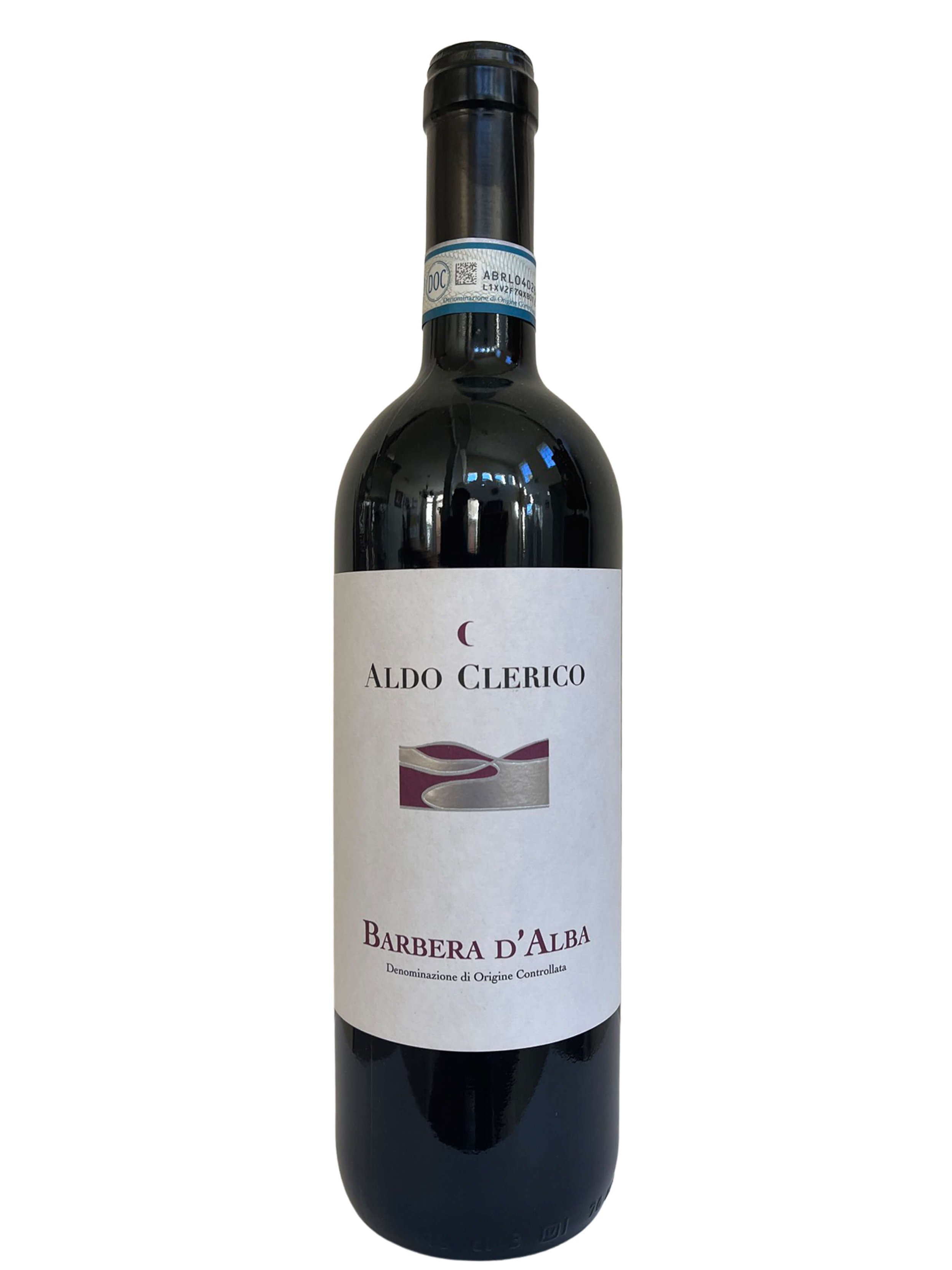
A really good, soft and fleshy Barbera from Alba, from a single vineyard located in the Barolo designated wine region, one of the best areas for Barbera. Nice acidity and fruitiness with some spice, thanks to 14-16 month aging in new and used oak.
A very balanced and elegant wine on the nose, and a good body and structure on the palate with a pleasant and vibrant acidity. A rounded wine with fresh yet fruity notes that finish with a creamy texture thanks to the oak barrel aging.
Do you want to regularly purchase this wine? Check out the Subscribe and Save option available HERE!
Tastes Like: Pretty, ripe, dark cherries
Farming & Winemaking Highlights: Biodynamic | Native Yeast Fermentation | Single Vineyard
Fun Facts: With its aging, this Barbera d’Alba technically follows guidelines for a Barbera d’Alba Superiore, but winemaker Aldo Clerico decides to declassify it.

This is one of the best Barolo wines from the Langhe in Piedmont Italy as well as a great value from one of the storied families of Barolo wineries. This Barolo red wine is the maximum expression of the nebbiolo grape from Aldo Clerico. With vineyards right next to those of Domenico Clerico Barolo vineyards, this Barolo is a good substitute for Burgundy wine.
This garnet colored artisan Barolo has red fruit, rose and spicy leather and tea leaf aromas with elegant structure, long finish leaving a silky mouthfeel. On the nose it is very intense while floral notes mix with typical vineyard scents of violets and red berries. On the palate, the violets blend with licorice flavors and noticeable tannins. A creamy texture from the oak barrels creates a pleasant mix of fresh yet complex flavors.
Tastes Like: Cherries and licorice
Farming & Winemaking Highlights: Biodynamic | Native Yeast Fermentation | Single Vineyard
Fun Facts: This is Aldo's first wine made from 5 different Barolo designated vineyards surrounding his home in Monforte d'Alba, all within the Bricco San Pietro MGA. He vinifies each vineyard and then does an assemblage, creating each vintage a unique expression of his nebbiolo vineyards. It is also made with native yeast fermentation, so can be called a natural wine.

Made with native yeast fermentation, this Barolo Serralunga is a special natural wine. Rich on the nose with dried violets typical of the nebbiolo grape, the bouquet is austere and profound with balsamic notes. Once sipped, the earthy texture is out of this world, which marries pleasantly with the structure, fruit and spice of this elegant red. Well accented tannins are soft and decanting is strongly recommended.
Tastes Like: Earthy Spices
Farming & Winemaking Highlights: Biodynamic | Native Yeast Fermentation | Single Vineyard
Fun Facts: This is a single vineyard Barolo from the Serralunga d'Alba village, known to produce the most age worthy Barolos.

Made from the sought-after Ginestra Barolo Cru, this single vineyard wine epitomizes the greatness of the nebbiolo grape from the Barolo wine region, in terms of structure, age-worthiness and fruit expression. The native yeast fermentation used in making this natural wine also helps bring out the special and sought after terroir of the Ginestra cru.
An intense garnet color, on the nose this Barolo tends towards red fruits, with a touch of balsamic notes. As it opens on the palate the elegant tannins harmonize with the acidity for an overall richness that creates a pleasant and enjoyable experience while sipping alone or with food.
Tastes Like: Balsamic Tabacco leaves
Farming & Winemaking Highlights: Biodynamic | Native Yeast Fermentation | Single Vineyard
Fun Facts: The Ginestra cru is very limited and only a few wineries have access to harvest from there. Aldo can thanks to his wife’s, Valentina’s, Conterno family vineyards.
Fun Facts: The hands on the bottle represent Aldo’s two daughters; for this reason he often says this is the wine closest to his heart.

This Brunello di Montalcino from winery Canalino is crafted using specially selected sangiovese grapes. A gorgeous ruby color, the nose is a potpourri of intense mature fruit and spice aromas from prune to menthol to leather. The wine is structured, with freshness, minerality and age worthy tannins and a fantastic mouthfeel.
Tastes Like: Stewed Cherries or Cherry Jolly Rancher candy
Farming & Winemaking Highlights: Regnerative Agriculture | Sustainable Winery | Biodynamic | Native Yeast Fermentation | Unfiltered | Organic | Natural Wine | Vegan
Fun Facts: The name “brunello” comes from the local name used for the type of sangiovese typically used in the area.

Davide Febo

An organic & vegan natural wine made from 100% trebbiano abruzzese, a white wine grape which the New York Times cites a grape “worth knowing better”. It has an inviting straw yellow color and an exotic nose (look for the saffron!) and an intriguing fruity and herbal taste.
This white wine is age-worthy too! Fermented and refined in grandfather Febo’s concrete vessels.
Region: Italy > Abruzzo > Chieti
Tastes Like: Peaches and Saffron
Farming & Winemaking Highlights: Regenerative Agriculture | Sustainable Winery | Biodynamic | Native Yeast Fermentation | Vegan | Single vineyard | Old Vine | Organic | Natural Wine
Fun Facts: This wine is named from the single vineyard from which it comes, Parella in Chieti.
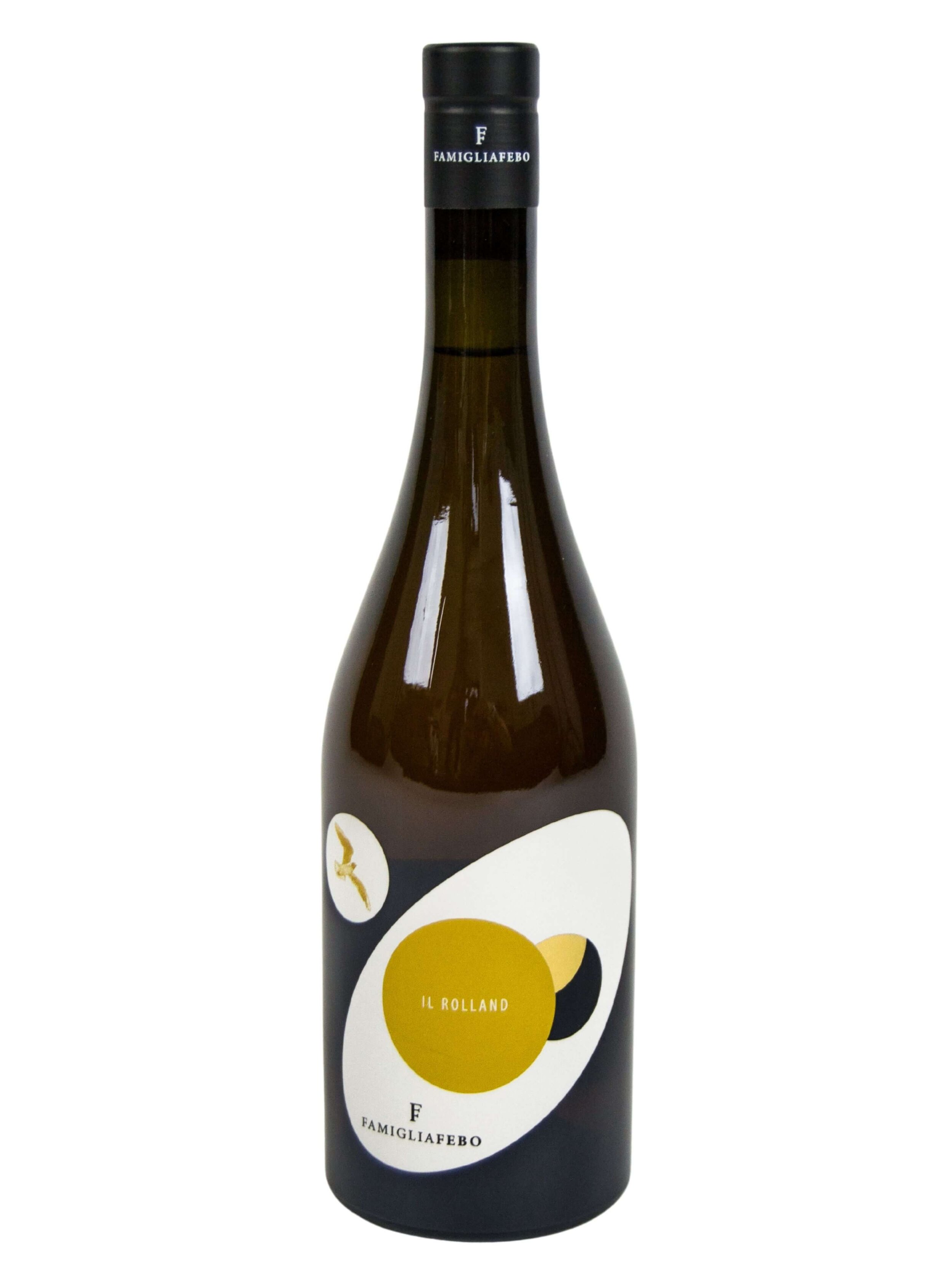
Rolland’s deep straw yellow or rusty color likens it to an orange wine, but this color comes from the vineyard, sun, and weather. A fresh and textured mouthfeel leaves you pondering and wanting to have another sip. We recommend to let it breathe before enjoying to the fullest.
The 2023 vintage offers a drier, more savory, and complex profile. With golden raisin and saffron flavors, it evolves into deeper sensations of caramel, sage, and a pronounced orange rind on the finish. It wraps up with a long, distinctive mineral finish. The 2023 really summarizes well the age-worthiness of this wine.
Region: Italy > Abruzzo > Spoltore & Chieti
Tastes Like: Golden Raisins & Saffron
Farming & Winemaking Highlights: Regenerative Agriculture | Sustainable Winery | Biodynamic | Native Yeast Fermentation | Vegan | Single vineyard | Organic | Natural Wine
Fun Facts: This wine is named for Grandfather Febo, Rolando, who bought the concrete vessels the family ages their wines in.
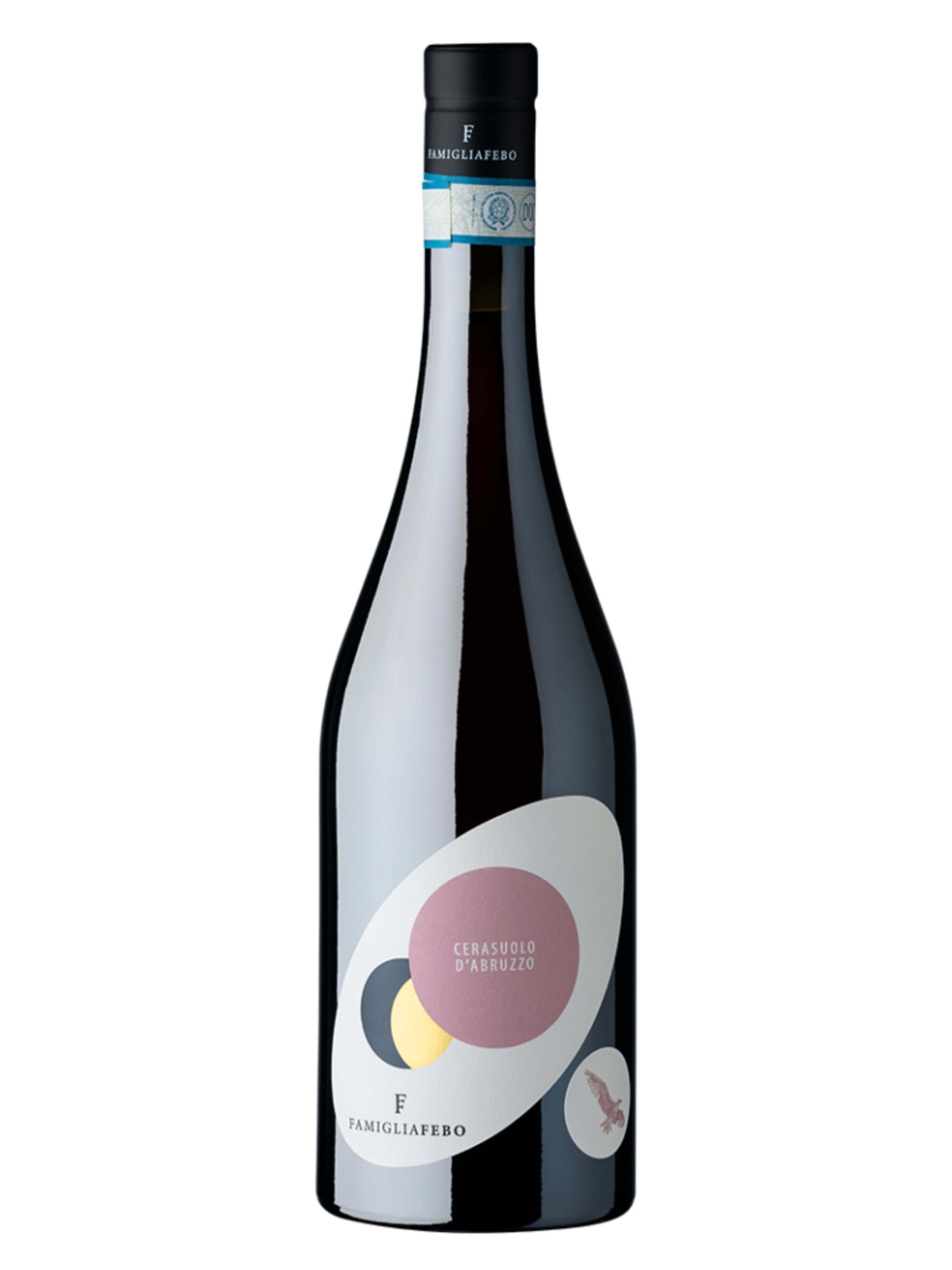
While made as a rosé wine, this Cerasuolo d’Abruzzo is actually more like a light red wine thanks to the dark pigments of the Montepulciano grapes used, farmed on Febo family’s estate vineyards in Abruzzo.
The minimal intervention approach of this natural wine producer results in a lot of vintage variation year after year. For example, the 2021 Cerasuolo d’Abruzzo has a cherry taste with a salty finish, and is considered a “serious” rosé wine while the 2024 is a Rosorange color that bursts with blood orange flavors mixed with cherry.
Region: Italy > Abruzzo > Spoltore & Chieti
Tastes Like: 2021 - Cherries | 2024 - Tart cherries and blood orange
Farming & Winemaking Highlights: Regenerative Agriculture | Sustainable Winery | Biodynamic | Native Yeast Fermentation | Vegan | Organic | Natural Wine
Fun Facts: Both vintages are fermented with native yeast and refined in the winegrower's grandparents' concrete vessels. Great chilled and a good pairing is eggplant parmesan.
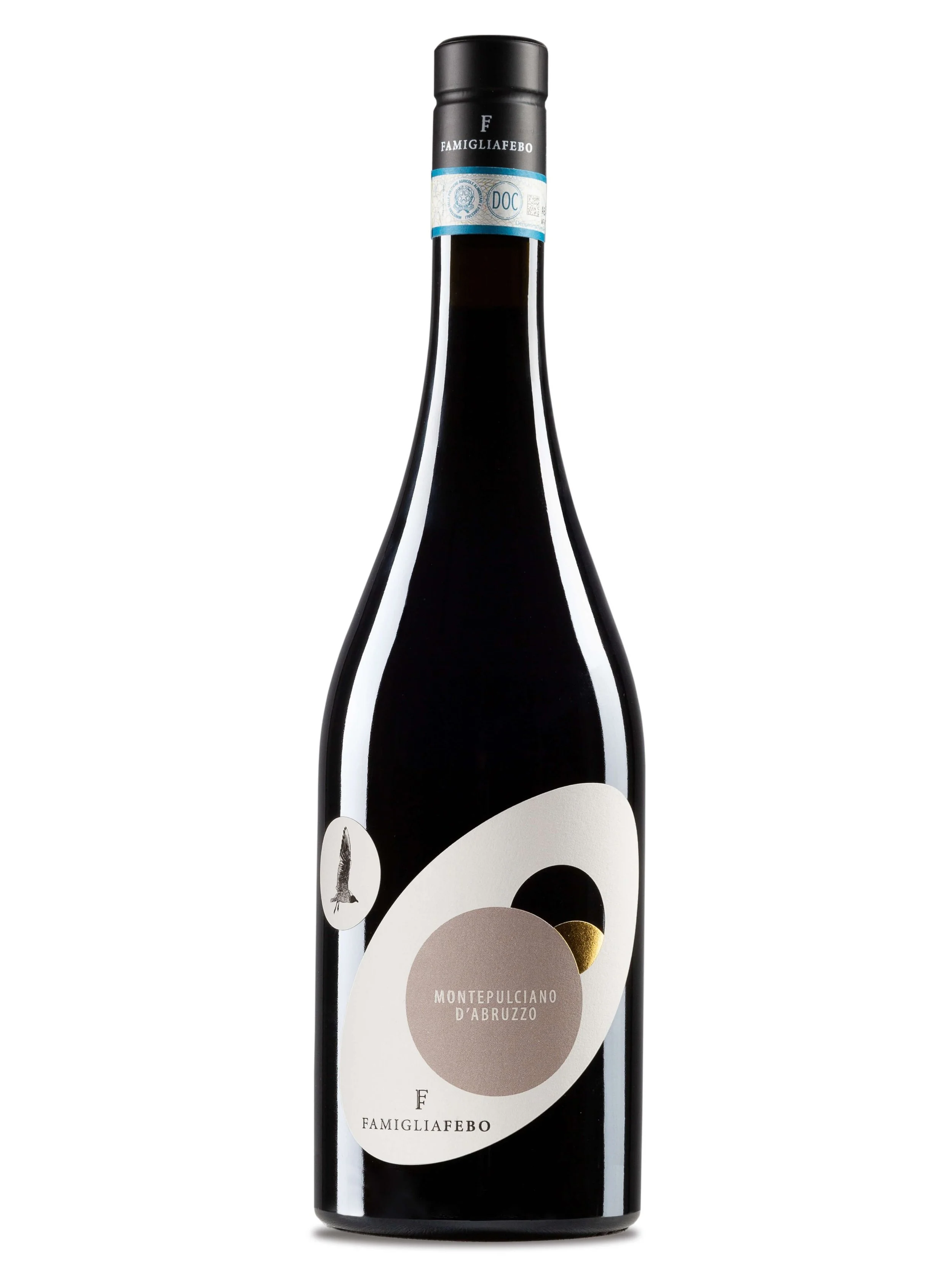
Made with 100% Montepulciano grapes spanning family vineyards in Spoltore and Chieti in Abruzzo, it has aromas of amarena cherries and licorice and a slight funkiness thanks to its 100% natural production. It tastes of dark fruit, with a rich texture and slightly bitter finish, with the funky vibe continuing while tasting. Fermented and refined in the winegrower's grandparents' concrete vessels.
Region: Italy > Abruzzo > Spoltore & Chieti
Tastes Like: Dark fruits
Farming & Winemaking Highlights: Regenerative Agriculture | Sustainable Winery | Biodynamic | Native Yeast Fermentation | Vegan | Organic | Natural Wine
Fun Facts: Pairs nicely with chicken parmesan. | While there is a famous wine “Vino Nobile di Montepulciano” from Tuscany, this grape has no connection to it; the “montepulciano name” there comes from the town noame, where as here in Abruzzo “montepulciano” actually refers to the grape used to make the wine.
Andrea Ivaldi
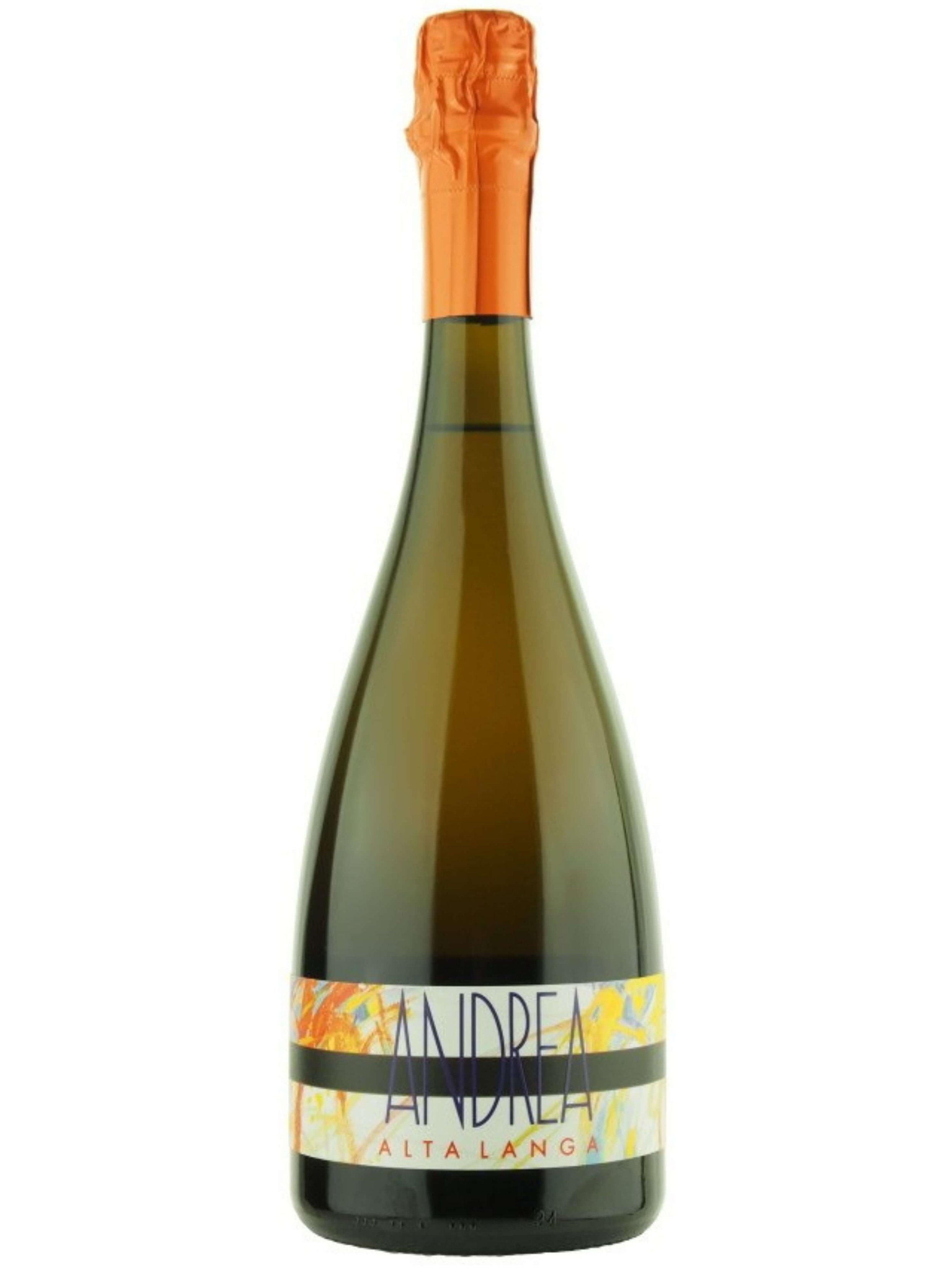
This Alta Langa Spumante, or an Italian sparkling wine, is an Extra Brut, with flavors of bread crust, caramel and candied fruit, with great acidity and salinity, a hint of sage and a long mineral finish.
Made following the traditional Champagne method, it ages on the lees for 30 months in the bottle. Alta Langa is a newer DOCG that is steeped in history and is an up-an-comer amongst Italian traditional method sparkling wines.
This vintage wine is from vineyards at 200 meters that are harvested slightly late to give the wine more structure. A Blanc de Blancs made from 100% chardonnay grapes, fine and persistent bubbles are present with an inviting straw yellow perlage.
Tastes Like: Bread crust, caramel, and candied fruit.
Farming & Winemaking Highlights: Regenerative Agriculture | Sustainable Winery | Biodynamic | Bottle fermented | Champagne Style
Fun Facts: - This wine is named for the current winemaker, Andrea Ivaldi, the 4th generation of his family to make wine, and the first to make a sparkling wine.
- A certified sustainable winery, Ivaldi practices regenerative farming.
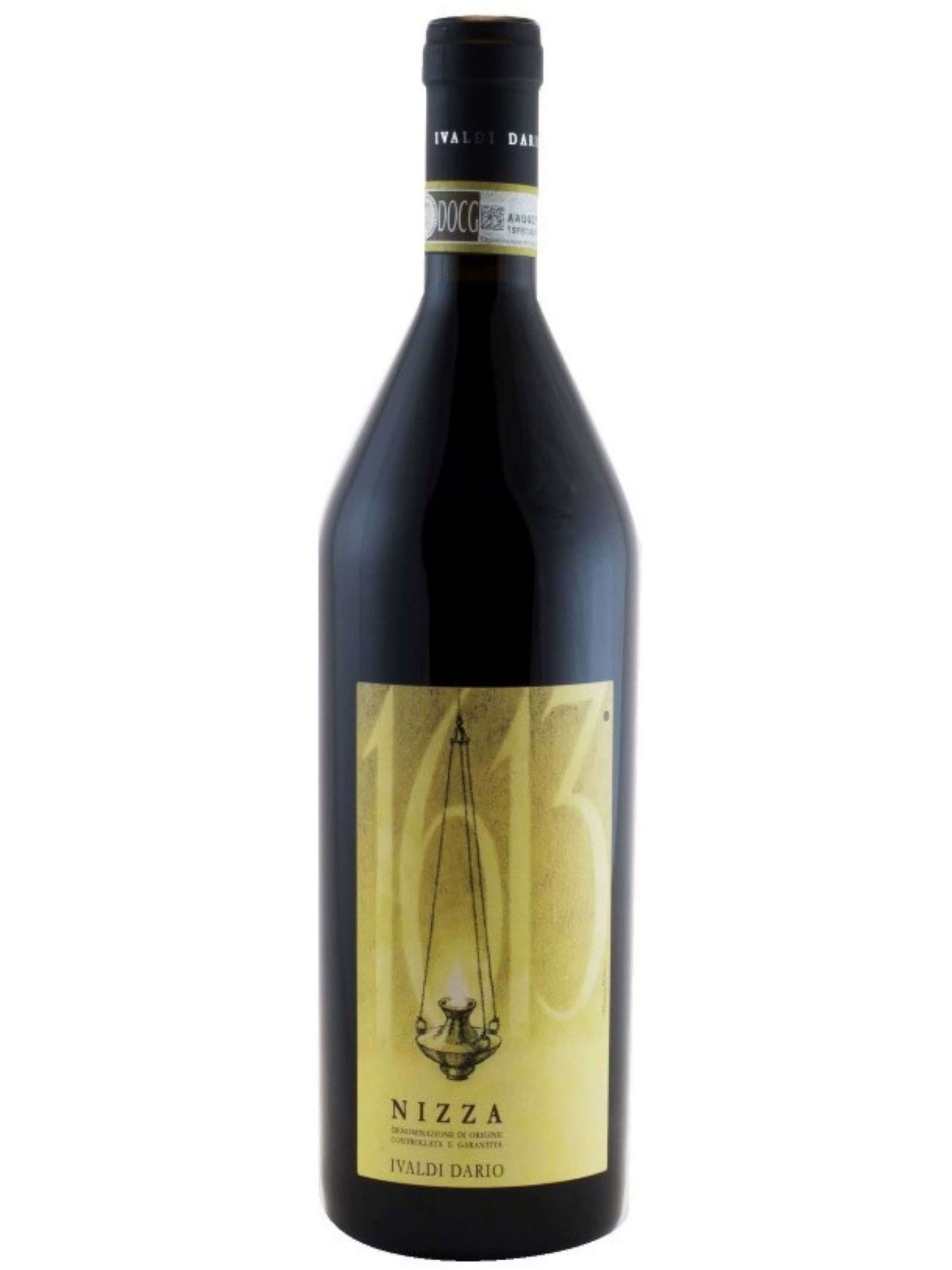
Nizza is the Barolo of Barbera, made from the birthplace of Barbera, Nizza Monferrato, the home of the 4th generation winemaking family, Ivaldi, and place where this wine is grown and made. This Nizza Barbera is a delicious old world style red wine with a rich cherry taste and an incredible mouthfeel.
This Nizza DOCG is made only in the best years, always made with 100% Barbera grapes, but only the best of the best of the Barbera clusters goes into this wine, before it spends 12 months in Slavonian oak barrels then 2 years resting in the bottle.
Made with native yeast fermentation, on the skins for 15 days. it has a pretty ruby red color with garnet reflections. A fruity bouquet transforms into spicy notes as it opens, and on the palate this wine has nice tannins and acidity balanced by a robust body.
The name of this red wine, 1613, is a homage to the siege of Nizza Monferrato in 1613 by the Mantovan army, showing the strong roots the Ivaldi family has to their home town. The women gathered to pray all night, and after the siege was lifted and won by Nizza Monferrato, an oil lamp in the church spontaneously burst into flames, despite the lack of spark and oil. Known as the ‘Miracle of the Lamp’, this wine pays homage to that evening, bearing not only the year as a name, but the image of the oil lamp on the label.
A certified sustainable winery, Ivaldi Dario practices regenerative farming.
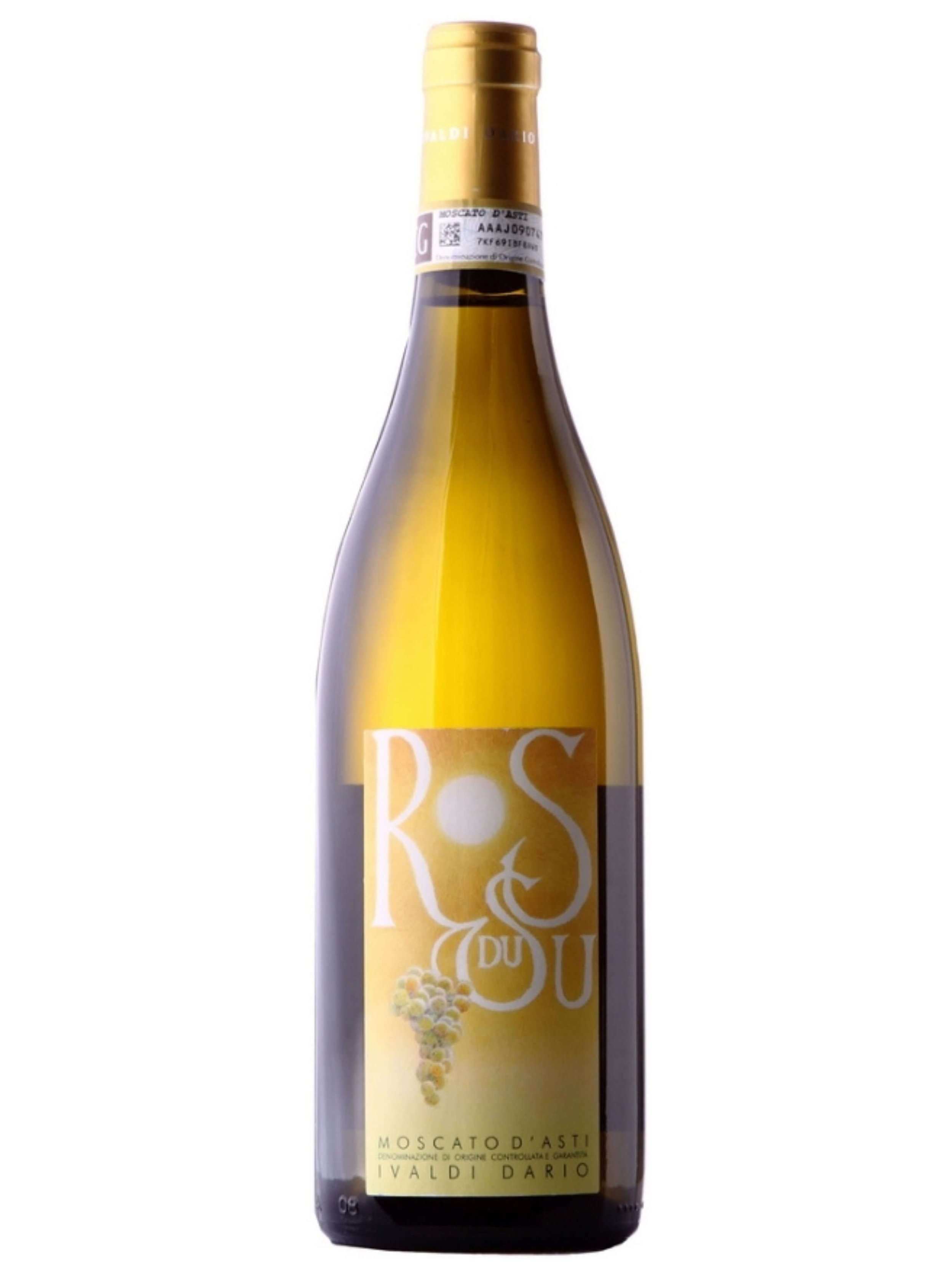
Who doesn’t like chamomile and honey? That’s what this wine reminds you of! It’s a Moscato d’Asti that appeals both to sweet wine lovers and dry wine drinkers wanting a moment with a touch of sweetness.
The name of this wine, Ros du Su, means ‘Rays of Sunlight’ in Piemontese dialect where this Moscato d’Asti comes from. Looking at its bright, golden-yellow color, it is easy to understand the inspiration for this name.
In the glass, the aromatic qualities of moscato are the first noticeable aromas, but underneath subtle and persistent notes of honey and acacia and chamomile flowers come forth creating a complex bouquet. Tasting, the sweetness of the residual sugars are well balanced with freshness and sapidity. A pleasant wine that keeps you sipping, it pairs well with desserts, but is every bit as enjoyable alone in contemplation.
A certified sustainable winery, Ivaldi practices regenerative farming.
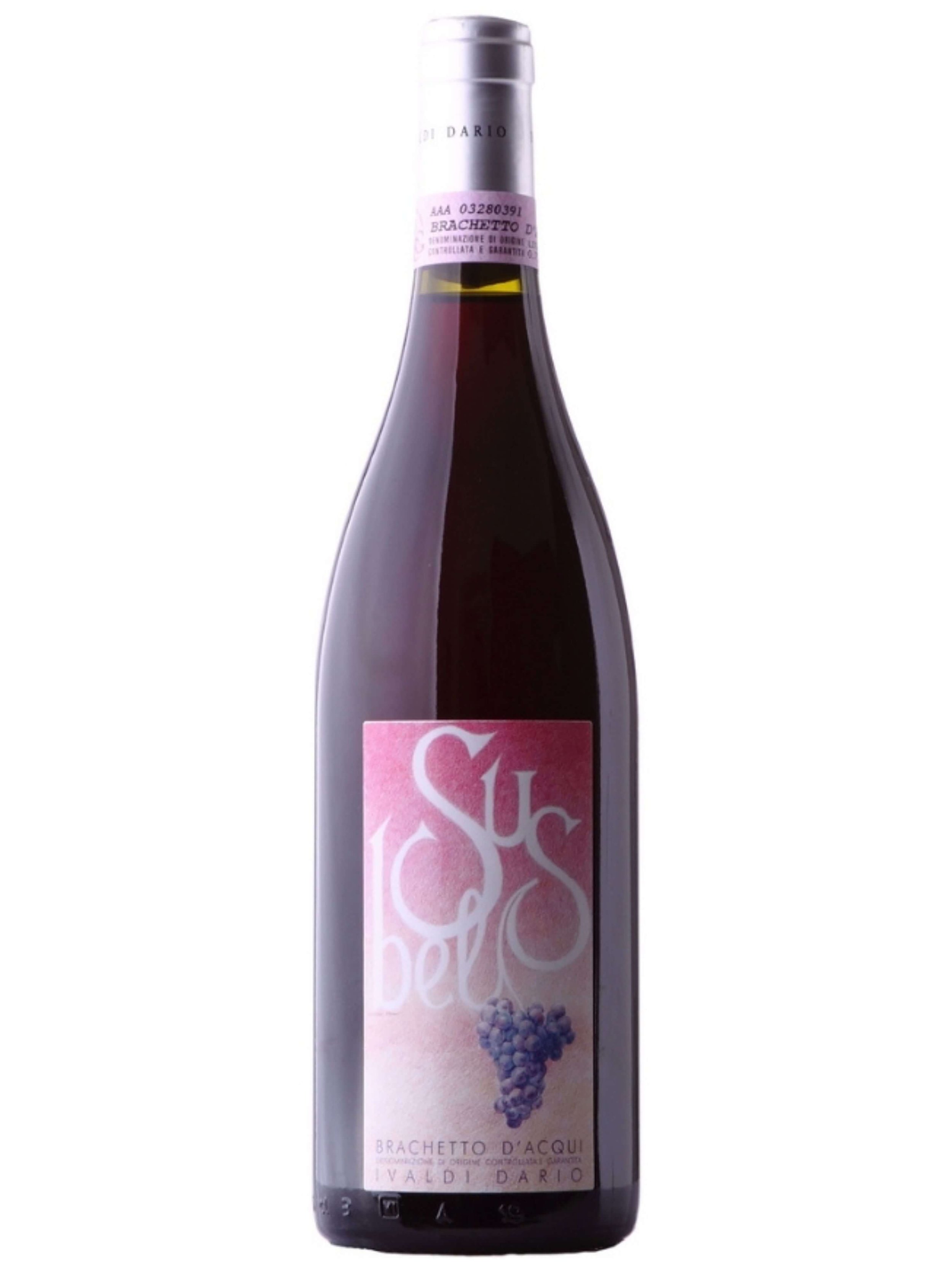
“Can we make Brachetto popular, please?” is how VinePair headlines why this artisanal, aromatic red sweet sparkling wine, just recently imported by us first time to the USA, made it to VinePair’s list of 13 Best Sweet Wines.
An aromatic grape, brachetto, creates a pleasantly slightly sparkling sweet red wine, with delicate rose flower and strawberry notes and strawberry and hibiscus taste. ‘Susbel’, in the local Piemontese dialect of Ivaldi in the Monferrato, refers to the location of the vineyard of this Brachetto d’Acqui, where the sun is bright and well exposed.
Left four days in contact with the skins and fermented with native yeast, this natural wine has a bright and clear light red color, dotted with fine effervescent bubbles. Sipping, the immediate impact is indeed sweet, yet with enough acidity and a hint of tannins to create a harmonious and balanced wine that keeps you coming back for more.
Wonderful to serve slightly chilled to sip with friends in the backyard on a hot summer day, or to serve with fruity desserts. Try pairing it with white or milk chocolate or a savory cheese, like with Humboldt Fog goat cheese - it goes incredibly well. It can also pair with charcuterie. Made with native yeast fermentation and has a residual sugar of 120 g/l.
A certified sustainable winery, Ivaldi Dario practices regenerative farming.

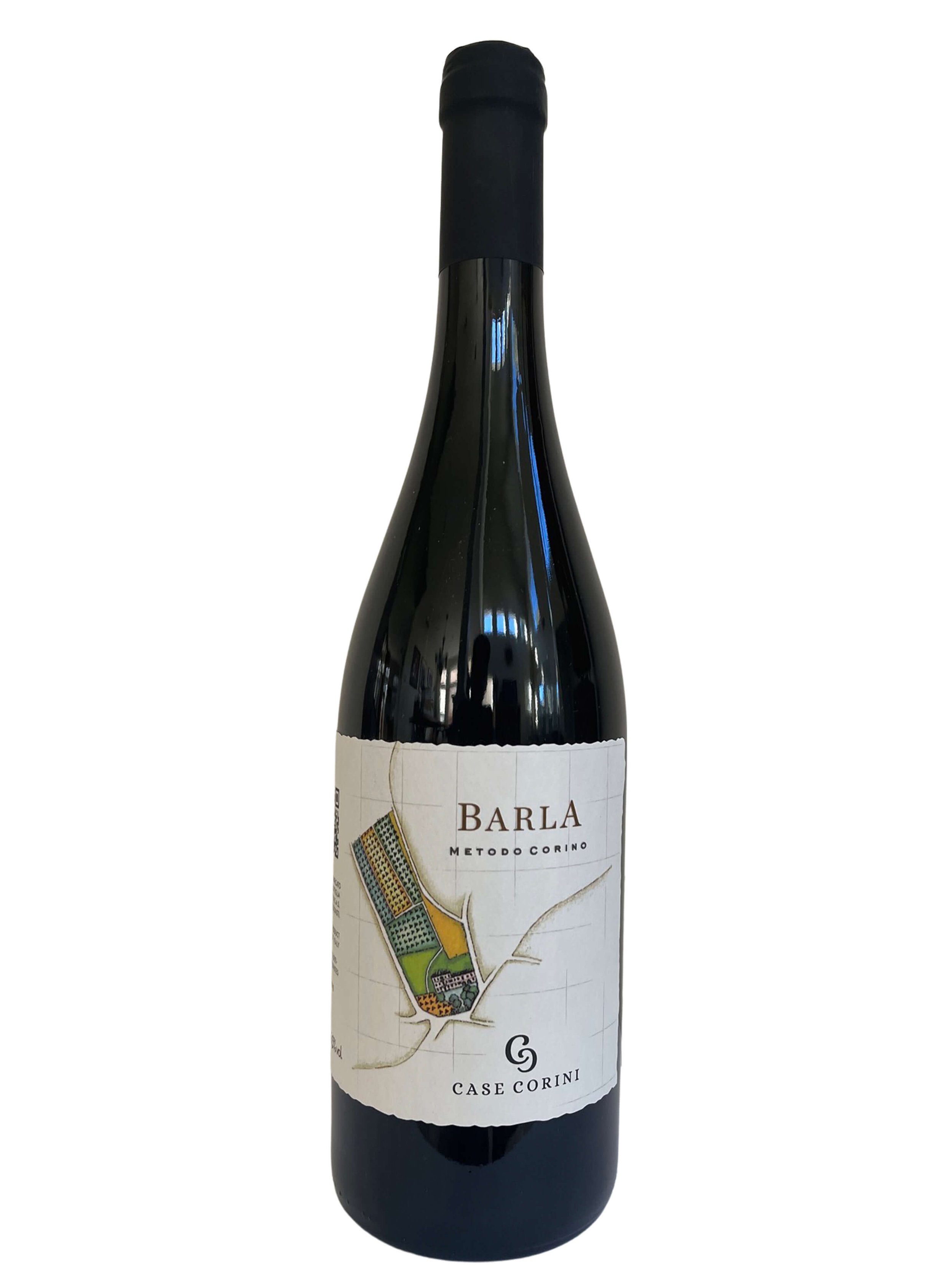
You never had a Barbera like this! Made from 95 year old Barbera vineyard, with some small percentage of other varieties planted over the years in the vineyard. This all natural wine has intense aromas of brandied cherries and a richly textured, delicious dark fruit taste with right balance of fruit, acidity and tannins. Barla is the antique name of the vineyard which used to be the land of an old convent. After a gentle crushing, fermentation starts with native yeast fermentation and wines are left with skin contact for 6-7 weeks, followed by about 36 months of aging in wooden barrels, housed under Lorenzo Corino's family home.
As with all of Case Corini wines, this is a 00 wine, nothing added, nothing removed, no yeast, no sulphites added, organic, biodynamic, vegan. In other words, all natural wine.

Earthy, age-worthy nebbiolo made from 70 year old naturally cultivated vines. Named for the dearly beloved grandfather of Lorenzo Corino. Having a garnet color with orange hues it has a complex, spicy nose with notes of cardamom and cinnamon. When tasting, it is fruit forward, cherry & forest fruits, followed by spices, and chalky tannins envelope the mouth and finishes elegantly. After a gentle crushing, fermentation starts with native yeast fermentation and wines are left with skin contact for 6-7 weeks, followed by about 36 mos of aging in wooden barrels.
As with all of Case Corini wines, this is a 00 wine, nothing added, nothing removed, no yeast, no sulphites added, organic, biodynamic, vegan. In other words, all natural wine.
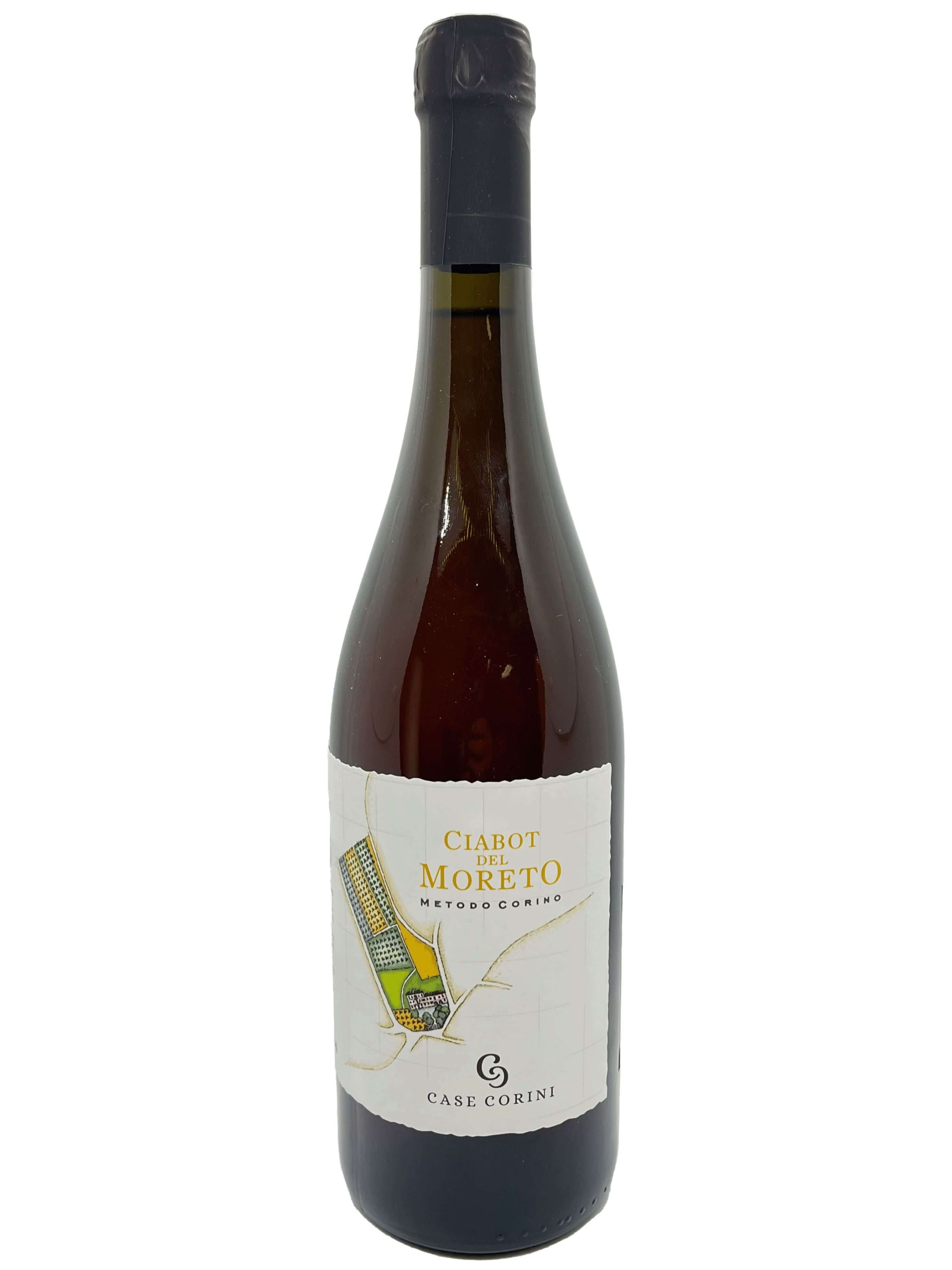
This is an aromatic late harvest skin contact Orange wine from the natural wine 'legend' Lorenzo Corino and his son Guido. The color of rust orange opens to a complex bouquet of orange blossom, candied fruits, caramel and pine leading to a fresh taste of apricots with some mineral savory-ness, pleasant tannins, lovely texture. It is balanced with a long finish. This vegan wine is made naturally, with no intervention of any kind made and no sulfites added. It is a super interesting wine for those who enjoy muscat natives and orange wines. The name Ciabot del Moreno refers to the small wine hut (part of the Piedmontese wine 'ways and culture) in the area where the single vineyard is (Moreto). A lot of local stories are born around these "ciabot". The 70 year old vineyard with different Moscato biotypes is 230m high in Santo Stefano Belbo, 15 min south of Costigliole d'Asti and a half hour east of Alba. After a gentle crushing, fermentation starts with native yeast fermentation and wines are left with skin contact for 2-3 weeks, followed by 6 months of aging in wooden barrels.
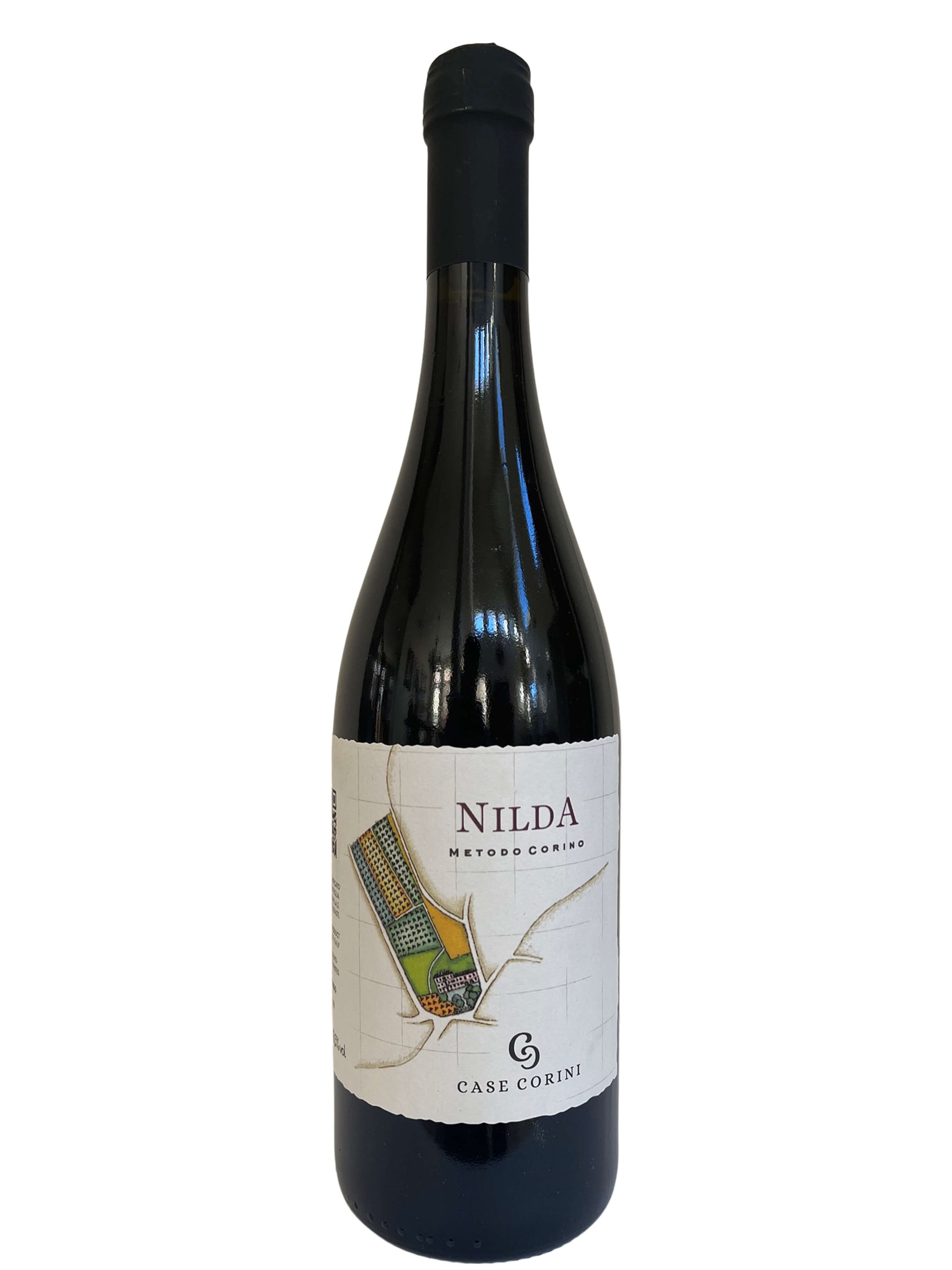
Named after Lorenzo Corino's grandmother, Nilda is Lorenzo & Guido Corino's new red wine from 20 year old vineyards in their hometown of Costigliole d'Asti. It is a field blend mainly of Barbera, along with a mix of other old varieties native to the area. It has aromas of spiced milk chocolate cookies and has a fresh, ripe dark fruit taste with an earthy funkiness and great texture. This vegan wine is made naturally, with no intervention of any kind made and no sulfites added. After a gentle crushing, fermentation starts with native yeast fermentation and wines are left with skin contact for 3-4 weeks, followed by about 12 mos of aging in wooden barrels.

Hilde Petrussa

With floral and citrus aromas and a pleasantly structured fruity and mineral salt taste, a chaulky mouthfeel and long finish, this age-worthy white from the indigenous variety Friulano, is made with indigenous yeast, then on the lees for 6 months while aged in used oak. It has a delicate bouquet of wildflowers and hints of almond on the palate. Delightful with hors d’oeuvres, various kinds of cured meats and fish-based dishes.
Vigna Petrussa is a certified sustainable and biodiverse women-owned winery.

Prepotto is the birthplace of the hard-to-find Schioppettino varietal. It gets its name from the Italian 'schioppare' or to burst, since the grape 'bursts' in your mouth when you eat it. Aromas and tastes of black pepper and plums. Fermented with indigenous yeasts and aged for two to two and a half years in oak barriques. Strong cheese lovers love to indulge in this wine.
Gold Medal Decanter, plus many other awards. Vigna Petrussa's oak-aged 2019 Schioppettino won the prestigious 3 Bicchieri Award by Gambero Rosso.
Vigna Petrussa is a certified sustainable and biodiverse women-owned winery.

“Run, don’t walk to find and grab this bottle. It is a prime example of the harmony and complexity this style of wine is capable of expressing” is how VinePair describes this wine in their list of 13 of the Best Sweet Wines.
Fruity, spicy and balanced, this multiple award winning women-made dessert wine, Picolit, is the rarest and most treasured varietal in Friuli, the extreme North East of Italy.
It is made from hand-picked and air-dried picolit grapes that went through noble rot, as with the best dessert wines in the world. Fermented and then aged for 18 months in french oak barrique. Only 1200 bottles were made, and we have the last few available so be quick to grab this meditation wine to sip and savor.
Vigna Petrussa is a certified sustainable and biodiverse women-owned winery.