The Art of Mindful Drinking with Thoughtful Wines
Vero was started with the idea to go a bit against the grain of usual wine importing businesses. For example,
we specialize in small producers, which importers traditionally avoid since wine import & distribution is an economies of scale business - for us, the smaller the better;
we focus on wines that are new to the US market, introducing new winemakers, grapes, styles and places most people are not familiar with;
we want people to sip and savor our wines while learning of the artisanal intricacies that went in to farm and make them.
In this spirit, when our founder, Sheila Donohue, met Stephanie Fee Maschek, a wine industry professional who has switched her focus to wellness and health, she learned about the concept of mindful drinking which is one of Stephanie’s ethos, and felt that it tied in with the mission of Vero. She asked Stephanie to share her thoughts on this subject. Here it is:
American vs European Drinking Culture
Americans are universally talking about their relationship with alcohol, or shall we say, our self-awareness in regards to the unhealthy parts of our relationship with alcohol. Nervously turning it down in the days following over-consumption, stressing about social implications at the table over whether we do or do not partake, or opening up our health coaching apps tableside, we are all seeking a better, healthier way forward.
Meanwhile, across “the pond,” Europeans are talking about their lives, likely over a bottle of wine that complements their meal. They are present at the table and they look each other in the eyes rather than eating with a side of technology.
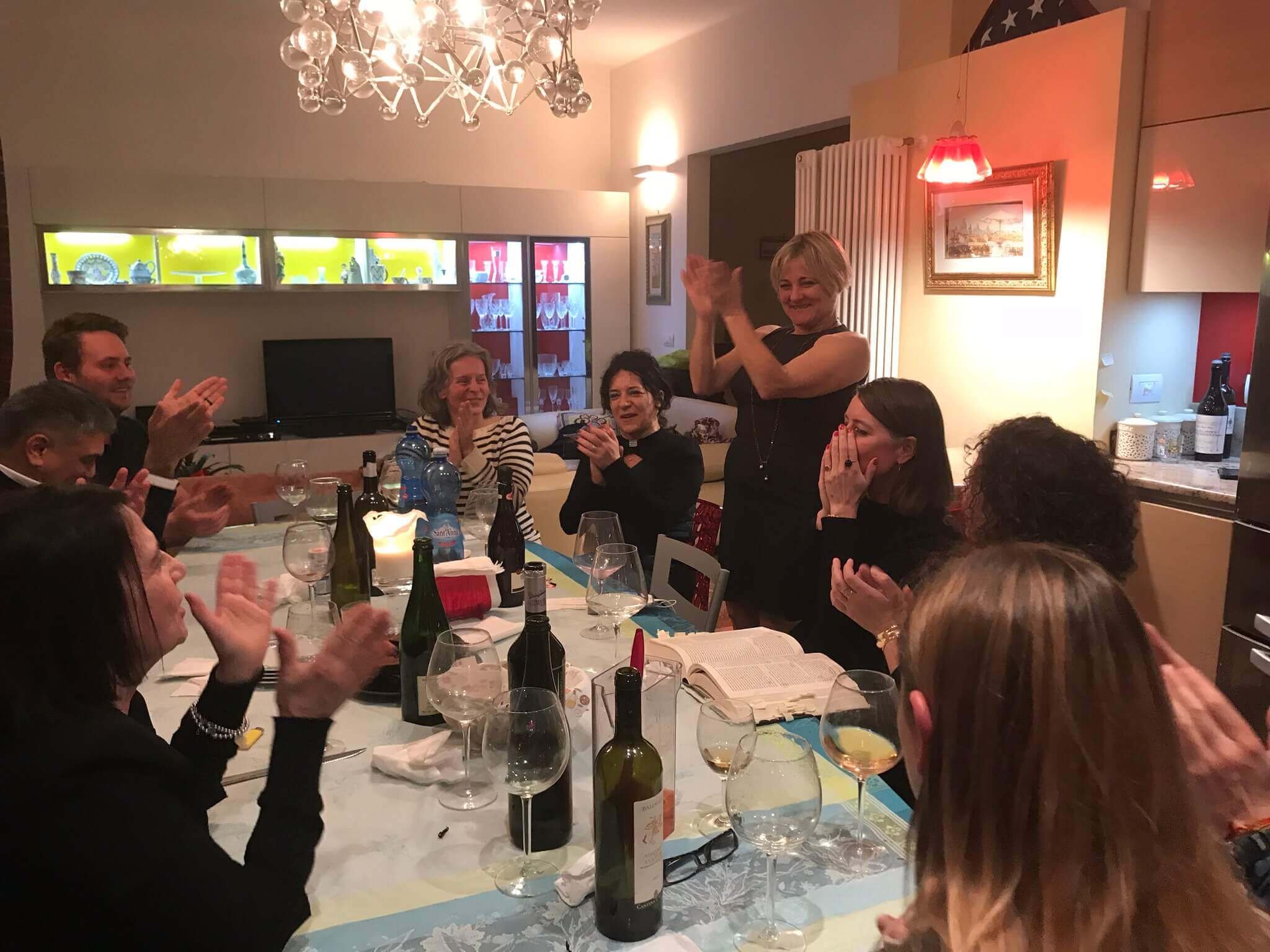
A group of friends sipping and savoring wine together.
If you have sat at the table with Europeans often, as I have, you may have noticed that, unlike so many of us Americans, they seem to absorb the nuances of the aromas, flavors and company that grace the table. It’s not obnoxious or obvious, it’s natural. In my experience, I have also noticed that no one is paying attention to how much or how little people are drinking. When in Europe, I have felt freedom from pressure to drink or not drink.
I am not bashing this American life or trying to make an unfair comparison with other countries because the truth is, history is what has defined alcohol-culture and ours is in stark contrast to Europe.
There is a lot of talk about mindful drinking these days. As a fan, I think that the European model is a terrific parallel, making it easy to comprehend in theory and in actuality. That said, if you simply can’t relate, you can look forward to reading more information in this blog post on what mindful drinking is, ways to drink more mindfully and how to begin practicing alone, with family or in large social settings.
Personal Perspectives
If you are struggling with paying attention to quality, lessening quantity and reaching for moderation, like I have at points in my life, I hope that mindful drinking might help you as much as it has helped me.
As a Certified Master Health Coach obsessed with the science behind alcohol, I am no stranger to the recent data pointing to the negative impacts of alcohol to your health. Yet, like many of you reading this article, I still want to drink. Having spent over 15 years in the wine industry before leaving to start my wellness company, NOCK Sustainable Wellness, I have never lost my love or appreciation of fine wine, or, as they say at Vero, wild and scarce wines. More specifically, I want to enjoy wine in my glass, and I refuse to feel bad about it ever again.
Feeling bad about it, in my opinion, only causes more harm than good because that Barolo you just cracked open should never be sipped with shame and guilt. Nothing you drink or eat, not even an inexpensive or dare I say, cheap, wine should torment you as you drink it. Further along in this article we will address quality and how you can mindfully choose your wine selection while aligning with your financial capabilities.
Right now you might be thinking that it is strange that this article encourages self-control over over-indulgence because, well, Vero imports wine. Wine importers, as you likely understand, are also wine merchants and want to sell the wines they import and of course, every business has financial goals.
Vero is no different except that founder Sheila Donohue, wants to encourage appreciation over inebriation because she and the farmers who produce the scarce and wild wines in the Vero portfolio, want you to be well.

A bottle of Brunello with a charcuterie board ready to enjoy mindfully.
They want you to remember how much you enjoyed the wines: like to open a bottle recalling that time when you and your friends tried Schioppettino red wine for the first time, got the back story and learned about the uniqueness of the wine and the people who made it.
They want you to remember how extraordinary a really good Brunello di Montalcino is with a gorgeous laden charcuterie board, and to buy wine and food on the basis of what grows together, goes together and discover different pairings from the regions of Italy and around the world.
Your hangover does fine wine no justice, and anyway, what good is a wine company that can’t go beyond the blanket statement of drink responsibly and actually do something about it?
Perhaps it’s time to get honest and recognize that binge drinking has negatively impacted our industry. The pendulum has swung so far in the direction of binge-tendencies and now we are feeling the impact.
The latest popular weight loss drug is being touted as a way to reduce alcohol cravings and people are buying it in droves even though it is also showing to have adverse effects on the stomach. The top alcoholic “spiked seltzer” brand, has released a non-alcoholic product, signaling that they are responding to consumer market trends and the zero proof spirit shelves are overflowing with new brands entering the markets at a rapid pace.
Where does that leave Vero’s scarce and wild wines? In the zone of appreciation.
We are ambassadors of the art of wine making and enjoyment.. We are experts in terroir-driven, family-farmed, sustainably cultivated wines that speak of the geography, history, climate and souls that contributed to their fine tannins or high-toned berry fruit, the shape of the bottle or the name of the winery.
And there’s one thing we want for you, to be immersed in the pleasurable experience of coming to know, befriend and understand wines of this nature.
Enter Mindful Drinking
What is mindful drinking?
To put it simply, mindful drinking is paying attention to physical and emotional sensations.
What does that mean?
It means that you will understand how you are feeling and the impact your emotions might have on the way you drink or why you are drinking on any particular occasion.
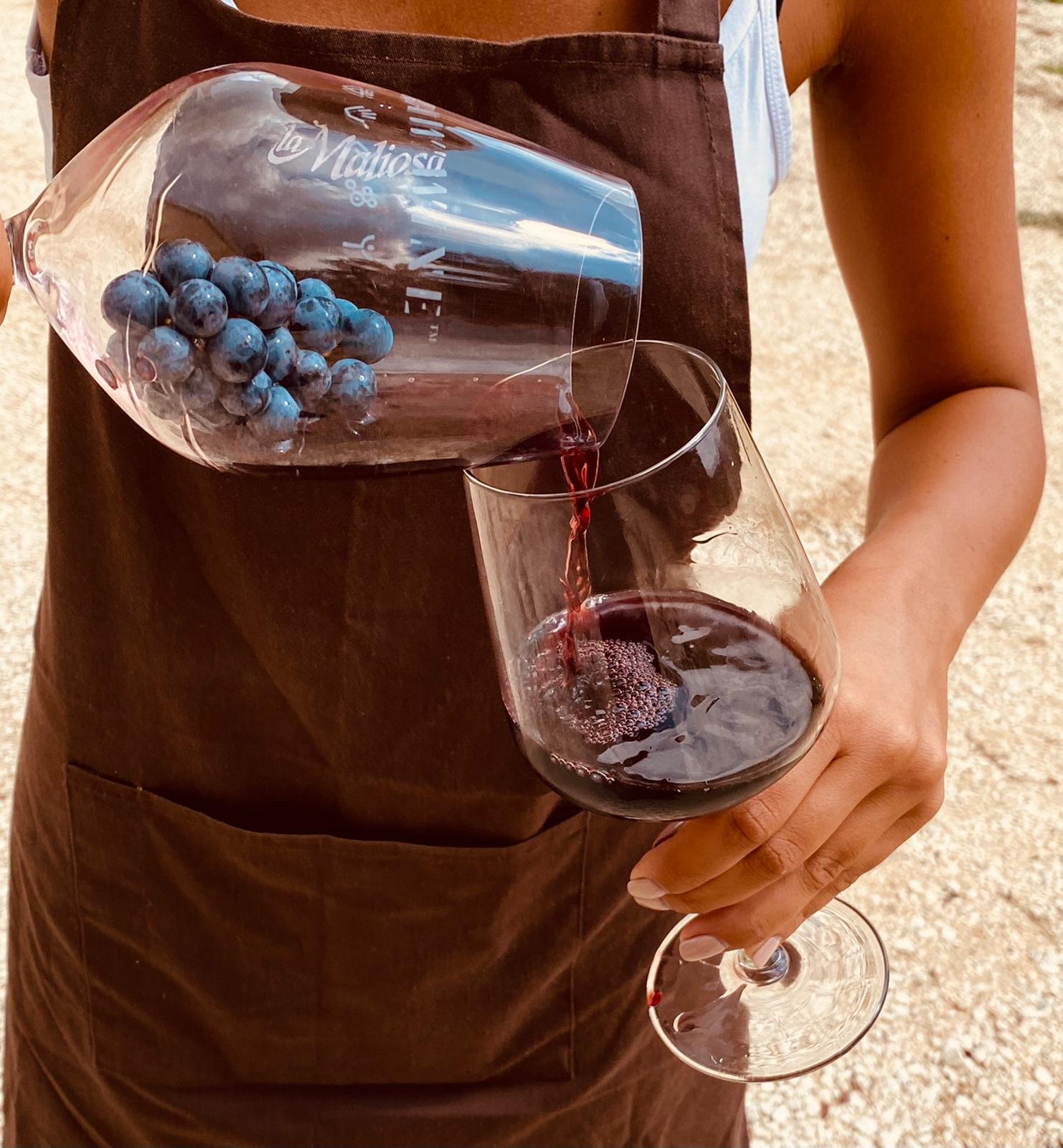
One way to practice mindful drinking is to pick special and natural wines to sip and savor, wines that come straight from the grapes!
It means that you will notice how the alcohol is affecting your body. While alcohol takes only 10 minutes to absorb into your system, it is in full effect about 30-90 minutes from the point of drinking. Through drinking wine slower, part of a mindful drinking practice, you can avoid overdoing it, enjoy a few glasses of wine over a longer period of time and relax.
It means that you will start reaching for appreciation over inebriation because you will realize how great you feel before, during and after a mindful and moderate drinking experience.
Finally, it means that you get to release all of those fears of weight gain, being judged by others for drinking or not drinking, wake up on time and still get out for a feel-good morning walk with your dog or a spinning class.
While you can certainly find mindful drinking meditations or mindful drinking apps to help enhance your moderation support system, one of the greatest things about it is that you can do it without it costing you a thing.
Not only is it completely free in practice, it is discreet because all it takes is your mind and your body. The only thing anyone will notice is how present you are in the moment because you are giving your full attentiveness. When you drink mindfully alone, you can enjoy a relaxing moment with a snack, slowing down and unwinding.
As a good friend and winemaker of mine from Northern Italy once said to me after she heard yet another American telling her about a recent “detox,” “I don’t have to detox because I don’t believe that I have toxic behaviors.” She wasn’t being judgmental, rather her face read confused.
Per the latest science, there are a lot of good reasons to quit drinking altogether however, for many of us the notion of quitting altogether isn’t our goal. And, let’s not forget the positive health implications of social enjoyment.
If you are like many friends of mine, in and outside of the industry, you might complete Dry January every year or finish a 21-Day Alcohol Challenge. That’s a great accomplishment, no doubt, and at the same time, we could be approaching drinking with extremes.
Enter the All or Nothing Mindset
About 5 years ago, after I completed the last 21-Day, zero alcohol challenge I will ever complete, I was so excited for a crisp glass or rosé champagne. I called two friends, invited them over for dinner and picked up 2 bottles. Each one of my friends brought 2 bottles of wine of their choice. Need I say more? All. Or. Nothing.
That brutal hangover prompted me to promise myself that I would stop counting the days and simply pay more attention to making even the smallest decisions in support of my health, energy and moderation.
It isn’t that I haven’t over consumed wine with good friends on a great night after that experience. In fact, I have. But what I have done is exited what, for me, was a disruptive way of relating to alcohol.
Mindful drinking can positively impact the connections you make with alcohol and help support you in forming a new, more consistent habit of moderate consumption.
While your stress levels or cravings may be coercing you to open up your favorite, inexpensive bottle of wine most evenings, if you, like so many Americans, are on a quest to overcome the damaging side effects that come from inebriation and other drinking habits that had adverse health effects, I have a great alternative for you that was mentioned already multiple times but this time, I think it deserves to stand alone.

Saturnia Bianco is a great option for a meditation wine.
Appreciation
So many people I know who are not blessed with copious amounts of free samples, as frequently happens for those who work in the wine industry, have their go-to, bottle for drinking wine every day that ranges between $5-$15 a bottle.
Let’s take a 3 bottle per week habit at the $5 per bottle price and transform inebriation into appreciation, shall we?
3 bottles x $5 per bottle x 4 weeks = $60 per month
How about 3 bottles x $15 per bottle x 4 weeks = $180 per month
Here is an opportunity for us to show you how you can drink more mindfully, discover the true pleasure of wine drinking, maintain the same budget you currently have and you can even become a wine expert in the process.
Here are a few examples of fine wines that you could appreciate and trade up your current drinking routine for less often is more satisfying.
Pick some meditation wines
When deciding to mindfully drink, now is the time to bust out special wines. These are wines that not only you want to sip and savor, but that are complex, structured, and interesting enough to evolve in your glass and keep you thinking about the wine. It could be perhaps a non-traditional natural orange wine, like one of VinePair’s Best Orange wines of 2023, the La Maliosa Saturnia Bianco, made from indigenous varieties in Tuscany. Or the complex Bricco from biodynamic powerhouse Case Corini that is a blend of native piemontese varieties from Lorenzo Corinos personal experimental vineyard. If you are feeling more traditional, you can try the new vintages of Italian red wine mainstays the Barolo Ginestra and Brunello di Montalcino. Or, to wind down the dinner (even though this wine pairs exceedingly well with foie gras or blue cheese), splurge on the super limited production botrytized sweet wine Picolit, on the list of the 13 Best Sweet Wines of 2023, with the highest rating of all!
There are so many different options for a meditation wine one could pick - sometimes it’s hard to pick just one!
Or Be Alcohol Aware and Go Lower Alcohol
Another way to offset alcohol consumption, is to choose wines with an overall lower alcohol content. Great alternatives are sparkling Pet Nat style wines that have fermentation take place in the bottle, like the newest vintage of Frignano’s Scurone or Bugno Martino’s Essentia, both Lambrusco alternatives or go white with the Codolà, a glera (the prosecco grape) wine. Low alcohol wines that also have a touch of residual sugar in them, like the Col del Balt Extra Dry Prosecco and the Ivaldi Brachetto d’Acqui, are people pleasers and great for beginning wine drinkers. Fun fact, both wines were named ‘best of 2023’ by VinePair, the Extra Dry Prosecco in the prosecco category and the brachetto in the sweet wines category. One last low alcohol wine that pairs great for food (a fun alternative this holiday season) is the pet nat and super rare Boschera. To be honest, this wine covers both of these mindful drinking categories, as it is not only a fun meditation wine, but also lower in alcohol and delightfully bubbly.
Learn to Mindfully Drink
Now that you have an idea of the quality to price trade up you can do if you curb the frequency of drinking, I invite you to keep reading to learn a few tips from me on the before, during and after, mindfulness drinking experience.
Mindful drinking starts before you begin
Start by identifying how you are feeling before you open the bottle or arrive to the party. Are you nervous, excited, stressed or calm?
If you are feeling anything other than calm, check in with yourself and rate your emotion from 1-10 (1 you feel this way but it isn’t overwhelming and 10, you feel the emotion intensely).
Identify what, if anything you can attribute to this feeling. Did you receive disappointing news? Do you have to see someone you don’t want to see at the party?
To calm your central nervous system in less than 3 minutes, you can simply stop wherever you are and take 10 clearing breaths in and out. As you do, play around with visualizing yourself placing your glass down between sips to encourage slowing down the pace of your consumption.

Enjoying wine with unique flavors is a great way to drink mindfully. Even better, is pairing foods to savor a mixture of flavors. Check out our recipes, like this one for mushroom sugo paired with a Montepulciano natural wine.
During the mindful drinking experience
Slow down your consumption, acting on that visualization you did, by setting down your glass and do something between sips. If you are alone, read a page in your book before taking another sip, as an example. At a party? Take a bit of your food and chew slowly or work on your active listening skills. If you are a chatty sort, talking will definitely help slow down your drinking.
Check in with yourself after your second drink by making an exit to the bathroom or simply noticing how you feel before choosing your next beverage. It’s never a bad idea to drink a glass of water to help you slow down and stay hydrated.
After the mindful drinking experience
Do a mental recap or journal about what worked and what didn’t work. Mindful drinking and practicing moderation is not about perfection. By identifying what worked and what didn’t work, you have the foundation to understand what you will do differently next time around. Celebrate the wins, leave the experience behind and extract the learning. This helps neutralize the experience, helping it feel like it’s automatic to drink more mindfully, over time.
If you tried a wine you never had before or opened up a special bottle, take a picture or make some notes about the occasion, the smells, tastes and what you discovered about the wine. Did you like it or not? Use those memories to become a more wise wine consumer and be able to choose wine you enjoy with ease.
Now that you have learned a little something about mindful drinking, we welcome you to join us in the quest for appreciation over inebriation. We would love to hear from you in the comments and we wish you a healthy and happy experience next time you sit down at the table.
Practice Mindful Drinking with VeroVino Wines
For those of you that know our curation style, we love to compare and contrast wine styles, varietals, places. Whether your interested in pursuing Stephanie’s tips on mindful drinking, or just want a better for you alcohol drink with no carbs, like wine which has low carbs, try a selection of different ones from our portfolio, as mentioned above and shown below.
As a reminder, we sell to both businesses and consumers across the US:
We are enlarging our network of distributors around the country. Reach out to us if you are interested in distributing our wines.
We sell to wine stores and restaurants in certain states - contact us if you would like more info.
We do corporate gifts and sommelier guided wine tastings. Email us and we’ll tailor unique and sustainable corporate gift ideas.
If our farm crafted wines and olive oils are not in your local shop or restaurant buy wine online here and we’ll ship it to you.
We also have a wine club for true wine explorers seeking to discover a unique and authentic small production wine they never had - plus it just won an award for Best Wine Club of Ventura!
This article was written by professional writer, ghostwriter and Founder of The Wild Larynx, Stephanie Fee Maschek. In addition, Stephanie is Certified by the Wine and Spirits Education Trust (WSET) at the Advanced level along with Certifications as a Master Health Coach, Nutrition Coach and Sleep, Stress Management and Recovery Coach. Her wellness company, NOCK Sustainable Wellness, offers Sustainable Wellness Programs as a Service helping teams build high-impact, healthy habits and work and beyond so they can bridge the gaps that stand between work and well-being.
Disclaimer: this article is not meant for people struggling with alcoholism or providing any medical or professional advice on addiction. If you are experiencing what you believe to be alcoholism, we recommend meeting with an addiction specialist.
Practice Mindful Drinking with Wines Rated Best of 2023

“This is a wonderful DOCG Prosecco. It has very balanced fruit that intertwines with jasmine, green apple, and subtle herbal notes. The palate is elegant with soft, lazy bubbles winding to the top of the glass. It is a joy on the palate, and the balance is undeniable. Such a good wine.” This is how VinePair describes this small production Prosecco in their curated list of the 20 Best Proseccos where this wine beat out all 20 with the highest rating of 93!
In fact, when we had first imported this wine, it was the first time it was in the US market. It took us a while to find a 'good' Prosecco, meaning one that had enough acidity to balance out the fruit along with one that had some personality, and all of Col del Balt Proseccos have great balance.
Made from glera grapes in one of the best areas for Prosecco, Valdobbiadene, this high quality Prosecco has fruity aromas that remind you of fruit cocktail. Its taste is fresh, balanced, nice fruit and minerality with a round mouthfeel and pleasant finish. This extra dry white sparkling wine has approximately 14 grams of natural residual sugar which you don’t taste at all since the acidity balances out the natural sugars.
As well, the new arrival is to be a special Millesimato Valdobbiadene Prosecco Superiore, meaning not only does it come from the select Valdobbiadene “heart” of Prosecco, but it is also from a singular vintage, not a blend of multiple vintages like many Proseccos.

Woman made Saturnalia Bianco, on VinePair’s list of Top 15 Best Orange Wines, is an award winning, unfiltered and delicious skin contact orange wine made from old vine procanico & trebbiano grapes cultivated in volcanic soil.
This natural wine is made from the patented Metodo Corino, based on regenerative farming principles. Nothing is added but grapes! Made with unpressed, free run juice with native yeast fermentation. A two week maceration imparts a dark amber color. Aged only in stainless steel tanks, it has aromas of candied fruit, dried apricot and ginger.
It has pleasant acidity and tannins, and is balanced with a long finish. A pretty deep orange color, it is a great wine for difficult food pairings, it pairs with almost any dish.
Tastes Like: Apricot nectar and chamomile
Farming & Winemaking Highlights: Regenerative Agriculture | Sustainable Winery | Biodynamic | Native Yeast Fermentation | Vegan | No additives (ie non sulphites added) | Unfiltered | Organic | Metodo Corino | Natural Wine
Fun Facts: - The natural farming method that produced this wine, the metodo corino, is actually patented by La Maliosa woman winemaker Antonella Manuli after she helped to develop it with natural wine legend Lorenzo Corino of Case Corini.
- Named in honor of the Roman festival in December which took place near the winery, La Maliosa, this wine was once called Saturnia Bianco.

“Run, don’t walk to find and grab this bottle. It is a prime example of the harmony and complexity this style of wine is capable of expressing” is how VinePair describes this wine in their list of 13 of the Best Sweet Wines.
Fruity, spicy and balanced, this multiple award winning women-made dessert wine, Picolit, is the rarest and most treasured varietal in Friuli, the extreme North East of Italy.
It is made from hand-picked and air-dried picolit grapes that went through noble rot, as with the best dessert wines in the world. Fermented and then aged for 18 months in french oak barrique. Only 1200 bottles were made, and we have the last few available so be quick to grab this meditation wine to sip and savor.
Vigna Petrussa is a certified sustainable and biodiverse women-owned winery.
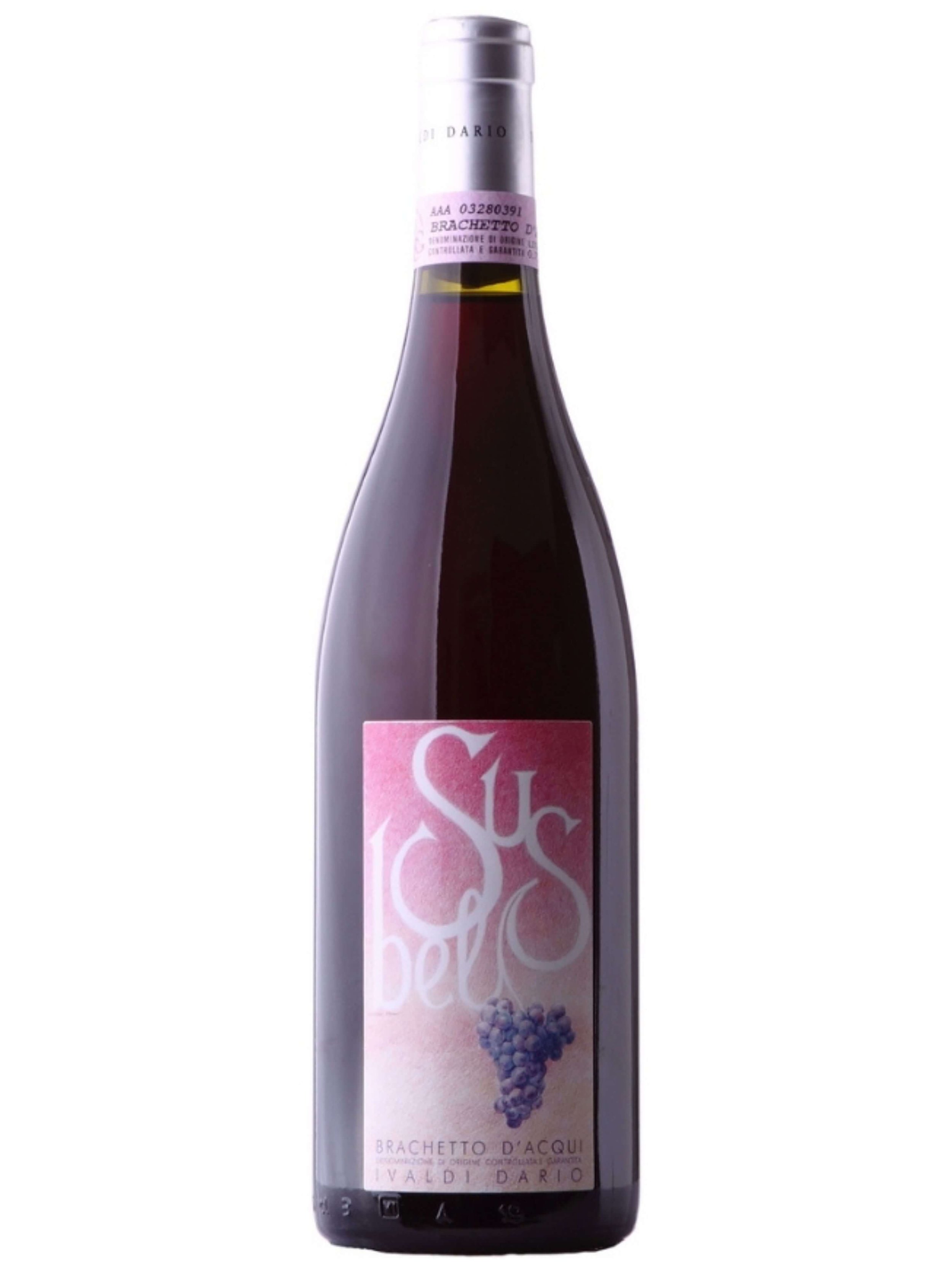
“Can we make Brachetto popular, please?” is how VinePair headlines why this artisanal, aromatic red sweet sparkling wine, just recently imported by us first time to the USA, made it to VinePair’s list of 13 Best Sweet Wines.
An aromatic grape, brachetto, creates a pleasantly slightly sparkling sweet red wine, with delicate rose flower and strawberry notes and strawberry and hibiscus taste. ‘Susbel’, in the local Piemontese dialect of Ivaldi in the Monferrato, refers to the location of the vineyard of this Brachetto d’Acqui, where the sun is bright and well exposed.
Left four days in contact with the skins and fermented with native yeast, this natural wine has a bright and clear light red color, dotted with fine effervescent bubbles. Sipping, the immediate impact is indeed sweet, yet with enough acidity and a hint of tannins to create a harmonious and balanced wine that keeps you coming back for more.
Wonderful to serve slightly chilled to sip with friends in the backyard on a hot summer day, or to serve with fruity desserts. Try pairing it with white or milk chocolate or a savory cheese, like with Humboldt Fog goat cheese - it goes incredibly well. It can also pair with charcuterie. Made with native yeast fermentation and has a residual sugar of 120 g/l.
A certified sustainable winery, Ivaldi Dario practices regenerative farming.
Some Meditation Wines to Savor

Made from the sought-after Ginestra Barolo Cru, this single vineyard wine epitomizes the greatness of the nebbiolo grape from the Barolo wine region, in terms of structure, age-worthiness and fruit expression. The native yeast fermentation used in making this natural wine also helps bring out the special and sought after terroir of the Ginestra cru.
An intense garnet color, on the nose this Barolo tends towards red fruits, with a touch of balsamic notes. As it opens on the palate the elegant tannins harmonize with the acidity for an overall richness that creates a pleasant and enjoyable experience while sipping alone or with food.
Tastes Like: Balsamic Tabacco leaves
Farming & Winemaking Highlights: Biodynamic | Native Yeast Fermentation | Single Vineyard
Fun Facts: The Ginestra cru is very limited and only a few wineries have access to harvest from there. Aldo can thanks to his wife’s, Valentina’s, Conterno family vineyards.
Fun Facts: The hands on the bottle represent Aldo’s two daughters; for this reason he often says this is the wine closest to his heart.

This Brunello di Montalcino from winery Canalino is crafted using specially selected sangiovese grapes. A gorgeous ruby color, the nose is a potpourri of intense mature fruit and spice aromas from prune to menthol to leather. The wine is structured, with freshness, minerality and age worthy tannins and a fantastic mouthfeel.
Tastes Like: Stewed Cherries or Cherry Jolly Rancher candy
Farming & Winemaking Highlights: Regnerative Agriculture | Sustainable Winery | Biodynamic | Native Yeast Fermentation | Unfiltered | Organic | Natural Wine | Vegan
Fun Facts: The name “brunello” comes from the local name used for the type of sangiovese typically used in the area.

This limited production wine from the birthplace of the Schioppettino varietal is made only in the best years with carefully selected fruit from which Hilde Petrussa makes her own Pied de Cuve native wild yeast. Aged in tonneau for 36 months then 6 months in the bottle. It has a complex nose ranging from black pepper to dark berry compote, allspice and some wild animal fur. Due to its well balanced acidity, tannins and smooth taste, it is a great midway for both Pinot and Cab lovers.
This wine was awarded
a Silver Medal by Decanter
Top Italian Wine in the Go Wine Cantine d'Italia 2024 Guide
90 points by 5starwines
4 crowns by 'Vini Buoni Italiani'
Vigna Petrussa is a certified sustainable and biodiverse women-owned winery.
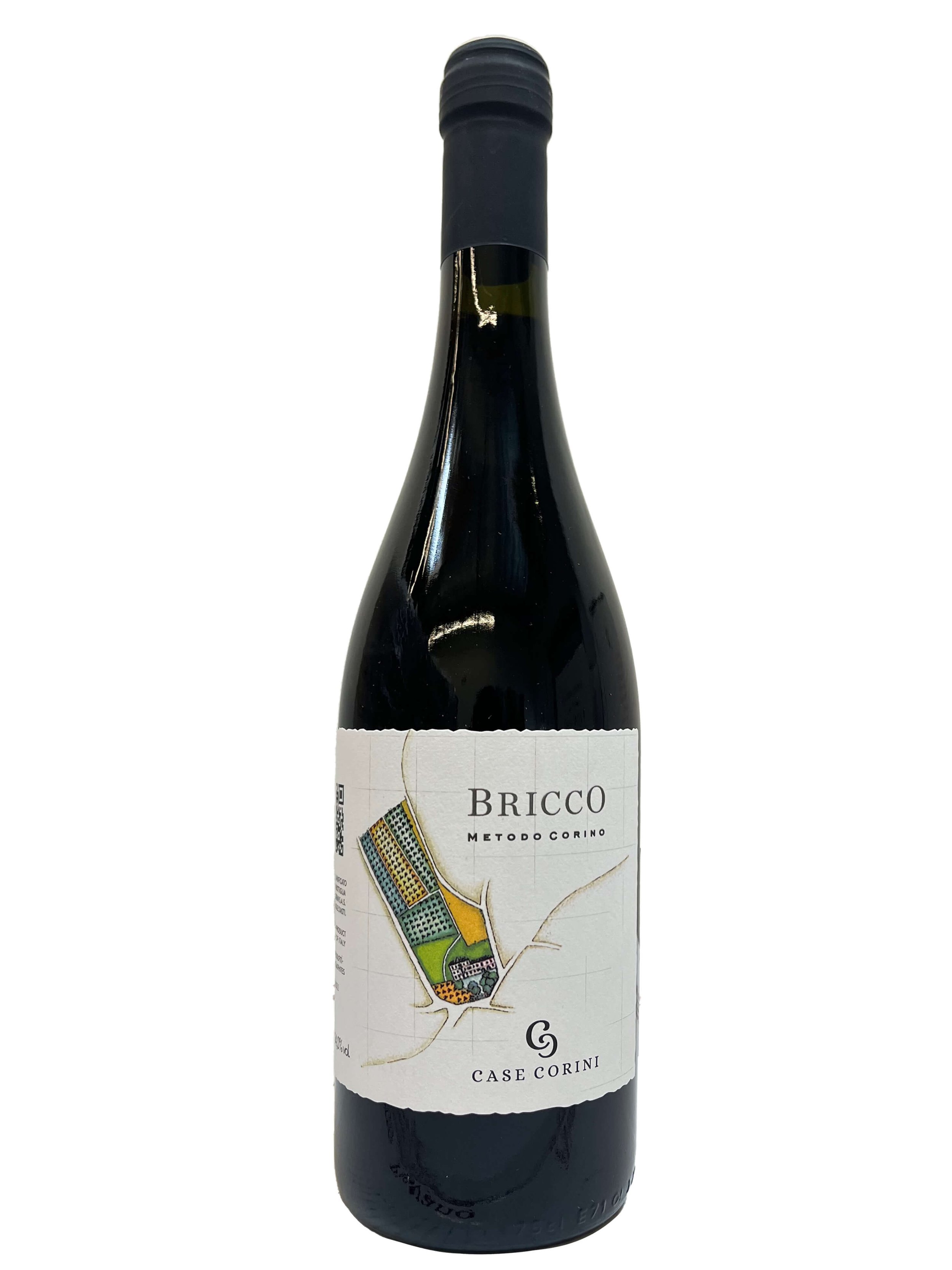
From the old historic field blend vineyard in the Corino's family's 'backyard', this is a fresh, delicious, and complex natural red wine, nicely balanced with fresh raspberry taste along with chocolate shavings.
The Bricco vineyard, an old single vineyard made up of 60% barbera, then freisa along with other red native varieties, is right behind the family ‘villa.’ It has been used as a sort of experimental vineyard by Lorenzo Corino, and is harvested as a field blend.
As with all Case Corini wines, this wine is made with minimal intervention, no added sulfites, native yeast fermentation, vegan, and following the principles of regenerative agriculture, biodynamic and organic farming.
Some Low Alcohol Wines

Before this 'modern era' of Proseccos made with the Charmat method, Prosecco was made with the ancestral method, like this wine, Codolà, where fermentation takes place in the bottle, and it is not disgorged. This means that the wine is unfiltered since it is on its lees. In Italy it is also called a Col Fondo sparkling wine and in the US, we use the French term ‘Pet Nat’ to describe this wine. This results in a white sparkling wine whose aromas and flavors continue to evolve while they are in the bottle. This Col del Balt white sparkling wine made by the Sanzovo brothers has a straw yellow color with lots of fine bubbles and green herb and pear aromas with a hint of lemon zest. It has 0 residual sugar and it tastes dry and clean, with a slightly bitter, lemon rind tasting, finish.
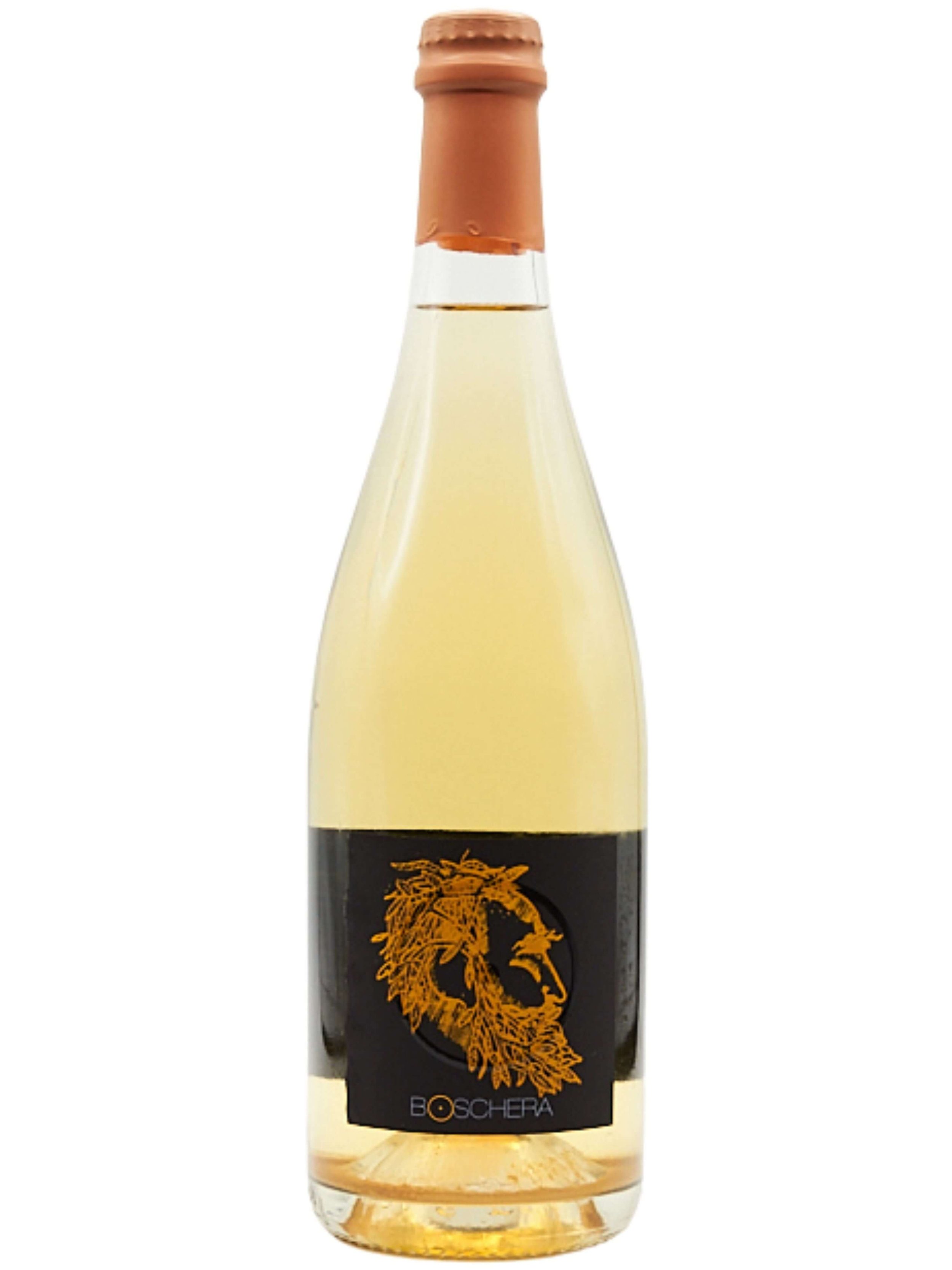
This is an unfiltered sparkling wine made similar to the champagne style from a rare grape called Boschera, native to Veneto, Italy where there is less than 20 acres in the world! We were the first to import this grape into the US!
Compared to the Prosecco grape (Glera), Boschera is more complex, and in fact this wine has been aged for over 3 years in the bottle on the lees.
With 2 days of skin contact giving it a deep yellow color, this native yeast fermented natural wine is then refermented with its native lees and then undisgorged, so it is unfiltered and continues to age on the lees too, allowing it to become more complex over time.
You can say it is a vintage & aged ancestral method, or Pet Nat style, also called Col Fondo in Italian since it is on its lees. It has herbal, nutty and yeasty aromas and savory taste with a long saline finish. Pairs with many foods & throughout the meal, from appetizers to main course.
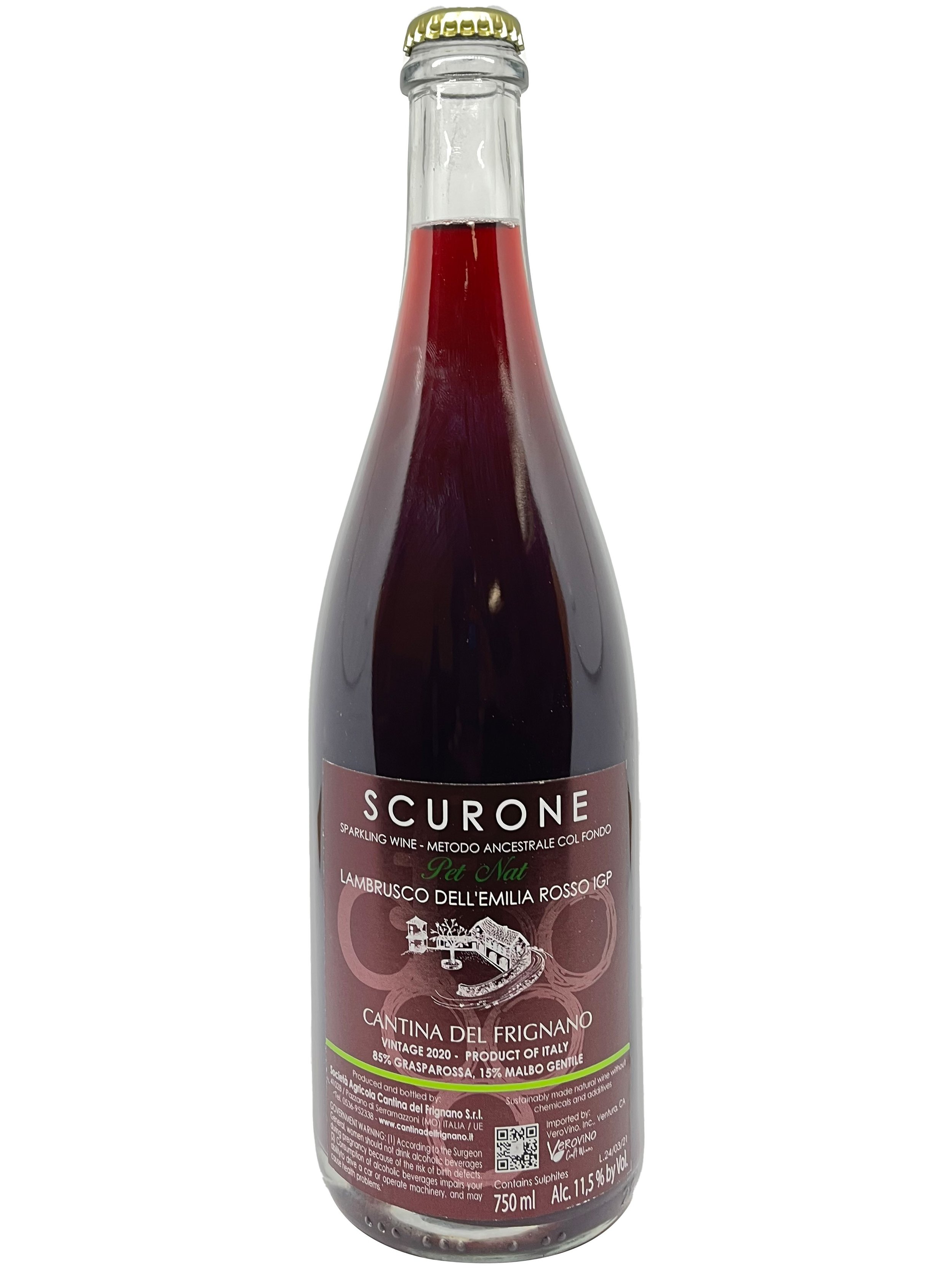
This is an ancestral method Lambrusco made primarily with the Lambrusco Grasparossa grape, and with some Malbo Gentile grape, which is local to the area of Frignano in Modena. It is a lighter red ruby color, light effervescence, a nose that has red fruit with hint of orange peel. It is fresh and fruity, with plum taste, and grippy tannins and noticeable texture.

This product is sold out and will not be restocked. A similar wine you can check out would be Frignano Sgarbato Pet Nat Uva Tosca Organic Sparkling Natural Wine.
Small production wines like this don’t stay long in stock! This product is sold out. Head back to the VeroShop to see what other small production wines we have available.
This is how Lambrusco wine was made in the ‘olden’ days in the Mantua province, refermented in the bottle, Pet Nat style. This organic wine made with 100% Lambrusco Salamino grapes has a deep rich purple color with ruby hue and a light effervescence. Its aromas are complex, with notes of cherry, cinnamon, milk chocolate and almond. It has a pleasant freshness, savoury taste and light tannins. Being on the lees and on the lees, aka ‘Col Fondo’, it lends itself well to aging with its aromas and taste evolving over time. Low in alcohol too!