For The Love of Italian Food
If you know anything about us at Vero, we are knee-deep in passion, and knowledge, about food. Writing about food comes naturally to us. It’s something that we need to live but food can also be intertwined with things that we really enjoy, like experiencing an exquisite combination of flavors that heightens all of our senses, especially with wine and food pairings.
And Italian food is our sweet spot. After all, our founder, and our “in house” chef, both have lived in Italy for many years, allowing them to have exposure and inside peaks into homes and restaurants of real Italian nonnas and chefs.
Needless to say, we were delighted to hear last month that the Italian cuisine was recognized by UNESCO to be the first cuisine in the world to ever achieve status as an “Intangible Cultural Heritage.” What does this recognition really mean? Why did the Italian cuisine achieve this feat, instead of some other country?
The answer pares down to 3 pillars which all contributed to the Italy UNESCO recognition for Italian food. Each pillar interconnects between one another, to form a “complex cultural system.” Italian food is not just a bunch of recipes. There’s a lot behind it. We break it down in this article.
The 3 Pillars of the Italian Cuisine
Identity & Deep Traditions
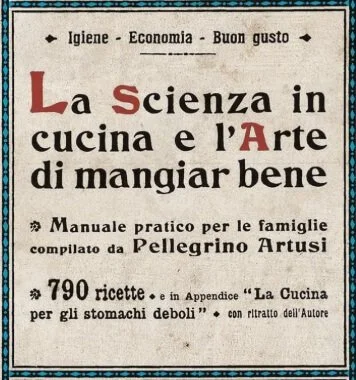
The first book ever with Italian cuisine recipes.
The head of Le Donne del Vino, the Italian women in wine organization, elatedly wrote recently about their national cuisine reaching the UNESCO list Italy. The achievement has such deep significance, since the Italian culture is rich in tradition where food is at the center. It also links to family life, which is core to Italian society, whereby food dishes and recipes are passed down from generation to generation, like a treasured antique that cannot be touched nor modified.
But when you go deeper into Italian history and culture, you find out that most Italians are not that patriotic about their country… instead, it’s the town or city where they are from which means much more to them. Italy’s history of being made up of separate city states is how Italians have formed their identity. Surrounding that identity is their culture of which food is a big part, along with family. Traditions got handed down by word of mouth for many generations, and it happens to this day.
Don’t forget, Italy is a fairly new country, unified just 165 years ago. The United States of America is almost 100 years older than Italy! The first book with traditional Italian cuisine recipes was published in 1891 by Pellegrino Artusi. It was revolutionary at the time since it was the first attempt to define Italian dishes as one integrated cuisine. Not surprisingly, the title of the book integrates the cultural significance of food to the Italians, since it’s not just about the food: The Science in Cooking and the Art of Eating Well. After all, these are the people that came up with La Dolce Vita!
Territorio and Biocultural Diversity
You hear a lot of Italians, especially when talking about food and wine, mention the word “territorio.”

Chef Riccardo harvesting in his family’s home garden in Romagna where he says he grew up “between a head of lettuce and and a cherry tree.”
If you were to google a translation of territorio to english, “territory” is Google’s answer, which is not the proper translation in this context. Territorio is the expression of a place. Territorio is what furnishes the identity of people coming from a specific place, as well as all that is produced, grown, crafted and made, in that place.
Italian dishes change based on the place where they come from. What contributed historically for Italian food to change as you move from place to place in Italy?
It is biocultural diversity, which, according to Wikipedia, is “the diversity of life in all its manifestations: biological, cultural, and linguistic — which are interrelated within a complex socio-ecological adaptive system.”
That word “system” is coming up again. It means that the Italian cuisine is an expression of that place in all of its forms. In Italy, a food dish, as simple as it may be, like Caprese salad for example, has a whole lot of history and tradition that back it up, tying it back to the place where the traditional Italian food dish originated.
You’ll find, traveling in Italy, that Italian cuisine recipes even change village by village. Case in point is the family of a friend of our founder whose parents come from towns next to one another in the mountains of Romagna not far from Tuscany: his dad is from San Piero in Bagno and his mom is from the next town over, Bagno di Romagna. His “nonna” on his dad’s side would make her sugo, i.e., Bolognese sauce, adding both white wine and milk while his “nonna” on his mom’s side would only add white wine to the sugo. This seems to be because San Piero in Bagno is slightly closer to Bologna while Bagno di Romagna is slightly closer to Tuscany. Also Bagno di Romagna is a historic spa town where the Medici family would go, hence another reason for the strong influence from Tuscany there which has left impacts to this day on how people cook there.
There also were differences in how our founder’s friend’s grandmothers would make their pasta: the grandmother from San Piero in Bagno would fill her “cappelletti” pasta, which is the version of tortellini Bolognesi that you find in Romagna, only with cheese (stracchino and parmigiano), lemon zest, and nutmeg, while his grandmother from Bagno di Romagna would make her cappelletti filling with mortadella.
BTW, if you ever want to start a conversation with Italians while in Italy, ask them about traditional Italian cuisine recipes and how their nonna would make a dish which is traditional to their area. Even the most quiet person will speak up and give you their two cents!
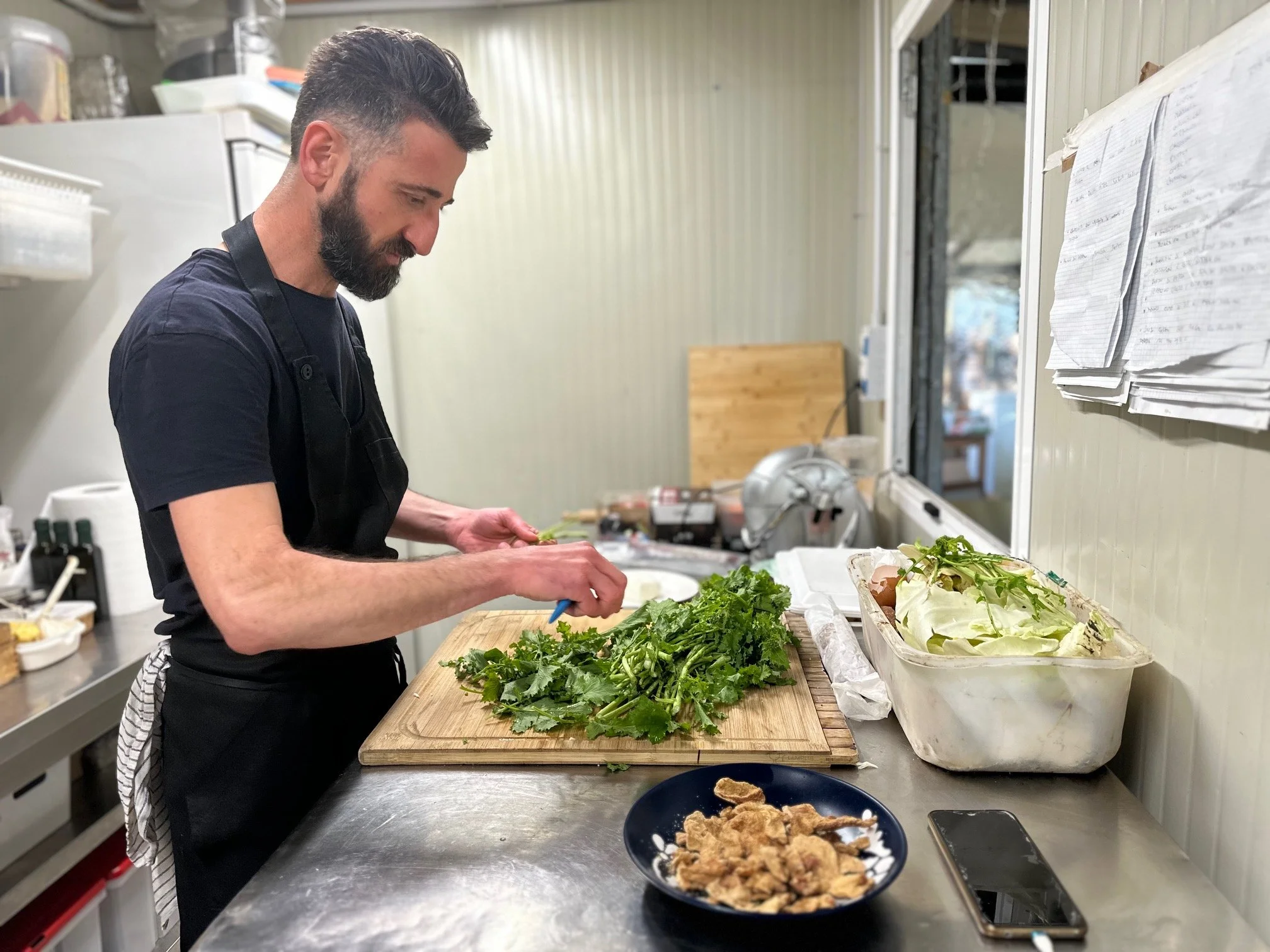
Chef Riccardo preparing an antipasto with freshly picked broccoli rabe and pork from a local farmer.
“Growing, Harvesting, Preparing, Serving”
The Italian dishes that come from that specific geographic location also reflect what is grown in that place, and what is in season. Traditional Italian food culture is “farm-to-table,” where families had their own backyard fruit and vegetable garden which fed the family year round. Likewise, the families would rely on others in the community to sell some of their products, of the local land or sea, and changing season by season. From there they would create dishes for family and friends.
Like, just 2 weeks ago, we visited again with chef Riccardo Severi in Romagna, with whom we had a VeroTalk in May 2021 from his home restaurant specialized in farm-to-table, local dishes with a twist, thanks to his family’s garden which supplies Riccardo with lots of freshly picked, seasonal fruits and vegetables.
Photos in this article show Riccardo about to pick cime di rapa, or broccoli rabe, from his family’s garden where he also has a home restaurant serving traditional yet innovative slow food dishes. After growing and harvesting his own food, you see him immediately preparing Italian artisan culinary creations. Like in this photo in his home restaurant’s kitchen where he is cleaning his freshly picked broccoli rabe which he will cook to make Italian appetizers, or served with a snack for an aperitivo.
This meal he prepared for us had different types of fresh pork product ingredients since it was the time of year for the ‘festa di maiale’ or pig fest in Emilia Romagna, and other places in Italy; this is when local farmers take advantage of their fattened pigs and use the opportunity to share together the fruits of their labor during the cold of winter when rich and fatty foods make up most of the wintertime seasonal dishes.
Fun fact: when Americans search online for Italian food, a popular search keyword is “typical Italian cuisine.” Now that you learned about the pillars that make up the Italian cuisine, you should see the irony in this popular online search. There is typical Italian cuisine in the USA, but not typical Italian cuisine in Italy!
Our Own Personal Journeys with Italian Food
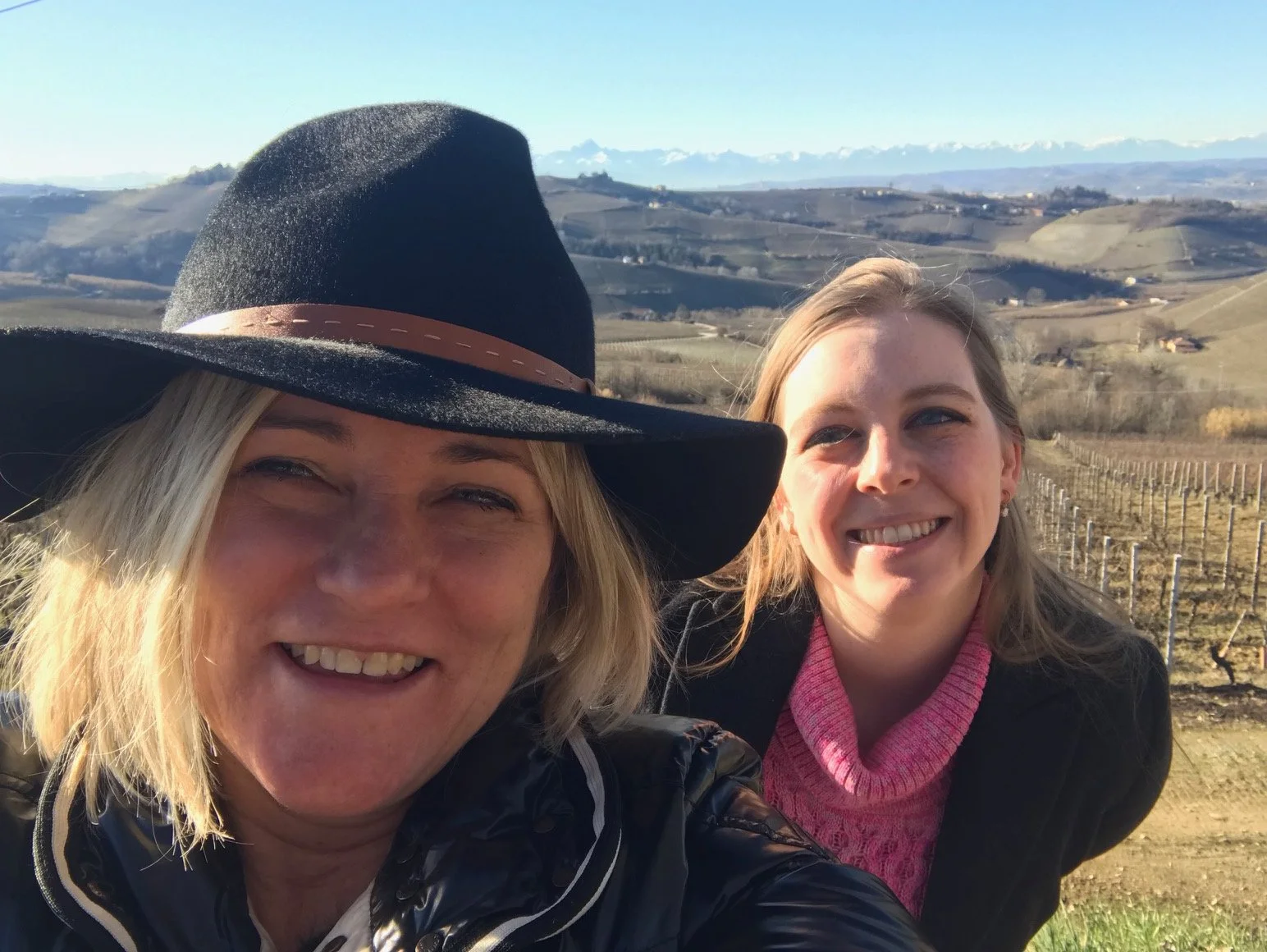
Sheila Donohue and Jacqueline Mitchell together enjoying the Langhe in Piedmont Italy.
Vero founder, Sheila Donohue and colleague Jacqueline Mitchell are “pazza,” or crazy, for Italian food.
How did two Americans with no Italian blood get so passionate and knowledgeable about authentic Italian cuisine?
If you follow our blog, you know both of their stories. Both of their lives took unexpected turns that left them living and working in Italy.
Sheila was always curious about food, getting recipes first from her mother and grandmother and then started to collect recipes, bringing her recipe collection and recipe books with her when she moved to Italy in 2001. At one point, while dating what would become her Bolognese husband, he expressed how odd it was that she relied on recipes to cook. He then encouraged her to improvise. She also started to ask around to anyone, fruit and vegetable vendors, the butcher, her friends, mother-in-law, etc., to learn more about the dishes they prepared. Now, Sheila only occasionally looks up a recipe, or, if she does, she improvises, experimenting with different foods and flavors, also doing a lot of fusion dishes. Guess what: she can’t remember the last time she bought a jar of tomato sauce!
Then, after 30 years working in Fintech, a career which she enjoyed, and 15 years living and working in Italy, she realized that her DNA changed while in Italy. In 2018 Sheila made the switch to wine and food, starting Vero. So, you see how profound the impact of discovering and immersing yourself in the “real” Italian cuisine and culture can be!
Meanwhile, Jacqueline’s career actually started in food, with her going to cooking school in Piedmont Italy followed by working many years as a chef in a local favorite trattoria in the Langhe, as she explains in the article. When asking Jacqui what made her fall in love with the Italian cuisine, here is her answer: “I love the underlying principle of ‘waste not want not’, of using every part of the animal for fritto misto or the vegetable to make stock. And of freshness, using the fruits and vegetables that are in season. Growing up in California, I never quite understood ‘seasonality’, but how people here genuinely just don’t eat fruits and vegetables that aren’t in season.”
Who Wants an Authentic Italian Recipe?
Thanks to our passion for Italian food, as well as wine, we have an abundance of authentic Italy at your fingertips in our blog with a plethora of traditional Italian cuisine recipes. Be sure to sign up for the Vero newsletter to stay in the know as we publish more about the best Italian cuisine, sharing the Vero Italian experience along with way!
And, as your mouth is watering, why not purchase the best of authentic Italy which we bring to wine lovers and foodies across America. We seek out small batch artisanal Italy which you crave without having to take a trip across the pond. Our organic EVOO, Italian wine and specialty foods all come from artisan farmers who leave and breath the 3 pillars of the Italian cuisine, crafting a product which is fruit of their lands.
As a reminder, we sell to distributors across America, to wine stores and restaurants in certain locations and to wine and food explorers across America in our online shop, with an awarding winning wine club in addition to unique artisanal gifts shipped across America. Any way we can help you find a hidden gem of wine, Italian olive oil or other specialty foods, don’t hesitate to contact us.
Try the Best Italian Olive Oil You Can Get Your Hands On
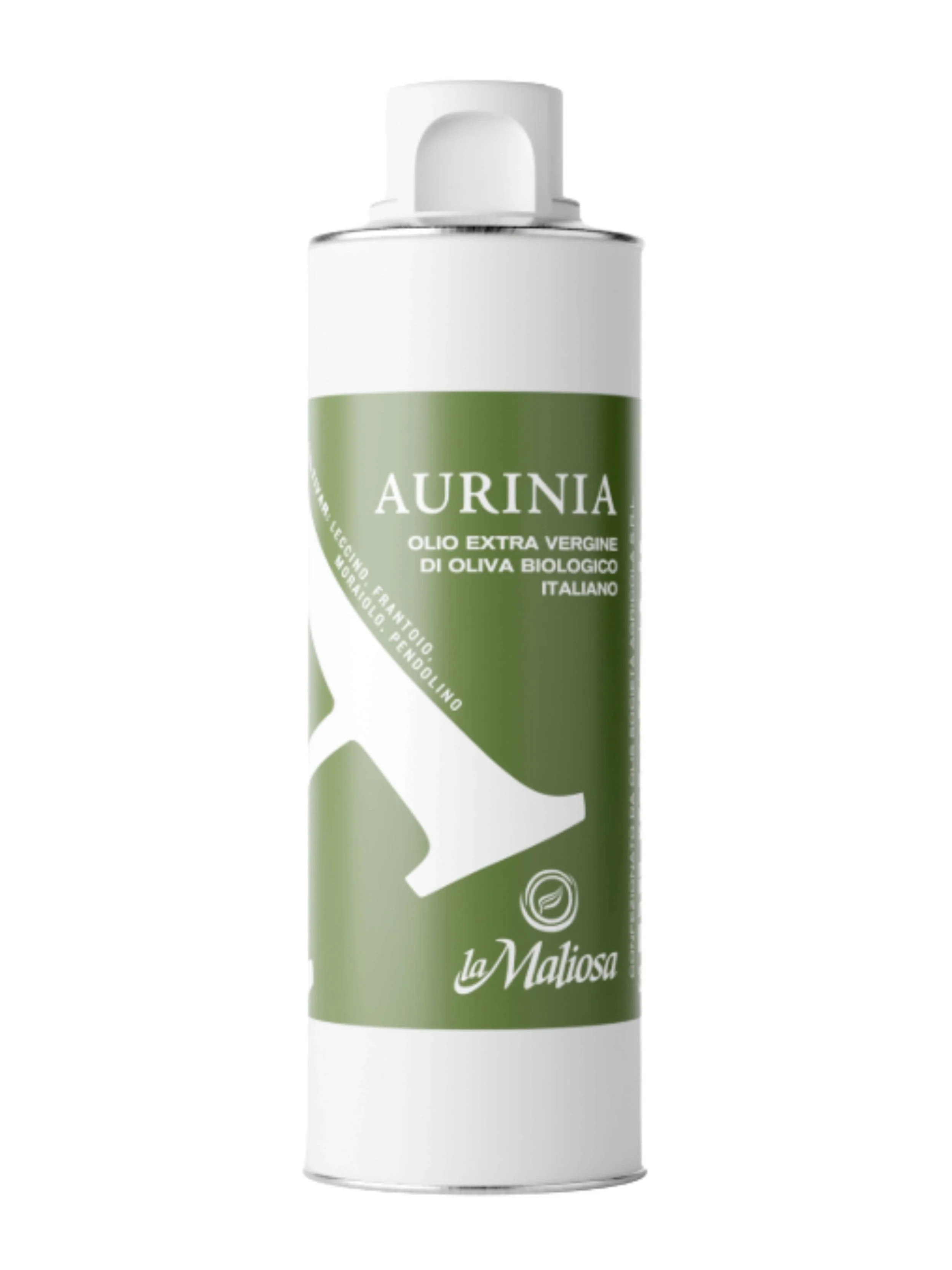
This is a woman made, limited production first cold press organic Extra Virgin Olive Oil from the Maremma hills of Tuscany made from a blend of four Tuscan cultivars. Buttery deliciousness with a bitter kick at the end, thanks to its polyphenols. It has won gold medals in a competition which judges the best extra virgin organic olive oils from around the world.
Farming & Winemaking Highlights: Regenerative Agriculture | Sustainable Farming | Biodynamic | Vegan | No additives | Unfiltered | Organic | Metodo Corino
Fun Facts: The natural farming method that produced this extra virgin olive oil, the metodo corino, is actually patented by La Maliosa woman winemaker Antonella Manuli after she helped to develop it with natural wine legend Lorenzo Corino of Case Corini.
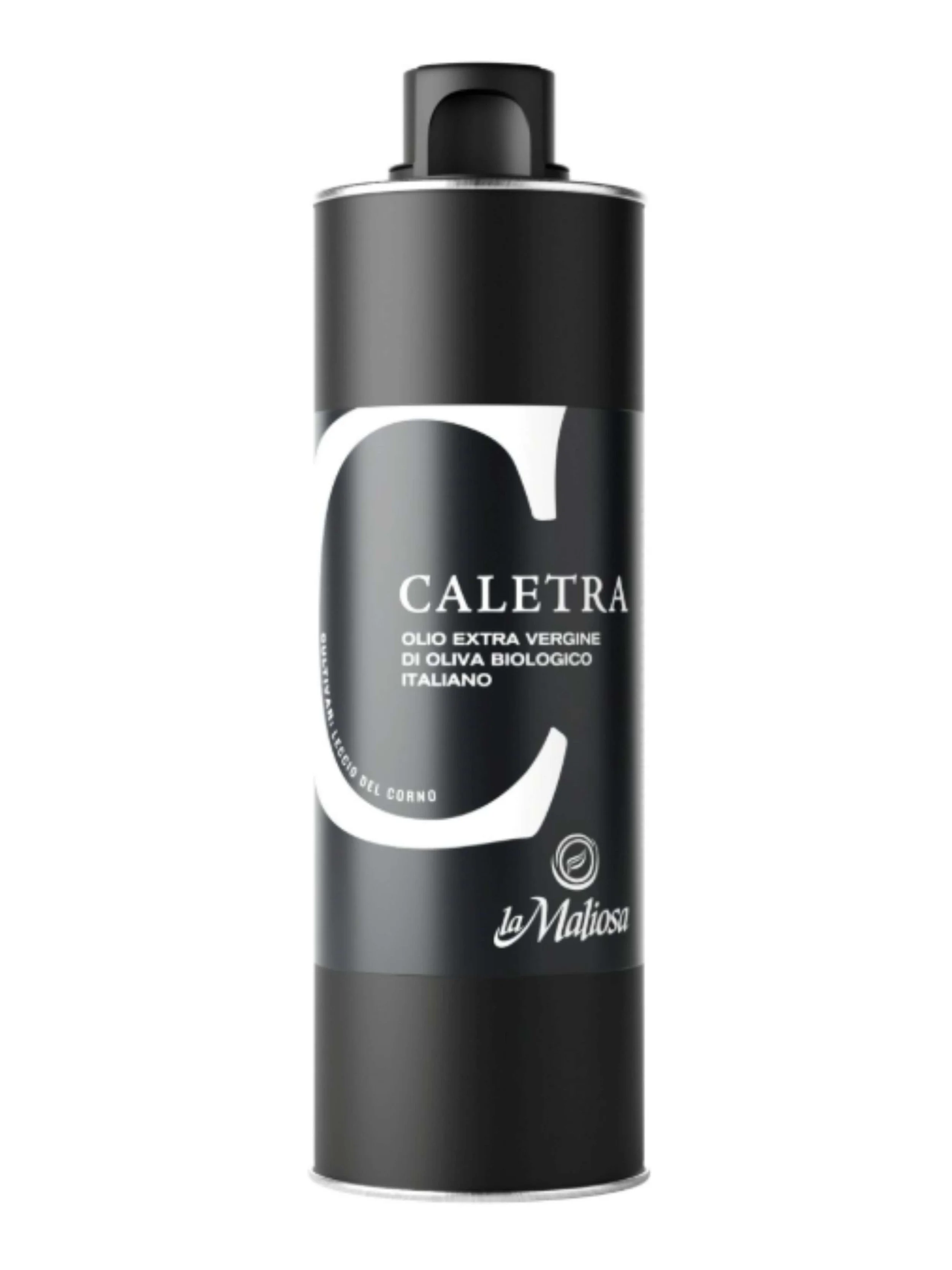
A prestigious first cold press monocultivar organic extra virgin olive oil from the Maremma hils of Tuscany which has won best organic extra virgin olive oil from Tuscany! Its polyphenols which are used to determine how good an olive oil is, are exceptionally high!
Top awards include extra gold, as best Tuscan organic EVOO by Biol Novello which evaluates the best olive oils in the world. In the past this olive oil has also won Best in Italy, as well as Gambero Rosso 3 leaves (their highest rating).
Its aromas of grass, green pepper and mint lead to an intense hot pepper taste and a long finish with black pepper lingering in your mouth. Even just a little drizzled over a simple lettuce salad will bring it to life with flavor.
Farming & Winemaking Highlights: Regenerative Agriculture | Sustainable Farming | Biodynamic | Vegan | No additives | Unfiltered | Organic | Metodo Corino
Fun Facts: The natural farming method that produced this extra virgin olive oil, the metodo corino, is actually patented by La Maliosa woman winemaker Antonella Manuli after she helped to develop it with natural wine legend Lorenzo Corino of Case Corini.

This is an olive oil, super food for super foodies. This is small production organic & vegan extra virgin olive oil made primarily from a rare local cultivar from the area of Macerata Italy called Piantone de Mogliano. The buttery flavors and taste of this organic EVOO so inspired the family behind Quercia Scarlatta farm and winery in Le Marche Italy to name it ‘our gold’, or Il Nostro Oro.
Hand harvested and milled at the family’s farm, a first run, cold press evoo, this olive oil’s aromas remind you of stepping into a garden full of fresh green beans with a whiff of black pepper. Likewise, tasting it is like having fresh green beans with black pepper and butter, thanks to its buttery texture. Black pepper continues on the finish.
This organic extra virgin olive oil comes in a 3 liter container, made for following the Mediterranean diet to a tee!
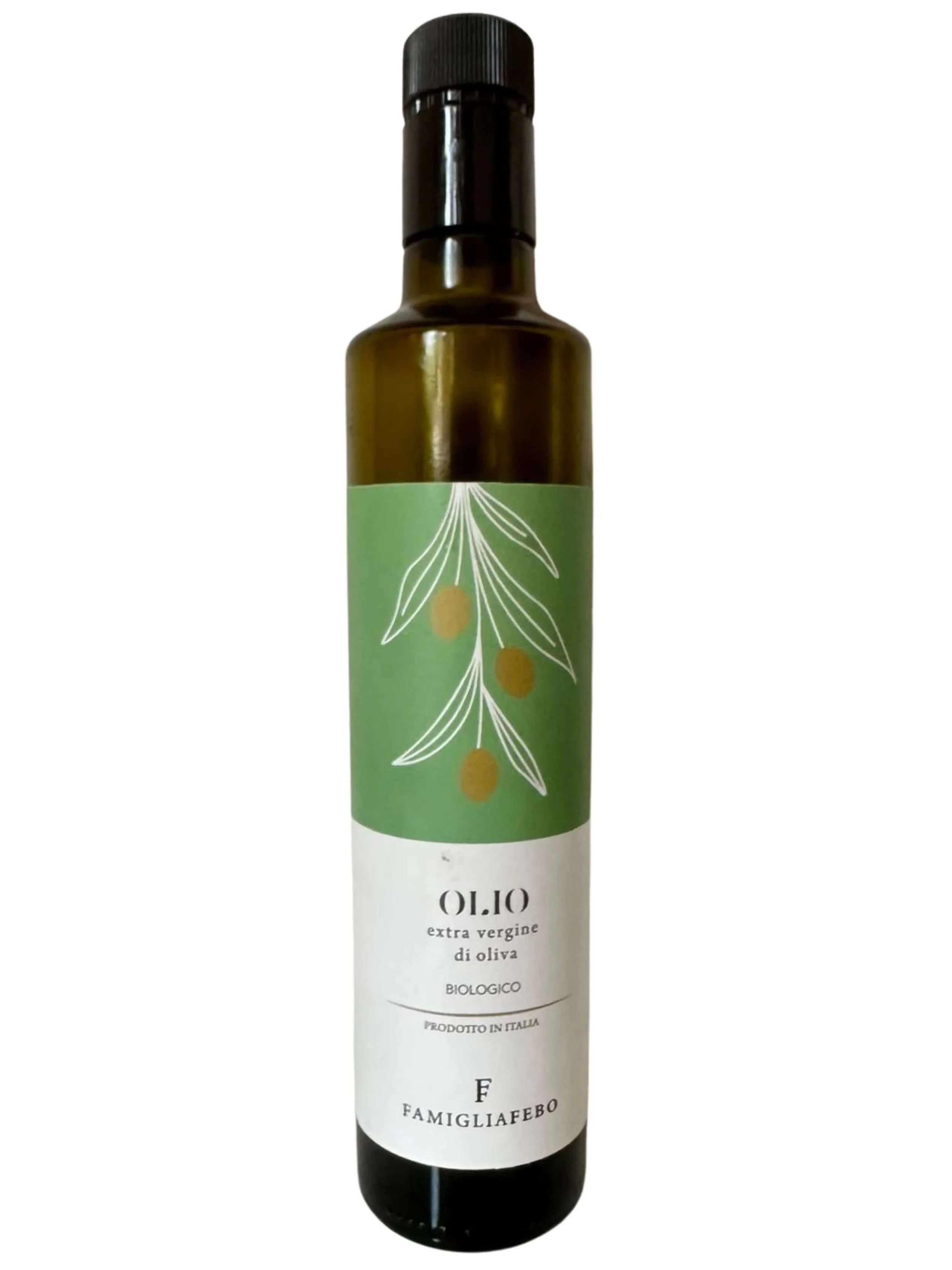
From the hills of Abruzzo near the Adriatic Coast of Italy, comes this Organic EVOO, or Extra Virgin Olive Oil, farmed and made by the Febo family. Farmed sustainably and organic, this natural extra virgin olive oil is also vegan and, like all evoos, a first run - cold press olive oil, the best kind of olive oil for you.
The 2024 harvest is still made from a blend of olives like leccino and 500 year old trees, but now it is mostly the dritta cultivar.
Farming & Winemaking Highlights: Regenerative Agriculture | Sustainable Farming | Biodynamic | Vegan | No additives | Unfiltered | Organic
Fun Facts: The dritta cultivar is a rare one being saved by Davide Febo who is trying to save and rehabilitate it.