
Enter the World of Lesser Known Wines
Ever since Vero was founded, we knew we were up for a challenge. We forage for wines and olive oils that no one knows about and we import them into the US, mostly for the first time. Not only are they from small farmer-artisans, tucked away in the hidden corners of the earth, but they are also wines steeped in tradition, including many grape varieties that most people don’t know about. Like some which were just recently discovered, like Famoso, and others that are super rare, like Boschera, for which we were the first ones even to import the grape into the US!
Naturally, wine drinkers tend to have their favorite wines identified by grape, like chardonnay, pinot grigio, sauvignon blanc, pinot noir, cabernet sauvignon and malbec, just to name a few. This makes sense, since, as we discussed in a recent article, we all have different wine tasting palates, hence we tend to like different wines from one another. Every so often you find someone with the same winetasting preferences.
Yet, less well known wines are gaining traction in the US, like VeroVino wines which focus on off-the-beaten-path grapes beyond the most widely sold wine varietals in the US. With this trend, it can be difficult for our customers to select wines made from grapes they never had. So, here’s our shot at explaining what does wine taste like by drawing parallels between some unknown grapes to known dry wines. It is not meant to be an exhaustive list, nor a wine bible so to speak as it is a subjective opinion how grapes express themselves in certain wines. It is meant to point you in the right direction, so you don’t feel at lost amongst a sea of unknown wines. Our approach to discovery is actually pretty risk-averse. We aren't asking you to guess; rather, we’re matching these rare finds to a palate profile you already know you enjoy. Think of it like fraternal twins: you can see the similarities in body, acidity, and flavor, but they remain beautifully distinct wines, great for exploring and branching out to something new, but with a familiar foundation.
Let’s journey to discover unknown fruit… because if you like those famous grapes… you are going to love these unknown ones!
Some New White Wines to Discover
Wines Similar to Chardonnay -> Turbiana Grape (Lugana Wines)
Let’s start with the ubiquitous go-to, chardonnay. Once Vero Founder, Sheila Donohue, discovered Lugana white wines, made from the Turbiana grape, being a chardonnay lover herself, she was drawn to this appellation and to discover the area, which we went to visit for the first time in 2010. Then, once she tasted Zamichele’s Lugana wines, she just had to import them in. She knew that chardonnay lovers would enjoy Lugana wines as an alternative to Chardonnay. In fact, wine educator Mary Beth Vierra, who wrote about Lugana wines, calls Turbiana a noble grape, putting it in the same category as noteworthy French Chardonnays. For those of you that prefer unoaked chardonnays, we recommend Zamichele’s Lugana and for those of you that prefer oaked chardonnays try Zamichele’s Lugana Gardè.
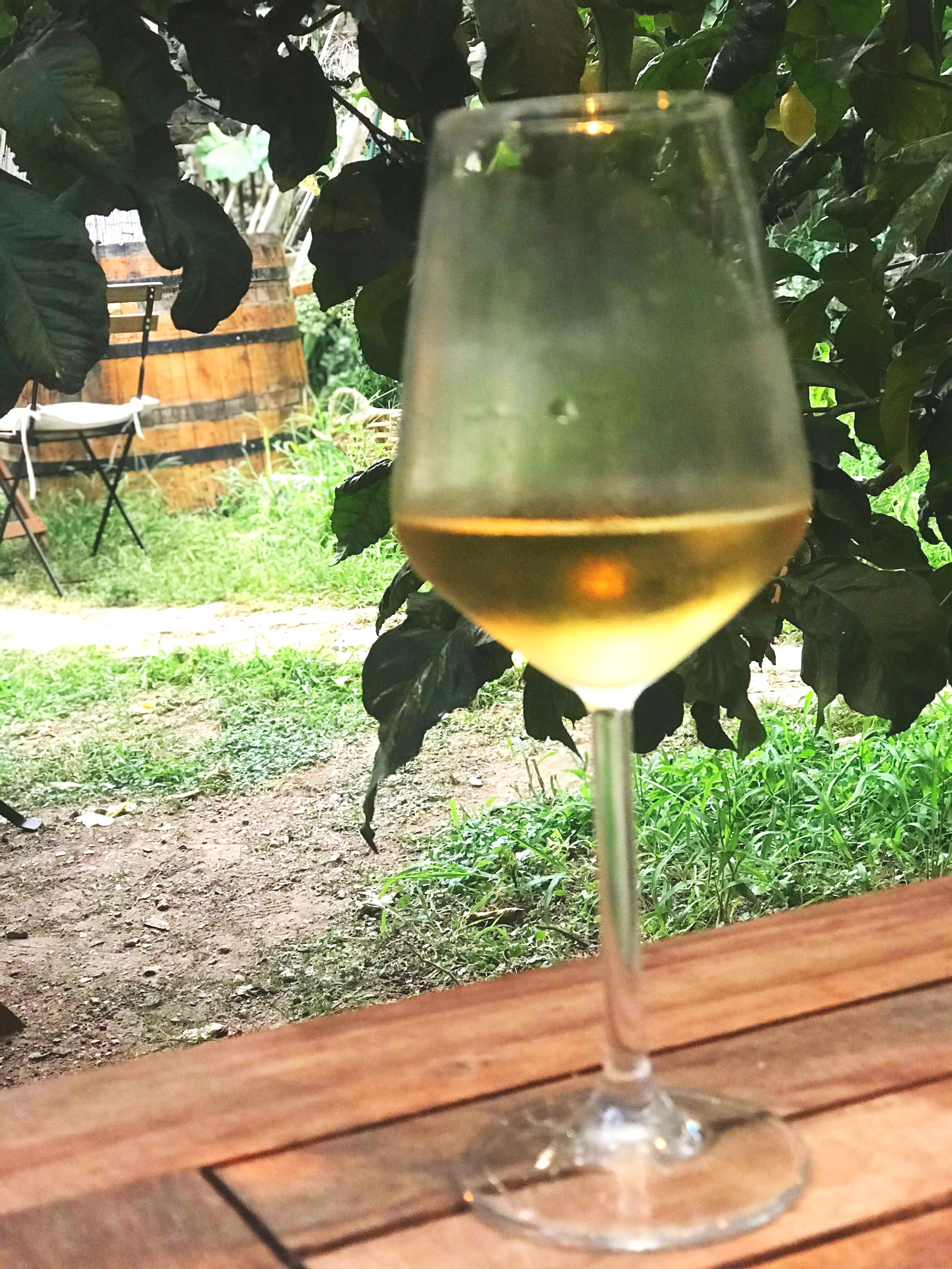
Scene from when Vero founder, Sheila Donohue, was discovering new wine grapes in Italy.
Wines Similar to Pinot Grigio -> Maceratino (Ribona) & Müller Thurgau
For the Pinot Grigio lovers seeking something light-bodied, clean, and vibrant, look to the Marche region for maceratino (also known as ribona). It is incredibly crisp but adds a layer of white peach and distinct minerality that sets it apart, epsecially when used in a blend (like with the Incrocio Bruni we will talk about in a minute) like in the wine Marchese Japo. If you want something even more fresh, try a cool-climate Müller Thurgau. It stays lean and bright, making it the ultimate easy-drinking alternative for your next patio glass instead of Pinot Grigio.
Wines Similar to Sauvignon Blanc -> Famoso & Incrocio Bruni 54
If you crave that punchy citrus and green herbal zing that defines a Sauvignon Blanc wine, we have two incredible alternatives for you to explore. First is Famoso, a rediscovered treasure from Romagna with a chalky acidity that reminds us of the best French whites. Then there is the other half of the aforementioned Marchese Japo, Incrocio Bruni 54. A rare, modern crossing of Sauvignon Blanc and Verdicchio, it gets its name as it was the 54th attempt at the crossing (or incrocio in Italian). When blended with maceratino, it gives you that familiar "pop" you love but with an elegant, floral finish that feels like a discovery in every sip.
Wines Similar to Moscato -> Moravian Muscat & Brachetto
Moscato (muscat in french and english) is a family of grapes of which there are over 200 types, like white muscat (moscato bianco in Italian), yellow muscat (moscato giallo in Italian), muscat of Alessandria and this list goes on. About 40 years ago, the Czechs were seeking a way to better grow muscat in their region, which, especially before climate change impacts, has been not so easy to make balanced and aromatic wines, as we discussed with Thaya’s winemaker recently. So, they went out and created a cross between a German muscat grape, muscat ottonel, and a rare Czech grape, prachttraube, to create the moravian muscat grape. One of the wines that we import from the Czech estate, Thaya, is indeed their Moravian Muscat wine. This wine is intriguing as it is semi-aromatic with accentuated floral aromas likened to a moscato, but then its taste is citrusy, reminding you of a sauvignon blanc. They say the best Moravian Muscat wines are those that have a good amount of acidity as well as fruitiness to create a balanced wine, and Thaya’s Moravian Muscat fits this bill. It is not only a good choice for those who love muscat and sauvignon blanc, but also those who think they don’t like wine - try this and you’ll be surprised!
If rather what you love of Moscato d’Asti is the aromatic, floral, perfumed, frizzy sweetness, you have to try its "Red" neighbor: Brachetto d’Acqui. Coming from the same Monferrato hills in Piedmont, Brachetto is sweet, sparkling, and bursting with aromas of fresh strawberries and hibiscus. It is a fantastic way to enjoy a red wine while staying right in your sweet and aromatic comfort zone. As a side note, it also makes a great base for wine cocktails and spritzs!
Wines Similar to Gewürztraminer -> Minutolo & "Red Tramin"
Gewürztraminer is famous for being aromatic and exotic, but if you want those notes in a version that is a bit more mellowed down and dry, try minutolo (like in the Southern Italian wine Ti Esti). It keeps the floral soul of the grape but finishes with a distinct, spicy white pepper note. For a true hidden gem, look for Red Tramin. While it is essentially a member of the Traminer family, most people don't realize this rare name exists (in fact in the Czech Republic Red Tramin and Gewürztraminer are used as synonyms!). Red tramin is a great and complex discovery for fans of aromatic and cool climate white wines.
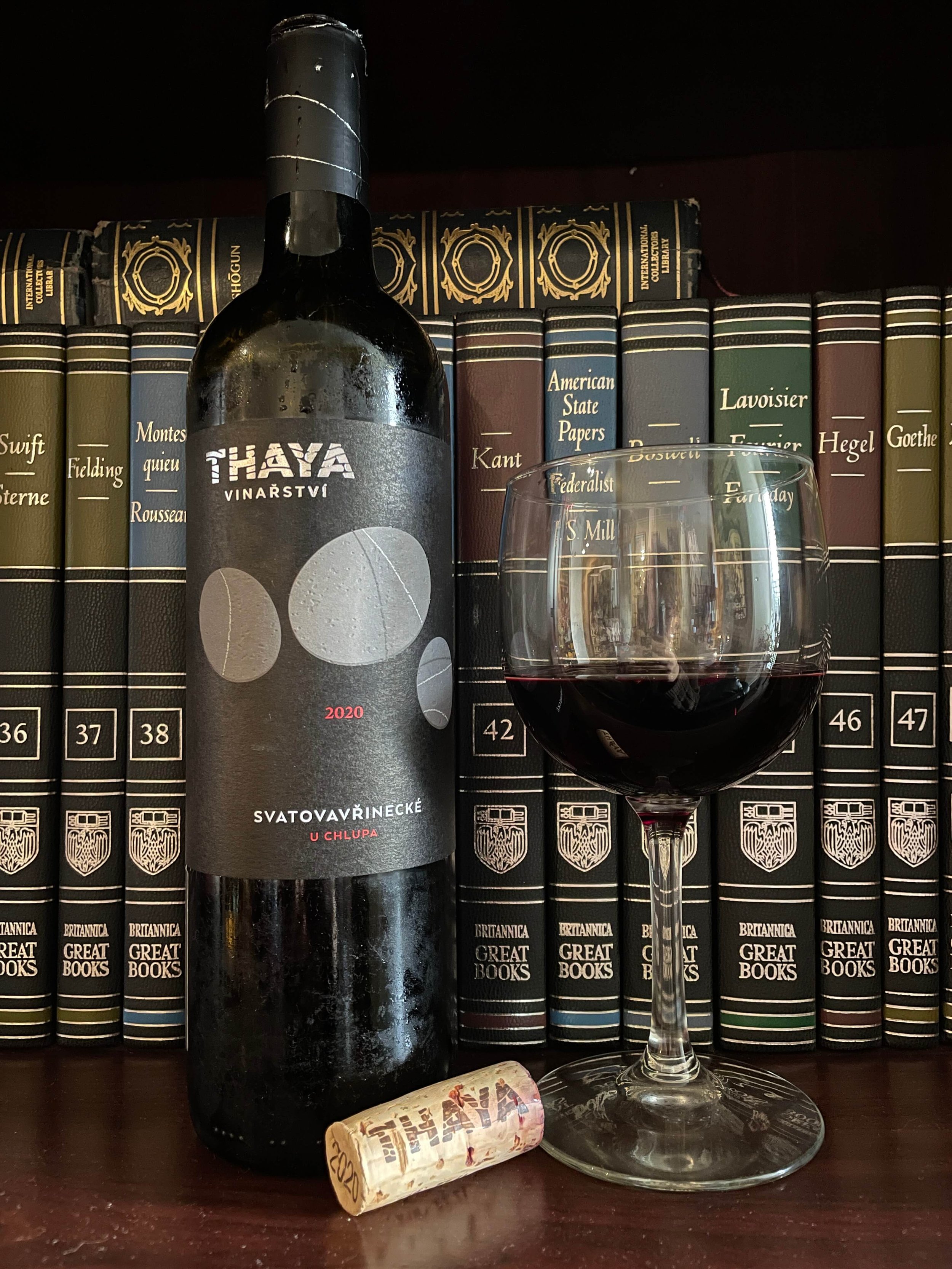
A Saint Laurent from the Czech Republic.
Some Red Wines to Discover
Wines Similar to Pinot Noir -> Saint Laurent & Susumaniello
The saint laurent grape is actually a descendant of pinot noir. It is aromatic, with distinctive violet aromas, and is deep colored, distinguishing itself from the transparent colored pinot noir, along with chaulky tannins. Wine folly calls saint laurent a “beefier version of pinot noir.” Saint laurent is actually the most planted red grape in the Czech Republic, so when we imported Thaya’s wines from the Czech Republic, we brought in two: an oaked Saint Laurent and an unoaked Saint Laurent. Both are interesting alternatives for Pinot Noir lovers. Try the grape both in the more aged, oaked version for that “beefier Pinot” style, or in an unoaked version for a lighter, fruit driven style!
For an Italian swap, especially for Pinot Noir fans that prioritize elegance and fruit over heavy tannins, go for susumaniello! A juicy, vibrant alternative from the south of Italy, try Mentore, a version of the Pugliese grape that is incredibly approachable and shares that same silky, fruit-forward texture that makes Pinot Noir so beloved, but with a unique Mediterranean personality.
Wines Similar to Malbec -> Ciliegiolo
Ciliegiolo gets its name from the Italian word for cherry, ciliegia. And it has noteworthy tannins. So you could consider it reminiscent of a Malbec with cherry notes and taste. Certainly, it’s worth to try it if you are a lover of Malbec wine. The Ciliegiolo wine we carry is an extra special one. It is from Tuscany, known for bigger, more structured style Ciliegiolo, from Maremma to be specific, where the grape thrives in the hot climate. Ours is from woman-owned farm, La Maliosa, and is 100% natural, with nothing added, not even sulfites. When we tasted it with La Maliosa’s owner, Antonella Manuli, we were impressed by the herbal characteristics of this natural wine which according to Antonella is found in all of her vegan wine. In fact, if you go to visit La Maliosa, who is organic, biodynamic and practices regenerative agriculture, and you walk amongst the vineyards and then taste their wines, you will notice that the glass in front of you has herbal aromas seemlingly infused from the vineyard… fascinating!
Wines Similar to Cabernet Sauvignon -> Nero di Troia, Montepulciano, & Nizza Barbera DOCG
If you love cabernet sauvignon, you probably are looking for power and structure. For those who prefer a cool climate or more of a Bordeaux style cabernt (high tannins and super dark fruit), great options are the Italian grapes Nero di Troia and Montepulciano. However, for a wine that echoes a Napa Cab style, try a Nizza Barbera DOCG. This top-tier barbera wine is aged in Slavonian oak, giving it much more tannin and structure than a typical barbera, along with a massive core of dark fruit, a great alternative to a Napa Cab!
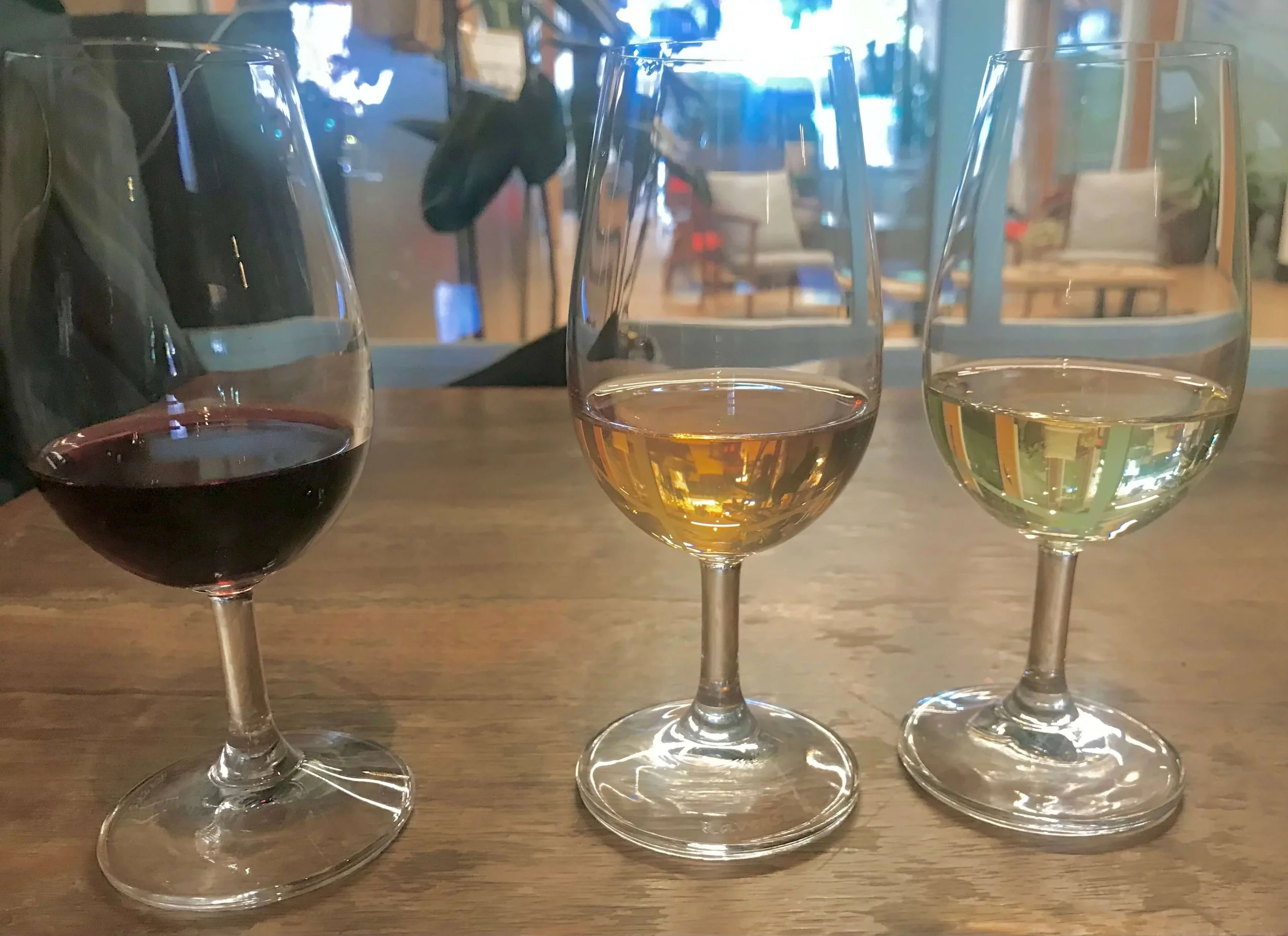
If you are a fan of cabernet sauvignon, you are likely looking for power and structure. However, there is a big difference between a cool-climate, Bordeaux-style Cabernet and a rich, new world "Napa Cab" style. For the cool climate fan, if you love the high tannins and super dark fruit, look toward Nero di Troia, Sangiovese, or Montepulciano. Sangiovese, in particular, offers that incredible structural spine and savory complexity that cabernet lovers appreciate, but with its own distinct Italian soul, whether in one of its multiple versions, from the all natural Tarconte, to the classic Rosso di Toscana, Rosso di Montalcino, and Brunello di Montalcino. For a Napa Cab fan that looks for the richness of an oak-aged cabernet, try a Nizza Barbera DOCG. This is a top-tier barbera aged in Slavonian oak. The wood aging gives it more tannins than a typical barbera, resulting in an "Old World" version of a Napa Cab, structured, full of dark fruit, and incredibly powerful.
Wines Similar to Merlot -> Dolcetto & Barbera d'Asti
For fans of merlot’s soft, velvety plumpness, dolcetto, like a Dogliani is a must-try. It has a soft, dark fruit and remains very approachable. We also recommend exploring Barbera d'Asti or a Piemonte Barbera. Often called the "ultimate food wine" due to its wonderful acidity, a barbera is incredibly approachable right now, offering a lush, fruit-forward experience that Merlot drinkers will recognize immediately.
Wines Similar to Syrah -> Schioppettino, Blaufränkisch, & Zweigelt
Schioppettino is a red grape most people don’t know about because it was illegal to cultivate in back in the 70s. Fortunately, thanks in part to the passion and commitment of Hilde Petrussa, vigneron and owner of Vigna Petrussa, as we covered in a previous article, Schioppettino is back on the Italian wine map and making inroads in the USA. It has higher acidity, lower tannins and a dark fruit taste, but the one thing that distinguishes it from other varieties is the aroma and taste of green peppercorns. In fact, this is where it parallels with syrah: the molecule, rotundone, that is found in green (and black) peppercorn, has the highest concentration, of all grapes, in schioppettino and syrah. Like Syrah, Schioppettino has a distinctive darker fruit taste. For great Schioppetino wines, try Vigna Petrussa for stand out wines. In fact, they were cited in a recent article by the wine critic Ian D’Agata as being the top two wineries in the world that make the best Schioppettino wines! Try the full range of Schioppettinos: the unoaked version, a classic oaked version, and a Riserva produced only in the best years (a great red wine alternative not only for Syrah-lovers, but also for those that enjoy full bodied California Pinot Noirs and Cabs).
If you enjoy the savory, peppery edge of Syrah, you should look toward the more earthy versions found in Central Europe. Blaufränkisch offers a deep, dark fruit profile and can even develop those meaty characteristics found in aged Rhône Syrahs. You might also try Zweigelt, a fascinating cross between Blaufränkisch and Saint Laurent. Whether a Zweigelt from Austria or a Zweigelt from the Czech Republic, it can provide a spicy, complex finish that any Syrah lover will appreciate.

Start Your Exploration to Discover Good Bottles of Wine
You may have observed that we excluded certain better known varieties which we assume that you are already familiar with like riesling, barbera, nebbiolo, sangiovese, montepulciano and tempranillo. If you’d like we can cover them in a future article with tips like how to find wines similar to Chianti?… look for a red wine made with the sangiovese grape. Let us know! And don’t forget, that there are a lot of similarities between extra virgin olive oil and wine, so for you foodie’s out there, we can help you choose one-of-a-kind EVOOs and hazelnut products as well as gifts for people that appreciate unique, gourmet foods.
We hope this list, which is really just a start, will help you choose wines from the growing portfolio we have of different and interesting grape varieties. For those of you that know our curation style, you know that we love to support small producers and bring you unique fun wines. And you can enjoy these curations by trying a selection of different wines and different winegrowers from our portfolio. We sell to both businesses and consumers across the US:
We are enlarging our network of distributors around the country. Reach out to us if you are interested in distributing our wines.
We sell to wine stores and restaurants in certain states - contact us if you would like more info.
We do corporate gifts and sommelier guided wine tastings. Email us and we’ll tailor unique and sustainable corporate gift ideas.
If our farm crafted wines, specialty foods, and olive oils are not in your local shop or restaurant buy wine online here and we’ll ship it to you, and we ship to most states.
We also have an award winning wine club for true wine explorers seeking to continually discover unique, sustainable and authentic small production wines they never had.
White Wine to Swap In Your Routine

Made from 100% Turbiana (considered similar to Verdicchio), this unoaked white wine from the sought after Lugana wine region has a bright yellow color, a natural balance of acidity and fruit with a textured mouthfeel and a long finish. It has inviting aromas of honeysuckle, tropical fruits, caramel and a hint of basil. Think of it as an alternative to an unoaked Chardonnay, since turbiana is also a noble white grape. Plus Zamichele’s terrroir with the influence from nearby Lake Garda and mineral rich glacial alluvial soil provides the conditions for creating a complex and balanced white wine.

Expand your horizons with this Italian wine made for Chardonnay lovers looking for an alternative. From Lake Garda, one of the Northern Italian lakes, this sustainably farmed white wine is a balancing act of acidity and fruit that pleasantly plays into a long finish. Plus it is super tasty. If you close your eyes and taste this wine, it is likened to having an apple crumb cake as a white wine. You initially get golden apple and then vanilla and spice.
Acidity and fruit harmonically combine with a salty minerality producing a sweet and salty taste sensation. Fruit bursts forth and taste envelopes the mouth, with some tropical fruit on the long finish.
This Lugana is an ageworthy oaked white wine, equivalent to a Lugana Riserva, made from the noble and native Italian grape, Turbiana, a grape which is likened to Verdicchio.
Overall pleasant and sippable yet complex, this is a great wine for California Chardonnay lovers looking for a change to surprise and delight them with a new white wine italian style.
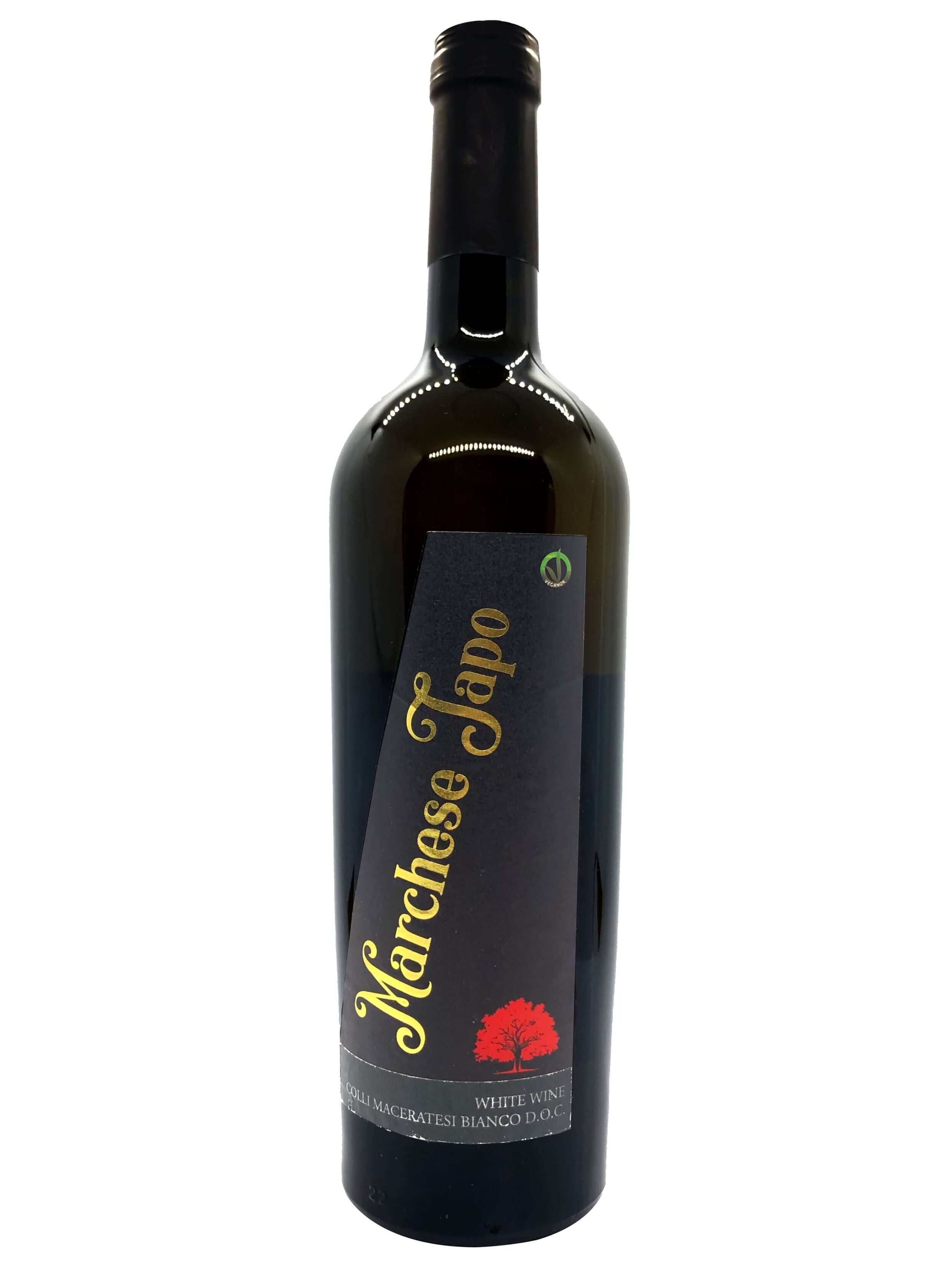
This natural wine is delicious fruit-forward organic vegan white wine, a blend of hard-to-find native varieties from the province of Macerata in Le Marche, Italy, a hilly area just to the east of Tuscany not far from the Adriatic Sea, has it all, great nose, taste, texture and structure. While it is unoaked, it was on the lees for 6 months with weekly battonage, contributing to its complexity of aromas, ranging from melon to saffron, and intensity of flavors. Made with indigenous varieties from Le Marche, Maceratino (also called Ribona) and Incrocio Bruni 54, it is a testament to Le Marche white wines.
Quercia Scarlatta follows a minimal intervention approach to vegan winemaking, using native yeast fermentation in their wines like this Marchese Japo.

From the Thaya estate winery in the Czech Republic, this Muller Thurgau white wine is organic with notes of lemon, lemongrass, and white peach. Quaffable, this Muller Thurgau is fresh, with citrus lime fruit and also minerally, with a pleasant finish. Stainless steel aged for 6 months, the aroma is typical of the grape which is a cross between riesling and sylvaner.

A rare find, this Famoso is made with fruit from the original vineyard of the Montalti farm in Monte Sasso where the Famoso di Cesena varietal was re-discovered in 2000 when two rows of old vines were found by a local farmer.
It is semi-aromatic with has aromas of lemon and a hint of flint, it has laser-like acidity, with tangy citrus fruit flavors and herbs, great texture and a lemon mineral finish. Limited production of 5000 bottles / yr
What other sommeliers are saying about this wine:
Ruth Ryberg:
“Wow is this cool! A grape I haven’t had before called Famoso! If it was a blind tasting I would’ve called out Chablis for the searing acidity and the chalky finish. Yum! The nose is all fresh picked apricot and lemon spray, with subtle hints of honeysuckle and marzipan. A zippy zesty mineral on the finish comes right back round to apricot and lemon! Lip smacking and fresh. Just perfect.
I’ve mentioned Braschi before. It’s a small, family owned winery in Emilia Romagna, and has been under the same ownership since 1949. Everything they make is outstanding! Located along the ancient Roman road - Via Romea Germanica - just north of Tuscany, Cantina Braschi is nestled in the hills of Romagna. The wines are first class from this family owned, small producer.”

Do you remember loving fruit cocktail as a kid? If so, then this wine is for you!
From the Thaya estate winery in the Czech Republic, aromatic, white wine is made from moravian muscat, and a cross between muscat ottonel and a rare Czech grape, prachtraube. Its lively acidity matches so well with 5 grams/liter of residual sugar, that it practically hides the extra natural fruit sugars, making it a white wine that both dry and sweet wine drinkers would enjoy as it is well balanced between the sweetness and acidity. It has intriguing aromas of lavander, honeysuckle and chamomile and a citrus/grapefruit taste reminiscent of a Sauvignon Blanc. If you like Moscato and Sauvignon Blanc, try this!
Stainless steel fermentation and aged for 6 months in stainless steel before bottling.
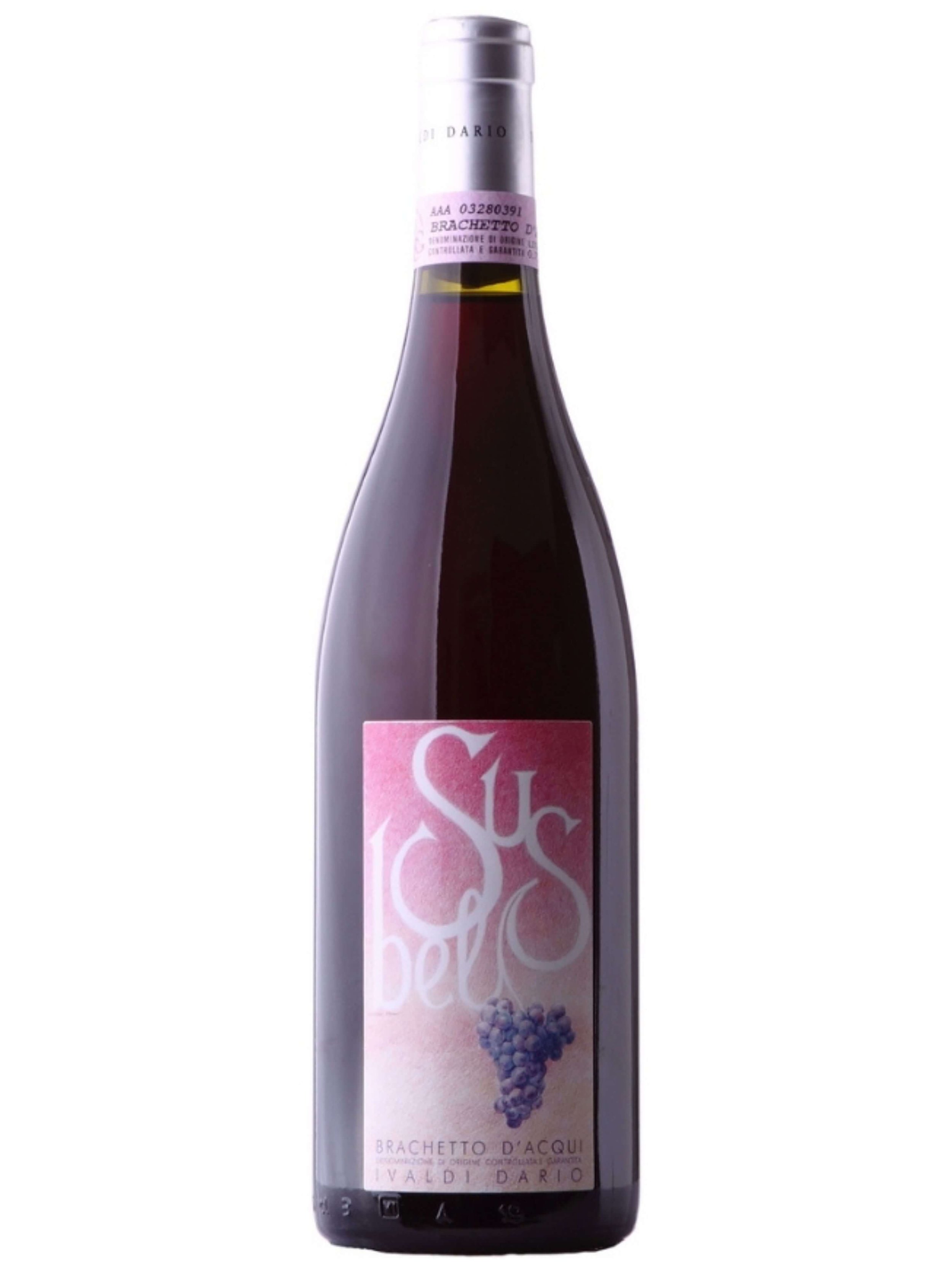
“Can we make Brachetto popular, please?” is how VinePair headlines why this artisanal, aromatic red sweet sparkling wine, just recently imported by us first time to the USA, made it to VinePair’s list of 13 Best Sweet Wines.
An aromatic grape, brachetto, creates a pleasantly slightly sparkling sweet red wine, with delicate rose flower and strawberry notes and strawberry and hibiscus taste. ‘Susbel’, in the local Piemontese dialect of Ivaldi in the Monferrato, refers to the location of the vineyard of this Brachetto d’Acqui, where the sun is bright and well exposed.
Left four days in contact with the skins and fermented with native yeast, this natural wine has a bright and clear light red color, dotted with fine effervescent bubbles. Sipping, the immediate impact is indeed sweet, yet with enough acidity and a hint of tannins to create a harmonious and balanced wine that keeps you coming back for more.
Wonderful to serve slightly chilled to sip with friends in the backyard on a hot summer day, or to serve with fruity desserts. Try pairing it with white or milk chocolate or a savory cheese, like with Humboldt Fog goat cheese - it goes incredibly well. It can also pair with charcuterie. Made with native yeast fermentation and has a residual sugar of 120 g/l.
A certified sustainable winery, Ivaldi Dario practices regenerative farming.
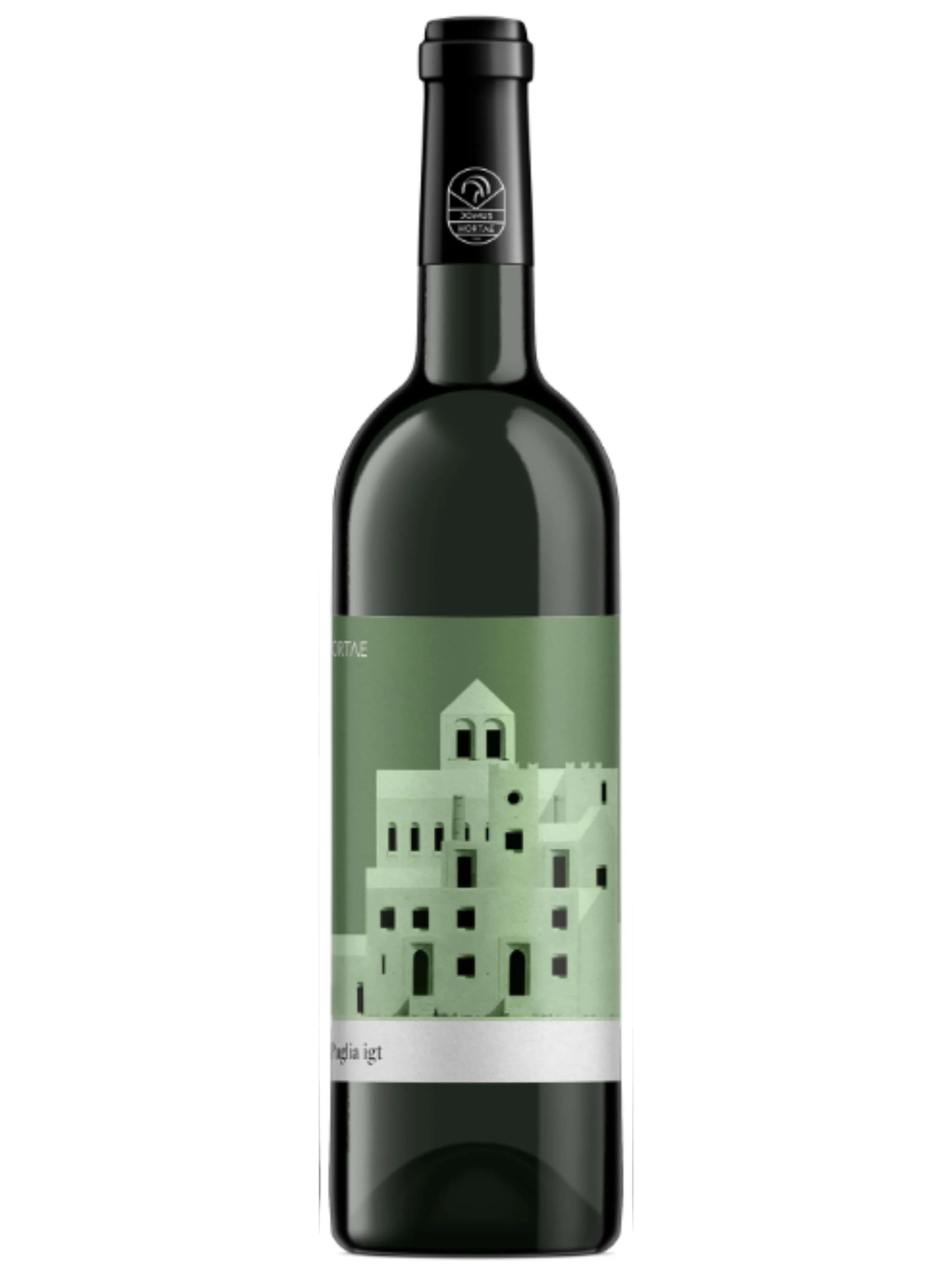
Ti estì means in the local Greek dialect 'what is this?' which gives you a clue about this wine. It is a monovarietal made by the Minutolo grape, which is an aromatic white grape grown in Puglia, Southern Italy, since 1200. Despite it being made in stainless steel, 'spicy' is a word to describe this white wine. The bouquet is intriguing, with white flowers, lemon and citrus candy and a hint of herbs. On the palette, tropical fruit flavors stand out, like lychee and banana.

The flavors that take center stage in this unoaked Gewurztraminer will remind you of a tropical fruit drink: think pineapples, ripe peach, nectarine, honey, and dried raisins.
The expressive yet balanced aroma hints at this sweetness with notes of candied lychee and rose hips, with the warmth of cloves and cinnamon. Made from the gewurztraminer grape, in the Czech Republic it can sometimes be called “red traminer”, and is characterized by its more pronounced residual sugar and vibrant character.
From a winery called “Best in the Czech Republic” for multiple years in a row, this wine is farmed organically in a local national park.
Tastes Like: Honey coated peaches
Farming & Winemaking Highlights: Regenerative Agriculture | Sustainable Winery | Organic
Fun Facts: On this label is a praying mantis, an insect that is found in the national park, where these grapes are grown.
Red Wine to Swap In Your Routine
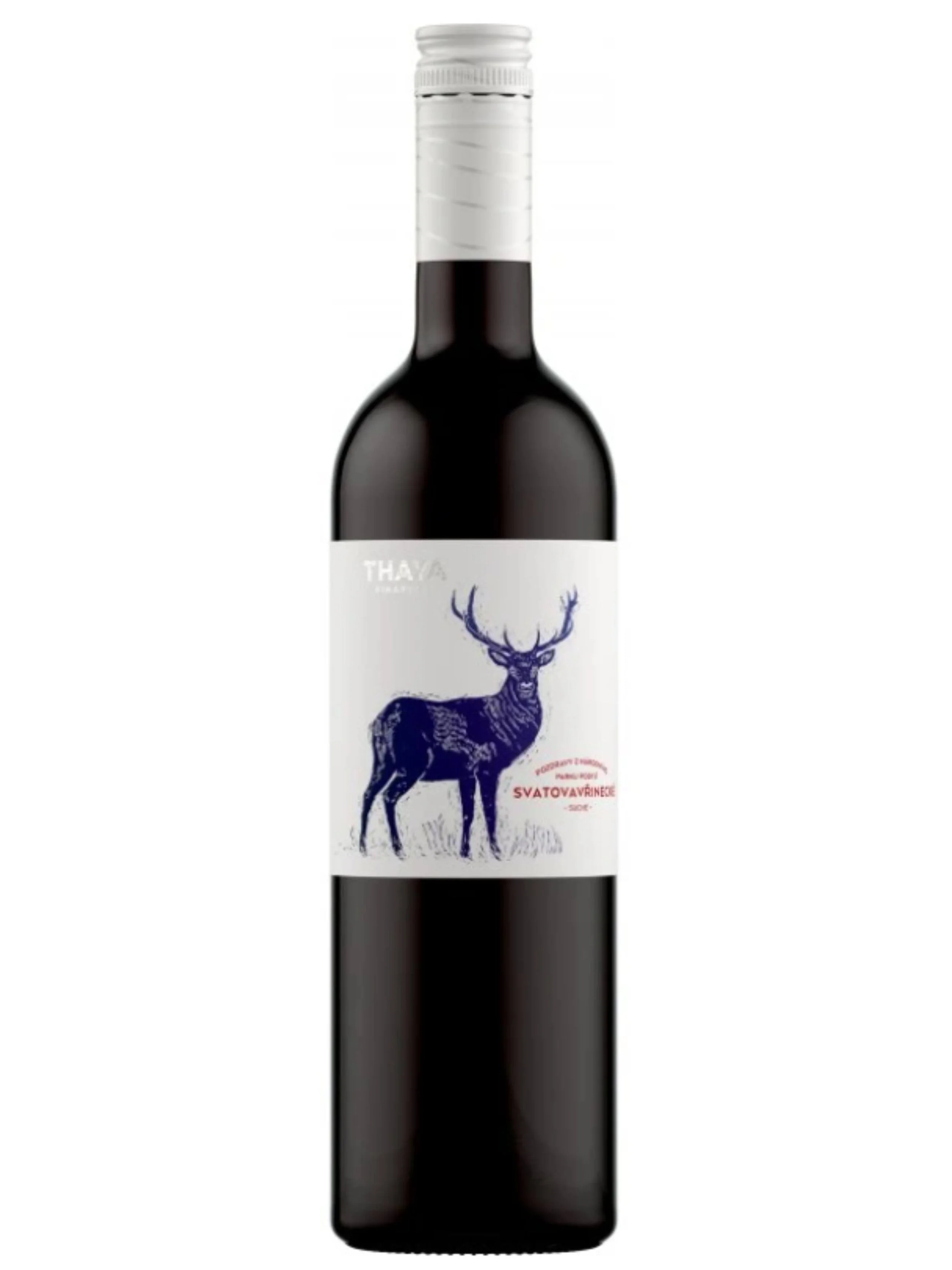
Wonderfully juicy dark fruits are melded in this wine with bright acidity for a delightful sipper. Serve it slightly chilled for an even more refreshing version than the oaked version of Saint Laurent.
From a winery called “Best in the Czech Republic” for multiple years in a row, this wine is farmed organically in a local national park.
Tastes Like: Concord grape juice
Farming & Winemaking Highlights: Regenerative Agriculture | Sustainable Winery | Organic
Fun Facts: The deer on the label represents an animal found naturally in the national park where these grapes are farmed.

From the Thaya estate winery in the Czech Republic, this single vineyard 100% Saint Laurent, which is called Svatovavřinecké in the Czech language and is a descendant of pinot noir, is from the U Chlupa vineyard with dusty loess and clay soils and which is in a national park. It has an inky deep purple color, a pretty nose, of violets, milk chocolate and spice. It is fresh with chaulky tannins, dark fruit taste, a harmonious and balanced wine. The wine was made naturally and fermented with native yeasts. It aged for 18 months in oak barrels of assorted sizes and types of toasting. It’s what’s called a “beefier Pinot Noir.”

This red wine from the heel of Italy’s boot, Puglia, is complexity in every sense of the word. Every sip and sniff brings out a new flavor and aroma, from fresh fruits like plums and dark cherries, to more aged aromas like prunes or cherry jam, chocolate, and licorice, and even spices like bergamot and cloves. Even a hint of candied fruit peel can be found on the finish. Overall, the palate is a soft, enveloping, elegant, and fresh in this stainless steel aged wine. The grape, susumaniello, is a local grape that is ancient to the area.
Tastes Like: Blueberry Cassis
Farming & Winemaking Highlights: Regenerative Agriculture | Sustainable Winery
Fun Facts: The grape susumaniello almost went extinct, and is usually used as a blending grape so a monovarietal like this is rare. The wine’s name “mentore” refers to the Italian word for “mentor”, giving honor to wisdom and teachings passed on from previous generations.

An award winner in the Millennial Wine Competition, this all natural, fresh and earthy red is made from hard-to-find Tuscan varietal Ciliegiolo whose name derives from cherry - so guess what it tastes like! An organic, biodynamic and natural wine made from the patented Metodo Corino with nothing added but grapes. Made with free run juice, maceration continues for four weeks and then aged in neutral wooden barrels for a short period of time. A natural wine, no sulfites are added during the winemaking process. Cherry and spice aromas and taste with notable tannins and mouth feel contributing to its great structure and long finish.
Tastes Like: Cherry Jam
Farming & Winemaking Highlights: Regenerative Agriculture | Sustainable Winery | Biodynamic | Native Yeast Fermentation | Vegan | No additives (ie non sulphites added) | Unfiltered | Organic | Metodo Corino | Natural Wine
Fun Facts: The natural farming method that produced this wine, the metodo corino, is actually patented by La Maliosa woman winemaker Antonella Manuli after she helped to develop it with natural wine legend Lorenzo Corino of Case Corini.
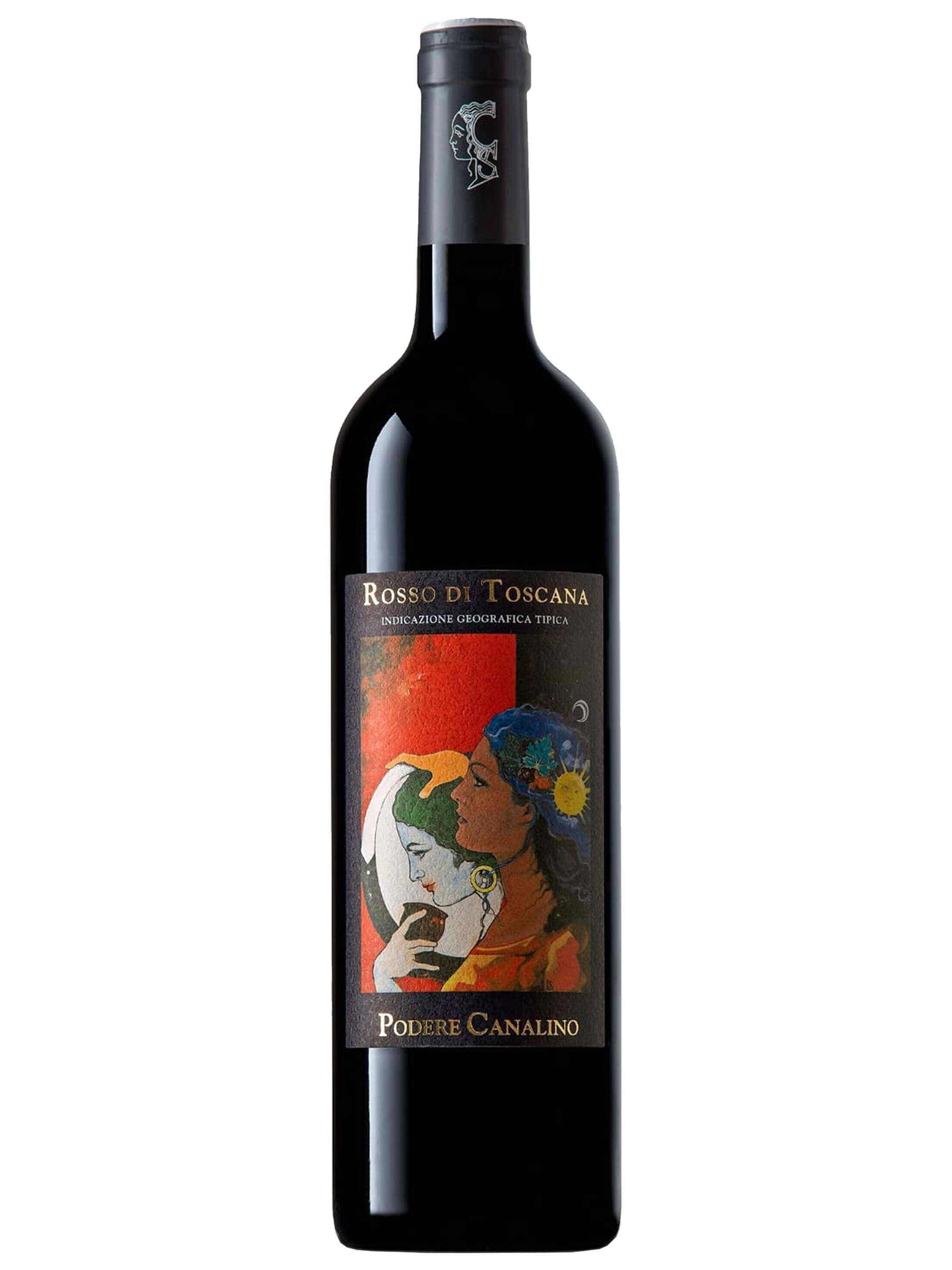
Made from sangiovese vineyards in Montalcino, this is an approachable, people pleaser for red wine lovers, the unoaked offering from the Brunello producer Canalino. It has notes of cherry, with hints of black pepper and toast. This wine is fresh, fruity and balanced with soft tannins and a pleasant clean finish.
Tastes Like: Crunchy, fresh cherries
Farming & Winemaking Highlights: Regnerative Agriculture | Sustainable Winery | Biodynamic | Native Yeast Fermentation | Unfiltered | Organic | Natural Wine | Vegan
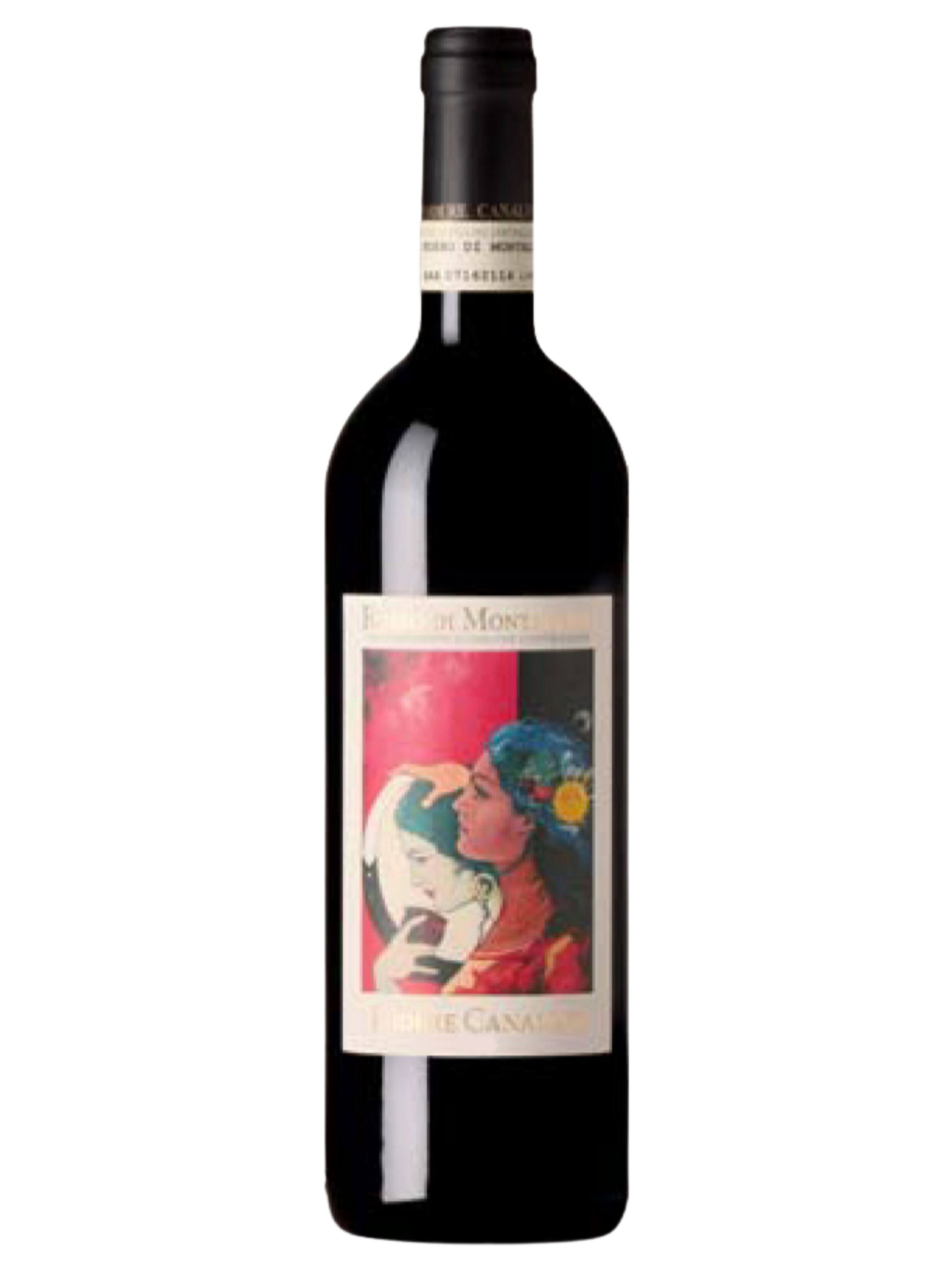
This is a complex, intense age-worthy vegan red wine; Once opened balsamic notes burst forth. We recommend to decant it or at least let it breathe a bit before tasting. When tasting, you understand that it comes from a terroir which one of the best Italian reds, Brunello, is made from; its structure is noteworthy, from acidity, to tannins to mineral structure. A delight for serious red wine lovers.
Tastes Like: Spiced Cherry Jam
Farming & Winemaking Highlights: Regnerative Agriculture | Sustainable Winery | Biodynamic | Native Yeast Fermentation | Unfiltered | Organic | Natural Wine | Vegan
Fun Facts: From 100% sangiovese vineyards right outside the historic center of Montalcino.
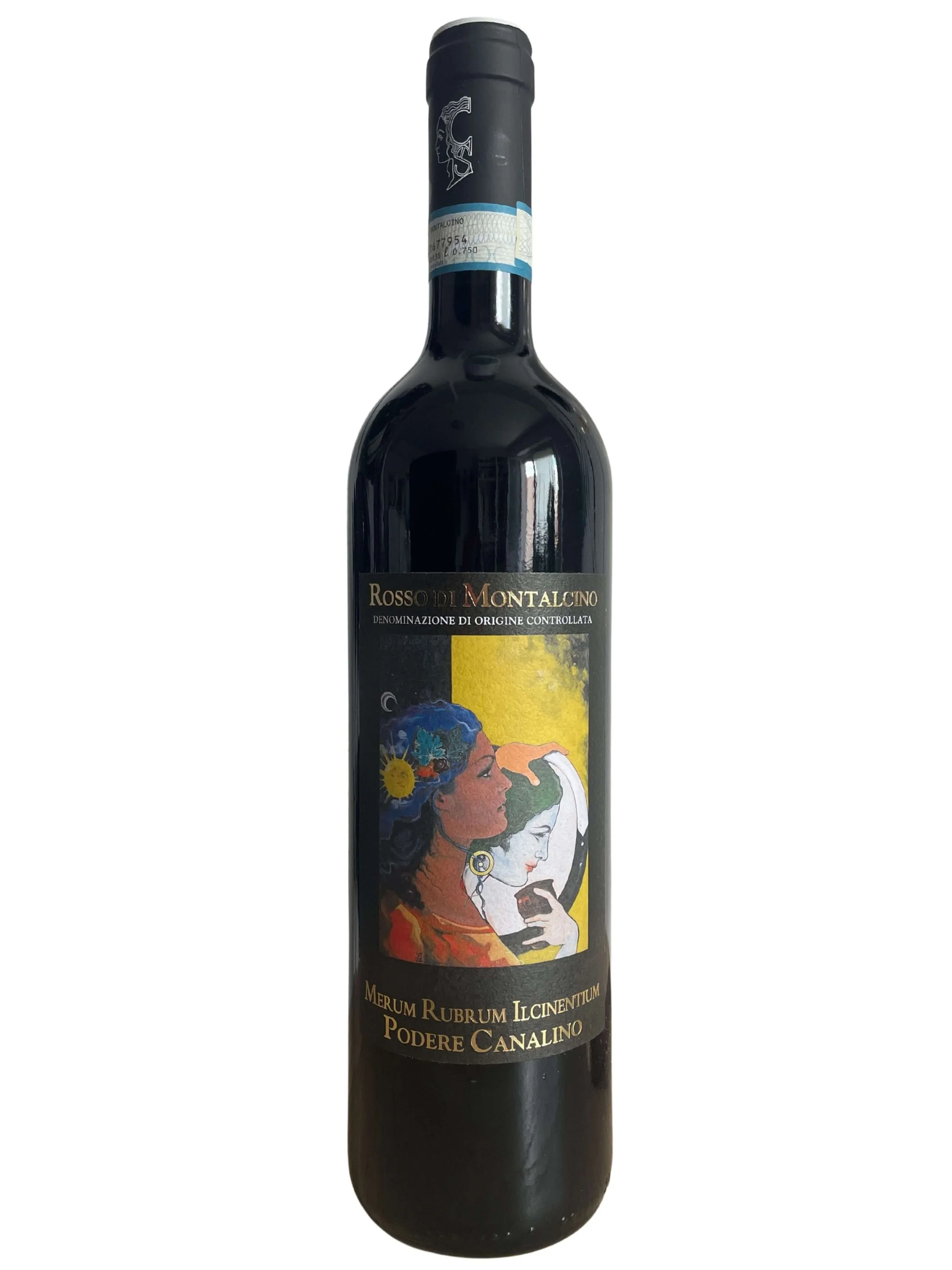
Steps from the historic center and birthplace of Brunello, this Rosso di Montalcino is expertly crafted by a winemaker who only grows on grape: Sangiovese. But this isn’t any standard Rosso di Montalcino: it’s like a Rosso di Montalcino Riserva. The vineyards are steps from the historic center of Montalcino, famed for one of the best red wines in the world. This Rosso di Montalcino is only made during the best years from the best fruit and is aged longer, minimum 14 months in neutral oak barrels, and released only when Alberto, Canalino’s winegrower and winemaker, feels it is at its best. Like a “Baby Brunello”, Merum Rubrum Ilcinentium is in fact, winemaker Alberto’s baby.
Tastes Like: Cherries with hints of spices & eucalyptus
Farming & Winemaking Highlights: Regenerative Agriculture | Sustainable Winery | Biodynamic | Native Yeast Fermentation | Unfiltered | Organic | Natural Wine
Fun Facts: The name is inspired by “Merum” meaning pure wine, or wine fit for the gods. “Rubrum” means red, Ilcententium refers to the people of Montalcino. So this is pure red wine of Montalcino.

This Brunello di Montalcino from winery Canalino is crafted using specially selected sangiovese grapes. A gorgeous ruby color, the nose is a potpourri of intense mature fruit and spice aromas from prune to menthol to leather. The wine is structured, with freshness, minerality and age worthy tannins and a fantastic mouthfeel.
Tastes Like: Stewed Cherries or Cherry Jolly Rancher candy
Farming & Winemaking Highlights: Regnerative Agriculture | Sustainable Winery | Biodynamic | Native Yeast Fermentation | Unfiltered | Organic | Natural Wine | Vegan
Fun Facts: The name “brunello” comes from the local name used for the type of sangiovese typically used in the area.

This wine is a rare treat, being one of the very few Sangiovese red wines grown on volcanic soil. This natural wine is a complex yet approachable. Tarconte is a distinctive old world style natural red wine with a touch of new world, having been aged for 36 months in oak barrels. Notes of earth, mineral, herbs, black pepper, it is super juicy with ripe tannins, a real food wine. A good pairing is with rosemary Asiago cheese. Don't be in a rush to enjoy it: open it and see how it evolves!
Tastes Like: A Baking Spice Cabinet
Farming & Winemaking Highlights: Regenerative Agriculture | Sustainable Winery | Biodynamic | Native Yeast Fermentation | Vegan | No additives (ie non sulphites added) | Unfiltered | Organic | Metodo Corino | Natural Wine
Fun Facts: - The natural farming method that produced this wine, the metodo corino, is actually patented by La Maliosa woman winemaker Antonella Manuli after she helped to develop it with natural wine legend Lorenzo Corino of Case Corini.
- Named after an Etruscan mythological hero.

Kalinero which means 'cheers' in Greek, both a salutation and also said while toasting, is a ruby colored steel fermented and aged red wine made from 100% Nero di Troia grapes. Its nose is reminiscent of prunes with a hint of vanilla and prunes carry on to the palette along with some rubarb and raspberries. It has a slight amount of tannins that hug your cheeks. It is easy to drink and balanced. From a small family estate in Northern Puglia in Southern Italy.
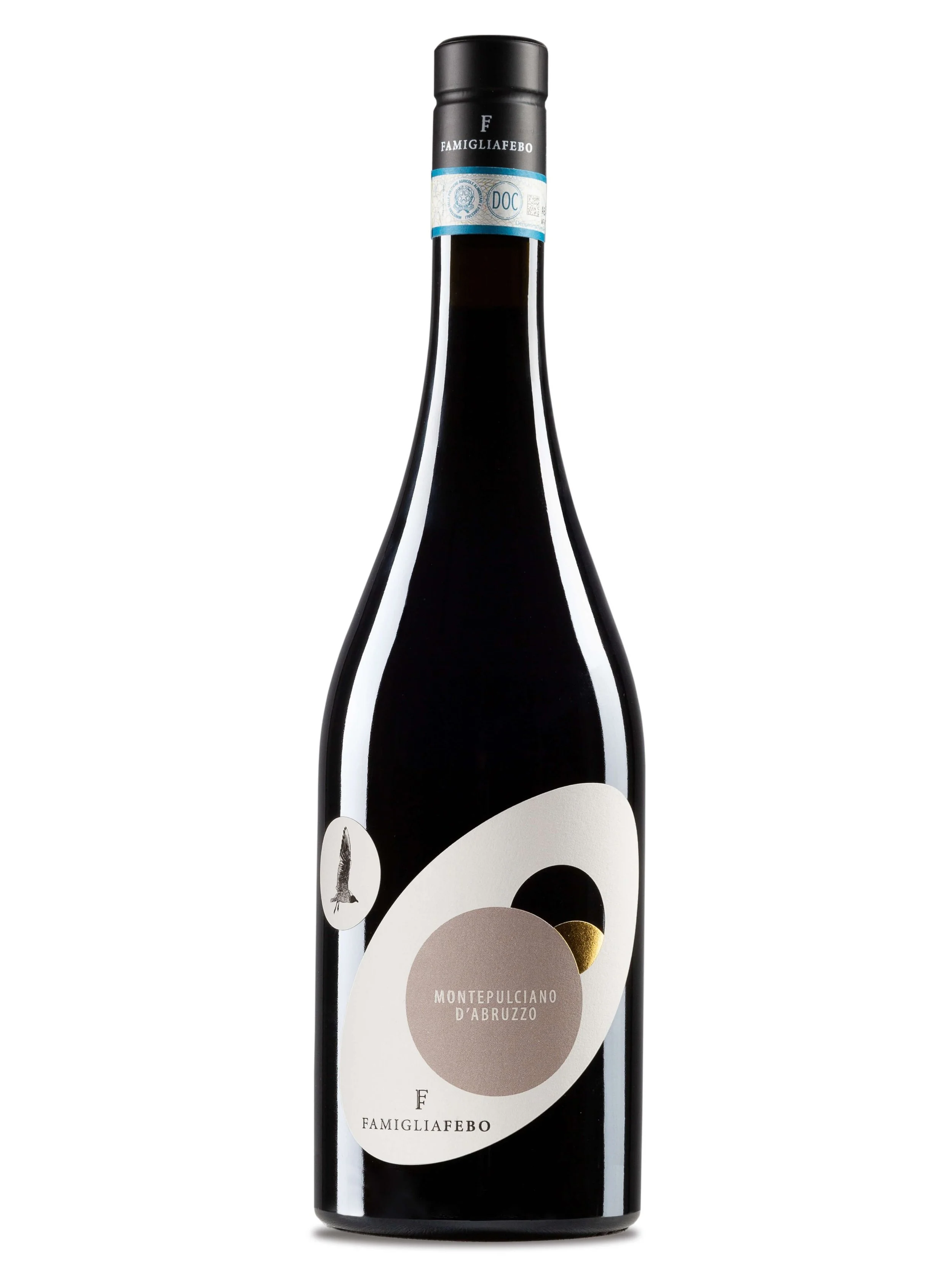
Made with 100% Montepulciano grapes spanning family vineyards in Spoltore and Chieti in Abruzzo, it has aromas of amarena cherries and licorice and a slight funkiness thanks to its 100% natural production. It tastes of dark fruit, with a rich texture and slightly bitter finish, with the funky vibe continuing while tasting. Fermented and refined in the winegrower's grandparents' concrete vessels.
Region: Italy > Abruzzo > Spoltore & Chieti
Tastes Like: Dark fruits
Farming & Winemaking Highlights: Regenerative Agriculture | Sustainable Winery | Biodynamic | Native Yeast Fermentation | Vegan | Organic | Natural Wine
Fun Facts: Pairs nicely with chicken parmesan. | While there is a famous wine “Vino Nobile di Montepulciano” from Tuscany, this grape has no connection to it; the “montepulciano name” there comes from the town noame, where as here in Abruzzo “montepulciano” actually refers to the grape used to make the wine.
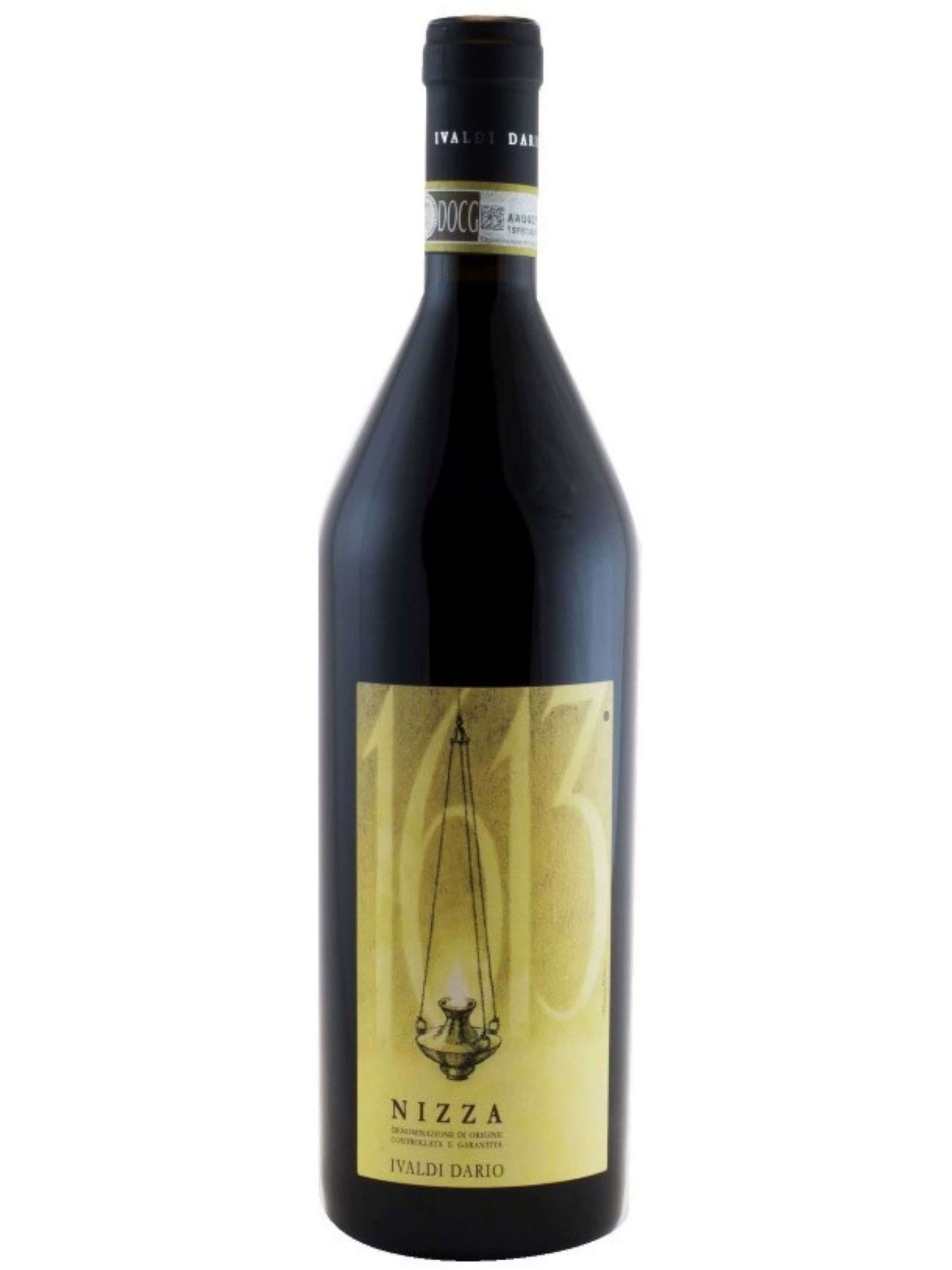
Nizza is the Barolo of Barbera, made from the birthplace of Barbera, Nizza Monferrato, the home of the 4th generation winemaking family, Ivaldi, and place where this wine is grown and made. This Nizza Barbera is a delicious old world style red wine with a rich cherry taste and an incredible mouthfeel.
This Nizza DOCG is made only in the best years, always made with 100% Barbera grapes, but only the best of the best of the Barbera clusters goes into this wine, before it spends 12 months in Slavonian oak barrels then 2 years resting in the bottle.
Made with native yeast fermentation, on the skins for 15 days. it has a pretty ruby red color with garnet reflections. A fruity bouquet transforms into spicy notes as it opens, and on the palate this wine has nice tannins and acidity balanced by a robust body.
The name of this red wine, 1613, is a homage to the siege of Nizza Monferrato in 1613 by the Mantovan army, showing the strong roots the Ivaldi family has to their home town. The women gathered to pray all night, and after the siege was lifted and won by Nizza Monferrato, an oil lamp in the church spontaneously burst into flames, despite the lack of spark and oil. Known as the ‘Miracle of the Lamp’, this wine pays homage to that evening, bearing not only the year as a name, but the image of the oil lamp on the label.
A certified sustainable winery, Ivaldi Dario practices regenerative farming.

Dogliani is known as the area which produces the best dolcettos in the world. This expressive structured yet easy-to-drink red wine has purple color, and floral bouquet with red plum notes. On the palate, this dolcetto opens pleasantly with notable tannins that are, however, not overpowering. It finishes with light almond notes. Coming from a single vineyard near Monchiero, this Dogliani is also make with native yeast fermentation.
It can be enjoyed just after bottling, yet it can better itself after a bit of aging in bottle.
Tastes Like: Juicy plump, plums
Farming & Winemaking Highlights: Biodynamic | Native Yeast Fermentation | Single Vineyard
Fun Facts: Originally called Dolcetto di Dogliani, local winemakers lobbied to change the denomination to simply ‘Dogliani’ to avoid the misconception that this wine was ‘little sweet’, as suggested by the translation of ‘dolcetto’ in Italian. They wanted this special dry red wine to be able to make its own name, and let its importance stand for itself.
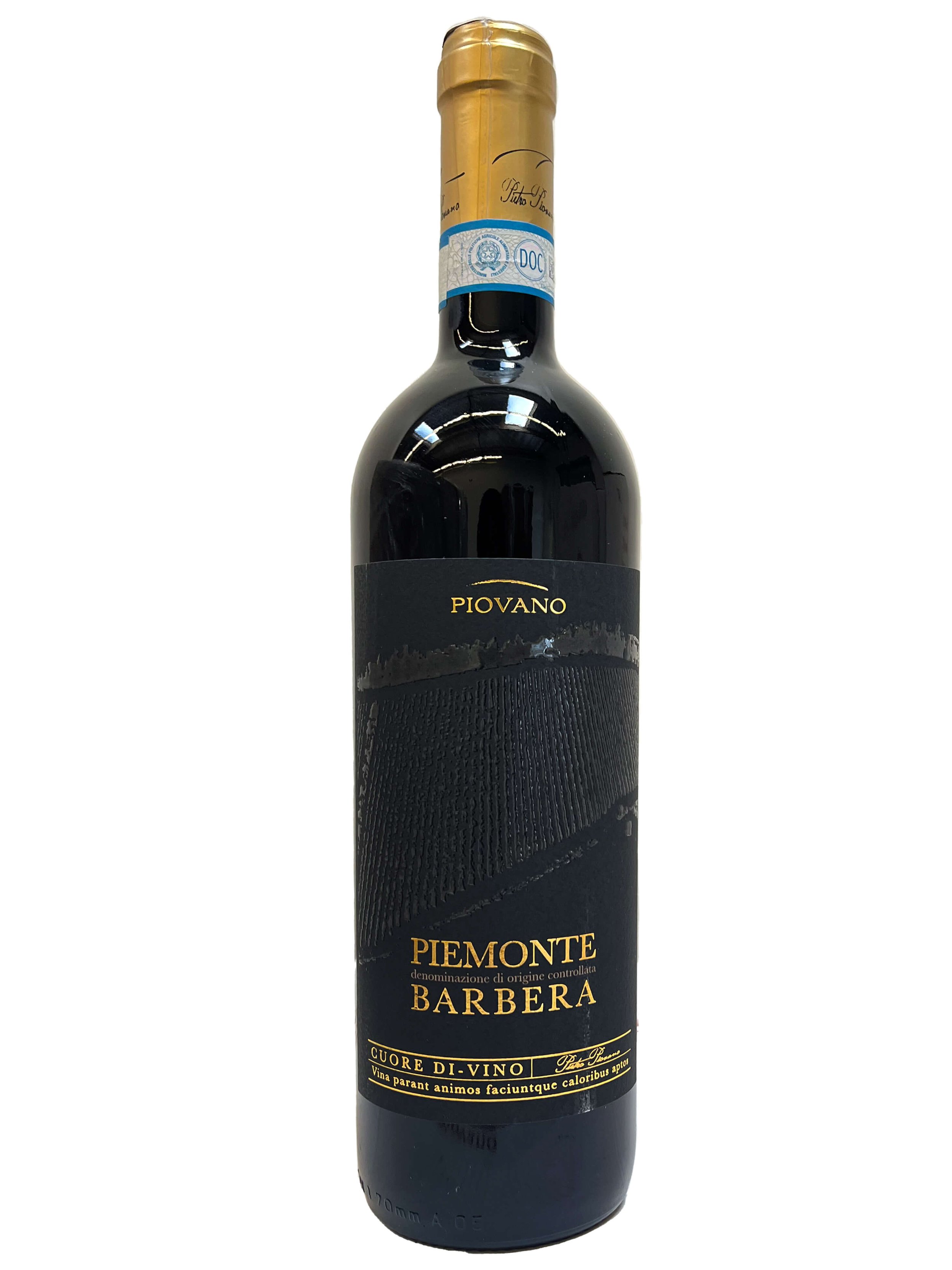
Just imported in first time to the US, a 00 oak aged Barbera natural wine from a vineyard in Pascomonti, in the southern part of the Langhe, in Piedmont, this red wine is the most traditional take on a Barbera red wine from the Langhe: organically farmed, unfiltered, aged in neutral oak with no sulfites added and native yeast fermentation, this is great natural wine version of a Piedmont Barbera.
It has a fruity and spicy bouquet and on the palate has a nice balance of tannins and acidity. Overall, a structured wine with a lingering pleasant finish.
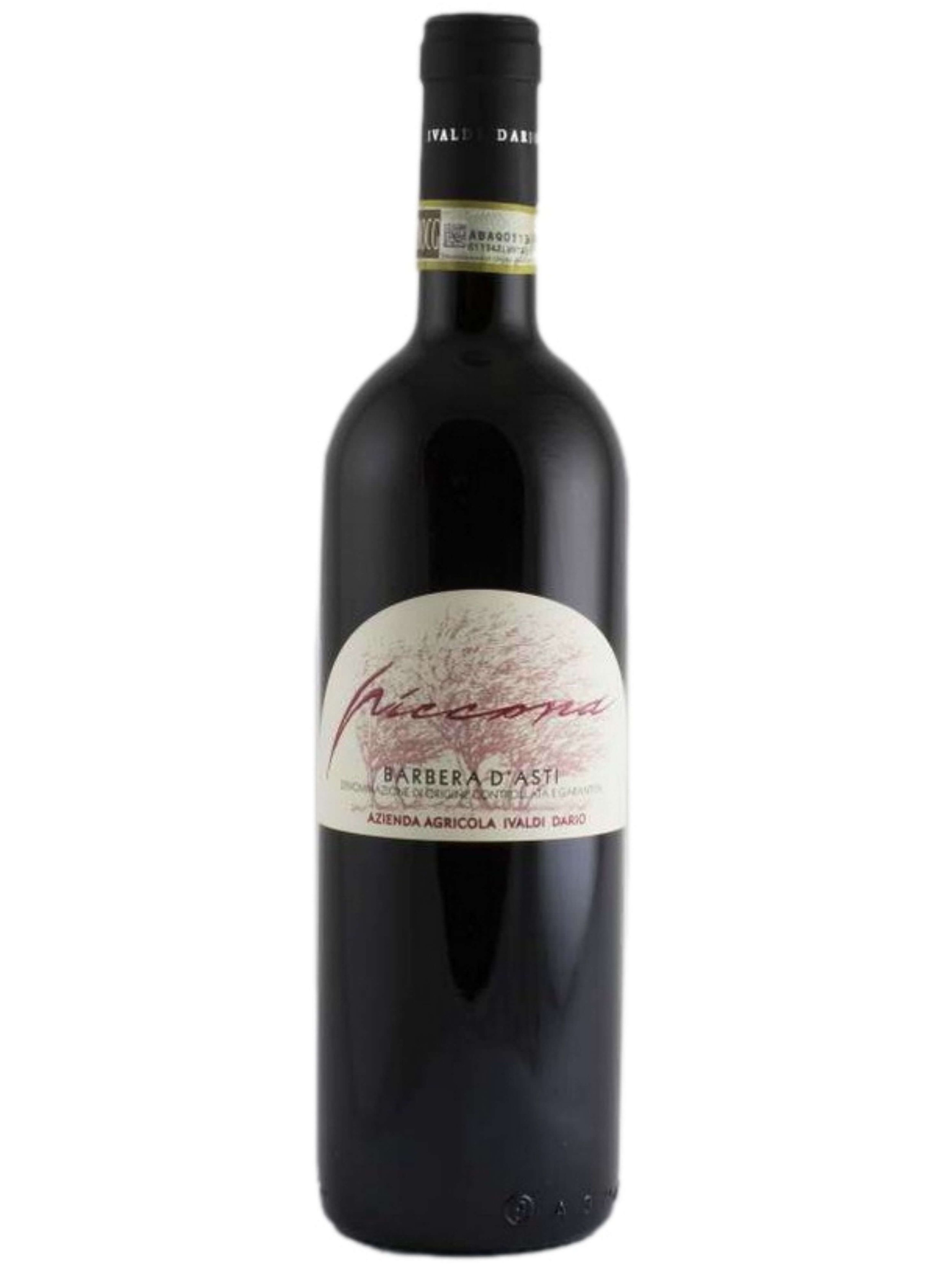
From the prestigious Barbera d’Asti denomination, this Barbera takes its name, Piccona, from the single vineyard where it is harvested in the Monferrato of Piedmont, Italy. A ruby red color, it has a complex bouquet of red fruits and berries. On the palate, the typical Barbera acidity comes through in a pleasant manner, balanced with the tannins and a certain robustness for an overall balanced and persistent wine.
A certified sustainable winery, Ivaldi Dario practices regenerative farming.
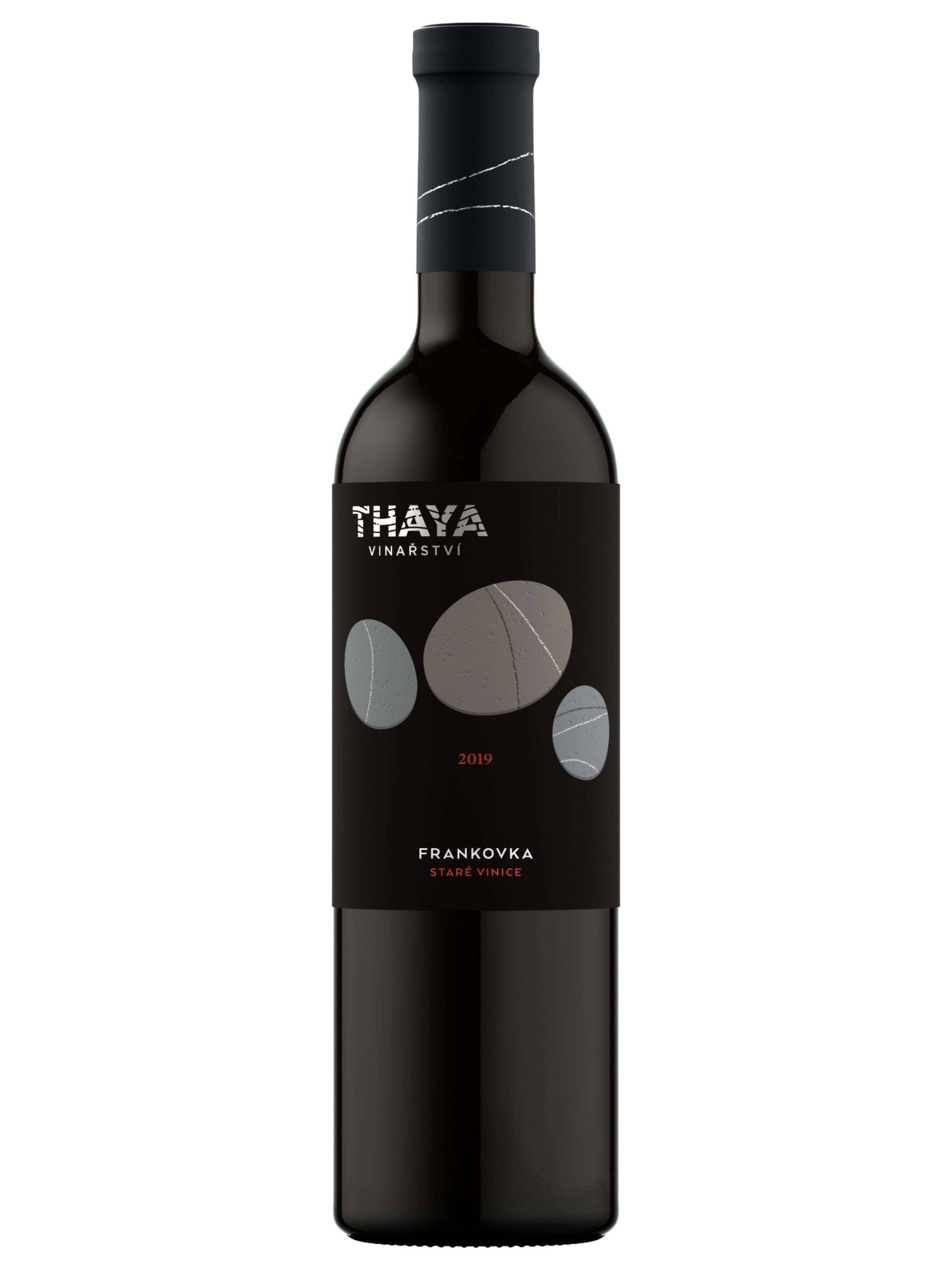
From the Thaya estate winery in the Czech Republic, this single vineyard late harvest Blaufrankisch, which is called Frankova in the Czech language, is a natural wine, made by fermenting with native yeasts, and is aged in different types of french oak barrels. The color is darker, ruby with violet highlights. The nose is fruity with notes of liquorice and herbs, complemented by hints of black fruit. The palate is long, with hint of spiciness.
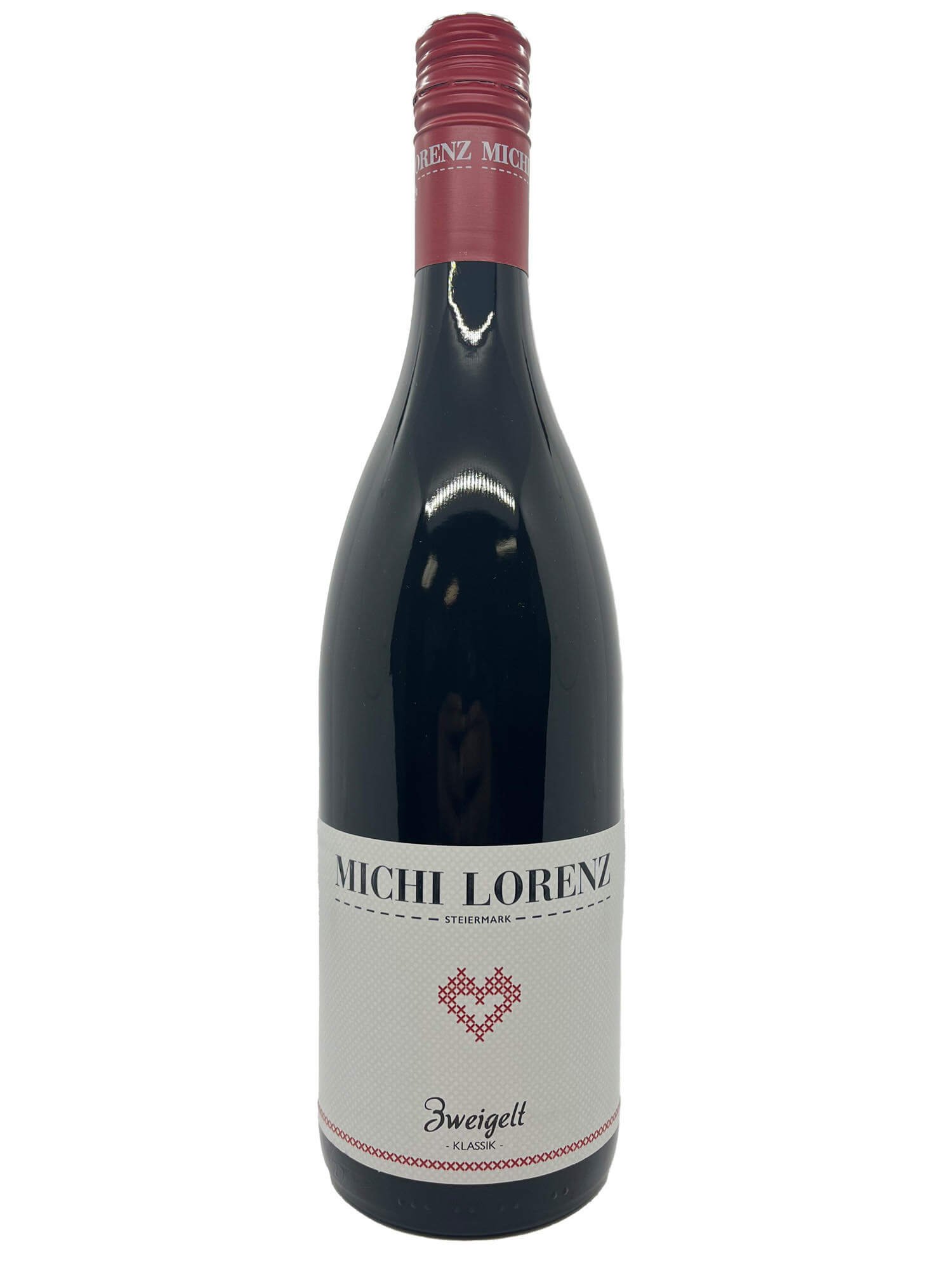
The organic and biodynamically farmed fruit was handpicked from estate hillside vineyards 400 meters above sea level in Sausal. Soils are red schist and loam. The wine underwent native yeast fermentation. After 25 days of maceration on the skins, the wine aged in a combination of stainless-steel tanks and oak barrels with very minimal sulfites added.
The first sniff of this quaffable Zweigelt natural wine is amarena cherries which then leads to vanilla and spice. In the mouth it is fresh with fruit that hides behind the structure and chalky tannins. It has nice texture and a medium slightly bitter finish. It is easy drinking and pairs great with hamburgers.
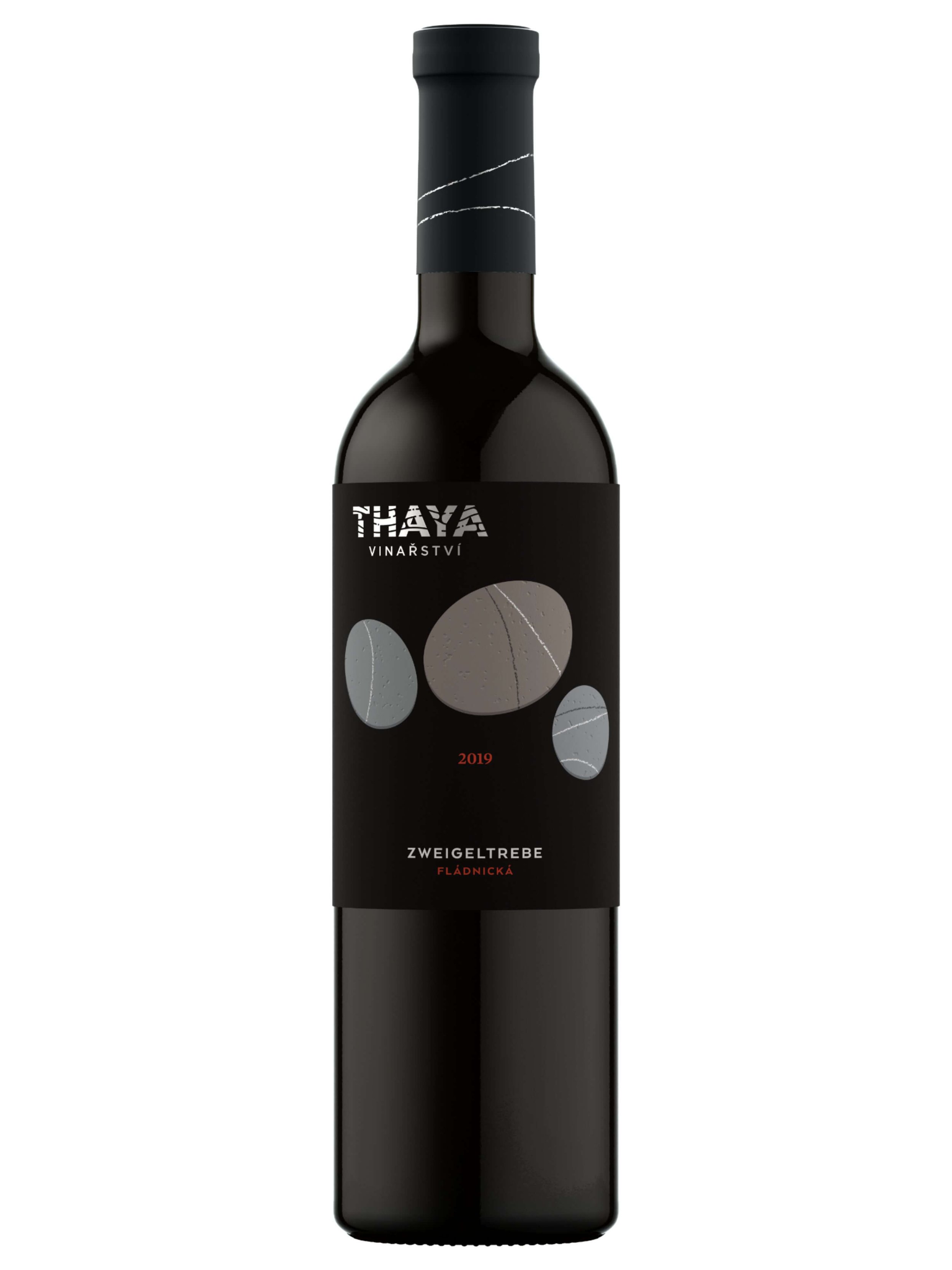
From the Thaya estate winery in the Czech Republic, this single vineyard late harvest Zweigelt, which is called Zweigeltrebe in the Czech language and is a cross between Blaufrankisch and Saint Laurent, is from the Fládnická vineyard and which is in a national park. The wine was made naturally, fermented with native yeasts and aged in french oak barrels (60% new) for 18 months. A robust wine made from grapes with a late harvest ripeness. The color is a dark purple red color. The aroma is pleasantly fruity and spicy, moving into notes of licorice and wild animal. The palate is fruity, full-bodied and long. When tasting you will find it has a ‘little bit of everything’: acid, fruit, tannins and some saltiness. It will have you taking another sip to enjoy it more.
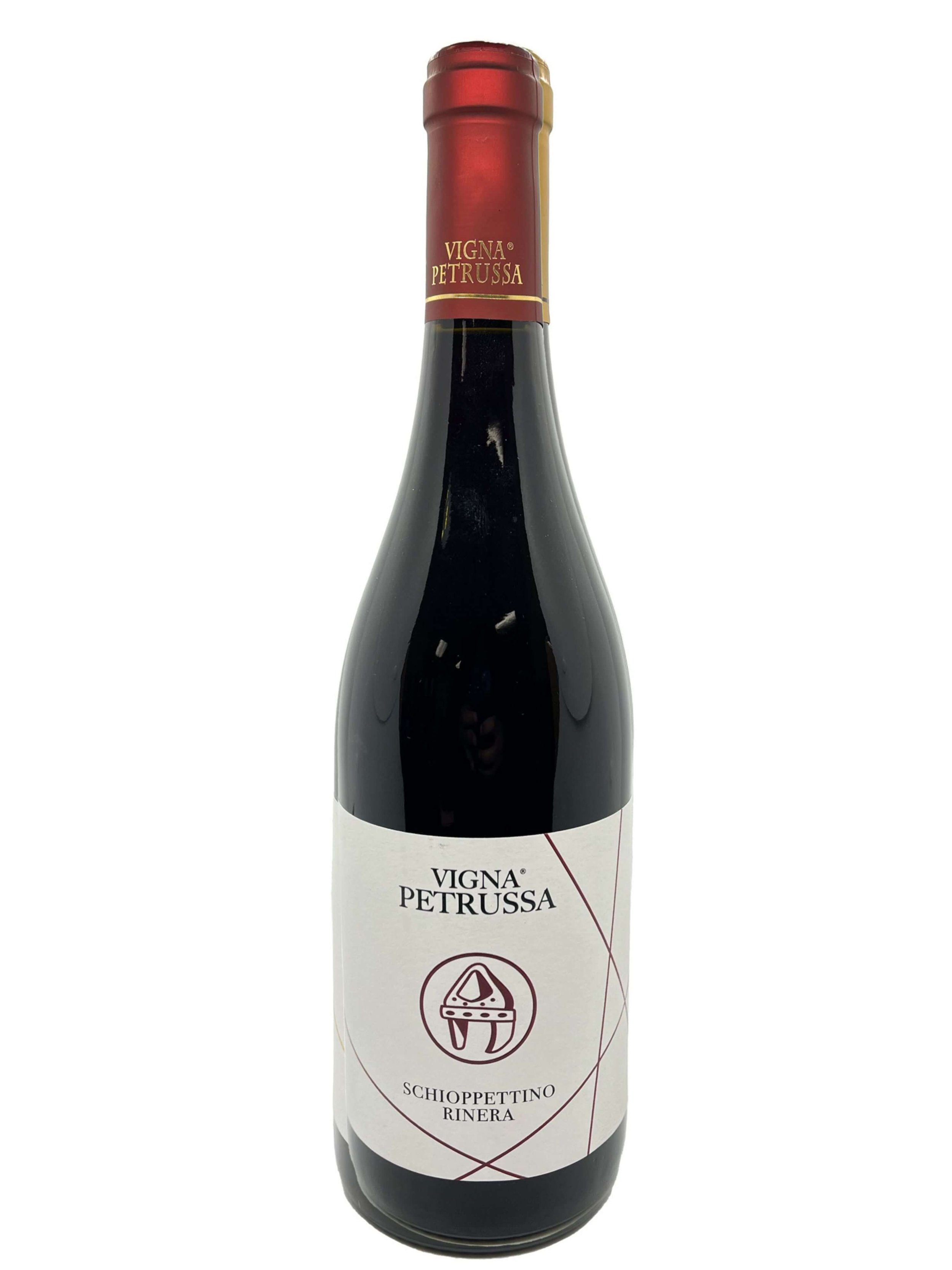
This is an unoaked Schioppettino from a women owned winery who spearheaded the rebirth of Schioppettino in the 'birthplace' of the grape which is Prepotto, Fruili. Having a deep purple-garnet color, it has notes of black pepper and dark fruit. Its taste is tangy, fresh and juicy with a long clean finish. Pairs with many dishes from hamburgers to roast pork. World renowned wine critic, Ian D’Agata calls this Schioppettino a ‘very pretty wine’ and named it a 'Best Buy Italian Wine'.
Some fun facts about this wine:
Vigna Petrussa also calls this wine ‘RiNera’, or a nickname for ‘Ribolla Nera’, local term given to the wine.
The grapes actually come from Prepotto but since it is not aged in oak the winery is not 'allowed' to put Prepotto on the label.
Vigna Petrussa is a certified sustainable and biodiverse women-owned winery.

Prepotto is the birthplace of the hard-to-find Schioppettino varietal. It gets its name from the Italian 'schioppare' or to burst, since the grape 'bursts' in your mouth when you eat it. Aromas and tastes of black pepper and plums. Fermented with indigenous yeasts and aged for two to two and a half years in oak barriques. Strong cheese lovers love to indulge in this wine.
Gold Medal Decanter, plus many other awards. Vigna Petrussa's oak-aged 2019 Schioppettino won the prestigious 3 Bicchieri Award by Gambero Rosso.
Vigna Petrussa is a certified sustainable and biodiverse women-owned winery.

This limited production wine from the birthplace of the Schioppettino varietal is made only in the best years with carefully selected fruit from which Hilde Petrussa makes her own Pied de Cuve native wild yeast. Aged in tonneau for 36 months then 6 months in the bottle. It has a complex nose ranging from black pepper to dark berry compote, allspice and some wild animal fur. Due to its well balanced acidity, tannins and smooth taste, it is a great midway for both Pinot and Cab lovers.
This wine was awarded
a Silver Medal by Decanter
Top Italian Wine in the Go Wine Cantine d'Italia 2024 Guide
90 points by 5starwines
4 crowns by 'Vini Buoni Italiani'
Vigna Petrussa is a certified sustainable and biodiverse women-owned winery.