
Yearning for the Human Touch

Bruce Freeman of Clos des Amis in the vineyards on South Mountain.
As we are about to close on 2025, it’s that time of year when we reflect on the past year, in particular what caught the eyes, or not, of our blog readers who receive the Vero newsletter.
As our blog increases in popularity among engaged explorers of both wine and food, encompassing wine and food professionals, from distributors, wine buyers, stores, restaurants and chefs, to journalists and wine lovers and foodies across America, we’re able to gather some very high level insights to interpret what, collectively, drew our readers’ interest or not. Now that the Vero blog is over 5 years going strong, we’re able to see how you, our readers, changed over the years.
When you think about it, the past 5+ years have not been your “normal” run of events. In fact we started our blog and newsletter just before the onset of a world wide pandemic which was so profound that it has changed all of us in one way or another. Then post Covid, we have experienced a continuing stream of extreme and/or unexpected occurrences which have impacted each of our lives. Think:
unexpected price increases and supply constraints, caused by external events, from Covid to tariffs, which have upended economic models;
proliferation of AI technology and tools;
not to mention geopolitical events and landscape around the world which has caused a lot of suffering and concern for the future.
How have we all reacted to all of this in 2025?
Let’s first take a peak into what we have seen with some hard data. Then let’s draw some conclusions.
First and Foremost…
… the data points, especially compared to previous years, are all over the place in 2025…
In past years, it was quite easy to draw conclusions to determine the topics our readers were most interested in. This year, it’s the opposite. It’s all over the place. For example:
While our readers showed continued interest in recipes we’ve shared, which encompass both new, as well as tried and true, dishes, the type of recipe which whet our readers’ appetite varied. For example, our readers expressed strong interest in an Italian pie recipe and ugly but delicious cookies, while they showed little interest in a healthy and easy-to-make Italian appetizers and Mediterranean diet ideas… hmmm, now that we think about it, it seems our readers were more interested in dishes that would get them off their diet ;)
In the past, our readers would “eat up” articles that would explain various intricacies of how wine was farmed and made, like natural winemaking. Instead, this year most of the winemaking topics had a tepid response from our readers, like articles about tastes vs flavors in wine (and food), mouthfeel in wine, role of yeast in winemaking, and vintage variations, from Barolo wines to certain cult wines. That’s not to say that that there was no interest in wine education: for example, our color in wine article was clearly the most popular of the year. Yet, consistent with us scratching our heads to make sense of this year’s statistics, this article about wine color was already in its second publication this year; it was first published last year. Guess how our readers responded to this article last year? With a meh response. So, again, another case in which our readers’ interests are hard to gauge.
Every so often, we publish articles and videos which draw insights from our unique vantage point in the wine and food industry, especially Italian wine. Naturally, they are topics which hit close to home for us, since our livelihoods have their stakes in wine and food. While our wine trend publications are usually not all of our readers’ favorites, they usually make it to the top 3 of favorite overall topics. This year was different. Who knows why. There certainly was a lot of uncertainty this year, especially driven by the tariff war, which left those of us in the wine industry, especially, between a rock and a hard place. That certainly added to a year with a lot of distraction and noise.
Alternative Twist on A Tried and True Dish
Despite the difficulties in citing trends from this past year’s data, one clear stand-out across the board, from wine and food professionals to every day foodies and wine lovers, was our discovery of this innovative take on Caprese Salad. It is a recipe created by a woman chef in Italy who has become one of the top influencers in the country who was recently awarded UNESCO recognition for its cuisine. Thanks to Eleonora Riso, we discovered how the simple trick of frying capers into crispy, savory nuggets gives a distinctive flavor twist to a caprese salad made with burrata and peaches: it creates a union of contrasting flavors and tactile sensations which surprises and delights. This find of such a unique take on this classic summer dish captured your curiosity, hands down!
We won Artisan Wine Champions of the USA in 2025!
Artisan Wine Champions
We shared with you a wonderful piece of news that fell in our laps this year: we were recognized as the 2025 Artisan Wine Champions of the USA by a global luxury lifestyle publication. Naturally, we shared this great news with all of our readers, who responded with interest to this great achievement. While, generally, when we share awards like this, honestly, it does not get a lot of your attention, although this one did.
Perhaps it is a testament to our commitment, for over 7 years, to seeking authentically crafted wines and our sincerity in sharing these amazing finds from farmer artisans around the world? We like to think so!
“Weird and Wonderful Consumer Trends”
Trend outliers, like those cited in this article, is a common theme that many small business owners in the US have noticed this year. We know we are not alone is noticing peculiar changes in consumer and buyers’ behaviors. For example, it has come up in discussions our founder has had recently with other small businesses. Many have put the blame on the proliferation of AI created content, especially over the past year, even though we’ve noticed other changes prior, such as a decrease in social media engagement. The blame on these behavior changes is not only with AI: peoples’ attention spans have become more and more saturated with the continued onslaught of digital channels.
Despite our continued focus on engaged explorers of wine and food, we did notice considerably diminished enthusiasm this year of articles focused on the discovery of places, like Italian wine regions, rare grapes and people that farm and craft our portfolio of artisanal wines and foods. This behavior change was the most surprising. After all, if you got this far in reading this article, for sure you have some interest in the pursuit of hidden gems of wine and food. What could have caused this shift?
This consumer trends article just published in the Wall Street Journal seems to have an answer: it cites “Aspirational Humanity” as a key marketing trend in 2026. It goes onto say: “As artificial intelligence hyper-flattens mass culture, anything denoting evidence of humanity becomes exceptionally desirable.” This article paints a picture of a consumer who is harder to impress and has become mistrustful of what is being thrown at them. Fake “humanness” is everywhere. The source of the content, person, service or product that they see in front of them is constantly being questioned, as the use of AI has become more sophisticated. The American consumer, while still craving authenticity, is wary more than ever of what’s real or not.
So, we get it: our readers have become slightly more jaded, as have all of us, as it becomes more easy to create with AI.
So, we does this imply about future trends?
In the Search of “Human-Created”

Guido Corini of Italian winery Case Corini tending to grape vines.
Continuing with the 2026 trends outlined in the WSJ article, they predict a trend towards “human-created cultural products” with “indicators of tactility, texture and imperfection becoming increasingly significant.” People want something real, and signs of a human touch, even if it means accepting a bit of imperfection. In fact, this concept is similar to what we wrote about several years ago: Wabi-sabi, which is a practice to recognize beauty in imperfection. It is an ancient tradition from Eastern cultures, and is evidence of human made product, e.g., something hand made.
Continuing with this theme, the Wall Street Journal article expects a trend, which Gen Zers seemingly have already initiated, of shunning modern technology and inventions in favor of a “road less traveled” approach: instead of following what’s trendy, seek out something different, authentic and with roots.
It was in this vein that Vero was started: our founder, who was living in Italy for many years, where her husband was a baker making hand made artisanal pasta, bread and sweets every day, following years of tradition. Besides food, she got into wine, studying to become a sommelier in Italy. She had a full immersion in a world where small batch, farm-to-glass wines and hand crafted foods were the norm, not the exception.
The products that we curate are made by farmers tending to their land and then crafting a product which expresses the place and natural elements from where it is from. As a result, the wines, olive oils and other specialty foods we import and sell have tactility, texture and imperfection, all signs of not only being human made but also nature made.
Hmm… despite the peculiarities of 2025, it seems that we are well positioned for what people will be yearning for in 2026? What do you think?…
For those of you who got your curiosity piqued in this article, join our newsletter!
You know who to turn to for wine, EVOO and specialty foods that are guaranteed not only human made, but crafted by the same people who are both farming their land and making a genuine product that is full of tactile, texture sensations, with just enough imperfections to invite you in more.
We sell across the country to distributors who we actively seek out, as well as to wine stores and restaurants in certain markets, and to wine lovers and foodies across the country, who seek out our wine and food gift baskets, and enjoy our award winning wine club. Contact us today or just check out our goods here.
Here’s to happy and healthy 2026 to all of you!
What Did We Land Brand New To The USA in 2025? Here’s a Sampling:
Natural Wines by Farmer Artisans Foligodia and Pellagroso

From the woman owned natural winery Foligodia, Metamorfosi is a complex orange wine that tastes like biting into a tart apricot. This fruit-forward wine gets its distinctive character from skin contact, and it's crafted from a blend of Chardonnay and Malvasia di Candia grapes.
Region: Italy > Lombardy > Mantova
Tastes Like: Like biting into a tart apricot.
Farming & Winemaking Highlights: Regenerative Agriculture | Sustainable Winery | Biodynamic | Native Yeast Fermentation | No additives | No Sulfites added | Unfiltered | Organic | Skin Contact | Natural Wine
Fun Facts: The name metamorfosi means “metamorphisis” in Italian.

Portami Altrove is a truly unique apple cider, with a bright lemon-yellow color and a beautifully aromatic nose of golden apples and floral jasmine. The palate is defined by a refreshing medium acidity and a captivating flavor of lemon-apple juice, where a delicate, slightly bitter lemon note playfully dominates the apple. Its low alcohol content makes this a wonderfully versatile beverage, perfect for serving chilled as an intriguing aperitif or a light dessert drink.
Tastes Like: Apple juice with lemon.
Farming & Winemaking Highlights: Regenerative Agriculture | Sustainable Winery | Biodynamic | Native Yeast Fermentation | No additives | Unfiltered | Organic | Natural
Fun Facts: This is actually an alcoholic apple cider. It’s name comes from the Italian for “take me elsewhere”.
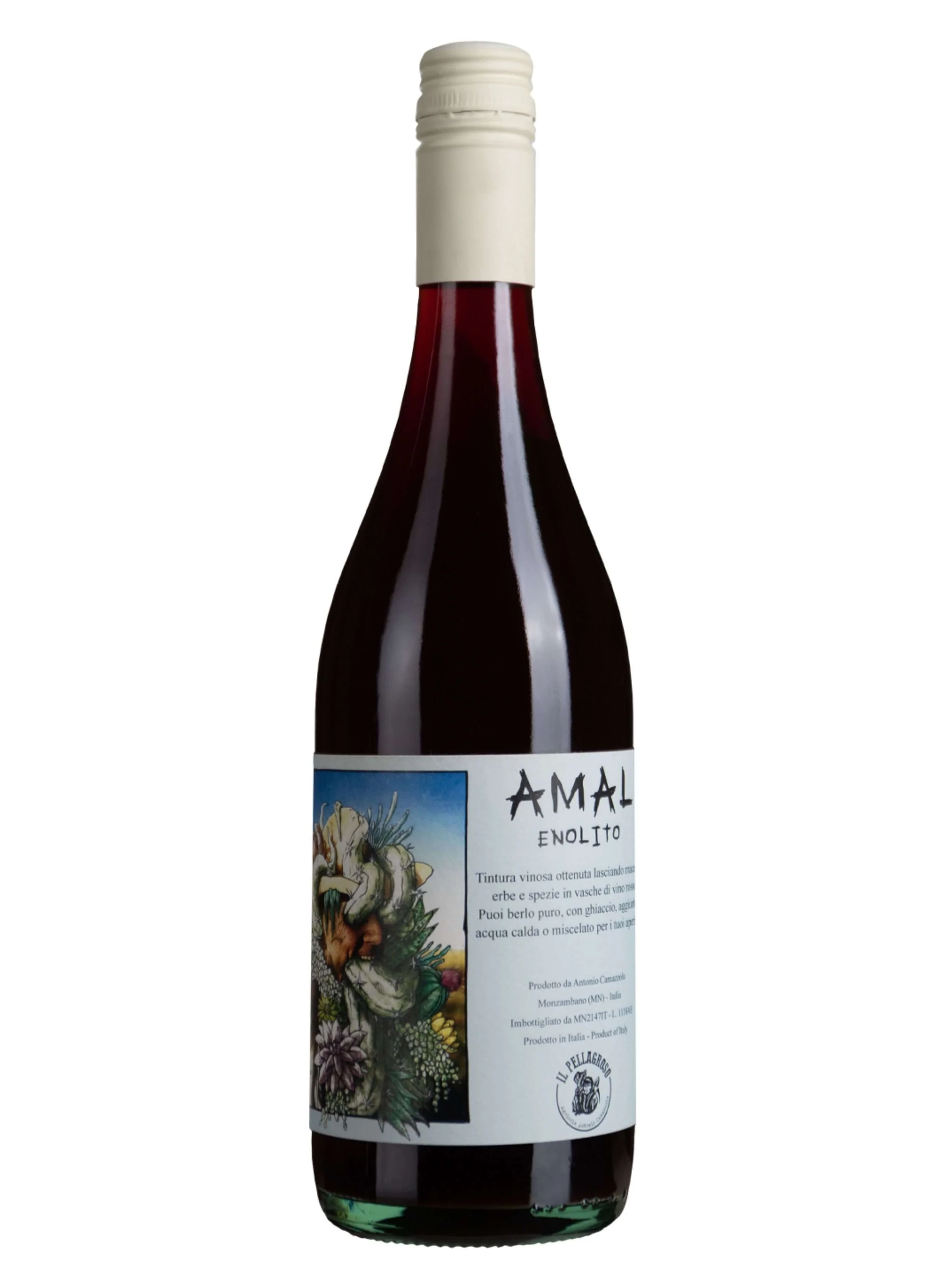
This uniquely crafted aromatized red wine that tastes like chocolate covred plums is a delicious expression of today's appetite for sophisticated, botanical-forward beverages. With a complex profile akin to a classic Barolo Chinato, it strikes the perfect balance for those who appreciate the less-sweet, bitter notes of an amaro. This versatile drink is fantastic served chilled over ice as a refreshing aperitivo, or warmed for a comforting nightcap as a mulled wine. For the best experience, be sure to refrigerate it after opening.
Region: Italy > Lombardy > Mantova
Tastes Like: Plums with dark chocolate and a rhubarb and amaro-digestivo like aftertaste
Farming & Winemaking Highlights: Regenerative Agriculture | Sustainable Winery | Biodynamic | Native Yeast Fermentation | No additives | No sulfites added | Unfiltered | Organic | Natural Wine
Fun Facts: This is a super-natural wine that has been steeped with aromatic herbs and spices for a unique flavor, sometimes called “Chinato” in Italian. In fact, the famous “Barolo Chinato” is made in a similar way.

This unoaked white wine made from the silvaner grape has just the right balance of peachy fruit, refreshing acidity and bright minerality which create a delicious sensation on the palate that keeps you wanting to sip. The nose is invigorated by a fresh burst of citrus peel, beautifully interwoven with subtle hints of grassiness.
From a winery called “Best in the Czech Republic” for multiple years in a row, this wine is farmed organically in a local national park.
Tastes Like: Citrus Zest
Farming & Winemaking Highlights: Regenerative Agriculture | Sustainable Winery | Organic
Fun Facts: The grape is spelled two ways, sylvaner and silvaner. The hedgehog on the label represents an animal found naturally in the national park where these grapes are farmed.

Fermented and aged in oak barrels, this version of Gruner Veltliner comes from the single Slunny Vrch vineyard in a national park. The taste of this Grüner Veltliner is more opulent, than the unoaked version, showcasing rich notes of dried apples and that classic "Veltliner" spiciness that truly sets it apart. Before the first sip, the aroma, reflective of the grapes' ripeness, reveals a structured and layered bouquet where yellow ripe fruit and a hint of cinnamon dominate.
From a winery called “Best in the Czech Republic” for multiple years in a row, this wine is farmed organically in a local national park.
Tastes Like: Yin and Yang between Pineapple and Salt
Farming & Winemaking Highlights: Regenerative Agriculture | Sustainable Winery | Organic | Native Yeast Fermentation | Natural Wine
Fun Facts: Farmed in a national park, and the grape is called “Veltlinske Zelene” in the local language.

The flavors that take center stage in this unoaked Gewurztraminer will remind you of a tropical fruit drink: think pineapples, ripe peach, nectarine, honey, and dried raisins.
The expressive yet balanced aroma hints at this sweetness with notes of candied lychee and rose hips, with the warmth of cloves and cinnamon. Made from the gewurztraminer grape, in the Czech Republic it can sometimes be called “red traminer”, and is characterized by its more pronounced residual sugar and vibrant character.
From a winery called “Best in the Czech Republic” for multiple years in a row, this wine is farmed organically in a local national park.
Tastes Like: Honey coated peaches
Farming & Winemaking Highlights: Regenerative Agriculture | Sustainable Winery | Organic
Fun Facts: On this label is a praying mantis, an insect that is found in the national park, where these grapes are grown.
Northern Italian Red and Sparkling Wines

A fun and fruit-forward red wine, Ascoltati offers an immediate burst of juicy strawberry and floral notes, reminiscent of fresh strawberry juice and a hint of lavender. With a medium acidity and very low tannins, this "glou glou" style wine is deliciously drinkable but still finishes clean with a distinct mineral character. Crafted by Foligodia, this low-alcohol blend of Merlot, Rondinella, and other grapes is a perfect wine for any occasion and is particularly refreshing when served chilled.
Region: Italy > Lombardy > Mantova
Tastes Like: Strawberry Juice
Farming & Winemaking Highlights:Regenerative Agriculture | Sustainable Winery | Biodynamic | Native Yeast Fermentation | No additives | No Sulfites added | Unfiltered | Organic | Natural Wine
Fun Facts: The name ascoltati means “listen” in Italian.
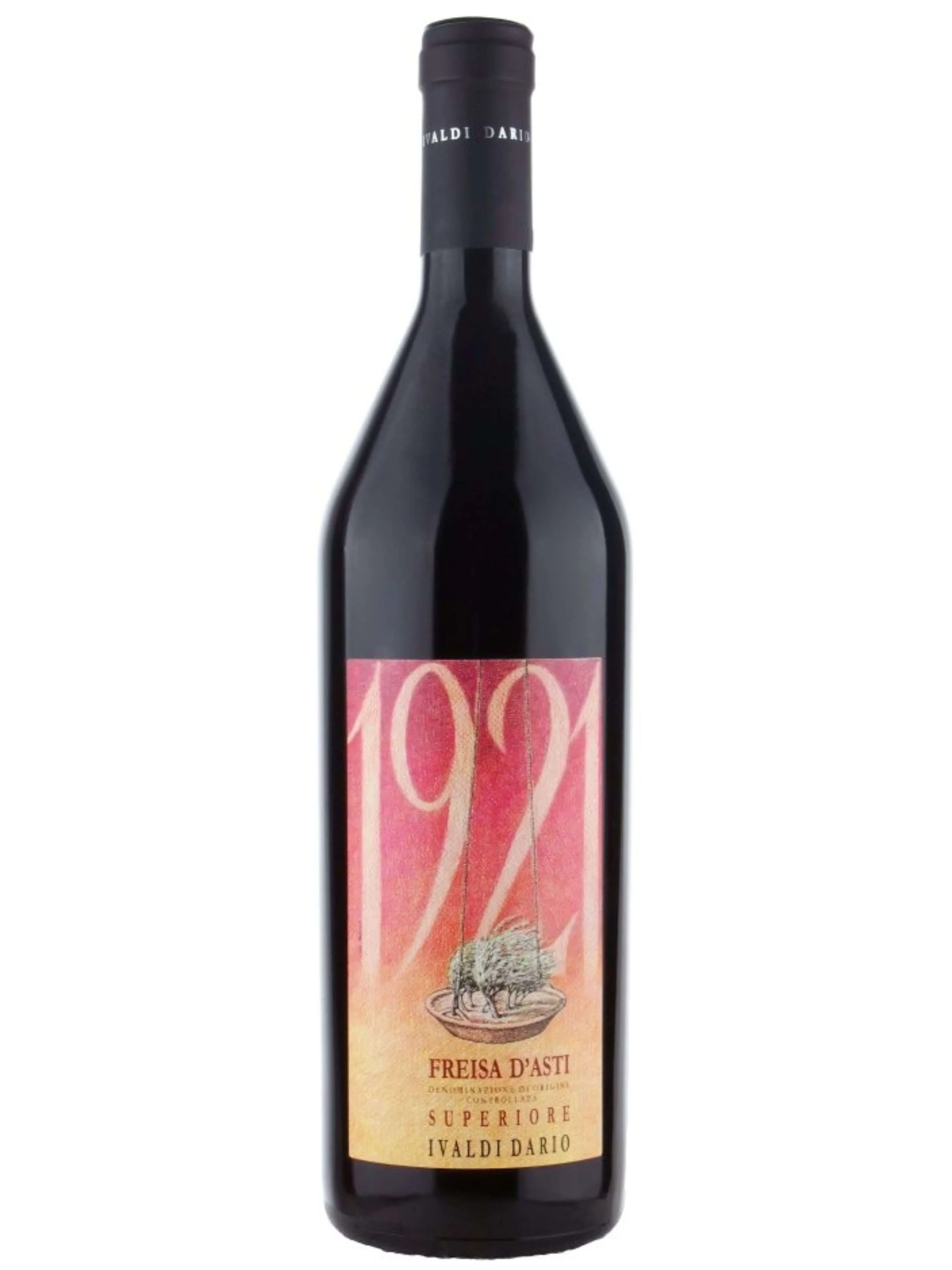
From the land of Piedmont and bold, tannic, powerful nebbiolo wines, this red wine is crafted to give us something a little different. Still intense, the flavors here are more delicate red fruts like strawberries and raspberries. We have a wonderful palate with a refreshing fruit-forward acidity and a long finish. A touch of wood aging in used barrels helps to round out the tannins and add a hint of baking spices like cinnamons and cloves.
Tastes Like: Rasperry and Cherry Cola
Farming & Winemaking Highlights: Regenerative Agriculture | Sustainable Winery | Biodynamic | Native Yeast Fermentation | Natural Wine
Fun Facts: - The name of this wine, 1921, refers to the date that the first generation of Ivaldi winemakers started farming Freisa on their land in the Monferrato of Piedmont, Northern Italy.
- The grape is named, “freisa” which is derived from the local Piemontese dialect word for strawberries.
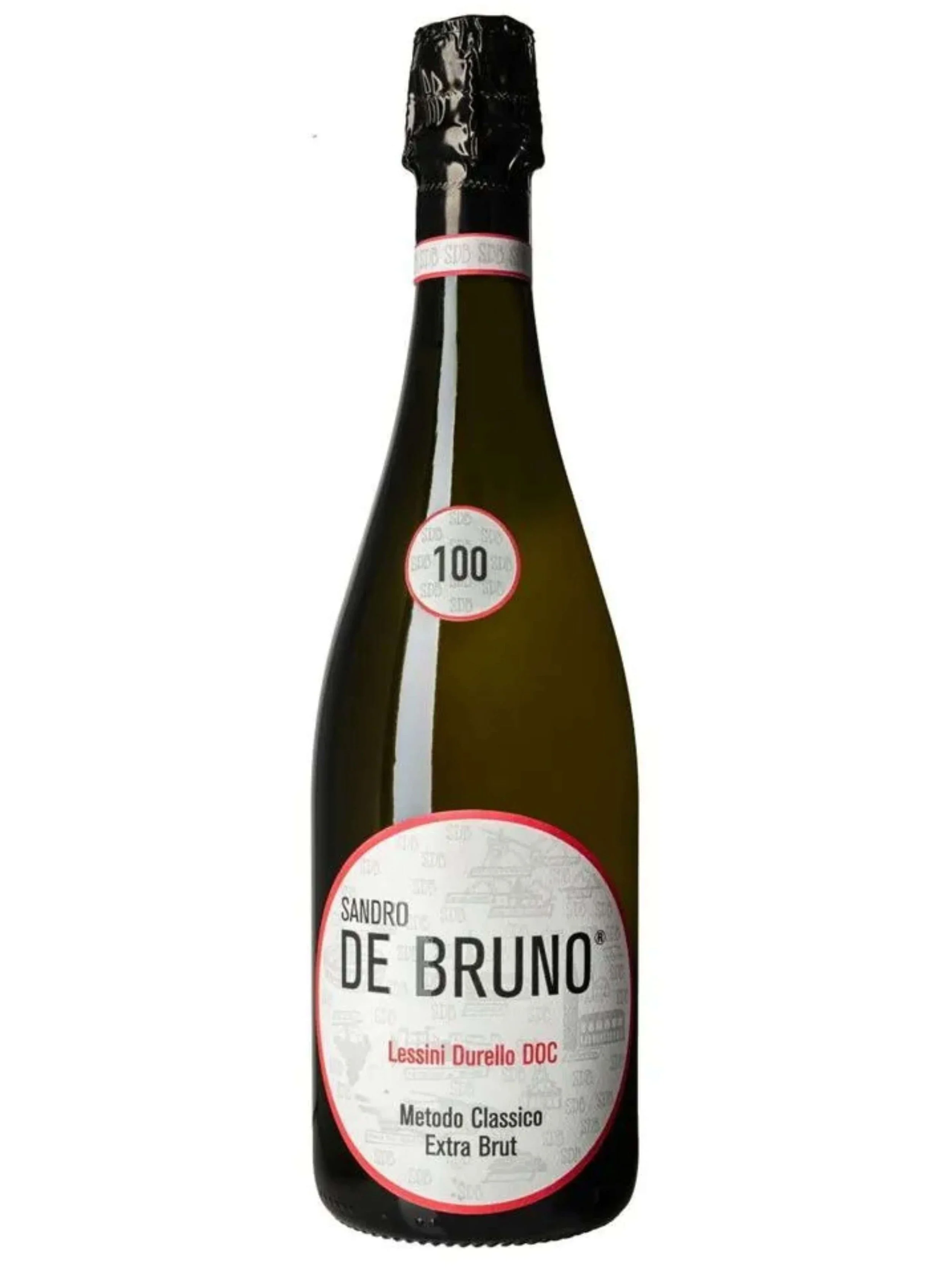
This rare and evolved Extra Brut Metodo Classico (Italian for the traditional method or Champagne method) is a special sparkling wine, offering a complex and rich flavor profile that tastes of caramel, crème brûlée, and warm croissant, followed by savory yeast and a hint of burnt caramel.
This wine is crafted mainly from the indigenous Durella grape on volcanic soil, which contributes exceptional saline and flinty mineral notes. An amazing 100 months of aging (8 years) on the lees gives it an incredibly fine, persistent perlage and a pleasantly dry, fresh finish.
It is markedly the most intense of its 36 month aged and 60 month aged counterparts, creating an amazing tip-top expression of the durello grape. You can try all three of these wines for yourself in the Durello Flight Set!
Tastes Like: Creme Brulee
Farming & Winemaking Highlights: Sustainable Winery | Volcanic Soil | Bottle Fermented | Champagne Style
Fun Facts: Born from volcanic soils at a dramatic 600 meters above sea level near the picturesque city of Verona.
Tuscan and Southern Italian Wines

Uni is a stately, rich, complex yet easy drinking apricot & umami essence of a wine that is super small production.
Coming from the wild part of Tuscany, Maremma, the La Maliosa farm carefully crafts their 00 wines (nothing added, nothing removed: only fruit) prioritizing local traditional grapes , like procanico, the hyper local grape used to make this orange wine. Macerated for three weeks on the skins, Uni then ages for seven months in stainless steel tanks.
This natural wine comes from 100% volcanic, old vine procanico, the ancient grape native to Maremma Tuscany, a relative of trebbiano. The rare Tuscan volcanic soils of Pitigliano, where the old vineyard is, give depth and minerality to this wine that naturally expresses fantastic floral, herbal and spice flavors, like lavander and sage and turmeric.
Tastes Like: Apricot nectar with umami mixed in
Farming & Winemaking Highlights: Regenerative Agriculture | Sustainable Winery | Biodynamic | Native Yeast Fermentation | Vegan | No additives | No sulfites added | Unfiltered | Organic | Metodo Corino | Natural Wine| Single vineyard | Old Vine | Volcanic
Fun Facts: If you were to ask La Maliosa's founder and visionaire, Antonella Manuli, which is her favorite wine, Uni wins hands down. Why? You have to taste it and then you'll get it.

This red wine from the heel of Italy’s boot, Puglia, is complexity in every sense of the word. Every sip and sniff brings out a new flavor and aroma, from fresh fruits like plums and dark cherries, to more aged aromas like prunes or cherry jam, chocolate, and licorice, and even spices like bergamot and cloves. Even a hint of candied fruit peel can be found on the finish. Overall, the palate is a soft, enveloping, elegant, and fresh in this stainless steel aged wine. The grape, susumaniello, is a local grape that is ancient to the area.
Tastes Like: Blueberry Cassis
Farming & Winemaking Highlights: Regenerative Agriculture | Sustainable Winery
Fun Facts: The grape susumaniello almost went extinct, and is usually used as a blending grape so a monovarietal like this is rare. The wine’s name “mentore” refers to the Italian word for “mentor”, giving honor to wisdom and teachings passed on from previous generations.

From the heel of Italy’s boot, Puglia, this sweet passito wine is incredible in its depth and complexity of flavor. Made from air dried grapes, this concentrates the flavor, making plums, figs, and their jam jump out of the glass. On the nose we can even smell aromas like coffee and cacao that help really give a deep impression of this wine.
Tastes Like: Velvety, thick plum jam
Farming & Winemaking Highlights: Regenerative Agriculture | Sustainable Winery
Fun Facts: The name “Fa#” refers to the musical note, fa sharp how it is used often in crescendos, and this sweet wine is just that: a crescendo of flavor.
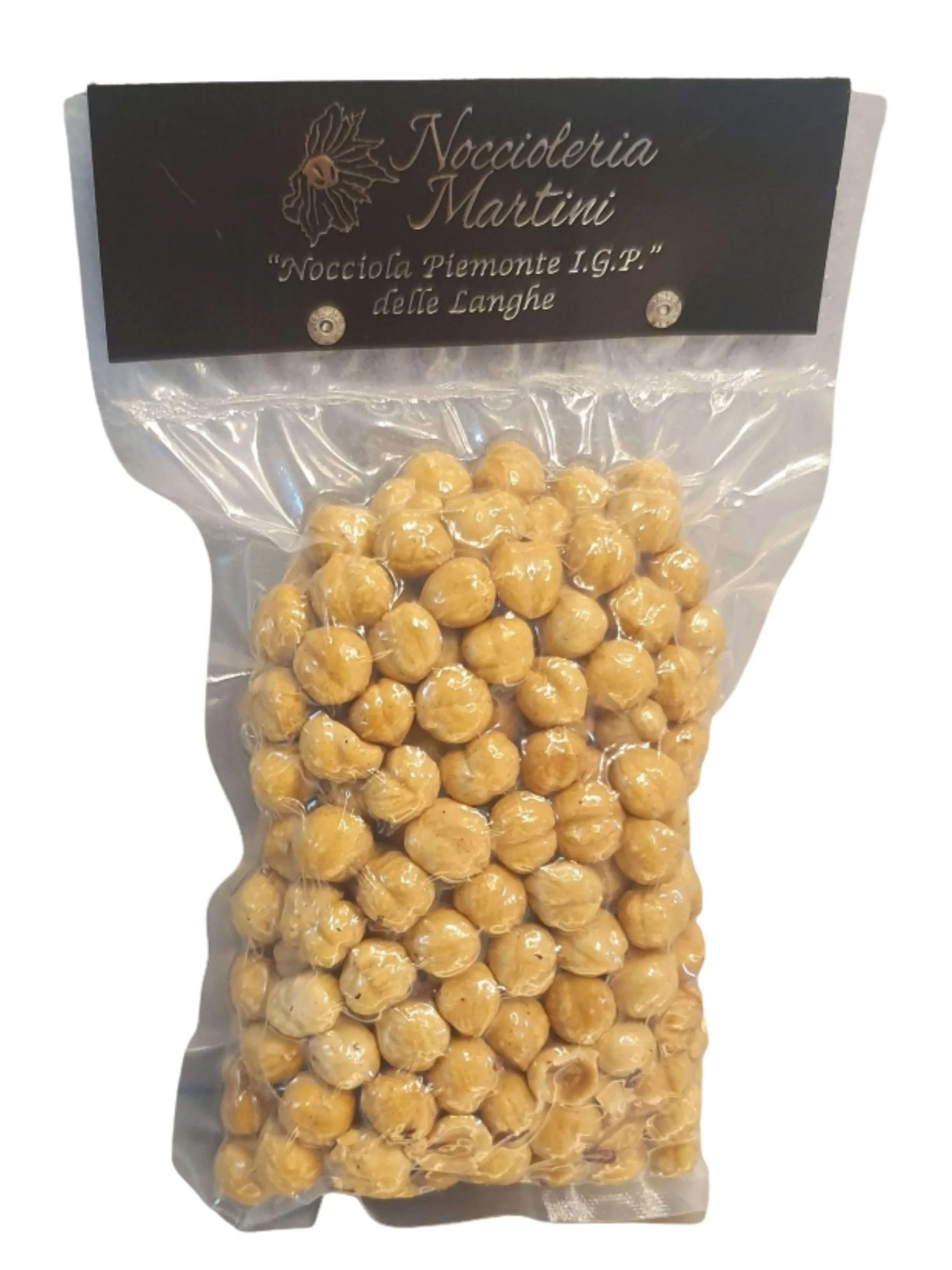
Simplicity at its best: nuts and nothing else! Woman artisan farmer Silvia Martini cares for her trees to ensure that her hazelnuts are healthy, delicious, and wonderful enjoyed simply with little flair. These hazelnuts, hand selected by Silvia from her harvest are toasted and packed under vacuum to maintain their freshness.
How We Enjoy This Food: Enjoy them on their own as a healthy snack, crushed as a garnish for a savory roast, and baked into sweet cookies.
Farming Highlights: Regenerative Agriculture | Sustainable Farming | Biodynamic | Vegan | No Additives | Organic | Gluten Free
Fun Facts: These hazelnuts are certified IGP (or indicazione geografica protetta, a protected geographic indication) from the Langhe. That means they are protected by law as special.

This is a unique, sweetened hazelnut cream which woman farmer and creator calls “Pralinato di Nocciole” which translates to Hazelnut Praline Cream. It has a full-on flavor of the best hazelnuts on the earth, which are “Nocciola Piemonte I.G.P.” delle Langhe, the strictest appellation in the world to determine hazelnut quality. Well balanced, with the nutty aromas, rich taste and just the right amount of sweetness, with a touch of caramel flavor. It is really to die for! This is thanks to the careful, organic farming and production method of woman artisan farmer Silvia Martini. In fact, she actually blends Silvia Martini’s Candied Hazelnuts to make this incredible nutty and sweet spread.
How We Enjoy This Food: Spread it on toast in the morning for a wonderful treat to start your day. Or, bakers out there, us it as a filling in pastries and baked books, use as a sweet peanut butter replacement
Farming Highlights: Regenerative Agriculture | Sustainable Farming | Biodynamic | Vegan | No Additives | Organic | Gluten Free
Fun Facts: One of Barolo winemaker Aldo Clerico’s favorite hazelnut spreads.
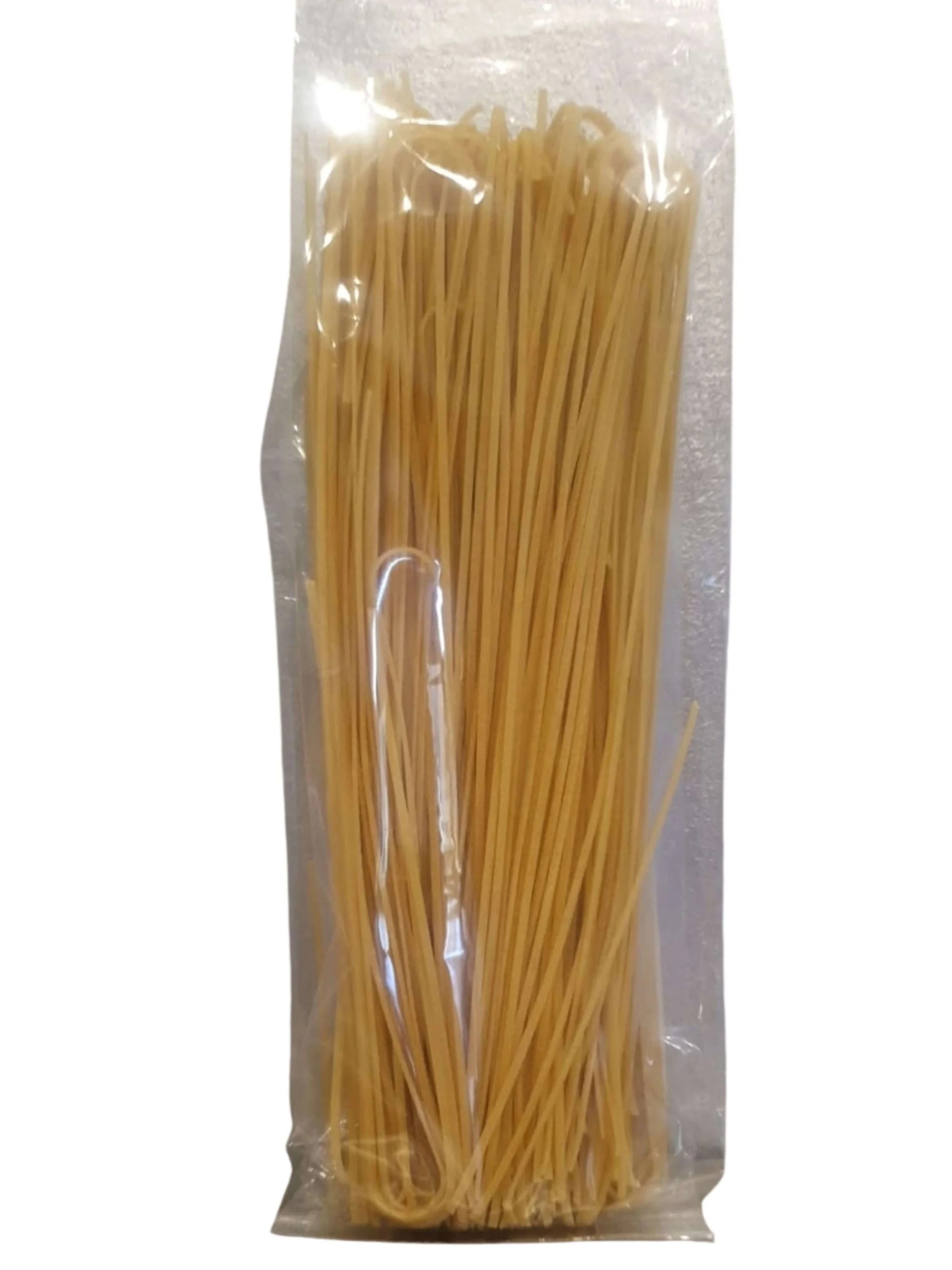
Create a unique dish for your next Italian Night dinner at home with this pasta! Made from a mixture of wheat flour and hazelnut flour from woman artisan farmer Silvia Martini, this pasta has a unique flavor and texture. Cook it slightly al dente to truly feel Italian, and drizzle on a little Italian extra virgin olive oil for a simple and delicious meal.
How We Enjoy This Food: Serve this pasta with simple sauces to let the hazelnut flavor shine through. Bonus points for dressing it with a hazelnut pesto.
Farming Highlights: Regenerative Agriculture | Sustainable Farming | Biodynamic | Vegan | No Additives | Organic
Fun Facts: This product is entirely “made in Italy”, as even the wheat used to make the additional flour is grown and processed in Italy.