
The Headwinds of a Wine Merchant

When Vero founder, Sheila Donohue, was contemplating changing careers and becoming a wine and food importer back in 2017, she followed advice for all business startups:
know all of your costs upfront,
know your market,
create a business plan using prices that are both competitive but also allow you to achieve profit.
In line with this, she extensively researched all of the end-to-end logistics costs involved in wine importing, including freight, transport, duties, fees, as well as existing products in the US market, their prices, etc.
Back then, tariffs, meaning a broader political policy which dictates further taxes to pay on imported goods, were not considered. It never came up in conversation nor in her research, hence they were not part of the formula to determine how to run a financially healthy import wine merchant business.
Then, the US President started his tariff tirade this year: in mid March, on our founder’s birthday to be exact, he came out with a threat of 200% tariffs on wine & spirits coming in from Europe…. not the birthday present she was expecting!
Since then, tariffs have dominated the headlines, leading to US importers having to run their business by reading the news headlines. Crazy, huh?!
Articles have cited that US tariffs have never been on this scale since the Great Depression: meaning that for most of us this is the first time we, American consumers and businesses, have ever experienced anything like this.
How has the tariff conundrum been impacting Vero so far this year? That’s what we are here to tell.
We Curate Products That Cannot Be Replicated Anywhere Else
First, some background, for those who are not familiar with us. By the way, you can learn more about us in our blog, such as in this article which describes our founder’s journey which led to becoming a wine merchant and starting Vero.
In short, Vero, which means “real” in Italian, came about because our founder, after living and working in Europe for many years where she became a sommelier, realized that most of the wines, and olive oils, she knew, which were made by small artisan farmers, were not yet present in the US market. Vero is a bridge to discover unique, artisan made wines and foods from around the world, products which are impossible to replicate anywhere else due to their inherent characteristics which are defined by the place where they come from. So, by introducing tariffs, you are effectively depriving Americans from products which cannot be made in the USA, or, you can try to copy them, but they won’t be the same.
Vero is small, like the producers which we support. As a small, boot-strapped, business, we have been riding a rollercoaster ever since we were founded in 2018. The initial start was the most “normal,” then the pandemic hit… then supply chain constraints came about which hit us hard from all angles. Then inflation. Then a slowdown in the US wine industry, which, by the way is continuing into this year with wine sales down 10%. Now tariffs on top?!
What’s Going On Behind The Scenes
At the beginning of this year, we were planning our next container of artisanal wine & food to import in. We were getting our heads around what many have called the “perfect storm” in the wine industry that led to a slowdown, which we started to notice in 2023.

One of our producer’s orders held up due to the tariff fiasco.
For a small importer, like us, for most of the products we import in, we do not know to whom and when we will ultimately sell the them. We literally have to make a guess when we make each order for each product from each producer, factoring in lots of things like past interest in a specific product, market performance and trends, client feedback, competition, etc. Then, since we choose sustainable means to import our products, relying on ships traveling across oceans and seas, the door to door journey from producer to our warehouse in California is a good 3 months long.
Fortunately, the track record and support of our producers have developed fans among wine lovers and foodies across the US. Despite this, people still “speak” with their pocketbook, hence big stores, big brands, private labels, you name it, are competing with the wallets of our customers.
Nevertheless, having garnered lots of accolades for our mission of being a farmers market for wine & food across America, like our latest award of achieving Artisan Wine Champions of the USA, our formula of having a passion led business which continues to seek out hidden gems, proves that we are providing value-add to the US market.
However, the timing for our 2025 container was abysmal. Right as we finalized all the orders for the many small producers that have to be timed “just right” so they can all be aggregated together on this container, came the US President’s mid-March 2025 announcement of 200% tariffs on wine from Europe which stopped us in our tracks. Guess who has to pay for the tariffs?… You’re looking right at’em: us, the importer.
What each tariff announcement involves is that it forces us to go back to the drawing board each time there is a change in tariffs. And in moments like we are in now in which we don’t even know what the tariffs will be come August, it is excruciatingly difficult, and stressful at that. We have to re-start with the our analysis of each order from scratch product by product. We then need to make a decision as to if we can sell the wine or olive oil at this increased price, and evaluate the overall impact to our customers, the producers’ orders, our company portfolio of products and our business health. Remember: these are all educated guesses we make for each order about what American wine & food lovers will ultimately buy from us. This takes not only time, but also energy, a lot of which is mental. Plus, having to go back to the negotiating table with each producer to talk, sometimes argue, etc., means time away from other things we need to do to keep our business running.

This news hit on July 12th just as our founder was “about” to finalize the latest container to import.
As you can imagine, being squeezed like we are between a rock and a hard place, is causing us, as importers, to also be more mindful of our mental health. These are trying times, and, speaking for our founder, she has had to seek out professional help to address the unimaginable stress that she has experienced over the past several months, and is still undergoing. And some others in the industry with whom she has spoken have also been struggling. These tariffs are really come down hard on small businesses in America, and the lives of those that run them.
Finally, our founder made it back to Italy this summer to be on the same timezone and to finalize this, now infamous, 2025 container. All this month, she has been sitting down, rolling up her sleeves and re-analyzing each order, getting on the phone with each producer, looking at market trends, our own customer behaviors, wants & needs, etc. Sure enough, last Saturday, July 12th, just as Sheila got her “head” around the container, the US President came out with this latest 30% tariff announcement on imports from the EU, up from the current 10%. This is like putting a bomb into our business model, let alone the detail product by product analysis & pricing, etc.
Mind you: us, importers, are in the crux of this tariff fiasco: we are in between our suppliers who many put lots of pressure on us, some who are out right angry with us!… like we have control over the US political agenda.
Support Small Importers Like Us
Fortunately, we have the support, and sympathy, of many of our producers, and our customers, as well. This re-affirms what we set out to do at the beginning, 7+ years ago: forming a community of people committed to authentic, nature made, craft wines & foods that are really special, starting with the farmer, and ending with the consumer and business who appreciates this amazing supply chain which we created.
This support has been priceless this year, and here is a shout-out to all of you that are helping us to keep our mission going.
What is ahead of us? Let’s just say that we need to watch the news carefully as we run our business, especially planning to finish this container and get it on the water this summer.
We are counting on your patience and continued support as we navigate these difficult and uncertain times for wine merchants, and all importers.
What more can you do to show your support?
- voice your opposition to tariffs, especially for wine and food, write to congress representatives, etc.
- give your business to small importers, like ourselves. Our futures are on the line, seriously.
Despite these challenging times, we know that pockets of America are craving sustainably made, wild and scarce wines and food from around the world. With your support and patronage, we will continue to forage for and bring you incredible, hard-to-find, authentic products whose sense of place shines through.
We sell to businesses and consumers around the US, from distributors, to licensed retail, wine stores and on premise, restaurants in certain states.
For those wine explorers and corporates who do not have our products at their local store, we sell online and ship across the US:
We have a free Somm at your Service whereby a sommelier / wine expert is just a Zoom or phone call away.
Check out our hand curated wine gift baskets which is a great way to get to know our selection of hidden gems of wine and EVOO which make for great gift ideas.
Put your wine exploration on auto pilot with our award winning wine club with monthly or quarterly wine subscription box options.
We love helping you to organize wine tasting events, and olive oil too. We help you pick the theme and we take it from there. Virtual events work well also, especially with your clients and colleagues are spread around the country. We do the heavy lifting and ship the wine individually to each person.
And you can always contact us with any inquiry.
We look forward to continuing this road to discovery together for years to come. Keep on top of Vero news by signing up for the Vero newsletter.
Some hidden gems of wine & olive oil that we’ve unearthed for you
Sparkling wine

With a persistent perlage, a bright gold color lights up the glass as complex exotic fruits and citrus aromas burst forth. Tasting, it is a dry wine with a delicate balance of acidity and sapidity keep you sipping and enjoying until the last drop.
The volcanic soil of the Sandro de Bruno vineyards lend well to this ancient, yet up and coming grape known as Durella. With a thick skin rich in polyphenols, they expertly craft this grape in a sparkling wine using a classic Champagne method. A zero dosage, for 36 months the wine rests on the lees before dégorgement and it then rests again.
It is markedly less intense than its 60 month aged and 100 month aged counterparts, creating a great entry point to the durello grape. You can try all three of these wines for yourself in the Durello Flight Set!
Tastes Like: Limes and Green Apples
Farming & Winemaking Highlights: Sustainable Winery | Volcanic Soil | Bottle Fermented | Champagne Style
Fun Facts: - “Linear and polished” is how Kerin O’Keefe in this Wine Enthusiast review describes this 95 point wine.
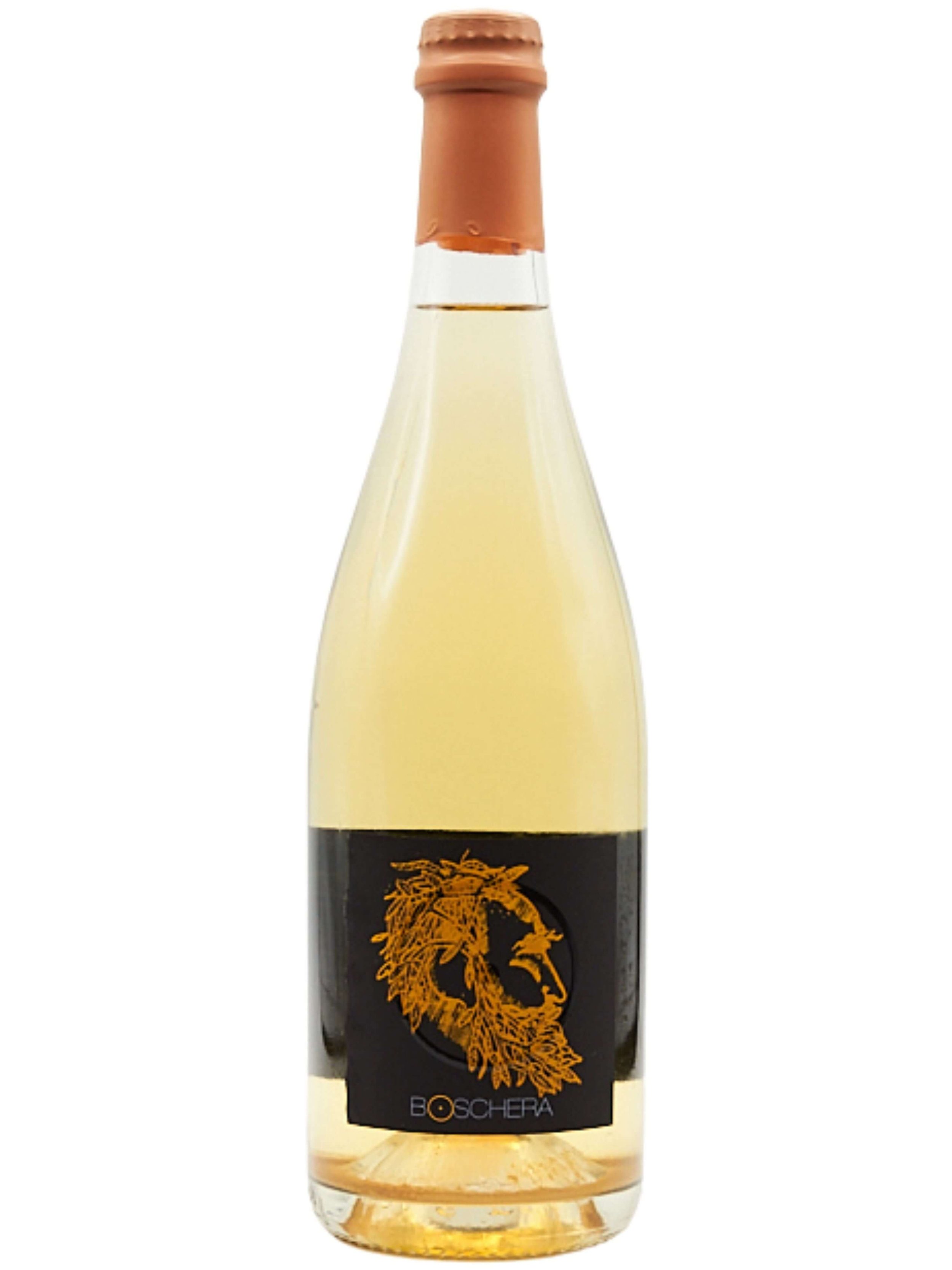
This is an unfiltered sparkling wine made similar to the champagne style from a rare grape called Boschera, native to Veneto, Italy where there is less than 20 acres in the world! We were the first to import this grape into the US!
Compared to the Prosecco grape (Glera), Boschera is more complex, and in fact this wine has been aged for over 3 years in the bottle on the lees.
With 2 days of skin contact giving it a deep yellow color, this native yeast fermented natural wine is then refermented with its native lees and then undisgorged, so it is unfiltered and continues to age on the lees too, allowing it to become more complex over time.
You can say it is a vintage & aged ancestral method, or Pet Nat style, also called Col Fondo in Italian since it is on its lees. It has herbal, nutty and yeasty aromas and savory taste with a long saline finish. Pairs with many foods & throughout the meal, from appetizers to main course.
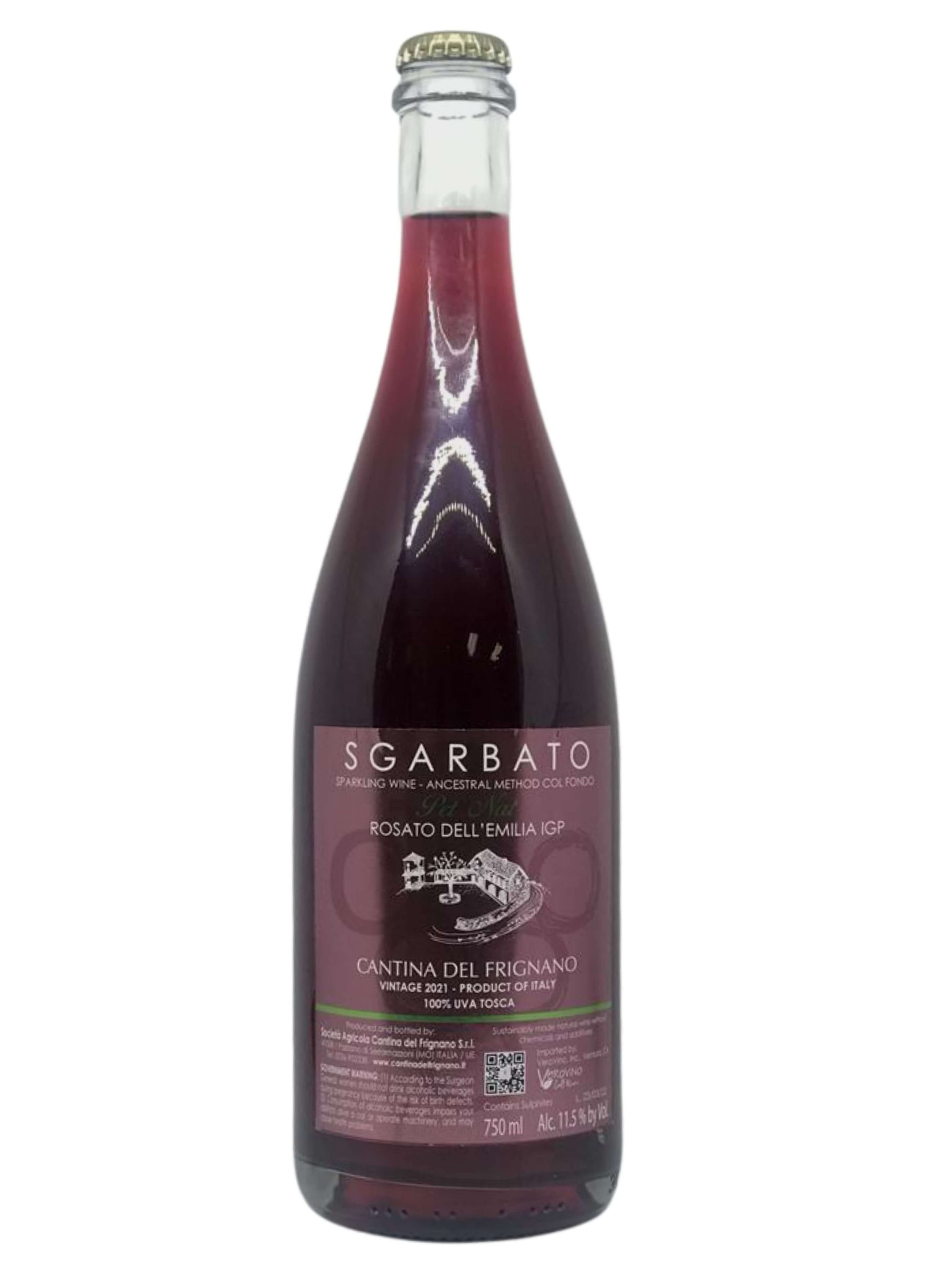
Made from the rare Uva Tosca grape, this dry Pet Nat tastes like drinking cranberry juice as a sparkling wine.
This producer, Frignano, is credited for reviving this forgotten grape which grows in higher altitudes in Emilia area of Northern Italy, and is believed to be a descendant of Schiava Grossa, the Alto Adige red grape.
Refreshing and quaffable, with strawberries on the nose and a saline finish, it is great on its own or with light fare. It is an unfiltered, bottle fermented 'col fondo' sparkling wine also known as ancestral method or Pet Nat style, and made with spontaneous fermentation like a natural wine.
White Wine

A rare find, this Famoso is made with fruit from the original vineyard of the Montalti farm in Monte Sasso where the Famoso di Cesena varietal was re-discovered in 2000 when two rows of old vines were found by a local farmer.
It is semi-aromatic with has aromas of lemon and a hint of flint, it has laser-like acidity, with tangy citrus fruit flavors and herbs, great texture and a lemon mineral finish. Limited production of 5000 bottles / yr
What other sommeliers are saying about this wine:
Ruth Ryberg:
“Wow is this cool! A grape I haven’t had before called Famoso! If it was a blind tasting I would’ve called out Chablis for the searing acidity and the chalky finish. Yum! The nose is all fresh picked apricot and lemon spray, with subtle hints of honeysuckle and marzipan. A zippy zesty mineral on the finish comes right back round to apricot and lemon! Lip smacking and fresh. Just perfect.
I’ve mentioned Braschi before. It’s a small, family owned winery in Emilia Romagna, and has been under the same ownership since 1949. Everything they make is outstanding! Located along the ancient Roman road - Via Romea Germanica - just north of Tuscany, Cantina Braschi is nestled in the hills of Romagna. The wines are first class from this family owned, small producer.”
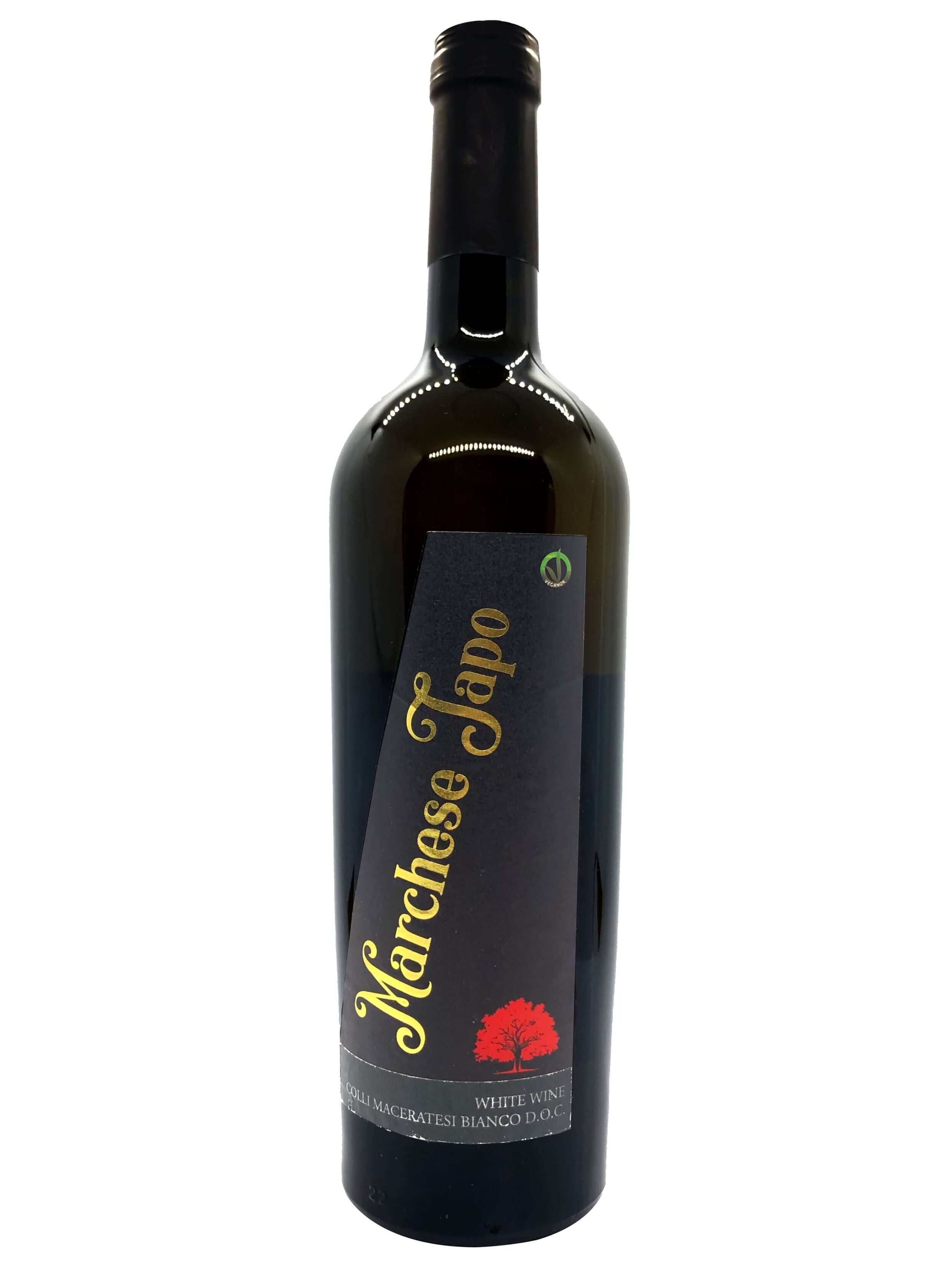
This natural wine is delicious fruit-forward organic vegan white wine, a blend of hard-to-find native varieties from the province of Macerata in Le Marche, Italy, a hilly area just to the east of Tuscany not far from the Adriatic Sea, has it all, great nose, taste, texture and structure. While it is unoaked, it was on the lees for 6 months with weekly battonage, contributing to its complexity of aromas, ranging from melon to saffron, and intensity of flavors. Made with indigenous varieties from Le Marche, Maceratino (also called Ribona) and Incrocio Bruni 54, it is a testament to Le Marche white wines.
Quercia Scarlatta follows a minimal intervention approach to vegan winemaking, using native yeast fermentation in their wines like this Marchese Japo.

Made from 100% Turbiana (considered similar to Verdicchio), this unoaked white wine from the sought after Lugana wine region has a bright yellow color, a natural balance of acidity and fruit with a textured mouthfeel and a long finish. It has inviting aromas of honeysuckle, tropical fruits, caramel and a hint of basil. Think of it as an alternative to an unoaked Chardonnay, since turbiana is also a noble white grape. Plus Zamichele’s terrroir with the influence from nearby Lake Garda and mineral rich glacial alluvial soil provides the conditions for creating a complex and balanced white wine.
Orange Wine, Extra Virgin Olive Oil and Red Wine

Cloudy mandarin orange color late harvest Sauvignon Blanc natural wine from one the best places in the world for Sauvignon Blanc leads to a saline and yeasty nose with a bit of lemongrass notes. It has laser-like, linear acidity and is super tasty, with great fruit and salinity. It is a 'meaty' orange wine with nice mouthfeel and slight tannins. This Sauvignon Blanc is from the Sudsteiermark region of Austria in South Styria.
This skin-contact orange wine is crafted with native yeast fermentation by certified organic and biodynamic Austrian winery Michi Lorenz.
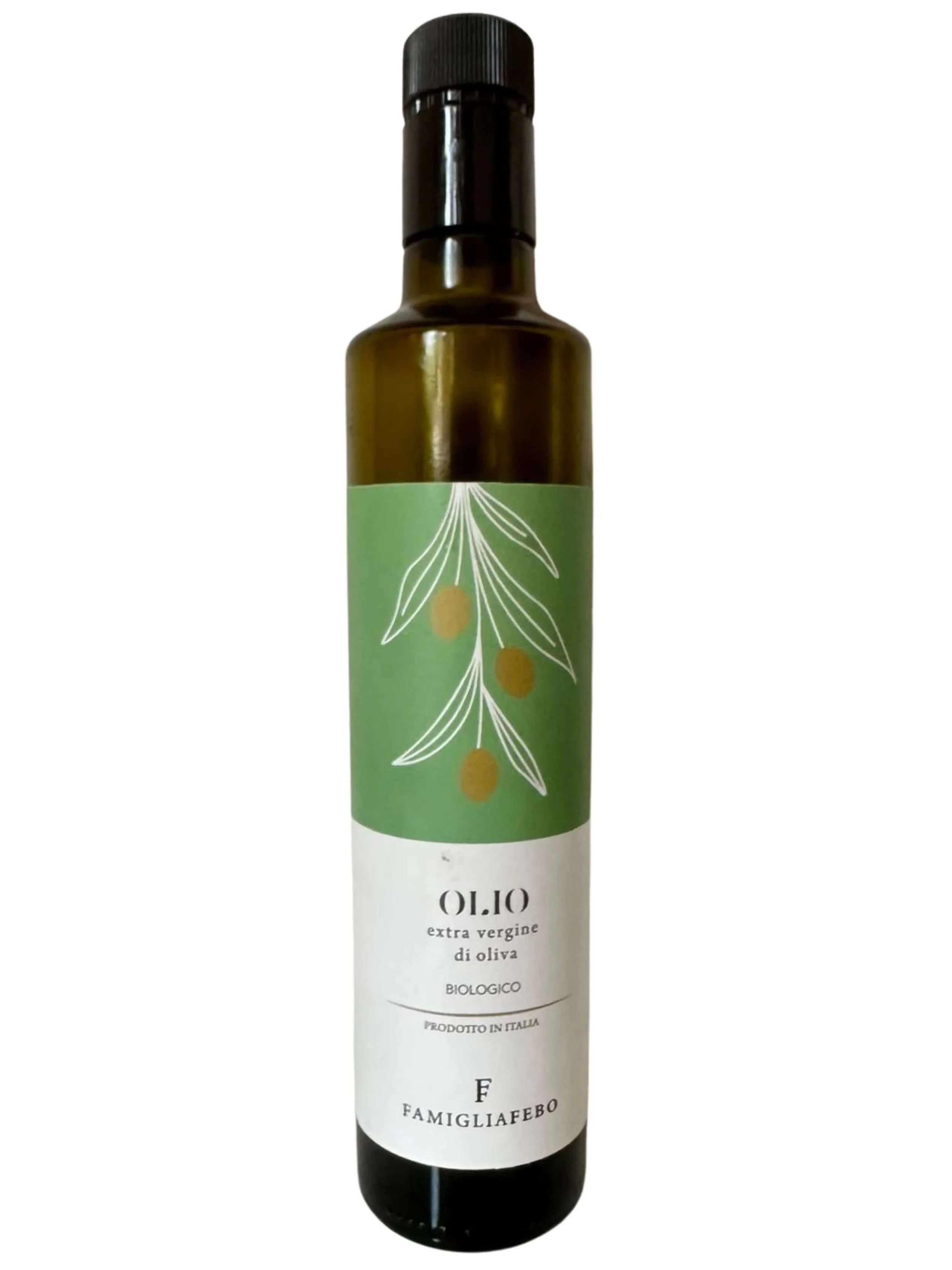
From the hills of Abruzzo near the Adriatic Coast of Italy, comes this Organic EVOO, or Extra Virgin Olive Oil, farmed and made by the Febo family. Farmed sustainably and organic, this natural extra virgin olive oil is also vegan and, like all evoos, a first run - cold press olive oil, the best kind of olive oil for you.
The 2024 harvest is still made from a blend of olives like leccino and 500 year old trees, but now it is mostly the dritta cultivar.
Farming & Winemaking Highlights: Regenerative Agriculture | Sustainable Farming | Biodynamic | Vegan | No additives | Unfiltered | Organic
Fun Facts: The dritta cultivar is a rare one being saved by Davide Febo who is trying to save and rehabilitate it.
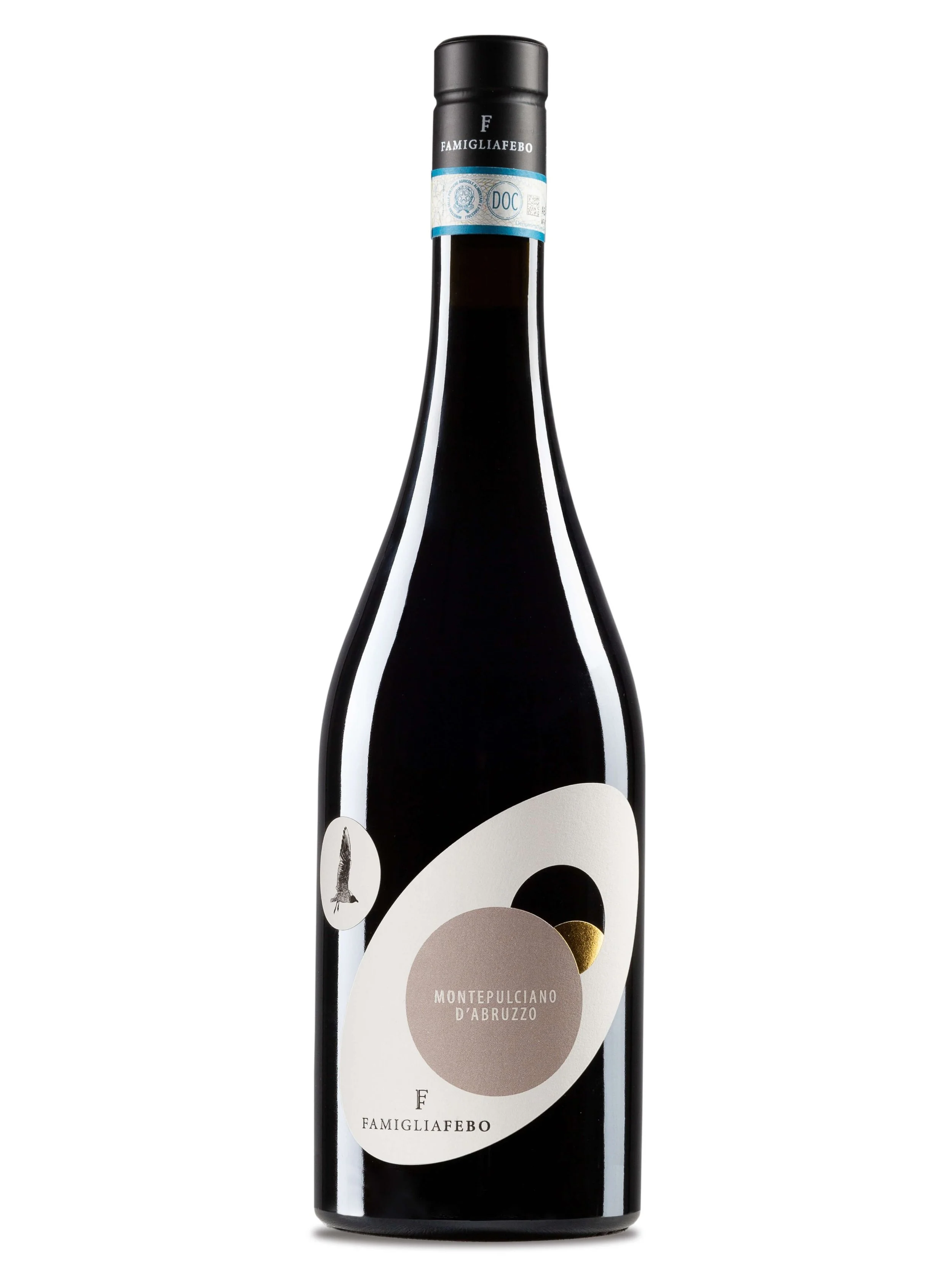
Made with 100% Montepulciano grapes spanning family vineyards in Spoltore and Chieti in Abruzzo, it has aromas of amarena cherries and licorice and a slight funkiness thanks to its 100% natural production. It tastes of dark fruit, with a rich texture and slightly bitter finish, with the funky vibe continuing while tasting. Fermented and refined in the winegrower's grandparents' concrete vessels.
Region: Italy > Abruzzo > Spoltore & Chieti
Tastes Like: Dark fruits
Farming & Winemaking Highlights: Regenerative Agriculture | Sustainable Winery | Biodynamic | Native Yeast Fermentation | Vegan | Organic | Natural Wine
Fun Facts: Pairs nicely with chicken parmesan. | While there is a famous wine “Vino Nobile di Montepulciano” from Tuscany, this grape has no connection to it; the “montepulciano name” there comes from the town noame, where as here in Abruzzo “montepulciano” actually refers to the grape used to make the wine.
Red Wine

This mother-daughter winery keep hitting home runs with their ‘experimental’ one acre vineyard of dolcetto on a mountaintop in upper Ojai, California, which started with an idea they brought back with them from Piedmont Italy over 10 years ago. Their super small production Dolcetto experiment is a success, backed up with back-to-back gold medals on their 2019, 2020 and 2021 vintages, and then winning Double Gold and Best of Class in the International Womens Winemakers competition.
The 2020 vintage produced only 23 cases and was aged for over a year in neutral oak. It is fresh and juicy with rich wild berry cassis-like taste. It's an approachable yet complex with a mineral-saline finish. And now, coming off of their wins in 2019 and 2020, Ojai Pacific View has now released the latest edition of their California Dolcetto, the 2021 vintage.
Overall, the wine is a dark purple color, the nose is complex with a mix of plum, herbs, flint and vanilla spice. The fruit and terroir of this old world new world dolcetto red wine that really stands out, thanks to the high altitude and marine fossil soil of this wine estate in upper Ojai.
Here is what other sommeliers are saying about this wine:
Sommelier Marc R. Kauffman:
“Fine wine from Southern California! Italian varietals have been attempted in California with some successes and some not so good examples over the years. The 2019 California Dolcetto from Pacific View Vineyard and Winery is a stunning success! Darkly brooding in the glass, aromas of cedar, spice and vanilla offer a promise of seriously complex wine. Dark cherry and blackberry flavors mingle and dance in your mouth. The tannins are smoothly integrated, and the finish is so smooth I did not want it to end! Harmonious is the one word I would use to describe this wine. This is the third vintage from a very small plot of Dolcetto grapes growing high above the Pacific Ocean in a secluded spot north of Los Angeles. Available only in limited quantities direct to consumer or to a few select restaurants it is well worth the effort to search it out.”

From the Thaya estate winery in the Czech Republic, this single vineyard 100% Saint Laurent, which is called Svatovavřinecké in the Czech language and is a descendant of pinot noir, is from the U Chlupa vineyard with dusty loess and clay soils and which is in a national park. It has an inky deep purple color, a pretty nose, of violets, milk chocolate and spice. It is fresh with chaulky tannins, dark fruit taste, a harmonious and balanced wine. The wine was made naturally and fermented with native yeasts. It aged for 18 months in oak barrels of assorted sizes and types of toasting. It’s what’s called a “beefier Pinot Noir.”

This limited production wine from the birthplace of the Schioppettino varietal is made only in the best years with carefully selected fruit from which Hilde Petrussa makes her own Pied de Cuve native wild yeast. Aged in tonneau for 36 months then 6 months in the bottle. It has a complex nose ranging from black pepper to dark berry compote, allspice and some wild animal fur. Due to its well balanced acidity, tannins and smooth taste, it is a great midway for both Pinot and Cab lovers.
This wine was awarded
a Silver Medal by Decanter
Top Italian Wine in the Go Wine Cantine d'Italia 2024 Guide
90 points by 5starwines
4 crowns by 'Vini Buoni Italiani'
Vigna Petrussa is a certified sustainable and biodiverse women-owned winery.

This wine is a rare treat, being one of the very few Sangiovese red wines grown on volcanic soil. This natural wine is a complex yet approachable. Tarconte is a distinctive old world style natural red wine with a touch of new world, having been aged for 36 months in oak barrels. Notes of earth, mineral, herbs, black pepper, it is super juicy with ripe tannins, a real food wine. A good pairing is with rosemary Asiago cheese. Don't be in a rush to enjoy it: open it and see how it evolves!
Tastes Like: A Baking Spice Cabinet
Farming & Winemaking Highlights: Regenerative Agriculture | Sustainable Winery | Biodynamic | Native Yeast Fermentation | Vegan | No additives (ie non sulphites added) | Unfiltered | Organic | Metodo Corino | Natural Wine
Fun Facts: - The natural farming method that produced this wine, the metodo corino, is actually patented by La Maliosa woman winemaker Antonella Manuli after she helped to develop it with natural wine legend Lorenzo Corino of Case Corini.
- Named after an Etruscan mythological hero.
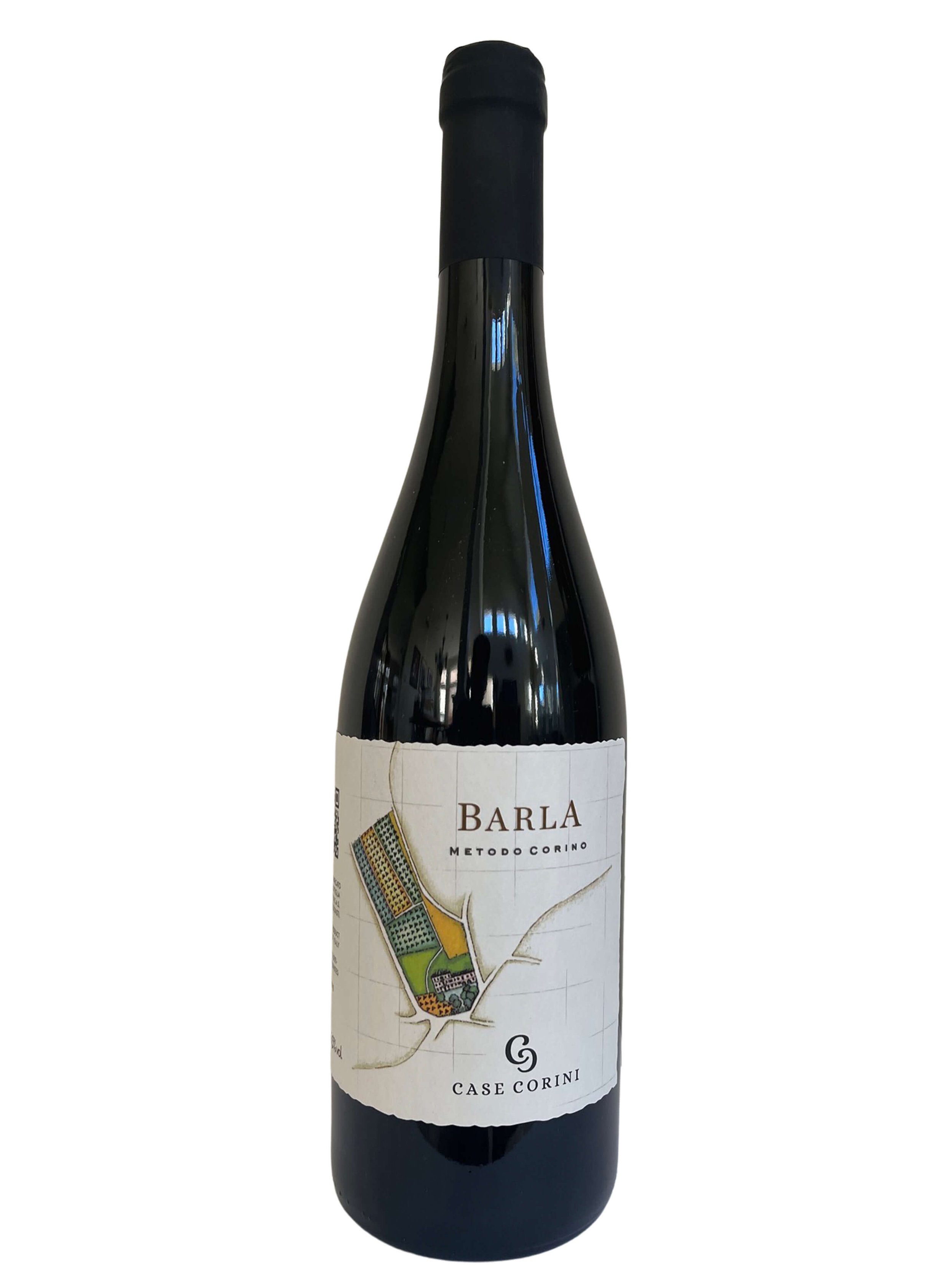
You never had a Barbera like this! Made from 95 year old Barbera vineyard, with some small percentage of other varieties planted over the years in the vineyard. This all natural wine has intense aromas of brandied cherries and a richly textured, delicious dark fruit taste with right balance of fruit, acidity and tannins. Barla is the antique name of the vineyard which used to be the land of an old convent. After a gentle crushing, fermentation starts with native yeast fermentation and wines are left with skin contact for 6-7 weeks, followed by about 36 months of aging in wooden barrels, housed under Lorenzo Corino's family home.
As with all of Case Corini wines, this is a 00 wine, nothing added, nothing removed, no yeast, no sulphites added, organic, biodynamic, vegan. In other words, all natural wine.

Made from the sought-after Ginestra Barolo Cru, this single vineyard wine epitomizes the greatness of the nebbiolo grape from the Barolo wine region, in terms of structure, age-worthiness and fruit expression. The native yeast fermentation used in making this natural wine also helps bring out the special and sought after terroir of the Ginestra cru.
An intense garnet color, on the nose this Barolo tends towards red fruits, with a touch of balsamic notes. As it opens on the palate the elegant tannins harmonize with the acidity for an overall richness that creates a pleasant and enjoyable experience while sipping alone or with food.
Tastes Like: Balsamic Tabacco leaves
Farming & Winemaking Highlights: Biodynamic | Native Yeast Fermentation | Single Vineyard
Fun Facts: The Ginestra cru is very limited and only a few wineries have access to harvest from there. Aldo can thanks to his wife’s, Valentina’s, Conterno family vineyards.
Fun Facts: The hands on the bottle represent Aldo’s two daughters; for this reason he often says this is the wine closest to his heart.
Sweet Wine, Dessert Wine
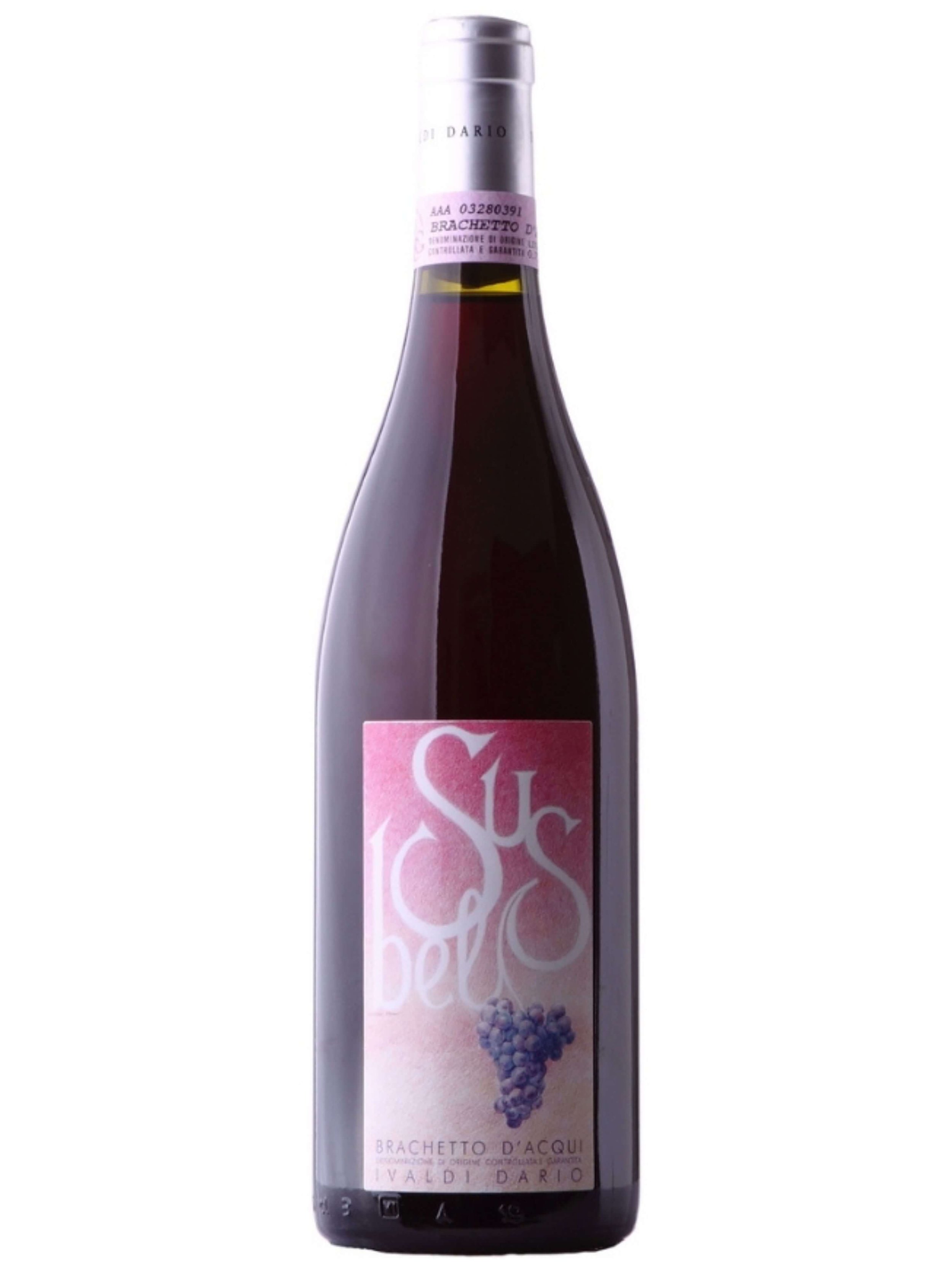
“Can we make Brachetto popular, please?” is how VinePair headlines why this artisanal, aromatic red sweet sparkling wine, just recently imported by us first time to the USA, made it to VinePair’s list of 13 Best Sweet Wines.
An aromatic grape, brachetto, creates a pleasantly slightly sparkling sweet red wine, with delicate rose flower and strawberry notes and strawberry and hibiscus taste. ‘Susbel’, in the local Piemontese dialect of Ivaldi in the Monferrato, refers to the location of the vineyard of this Brachetto d’Acqui, where the sun is bright and well exposed.
Left four days in contact with the skins and fermented with native yeast, this natural wine has a bright and clear light red color, dotted with fine effervescent bubbles. Sipping, the immediate impact is indeed sweet, yet with enough acidity and a hint of tannins to create a harmonious and balanced wine that keeps you coming back for more.
Wonderful to serve slightly chilled to sip with friends in the backyard on a hot summer day, or to serve with fruity desserts. Try pairing it with white or milk chocolate or a savory cheese, like with Humboldt Fog goat cheese - it goes incredibly well. It can also pair with charcuterie. Made with native yeast fermentation and has a residual sugar of 120 g/l.
A certified sustainable winery, Ivaldi Dario practices regenerative farming.
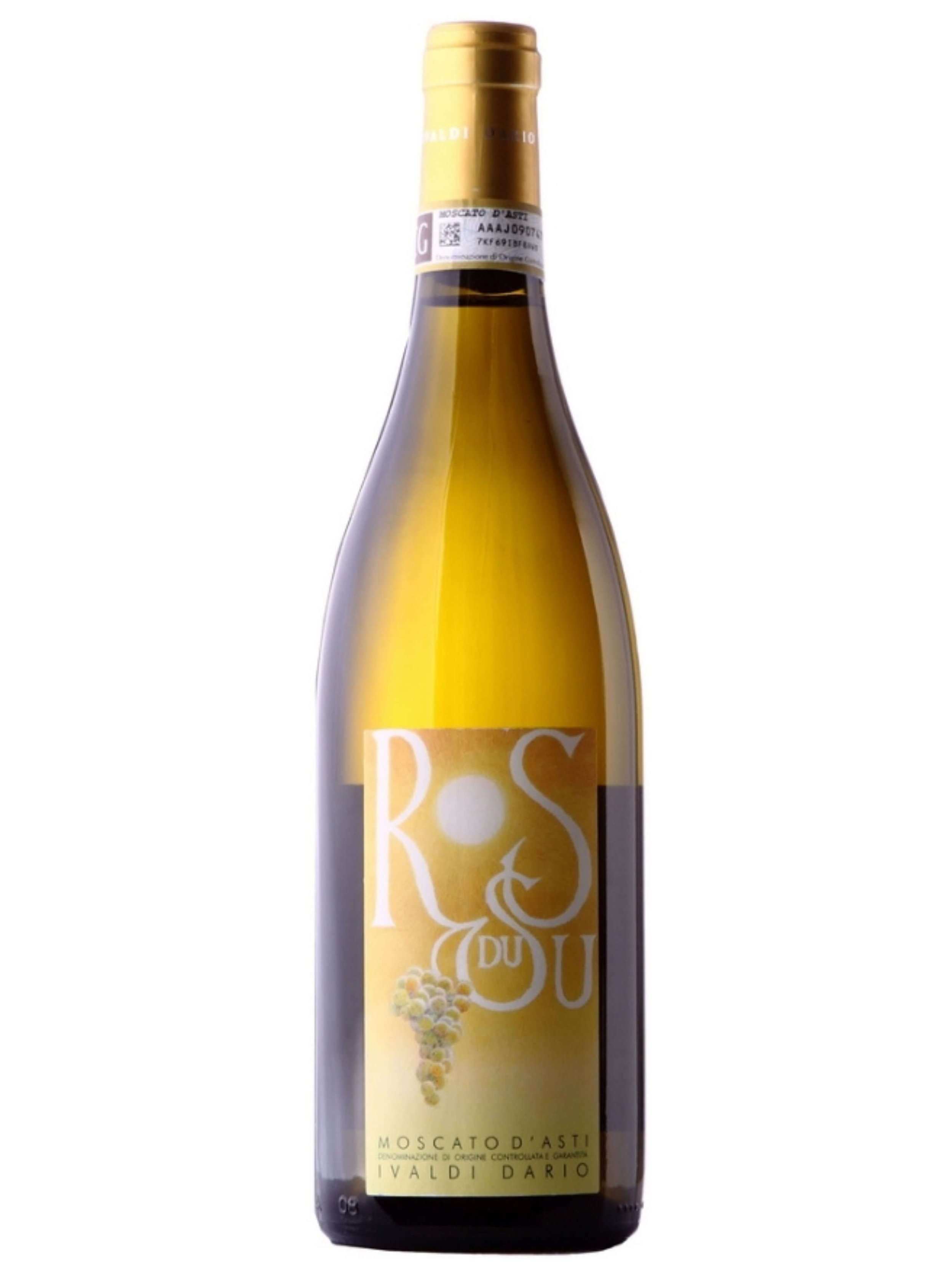
Who doesn’t like chamomile and honey? That’s what this wine reminds you of! It’s a Moscato d’Asti that appeals both to sweet wine lovers and dry wine drinkers wanting a moment with a touch of sweetness.
The name of this wine, Ros du Su, means ‘Rays of Sunlight’ in Piemontese dialect where this Moscato d’Asti comes from. Looking at its bright, golden-yellow color, it is easy to understand the inspiration for this name.
In the glass, the aromatic qualities of moscato are the first noticeable aromas, but underneath subtle and persistent notes of honey and acacia and chamomile flowers come forth creating a complex bouquet. Tasting, the sweetness of the residual sugars are well balanced with freshness and sapidity. A pleasant wine that keeps you sipping, it pairs well with desserts, but is every bit as enjoyable alone in contemplation.
A certified sustainable winery, Ivaldi practices regenerative farming.

“Run, don’t walk to find and grab this bottle. It is a prime example of the harmony and complexity this style of wine is capable of expressing” is how VinePair describes this wine in their list of 13 of the Best Sweet Wines.
Fruity, spicy and balanced, this multiple award winning women-made dessert wine, Picolit, is the rarest and most treasured varietal in Friuli, the extreme North East of Italy.
It is made from hand-picked and air-dried picolit grapes that went through noble rot, as with the best dessert wines in the world. Fermented and then aged for 18 months in french oak barrique. Only 1200 bottles were made, and we have the last few available so be quick to grab this meditation wine to sip and savor.
Vigna Petrussa is a certified sustainable and biodiverse women-owned winery.