Feel Your Way With Wine & Food

A good example of a wine with mouthfeel is Febo’s Montepulciano d’Abruzzo, where a carefully farm crafted, small batch Montepulciano red wine distinguishes itself from the commonplace mass produced commercial versions.
Often when thinking about wine, talking about wine, we get caught up in the aromas, the flavors, the balance, the food pairings. It is easy to overlook another important factor that actually intertwines and weaves together all of the previously mentioned characteristics. That factor, would be the enigmatic “mouthfeel”.
What is mouthfeel? Is it actually quantifiable in some way, or is it just this touchy-feely (pun intended) ghost in the wine tasting arena?
Well, both, actually.
By focusing on things like mouthfeel, texture and other tactile sensations while we are drinking wine, and pairing wine and food, this will allow us to enjoy and appreciate the tasting experience all the more. In the spirit of mindful drinking (and eating), embracing mouthfeel is par for the course.
Let’s explore what it is and how it might affect your wine (and food) tasting experience. Watch out: by the end of this article you may be chewing and sucking on your wine like a somm!
What is “Mouthfeel”
Mouthfeel has a fairly simple, almost self explanatory basic definition: it is the “feelings” in your mouth, or the tactile sensations experienced in the mouth during and after consuming food and drink.
It is technically referred to as a “somatic sensation” which is “the perception of physical sensations that arise from the body's surface or musculoskeletal system, including touch, pain, temperature, vibration, joint sense, and muscle sense.” Children, as their bodily systems and brain develop, are very expressive to the physical sensations that they get while eating food, which is typically a negative reaction.
While, simply, mouthfeel, is just what you feel in your mouth, it is, rather, a complex interplay of various factors. It involves things like texture, aroma, and saliva.
Mouthfeel Triggers

Bubbles or effervescence in sparkling wines are a good example of a tactile texture that presents in the mouthfeel of a wine.
Let’s start with the most obvious and easiest to detect: texture. We have touched on texture in our previous explorations of balance and food and wine pairing.
Examples of what can trigger sensations of texture in food are
oiliness of grease,
piquant burning of chili pepper,
and crunchiness of nuts for example.
While, in wine, sensations of texture can be:
the prickly effervescence of bubbles,
the viscosity of glycerin,
the back-palate piquant from a high alcohol,
and the drying tannins of red wine.
In our article about balance, we mentioned how tactile sensations (or mouthfeel factors) in food and wine can balance each other out in a contrasting way, such as
balancing the juicy succulence of steak with the drying sensation of tannins,
and the astringent puckering acidity of white wine to balance the buttery sweet tendency of a white fish.

Examples of sensations and their triggers, courtesy of ScienceDirect.com.
In fact, we can consider triggers and sensations as 2 separate things, as you see in the following table illustration:
Tactile sensations are what we sense, be it the flavor, texture, or physical response, such as salivation or puckering,
and triggers are the characteristics of a food or beverage that can cause a particular tactile sensation, like chili peppers which cause a biting burn, and lemons which cause puckering.
If we “peel the onion” some more, we see how the interaction of acids, sugars, and other compounds in a wine, or a food, create certain textural mouthfeels as well.
Body in Wine
Take, for example, body, a common mouthfeel descriptor for a wine. As we defined this in our Wine Lingo Glossary, “Body is also evaluated on the palate, but unlike balance, which is based on taste, body is more about the tactile sensations produced by the wine.”
Evaluated as light body or full body, the more tactile sensations that one feels in a wine, like sweetness, acidity, or tannins, as well as how well they work together, moves the needle of a wine closer to being full bodied. Working together, these elements create a wine that can be described as ‘having a lot going on’.
When people talk about mouthfeel they will most often use the term “body” to describe what they are thinking of in regards to the overall picture. However, it is important to remember that mouthfeel can also be the singular elements that build up to the big, encompassing mouthfeel experience.
Body, or the full, enveloping feeling a wine can create in our mouths, can create vastly different drinking experiences. Case in point is glycerin, a fairly important component to the feeling of body in a wine which impacts the viscosity or “thickness” of the wine. There is that common, yet inaccurate, wine “hack” that to tell if you’re drinking a “good” wine, swirl your glass and look at the legs, or arches, that are left on the wine glass as the liquid recedes back to the bottom. The theory is that the more legs, the better a wine.
Well, no. While the overall quality and cleanliness of a glass might affect the formation or velocity of these legs, in most cases these legs actually are a barometer to determine how much body a wine has: the slower the droplets descend, the more viscosity, the more glycerin, the more likelihood of the wine having more body.
Saliva
Saliva affects mouthfeel too: think of it as adding extra liquid to whatever you’re are feeling. Technically saliva is made up of proteins and plays an active role in the tactile sensations of mouthfeel. It is “a key parameter for mouthfeel sensation as it strongly interacts with food components.”
As well, certain foods create more saliva. Imagine biting into a lemon slice: how does your mouth react to just even the thought of it? You see, we associate certain flavors with saliva. Even before we put them in our mouths we are already salivating, producing liquid, just like Pavlov’s famous dog.
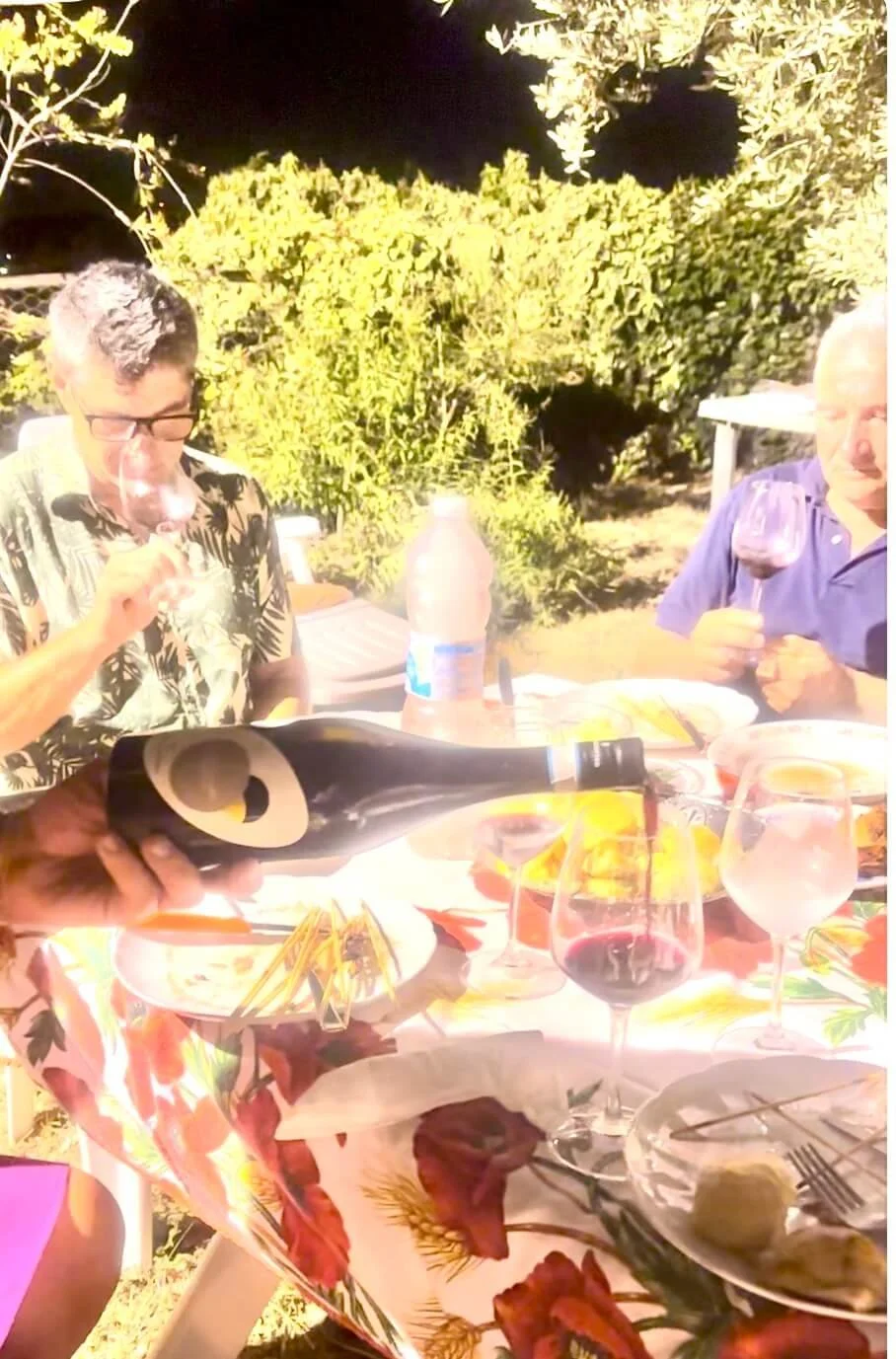
Here with the Febo family in Abruzzo, we sat down to a meal with lamb arrosticini paired with their Montepulciano red wine and their Cerasuolo rose, aka chillable red, both made from the local native montepulciano grape which has lots of natural tannins.
Tannins
Texture and mouthfeel, can make a big difference in how we perceive wine and food. Think of oysters: a lot of people don’t like them because of the squeamish feel when they are in your mouth. Yet, at the opposite extremen, others apparently can get turned on with oysters… that’s why it’s called an aphrodiasic food.
For wine, tannins is a showstopper for many wine drinkers: that rough and/or drying sensation felt in the back of the mouth and lower cheeks while drinking wine is caused by tannins, and is the reason why many avoid red wine. Certain grapes have naturally high tannins, or polyphenols, like the montepulciano grape. In fact, the Febo family in Abruzzo, where the montepulciano grape comes from, macerates their Montepulciano d’Abruzzo red wine for a short amount of time so not not impart harsh, drying tannins. Also affecting amount of tannins in a wine is a result of the terroir, or soil, landscape, etc, where the vineyards are grown. For example, a Barolo Serralunga d’Alba, from the comune of Serralunga d’Alba which has the oldest land in all of the Barolo wine region, is known for higher tannins than other Barolos.
However, wine drinkers many not realize that certain red wines do not produce that drying effect that may cause them to avoid red wine. This can be due to a red wine grape which is naturally low in tannins, like Schioppettino red wine. Also, certain red grapes with lots of naturally high tannins are made with very little skin contact, like a white wine, purposefully to avoid the drying sensation from tannins, and to make the wine more easy to drink. A Cerasuolo d’Abruzzo is a good example of this.
Other factors such as body, acidity, and food pairings will also decrease or increase the perception of the tannins. An example is the traditional wine and food pairing in Abruzzo of arrosticini di agnello, aka thin lamb spiedini or grilled lamb on skewers, with a Montepulciano d’Abruzzo. The lamb is traditionally cooked at a really high temperature over a very hot open fire to allow the fat on the lamb to get seared off quickly from the heat, then creating a juicy and fatty consistency which when tasting with a Montepulciano red wine contrasts with drying effect from the high amout of tannins in the red wine. As a result the tannic effect is offset by the food.
Olive Oil
Referring to mouthfeel with food, extra virgin olive oils have distinct mouthfeels. Olive oil experts actually drink extra virgin olive oil when tasting to evaluate it. An important factor in their evaluation of the EVOO is its texture, along with the aromas and aromas. They say that the better the olive oil, the more you cough when you swallow it. These are the polyphenols coming into play, which are like the tannins in olive oil. Certain EVOOs have a distinct buttery feel, and taste, which most people love. One organic extra virgin olive oil which has a distinct buttery taste and mouthfeel is Quercia Scarlatta’s Il Nostro Oro: “Il nostro oro” means “our gold”. No surprise then that this olive oil is like butter.
Our Philosophy of Mouthfeel
Aside from the science behind mouthfeel, whether you like, or not, a tactile sensation comes down to a personal decision.

Here is Antonella Manuli, founder of natural wine farm, La Maliosa, enjoying her volcanic Sangiovese red wine, Tarconte. It has a distinct mouthfeel thanks to the volcanic soil. A volcanic Sangiovese is a rare find!
There is a psychological side to mouthfeel comes, along with our interpretation of aromas: the line between what is a tactile mouthfeel versus flavor versus an aroma is not black and white. A bit like mind over matter, there is a middle ground when it comes to mouthfeel, where our brains will try to fill in blanks of what it is feeling versus what it is smelling, or even what flavors it is tasting. All of this impacts the conclusion from our logic center over “the mouthfeel”. Meaning, we might exacerbate, minimize, or even imagine certain flavors or textures based on other observances or knowledge we have of a wine or food.
Soils are a great example of this. While certain soils, like volcanic, can have specific expressions that will impact mouthfeel, there is also to consider what we often consider “minerality” in wine, which is almost a saline type sensation. And when we know what type of soil a wine is grown in, perhaps something like a slate or schist, we might have more predisposition to perceive this sensation or flavors. This gives the impression of a tactile sensation in the wine that isn’t really taste, but another dimension and complexity.
These added complexities can also directly impact mouthfeel, such as the descriptor “earthy”. While for some it might bring more aromatic sensations to mind, such as the aroma of forest floor or mushrooms, for others it can actually bring to find certain mouthfeels. In some ways it is tactile, like tasting the soil; while we don’t mean literally as in there is physical soil in the wine, we are rather talking about a chewy sensation that some earthy wines can produce.
Personal Preferences
This additional dimension of mouthfeel in the end boils down to a large part of why wine selection can be such a huge personal preference.
Besides the obvious of people preferring flavors and aromas, we can now consider, and appreciate, this new dimension. Is a round full bodied wine or slim super acidic wine more preferable?
There is also to consider the, admittedly small, subsection of highly sensitive people. Whether from neurodivergence or simply high sensitivity, certain people have a stronger perception of certain textures or mouthfeels, causing more exaggerated reactions, or sensitivities, to textures.
For example, have you ever had Skittles Gummies? They are actually a disconcerting candy: they have the same exact flavor of the traditional Skittle candy, however, the texture of a gummy bear candy. We immediately sense the aromas and flavors of the candy, and expect the gooey-crunch of a skittles candy, yet feel the hard chewiness of a gummy candy. The difference in texture than what’s expected is strange, causing some to pause a moment and think “Hey, this isn’t what I signed up for.” Some people like this and enjoy the unexpected mouthfeel, while for others it is a skin crawling, cognitive dissonance.
At the end of the day, perhaps the best way to view mouthfeel is through the lens of mindful drinking: Interesting, different, and even unexpected mouthfeels give us something new, different to meditate on and think about while enjoying wine. We can focus in on separating out individual flavors, aromas, sensations, and textures with every sip.
What a wonderful way to explore wine: deconstructing our glasses with a dedicated and mindful purpose to truly absorb the experience a wine can give us, in all its glory and sensations.
Feeling the Wine
Some winemakers strive so hard to achieve a certain texture in their wine that they actually add an artificial element to create it. Turns out, knowing that one can add many additives to a wine and not disclose it on a label, it is not surprising that a winemaker will tweak texture to their liking with additives, like this one.
We prefer wines, though, that don’t have additives to manipulate the mouthfeel, texture, nor anything else which interferes with nature.
At Vero, we look for wines that allow the pure impact of nature to shine through, and that are not chemically modified in a lab, but rather crafted in the cellar and vineyard. In fact, we exist to allow all Americans, across the US, from businesses to consumers, to experience the pleasures of such un-manipulated farm to glass wines, and how can you get your hands on these hidden gems we forage for?
If you are a distributor reach out to us introduce our highly curated portfolio of one of a kind small production wines to your state.
We sell to wine stores and restaurants in certain states - contact us to learn more.
If our farm crafted natural wines and olive oils are not in your local shop or restaurant, buy wine online here, and we’ll ship it to you, including wine gifts.
We also have an award winning wine club for true wine explorers that are seeking to continually discover unique, sustainable and authentic small production wines they never had. These are wines selected by our sommeliers and curated for each box.
We do corporate gifts and sommelier guided wine tastings. Email us and we’ll tailor unique and sustainable corporate gift ideas.
Wines with Exceptional Mouthfeel

Made with native yeast fermentation, this Barolo Serralunga is a special natural wine. Rich on the nose with dried violets typical of the nebbiolo grape, the bouquet is austere and profound with balsamic notes. Once sipped, the earthy texture is out of this world, which marries pleasantly with the structure, fruit and spice of this elegant red. Well accented tannins are soft and decanting is strongly recommended.
Tastes Like: Earthy Spices
Farming & Winemaking Highlights: Biodynamic | Native Yeast Fermentation | Single Vineyard
Fun Facts: This is a single vineyard Barolo from the Serralunga d'Alba village, known to produce the most age worthy Barolos.

All natural, old vine nebbiolo and barbera blend with no added sulfites and yeast. Aromas of milk chocolate covered cherries, it has a fresh and rich fruity taste with notable tannins and a has a long piquant finish. Name comes from the former owner of the 70 year old vineyard which has a mix of Nebbiolo and Barbera and is down the hill from the childhood home of Lorenzo Corino. After a gentle crushing, fermentation starts with native yeast fermentation and wines are left with skin contact for 6-7 weeks, followed by about 30 months of aging in wooden barrels. As with all of Case Corini wines, this is a 00 wine, nothing added, nothing removed, no yeast, no sulphites added, organic, biodynamic, vegan. In other words, all natural wine.
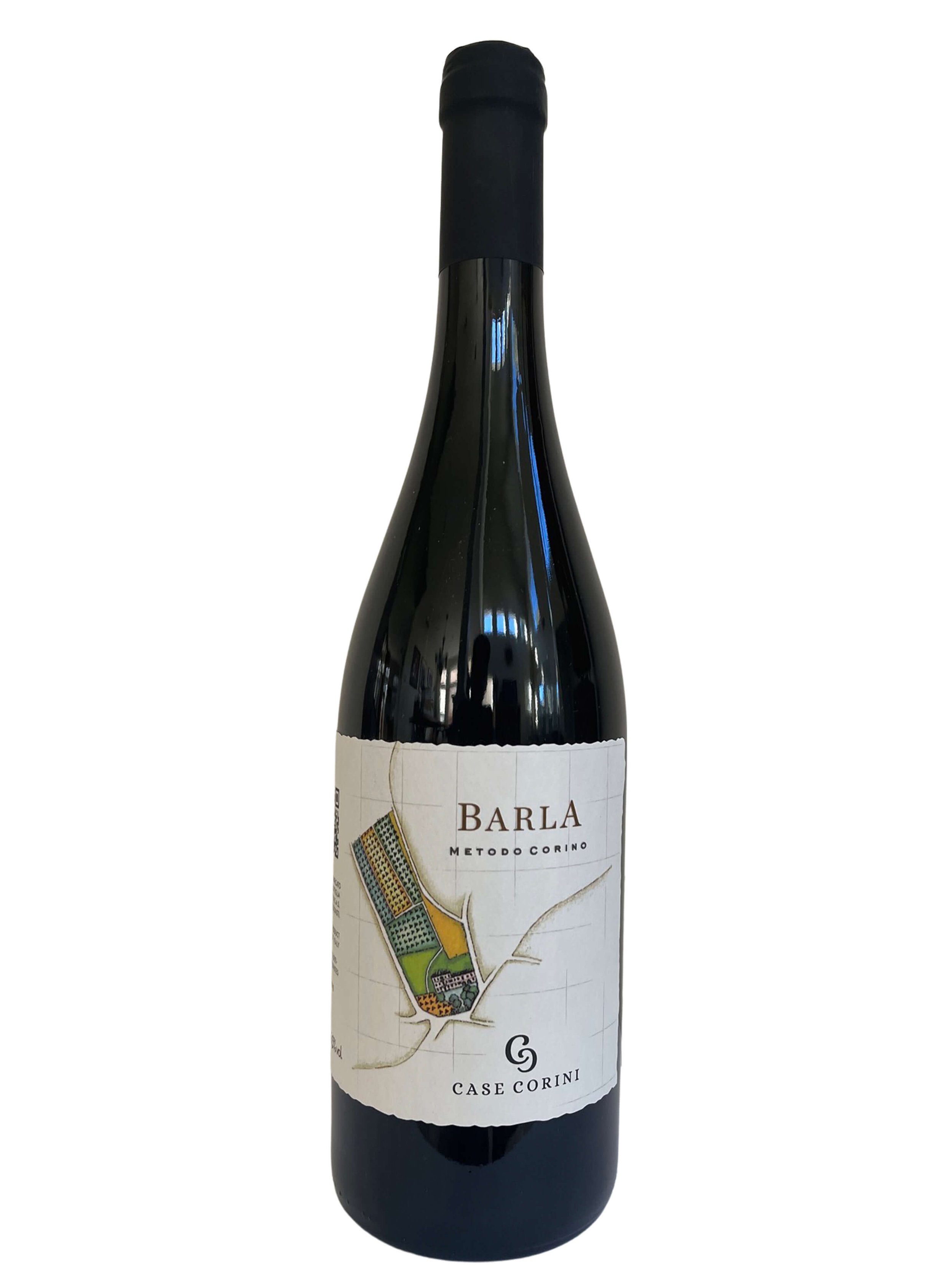
You never had a Barbera like this! Made from 95 year old Barbera vineyard, with some small percentage of other varieties planted over the years in the vineyard. This all natural wine has intense aromas of brandied cherries and a richly textured, delicious dark fruit taste with right balance of fruit, acidity and tannins. Barla is the antique name of the vineyard which used to be the land of an old convent. After a gentle crushing, fermentation starts with native yeast fermentation and wines are left with skin contact for 6-7 weeks, followed by about 36 months of aging in wooden barrels, housed under Lorenzo Corino's family home.
As with all of Case Corini wines, this is a 00 wine, nothing added, nothing removed, no yeast, no sulphites added, organic, biodynamic, vegan. In other words, all natural wine.
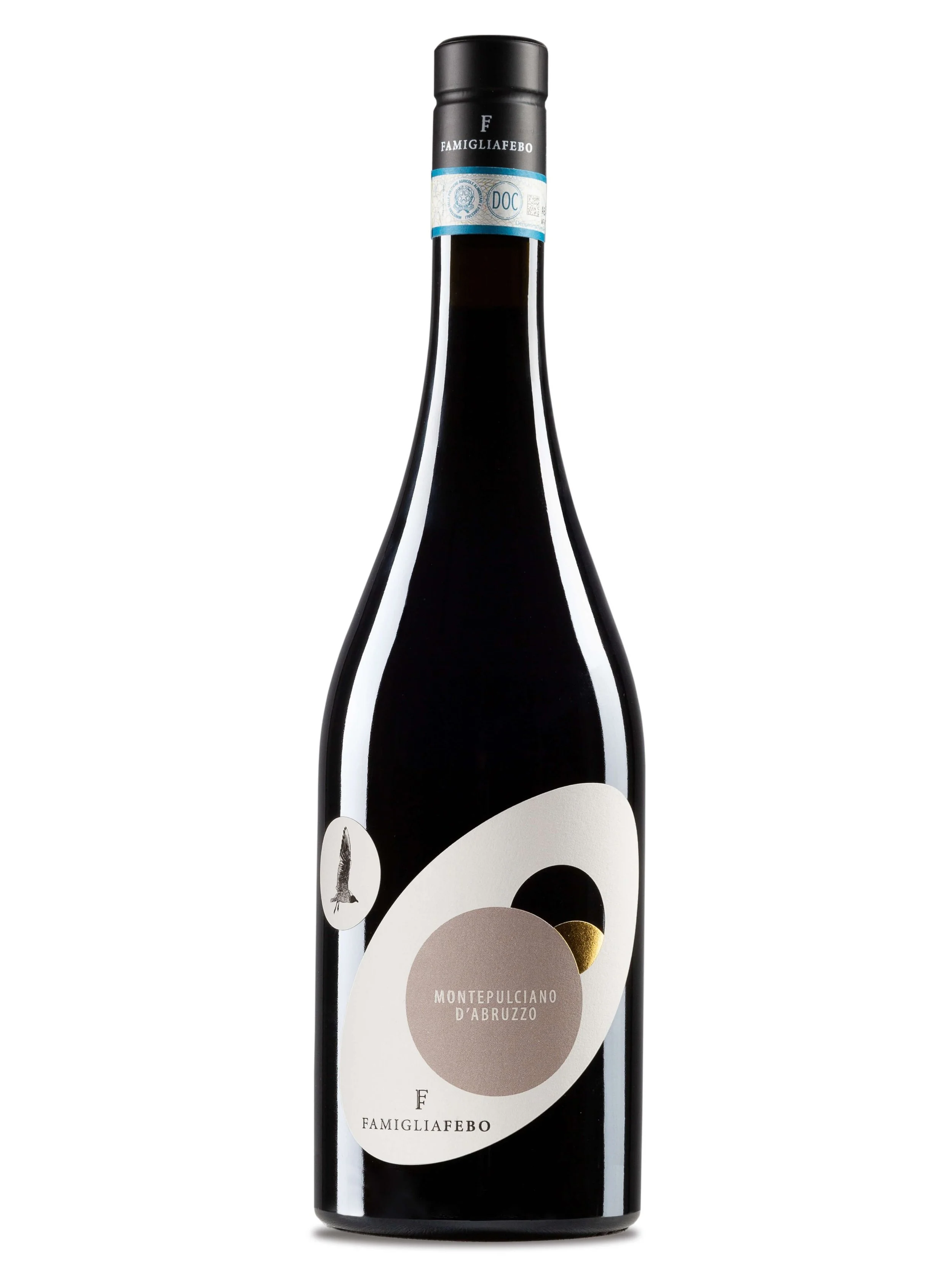
Made with 100% Montepulciano grapes spanning family vineyards in Spoltore and Chieti in Abruzzo, it has aromas of amarena cherries and licorice and a slight funkiness thanks to its 100% natural production. It tastes of dark fruit, with a rich texture and slightly bitter finish, with the funky vibe continuing while tasting. Fermented and refined in the winegrower's grandparents' concrete vessels.
Region: Italy > Abruzzo > Spoltore & Chieti
Tastes Like: Dark fruits
Farming & Winemaking Highlights: Regenerative Agriculture | Sustainable Winery | Biodynamic | Native Yeast Fermentation | Vegan | Organic | Natural Wine
Fun Facts: Pairs nicely with chicken parmesan. | While there is a famous wine “Vino Nobile di Montepulciano” from Tuscany, this grape has no connection to it; the “montepulciano name” there comes from the town noame, where as here in Abruzzo “montepulciano” actually refers to the grape used to make the wine.
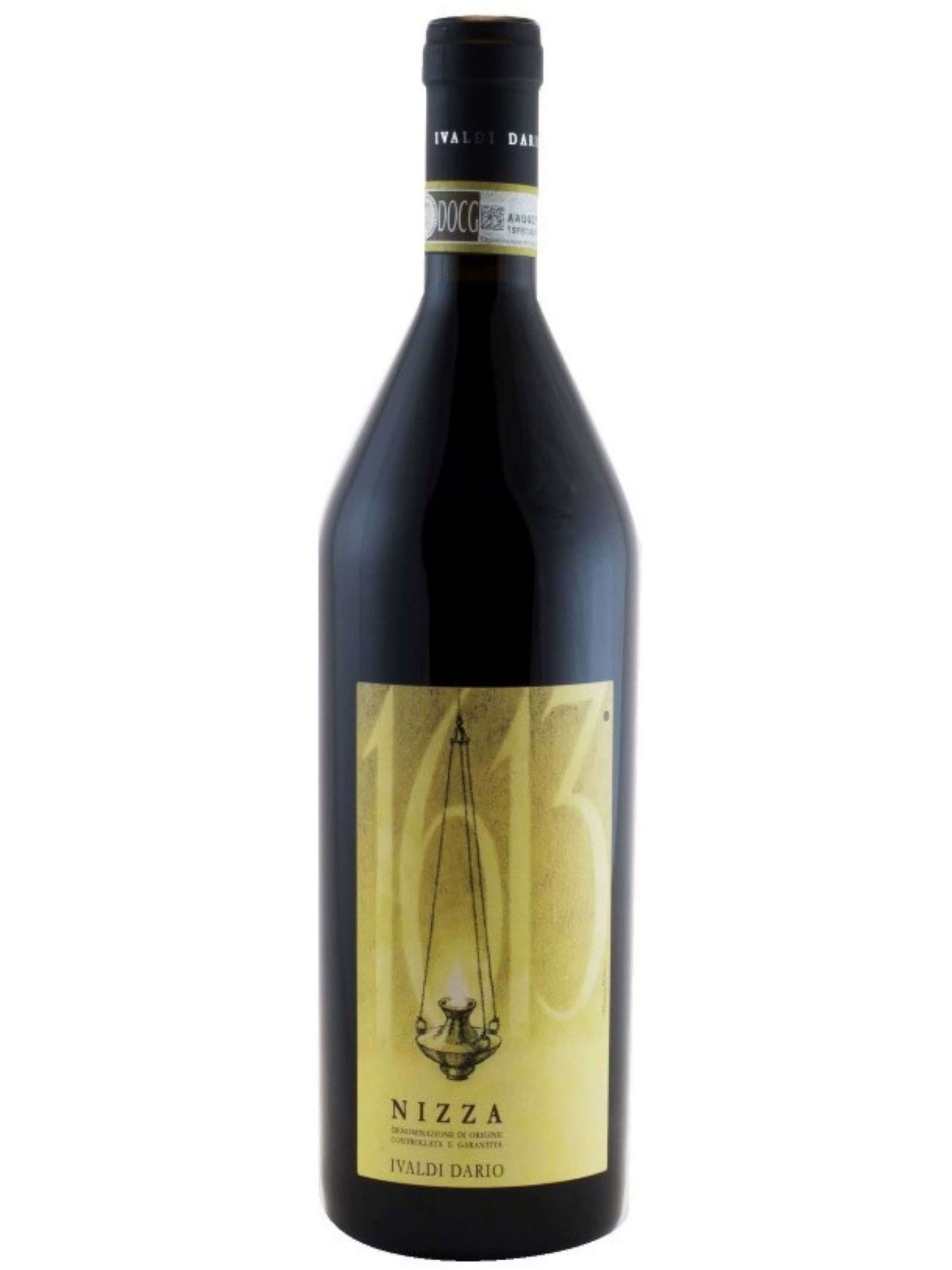
Nizza is the Barolo of Barbera, made from the birthplace of Barbera, Nizza Monferrato, the home of the 4th generation winemaking family, Ivaldi, and place where this wine is grown and made. This Nizza Barbera is a delicious old world style red wine with a rich cherry taste and an incredible mouthfeel.
This Nizza DOCG is made only in the best years, always made with 100% Barbera grapes, but only the best of the best of the Barbera clusters goes into this wine, before it spends 12 months in Slavonian oak barrels then 2 years resting in the bottle.
Made with native yeast fermentation, on the skins for 15 days. it has a pretty ruby red color with garnet reflections. A fruity bouquet transforms into spicy notes as it opens, and on the palate this wine has nice tannins and acidity balanced by a robust body.
The name of this red wine, 1613, is a homage to the siege of Nizza Monferrato in 1613 by the Mantovan army, showing the strong roots the Ivaldi family has to their home town. The women gathered to pray all night, and after the siege was lifted and won by Nizza Monferrato, an oil lamp in the church spontaneously burst into flames, despite the lack of spark and oil. Known as the ‘Miracle of the Lamp’, this wine pays homage to that evening, bearing not only the year as a name, but the image of the oil lamp on the label.
A certified sustainable winery, Ivaldi Dario practices regenerative farming.

This wine is a rare treat, being one of the very few Sangiovese red wines grown on volcanic soil. This natural wine is a complex yet approachable. Tarconte is a distinctive old world style natural red wine with a touch of new world, having been aged for 36 months in oak barrels. Notes of earth, mineral, herbs, black pepper, it is super juicy with ripe tannins, a real food wine. A good pairing is with rosemary Asiago cheese. Don't be in a rush to enjoy it: open it and see how it evolves!
Tastes Like: A Baking Spice Cabinet
Farming & Winemaking Highlights: Regenerative Agriculture | Sustainable Winery | Biodynamic | Native Yeast Fermentation | Vegan | No additives (ie non sulphites added) | Unfiltered | Organic | Metodo Corino | Natural Wine
Fun Facts: - The natural farming method that produced this wine, the metodo corino, is actually patented by La Maliosa woman winemaker Antonella Manuli after she helped to develop it with natural wine legend Lorenzo Corino of Case Corini.
- Named after an Etruscan mythological hero.

This unfiltered sauvignon blanc natural wine is playfully named after the limestone, mineral-rich soil where it was cultivated. It’s from the Sudsteiermark, or South Styria, Austria, known for some of the best sauvignon blanc in the world. It has a bright lemon yellow color with an intense reductive nose that has curious complex aromas that develop more once it breaths, such as tropical fruit aromas. The taste has a 'wow' factor with racy, prickly acidity, really nice texture a VERY long mineral finish. Think of what it’s like to lick a rock - this is it! This is your ‘atypical’ Sauvignon blanc, made from a mix of 9 different Michi Lorenz’s estate vineyards, some early, mid and late harvests, and across 4 different vintages using the complex solera method. A real one-of-a-kind sauvignon blanc.
A natural, and certified organic and biodynamic wine made with native yeast fermentation.
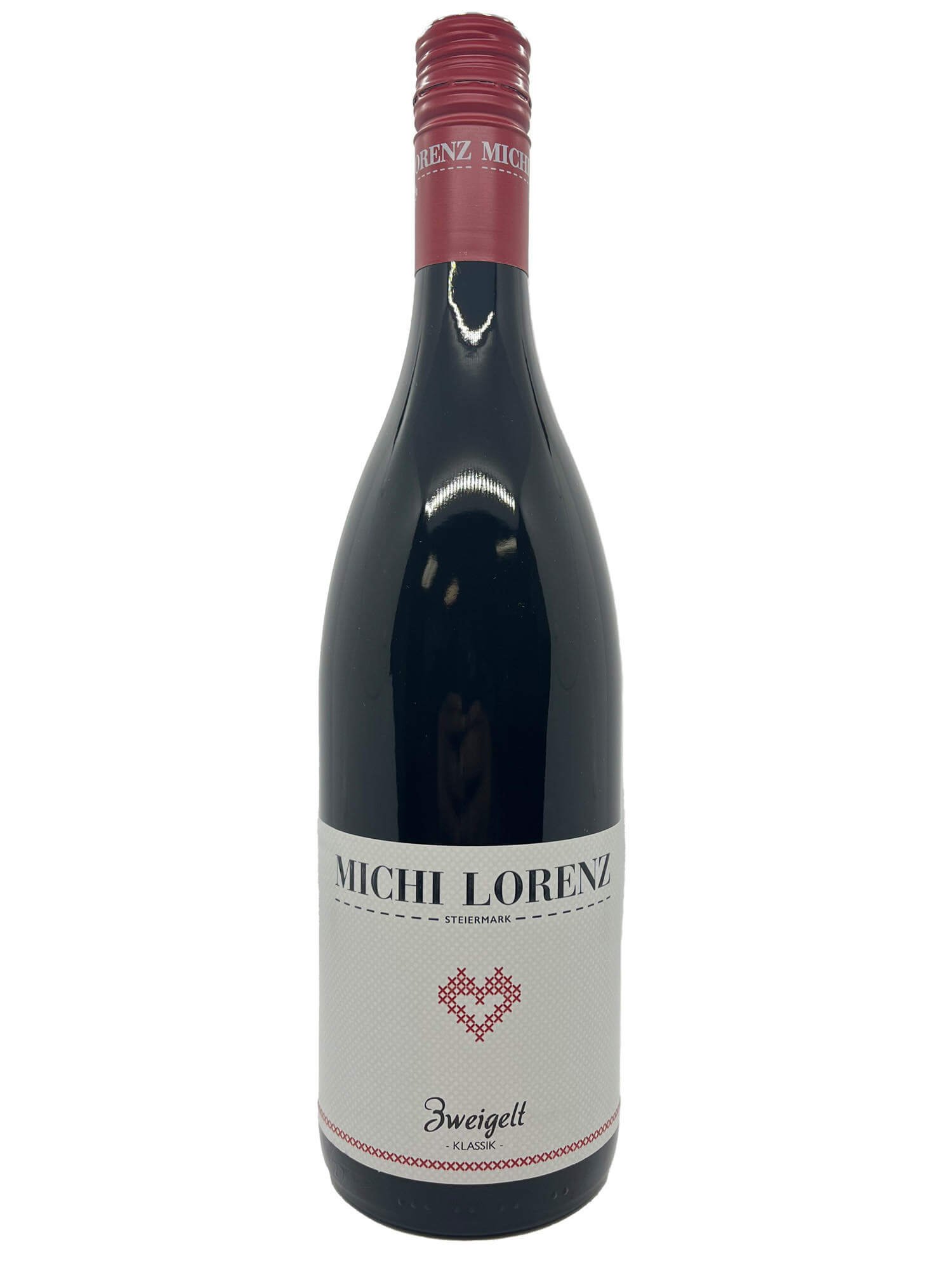
The organic and biodynamically farmed fruit was handpicked from estate hillside vineyards 400 meters above sea level in Sausal. Soils are red schist and loam. The wine underwent native yeast fermentation. After 25 days of maceration on the skins, the wine aged in a combination of stainless-steel tanks and oak barrels with very minimal sulfites added.
The first sniff of this quaffable Zweigelt natural wine is amarena cherries which then leads to vanilla and spice. In the mouth it is fresh with fruit that hides behind the structure and chalky tannins. It has nice texture and a medium slightly bitter finish. It is easy drinking and pairs great with hamburgers.

With a persistent perlage, a bright gold color lights up the glass as complex exotic fruits and citrus aromas burst forth. Tasting, it is a dry wine with a delicate balance of acidity and sapidity keep you sipping and enjoying until the last drop.
The volcanic soil of the Sandro de Bruno vineyards lend well to this ancient, yet up and coming grape known as Durella. With a thick skin rich in polyphenols, they expertly craft this grape in a sparkling wine using a classic Champagne method. A zero dosage, for 36 months the wine rests on the lees before dégorgement and it then rests again.
It is markedly less intense than its 60 month aged and 100 month aged counterparts, creating a great entry point to the durello grape. You can try all three of these wines for yourself in the Durello Flight Set!
Tastes Like: Limes and Green Apples
Farming & Winemaking Highlights: Sustainable Winery | Volcanic Soil | Bottle Fermented | Champagne Style
Fun Facts: - “Linear and polished” is how Kerin O’Keefe in this Wine Enthusiast review describes this 95 point wine.
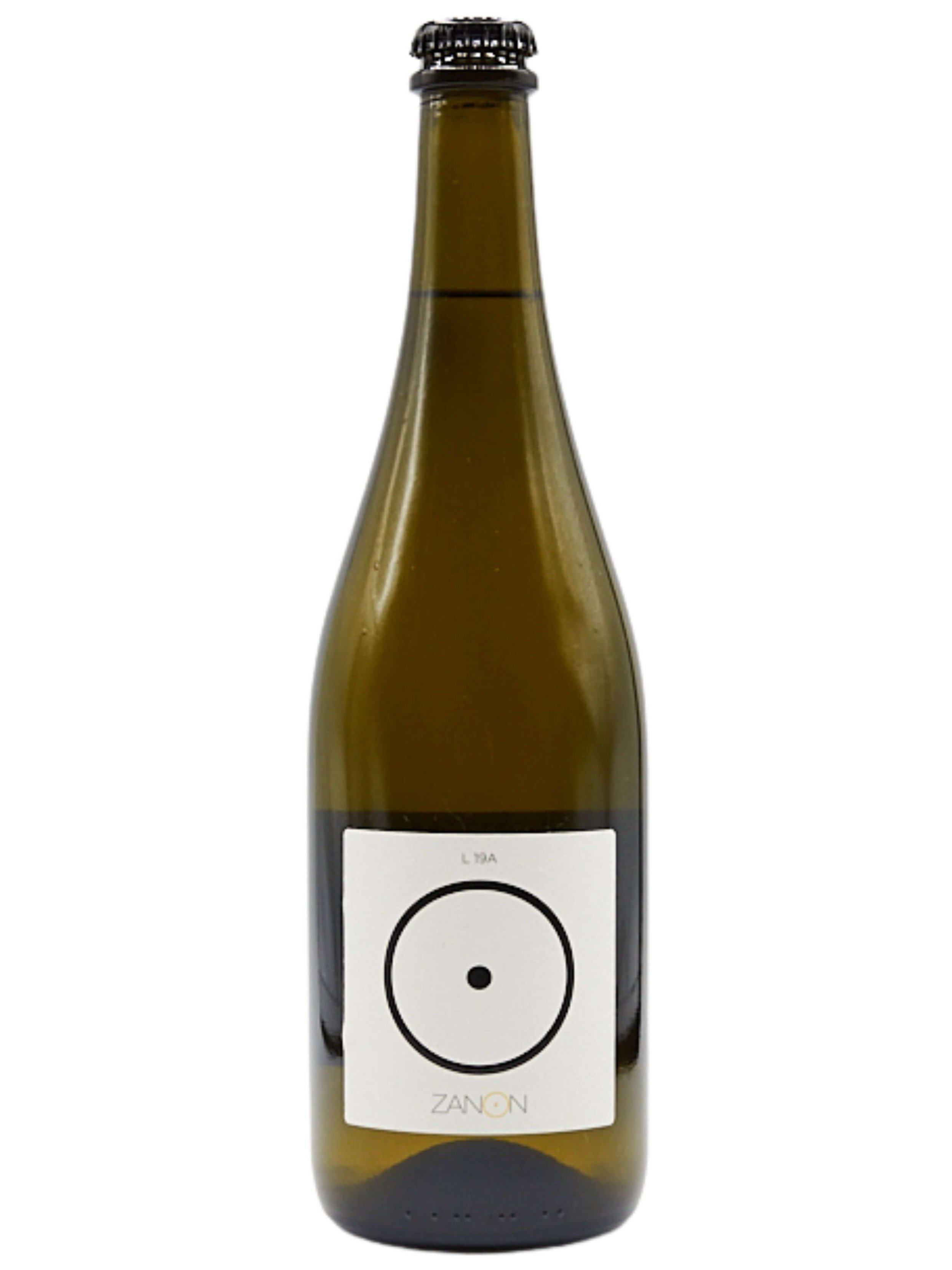
A 100% glera grape white sparkling wine made with native yeast fermentation, this natural wine vintage “prosecco” is from vineyards in the old part of Valdobbiadene, made also in the historic tradition of the ancestral style, or Pet Nat, as it is bottle fermented on the lees. A light color, giving an early hint to its bright acidity, the bouquet of citrus and lemon flowers bursts forth in the glass once it opens. When tasting this ancestral method natural wine, apricots and persistent bubbles create a sparkling wine that is enjoyable with brunch, aperitivos , get-togethers, you name it.
The circle and dot logo represents both the human existence and evolution, as well as winemaker Eros Zanon’s personal view of his vineyards, a dot of small-production boutique quality in the larger circle of large-production Proseccos.
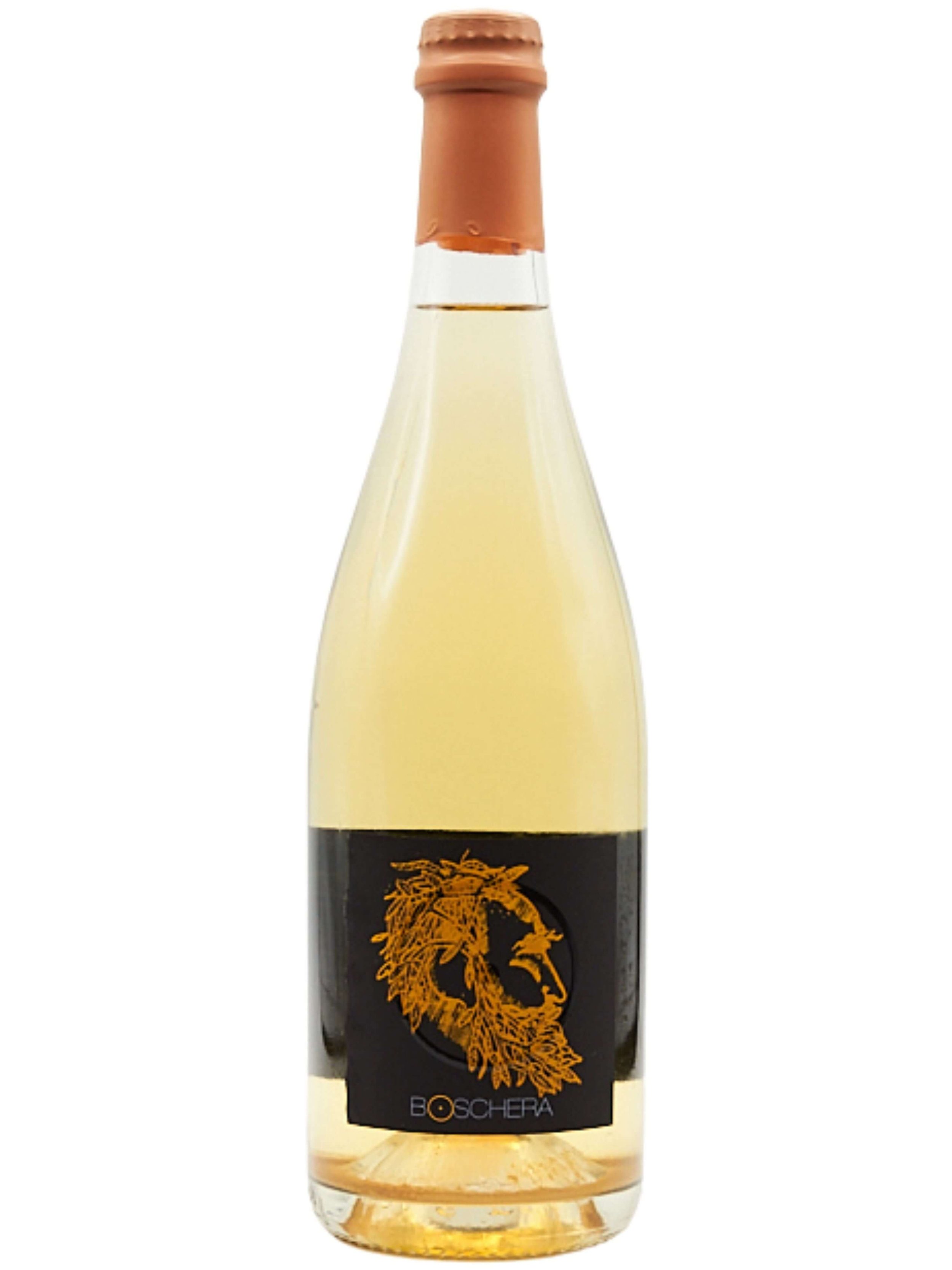
This is an unfiltered sparkling wine made similar to the champagne style from a rare grape called Boschera, native to Veneto, Italy where there is less than 20 acres in the world! We were the first to import this grape into the US!
Compared to the Prosecco grape (Glera), Boschera is more complex, and in fact this wine has been aged for over 3 years in the bottle on the lees.
With 2 days of skin contact giving it a deep yellow color, this native yeast fermented natural wine is then refermented with its native lees and then undisgorged, so it is unfiltered and continues to age on the lees too, allowing it to become more complex over time.
You can say it is a vintage & aged ancestral method, or Pet Nat style, also called Col Fondo in Italian since it is on its lees. It has herbal, nutty and yeasty aromas and savory taste with a long saline finish. Pairs with many foods & throughout the meal, from appetizers to main course.

Prepotto is the birthplace of the hard-to-find Schioppettino varietal. It gets its name from the Italian 'schioppare' or to burst, since the grape 'bursts' in your mouth when you eat it. Aromas and tastes of black pepper and plums. Fermented with indigenous yeasts and aged for two to two and a half years in oak barriques. Strong cheese lovers love to indulge in this wine.
Gold Medal Decanter, plus many other awards. Vigna Petrussa's oak-aged 2019 Schioppettino won the prestigious 3 Bicchieri Award by Gambero Rosso.
Vigna Petrussa is a certified sustainable and biodiverse women-owned winery.
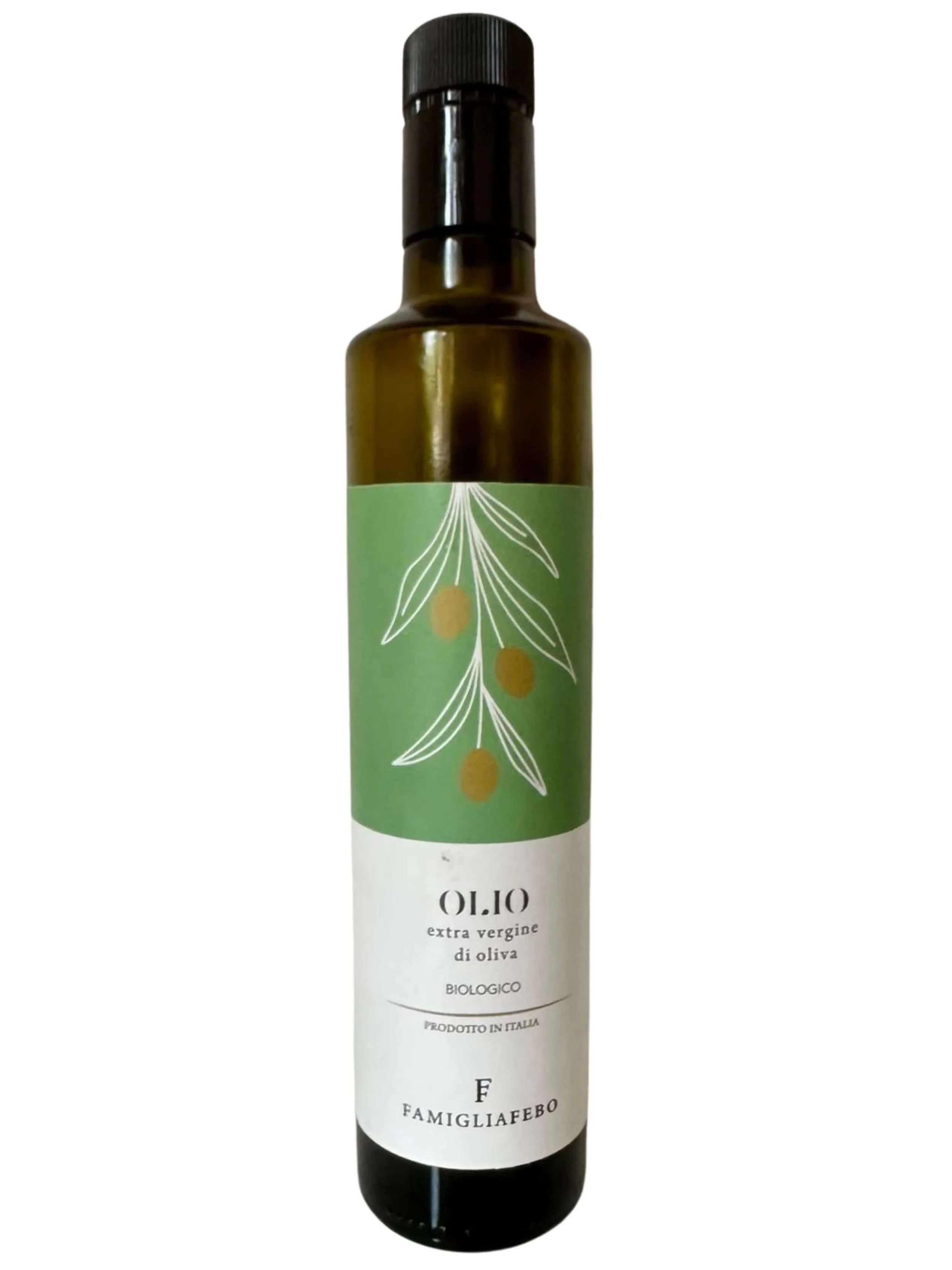
From the hills of Abruzzo near the Adriatic Coast of Italy, comes this Organic EVOO, or Extra Virgin Olive Oil, farmed and made by the Febo family. Farmed sustainably and organic, this natural extra virgin olive oil is also vegan and, like all evoos, a first run - cold press olive oil, the best kind of olive oil for you.
The 2024 harvest is still made from a blend of olives like leccino and 500 year old trees, but now it is mostly the dritta cultivar.
Farming & Winemaking Highlights: Regenerative Agriculture | Sustainable Farming | Biodynamic | Vegan | No additives | Unfiltered | Organic
Fun Facts: The dritta cultivar is a rare one being saved by Davide Febo who is trying to save and rehabilitate it.

This is an olive oil, super food for super foodies. This is small production organic & vegan extra virgin olive oil made primarily from a rare local cultivar from the area of Macerata Italy called Piantone de Mogliano. The buttery flavors and taste of this organic EVOO so inspired the family behind Quercia Scarlatta farm and winery in Le Marche Italy to name it ‘our gold’, or Il Nostro Oro.
Hand harvested and milled at the family’s farm, a first run, cold press evoo, this olive oil’s aromas remind you of stepping into a garden full of fresh green beans with a whiff of black pepper. Likewise, tasting it is like having fresh green beans with black pepper and butter, thanks to its buttery texture. Black pepper continues on the finish.
This organic extra virgin olive oil comes in a 3 liter container, made for following the Mediterranean diet to a tee!
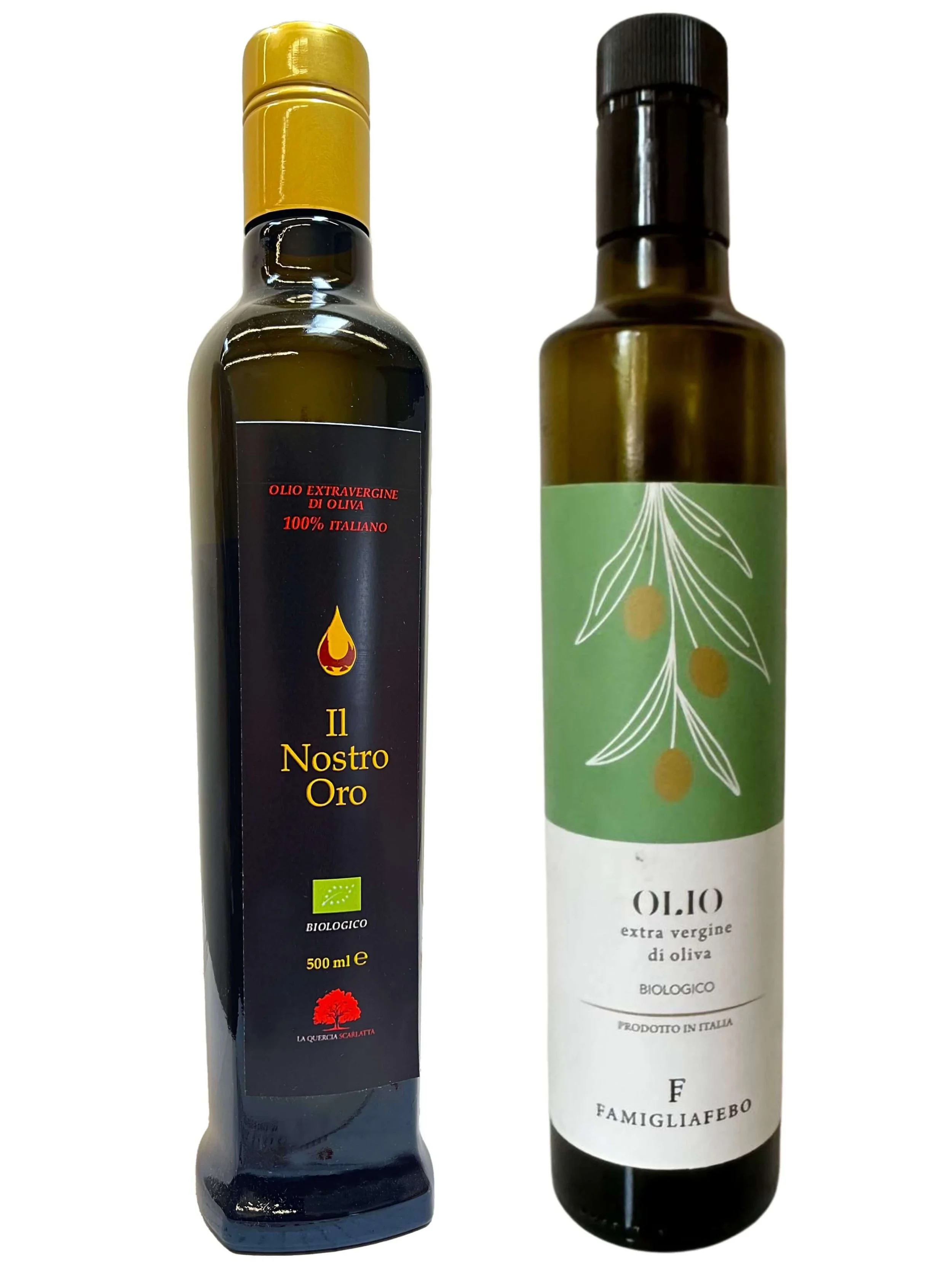
Up your culinary game with delicious & hard-to-find organic extra virgin olive oils from small family run biodynamic farms in Italy. Made with local cultivars and sustainably farmed, these evoos are packed with flavor. This set comes with two 500 ml bottles, one from Abruzzo and one from Le Marche, Italy, great for stocking your pantry or to give as an olive oil gift for that special foodie in your life and for keeping really good olive oil always on hand!
Any add-on to your order has free shipping within the Continental US. If you’re a real foodie, try our other organic EVOOs from a woman-owned small Italian farm La Maliosa, both award winning and high in polyphenols, Aurinia and Caletra.
Included in this box are: