
Explore the Two Faces of Tuscany
Say "Tuscany," and most people don't need an explanation. A picture forms almost instantly:
rolling hills dotted with cypress trees,
stone farmhouses catching the late afternoon light,
a glass of red wine and a plate of pasta on a wooden table.
It's one of the most recognizable regional identities in the world, and it carries that recognition into everything: from wine labels to travel brochures to the produce aisle at a grocery store.
That kind of reputation doesn't happen by accident. Tuscany has spent centuries building an identity around beauty, craftsmanship, and a way of life that feels deeply connected to the land. But long before "Tuscan" became a marketing shorthand for Italian warmth and authenticity, it was simply how people in this part of Italy farmed, cooked, and lived.
But here's the more interesting question: is that image the whole story, or just the surface of something far more varied? Of course, we have talked about Tuscan food and wine in the past, but today we want to really look at some specifics and understand how those two things interlock to create the image of Tuscany as we see it.
The Real Tuscany
Of course, what makes Tuscany's reputation so durable is that the image holds up: the hills, the cypress trees, the food, and the wine are all real. But the reason Tuscany keeps rewarding attention is that this single postcard image is standing in for something much larger.
Tuscany isn't one landscape; it's mountains in the north, rolling hills through its center, and a wild, open coastline to the south and west. That same variety shows up in how people farm, cook, and make wine.
Travel from the elegant hill towns of Montalcino to the untamed stretches of the wild west of Tuscany, Maremma, and it can feel like two different regions entirely, even though both are unmistakably Tuscan in their vibes. “Due facce della stessa medaglia” is what the Italians would say about Montalcino vs Brunello meaning two sides of the same coin: neither is more "Tuscan" than the other and they're simply proof that the Tuscan name covers far more ground than any single image can capture.
That's the real story worth exploring: not whether Tuscany lives up to its reputation, but how many different ways it does.
The Tuscan Food Scene
If you want proof that Tuscany's charm runs deeper than scenery, look no further than the table. Tuscan food has never been about excess or spectacle. It's built on humble, simple, and seasonal ingredients treated with care, and every dish tells you something about the place it comes from. Let’s look at some typical dishes and the wines that make them shine.
Take Peposo, a peppery, slow-cooked beef stew born in Impruneta, the Chianti region of Tuscany, where kiln workers once let it simmer for hours over dying fire embers.
Peposo represents rustic, patient cooking at its finest, and is traditionally paired with a structured Tuscan red, with no finer than a Brunello di Montalcino. The peppery dish needs a wine with enough backbone to stand up to it. And really, other well made Tuscan Sangioveses work well matching the succulent, peppery stew, like Canalino’s Rosso di Montalcino, Rosso di Toscana, and Rosso di Montalcino Merum Rubrum Ilcinentium (like a baby brunello), or else a Sangiovese from Maremma like La Maliosa’s Tarconte.
Then, moving the dial from savory stews to summer salads, there's Panzanella, Tuscany's answer to a summer salad. It is a highly pragmatic dish of the people made with stale bread and readily available summer vegetables like juicy tomatoes, refreshing cucumber, red onion, bright lemon, and of course a generous pour of really good Tuscan olive oil, like La Maliosa's Caletra or Aurinia.
It's proof that Tuscan cuisine doesn't waste anything, and that a handful of quality ingredients can outshine complexity every time. We love to pair panzanella with a glass of La Maliosa's Saturnalia Rosso or La Maliosa’s Rosso, which are the indigenous responses to the juicy imported international grapes used to make “supertuscans”. The two alongside each other helps to bring out the freshness of the salad, the juiciness of the wine, all without overwhelming each other.
Travel south to Maremma, and you'll find Acqua Cotta, a "cooked water" hearty soup built from vegetables, bread, and whatever the season provides. It's the kind of dish that could only come from a place where nothing goes to waste, and it pairs beautifully with La Maliosa's Saturnalia Bianco or La Maliosa’s Uni that are orange wines with enough texture to match the soup's rustic simplicity.
And then there's the extra virgin olive oil itself, which deserves its own spotlight.
At La Maliosa Tuscan farm, olive oil is a defining product just as much as their wines, made from a blend of native Tuscan cultivars, cold-pressed, and bottled in small batches that reflect the biodynamic philosophy behind the entire farm. Whether drizzled over bread, finished on a soup, or used simply for a plate of raw vegetables in the classic Tuscan pinzimonio style, it's a reminder that in Tuscany, olive oil is every bit as much a craft product as wine.
Taken together, these dishes and products show that Tuscan food is a range of traditions, each shaped by a specific place, and each one setting up the wine that follows.
The Tuscan Wine Scene
There's an old saying in Italian wine culture: what grows together, goes together. We’ve talked about it a lot, and it is, what we believe to be, a large part of what made the Italian Cuisine to be considered a UNESCO world heritage. Nowhere is that truer than in Tuscany, where wine was invented to sit beside dinner. The pairing habits we take for granted today, a structured red with a rich stew, a lighter white with something delicate, are the result of centuries of Italians simply eating what their land produced and drinking what their neighbors made.
This is also where Tuscany's range really shows itself. A pepper-forward stew calls for a wine with enough structure to meet it head-on, while a bright salad or simple vegetable dish is better served by something fresher, or even a wine made in an entirely different style, like an orange wine with just enough texture to bridge the gap between the dish's simplicity and the palate's need for interest. The variety of Tuscan cuisine essentially demands a variety of Tuscan wine, which is exactly why the region produces so many different expressions rather than settling on one. And understanding that relationship is the key to understanding Tuscany itself. The wine isn't just a beverage that happens to come from the region, it's an extension of what's already on the plate. If you want to see just how differently Tuscany can express itself, look no further than Montalcino and Maremma. They're both unmistakably Tuscan, and yet they couldn't feel more different.
Montalcino is Tuscany's structured, historic side. This walled hill town has been making wine for over two thousand years, and its reputation rests almost entirely on a single grape: Sangiovese. Canalino sits just steps from the historic center, so close that you can walk from the town's old fortress gate straight to the vineyard rows. It's a family estate, worked for generations, where winemaker Alberto Pagliantini follows a simple philosophy: let nature do as much of the work as possible. That restraint shows up in the wines themselves, crafted with minimal intervention and native yeast, letting the vineyard speak rather than forcing a particular style. From that single grape and single patch of land come three distinct wines: Rosso di Toscana, the lightest and most immediate; Rosso di Montalcino, and its more Riserva-esque counterpart Rosso di Montalcino Merum Rubrum Ilcinentium, sometimes called "baby Brunello," with more structure while still approachable young; and Brunello di Montalcino itself, the wine that put this town on the map, aged longer and built for patient, structured dishes like the Peposo we talked about earlier.
Travel south to Maremma, and you land in a completely different Tuscany, one that's wilder, more open, and far less manicured. This is where La Maliosa, founded by Antonella Manuli, has built a biodynamic farm that treats winemaking as just one part of a larger, living ecosystem alongside olive groves, forest, and open land. The wines reflect that same untamed spirit: natural, minimal-intervention, and terroir-driven. Saturnalia Biancoand Uni are made using a traditional skin-contact method, giving them the deep amber color and textured character of orange wine, while Saturnalia Rossooffers an indigenous alternative to the international grapes used in Tuscany's famous Super Tuscan blends. At La Maliosa, traditional Tuscan grapes take the mainstage in wines like a rare volcanic Sangiovese and 100% Ciliegiolo Tuscan red. Alongside the wines, La Maliosa's olive oils, Caletra and Aurinia, are treated with the same care and precision as the wine itself, cold-pressed from native Tuscan cultivars in small, biodynamic batches.
Same “region”, Tuscany, and the same reverence for land and craft, but two entirely different stories. Montalcino shows what happens when centuries of tradition refine a single grape into multiple expressions. Maremma shows what happens when a winemaker embraces wildness and lets biodiversity lead. Neither is more "Tuscan" than the other and together, they're proof that the region's reputation holds up precisely because it isn't one thing.
Why Tuscany Fascinates Us
Tuscany earns its reputation the hard way: not through clever marketing, but through centuries of people working the same hills, coaxing the same grapes into new expressions, and treating food and wine as two halves of the same tradition. The postcard image is real, but it's only the surface. The deeper story is one of contrast and craft, of a walled hill town refining a single grape into three distinct wines, and a wild stretch of coastline proving that Tuscany still has room for reinvention.
For those of you that know our curation style, you know that we love to support small producers and bring you unique and fun extra virgin olive oils, wines, and specialty foods. And you can enjoy these curations by trying a selection of different wines, foods, and olive oils from our portfolio. We sell to both businesses and consumers across the US:
We are enlarging our network of distributors around the country. Reach out to us if you are interested in distributing our products.
We sell to wine stores and restaurants in certain states - contact us if you would like more info.
We do corporate gifts and sommelier guided wine tastings. Email us and we’ll tailor unique and sustainable corporate gift ideas.
If our farm crafted wines, specialty foods, and olive oils are not in your local shop or restaurant buy wine online here and we’ll ship it to you, and we ship to most states.
We also have an award winning wine club for true wine explorers seeking to continually discover unique, sustainable and authentic small production wines they never had.
The Wines of Montalcino, Tuscany
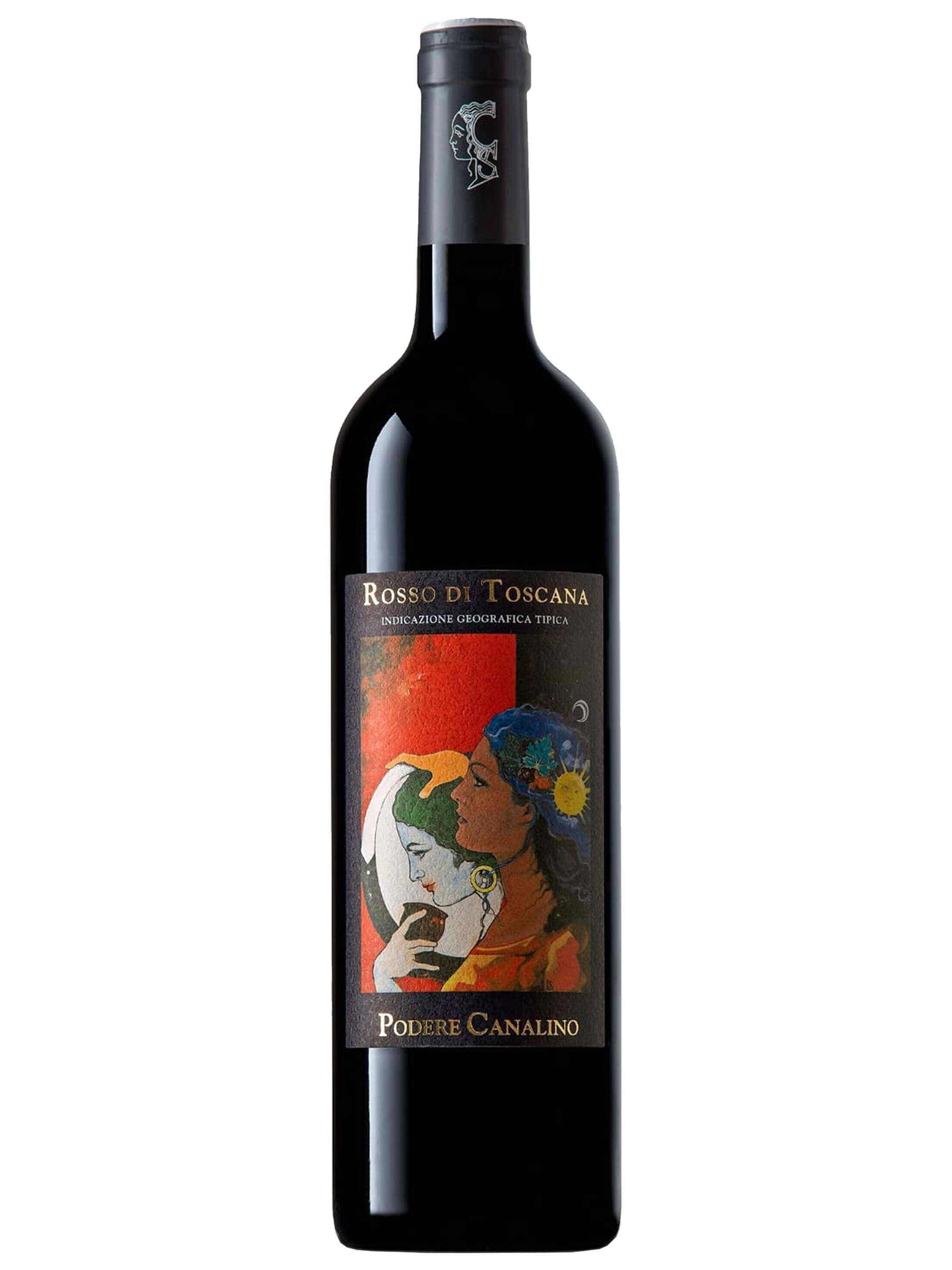
Made from sangiovese vineyards in Montalcino, this is an approachable, people pleaser for red wine lovers, the unoaked offering from the Brunello producer Canalino. It has notes of cherry, with hints of black pepper and toast. This wine is fresh, fruity and balanced with soft tannins and a pleasant clean finish.
Tastes Like: Crunchy, fresh cherries
Farming & Winemaking Highlights: Regnerative Agriculture | Sustainable Winery | Biodynamic | Native Yeast Fermentation | Unfiltered | Organic | Natural Wine | Vegan
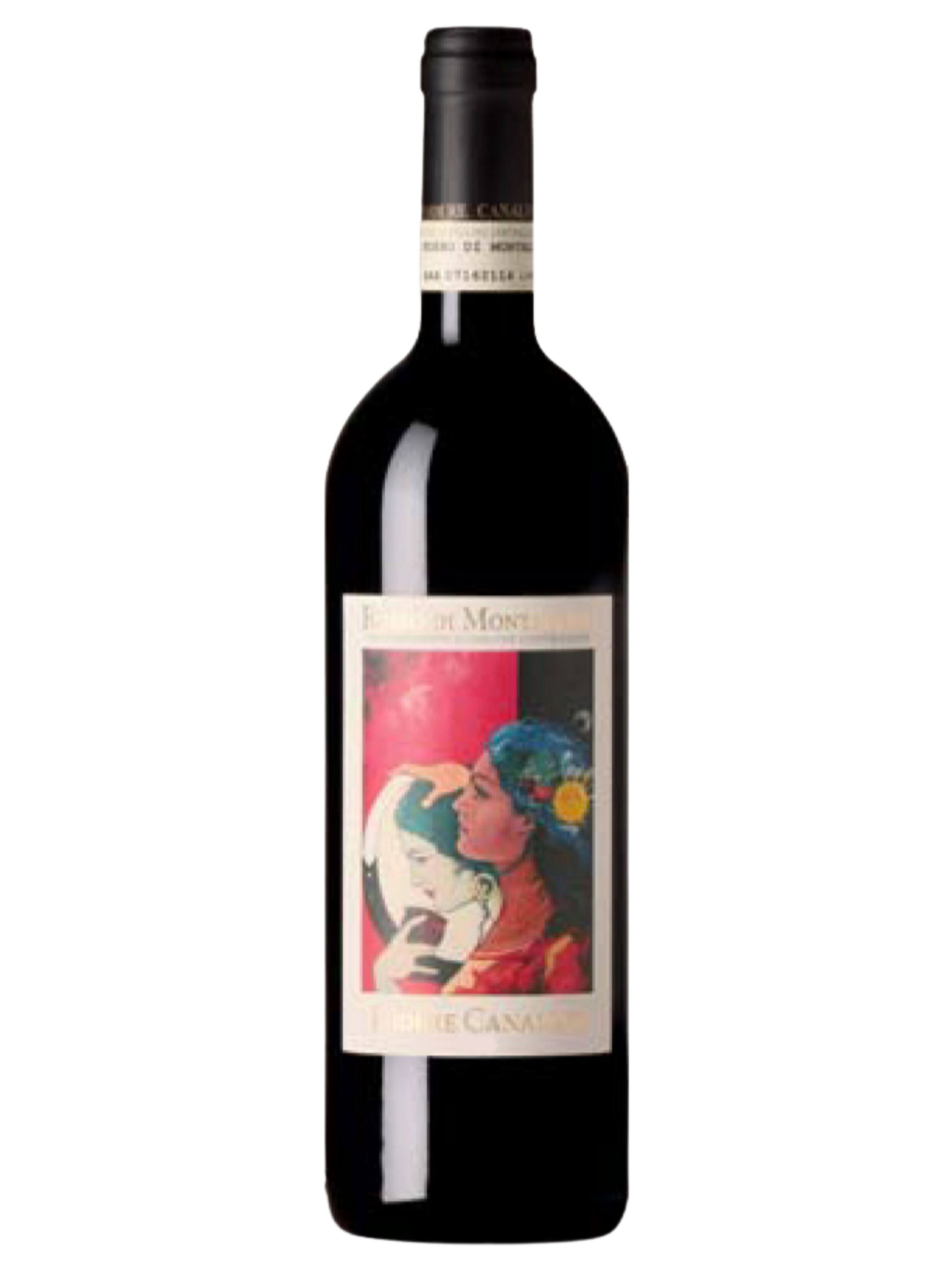
This is a complex, intense age-worthy vegan red wine; Once opened balsamic notes burst forth. We recommend to decant it or at least let it breathe a bit before tasting. When tasting, you understand that it comes from a terroir which one of the best Italian reds, Brunello, is made from; its structure is noteworthy, from acidity, to tannins to mineral structure. A delight for serious red wine lovers.
Tastes Like: Spiced Cherry Jam
Farming & Winemaking Highlights: Regnerative Agriculture | Sustainable Winery | Biodynamic | Native Yeast Fermentation | Unfiltered | Organic | Natural Wine | Vegan
Fun Facts: From 100% sangiovese vineyards right outside the historic center of Montalcino.
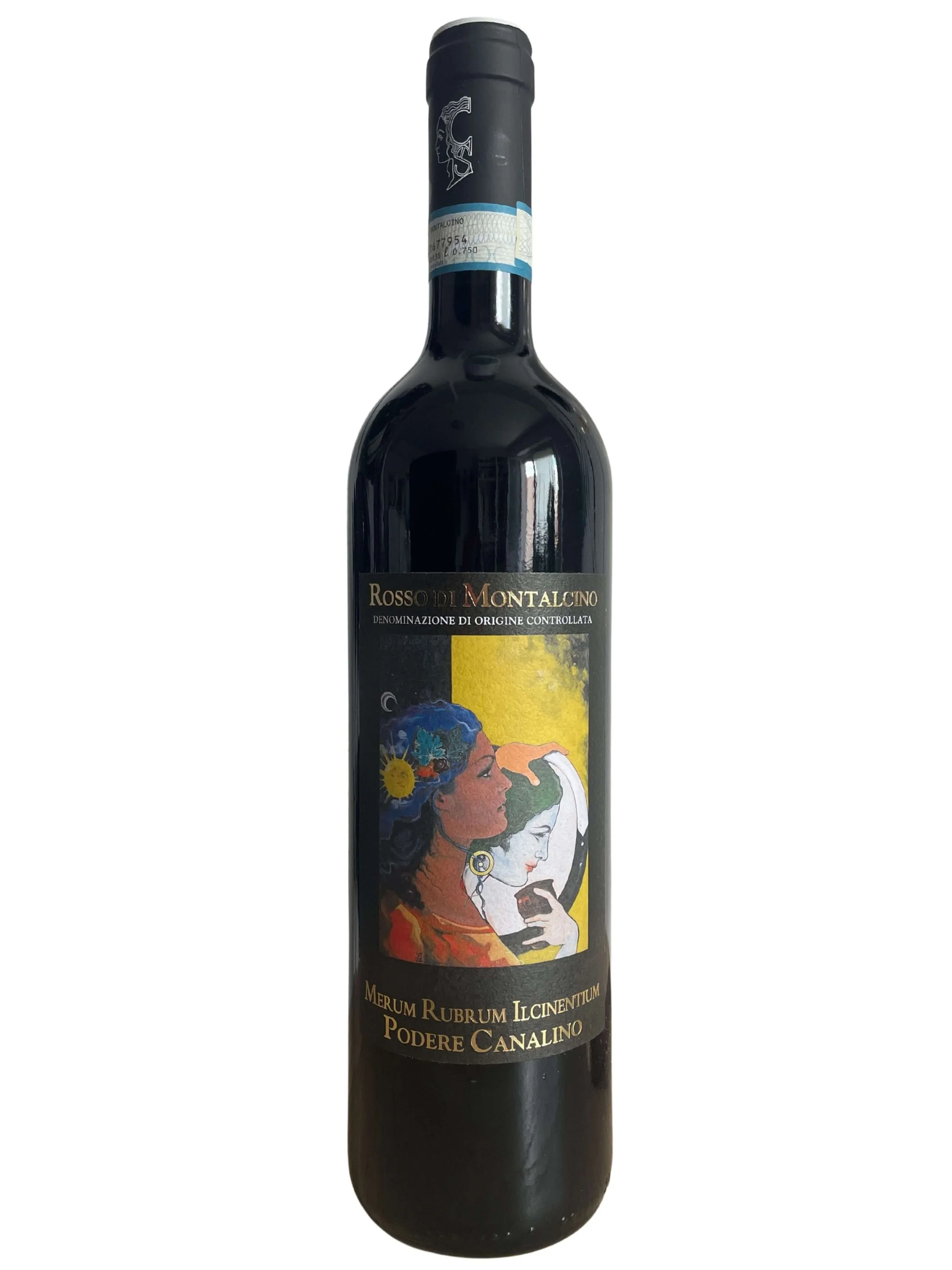
Steps from the historic center and birthplace of Brunello, this Rosso di Montalcino is expertly crafted by a winemaker who only grows on grape: Sangiovese. But this isn’t any standard Rosso di Montalcino: it’s like a Rosso di Montalcino Riserva. The vineyards are steps from the historic center of Montalcino, famed for one of the best red wines in the world. This Rosso di Montalcino is only made during the best years from the best fruit and is aged longer, minimum 14 months in neutral oak barrels, and released only when Alberto, Canalino’s winegrower and winemaker, feels it is at its best. Like a “Baby Brunello”, Merum Rubrum Ilcinentium is in fact, winemaker Alberto’s baby.
Tastes Like: Cherries with hints of spices & eucalyptus
Farming & Winemaking Highlights: Regenerative Agriculture | Sustainable Winery | Biodynamic | Native Yeast Fermentation | Unfiltered | Organic | Natural Wine
Fun Facts: The name is inspired by “Merum” meaning pure wine, or wine fit for the gods. “Rubrum” means red, Ilcententium refers to the people of Montalcino. So this is pure red wine of Montalcino.

This Brunello di Montalcino from winery Canalino is crafted using specially selected sangiovese grapes. A gorgeous ruby color, the nose is a potpourri of intense mature fruit and spice aromas from prune to menthol to leather. The wine is structured, with freshness, minerality and age worthy tannins and a fantastic mouthfeel.
Tastes Like: Stewed Cherries or Cherry Jolly Rancher candy
Farming & Winemaking Highlights: Regnerative Agriculture | Sustainable Winery | Biodynamic | Native Yeast Fermentation | Unfiltered | Organic | Natural Wine | Vegan
Fun Facts: The name “brunello” comes from the local name used for the type of sangiovese typically used in the area.
The Wines and Extra Virgin Olive Oils of Maremma, Tuscany

Woman made Saturnalia Bianco, on VinePair’s list of Top 15 Best Orange Wines, is an award winning, unfiltered and delicious skin contact orange wine made from old vine procanico & trebbiano grapes cultivated in volcanic soil.
This natural wine is made from the patented Metodo Corino, based on regenerative farming principles. Nothing is added but grapes! Made with unpressed, free run juice with native yeast fermentation. A two week maceration imparts a dark amber color. Aged only in stainless steel tanks, it has aromas of candied fruit, dried apricot and ginger.
It has pleasant acidity and tannins, and is balanced with a long finish. A pretty deep orange color, it is a great wine for difficult food pairings, it pairs with almost any dish.
Tastes Like: Apricot nectar and chamomile
Farming & Winemaking Highlights: Regenerative Agriculture | Sustainable Winery | Biodynamic | Native Yeast Fermentation | Vegan | No additives (ie non sulphites added) | Unfiltered | Organic | Metodo Corino | Natural Wine
Fun Facts: - The natural farming method that produced this wine, the metodo corino, is actually patented by La Maliosa woman winemaker Antonella Manuli after she helped to develop it with natural wine legend Lorenzo Corino of Case Corini.
- Named in honor of the Roman festival in December which took place near the winery, La Maliosa, this wine was once called Saturnia Bianco.

Uni is a stately, rich, complex yet easy drinking apricot & umami essence of a wine that is super small production.
Coming from the wild part of Tuscany, Maremma, the La Maliosa farm carefully crafts their 00 wines (nothing added, nothing removed: only fruit) prioritizing local traditional grapes , like procanico, the hyper local grape used to make this orange wine. Macerated for three weeks on the skins, Uni then ages for seven months in stainless steel tanks.
This natural wine comes from 100% volcanic, old vine procanico, the ancient grape native to Maremma Tuscany, a relative of trebbiano. The rare Tuscan volcanic soils of Pitigliano, where the old vineyard is, give depth and minerality to this wine that naturally expresses fantastic floral, herbal and spice flavors, like lavander and sage and turmeric.
Tastes Like: Apricot nectar with umami mixed in
Farming & Winemaking Highlights: Regenerative Agriculture | Sustainable Winery | Biodynamic | Native Yeast Fermentation | Vegan | No additives | No sulfites added | Unfiltered | Organic | Metodo Corino | Natural Wine| Single vineyard | Old Vine | Volcanic
Fun Facts: If you were to ask La Maliosa's founder and visionaire, Antonella Manuli, which is her favorite wine, Uni wins hands down. Why? You have to taste it and then you'll get it.
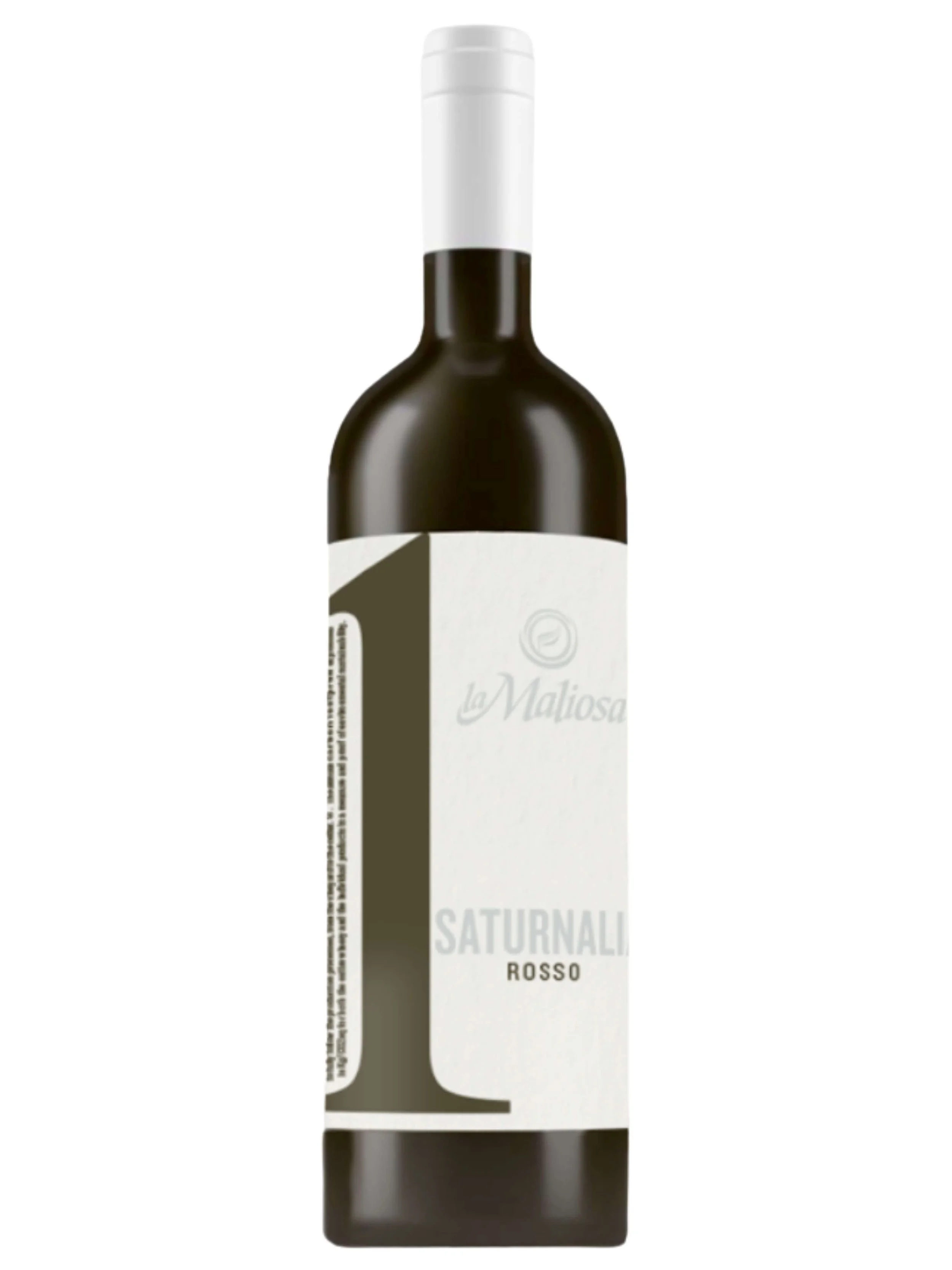
Saturnalia Rosso, once called Saturnia Rosso, is an approachable, balanced red wine with great texture and expressive finish made from a blend of native varieties from central Italy. A four week maceration on the skins is followed by aging in large wooden casks for 20 months. A pretty ruby color is accompanied by cherry and vanilla spice aromas. Pairs great with pork kebabs and cheese burgers. A woman-made organic, biodynamic and vegan natural wine using the patented Metodo Corino which is based on regenerative agriculture farming methods.
Tastes Like: Cherry and Strawberry Fruit Leathers
Farming & Winemaking Highlights: Regenerative Agriculture | Sustainable Winery | Biodynamic | Native Yeast Fermentation | Vegan | No additives (ie non sulphites added) | Unfiltered | Organic | Metodo Corino | Natural Wine
Fun Facts: The natural farming method that produced this wine, the metodo corino, is actually patented by La Maliosa woman winemaker Antonella Manuli after she helped to develop it with natural wine legend Lorenzo Corino of Case Corini.

An award winner in the Millennial Wine Competition, this all natural, fresh and earthy red is made from hard-to-find Tuscan varietal Ciliegiolo whose name derives from cherry - so guess what it tastes like! An organic, biodynamic and natural wine made from the patented Metodo Corino with nothing added but grapes. Made with free run juice, maceration continues for four weeks and then aged in neutral wooden barrels for a short period of time. A natural wine, no sulfites are added during the winemaking process. Cherry and spice aromas and taste with notable tannins and mouth feel contributing to its great structure and long finish.
Tastes Like: Cherry Jam
Farming & Winemaking Highlights: Regenerative Agriculture | Sustainable Winery | Biodynamic | Native Yeast Fermentation | Vegan | No additives (ie non sulphites added) | Unfiltered | Organic | Metodo Corino | Natural Wine
Fun Facts: The natural farming method that produced this wine, the metodo corino, is actually patented by La Maliosa woman winemaker Antonella Manuli after she helped to develop it with natural wine legend Lorenzo Corino of Case Corini.

This wine is a rare treat, being one of the very few Sangiovese red wines grown on volcanic soil. This natural wine is a complex yet approachable. Tarconte is a distinctive old world style natural red wine with a touch of new world, having been aged for 36 months in oak barrels. Notes of earth, mineral, herbs, black pepper, it is super juicy with ripe tannins, a real food wine. A good pairing is with rosemary Asiago cheese. Don't be in a rush to enjoy it: open it and see how it evolves!
Tastes Like: A Baking Spice Cabinet
Farming & Winemaking Highlights: Regenerative Agriculture | Sustainable Winery | Biodynamic | Native Yeast Fermentation | Vegan | No additives (ie non sulphites added) | Unfiltered | Organic | Metodo Corino | Natural Wine
Fun Facts: - The natural farming method that produced this wine, the metodo corino, is actually patented by La Maliosa woman winemaker Antonella Manuli after she helped to develop it with natural wine legend Lorenzo Corino of Case Corini.
- Named after an Etruscan mythological hero.
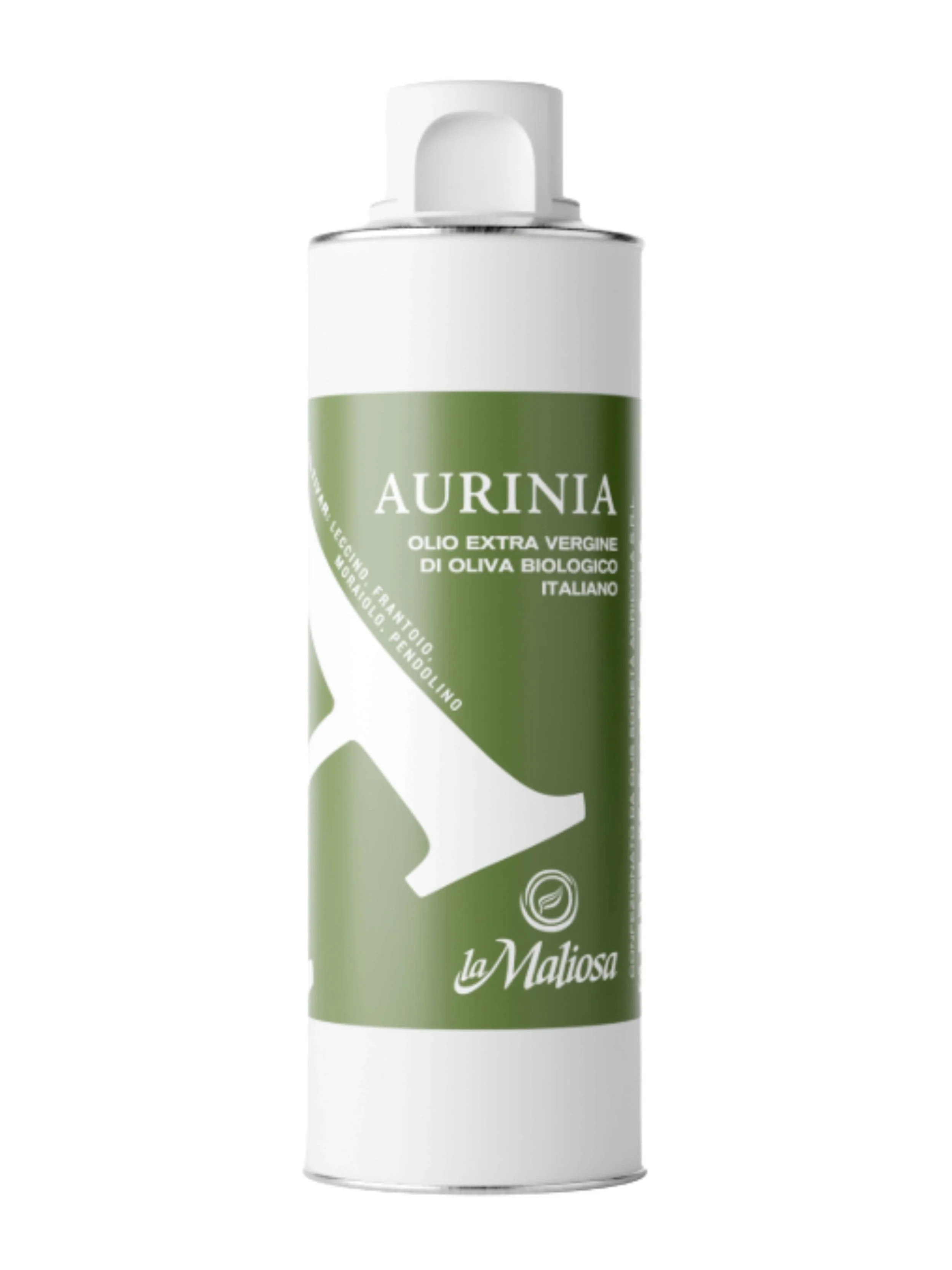
This is a woman made, limited production first cold press organic Extra Virgin Olive Oil from the Maremma hills of Tuscany made from a blend of four Tuscan cultivars. Buttery deliciousness with a bitter kick at the end, thanks to its polyphenols. It has won gold medals in a competition which judges the best extra virgin organic olive oils from around the world.
Farming & Winemaking Highlights: Regenerative Agriculture | Sustainable Farming | Biodynamic | Vegan | No additives | Unfiltered | Organic | Metodo Corino
Fun Facts: The natural farming method that produced this extra virgin olive oil, the metodo corino, is actually patented by La Maliosa woman winemaker Antonella Manuli after she helped to develop it with natural wine legend Lorenzo Corino of Case Corini.
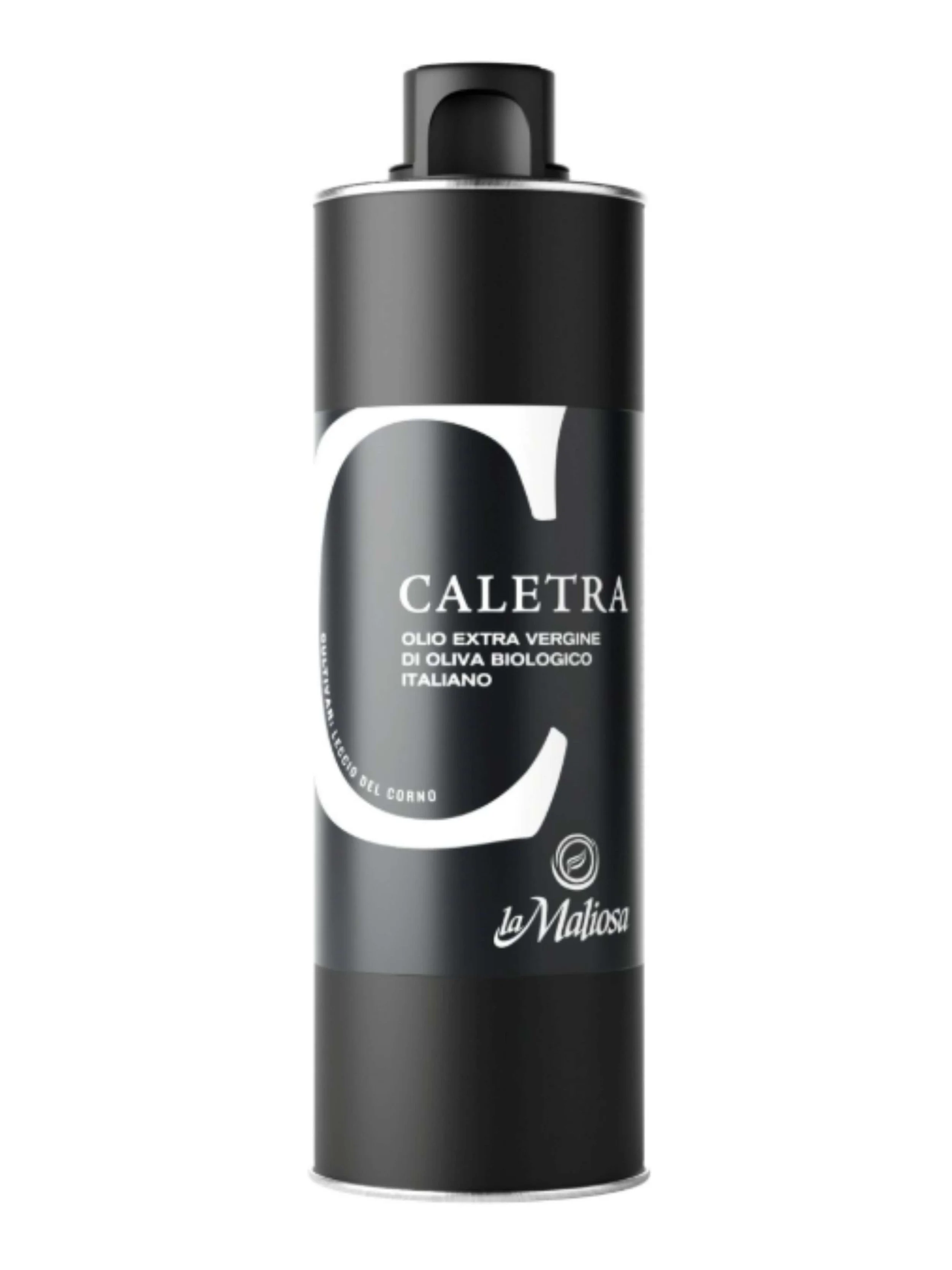
A prestigious first cold press monocultivar organic extra virgin olive oil from the Maremma hils of Tuscany which has won best organic extra virgin olive oil from Tuscany! Its polyphenols which are used to determine how good an olive oil is, are exceptionally high!
Top awards include extra gold, as best Tuscan organic EVOO by Biol Novello which evaluates the best olive oils in the world. In the past this olive oil has also won Best in Italy, as well as Gambero Rosso 3 leaves (their highest rating).
Its aromas of grass, green pepper and mint lead to an intense hot pepper taste and a long finish with black pepper lingering in your mouth. Even just a little drizzled over a simple lettuce salad will bring it to life with flavor.
Farming & Winemaking Highlights: Regenerative Agriculture | Sustainable Farming | Biodynamic | Vegan | No additives | Unfiltered | Organic | Metodo Corino
Fun Facts: The natural farming method that produced this extra virgin olive oil, the metodo corino, is actually patented by La Maliosa woman winemaker Antonella Manuli after she helped to develop it with natural wine legend Lorenzo Corino of Case Corini.
Gifts for Tuscan Lovers
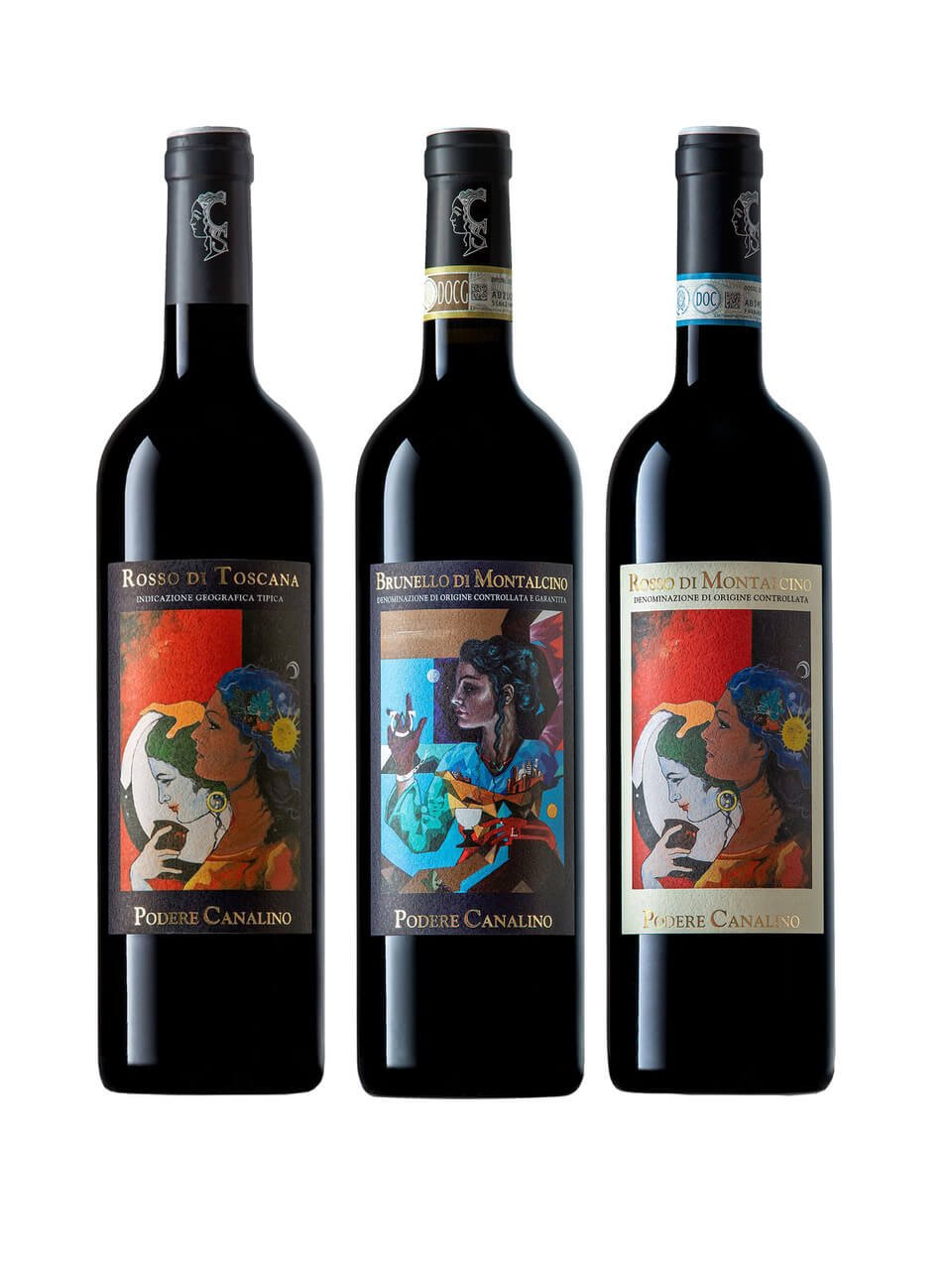
Discover the soul of Montalcino Tuscany through a trio of Sangiovese wines crafted by a tiny, 15,000-bottle artisan producer, Canalino.
This exclusive set—featuring a powerful Brunello, an earthy Rosso di Montalcino, and a vibrant Rosso di Toscana—offers a rare chance to taste the full spectrum of one of Italy’s greatest red grapes. Each bottle captures its own expression of Sangiovese: depth, finesse, and pure Tuscan character. For red-wine lovers seeking authenticity and discovery, this is the perfect way to explore Montalcino beyond the classics.
Shipping is included for the Continental US with the purchase of this set.
This set includes:
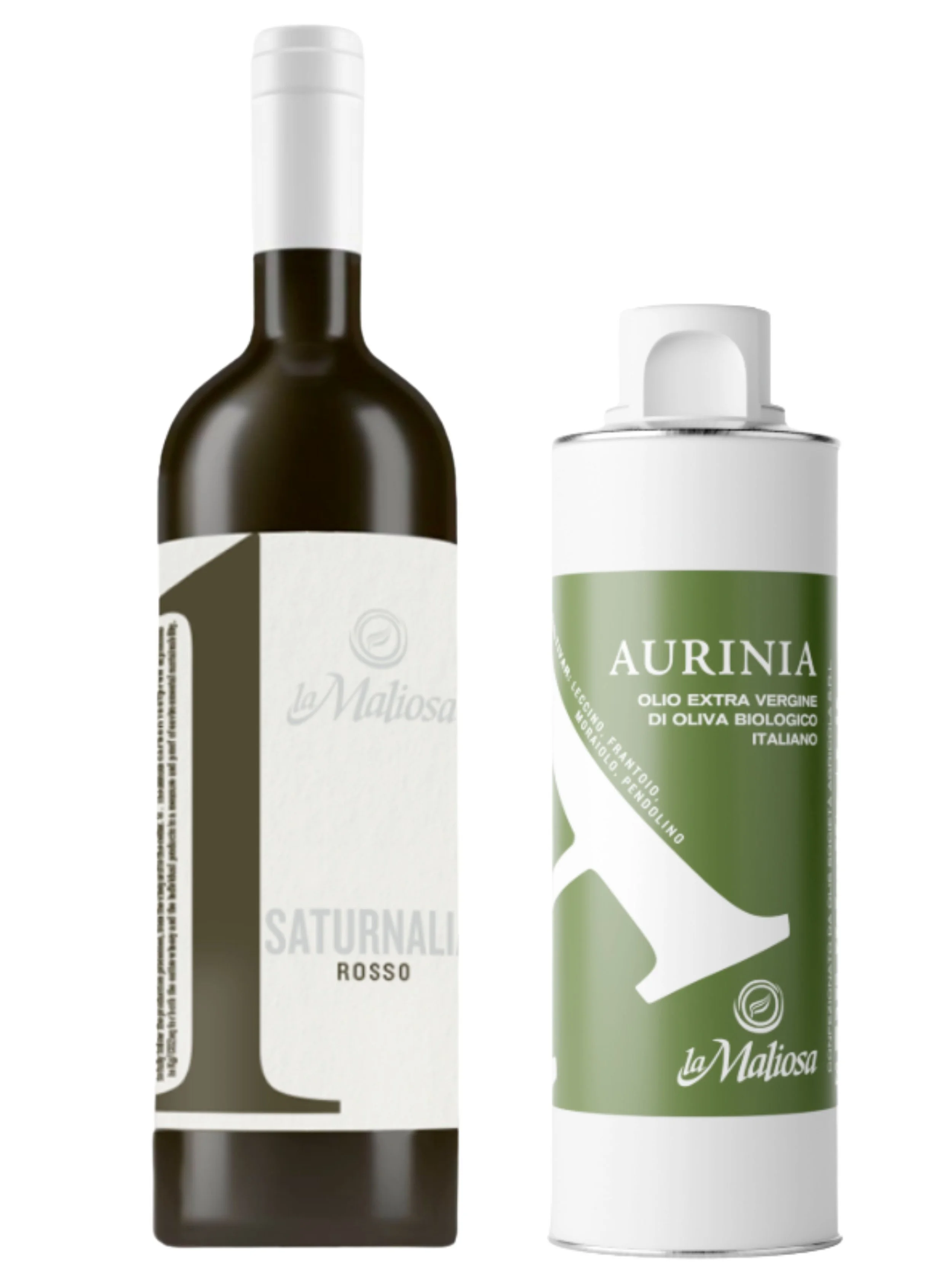
Let your taste buds travel to the rolling hills of Maremma Tuscany with this Explorer Set containing a natural red wine and a first cold press organic extra virgin olive oil from La Maliosa. All La Maliosa products are natural, organic, vegan, and farmed sustainably according to the patented Metodo Corino.
Included in this box are:
This special offer set has shipping included for the Continental US and all add-ons have free shipping.
If you are curious (or already a fan) of Orange Wine, add-on with free shipping La Maliosa La Maliosa | Saturnalia Bianco | Tuscan Natural Orange Wine | Organic Vegan.
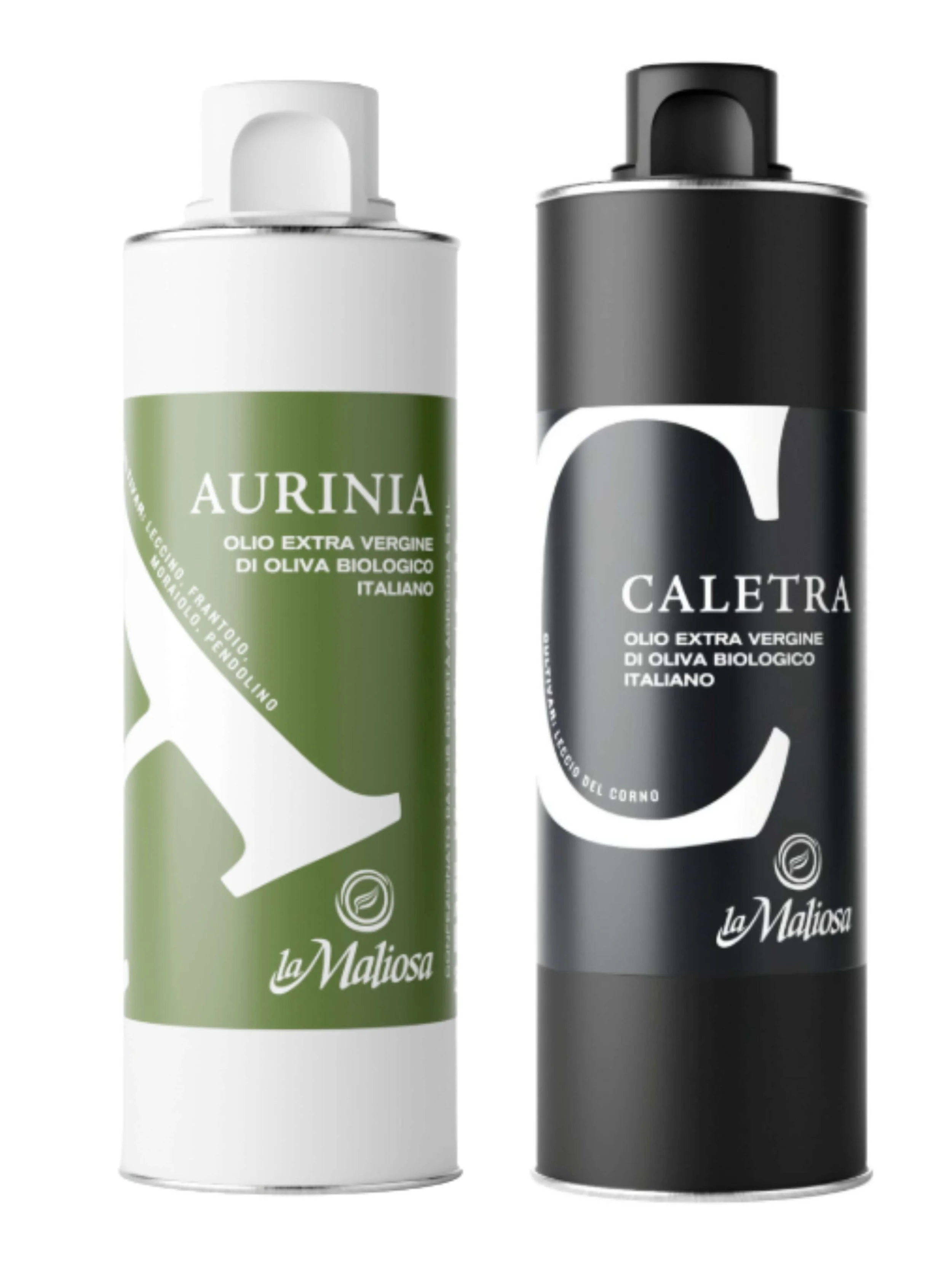
This gift set has the best olive oil around! It is farmed and made by woman owned La Maliosawho farms and crafts organic extra virgin olive oils (and natural wines too) in the wild area of Tuscany, Maremma.
This gift box comes with 2 organic EVOOs:
Aurinia, a buttery and vegetable garden tasting blend of Tuscan cultivars,
and the Monocultivar Caletra organic EVOO which has won best in Tuscan and best in Italy, and is amazing drizzled on veggies, salads and meats.
Use both Italian olive oils to up your cooking game with an added drizzle of flavor.
This set is available with evoos coming in a 250ml size or a larger 500ml size. Great for stocking your pantry or to give as an olive oil gift for that special foodie in your life!
Any add-on to your order has free shipping within the Continental US. If you’re a real foodie, try our other organic EVOOs from other small Italian farms, like this one from Abruzzoand this one from from Le Marche.
Included in this box are:
La Maliosa Aurinia Tuscan Blend Organic Extra Virgin Olive Oil
La Maliosa Caletra Tuscan Monocultivar Organic Extra Virgin Olive Oil
Farming & Winemaking Highlights: Regenerative Agriculture | Sustainable Farming | Biodynamic | Vegan | No additives | Unfiltered | Organic | Metodo Corino
Fun Facts: The natural farming method that produced this extra virgin olive oil, the metodo corino, is actually patented by La Maliosa woman winemaker Antonella Manuli after she helped to develop it with natural wine legend Lorenzo Corino of Case Corini.