
Extra Virgin Olive Oil Myths Busted
Extra virgin olive oil sits at the heart of Italian cooking, where it adds flavor, character, and soul to so many beloved dishes. From the simplest plate of vegetables to a just-finished bowl of pasta, a really good EVOO has the power to lift and complete a dish in a way few ingredients can.
In a cuisine so deeply connected to tradition, craftsmanship, and seasonality, EVOO is much more than a cooking fat or finishing touch: it is also part of the experience of eating well and healthy.
One of the clearest expressions of place, harvest, and care when it comes to Italian olive oil is La Maliosa in Maremma Tuscany, a woman-owned farm which grows and makes award winning organic Tuscan olive oils (and natural wines too!). Extra virgin olive oil is one of the most fascinating ingredients to taste and experience, especially when you begin to see the parallels with wine. Being a big part of Italian cooking, Italian olive oil is an integral part the country’s UNESCO cultural food heritage. So, really understanding and being able to pick out the good olive oils from the not so good ones is a must for any serious foodie.
That is why we wanted to put together this myth busting FAQ: to clear up some of the most common misconceptions about olive oil and help you better understand what real extra virgin olive oil is all about, from the way it is made to the health benefits behind its high polyphenols.
Let’s get to debunking some of the most commonly thought myths about extra virgin olive oil.
Myth 1: Extra virgin olive oil is easy to produce, and where it comes from doesn’t matter.
Not true. Real extra virgin olive oil is really hard to make, and that starts with a low yield. It takes about one-third of an olive tree to produce just one liter of EVOO, which is a big part of why the good stuff costs more. And where it comes from matters a lot too. The olives, the climate, the farming, and the rules all shape the final oil, but so does the producer’s touch: harvesting at the right moment, moving quickly from grove to mill, pressing with care, and refusing shortcuts. That is what makes real EVOO an artisanal product, not an industrial one. In the EU, especially in Italy, strict rules help protect quality and authenticity, but the best oils still depend on the skill, patience, and judgment of the people making them.
The best extra virgin olive oils are not mass-made commodities; instead, they are carefully crafted specialty foods with a clear sense of place, and that is exactly why a good extra virgin olive oil stands apart from the cheap stuff. How do you know you are getting a really good olive oil? From our experience, it’s best to get them from a small farmer. Which, by the way, is our specialty: farm to table olive oils made in small batches from small farms.
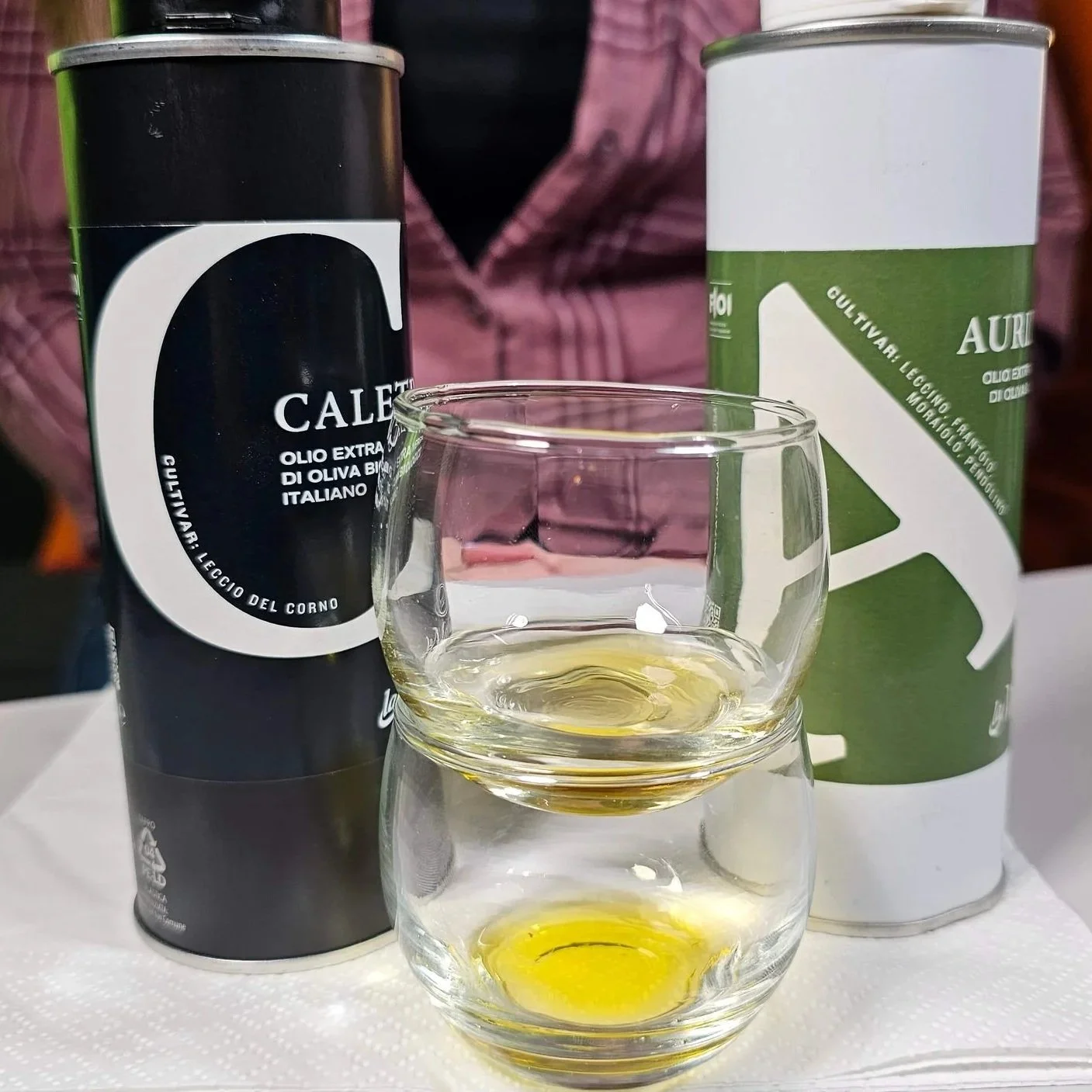
Tasting EVOOs from Tuscany: Aurinia and Caletra
Myth 2: The greener the extra virgin olive oil, the better.
Not true! Color can vary a lot from one EVOO to another, and it is not a reliable sign of quality. The shade depends on many factors, including olive variety, harvest timing, and production choices, so a great oil can be green, golden, or somewhere in between. In fact, olive oil is one of those rare ingredients where color can be misleading, which is why tasting matters so much more than looking. Real olive oil tasting is often done in a dark or opaque glass to remove color from the equation. We judge a real EVOO by its aroma, flavor, freshness, and the care that went into making it, not by how green, or not green, it looks in the glass.
Myth 3: Bitterness and a peppery burn mean the extra virgin olive oil is not good.
Nope! In fact, it is the opposite. The bitterness and that peppery sensation in the throat, especially when tasting pure extra virgin olive oil, are signs of a higher-quality EVOO. It is an indication of high levels of polyphenols, the natural compounds that give extra virgin olive oil much of its freshness, character, and health reputation. Instead of reading bitterness and the spicy, or “piquant” notes as flaws, it is better to see them as a clue that the oil is alive, vibrant, and well-made. A little cough after tasting extra virgin olive oil is actually a good sign, not a bad one. After all, it shows that the extra virgin olive oil is full of beneficial compounds. During a tasting of real olive oil you notice aroma, flavor, and finish, not just smoothness, and we want to feel that spicy peppery burn!
(Fun fact: polyphenols are also in red wines, and skin contact white wines. Maybe that’s why many studies have come out with claims that red wine is good for you.)
Myth 4: Adding “flavors” to extra virgin olive oil makes it better.
Not true! Real and truly good extra virgin olive oil does not need herbs, vinegar, garlic, or other flavor add-ins to be enjoyable. In fact, when you start adding those things, you are often covering up the true character of the oil itself, which is what the artisan farmers who careful crafted the olive oil want you to experience.
And that is the point: a truly great EVOO should already be interesting, balanced, fresh, and full of personality before anything is added to it.
When flavorings are added to olive oils, a common practice in mass produced ones, aside from it being a marketing tactic, it is also a way to mask flaws in the olive oil, like to flatten weaker flavors, or distract from an oil that would not otherwise stand on its own.
A good extra virgin olive oil is not a blank canvas that needs dressing up, since it is already complete on its own, au naturel!
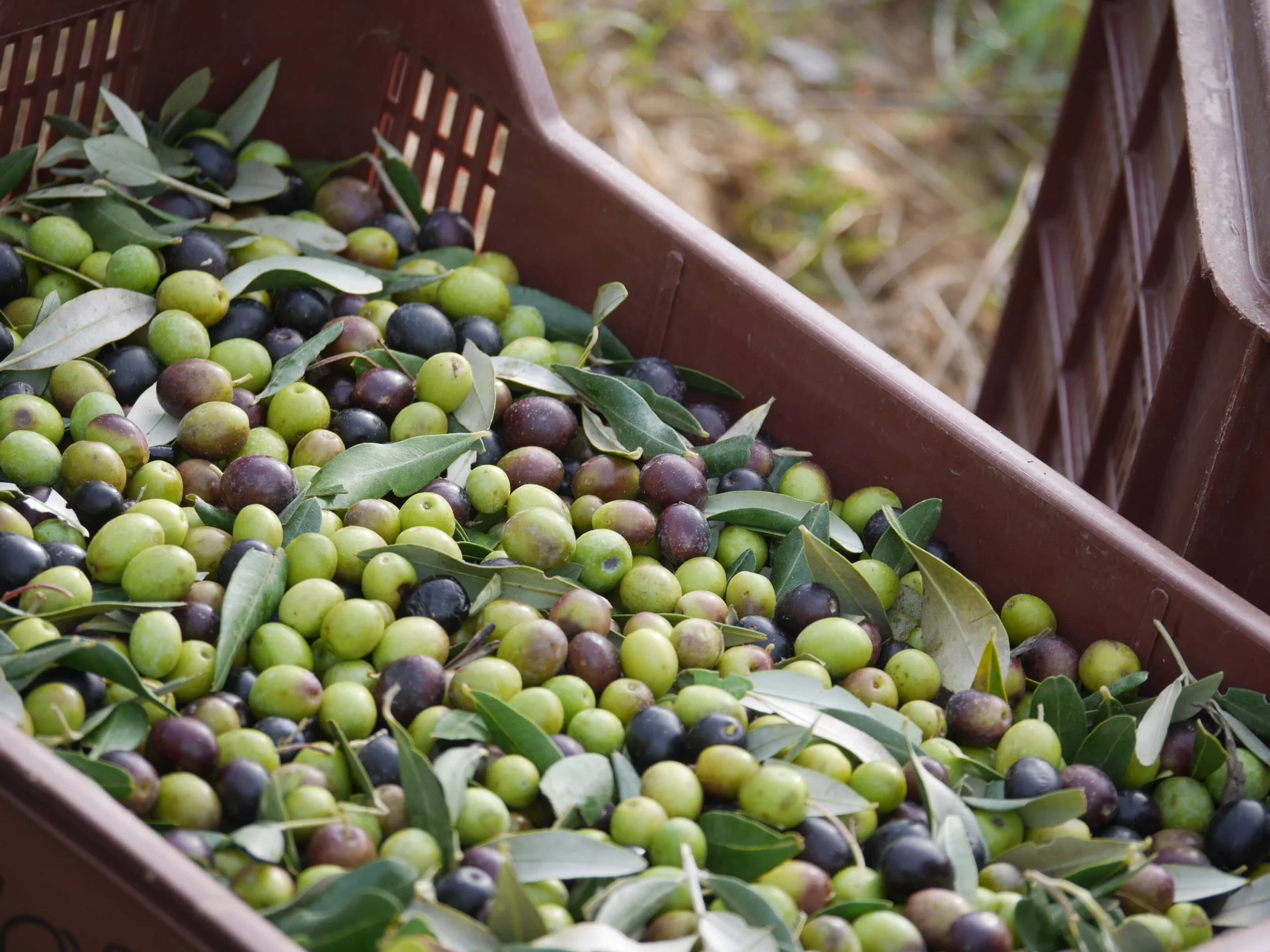
Real extra virgin olive oil should not need help to be delicious; its beauty comes from the olives, the harvest, and the care behind the making. That is part of what makes it so special: it can be enjoyed simply, honestly, and on its own terms, with no need to hide behind other aromas or ingredients. All you need is carefully grown, picked and worked olives. After all, as olive oil maker Antonella Manuli says, “good extra virgin olive oil should smell and taste first like the olives that made it.”
Myth 5: “Light” olive oil is a healthier, lower-calorie choice.
Not true! When it comes to extra virgin olive oil, “light” does not mean better for you or lower in calories. It usually refers to a lighter flavor, and in order to get rid of the intensity of a natural olive oil, a more processed oil that has had its character stripped away. Extra virgin olive oil is the first cold-pressed, first-run oil from the olives. This means it is the best of the best, and that is what helps to give it its full flavor, aroma, and personality. By contrast, a “light” olive oil is often made through extra processing to extract more oil, which can leave you with something more neutral, less distinctive, and often more refined. In the U.S. market, that word can be misleading because many people do not have the same cultural background or everyday experience with olive oil that countries like Italy do. So when you see “light,” it is worth remembering that you are usually getting less flavor, less character, and often a more processed product and not a healthier EVOO.
Myth 6: “Olive oil is olive oil, right? They’re all basically the same, so why pay more?”
Nope! This is exactly the kind of myth that gets a lot of people confused. Real extra virgin olive oil is not all the same, and when it comes to quality, source matters a lot. Artisan producers, transparent sourcing, and trusted farms make a huge difference in what ends up in the bottle, because EVOO is shaped by the olives themselves just as much as by the people making it. Just like wine can be made from different grapes, olive oil can be made from different cultivars, and those varieties can produce oils that are bold, soft, grassy, peppery, buttery, or intensely herbal. Some producers even make single-cultivar oils, while others blend cultivars together to create balance, structure, and harmony. That means a Leccino-led oil will not taste like a Frantoio-led oil, and a Tuscan blend will not taste like an Abruzzo one. There is also a lot of fraud in the olive oil world, from mixing in lower-quality oils to using different or even bad olives, which makes it even more important to know who is making the oil and how they work. That is part of what makes small, transparent producers so valuable: you are not just buying “olive oil,” you are buying a specific farm, a specific harvest, and a specific expression of cultivar and place. And just like with wine, that variety is the point and it is what makes great EVOO so fascinating, so distinctive, and so worth paying attention to.
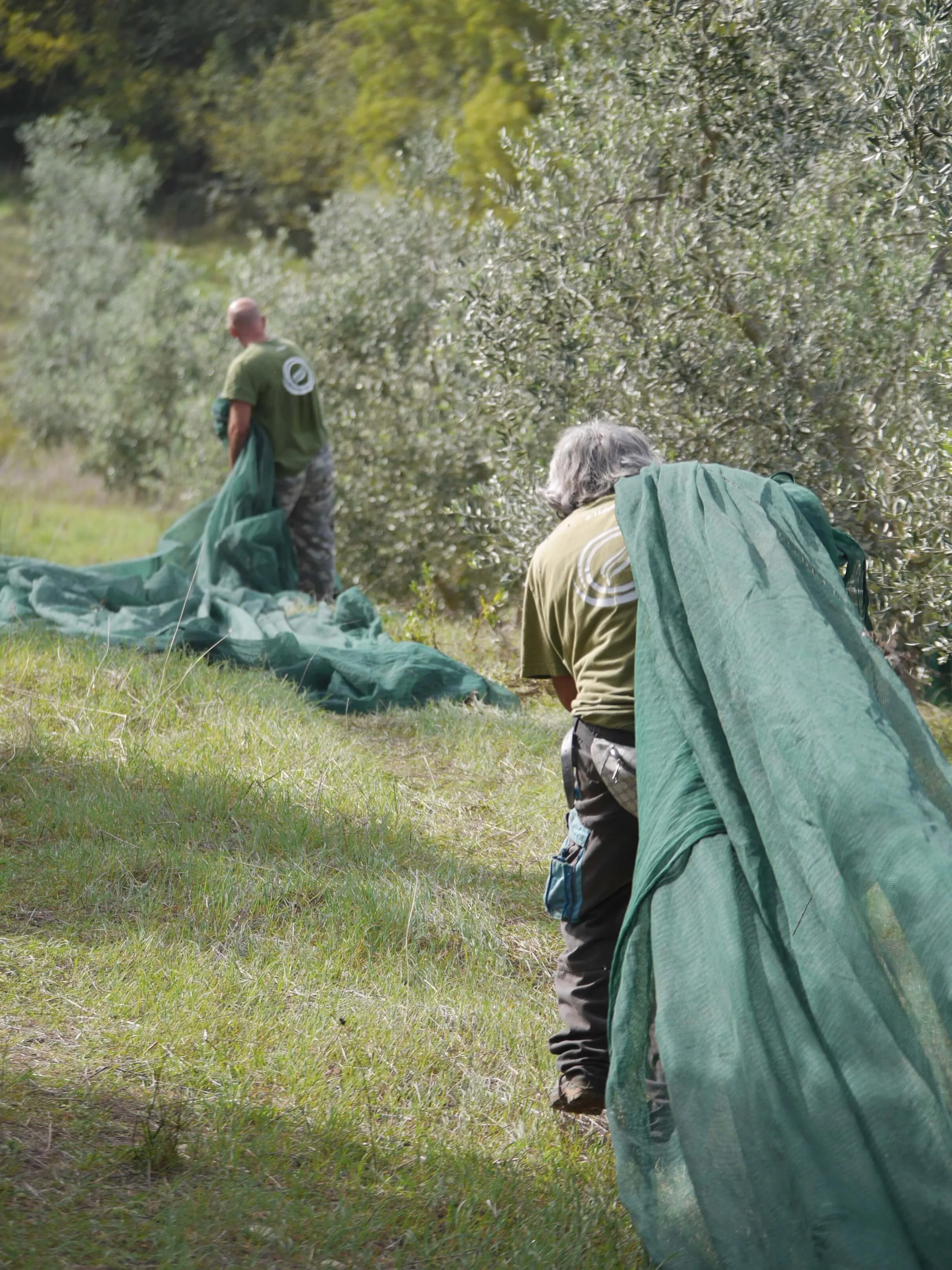
The hard work that goes into manually harvesting olives for high quality EVOO.
The biggest myth of all? That you need to be an olive oil expert to recognize a good one.
At the end of the day, real extra virgin olive oil is something to be appreciated, not simplified. And the best way to understand EVOO is to try it for yourself.
For those of you that know our curation style, you know that we love to support small producers and bring you unique and fun extra virgin olive oils, wines, and specialty foods. And you can enjoy these curations by trying a selection of different wines, foods, and olive oils from our portfolio. We sell to both businesses and consumers across the US:
We are enlarging our network of distributors around the country. Reach out to us if you are interested in distributing our products.
We sell to wine stores and restaurants in certain states - contact us if you would like more info.
We do corporate gifts and sommelier guided wine tastings. Email us and we’ll tailor unique and sustainable corporate gift ideas.
If our farm crafted wines, specialty foods, and olive oils are not in your local shop or restaurant buy wine online hereand we’ll ship it to you, and we ship to most states.
We also have an award winning wine club for true wine explorers seeking to continually discover unique, sustainable and authentic small production wines they never had.
Stock Up with the Best
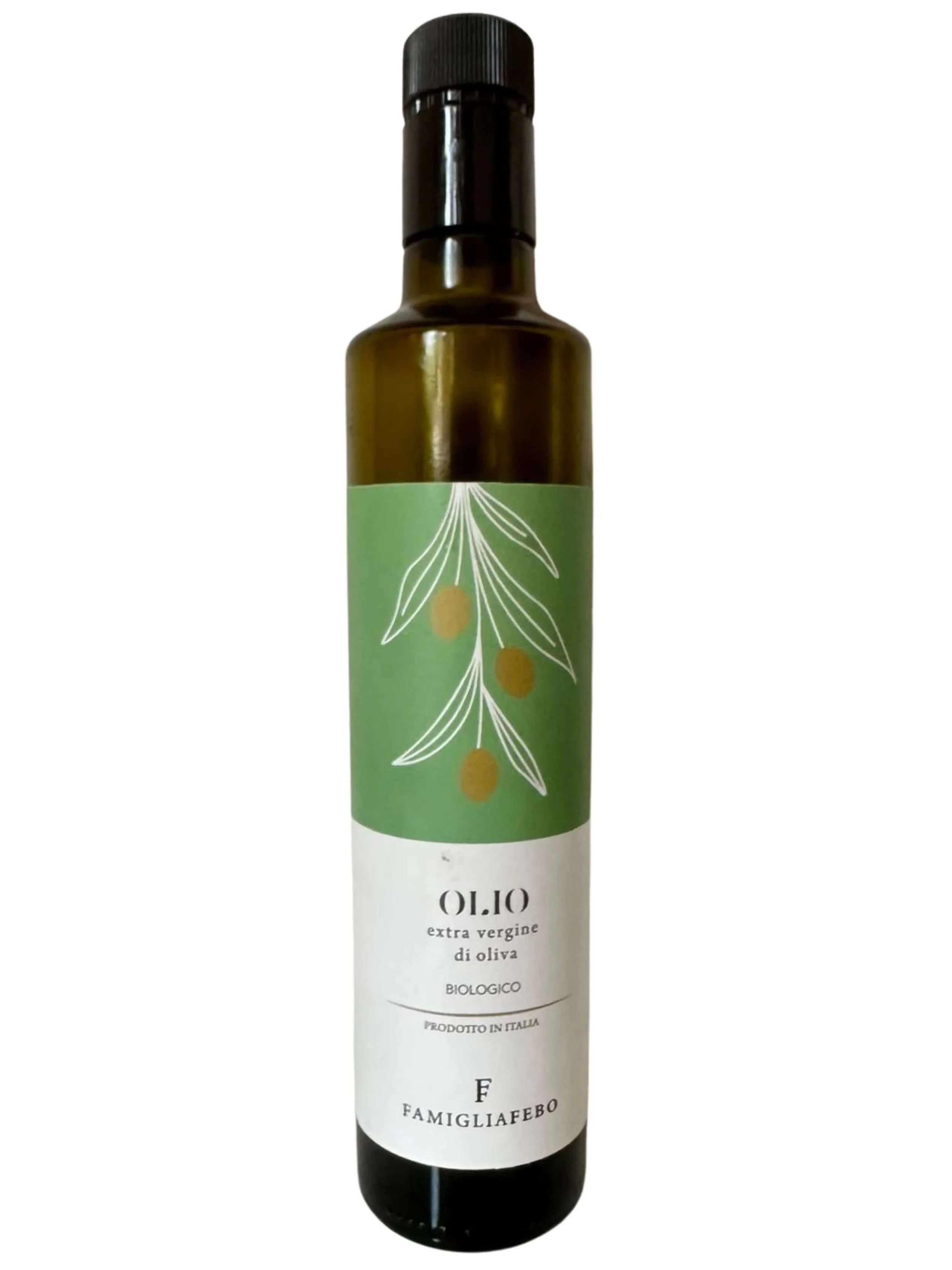
From the hills of Abruzzo near the Adriatic Coast of Italy, comes this Organic EVOO, or Extra Virgin Olive Oil, farmed and made by the Febo family. Farmed sustainably and organic, this natural extra virgin olive oil is also vegan and, like all evoos, a first run - cold press olive oil, the best kind of olive oil for you.
The 2024 harvest is still made from a blend of olives like leccino and 500 year old trees, but now it is mostly the dritta cultivar.
Farming & Winemaking Highlights: Regenerative Agriculture | Sustainable Farming | Biodynamic | Vegan | No additives | Unfiltered | Organic
Fun Facts: The dritta cultivar is a rare one being saved by Davide Febo who is trying to save and rehabilitate it.
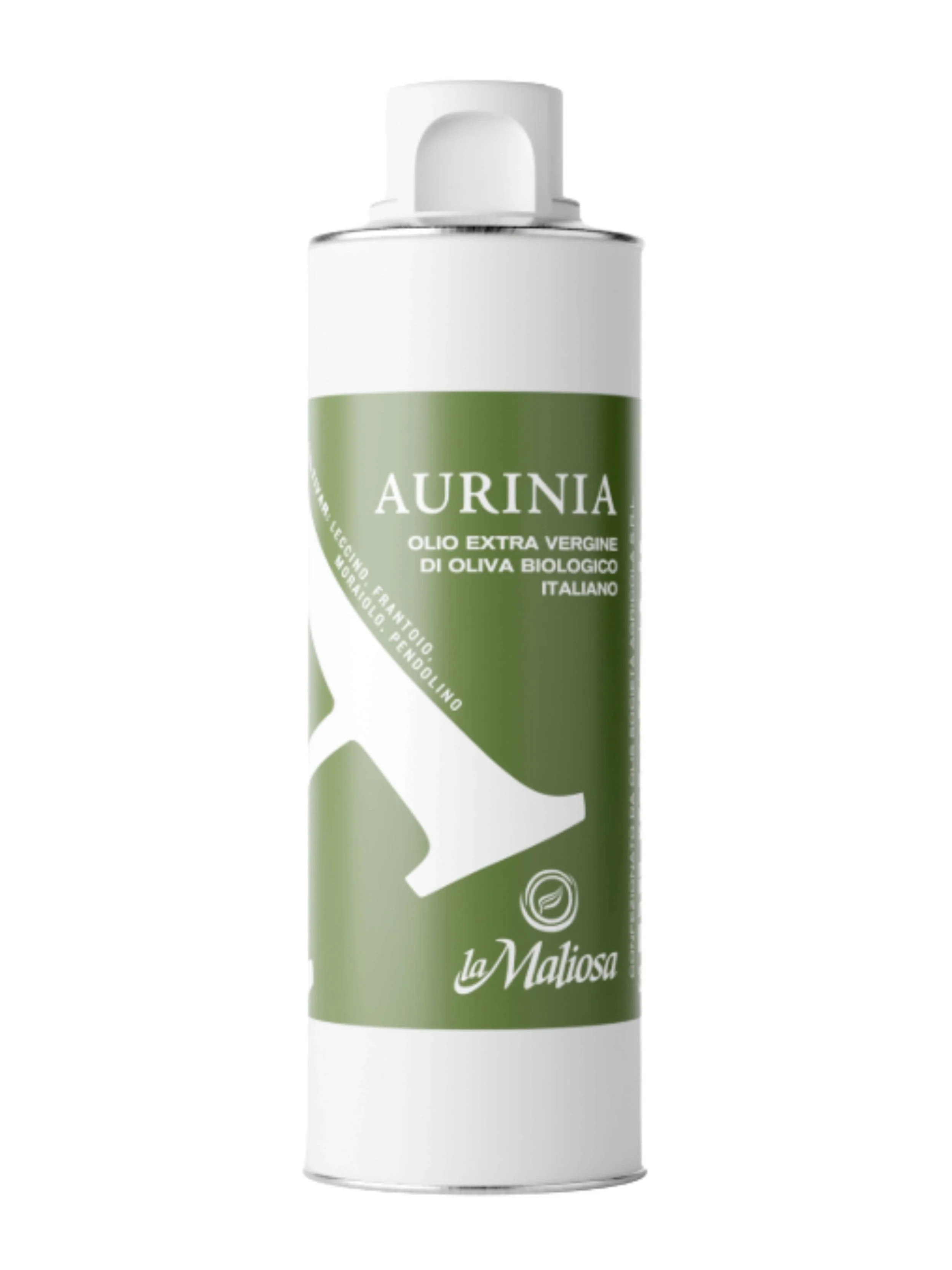
This is a woman made, limited production first cold press organic Extra Virgin Olive Oil from the Maremma hills of Tuscany made from a blend of four Tuscan cultivars. Buttery deliciousness with a bitter kick at the end, thanks to its polyphenols. It has won gold medals in a competition which judges the best extra virgin organic olive oils from around the world.
Farming & Winemaking Highlights: Regenerative Agriculture | Sustainable Farming | Biodynamic | Vegan | No additives | Unfiltered | Organic | Metodo Corino
Fun Facts: The natural farming method that produced this extra virgin olive oil, the metodo corino, is actually patented by La Maliosa woman winemaker Antonella Manuli after she helped to develop it with natural wine legend Lorenzo Corino of Case Corini.
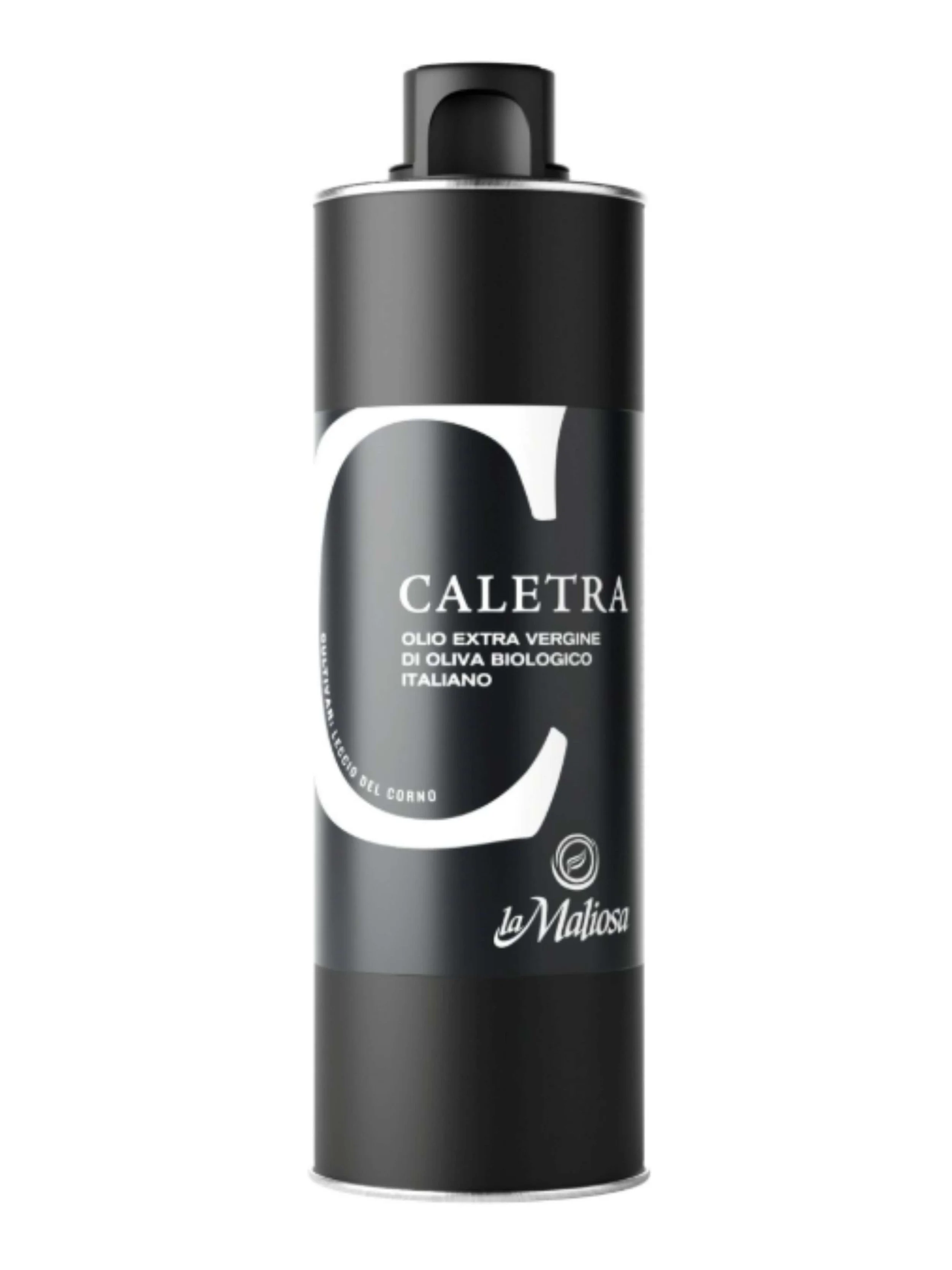
A prestigious first cold press monocultivar organic extra virgin olive oil from the Maremma hils of Tuscany which has won best organic extra virgin olive oil from Tuscany! Its polyphenols which are used to determine how good an olive oil is, are exceptionally high!
Top awards include extra gold, as best Tuscan organic EVOO by Biol Novello which evaluates the best olive oils in the world. In the past this olive oil has also won Best in Italy, as well as Gambero Rosso 3 leaves (their highest rating).
Its aromas of grass, green pepper and mint lead to an intense hot pepper taste and a long finish with black pepper lingering in your mouth. Even just a little drizzled over a simple lettuce salad will bring it to life with flavor.
Farming & Winemaking Highlights: Regenerative Agriculture | Sustainable Farming | Biodynamic | Vegan | No additives | Unfiltered | Organic | Metodo Corino
Fun Facts: The natural farming method that produced this extra virgin olive oil, the metodo corino, is actually patented by La Maliosa woman winemaker Antonella Manuli after she helped to develop it with natural wine legend Lorenzo Corino of Case Corini.

This is an olive oil, super food for super foodies. This is small production organic & vegan extra virgin olive oil made primarily from a rare local cultivar from the area of Macerata Italy called Piantone de Mogliano. The buttery flavors and taste of this organic EVOO so inspired the family behind Quercia Scarlatta farm and winery in Le Marche Italy to name it ‘our gold’, or Il Nostro Oro.
Hand harvested and milled at the family’s farm, a first run, cold press evoo, this olive oil’s aromas remind you of stepping into a garden full of fresh green beans with a whiff of black pepper. Likewise, tasting it is like having fresh green beans with black pepper and butter, thanks to its buttery texture. Black pepper continues on the finish.
This organic extra virgin olive oil comes in a 3 liter container, made for following the Mediterranean diet to a tee!
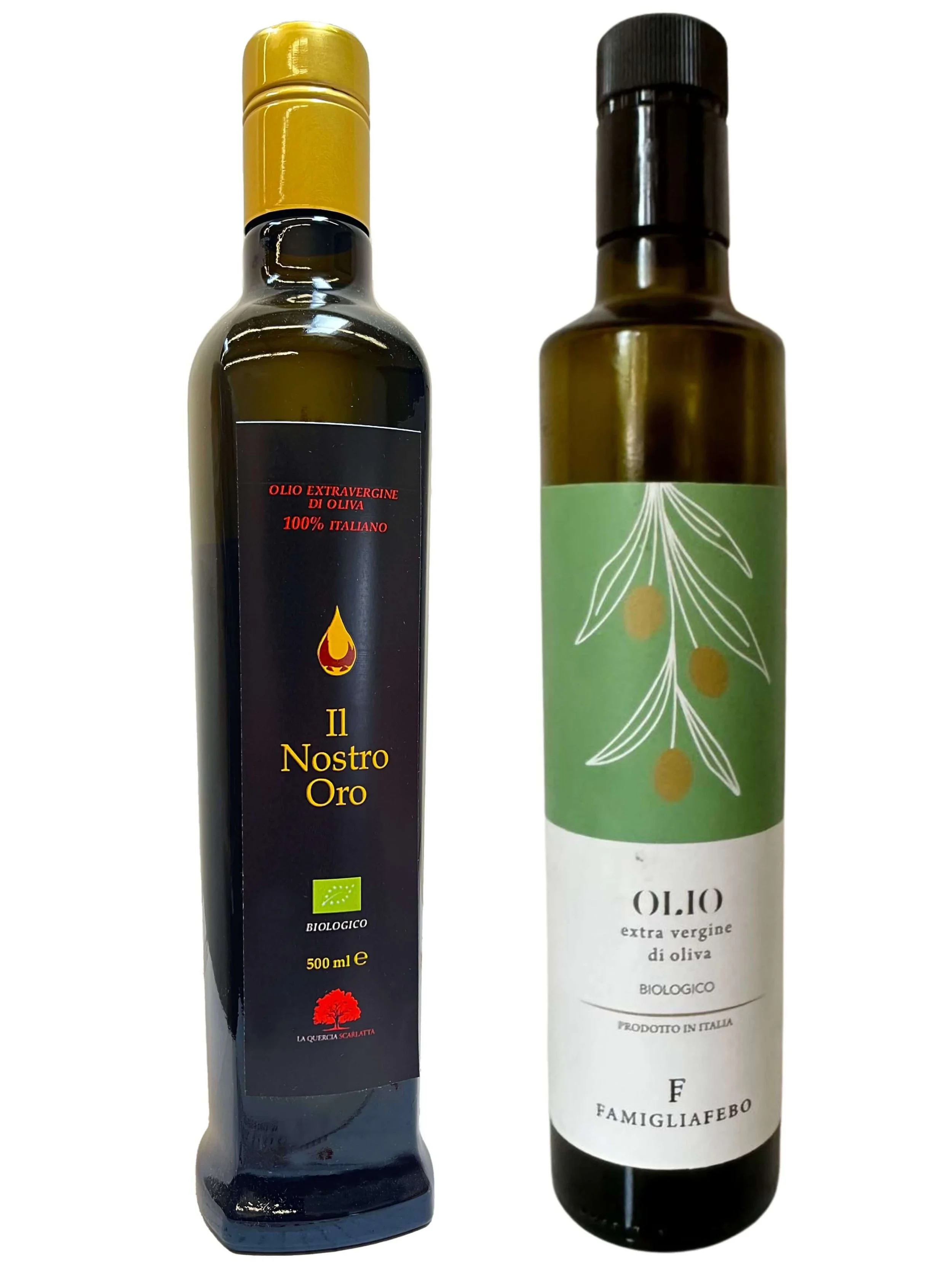
Up your culinary game with delicious & hard-to-find organic extra virgin olive oils from small family run biodynamic farms in Italy. Made with local cultivars and sustainably farmed, these evoos are packed with flavor. This set comes with two 500 ml bottles, one from Abruzzo and one from Le Marche, Italy, great for stocking your pantry or to give as an olive oil gift for that special foodie in your life and for keeping really good olive oil always on hand!
Any add-on to your order has free shipping within the Continental US. If you’re a real foodie, try our other organic EVOOs from a woman-owned small Italian farm La Maliosa, both award winning and high in polyphenols, Aurinia and Caletra.
Included in this box are:
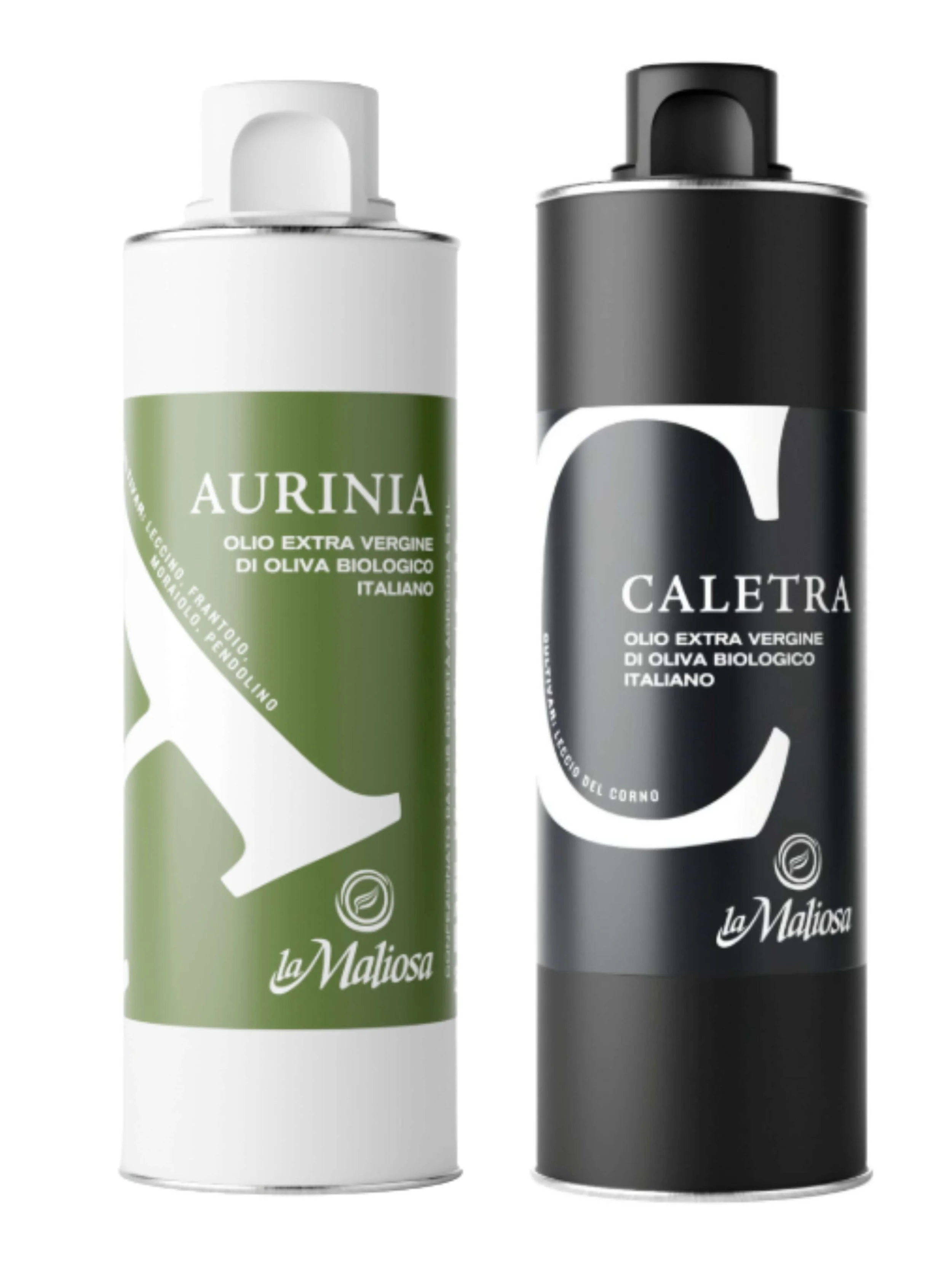
This gift set has the best olive oil around! It is farmed and made by woman owned La Maliosawho farms and crafts organic extra virgin olive oils (and natural wines too) in the wild area of Tuscany, Maremma.
This gift box comes with 2 organic EVOOs:
Aurinia, a buttery and vegetable garden tasting blend of Tuscan cultivars,
and the Monocultivar Caletra organic EVOO which has won best in Tuscan and best in Italy, and is amazing drizzled on veggies, salads and meats.
Use both Italian olive oils to up your cooking game with an added drizzle of flavor.
This set is available with evoos coming in a 250ml size or a larger 500ml size. Great for stocking your pantry or to give as an olive oil gift for that special foodie in your life!
Any add-on to your order has free shipping within the Continental US. If you’re a real foodie, try our other organic EVOOs from other small Italian farms, like this one from Abruzzoand this one from from Le Marche.
Included in this box are:
La Maliosa Aurinia Tuscan Blend Organic Extra Virgin Olive Oil
La Maliosa Caletra Tuscan Monocultivar Organic Extra Virgin Olive Oil
Farming & Winemaking Highlights: Regenerative Agriculture | Sustainable Farming | Biodynamic | Vegan | No additives | Unfiltered | Organic | Metodo Corino
Fun Facts: The natural farming method that produced this extra virgin olive oil, the metodo corino, is actually patented by La Maliosa woman winemaker Antonella Manuli after she helped to develop it with natural wine legend Lorenzo Corino of Case Corini.