
Bugging Out Over Farming
With the start of spring this past week, our attention is turning more towards the outdoors including gardening, whether it’s planting new plants or figuring out how to combat the coming onslaught of weeds and potential threats to our gardens and plants.

Here’s our founder and the brave group of insect farm expeditioners who visited Rincon-Vitova Insectaries.
Likewise, farmers’ attentions are shifting away from the dormancy of winter and towards the excitement, and work, associated with plant growth and production.
We here are Vero support only those wineries that farm their land and vineyards, as well as olive trees to make extra virgin olive oil. Hence we care about how all of the wine and EVOO we curate are farmed, seeking only those that are made in the most sustainable way as possible. Most of them practice regenerative agriculture as well as biodynamic farming methods which we have written about in the past.
Some of you may also know that Vero’s headquarters are in Ventura California, which has an important agriculture footprint, producing fruit and vegetables that are sold across the USA. So when our founder, Sheila Donohue, was at a local neighborhood community meeting in Ventura, and heard someone speaking about regenerative farming, her ears immediately perked up. That’s when she met Ron Whitehurst, a Pest Control Advisor, and spokesperson for Rincon-Vitova Insectaries, an insect farm in Ventura founded by his wife’s father, Everett Dietrick. Sheila never met someone who worked at an insect farm, in fact, even the concept sounded a bit strange: after all, aren’t all insects pests?
She found out through Ron that it’s NOT the case, hence why his father-in-law started his insect farm.
With her curiosity piqued, she set off to Ron’s insect farm, along with others who were just as curious as she was. Let’s find out what they learned.

Jan Dietrick and Ron Whitehurst feel fortunate to be partners promoting biological control by natural enemies with Rincon-Vitova Insectaries.
Integrated Pest Management
What drove Everett Dietrick to start Rincon-Vitova Insectaries?
Turns out, he was a researcher with many papers written about farming and insects. One of his papers, from back in 1969, talked about Integrated Pest Management. According to the EPA, “Integrated Pest Management (IPM) is an effective and environmentally sensitive approach to pest management that relies on a combination of common-sense practices. IPM programs use current, comprehensive information on the life cycles of pests and their interaction with the environment.”
In Mr. Dietrick’s paper, he laid out the 5 principles to IPM which are:
Avoiding disruptive pesticides,
Building beneficial refuge,
Monitoring insects,
Developing cultural practices,
Releasing beneficial organisms.
He then explains what is involved in putting into effect these principles which, surprisingly, or not, refer to practices which fall under regenerative agriculture, as well as biodynamic farming like not using pesticides and applying cover crops. Ultimately, these principles outlined by Mr. Dietrick is about relying on nature to control pests and other threats. What he wrote back in 1969 essentially goes against modern conventional farming practices. Fortunately, nowadays, the tide is turning against chemical based farming and is going “back to” healthy farming practices, like those embraced by regenerative farming.
But, to have written a paper like this back in the 60’s shows that he was a forward thinker, and courageous as well: consider that conventional farming, which relies on synthetic fertilizers, pesticides and herbicides, and other practices with the goal to control “Mother Nature” so to eek out the highest amount of production from the land, was all the rage back in the 60’s. Instead, Dietrick’s approach, which, thankfully, have been passed on and continues to be carried out by his daughter Jan, and her husband, Ron, takes the opposite approach: which is to give the control back to Mother Nature.

Walking down fly alley at this insect farm.
Visiting the Insect Farm
We got a tour of Rincon-Vitova Insectaries with the General Manager, Krya Ankenbruck. Kyra admits to loving bugs, and while at Purdue University she sought out a company for a summer internship which grows and sells bugs. She was also trying to get exposed to “chemical free” entomology practices, thus distancing herself from “school taught” entomology programs which were practically sponsored by chemical companies. After 18 years with Rincon-Vitova, she is still committed to her passion and initial goal of using insects in a smart and eco-friendly way to combat pests.
Rincon-Vitova’s founder, Everett Dietrick, transferred his insect farm in the 70’s to its current location which were dormitory-like cottages for oil industry workers. They have kept the original buildings, since during each phase of insect cultivation you want to have a controlled environment to produce specific results without interference from other pests, etc. In fact, Rincon-Vitova Insectaries uses the plural form of insectary since each room is its own place, i.e., laboratory, for rearing a specific insect during a certain phase of its development.
Their clients are anyone who want to use bugs instead of poisons in farming and other outdoor activities, from companies to individuals. They get calls from people with home gardens to agricultural businesses, even horse farms, wanting to use predatory insects to combat pests.
Rincon-Vitova focuses on 2 primary insect cultivation:
Producing beetles that become lacewings that eat plant pests like scale insects and aphids,
Producing parasite wasps that eat pesky flies.
We got a tour of both of these growing and cultivation methods.

Kyra, GM of Rincon-Vitkova, showing the room where lacewing beetles are being growing.
Combatting Plant Pests
The first insectary we entered was full of squash which had these teeny-tiny beetles on them. The room was warm and smelled like a strong cheese. It was definitely an unusual environment to be in. Kyra pointed out various beetles which were being cultivated to become lacewing predators to scale insects and other plant pests. Think of lacewings as “good bugs” like ladybugs. The beetles live on squash and when they are ready to collect, they hand aspirate them one by one.
Later, Ron showed up and showed us adult lacewings and a honeycomb looking piece of cardboard where each lacewing will lay its eggs.

Fly maggots turning into cocoons where wasps will lay their eggs.
Natural Fly Control
After touring the beetle room, we took a walk down “fly alley” consisting of a series of rooms, from which you enter from the “alley” which ultimately are used to produce a gnat-like looking wasp which uses fly pupae, or cocoons, to lay their eggs, thus preventing flies within the cocoon to reach adulthood. In order to do this, the insect farm needs to first cultivate the flies.
So the first fly control room had adult flies which laid their eggs. This room was super creepy because of the immense amount of flies in each screened-in box. In fact, Krya invited us to put our hand into a box which was filled with flies. We had a nurse as part of our group visiting who evidently was used to being in squeamish situations and was the first to volunteer to stick her hand in.
Then, once the eggs are laid, they place a large amount in a box filled with food and the eggs hatch to become larvae, or maggots. Seeing this was a throwback to school when children cultivated mealworms in biology class. The box didn’t seem to have much going on, yet, when you placed your hand under the box it was hot, indicating the high level of movement the maggots were doing.
After 5 days in the box, the insect farm then floods the box to force the maggots out of the box, where they fall to a tray underneath which collects most of the maggots (we had to be careful since a lot of the larvae miss the try and land on the ground, wriggling all around the floor!)
Then the maggots get transferred to another room where after several days they become cocoons, which then are used by the wasps to lay their eggs.
The wasps themselves have separate rooms to be cultivated through each phase of their life, starting with the pupae, or fly cocoon which was impregnated by the wasp, all the way to their adult form.
Natural All The Way
As Ron explained, the goal of Rincon-Vitova is to become part of local ecology, providing a natural control which allows nature to balance itself out without the use of chemicals.
We embrace this approach, as well as our producers, who are small batch artisans, farming their own land in a sustainable way. Many Vero Producers farm using regenerative agriculture techniques as well as biodynamic farming practices, which we have touched up in this article. They include some like Canalino, Case Corini, Col del Balt, Frignano, Ivaldi, La Maliosa, Quercia Scarlatta, Thaya, Zamichele, and Zanon. Check out all of our wines made with regenerative agriculture principles here. By purchasing their small production wines and tasting the fruits of their labor, you’re doing your part to help mitigate climate change and helping the earth restore its precious assets.
We exist to allow all Americans, businesses and consumers, across the US to experience the pleasure of a farm to glass wine, and a really good olive oil too. How can you get your hands on the hidden gems we forage for?
If you are a distributor reach out to us introduce our highly curated portfolio of one of a kind small production wines to your state.
We sell to wine stores and restaurants in certain states - contact us to learn more.
If our farm crafted natural wines and olive oils are not in your local shop or restaurant, buy wine online here, and we’ll ship it to you, including wine gifts.
We also have an award winning wine club for true wine explorers that are seeking to continually discover unique, sustainable and authentic small production wines they never had. These are wines selected by our sommeliers and curated for each box.
We do corporate gifts and sommelier guided wine tastings. Email us and we’ll tailor unique and sustainable corporate gift ideas.
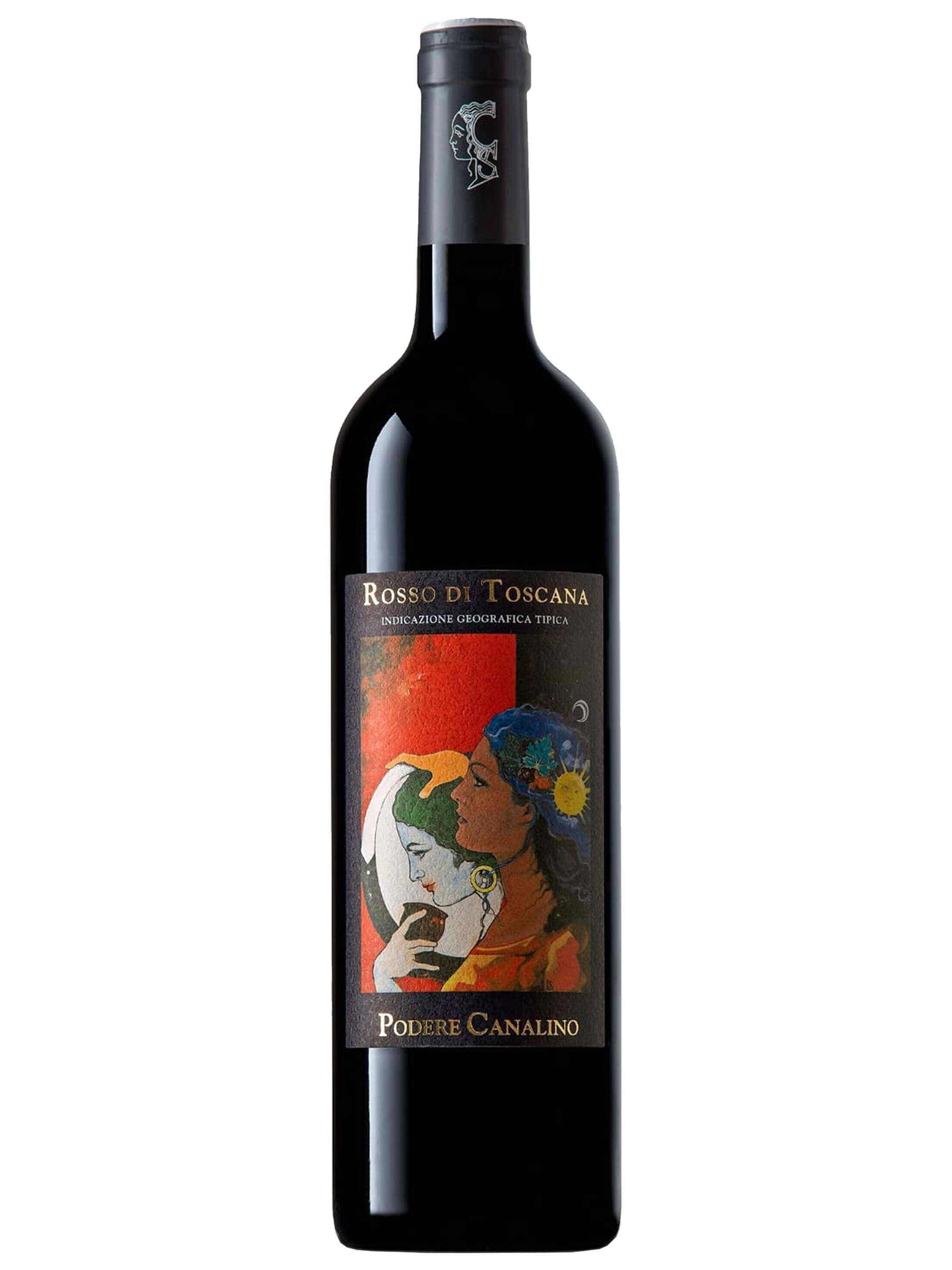
Made from sangiovese vineyards in Montalcino, this is an approachable, people pleaser for red wine lovers, the unoaked offering from the Brunello producer Canalino. It has notes of cherry, with hints of black pepper and toast. This wine is fresh, fruity and balanced with soft tannins and a pleasant clean finish.
Tastes Like: Crunchy, fresh cherries
Farming & Winemaking Highlights: Regnerative Agriculture | Sustainable Winery | Biodynamic | Native Yeast Fermentation | Unfiltered | Organic | Natural Wine | Vegan
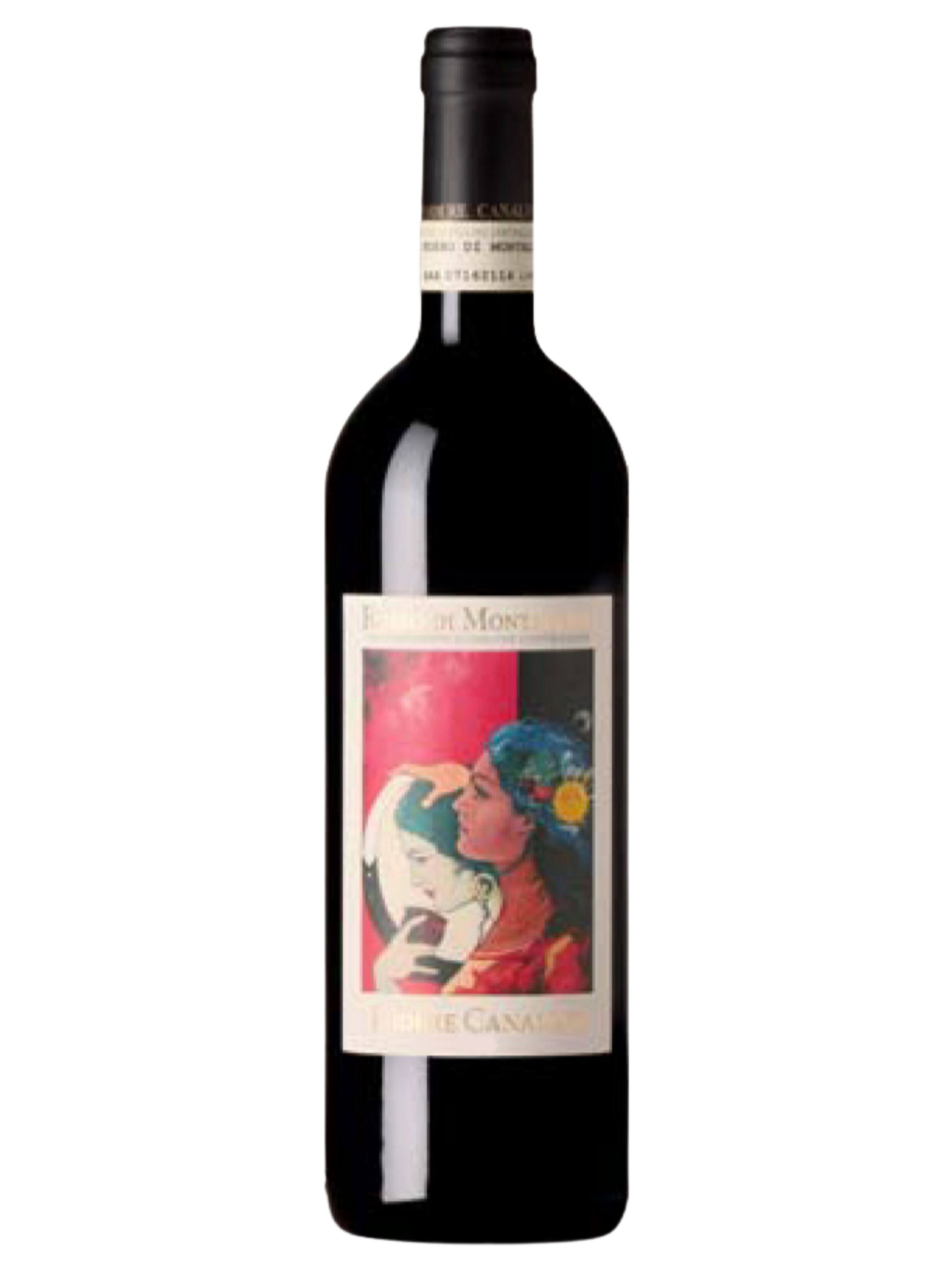
This is a complex, intense age-worthy vegan red wine; Once opened balsamic notes burst forth. We recommend to decant it or at least let it breathe a bit before tasting. When tasting, you understand that it comes from a terroir which one of the best Italian reds, Brunello, is made from; its structure is noteworthy, from acidity, to tannins to mineral structure. A delight for serious red wine lovers.
Tastes Like: Spiced Cherry Jam
Farming & Winemaking Highlights: Regnerative Agriculture | Sustainable Winery | Biodynamic | Native Yeast Fermentation | Unfiltered | Organic | Natural Wine | Vegan
Fun Facts: From 100% sangiovese vineyards right outside the historic center of Montalcino.

This Brunello di Montalcino from winery Canalino is crafted using specially selected sangiovese grapes. A gorgeous ruby color, the nose is a potpourri of intense mature fruit and spice aromas from prune to menthol to leather. The wine is structured, with freshness, minerality and age worthy tannins and a fantastic mouthfeel.
Tastes Like: Stewed Cherries or Cherry Jolly Rancher candy
Farming & Winemaking Highlights: Regnerative Agriculture | Sustainable Winery | Biodynamic | Native Yeast Fermentation | Unfiltered | Organic | Natural Wine | Vegan
Fun Facts: The name “brunello” comes from the local name used for the type of sangiovese typically used in the area.


All natural, old vine nebbiolo and barbera blend with no added sulfites and yeast. Aromas of milk chocolate covered cherries, it has a fresh and rich fruity taste with notable tannins and a has a long piquant finish. Name comes from the former owner of the 70 year old vineyard which has a mix of Nebbiolo and Barbera and is down the hill from the childhood home of Lorenzo Corino. After a gentle crushing, fermentation starts with native yeast fermentation and wines are left with skin contact for 6-7 weeks, followed by about 30 months of aging in wooden barrels. As with all of Case Corini wines, this is a 00 wine, nothing added, nothing removed, no yeast, no sulphites added, organic, biodynamic, vegan. In other words, all natural wine.

Earthy, age-worthy nebbiolo made from 70 year old naturally cultivated vines. Named for the dearly beloved grandfather of Lorenzo Corino. Having a garnet color with orange hues it has a complex, spicy nose with notes of cardamom and cinnamon. When tasting, it is fruit forward, cherry & forest fruits, followed by spices, and chalky tannins envelope the mouth and finishes elegantly. After a gentle crushing, fermentation starts with native yeast fermentation and wines are left with skin contact for 6-7 weeks, followed by about 36 mos of aging in wooden barrels.
As with all of Case Corini wines, this is a 00 wine, nothing added, nothing removed, no yeast, no sulphites added, organic, biodynamic, vegan. In other words, all natural wine.
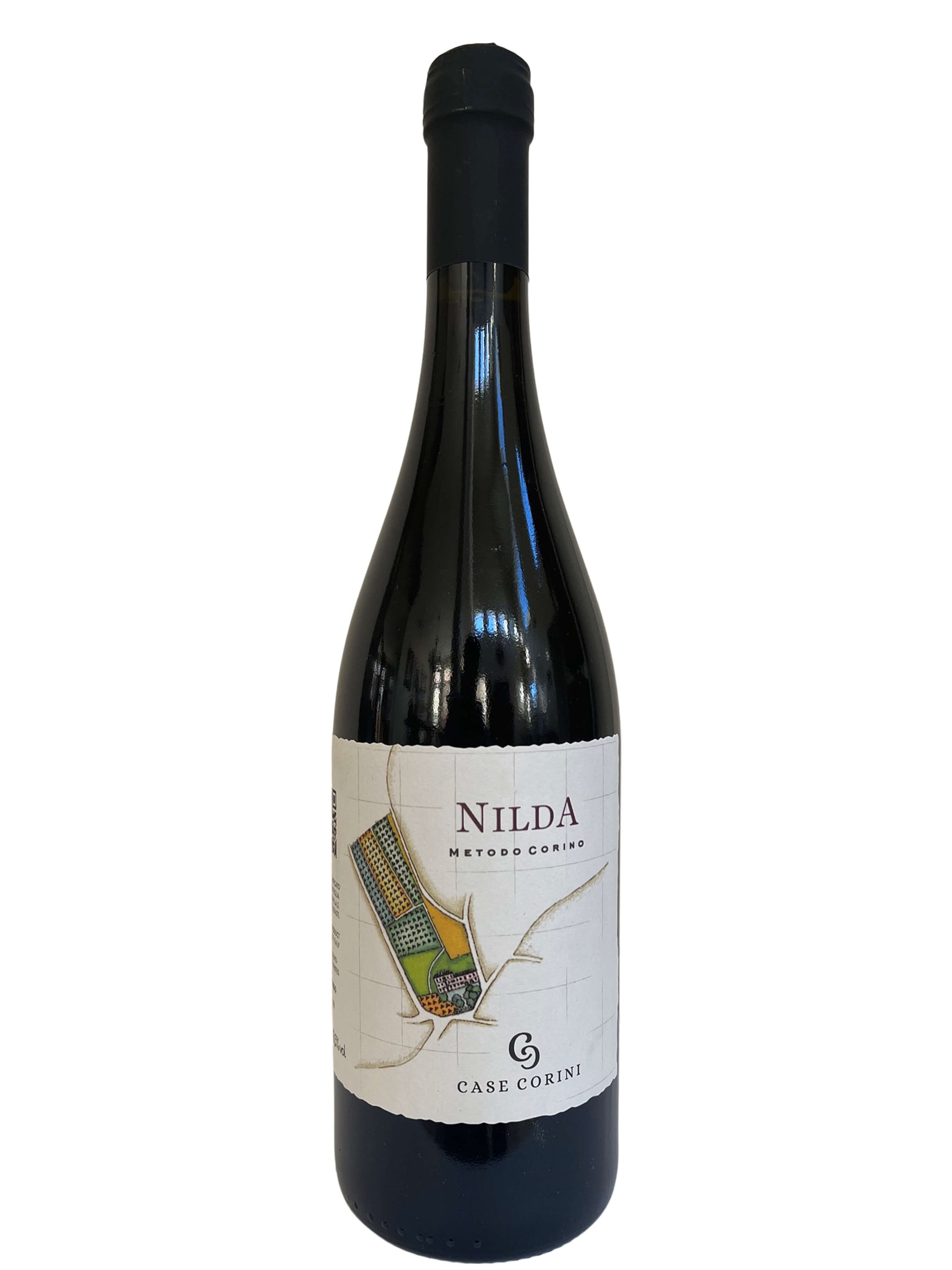
Named after Lorenzo Corino's grandmother, Nilda is Lorenzo & Guido Corino's new red wine from 20 year old vineyards in their hometown of Costigliole d'Asti. It is a field blend mainly of Barbera, along with a mix of other old varieties native to the area. It has aromas of spiced milk chocolate cookies and has a fresh, ripe dark fruit taste with an earthy funkiness and great texture. This vegan wine is made naturally, with no intervention of any kind made and no sulfites added. After a gentle crushing, fermentation starts with native yeast fermentation and wines are left with skin contact for 3-4 weeks, followed by about 12 mos of aging in wooden barrels.


Before this 'modern era' of Proseccos made with the Charmat method, Prosecco was made with the ancestral method, like this wine, Codolà, where fermentation takes place in the bottle, and it is not disgorged. This means that the wine is unfiltered since it is on its lees. In Italy it is also called a Col Fondo sparkling wine and in the US, we use the French term ‘Pet Nat’ to describe this wine. This results in a white sparkling wine whose aromas and flavors continue to evolve while they are in the bottle. This Col del Balt white sparkling wine made by the Sanzovo brothers has a straw yellow color with lots of fine bubbles and green herb and pear aromas with a hint of lemon zest. It has 0 residual sugar and it tastes dry and clean, with a slightly bitter, lemon rind tasting, finish.

Made from Glera grapes in one of the best areas for Prosecco, Valdobbiadene, this is a crisp, clean delicious dry Prosecco DOCG with a light yellow color and lovely effervescence. It has notes of pear with a minerally flavor and a citrusy, slight bitter finish reminding you of the rich terroir where this wine comes from. This Col del Balt Brut Prosecco made by the Sanzovo brothers has approximately 5g of residual sugar. As well, it is a special Millesimato Valdobbiadene Prosecco Superiore, meaning not only does it come from the select Valdobbiadene “heart” of Prosecco, but it is also from a singular vintage, not a blend of multiple vintages like many Proseccos.


An organic & vegan natural wine made from 100% trebbiano abruzzese, a white wine grape which the New York Times cites a grape “worth knowing better”. It has an inviting straw yellow color and an exotic nose (look for the saffron!) and an intriguing fruity and herbal taste.
This white wine is age-worthy too! Fermented and refined in grandfather Febo’s concrete vessels.
Region: Italy > Abruzzo > Chieti
Tastes Like: Peaches and Saffron
Farming & Winemaking Highlights: Regenerative Agriculture | Sustainable Winery | Biodynamic | Native Yeast Fermentation | Vegan | Single vineyard | Old Vine | Organic | Natural Wine
Fun Facts: This wine is named from the single vineyard from which it comes, Parella in Chieti.
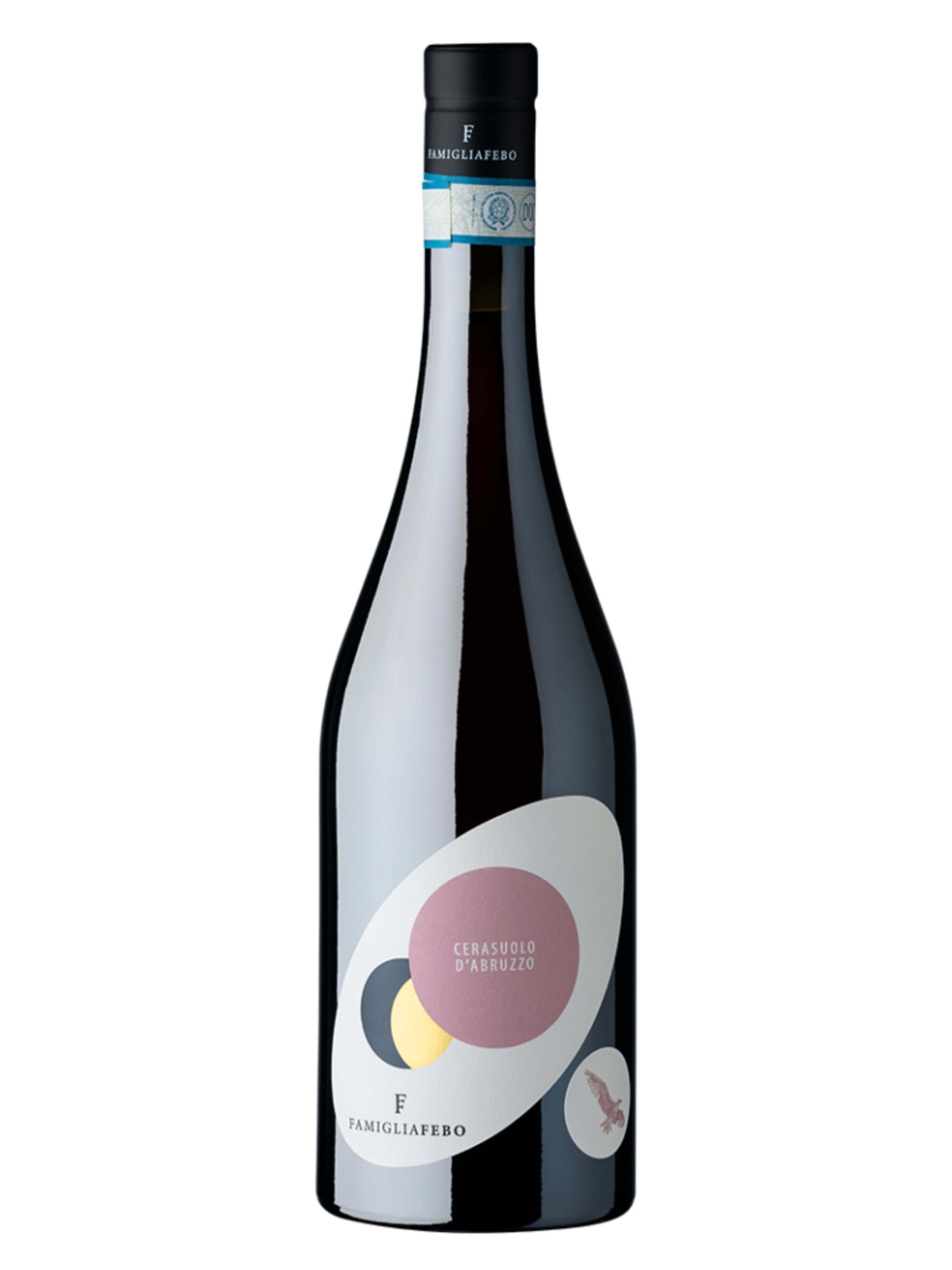
While made as a rosé wine, this Cerasuolo d’Abruzzo is actually more like a light red wine thanks to the dark pigments of the Montepulciano grapes used, farmed on Febo family’s estate vineyards in Abruzzo.
The minimal intervention approach of this natural wine producer results in a lot of vintage variation year after year. For example, the 2021 Cerasuolo d’Abruzzo has a cherry taste with a salty finish, and is considered a “serious” rosé wine while the 2024 is a Rosorange color that bursts with blood orange flavors mixed with cherry.
Region: Italy > Abruzzo > Spoltore & Chieti
Tastes Like: 2021 - Cherries | 2024 - Tart cherries and blood orange
Farming & Winemaking Highlights: Regenerative Agriculture | Sustainable Winery | Biodynamic | Native Yeast Fermentation | Vegan | Organic | Natural Wine
Fun Facts: Both vintages are fermented with native yeast and refined in the winegrower's grandparents' concrete vessels. Great chilled and a good pairing is eggplant parmesan.
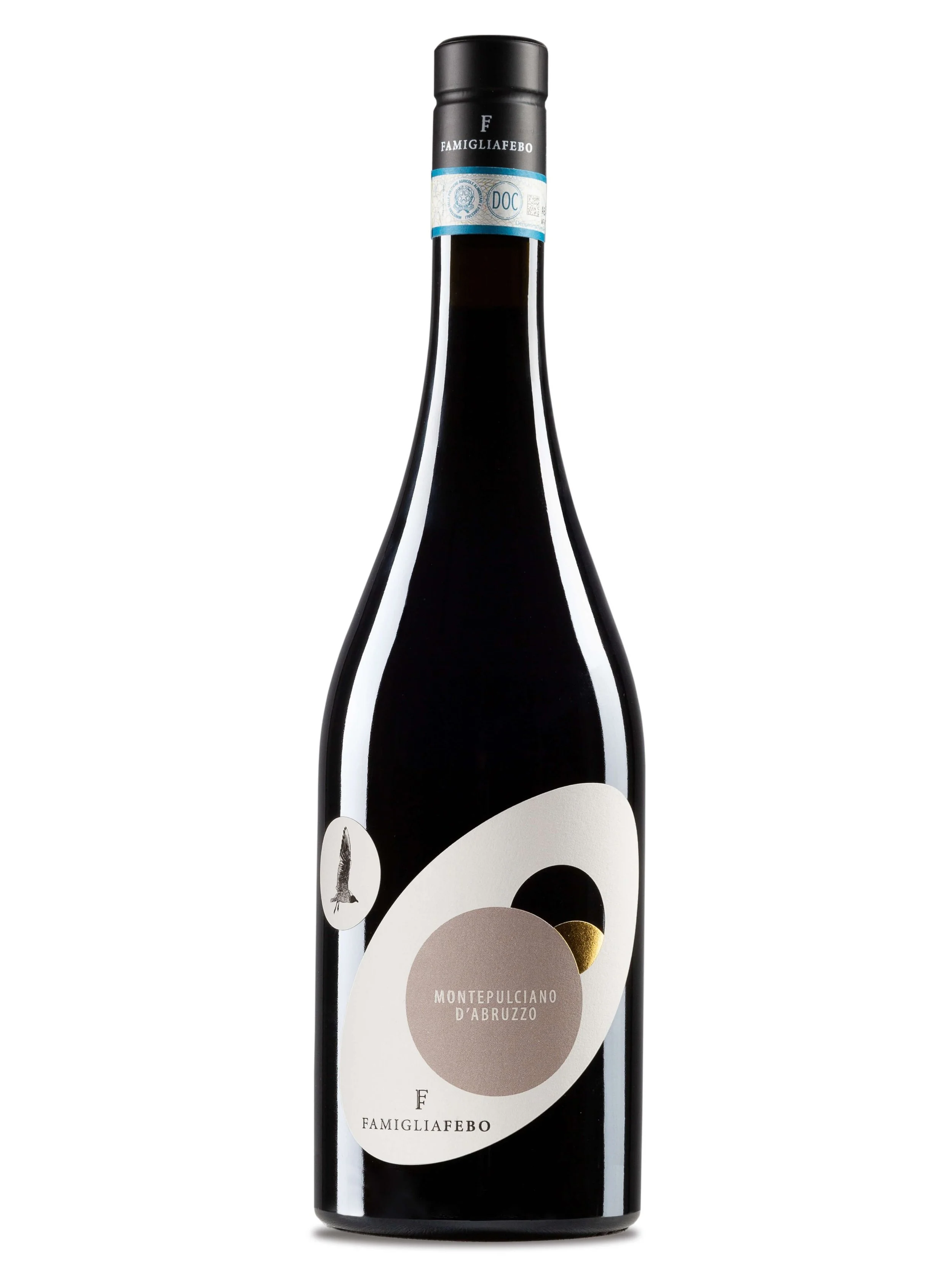
Made with 100% Montepulciano grapes spanning family vineyards in Spoltore and Chieti in Abruzzo, it has aromas of amarena cherries and licorice and a slight funkiness thanks to its 100% natural production. It tastes of dark fruit, with a rich texture and slightly bitter finish, with the funky vibe continuing while tasting. Fermented and refined in the winegrower's grandparents' concrete vessels.
Region: Italy > Abruzzo > Spoltore & Chieti
Tastes Like: Dark fruits
Farming & Winemaking Highlights: Regenerative Agriculture | Sustainable Winery | Biodynamic | Native Yeast Fermentation | Vegan | Organic | Natural Wine
Fun Facts: Pairs nicely with chicken parmesan. | While there is a famous wine “Vino Nobile di Montepulciano” from Tuscany, this grape has no connection to it; the “montepulciano name” there comes from the town noame, where as here in Abruzzo “montepulciano” actually refers to the grape used to make the wine.
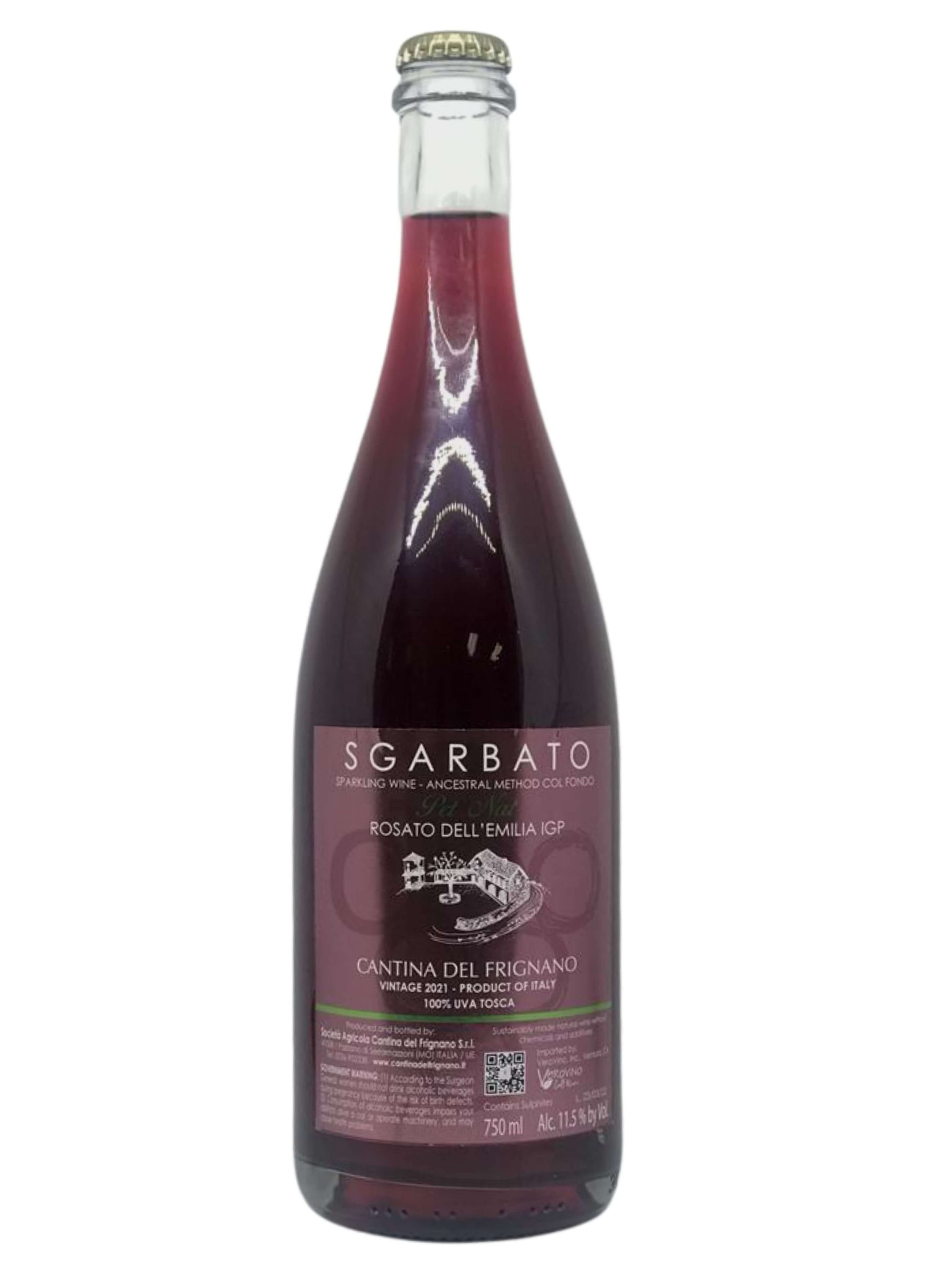
Made from the rare Uva Tosca grape, this dry Pet Nat tastes like drinking cranberry juice as a sparkling wine.
This producer, Frignano, is credited for reviving this forgotten grape which grows in higher altitudes in Emilia area of Northern Italy, and is believed to be a descendant of Schiava Grossa, the Alto Adige red grape.
Refreshing and quaffable, with strawberries on the nose and a saline finish, it is great on its own or with light fare. It is an unfiltered, bottle fermented 'col fondo' sparkling wine also known as ancestral method or Pet Nat style, and made with spontaneous fermentation like a natural wine.
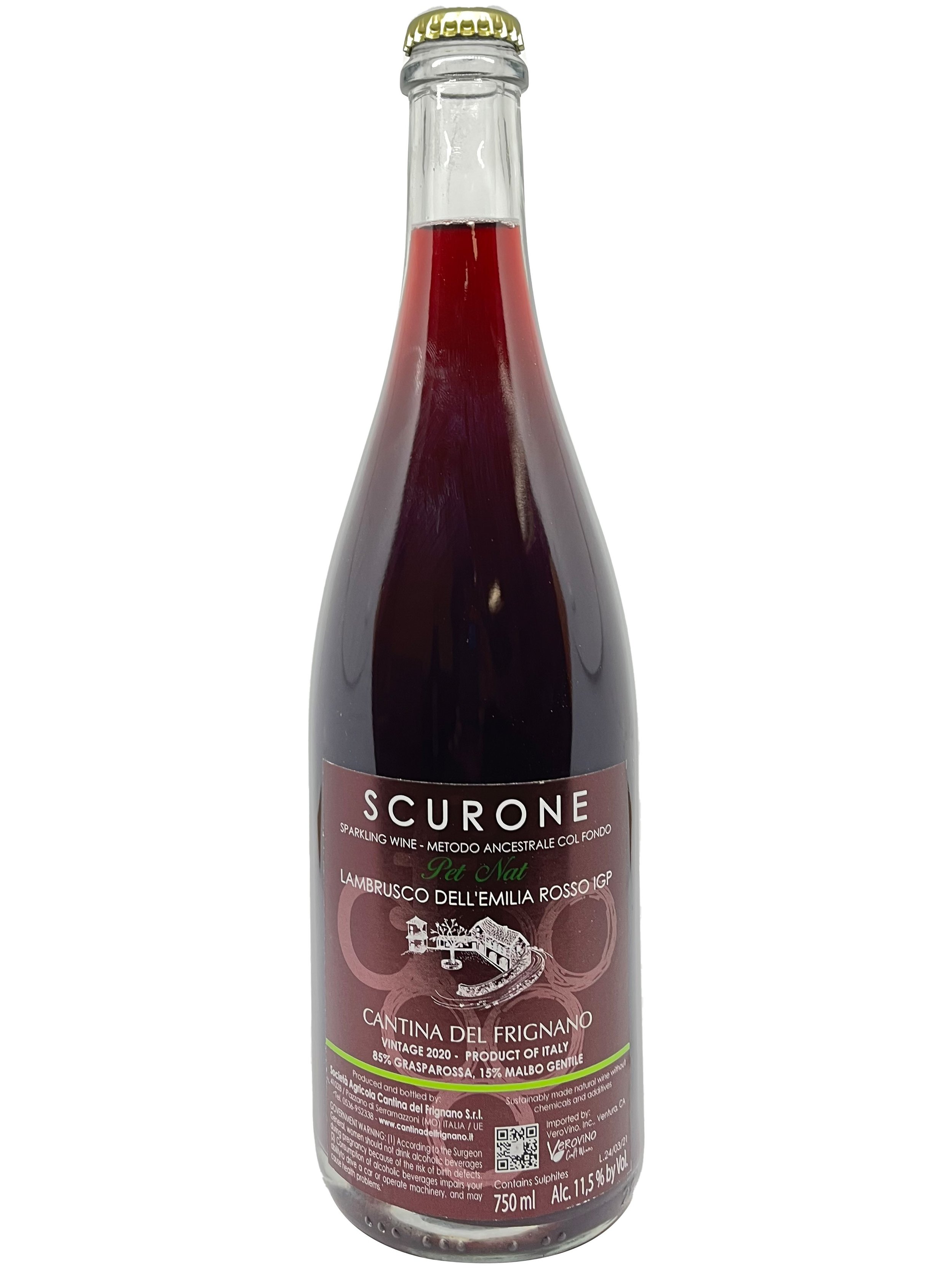
This is an ancestral method Lambrusco made primarily with the Lambrusco Grasparossa grape, and with some Malbo Gentile grape, which is local to the area of Frignano in Modena. It is a lighter red ruby color, light effervescence, a nose that has red fruit with hint of orange peel. It is fresh and fruity, with plum taste, and grippy tannins and noticeable texture.
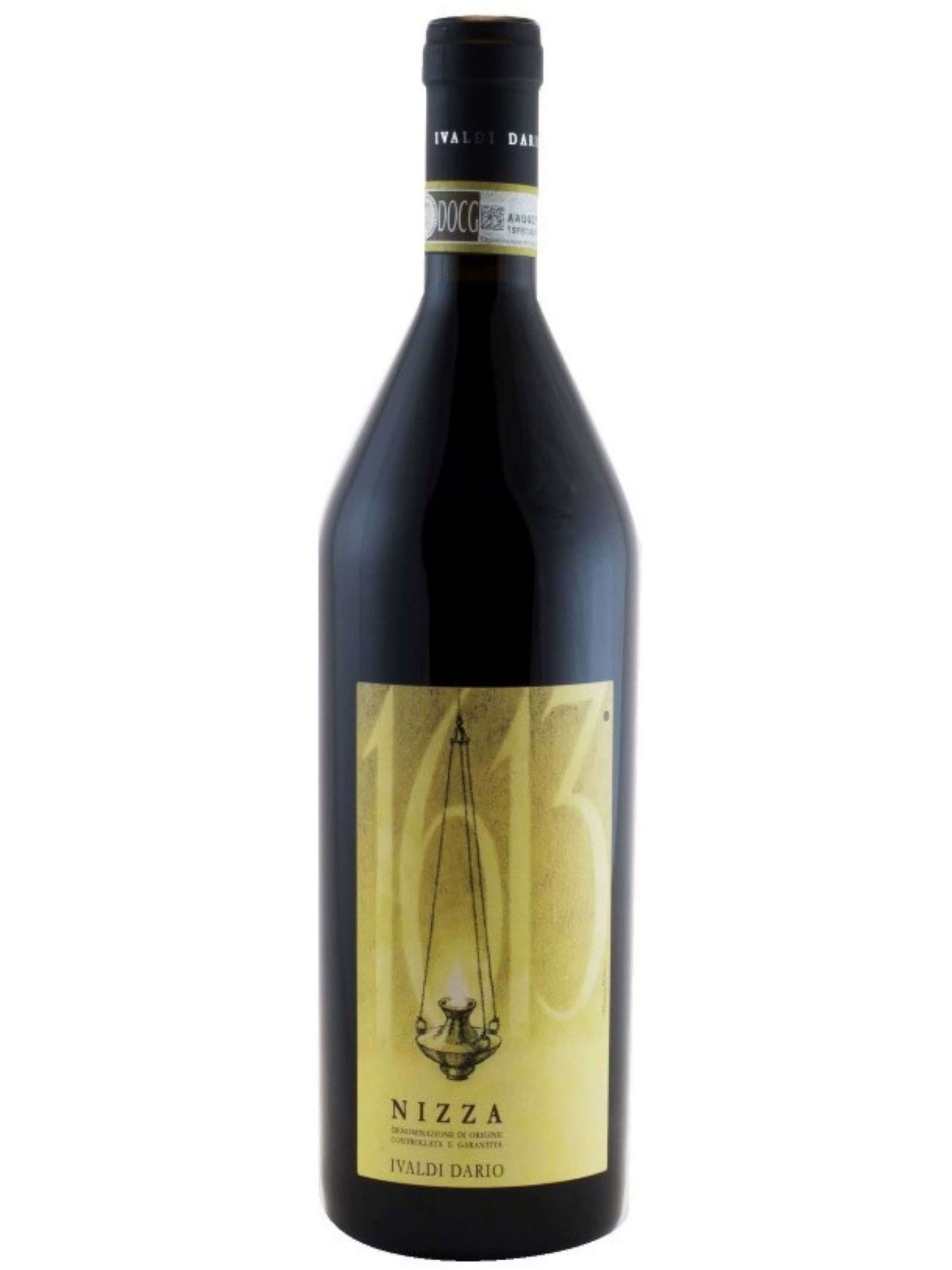
Nizza is the Barolo of Barbera, made from the birthplace of Barbera, Nizza Monferrato, the home of the 4th generation winemaking family, Ivaldi, and place where this wine is grown and made. This Nizza Barbera is a delicious old world style red wine with a rich cherry taste and an incredible mouthfeel.
This Nizza DOCG is made only in the best years, always made with 100% Barbera grapes, but only the best of the best of the Barbera clusters goes into this wine, before it spends 12 months in Slavonian oak barrels then 2 years resting in the bottle.
Made with native yeast fermentation, on the skins for 15 days. it has a pretty ruby red color with garnet reflections. A fruity bouquet transforms into spicy notes as it opens, and on the palate this wine has nice tannins and acidity balanced by a robust body.
The name of this red wine, 1613, is a homage to the siege of Nizza Monferrato in 1613 by the Mantovan army, showing the strong roots the Ivaldi family has to their home town. The women gathered to pray all night, and after the siege was lifted and won by Nizza Monferrato, an oil lamp in the church spontaneously burst into flames, despite the lack of spark and oil. Known as the ‘Miracle of the Lamp’, this wine pays homage to that evening, bearing not only the year as a name, but the image of the oil lamp on the label.
A certified sustainable winery, Ivaldi Dario practices regenerative farming.
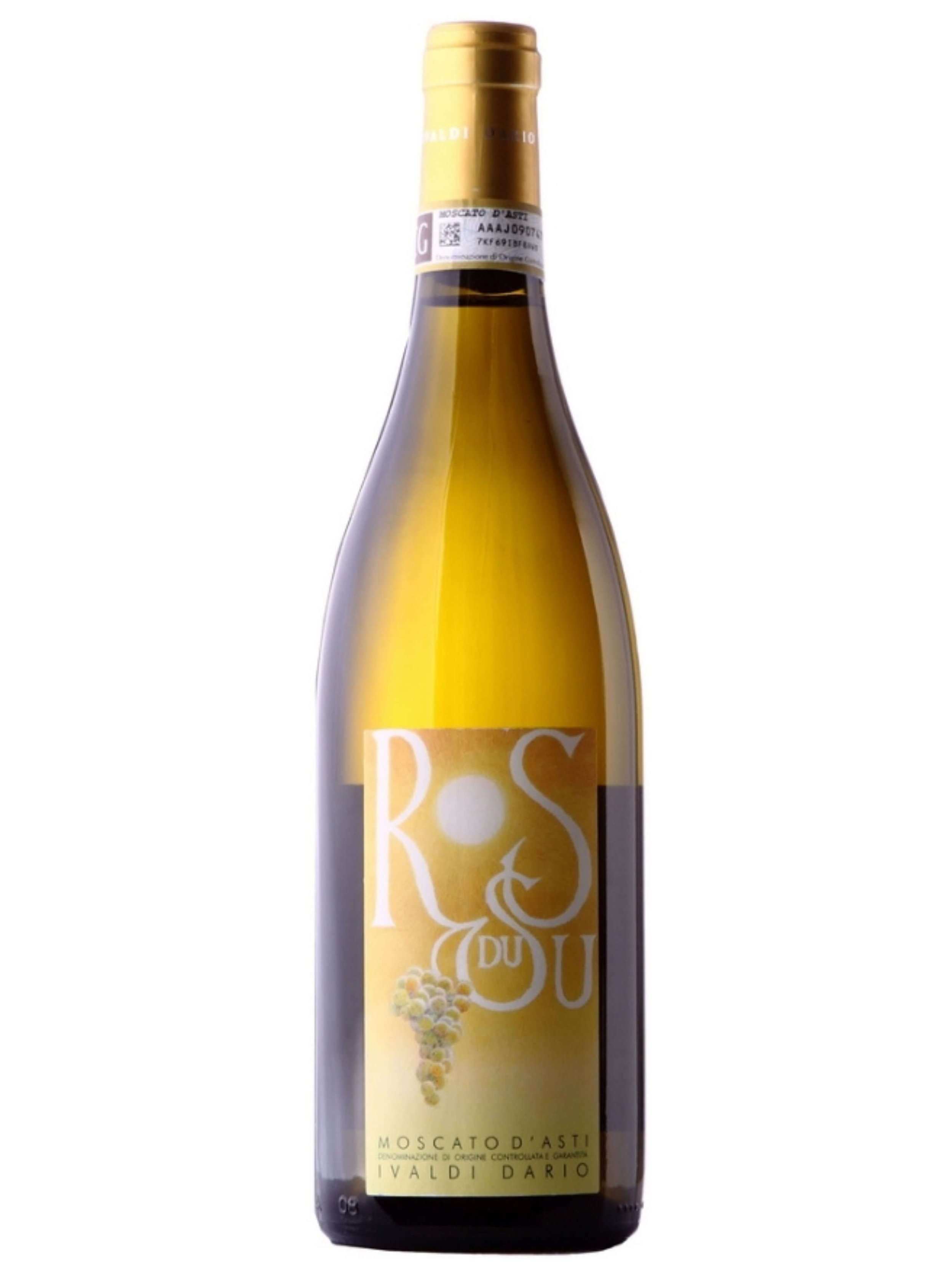
Who doesn’t like chamomile and honey? That’s what this wine reminds you of! It’s a Moscato d’Asti that appeals both to sweet wine lovers and dry wine drinkers wanting a moment with a touch of sweetness.
The name of this wine, Ros du Su, means ‘Rays of Sunlight’ in Piemontese dialect where this Moscato d’Asti comes from. Looking at its bright, golden-yellow color, it is easy to understand the inspiration for this name.
In the glass, the aromatic qualities of moscato are the first noticeable aromas, but underneath subtle and persistent notes of honey and acacia and chamomile flowers come forth creating a complex bouquet. Tasting, the sweetness of the residual sugars are well balanced with freshness and sapidity. A pleasant wine that keeps you sipping, it pairs well with desserts, but is every bit as enjoyable alone in contemplation.
A certified sustainable winery, Ivaldi practices regenerative farming.
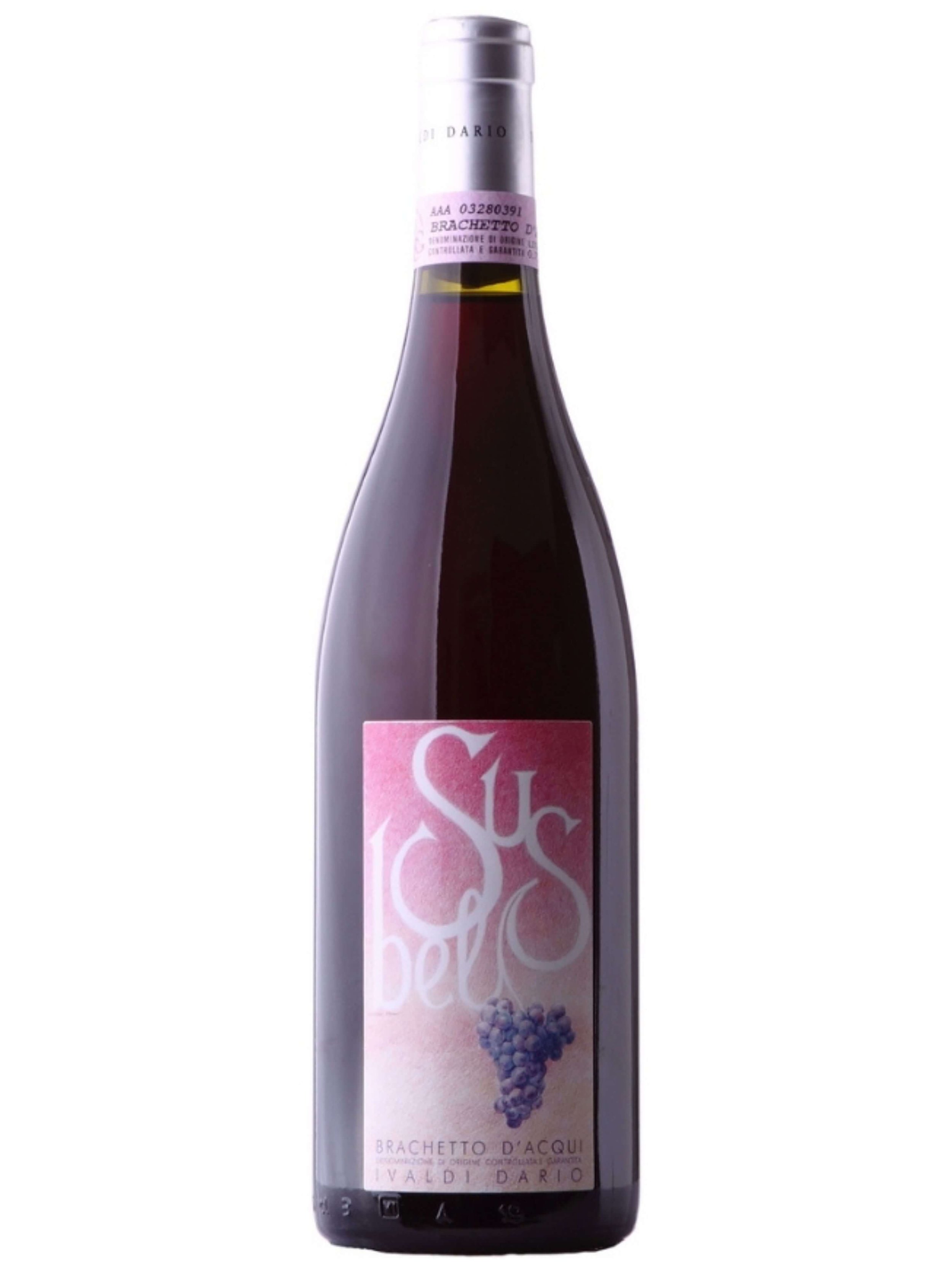
“Can we make Brachetto popular, please?” is how VinePair headlines why this artisanal, aromatic red sweet sparkling wine, just recently imported by us first time to the USA, made it to VinePair’s list of 13 Best Sweet Wines.
An aromatic grape, brachetto, creates a pleasantly slightly sparkling sweet red wine, with delicate rose flower and strawberry notes and strawberry and hibiscus taste. ‘Susbel’, in the local Piemontese dialect of Ivaldi in the Monferrato, refers to the location of the vineyard of this Brachetto d’Acqui, where the sun is bright and well exposed.
Left four days in contact with the skins and fermented with native yeast, this natural wine has a bright and clear light red color, dotted with fine effervescent bubbles. Sipping, the immediate impact is indeed sweet, yet with enough acidity and a hint of tannins to create a harmonious and balanced wine that keeps you coming back for more.
Wonderful to serve slightly chilled to sip with friends in the backyard on a hot summer day, or to serve with fruity desserts. Try pairing it with white or milk chocolate or a savory cheese, like with Humboldt Fog goat cheese - it goes incredibly well. It can also pair with charcuterie. Made with native yeast fermentation and has a residual sugar of 120 g/l.
A certified sustainable winery, Ivaldi Dario practices regenerative farming.

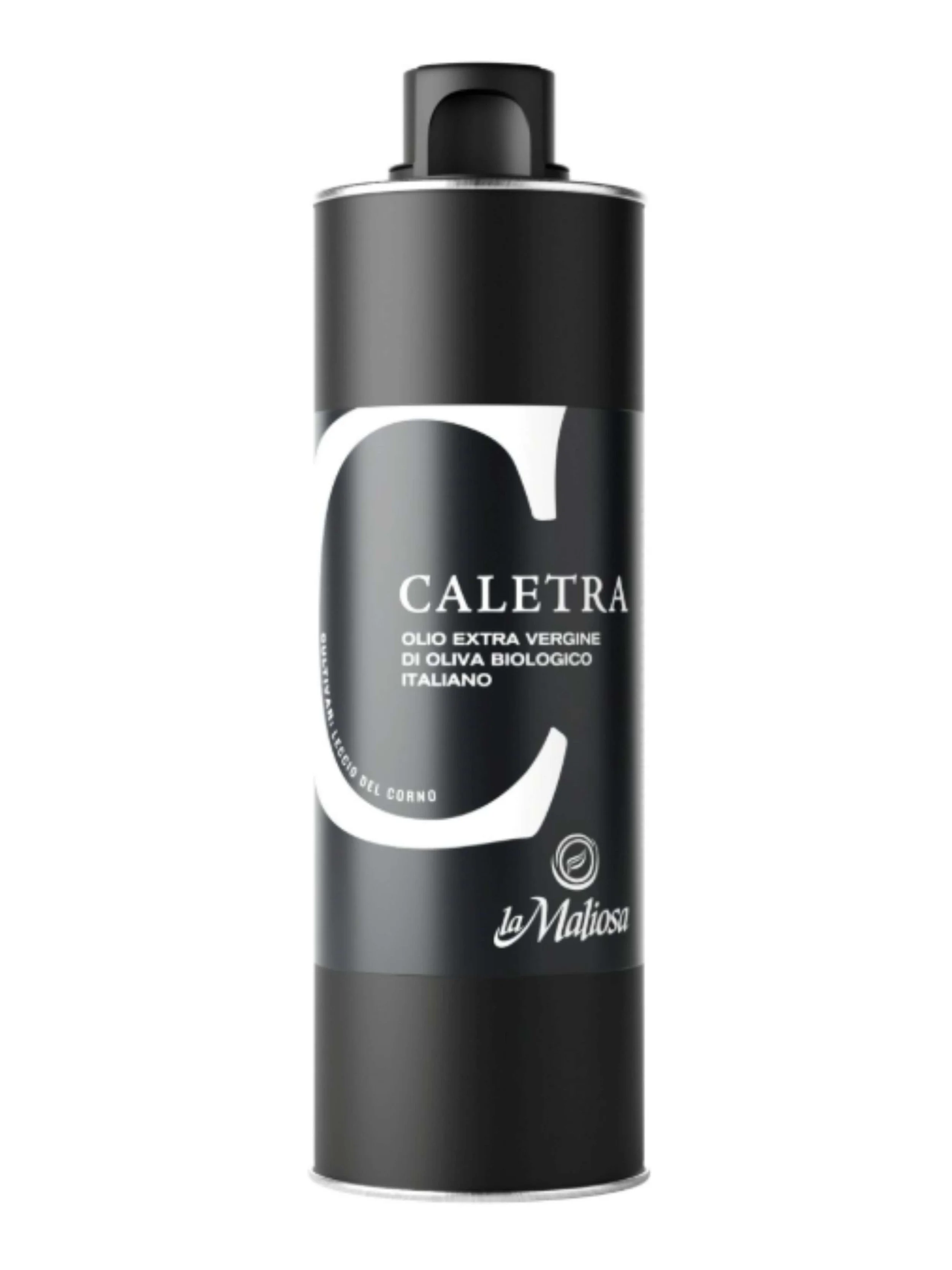
A prestigious first cold press monocultivar organic extra virgin olive oil from the Maremma hils of Tuscany which has won best organic extra virgin olive oil from Tuscany! Its polyphenols which are used to determine how good an olive oil is, are exceptionally high!
Top awards include extra gold, as best Tuscan organic EVOO by Biol Novello which evaluates the best olive oils in the world. In the past this olive oil has also won Best in Italy, as well as Gambero Rosso 3 leaves (their highest rating).
Its aromas of grass, green pepper and mint lead to an intense hot pepper taste and a long finish with black pepper lingering in your mouth. Even just a little drizzled over a simple lettuce salad will bring it to life with flavor.
Farming & Winemaking Highlights: Regenerative Agriculture | Sustainable Farming | Biodynamic | Vegan | No additives | Unfiltered | Organic | Metodo Corino
Fun Facts: The natural farming method that produced this extra virgin olive oil, the metodo corino, is actually patented by La Maliosa woman winemaker Antonella Manuli after she helped to develop it with natural wine legend Lorenzo Corino of Case Corini.

Woman made Saturnalia Bianco, on VinePair’s list of Top 15 Best Orange Wines, is an award winning, unfiltered and delicious skin contact orange wine made from old vine procanico & trebbiano grapes cultivated in volcanic soil.
This natural wine is made from the patented Metodo Corino, based on regenerative farming principles. Nothing is added but grapes! Made with unpressed, free run juice with native yeast fermentation. A two week maceration imparts a dark amber color. Aged only in stainless steel tanks, it has aromas of candied fruit, dried apricot and ginger.
It has pleasant acidity and tannins, and is balanced with a long finish. A pretty deep orange color, it is a great wine for difficult food pairings, it pairs with almost any dish.
Tastes Like: Apricot nectar and chamomile
Farming & Winemaking Highlights: Regenerative Agriculture | Sustainable Winery | Biodynamic | Native Yeast Fermentation | Vegan | No additives (ie non sulphites added) | Unfiltered | Organic | Metodo Corino | Natural Wine
Fun Facts: - The natural farming method that produced this wine, the metodo corino, is actually patented by La Maliosa woman winemaker Antonella Manuli after she helped to develop it with natural wine legend Lorenzo Corino of Case Corini.
- Named in honor of the Roman festival in December which took place near the winery, La Maliosa, this wine was once called Saturnia Bianco.

This wine is a rare treat, being one of the very few Sangiovese red wines grown on volcanic soil. This natural wine is a complex yet approachable. Tarconte is a distinctive old world style natural red wine with a touch of new world, having been aged for 36 months in oak barrels. Notes of earth, mineral, herbs, black pepper, it is super juicy with ripe tannins, a real food wine. A good pairing is with rosemary Asiago cheese. Don't be in a rush to enjoy it: open it and see how it evolves!
Tastes Like: A Baking Spice Cabinet
Farming & Winemaking Highlights: Regenerative Agriculture | Sustainable Winery | Biodynamic | Native Yeast Fermentation | Vegan | No additives (ie non sulphites added) | Unfiltered | Organic | Metodo Corino | Natural Wine
Fun Facts: - The natural farming method that produced this wine, the metodo corino, is actually patented by La Maliosa woman winemaker Antonella Manuli after she helped to develop it with natural wine legend Lorenzo Corino of Case Corini.
- Named after an Etruscan mythological hero.

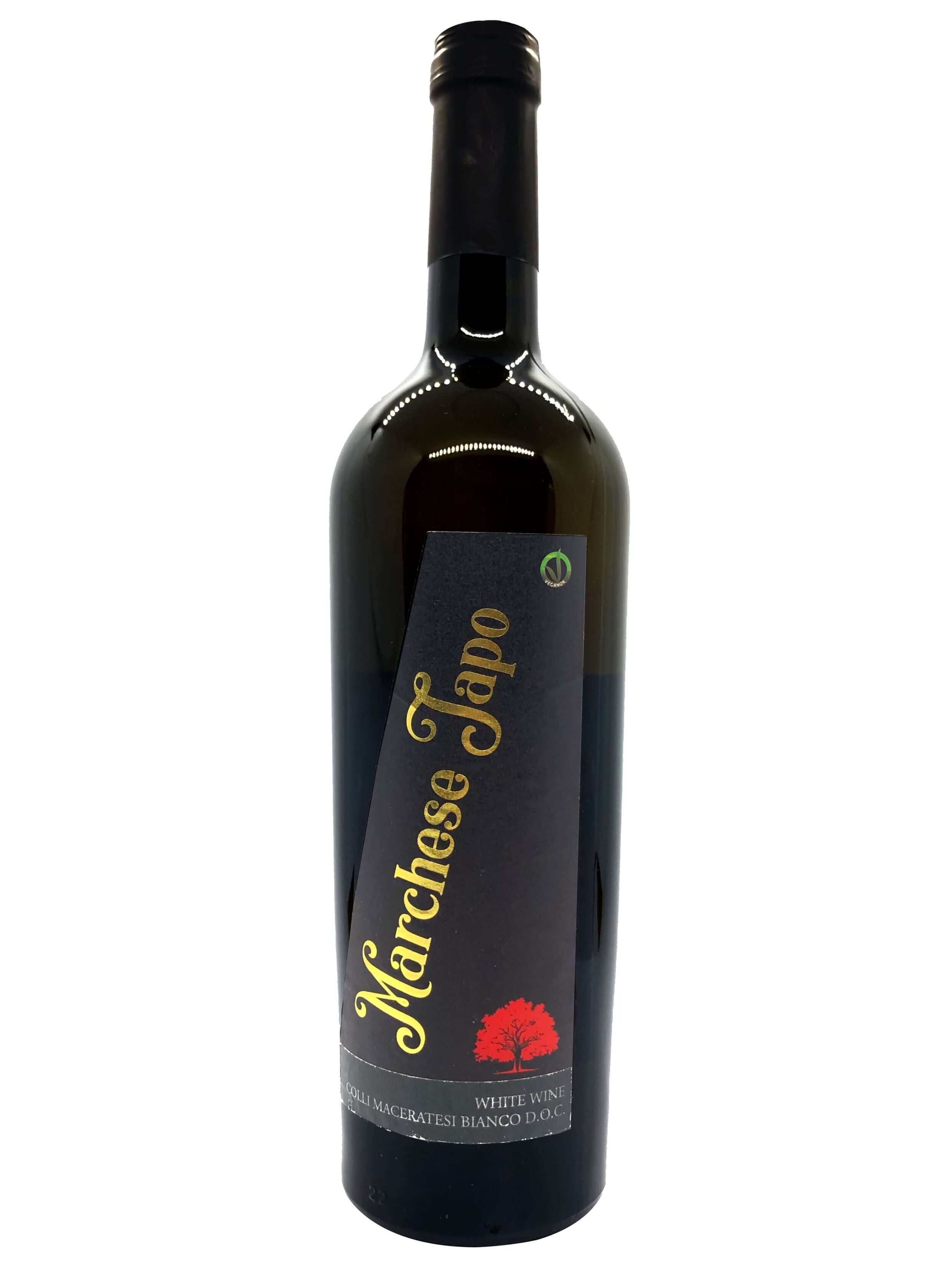
This natural wine is delicious fruit-forward organic vegan white wine, a blend of hard-to-find native varieties from the province of Macerata in Le Marche, Italy, a hilly area just to the east of Tuscany not far from the Adriatic Sea, has it all, great nose, taste, texture and structure. While it is unoaked, it was on the lees for 6 months with weekly battonage, contributing to its complexity of aromas, ranging from melon to saffron, and intensity of flavors. Made with indigenous varieties from Le Marche, Maceratino (also called Ribona) and Incrocio Bruni 54, it is a testament to Le Marche white wines.
Quercia Scarlatta follows a minimal intervention approach to vegan winemaking, using native yeast fermentation in their wines like this Marchese Japo.

This is an olive oil, super food for super foodies. This is small production organic & vegan extra virgin olive oil made primarily from a rare local cultivar from the area of Macerata Italy called Piantone de Mogliano. The buttery flavors and taste of this organic EVOO so inspired the family behind Quercia Scarlatta farm and winery in Le Marche Italy to name it ‘our gold’, or Il Nostro Oro.
Hand harvested and milled at the family’s farm, a first run, cold press evoo, this olive oil’s aromas remind you of stepping into a garden full of fresh green beans with a whiff of black pepper. Likewise, tasting it is like having fresh green beans with black pepper and butter, thanks to its buttery texture. Black pepper continues on the finish.
This organic extra virgin olive oil comes in a 3 liter container, made for following the Mediterranean diet to a tee!


From the Czech Republic, Thaya crafts organic wines in the area of South Moravia, near the Austrian border.
A bright lemon color with apple and carnation flower aromas, this chardonnay is round, fresh and fruity with a chalky texture and long finish, all-in-all, nicely balanced. Aged 6 months in stainless steel before bottling.

From the Thaya estate winery in the Czech Republic, this single vineyard 100% Saint Laurent, which is called Svatovavřinecké in the Czech language and is a descendant of pinot noir, is from the U Chlupa vineyard with dusty loess and clay soils and which is in a national park. It has an inky deep purple color, a pretty nose, of violets, milk chocolate and spice. It is fresh with chaulky tannins, dark fruit taste, a harmonious and balanced wine. The wine was made naturally and fermented with native yeasts. It aged for 18 months in oak barrels of assorted sizes and types of toasting. It’s what’s called a “beefier Pinot Noir.”
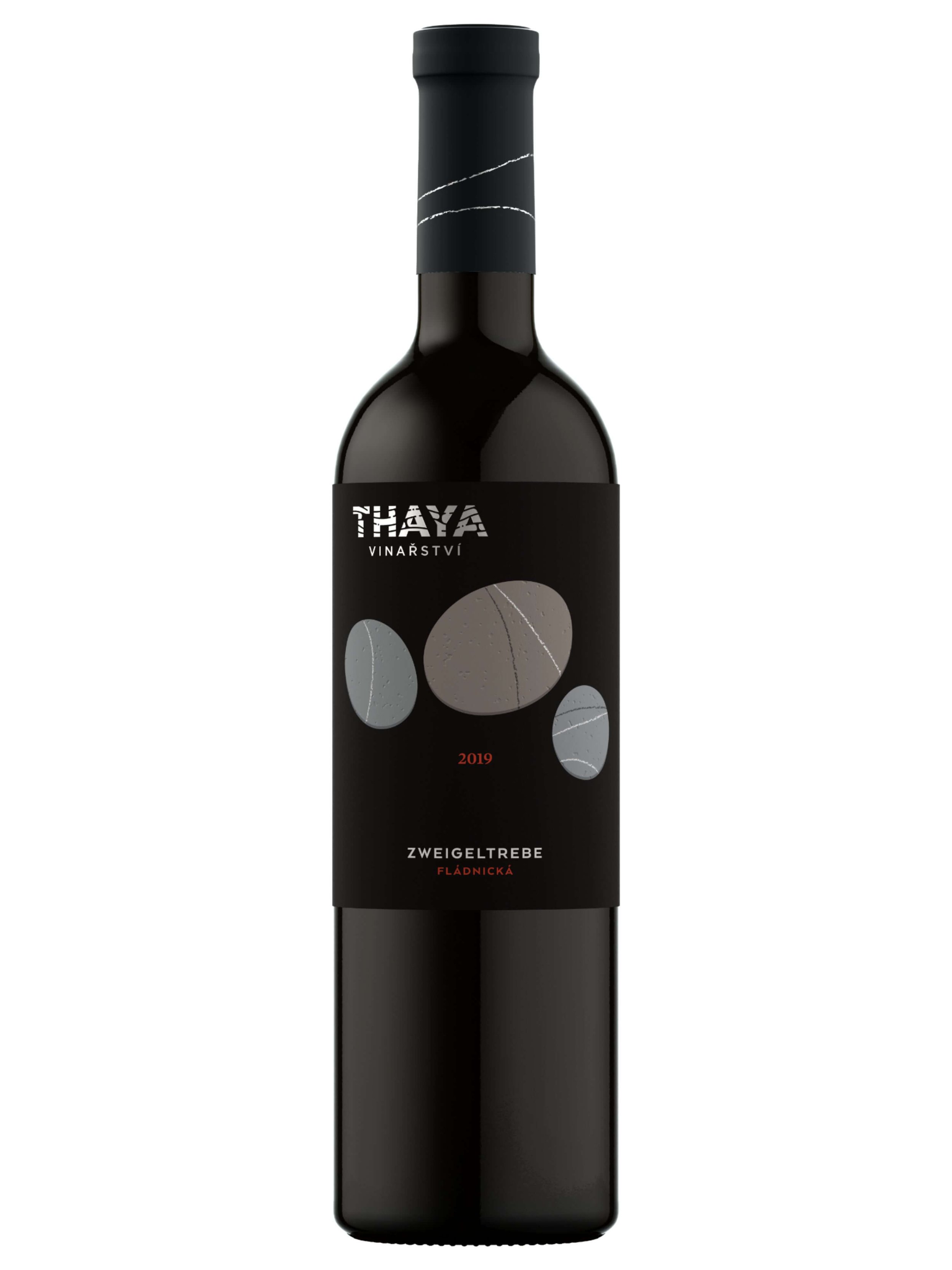
From the Thaya estate winery in the Czech Republic, this single vineyard late harvest Zweigelt, which is called Zweigeltrebe in the Czech language and is a cross between Blaufrankisch and Saint Laurent, is from the Fládnická vineyard and which is in a national park. The wine was made naturally, fermented with native yeasts and aged in french oak barrels (60% new) for 18 months. A robust wine made from grapes with a late harvest ripeness. The color is a dark purple red color. The aroma is pleasantly fruity and spicy, moving into notes of licorice and wild animal. The palate is fruity, full-bodied and long. When tasting you will find it has a ‘little bit of everything’: acid, fruit, tannins and some saltiness. It will have you taking another sip to enjoy it more.


Made from 100% Turbiana (considered similar to Verdicchio), this unoaked white wine from the sought after Lugana wine region has a bright yellow color, a natural balance of acidity and fruit with a textured mouthfeel and a long finish. It has inviting aromas of honeysuckle, tropical fruits, caramel and a hint of basil. Think of it as an alternative to an unoaked Chardonnay, since turbiana is also a noble white grape. Plus Zamichele’s terrroir with the influence from nearby Lake Garda and mineral rich glacial alluvial soil provides the conditions for creating a complex and balanced white wine.

Expand your horizons with this Italian wine made for Chardonnay lovers looking for an alternative. From Lake Garda, one of the Northern Italian lakes, this sustainably farmed white wine is a balancing act of acidity and fruit that pleasantly plays into a long finish. Plus it is super tasty. If you close your eyes and taste this wine, it is likened to having an apple crumb cake as a white wine. You initially get golden apple and then vanilla and spice.
Acidity and fruit harmonically combine with a salty minerality producing a sweet and salty taste sensation. Fruit bursts forth and taste envelopes the mouth, with some tropical fruit on the long finish.
This Lugana is an ageworthy oaked white wine, equivalent to a Lugana Riserva, made from the noble and native Italian grape, Turbiana, a grape which is likened to Verdicchio.
Overall pleasant and sippable yet complex, this is a great wine for California Chardonnay lovers looking for a change to surprise and delight them with a new white wine italian style.

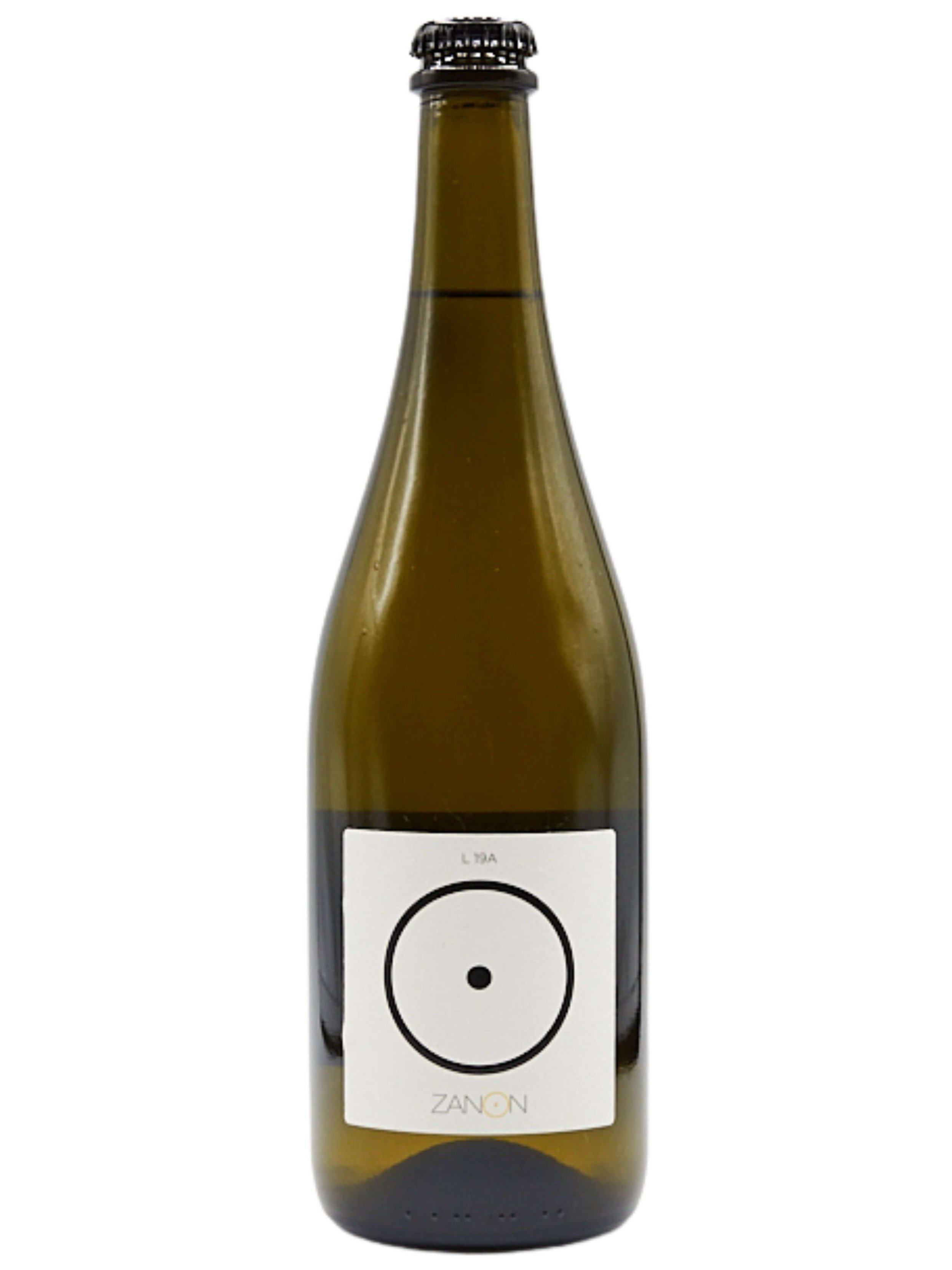
A 100% glera grape white sparkling wine made with native yeast fermentation, this natural wine vintage “prosecco” is from vineyards in the old part of Valdobbiadene, made also in the historic tradition of the ancestral style, or Pet Nat, as it is bottle fermented on the lees. A light color, giving an early hint to its bright acidity, the bouquet of citrus and lemon flowers bursts forth in the glass once it opens. When tasting this ancestral method natural wine, apricots and persistent bubbles create a sparkling wine that is enjoyable with brunch, aperitivos , get-togethers, you name it.
The circle and dot logo represents both the human existence and evolution, as well as winemaker Eros Zanon’s personal view of his vineyards, a dot of small-production boutique quality in the larger circle of large-production Proseccos.
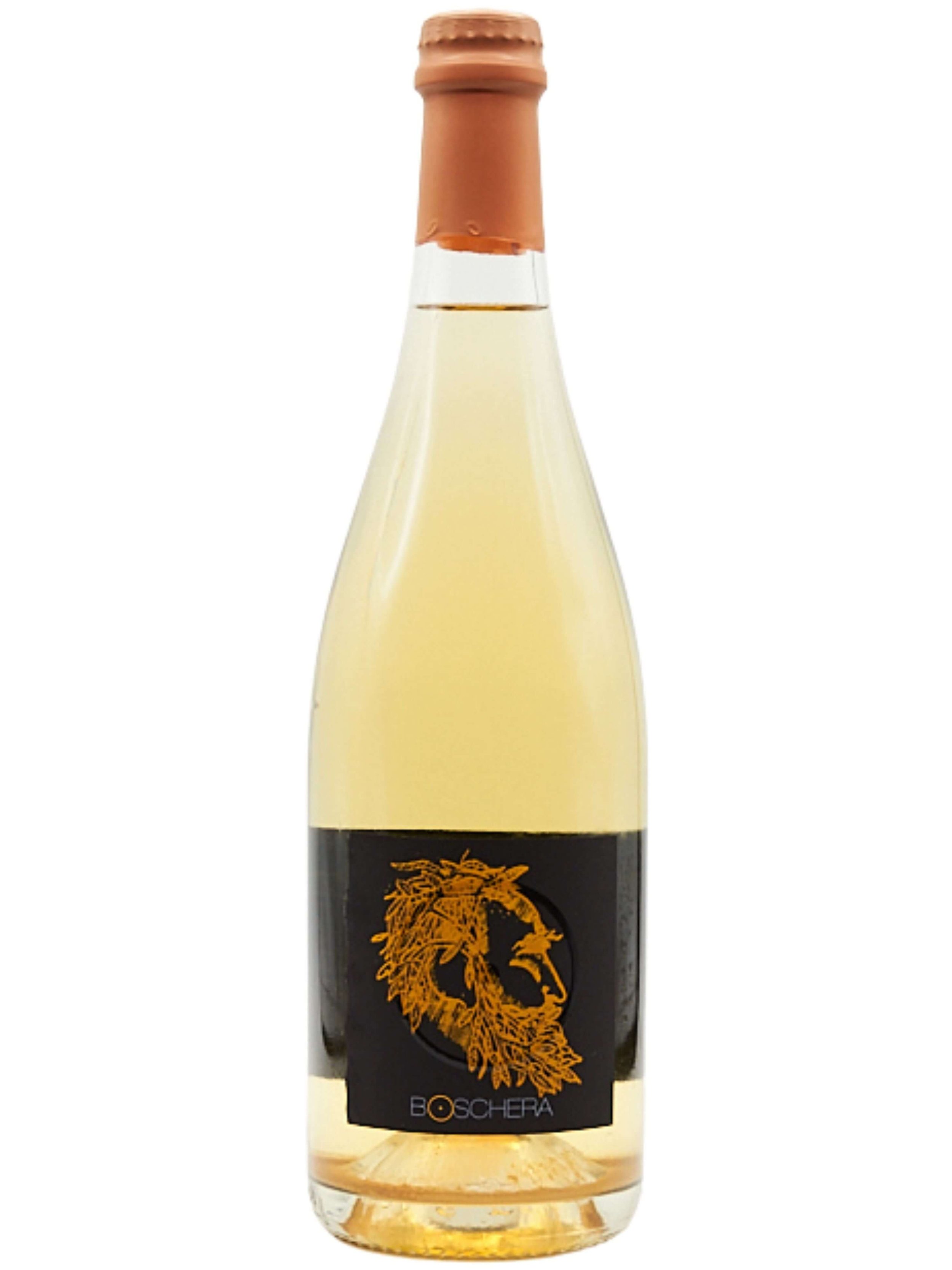
This is an unfiltered sparkling wine made similar to the champagne style from a rare grape called Boschera, native to Veneto, Italy where there is less than 20 acres in the world! We were the first to import this grape into the US!
Compared to the Prosecco grape (Glera), Boschera is more complex, and in fact this wine has been aged for over 3 years in the bottle on the lees.
With 2 days of skin contact giving it a deep yellow color, this native yeast fermented natural wine is then refermented with its native lees and then undisgorged, so it is unfiltered and continues to age on the lees too, allowing it to become more complex over time.
You can say it is a vintage & aged ancestral method, or Pet Nat style, also called Col Fondo in Italian since it is on its lees. It has herbal, nutty and yeasty aromas and savory taste with a long saline finish. Pairs with many foods & throughout the meal, from appetizers to main course.