A Peak into Wine Industry Trends as an Insider
Here at Vero, our mission is to seek out and discover exceptional, hard-to-find wines and artisanal products and make them easily accessible across the USA. We put priority on wine producers and wines never before in the US. Sometimes, it is even the first time a grape has ever been available!
We love to dig deep and seek out wines, and extra virgin olive oils, that not only are delicious, but also tell a story; we introduce you to the people, land, history and traditions behind the creation of them.
This business is filled with surprising twists and turns, good and bad. While as we write, the wine industry is in the spotlight with our industry and business is at risk due to the threat of tariffs on wines imported in from Europe. Despite the challenges and stress this is bringing to all of us who reply on imported European wine for our livelihoods, we are nevertheless still driven by passion. We love the thrill of discovering unique, never seen before, products, and seeing the joy in our customers when they discover something new. Besides the “glamour” and excitement of tasting and travelling, there’s a significant amount of behind-the-scenes work that goes into running Vero, work that often remains unseen.
While we’ve talked about some of these wine industry considerations in previous articles in the VeroBlog and in videos on our YouTube channel, we wanted to share with you a closer look into what we see in the industry, and what working “in the trenches” day to day reveal about the state of the wine industry, and the trends. It’s time to share these insights that we have gleaned from all of the data we've gathered, and the exciting opportunities we see ahead, all from our unique vantage point.
Because we have built Vero to be more than just a one-trick-pony, we are uniquely poised to see a whole lot of different angles and data points throughout the wine industry. We sell online in the VeroShop direct to wine lovers and consumers. But, we also work with distributors across the country, and even sell directly to restaurants, wine bars, and wine shops. Not to mention our work with businesses in developing corporate gifts. This means we're constantly talking to, learning from, and seeing the buying and drinking behaviors of all sorts of people who love good wine and food. It's this real-world omni-channel experience that gives us this special insight into what people are interested in, what they're buying, and where the trends are headed in the premium, small-production artisanal world. It's a pretty amazing and fortunate position for us to be in, and we're excited to share what we're learning with you.
We’ve looked back at our 2024 data, pulled from not only conversations with other industry professionals, but from private consumers too. We’ve looked at our website visits and page views. We’ve analyzed our search engine traffic and keywords, and we’ve dug into our social media profiles and YouTube videos to see what gets likes and watch time. What follows are four trends we have observed over the course of the year, that we think are going to carry forward into 2025.
Trend 1: Discovery
Interestingly, we saw this trend, too, in our newsletter readership (be sure to subscribe to get them delivered straight to your inbox!), as we noted in our 2024 wrap up article. Wine lovers the world over are showing preferences for breaking away from the standard, and into the unique. This goes for both what they are consuming, digitally and physically.
Digital Discovery
This year, we've witnessed a significant shift in how consumers are discovering and consuming information about wine. We've observed a growing desire for online wine education. In today’s digital world, where information is readily accessible, consumers are actively seeking knowledge about wine. In our weekly blog articles, engagement on our social media content on platforms like Instagram and Facebook, and videos on YouTube, we see the demand for wine education reflected. Videos, posts, and articles prioritizing general wine education are often our most popular as people are increasingly turning to online resources, such as our VeroBlog and YouTube channel, to deepen their understanding of wine, whether it be to become better versed in “wine”, or trying to find deeper connections to the products they consume.
On this topic, one of the most interesting things we noticed was how people found our content. Here, we see the undeniable rise of AI-driven search. For the first time in 2024, our website analytics revealed a notable trend: while traditional search engines like Google and Bing experienced slower growth in referral traffic, AI-powered platforms such as Gemini, ChatGPT, and Perplexity saw a substantial, and at times exponential surge. To us, this suggests a fundamental change in consumer behavior, with AI becoming an increasingly important tool for product discovery, learning, and information gathering. We anticipate this trend will only intensify, reshaping the digital landscape for years to come.
Artisanal Discovery
Interestingly, this surge in digital discovery coincides with a broader trend: a renewed appreciation for artisanal values. For all that people are turning to AI for search, they are looking for products that are made in a more hands on manner. Overall, most noticed a general slowdown in the wine industry in 2024; however, we’ve seen promising growth in the small-production, artisanal wine sector. Consumers are demonstrating a clear preference for quality over quantity, embracing a "farmer's market" approach to wine. They want to know the story behind their bottles, understanding that the wines they choose are thoughtfully crafted by farmers and artisans. This focus on authenticity and provenance has always been central to our philosophy, as evidenced by our content advocating for mindful drinking and farm-made wines versus corporate productions. Which leads nicely into our next trend.
So what are some wines that we have seen embody this trend? These are found in the form of hard to find grapes like the almost extinct sparkling Boschera pet-nat from Valdobbiadene producer Zanon, to the once outlawed Schioppettino di Prepotto from three generation woman owned winery Vigna Petrussa, and the red-in-the-land-of-white Zweigelt from Austrian producer Michi Lorenz.
Trend 2: Off the Beaten Path but Common Threads & Elements
Coming off of discovery, we have noticed an interesting commonality in a lot of wine purchasing. Consumers are enjoying getting off the beaten path, trying new flavors, wines, and regions. There is a bit of common ground though, in their wine choices. While there is a growing interest in wines that venture off the beaten path, we find that they often will have a connection to more familiar flavors or regions, showing a draw to the excitement of exploring something new, but all while still looking for the understanding and the comfort of a recognizable element.
In our wild and scarce selection, this can manifest in several ways. For instance, consumers are drawn to well-known grapes like Sauvignon Blanc or Sangiovese, when produced by a small, lesser-known producer or in an emerging region. They like the familiar grape, but presented in a fresh and unique context. Going the other way, we saw wines from established regions like Tuscany or Piedmont, but crafted from grapes that are new to the scene or lesser known, gaining traction as well. Here, it is the reputation of the region that lends the wine credibility, while the uncommon grape offers a new and exciting point of exploration. We even say winemaking techniques contributing to this trend. For example, Italian sparkling wines produced using the traditional Champagne method, but with indigenous Italian grapes, are becoming popular alternatives to more traditional traditional method wines (pun intended). The familiar method provides a sense of classic quality and structure, while the unique grapes offer a new distinct, regional character.
Essentially, what we have noticed is how consumers are seeking wines that offer a bridge between the familiar and the unfamiliar, allowing them to expand their palates while still having something recognizable that they can associate to the flavors or styles they already know and love.
To find off the beaten path yet familiar wines, try Sandro de Bruno’s Durello sparkling wine (a traditional-Champagne-method wine made with a volcanic soil indigenous Italian grape). As well, take the popular Langhe wine region, but search out a select and small cru, like Aldo Clerico’s Barolo Ginestra. Or try a new wine in an old style, like the Prosecco grape (glera) made not in the usual pressurized tanks, but rather in the ancient Ancestral Method as a pet nat, in Zanon’s Col Fondo.
Trend 3: Well-Made Natural Wines
Any article discussing wine trends would be remiss to not mention the ever evolving landscape of natural wine. Consumers are increasingly discerning, not only in their pursuit of unique flavors but also in their concern for sustainability and the perceived health benefits of their purchases. While natural wine is seemingly embroiled in a never ending debate (as we noted in an article on just that topic from even a few years ago!), currently, our observations indicate that it is here to stay… with a caveat: the wines need to be good.
The natural wine category is undergoing a significant redefinition at the moment, shedding the often-associated image of "super natty" or “stinky” wines that sometimes served as a convenient justification for production flaws. Instead, demand is being driven for meticulously crafted natural wines that are prioritizing, care, quality, and responsible winemaking practices. The overwhelming popularity of wineries like La Maliosa, evidenced by our difficulty to maintain consistent stock, underscores this shift. It's clear that consumers are seeking natural wines that are not only sustainable but also demonstrably well-made. They are becoming well versed in the art of wabi-sabi, or finding the beauty in imperfections, yet without settling for faulty wines.

Vero founder Sheila Donohue working on some important analysis.
And this focus on "good for you" products extends beyond wine. We've witnessed a notable surge in the popularity of gourmet food products, particularly extra virgin olive oil (EVOO). Our online store's best-selling VeroSets, some of which combine thoughtfully selected wines with premium EVOOs, reflect this growing interest in blending wine and culinary experiences that prioritize quality and well-being.
Trend 4: Red Wines
In this last trend we have saved for last, we have to buck a few industry narratives. While in 2024 the wine industry in general noted a surge in Prosecco and white wine consumption, we actually observed a compelling counter-trend in our own analytics… and that is of the clear rising dominance of red wines. Despite the widespread reports of white wine's dominance, we witnessed a significant surge in demand for red wines.
When we cross-referenced not only our sales, but also our YouTube viewership and Blog readership, we saw that, for us, Prosecco and white wine sales were just staying even, yet interest in red wines was growing. Regions famous for red wines, like the Langhe region, emerged as a consumer favorites, with red wines like Barolos and Barberas resonating strongly with our customer base.
What has become really interesting is when we began to look at the intersection of trends three and four, what we would call well made natural red wines. Here, the category holds strong. We suggest trying out and combining these trends by tasting wines like Febo’s Montepulciano d’Abruzzo, Case Corini’s Achille, and Piovano’s Piemonte Barbera.
Drinking Trendy Wines
We exist to allow all Americans, across the US, from businesses to consumers, to experience the pleasures of small production, farm to glass wines. While trends are important, and we love to analyze where the industry is going… the most important part of any wine-buying decision for us is to make sure it all tastes good. But how can you get your hands on these hidden gems we forage for?
If you are a distributor reach out to us introduce our highly curated portfolio of one of a kind small production wines to your state.
We sell to wine stores and restaurants in certain states - contact us to learn more.
If our farm crafted natural wines and olive oils are not in your local shop or restaurant, buy wine online here, and we’ll ship it to you, including wine gifts.
We also have an award winning wine club for true wine explorers that are seeking to continually discover unique, sustainable and authentic small production wines they never had. These are wines selected by our sommeliers and curated for each box.
We do corporate gifts and sommelier guided wine tastings. Email us and we’ll tailor unique and sustainable corporate gift ideas.
Trend One: Discover New Wines
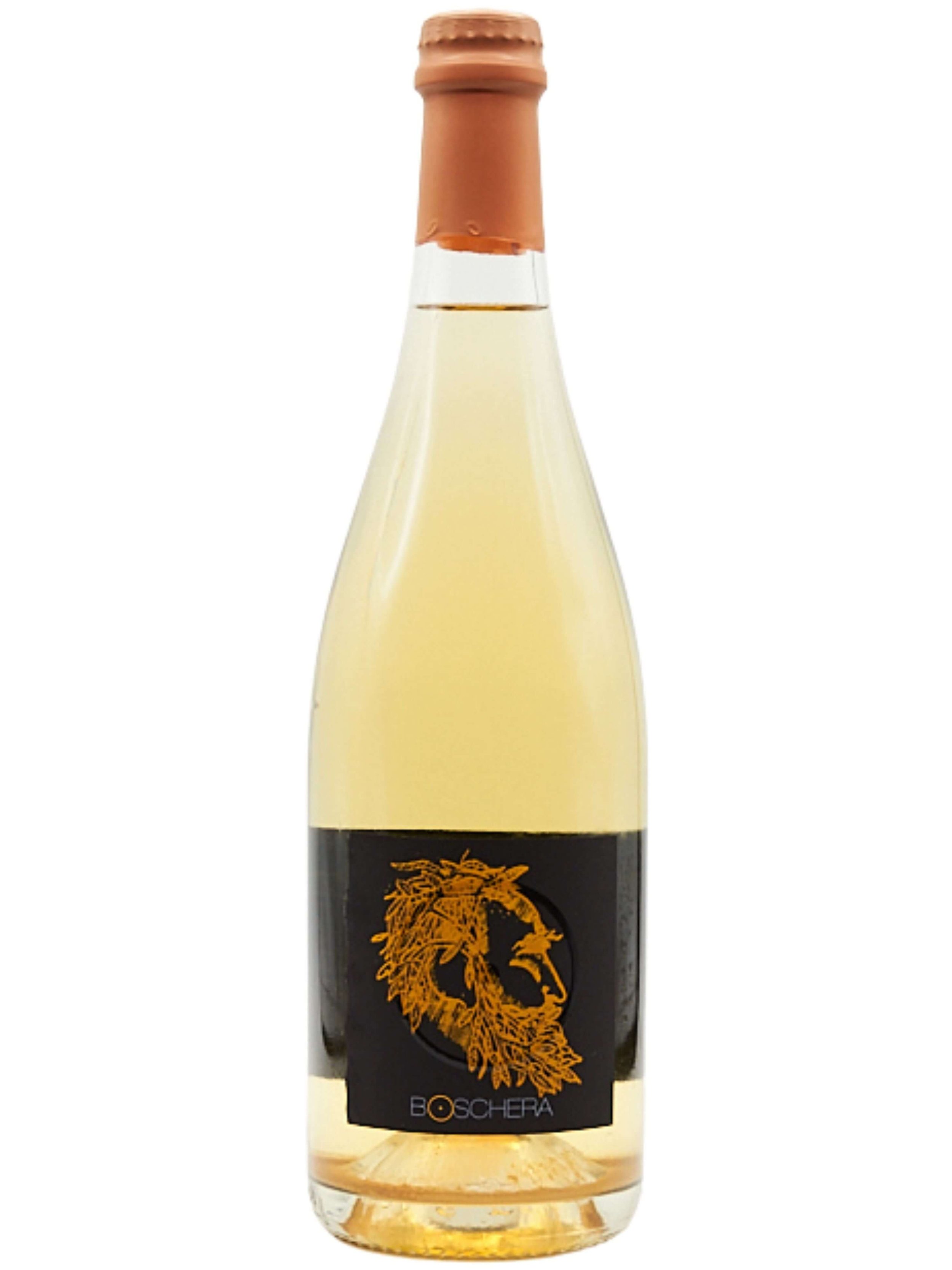
This is an unfiltered sparkling wine made similar to the champagne style from a rare grape called Boschera, native to Veneto, Italy where there is less than 20 acres in the world! We were the first to import this grape into the US!
Compared to the Prosecco grape (Glera), Boschera is more complex, and in fact this wine has been aged for over 3 years in the bottle on the lees.
With 2 days of skin contact giving it a deep yellow color, this native yeast fermented natural wine is then refermented with its native lees and then undisgorged, so it is unfiltered and continues to age on the lees too, allowing it to become more complex over time.
You can say it is a vintage & aged ancestral method, or Pet Nat style, also called Col Fondo in Italian since it is on its lees. It has herbal, nutty and yeasty aromas and savory taste with a long saline finish. Pairs with many foods & throughout the meal, from appetizers to main course.
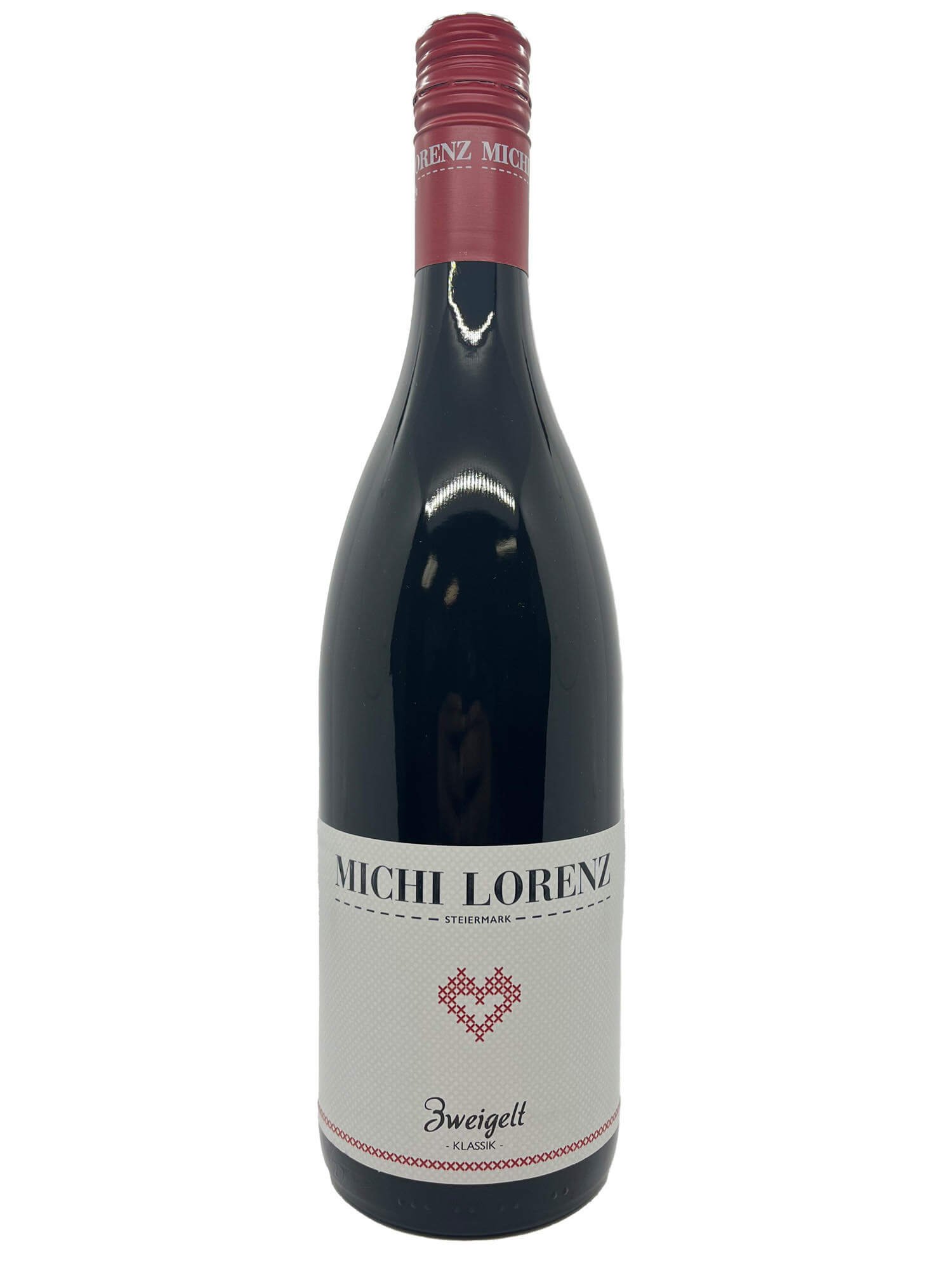
The organic and biodynamically farmed fruit was handpicked from estate hillside vineyards 400 meters above sea level in Sausal. Soils are red schist and loam. The wine underwent native yeast fermentation. After 25 days of maceration on the skins, the wine aged in a combination of stainless-steel tanks and oak barrels with very minimal sulfites added.
The first sniff of this quaffable Zweigelt natural wine is amarena cherries which then leads to vanilla and spice. In the mouth it is fresh with fruit that hides behind the structure and chalky tannins. It has nice texture and a medium slightly bitter finish. It is easy drinking and pairs great with hamburgers.

Prepotto is the birthplace of the hard-to-find Schioppettino varietal. It gets its name from the Italian 'schioppare' or to burst, since the grape 'bursts' in your mouth when you eat it. Aromas and tastes of black pepper and plums. Fermented with indigenous yeasts and aged for two to two and a half years in oak barriques. Strong cheese lovers love to indulge in this wine.
Gold Medal Decanter, plus many other awards. Vigna Petrussa's oak-aged 2019 Schioppettino won the prestigious 3 Bicchieri Award by Gambero Rosso.
Vigna Petrussa is a certified sustainable and biodiverse women-owned winery.
Trend Two: Finding Off the Beaten Path, yet Familiar Wines
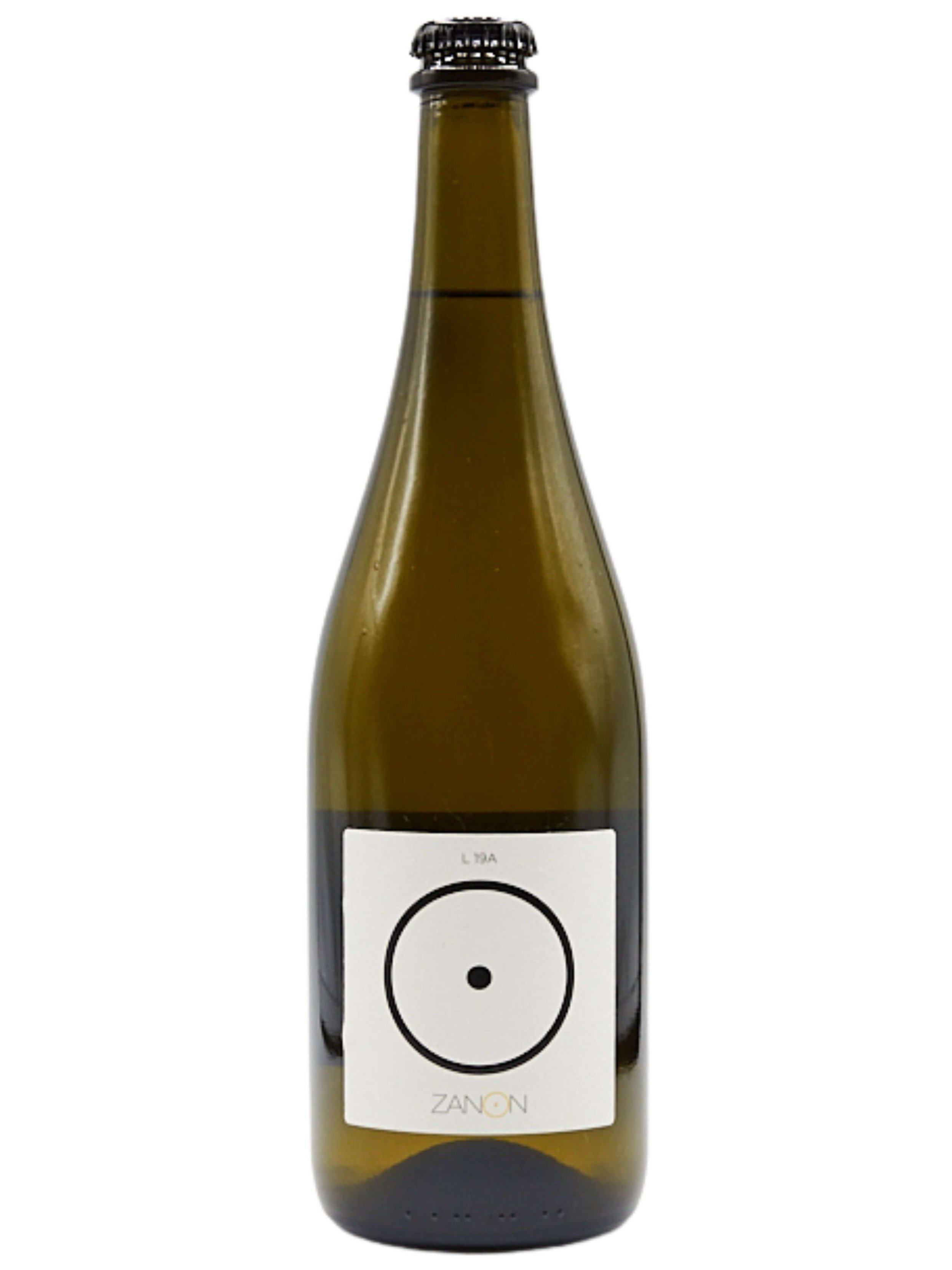
A 100% glera grape white sparkling wine made with native yeast fermentation, this natural wine vintage “prosecco” is from vineyards in the old part of Valdobbiadene, made also in the historic tradition of the ancestral style, or Pet Nat, as it is bottle fermented on the lees. A light color, giving an early hint to its bright acidity, the bouquet of citrus and lemon flowers bursts forth in the glass once it opens. When tasting this ancestral method natural wine, apricots and persistent bubbles create a sparkling wine that is enjoyable with brunch, aperitivos , get-togethers, you name it.
The circle and dot logo represents both the human existence and evolution, as well as winemaker Eros Zanon’s personal view of his vineyards, a dot of small-production boutique quality in the larger circle of large-production Proseccos.

With a persistent perlage, a bright gold color lights up the glass as complex exotic fruits and citrus aromas burst forth. Tasting, it is a dry wine with a delicate balance of acidity and sapidity keep you sipping and enjoying until the last drop.
The volcanic soil of the Sandro de Bruno vineyards lend well to this ancient, yet up and coming grape known as Durella. With a thick skin rich in polyphenols, they expertly craft this grape in a sparkling wine using a classic Champagne method. A zero dosage, for 36 months the wine rests on the lees before dégorgement and it then rests again.
It is markedly less intense than its 60 month aged and 100 month aged counterparts, creating a great entry point to the durello grape. You can try all three of these wines for yourself in the Durello Flight Set!
Tastes Like: Limes and Green Apples
Farming & Winemaking Highlights: Sustainable Winery | Volcanic Soil | Bottle Fermented | Champagne Style
Fun Facts: - “Linear and polished” is how Kerin O’Keefe in this Wine Enthusiast review describes this 95 point wine.

Made from the sought-after Ginestra Barolo Cru, this single vineyard wine epitomizes the greatness of the nebbiolo grape from the Barolo wine region, in terms of structure, age-worthiness and fruit expression. The native yeast fermentation used in making this natural wine also helps bring out the special and sought after terroir of the Ginestra cru.
An intense garnet color, on the nose this Barolo tends towards red fruits, with a touch of balsamic notes. As it opens on the palate the elegant tannins harmonize with the acidity for an overall richness that creates a pleasant and enjoyable experience while sipping alone or with food.
Tastes Like: Balsamic Tabacco leaves
Farming & Winemaking Highlights: Biodynamic | Native Yeast Fermentation | Single Vineyard
Fun Facts: The Ginestra cru is very limited and only a few wineries have access to harvest from there. Aldo can thanks to his wife’s, Valentina’s, Conterno family vineyards.
Fun Facts: The hands on the bottle represent Aldo’s two daughters; for this reason he often says this is the wine closest to his heart.
Trends Three & Four: Well-Made Natural Red Wines
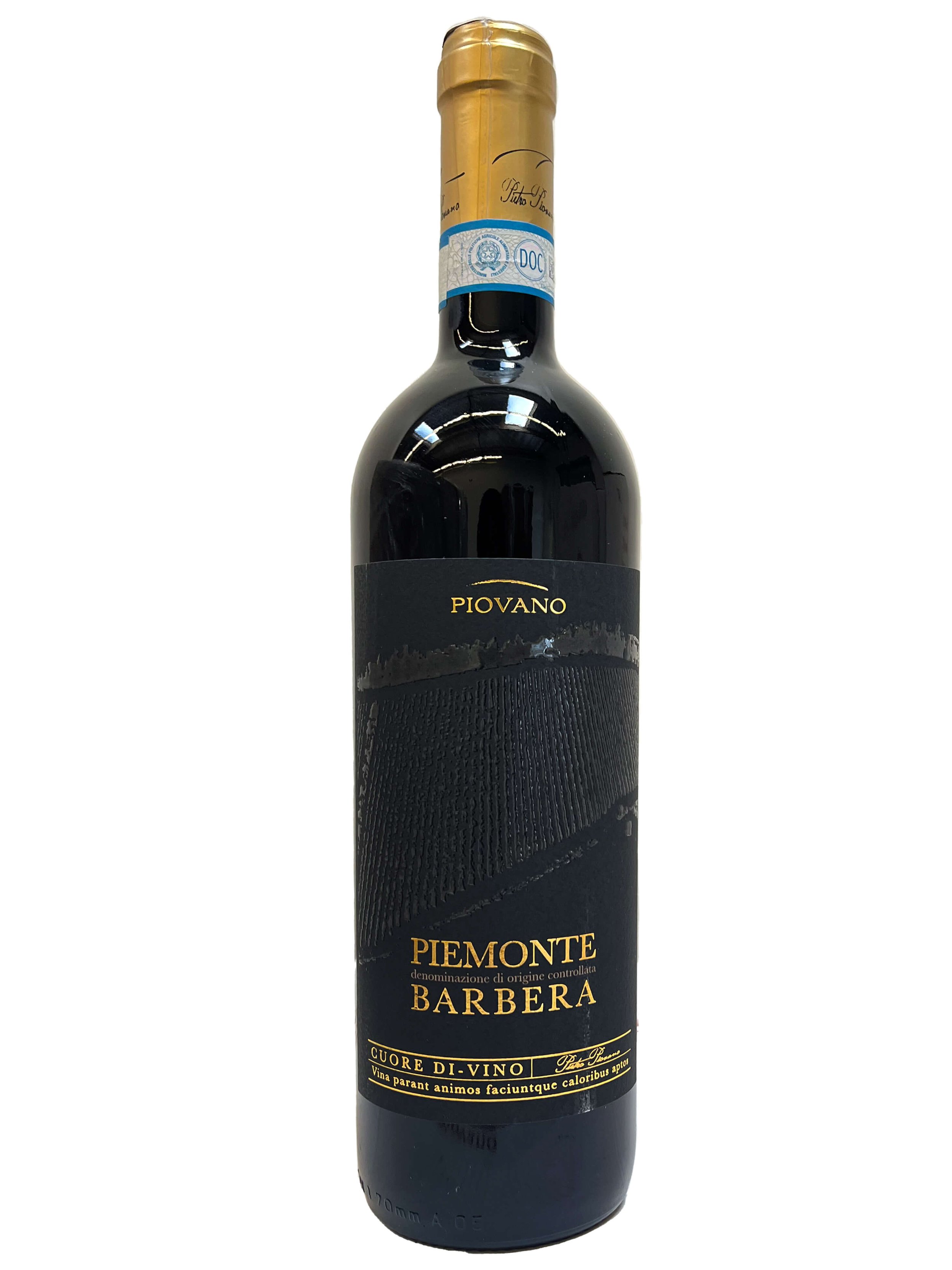
Just imported in first time to the US, a 00 oak aged Barbera natural wine from a vineyard in Pascomonti, in the southern part of the Langhe, in Piedmont, this red wine is the most traditional take on a Barbera red wine from the Langhe: organically farmed, unfiltered, aged in neutral oak with no sulfites added and native yeast fermentation, this is great natural wine version of a Piedmont Barbera.
It has a fruity and spicy bouquet and on the palate has a nice balance of tannins and acidity. Overall, a structured wine with a lingering pleasant finish.
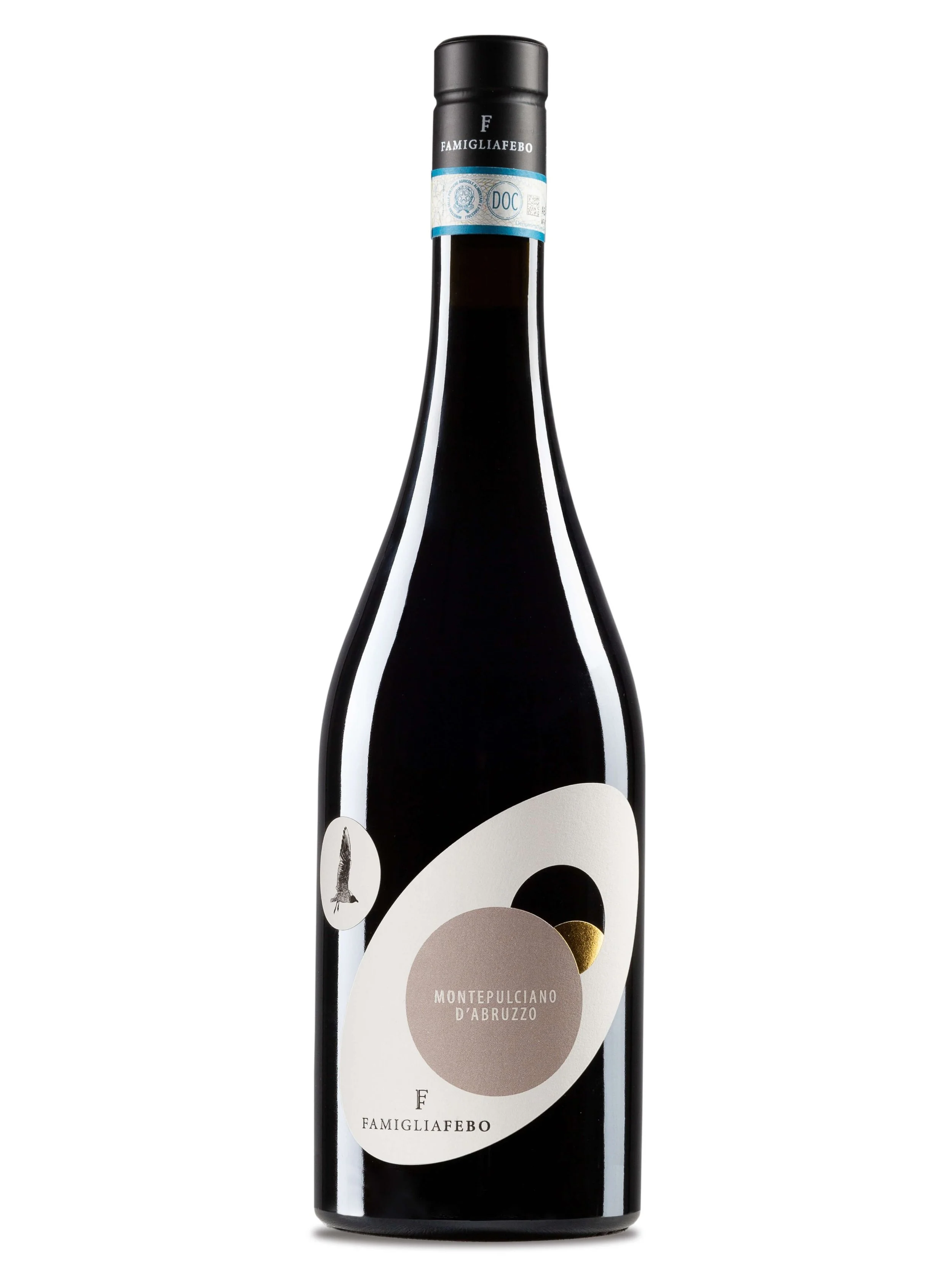
Made with 100% Montepulciano grapes spanning family vineyards in Spoltore and Chieti in Abruzzo, it has aromas of amarena cherries and licorice and a slight funkiness thanks to its 100% natural production. It tastes of dark fruit, with a rich texture and slightly bitter finish, with the funky vibe continuing while tasting. Fermented and refined in the winegrower's grandparents' concrete vessels.
Region: Italy > Abruzzo > Spoltore & Chieti
Tastes Like: Dark fruits
Farming & Winemaking Highlights: Regenerative Agriculture | Sustainable Winery | Biodynamic | Native Yeast Fermentation | Vegan | Organic | Natural Wine
Fun Facts: Pairs nicely with chicken parmesan. | While there is a famous wine “Vino Nobile di Montepulciano” from Tuscany, this grape has no connection to it; the “montepulciano name” there comes from the town noame, where as here in Abruzzo “montepulciano” actually refers to the grape used to make the wine.

All natural, old vine nebbiolo and barbera blend with no added sulfites and yeast. Aromas of milk chocolate covered cherries, it has a fresh and rich fruity taste with notable tannins and a has a long piquant finish. Name comes from the former owner of the 70 year old vineyard which has a mix of Nebbiolo and Barbera and is down the hill from the childhood home of Lorenzo Corino. After a gentle crushing, fermentation starts with native yeast fermentation and wines are left with skin contact for 6-7 weeks, followed by about 30 months of aging in wooden barrels. As with all of Case Corini wines, this is a 00 wine, nothing added, nothing removed, no yeast, no sulphites added, organic, biodynamic, vegan. In other words, all natural wine.