
Explore Flavors in Wine
Ever watch a sommelier sniff and sip a wine and rattle a bunch of stuff that they smell and taste in the wine? Then you sit there scratching your head in wonderment, thinking “How do they do that?”
It doesn't have to be! The truth is, our brains are incredibly adept at sensing the world around us, and that includes the complex flavors in wine. Understanding the flavors in wine is a fundamental part of appreciating and enjoying what's in your glass. While "taste" is one component, "flavor" is actually a much broader sensory experience, combining both what we smell and what our taste buds detect.
In this article, we lean in on what flavors are in wine and examples of them, so to help you better identify them yourself, so to lead you to a much higher level of fun discovery as you continue to explore more the world of wine.
We have examples of wines with each flavor to give a concrete real world example to help learn and recognize these common flavors. So let’s build some foundational wine knowledge to help us understand and describe the wines we love explore and discover.
What is Flavor
Before we get into specific flavors, let's clarify what "flavor" actually is. Flavor seems like a simple concept, if you think of the outcome, e.g. “I taste strawberries,” yet, to get you to that conclusion is an intricate process integrating our mind and body.
Identifying flavors involves much more than just what your tongue detects; it's a complex sensory experience. As we've discussed in previous articles on balance in wine and the five main tastes, our sense of taste and smell are so tightly linked that they act as one in the tasting process.
Your tongue, equipped with taste buds, picks up the five basic tastes: sweet, sour, bitter, salty, and umami. These are the fundamental building blocks. However, the real magic happens when aroma joins the party.
As you drink, chew, and swallow, the aromatic compounds from the wine move up into your nasal cavity. These odors combine with the taste sensations from your taste buds, sending a combined message to your brain. The "output" your brain receives from this intricate dance of senses is what we call flavor (like strawberries as the output).
Think about it: when you have a stuffy nose, food tastes bland, right? That's because your sense of smell, crucial for perceiving aromas, is blocked. Similarly, you might remember as a child your parents pinching your nose to make medicine taste less bad – that was to block the retro-nasal aromas. This incredible, interconnected system of taste, smell, and even tactile sensations (like mouthfeel) is why wine tasting is so engaging: it's an intricate neurological interpretation that determines our pleasure and enjoyment.
It's also important to remember that everyone's palate is unique. Our individual mouth chemistry, personal experiences, memories, genetics, cultural background, and even our likes and dislikes all play a part in how we perceive tastes and aromas. What one person finds intensely sweet, another might perceive as only mildly so.
This subjectivity is why it's helpful to refer to "categories" of flavors when describing wines. While we might tell you exactly what we taste in a wine, identifying a general flavor category provides a broader idea of what to expect, allowing you to imagine the wine flavors more easily.
Categories of Flavors Commonly Found in Wine
While the possibilities are endless, after all sensory experiences like flavor and taste are highly subjective based upon an individual’s previous experiences and memories, there are few “generally accepted” categories and flavors that wine professionals and lovers around the world find in wines. These common flavors are usually grouped by similar types of flavors, including flavors that come about as a result of aging wine.
Some flavor categories might be more common in certain types of wines (e.g., finding red fruits in red wines, green fruits in white wines, and leather in aged wines), and this is a result of chemistry. A lot of the aromas that help create these flavors are based upon specific chemical compounds (such as black pepper from rotundone or roses from terpenes), and certain grapes produce different chemicals, as well as different quantities, than others (for example, Schioppettino that has a lot of rotundone which gives it classic peppery flavors). Same goes for aging processes, which can create or enhance certain compounds.

Starting from top left and going clokwise: Spices in Case Corini wines, herbs in Febo wines, yeast and bread in Zanon’s Boschera, apples in Thaya’s Chardonnay, red fruits in Ivaldi’s barberas, and chamomile in Ivaldi’s Moscato d’Asti.
So, while the possibilities are endless, here are some of the most traditional and commonly recognized flavor categories you'll encounter in the wine world, along with examples of wines that typically exhibit these flavors.
Fruits
Our largest category, fruits are often subdivided to be more precise, although a general descriptor of “fruitiness” often can give a good general idea.
When determining the type of fruit you get in a wine, a good rule of thumb is to correlate with the wine's color with the fruit’s color (like red fruits in red wines, green fruits in white wines, etc.):
Green Fruits: This category includes fruits like apples, pears, and gooseberries. Sometimes we might even consider the flavor of grapes themselves as part of this category. Remember, you can get really deep with this category, talking about different colors of apples like green, red, or yellow, as well as different types of ripeness like ripe or unripe pears.
Example: Unoaked Chardonnay, like Thaya’s Chardonnay from the Czech Republic, often presents lovely flavors of various apple types.
Citrus Fruits: These are fruits like oranges, lemons, limes, grapefruit, and sometimes even bergamot. We can see flavors manifest as the juice, zest, skins/peels, or even the bitter pith (the white part between the fruit flesh and the peel).
Examples: Lemons and lime are prevalent in Thaya’s Moravian Muscat (you can get the flavor experience of Sprite in this wine). You can find grapefruit flavors of both juice and pith in Sandro de Bruno’s Durello 60 Month Sparkling Wine.
Stone Fruits: These are fruits with a pit, such as peaches, apricots, and nectarines. With fruits like peaches and nectarines, try to see if you can distinguish between white and yellow versions of the fruit. While stone fruits are often more associated with white wines, plums, while technically a stone fruit, are more associated with red wines. As it turns out, wine experts normally don’t cite plum as a stone fruit, unless it’s a white plum ;)
Example: Febo’s Parella is known for its peach flavors, sometimes with a delightful hint of aromatic herbs for complexity.
Tropical Fruits: Typically associated with ripe, sometimes sweeter, fuller tastes, these flavors can include bananas, mango, pineapple, passionfruit, various melons, and even lychees.
Examples: Look for banana and papaya flavors in Febo’s Rolland, made from the pecorino grape.
Black Fruits: These tend to be deeper, and sometimes even jammy flavors, and encompass the flavors of blackberries, blueberries, black cherries, and black plums.
Examples: Thaya’s Saint Laurent or Ojai Pacific View’s Dolcetto frequently display juicy black plum flavors.

Strawberries, roses, and hibiscus (not pictured) are flavors found in Ivaldi’s Brachetto d’Acqui.
Red Fruits: Sometimes even called small berries or "small fruits," this category includes strawberries, raspberries, currants, cranberries, and red cherries, but we also find crunchy red plums as well here.
Examples: Frignano’s Sgarbato Uva Tosca Pet Nat tastes like cranberry juice, Ivaldi’s sweet sparkling Brachetto d’Acqui brings out ripe luscious strawberries, and barbera-based wines like Ivaldi’s Piccona Barbera d’Asti and Nizza DOCG have every type of cherry flavor imaginable!
Flowers, Herbs, and Nature
Floral: As the name suggests, these are aromas and flavors reminiscent of flowers. Think orange blossoms, roses, violets, honeysuckle, chamomile, and jasmine.
Examples: Ivaldi’s Brachetto d'Acqui showcases delicious rose and hibiscus notes, while Ivaldi’s Moscato d'Asti tastes like blossoms and chamomile tea.
Herbal: When we think “herbal” we think things like aromatic herbs (rosemary, basil, oregano, or dill) or more balsamic sensations such as eucalyptus or medicinal notes.
Examples: Aldo Clerico's Barolos (especially his single vineyards Serralunga d’Alba and Ginestra) have complex balsamic and eucalyptus flavors. We also taste lots of aromatic herbs like rosemary in Febo’s Cerasuolo d’Abruzzo.
Minerality: Here, we are looking for almost a sensation, but we liken minerality to a sapid, salty flavor akin to licking a rock. It can be likened to flint, wet stones, chalk, or even just pure salt.
Examples: Michi Lorenz’s Schist Happens Sauvignon Blanc, named after the mineral-driven soil where the grapes grow, is a prime example of a wine exhibiting distinct minerality.
Herbaceous: This category encapsulates the green, grassy, and vegetal sensations we can find in wine. Think of it as the vibrant scents of a garden or a walk through the countryside. These are aromas and flavors like freshly cut grass, tomato leaf, green bell pepper, or even asparagus. More broadly and philosophically, it can evoke the very essence of nature intertwined with the vines, from the crisp scent of a field after rain to the fragrant air while walking through a verdant vineyard, perhaps even catching the aroma of wild herbs growing alongside the vines. These herbaceous qualities often shine through in wines that are true expressions of their terroir. At Vero, we specialize in discovering these minimal-to-no-intervention natural wines precisely because they so authentically reflect the land they come from. You can almost feel yourself walking through the vineyard with each sip, experiencing the very ground the grapes grew on. Meaning, a lot of wines that we represent can have herbaceous elements as we specifically search for wines that can represent their terroir in the best way possible.
Examples: The wines from Abruzzo winery Febo or the Tuscan woman-owned winery La Maliosa give us fantastic examples of herbaceous wines. Both wineries craft natural wines that truly embody their terroir, allowing you to taste the very essence of their land through these herbaceous notes. (Bonus: both wineries also produce extra virgin olive oils with wonderfully herbaceous flavors as well!)

Lots of spices are found in Case Corini wines.
Spice, Aging, and Winemaking Derived Flavors
Spices: These can be sweet baking spices like cinnamon, nutmeg, vanilla, or cloves, or more savory spices such as pepper, licorice, curry, or ginger. Spices can be inherent to the grape variety or result from barrel aging.
Examples: Case Corini wines, thanks to extended barrel aging, can offer a beautiful array of both sweet and savory spices. A peppery Schioppettino is another example of a grape with inherent spice flavors.
Dried Fruits: These flavors often develop with significant aging or in certain sweet wines. For dried fruit flavors, we want to sense nuts, dried apricots, raisins, figs, prunes, and honey.
Examples: Sweet wines like Braschi’s Sweet Albana and Vigna Petrussa’s Desiderio often exhibit these notes due to their sweetness or dried grapes. Case Corini’s Ciabot del Moreto, an orange wine, can present dried apricot and honey from its unique skin maceration.
Yeast: This category stems from wines aged in contact with their native yeasts (lees), imparting flavors like bread, toast, and pastries.
Examples: Traditional method sparkling wines are well-known for this, but for a unique take, try Zanon’s Pet Nat Boschera, offering an umami bread crust character.
Malo (Malolactic Conversion): A distinct and rather singular category resulting from malolactic conversion, where malic acid is converted to lactic acid, our flavor here is a buttery, creamy texture and flavor, with sometimes even cheesy flavors coming through.
Examples: Quercia Scarlatta’s Marchese Japo, with its time on the lees, can deliver lovely buttery cream flavors.
Oaky and Aging Flavors: Often found together, these flavors arise from long aging, particularly in oak barrels. They can include notes of leather, additional spices, forest floor, earth, smoke, chocolate, and tobacco, suggesting rich, complex, and intense profiles.
Examples: Case Corini’s Centin, aged for a long time in oak, can offer a symphony of leather, vanilla, cloves, and earthy forest floor notes

Febo’s Parella has flavors of peaches and herbs.
It’s Time to Practice!
You know what they say… practice makes perfect! And recognizing all these flavors and aromas in wine gets easier when you taste with others to compare and contrast the flavors others get, like when someone blurts out, “this wine tastes like cherries!”
Start practicing with the wines we called out in this article, or explore our full portfolio here where in our product descriptions you can find what we think the wine tastes like. We sell our curated small production, farm to glass wines to both businesses and consumers across the US:
If you are a distributor reach out to us introduce our highly curated portfolio of one of a kind small production wines to your state.
We sell to wine stores and restaurants in certain states - contact us to learn more.
If our farm crafted natural wines and olive oils are not in your local shop or restaurant, buy wine online here, and we’ll ship it to you, including wine gifts.
We also have an award winning wine club for true wine explorers that are seeking to continually discover unique, sustainable and authentic small production wines they never had. These are wines selected by our sommeliers and curated for each box.
We do corporate gifts and sommelier guided wine tastings. Email us and we’ll tailor unique and sustainable corporate gift ideas.
Fruity Wines
Green Fruits

From the Czech Republic, Thaya crafts organic wines in the area of South Moravia, near the Austrian border.
A bright lemon color with apple and carnation flower aromas, this chardonnay is round, fresh and fruity with a chalky texture and long finish, all-in-all, nicely balanced. Aged 6 months in stainless steel before bottling.
Citrus Fruits

From the Thaya estate winery in the Czech Republic, this semi-aromatic, white wine is made from moravian muscat, and a cross between muscat ottonel and a rare Czech grape, prachtraube. Its lively acidity matches so well with 5 grams/liter of residual sugar, that it practically hides the extra natural fruit sugars, making it a white wine that both dry and sweet wine drinkers would enjoy as it is well balanced between the sweetness and acidity. It has intriguing aromas of lavander, honeysuckle and chamomile and a citrus/grapefruit taste reminiscent of a Sauvignon Blanc. If you like moscato and sauvignon blanc, try this!
Made naturally, with native yeast fermentation. Stainless steel fermentation and aged for 6 months in stainless steel before bottling.

With a persistent perlage, a bright gold color lights up the glass as complex exotic fruits and citrus aromas burst forth. Tasting, it is a dry wine with a delicate balance of acidity and sapidity keep you sipping and enjoying until the last drop.
The volcanic soil of the Sandro de Bruno vineyards lend well to this ancient, yet up and coming grape known as Durella. With a thick skin rich in polyphenols, they expertly craft this grape in a sparkling wine using a classic Champagne method. A zero dosage, for 36 months the wine rests on the lees before dégorgement and it then rests again.
It is markedly less intense than its 60 month aged and 100 month aged counterparts, creating a great entry point to the durello grape. You can try all three of these wines for yourself in the Durello Flight Set!
Tastes Like: Limes and Green Apples
Farming & Winemaking Highlights: Sustainable Winery | Volcanic Soil | Bottle Fermented | Champagne Style
Fun Facts: - “Linear and polished” is how Kerin O’Keefe in this Wine Enthusiast review describes this 95 point wine.
Stone Fruits

An organic & vegan natural wine made from 100% trebbiano abruzzese, a white wine grape which the New York Times cites a grape “worth knowing better”. It has an inviting straw yellow color and an exotic nose (look for the saffron!) and an intriguing fruity and herbal taste.
This white wine is age-worthy too! Fermented and refined in grandfather Febo’s concrete vessels.
Region: Italy > Abruzzo > Chieti
Tastes Like: Peaches and Saffron
Farming & Winemaking Highlights: Regenerative Agriculture | Sustainable Winery | Biodynamic | Native Yeast Fermentation | Vegan | Single vineyard | Old Vine | Organic | Natural Wine
Fun Facts: This wine is named from the single vineyard from which it comes, Parella in Chieti.
Stone Fruit
An organic & vegan natural wine made from 100% trebbiano abruzzese, a white wine grape which the New York Times cites a grape “worth knowing better”. It has an inviting straw yellow color and an exotic nose (look for the saffron!) and an intriguing fruity and herbal taste.
This white wine is age-worthy too! Fermented and refined in grandfather Febo’s concrete vessels.
Region: Italy > Abruzzo > Chieti
Tastes Like: Peaches and Saffron
Farming & Winemaking Highlights: Regenerative Agriculture | Sustainable Winery | Biodynamic | Native Yeast Fermentation | Vegan | Single vineyard | Old Vine | Organic | Natural Wine
Fun Facts: This wine is named from the single vineyard from which it comes, Parella in Chieti.
Tropical Fruit
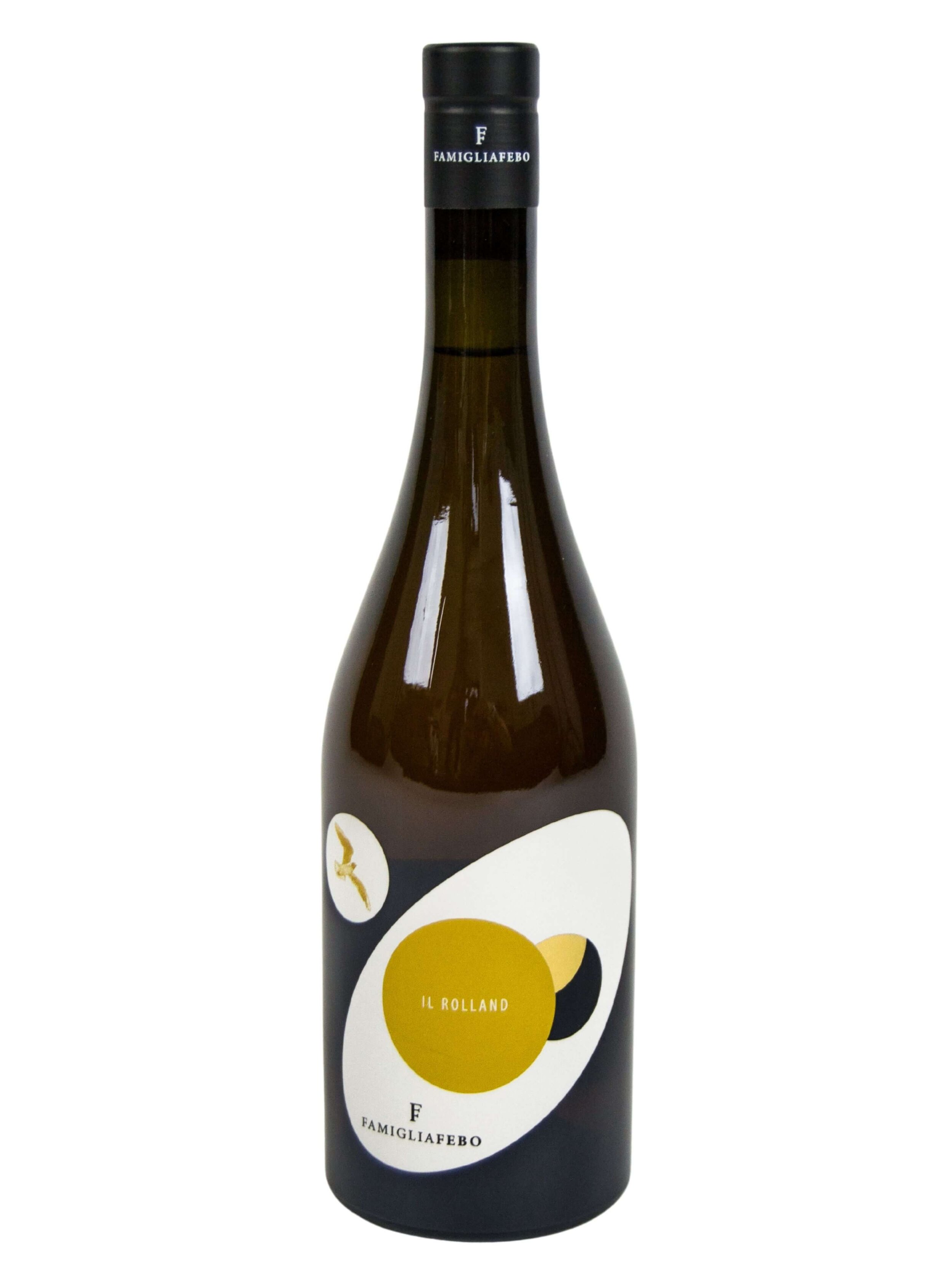
Rolland’s deep straw yellow or rusty color likens it to an orange wine, but this color comes from the vineyard, sun, and weather. A fresh and textured mouthfeel leaves you pondering and wanting to have another sip. We recommend to let it breathe before enjoying to the fullest.
The 2023 vintage offers a drier, more savory, and complex profile. With golden raisin and saffron flavors, it evolves into deeper sensations of caramel, sage, and a pronounced orange rind on the finish. It wraps up with a long, distinctive mineral finish. The 2023 really summarizes well the age-worthiness of this wine.
Region: Italy > Abruzzo > Spoltore & Chieti
Tastes Like: Golden Raisins & Saffron
Farming & Winemaking Highlights: Regenerative Agriculture | Sustainable Winery | Biodynamic | Native Yeast Fermentation | Vegan | Single vineyard | Organic | Natural Wine
Fun Facts: This wine is named for Grandfather Febo, Rolando, who bought the concrete vessels the family ages their wines in.
Black Fruits

This mother-daughter winery keep hitting home runs with their ‘experimental’ one acre vineyard of dolcetto on a mountaintop in upper Ojai, California, which started with an idea they brought back with them from Piedmont Italy over 10 years ago. Their super small production Dolcetto experiment is a success, backed up with back-to-back gold medals on their 2019, 2020 and 2021 vintages, and then winning Double Gold and Best of Class in the International Womens Winemakers competition.
The 2020 vintage produced only 23 cases and was aged for over a year in neutral oak. It is fresh and juicy with rich wild berry cassis-like taste. It's an approachable yet complex with a mineral-saline finish. And now, coming off of their wins in 2019 and 2020, Ojai Pacific View has now released the latest edition of their California Dolcetto, the 2021 vintage.
Overall, the wine is a dark purple color, the nose is complex with a mix of plum, herbs, flint and vanilla spice. The fruit and terroir of this old world new world dolcetto red wine that really stands out, thanks to the high altitude and marine fossil soil of this wine estate in upper Ojai.
Here is what other sommeliers are saying about this wine:
Sommelier Marc R. Kauffman:
“Fine wine from Southern California! Italian varietals have been attempted in California with some successes and some not so good examples over the years. The 2019 California Dolcetto from Pacific View Vineyard and Winery is a stunning success! Darkly brooding in the glass, aromas of cedar, spice and vanilla offer a promise of seriously complex wine. Dark cherry and blackberry flavors mingle and dance in your mouth. The tannins are smoothly integrated, and the finish is so smooth I did not want it to end! Harmonious is the one word I would use to describe this wine. This is the third vintage from a very small plot of Dolcetto grapes growing high above the Pacific Ocean in a secluded spot north of Los Angeles. Available only in limited quantities direct to consumer or to a few select restaurants it is well worth the effort to search it out.”

From the Thaya estate winery in the Czech Republic, this single vineyard 100% Saint Laurent, which is called Svatovavřinecké in the Czech language and is a descendant of pinot noir, is from the U Chlupa vineyard with dusty loess and clay soils and which is in a national park. It has an inky deep purple color, a pretty nose, of violets, milk chocolate and spice. It is fresh with chaulky tannins, dark fruit taste, a harmonious and balanced wine. The wine was made naturally and fermented with native yeasts. It aged for 18 months in oak barrels of assorted sizes and types of toasting. It’s what’s called a “beefier Pinot Noir.”
Red Fruits
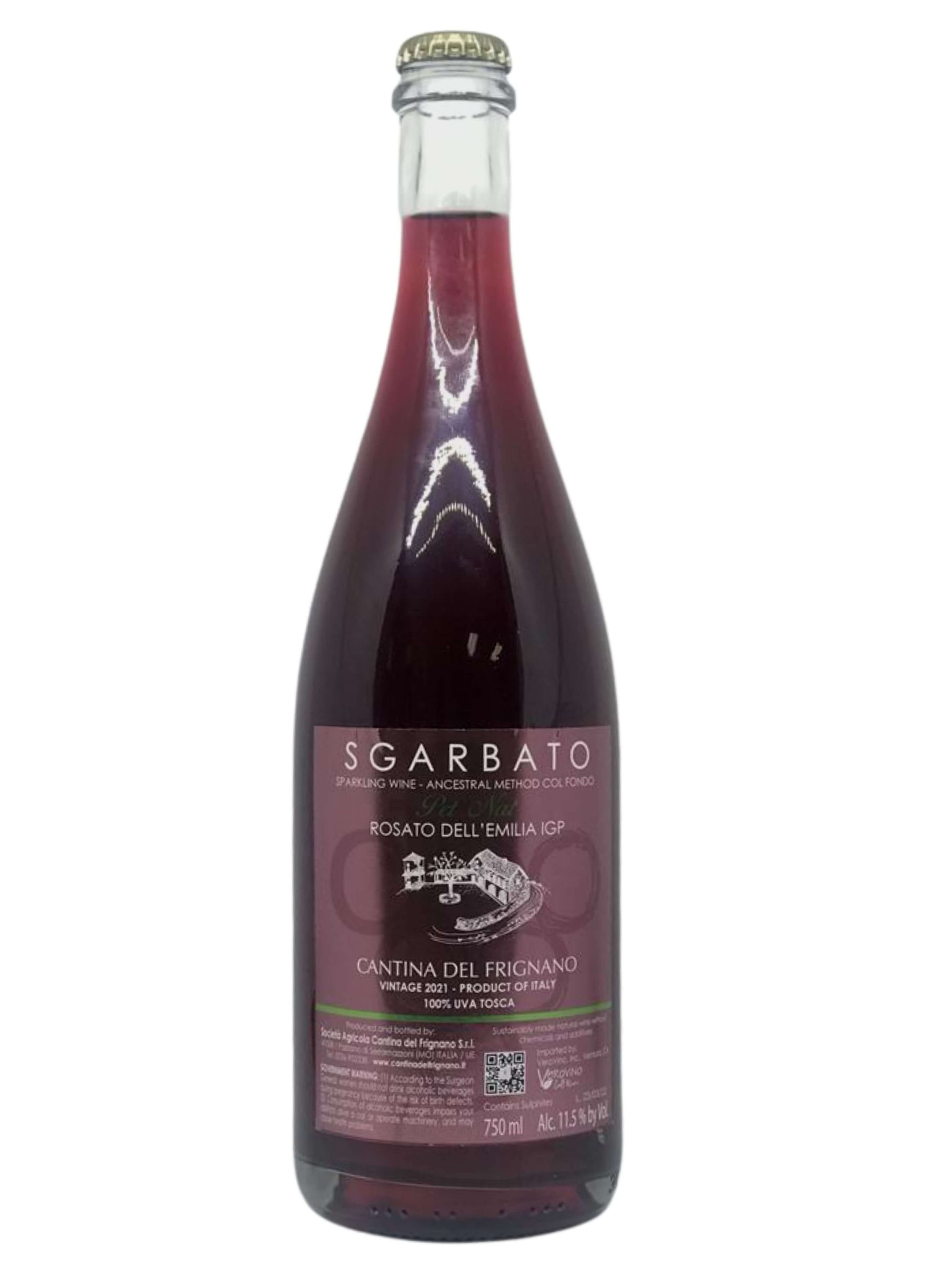
Made from the rare Uva Tosca grape, which grows in higher altitudes in Emilia and is believed to be a descendant of Schiava Grossa, the Alto Adige red grape. Technically a rose wine, it is more like a light red, which looks and tastes like drinking cranberry juice as a sparkling wine. Refreshing and quaffable, with strawberries on the nose and a saline finish, it is great on its own or with light fare. While this grape does not impart much color, 2021 was a dry year, producing more concentrated fruit and color. It is naturally fermented and sparkling 'col fondo' ancestral, or pet nat, style wine.
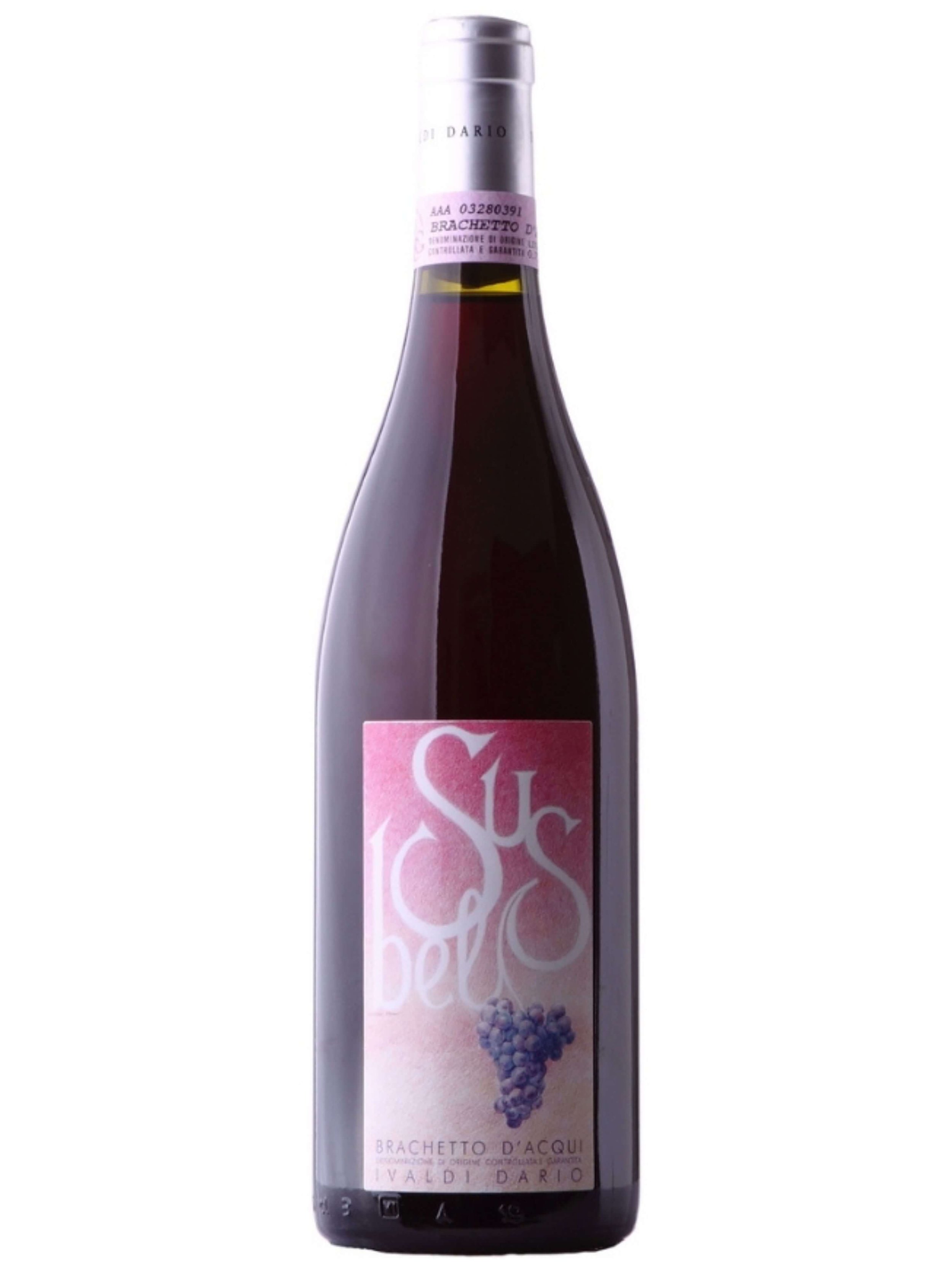
“Can we make Brachetto popular, please?” is how VinePair headlines why this artisanal, aromatic red sweet sparkling wine, just recently imported by us first time to the USA, made it to VinePair’s list of 13 Best Sweet Wines.
An aromatic grape, brachetto, creates a pleasantly slightly sparkling sweet red wine, with delicate rose flower and strawberry notes and strawberry and hibiscus taste. ‘Susbel’, in the local Piemontese dialect of Ivaldi in the Monferrato, refers to the location of the vineyard of this Brachetto d’Acqui, where the sun is bright and well exposed.
Left four days in contact with the skins and fermented with native yeast, this natural wine has a bright and clear light red color, dotted with fine effervescent bubbles. Sipping, the immediate impact is indeed sweet, yet with enough acidity and a hint of tannins to create a harmonious and balanced wine that keeps you coming back for more.
Wonderful to serve slightly chilled to sip with friends in the backyard on a hot summer day, or to serve with fruity desserts. Try pairing it with cheese, like with Humboldt Fog goat cheese - it goes incredibly well. It can also pair with charcuterie. Made with native yeast fermentation and has a residual sugar of 120 g/l.
A certified sustainable winery, Ivaldi Dario practices regenerative farming.
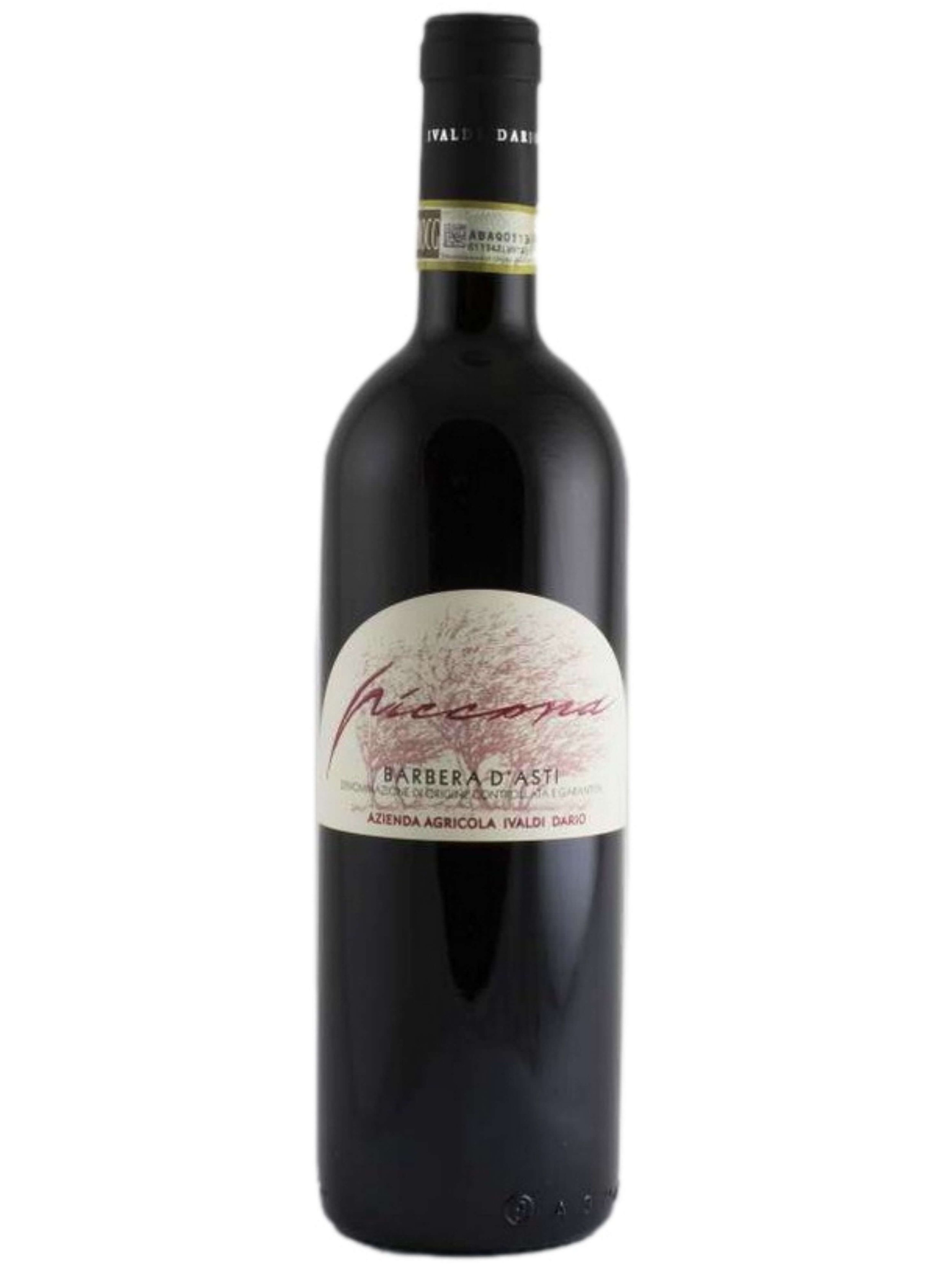
From the prestigious Barbera d’Asti denomination, this Barbera takes its name, Piccona, from the single vineyard where it is harvested in the Monferrato of Piedmont, Italy. A ruby red color, it has a complex bouquet of red fruits and berries. On the palate, the typical Barbera acidity comes through in a pleasant manner, balanced with the tannins and a certain robustness for an overall balanced and persistent wine.
A certified sustainable winery, Ivaldi Dario practices regenerative farming.
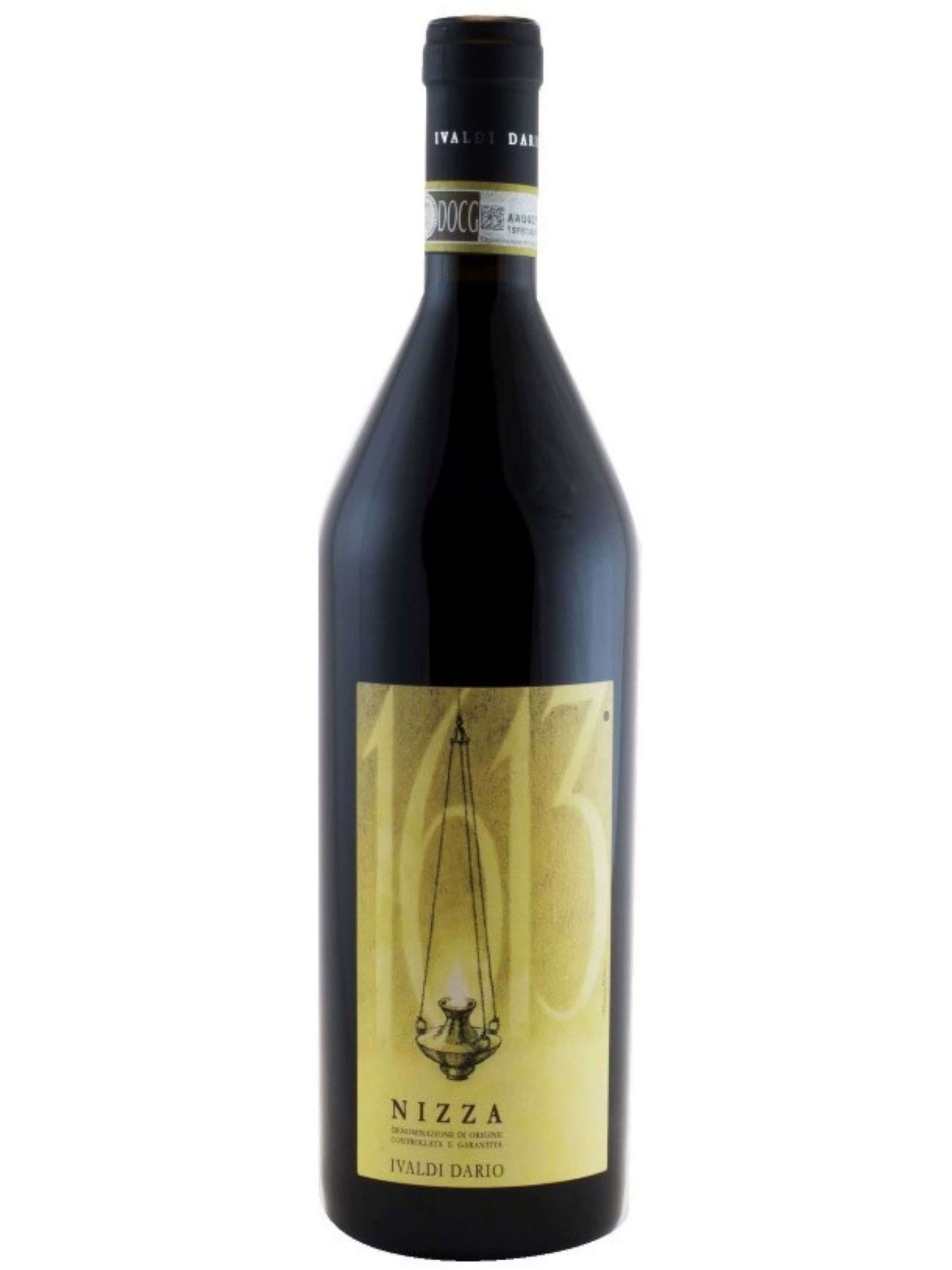
Nizza is the Barolo of Barbera, made from the birthplace of Barbera, Nizza Monferrato, the home of the 4th generation winemaking family, Ivaldi, and place where this wine is grown and made. This Nizza Barbera is a delicious old world style red wine with a rich cherry taste and an incredible mouthfeel.
This Nizza DOCG is made only in the best years, always made with 100% Barbera grapes, but only the best of the best of the Barbera clusters goes into this wine, before it spends 12 months in Slavonian oak barrels then 2 years resting in the bottle.
Made with native yeast fermentation, on the skins for 15 days. it has a pretty ruby red color with garnet reflections. A fruity bouquet transforms into spicy notes as it opens, and on the palate this wine has nice tannins and acidity balanced by a robust body.
The name of this red wine, 1613, is a homage to the siege of Nizza Monferrato in 1613 by the Mantovan army, showing the strong roots the Ivaldi family has to their home town. The women gathered to pray all night, and after the siege was lifted and won by Nizza Monferrato, an oil lamp in the church spontaneously burst into flames, despite the lack of spark and oil. Known as the ‘Miracle of the Lamp’, this wine pays homage to that evening, bearing not only the year as a name, but the image of the oil lamp on the label.
A certified sustainable winery, Ivaldi Dario practices regenerative farming.
Wines That Taste of Flowers, Herbs, and Nature
Floral Flavors
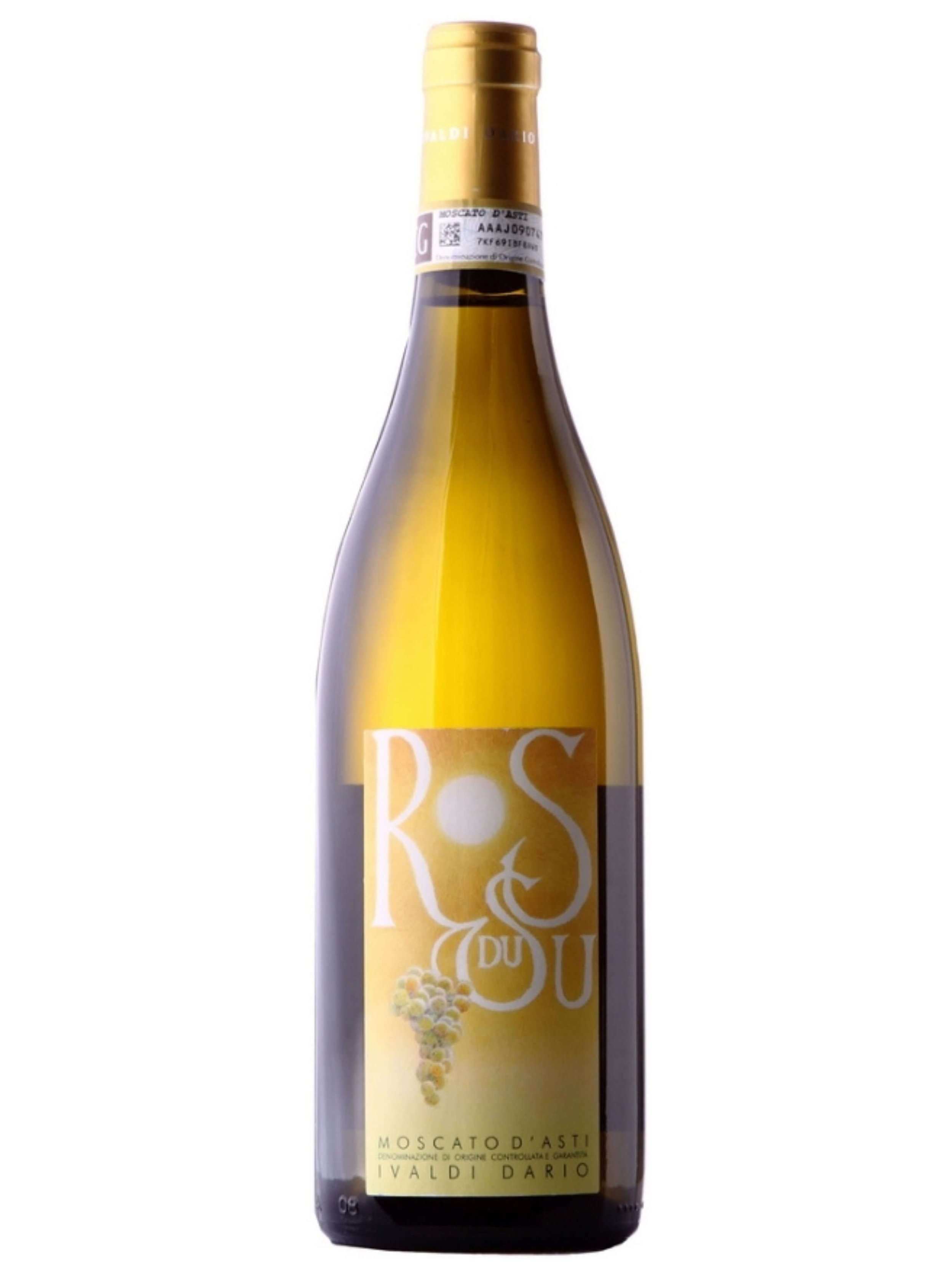
Who doesn’t like chamomile and honey? That’s what this wine reminds you of! It’s a Moscato d’Asti that appeals both to sweet wine lovers and dry wine drinkers wanting a moment with a touch of sweetness.
The name of this wine, Ros du Su, means ‘Rays of Sunlight’ in Piemontese dialect where this Moscato d’Asti comes from. Looking at its bright, golden-yellow color, it is easy to understand the inspiration for this name.
In the glass, the aromatic qualities of moscato are the first noticeable aromas, but underneath subtle and persistent notes of honey and acacia and chamomile flowers come forth creating a complex bouquet. Tasting, the sweetness of the residual sugars are well balanced with freshness and sapidity. A pleasant wine that keeps you sipping, it pairs well with desserts, but is every bit as enjoyable alone in contemplation.
A certified sustainable winery, Ivaldipractices regenerative farming.
Herbal Flavors

Made with native yeast fermentation, this Barolo Serralunga is a special natural wine. Rich on the nose with dried violets typical of the nebbiolo grape, the bouquet is austere and profound with balsamic notes. Once sipped, the earthy texture is out of this world, which marries pleasantly with the structure, fruit and spice of this elegant red. Well accented tannins are soft and decanting is strongly recommended.
Tastes Like: Earthy Spices
Farming & Winemaking Highlights: Biodynamic | Native Yeast Fermentation | Single Vineyard
Fun Facts: This is a single vineyard Barolo from the Serralunga d'Alba village, known to produce the most age worthy Barolos.

Made from the sought-after Ginestra Barolo Cru, this single vineyard wine epitomizes the greatness of the nebbiolo grape from the Barolo wine region, in terms of structure, age-worthiness and fruit expression. The native yeast fermentation used in making this natural wine also helps bring out the special and sought after terroir of the Ginestra cru.
An intense garnet color, on the nose this Barolo tends towards red fruits, with a touch of balsamic notes. As it opens on the palate the elegant tannins harmonize with the acidity for an overall richness that creates a pleasant and enjoyable experience while sipping alone or with food.
Tastes Like: Balsamic Tabacco leaves
Farming & Winemaking Highlights: Biodynamic | Native Yeast Fermentation | Single Vineyard
Fun Facts: The Ginestra cru is very limited and only a few wineries have access to harvest from there. Aldo can thanks to his wife’s, Valentina’s, Conterno family vineyards.
Fun Facts: The hands on the bottle represent Aldo’s two daughters; for this reason he often says this is the wine closest to his heart.
Minerality

This unfiltered sauvignon blanc natural wine is playfully named after the limestone, mineral-rich soil where it was cultivated. It’s from the Sudsteiermark, or South Styria, Austria, known for some of the best sauvignon blanc in the world. It has a bright lemon yellow color with an intense reductive nose that has curious complex aromas that develop more once it breaths, such as tropical fruit aromas. The taste has a 'wow' factor with racy, prickly acidity, really nice texture a VERY long mineral finish. Think of what it’s like to lick a rock - this is it! This is your ‘atypical’ Sauvignon blanc, made from a mix of 9 different Michi Lorenz’s estate vineyards, some early, mid and late harvests, and across 4 different vintages using the complex solaris method. A real one-of-a-kind sauvignon blanc.
A natural, and certified organic and biodynamic wine made with native yeast fermentation.
Herbaceous Flavors

Woman made Saturnalia Bianco, on VinePair’s list of Top 15 Best Orange Wines, is an award winning, unfiltered and delicious skin contact orange wine made from old vine procanico & trebbiano grapes cultivated in volcanic soil.
This natural wine is made from the patented Metodo Corino, based on regenerative farming principles. Nothing is added but grapes! Made with unpressed, free run juice with native yeast fermentation. A two week maceration imparts a dark amber color. Aged only in stainless steel tanks, it has aromas of candied fruit, dried apricot and ginger.
It has pleasant acidity and tannins, and is balanced with a long finish. A pretty deep orange color, it is a great wine for difficult food pairings, it pairs with almost any dish.
Tastes Like: Candied Orange Peels
Farming & Winemaking Highlights: Regenerative Agriculture | Sustainable Winery | Biodynamic | Native Yeast Fermentation | Vegan | No additives (ie non sulphites added) | Unfiltered | Organic | Metodo Corino | Natural Wine
Fun Facts: - The natural farming method that produced this wine, the metodo corino, is actually patented by La Maliosa woman winemaker Antonella Manuli after she helped to develop it with natural wine legend Lorenzo Corino of Case Corini.
- Named in honor of the Roman festival in December which took place near the winery, La Maliosa, this wine was once called Saturnia Bianco.
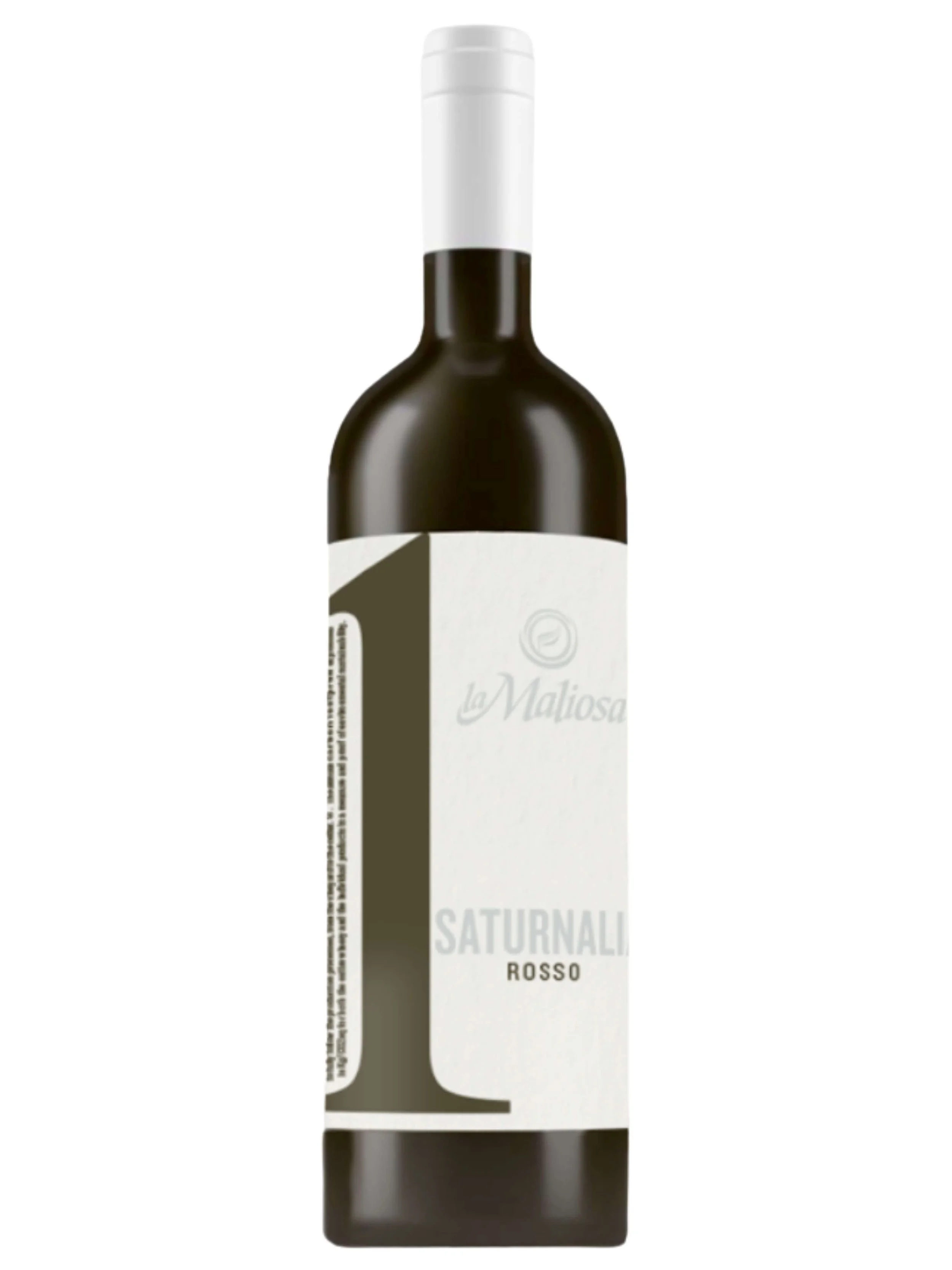
Saturnalia Rosso, once called Saturnia Rosso, is an approachable, balanced red wine with great texture and expressive finish made from a blend of native varieties from central Italy. A four week maceration on the skins is followed by aging in large wooden casks for 20 months. A pretty ruby color is accompanied by cherry and vanilla spice aromas. Pairs great with pork kebabs and cheese burgers. A woman-made organic, biodynamic and vegan natural wine using the patented Metodo Corino which is based on regenerative agriculture farming methods.
Tastes Like: Cherry and Strawberry Fruit Leathers
Farming & Winemaking Highlights: Regenerative Agriculture | Sustainable Winery | Biodynamic | Native Yeast Fermentation | Vegan | No additives (ie non sulphites added) | Unfiltered | Organic | Metodo Corino | Natural Wine
Fun Facts: The natural farming method that produced this wine, the metodo corino, is actually patented by La Maliosa woman winemaker Antonella Manuli after she helped to develop it with natural wine legend Lorenzo Corino of Case Corini.

An award winner in the Millennial Wine Competition, this all natural, fresh and earthy red is made from hard-to-find Tuscan varietal Ciliegiolo whose name derives from cherry - so guess what it tastes like! An organic, biodynamic and natural wine made from the patented Metodo Corino with nothing added but grapes. Made with free run juice, maceration continues for four weeks and then aged in neutral wooden barrels for a short period of time. A natural wine, no sulfites are added during the winemaking process. Cherry and spice aromas and taste with notable tannins and mouth feel contributing to its great structure and long finish.
Tastes Like: Cherry Jam
Farming & Winemaking Highlights: Regenerative Agriculture | Sustainable Winery | Biodynamic | Native Yeast Fermentation | Vegan | No additives (ie non sulphites added) | Unfiltered | Organic | Metodo Corino | Natural Wine
Fun Facts: The natural farming method that produced this wine, the metodo corino, is actually patented by La Maliosa woman winemaker Antonella Manuli after she helped to develop it with natural wine legend Lorenzo Corino of Case Corini.

This wine is a rare treat, being one of the very few Sangiovese red wines grown on volcanic soil. This natural wine is a complex yet approachable. Tarconte is a distinctive old world style natural red wine with a touch of new world, having been aged for 36 months in oak barrels. Notes of earth, mineral, herbs, black pepper, it is super juicy with ripe tannins, a real food wine. A good pairing is with rosemary Asiago cheese. Don't be in a rush to enjoy it: open it and see how it evolves!
Tastes Like: A Baking Spice Cabinet
Farming & Winemaking Highlights: Regenerative Agriculture | Sustainable Winery | Biodynamic | Native Yeast Fermentation | Vegan | No additives (ie non sulphites added) | Unfiltered | Organic | Metodo Corino | Natural Wine
Fun Facts: - The natural farming method that produced this wine, the metodo corino, is actually patented by La Maliosa woman winemaker Antonella Manuli after she helped to develop it with natural wine legend Lorenzo Corino of Case Corini.
- Named after an Etruscan mythological hero.
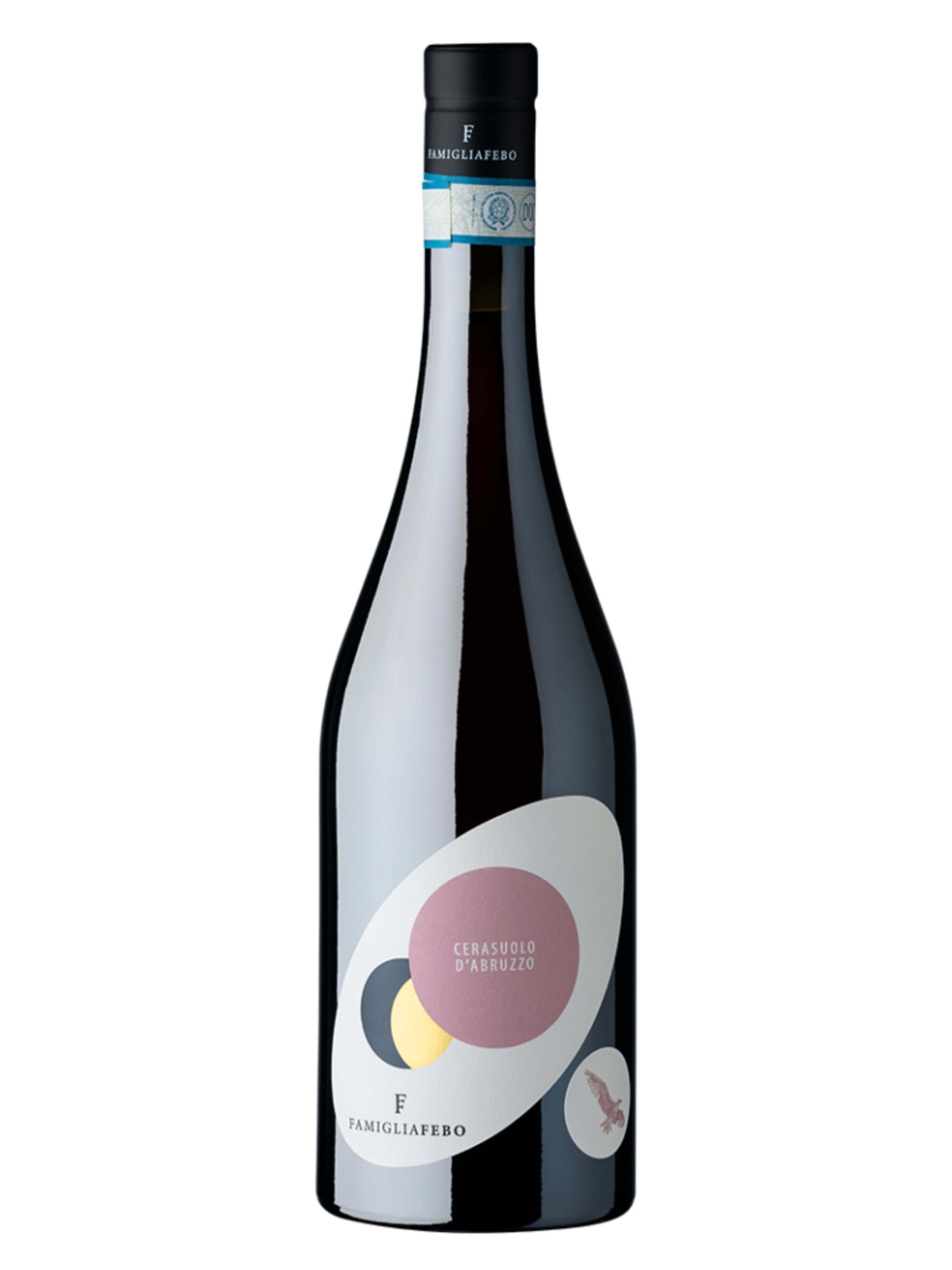
While made as a rosé wine, this Cerasuolo d’Abruzzo is actually more like a light red wine thanks to the dark pigments of the Montepulciano grapes used, farmed on Febo family’s estate vineyards in Abruzzo.
The minimal intervention approach of this natural wine producer results in a lot of vintage variation year after year. For example, the 2021 Cerasuolo d’Abruzzo has a cherry taste with a salty finish, and is considered a “serious” rosé wine while the 2024 is a Rosorange color that bursts with blood orange flavors mixed with cherry.
Region: Italy > Abruzzo > Spoltore & Chieti
Tastes Like: 2021 - Cherries | 2024 - Tart cherries and blood orange
Farming & Winemaking Highlights: Regenerative Agriculture | Sustainable Winery | Biodynamic | Native Yeast Fermentation | Vegan | Organic | Natural Wine
Fun Facts: Both vintages are fermented with native yeast and refined in the winegrower's grandparents' concrete vessels. Great chilled and a good pairing is eggplant parmesan.
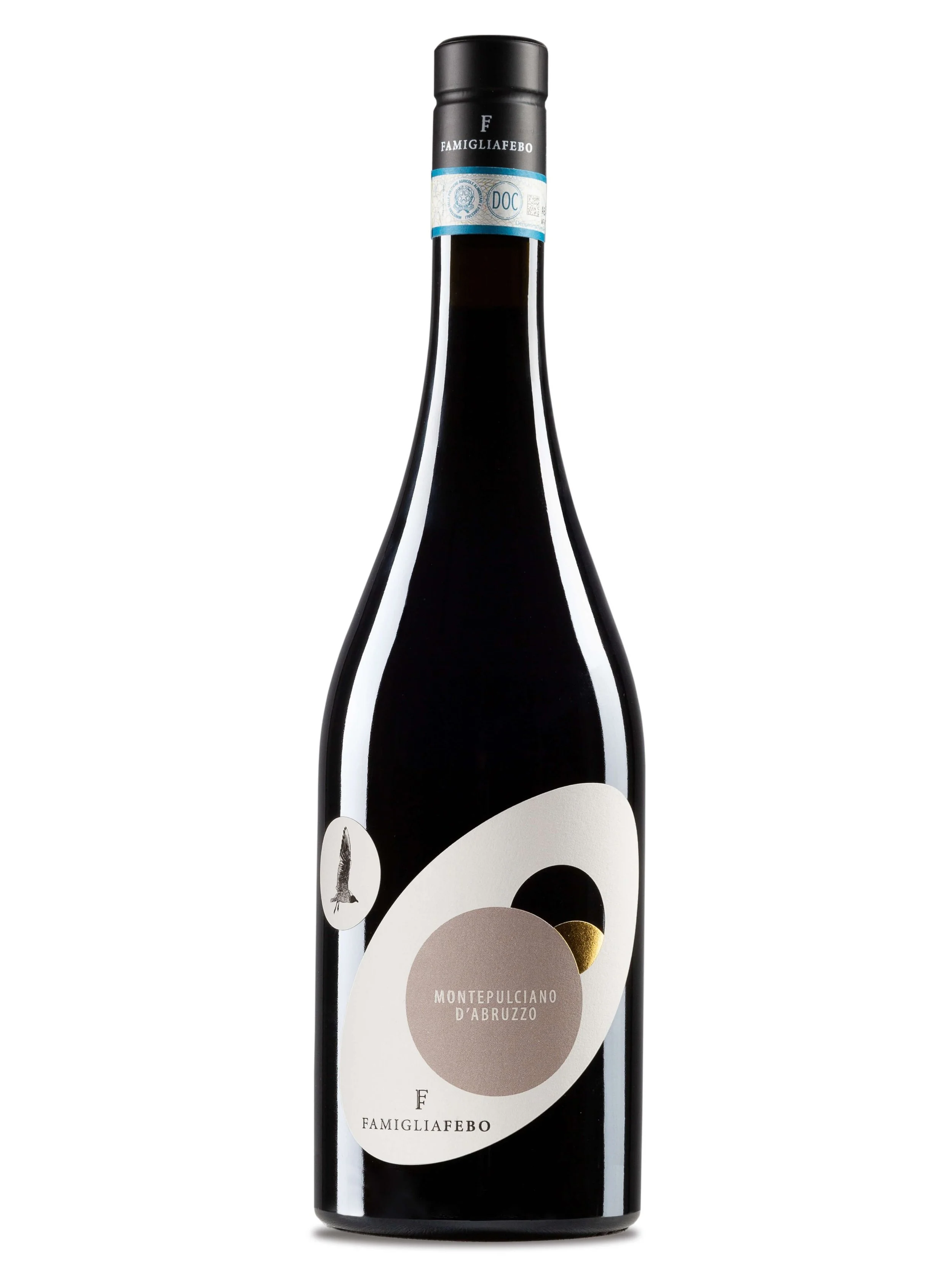
Made with 100% Montepulciano grapes spanning family vineyards in Spoltore and Chieti in Abruzzo, it has aromas of amarena cherries and licorice and a slight funkiness thanks to its 100% natural production. It tastes of dark fruit, with a rich texture and slightly bitter finish, with the funky vibe continuing while tasting. Fermented and refined in the winegrower's grandparents' concrete vessels.
Region: Italy > Abruzzo > Spoltore & Chieti
Tastes Like: Dark fruits
Farming & Winemaking Highlights: Regenerative Agriculture | Sustainable Winery | Biodynamic | Native Yeast Fermentation | Vegan | Organic | Natural Wine
Fun Facts: Pairs nicely with chicken parmesan. | While there is a famous wine “Vino Nobile di Montepulciano” from Tuscany, this grape has no connection to it; the “montepulciano name” there comes from the town noame, where as here in Abruzzo “montepulciano” actually refers to the grape used to make the wine.
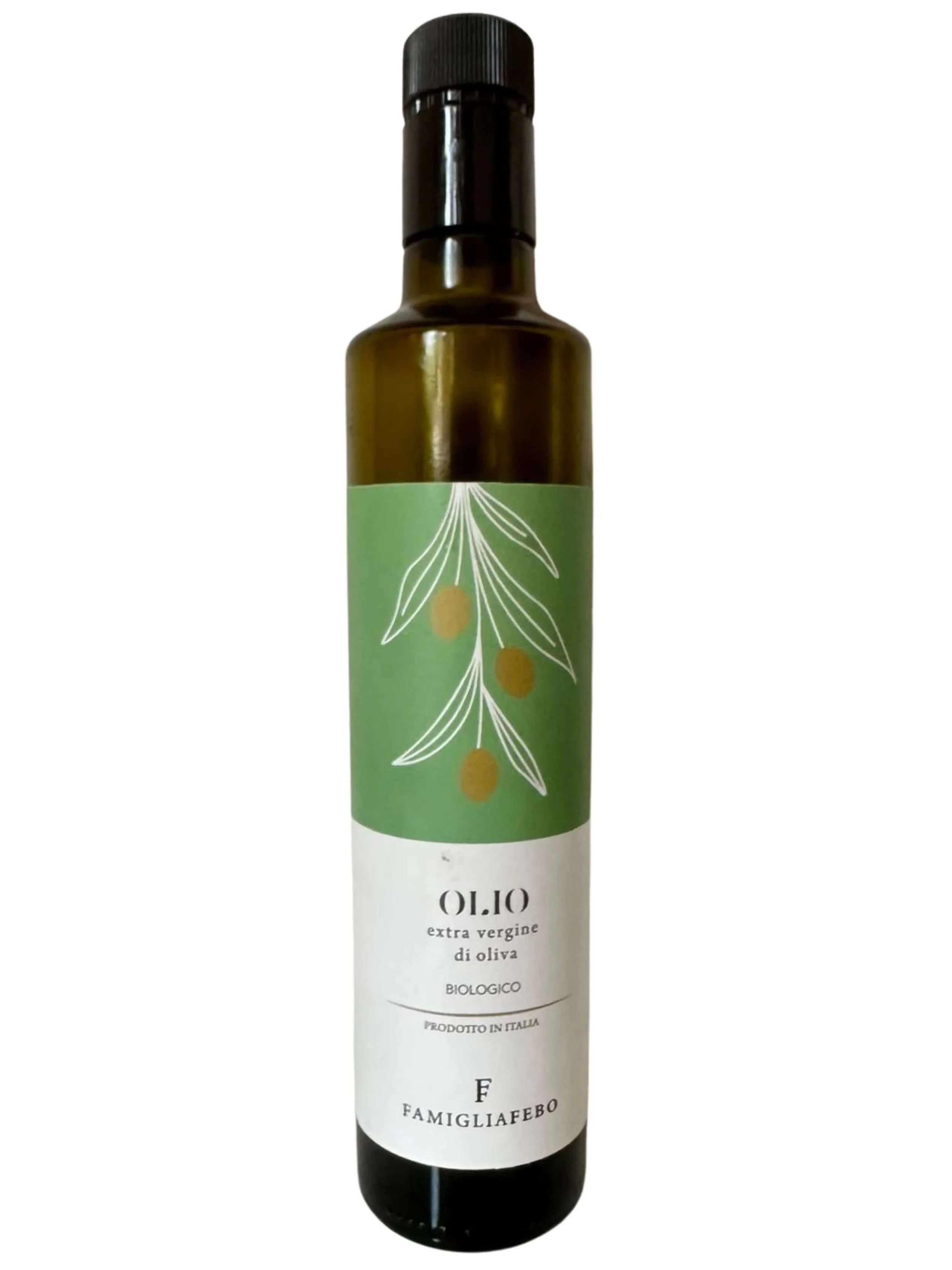
From the hills of Abruzzo near the Adriatic Coast of Italy, comes this Organic EVOO, or Extra Virgin Olive Oil, farmed and made by the Febo family. Farmed sustainably and organic, this natural extra virgin olive oil is also vegan and, like all evoos, a first run - cold press olive oil, the best kind of olive oil for you.
The 2024 harvest is still made from a blend of olives like leccino and 500 year old trees, but now it is mostly the dritta cultivar.
Farming & Winemaking Highlights: Regenerative Agriculture | Sustainable Farming | Biodynamic | Vegan | No additives | Unfiltered | Organic
Fun Facts: The dritta cultivar is a rare one being saved by Davide Febo who is trying to save and rehabilitate it.
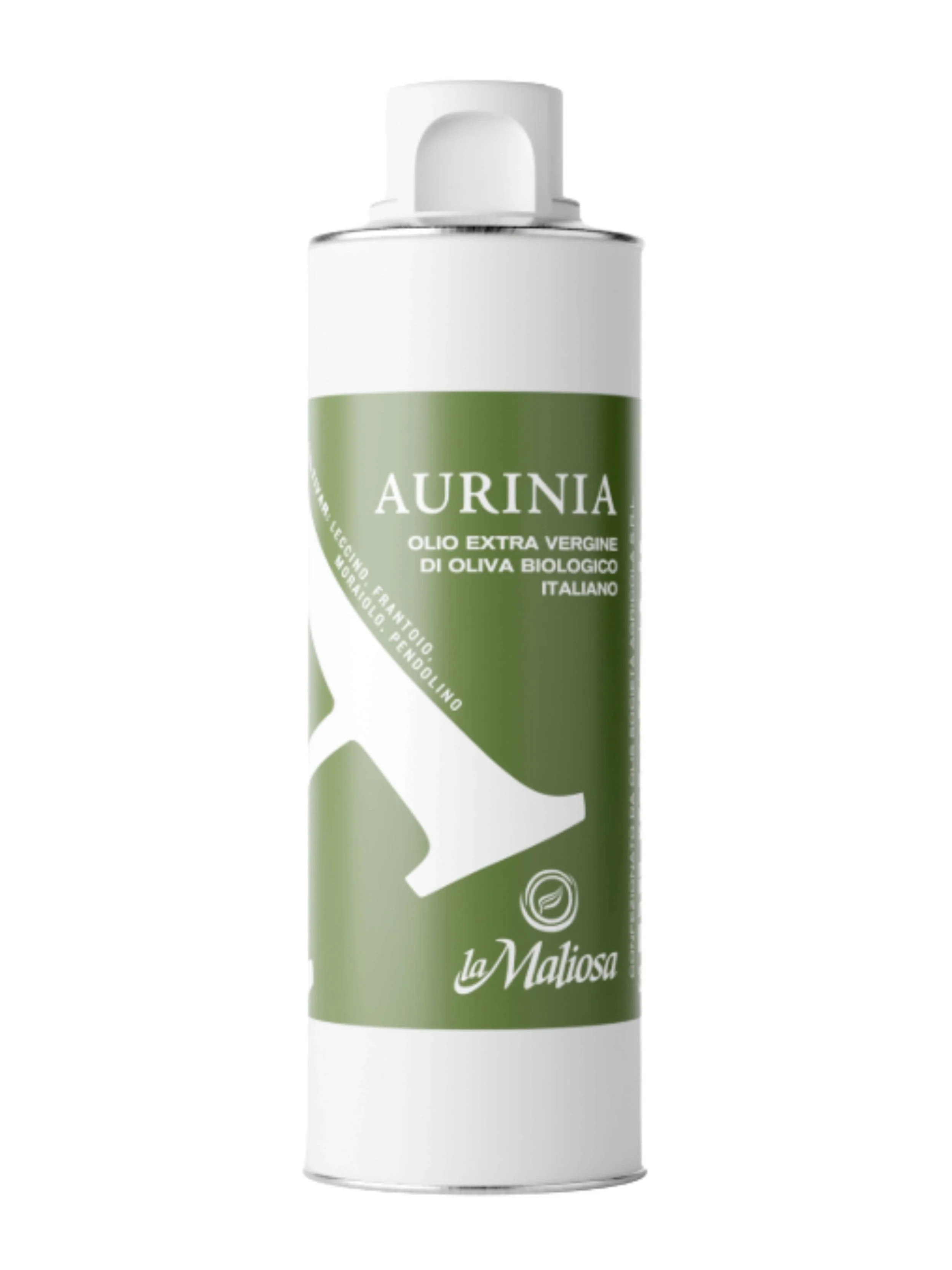
This is a woman made, limited production first cold press organic Extra Virgin Olive Oil from the Maremma hills of Tuscany made from a blend of four Tuscan cultivars. Buttery deliciousness with a bitter kick at the end, thanks to its polyphenols. It has won gold medals in a competition which judges the best extra virgin organic olive oils from around the world.
Farming & Winemaking Highlights: Regenerative Agriculture | Sustainable Farming | Biodynamic | Vegan | No additives | Unfiltered | Organic | Metodo Corino
Fun Facts: The natural farming method that produced this extra virgin olive oil, the metodo corino, is actually patented by La Maliosa woman winemaker Antonella Manuli after she helped to develop it with natural wine legend Lorenzo Corino of Case Corini.
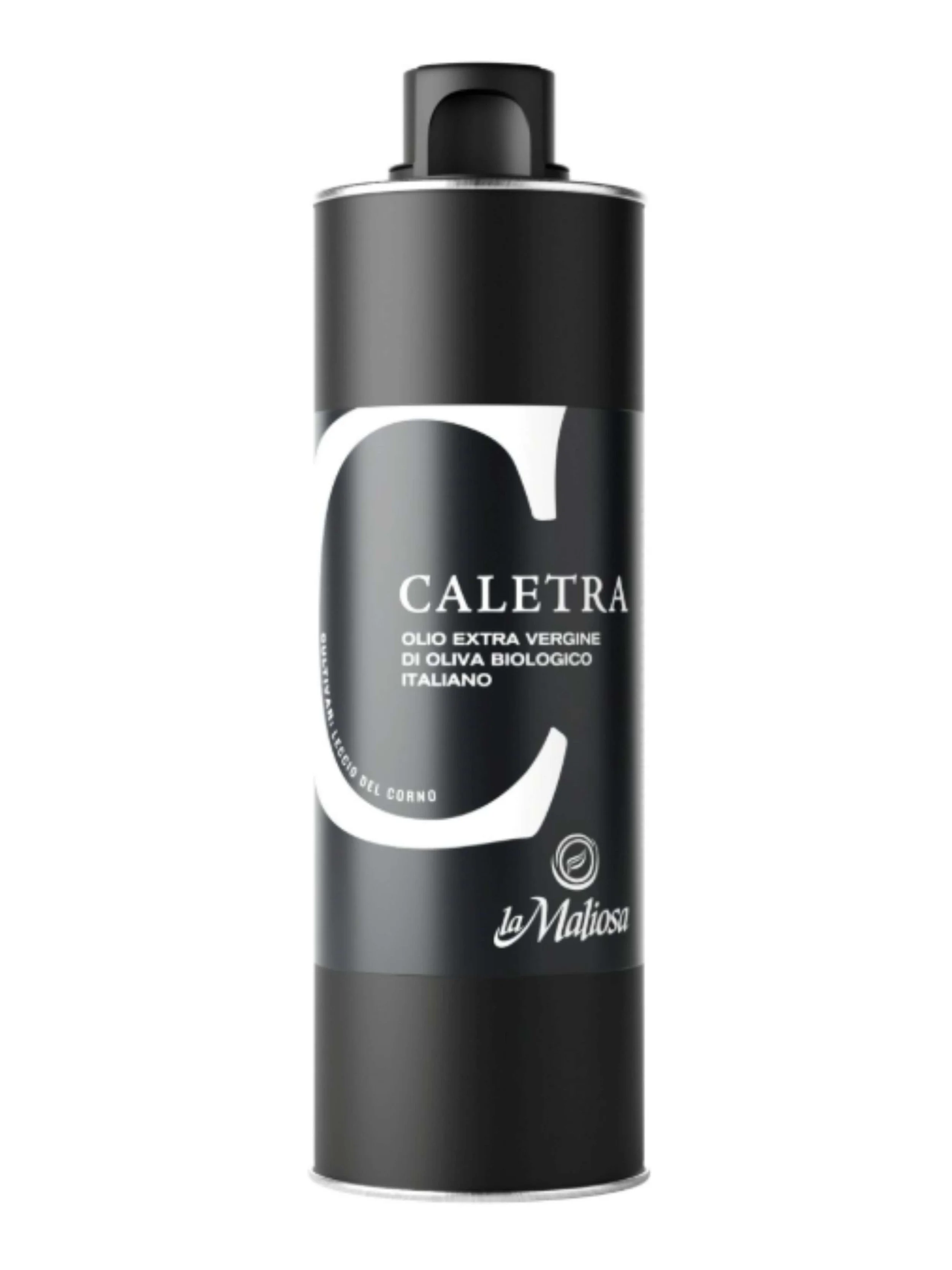
A prestigious first cold press monocultivar organic extra virgin olive oil from the Maremma hils of Tuscany which has won best organic extra virgin olive oil from Tuscany! Its polyphenols which are used to determine how good an olive oil is, are exceptionally high!
Top awards include extra gold, as best Tuscan organic EVOO by Biol Novello which evaluates the best olive oils in the world. In the past this olive oil has also won Best in Italy, as well as Gambero Rosso 3 leaves (their highest rating).
Its aromas of grass, green pepper and mint lead to an intense hot pepper taste and a long finish with black pepper lingering in your mouth. Even just a little drizzled over a simple lettuce salad will bring it to life with flavor.
Farming & Winemaking Highlights: Regenerative Agriculture | Sustainable Farming | Biodynamic | Vegan | No additives | Unfiltered | Organic | Metodo Corino
Fun Facts: The natural farming method that produced this extra virgin olive oil, the metodo corino, is actually patented by La Maliosa woman winemaker Antonella Manuli after she helped to develop it with natural wine legend Lorenzo Corino of Case Corini.
Wines with Flavors of Aging, Spices, and Winemaking
Spices

All natural, old vine nebbiolo and barbera blend with no added sulfites and yeast. Aromas of milk chocolate covered cherries, it has a fresh and rich fruity taste with notable tannins and a has a long piquant finish. Name comes from the former owner of the 70 year old vineyard which has a mix of Nebbiolo and Barbera and is down the hill from the childhood home of Lorenzo Corino. After a gentle crushing, fermentation starts with native yeast fermentation and wines are left with skin contact for 6-7 weeks, followed by about 30 months of aging in wooden barrels. As with all of Case Corini wines, this is a 00 wine, nothing added, nothing removed, no yeast, no sulphites added, organic, biodynamic, vegan. In other words, all natural wine.
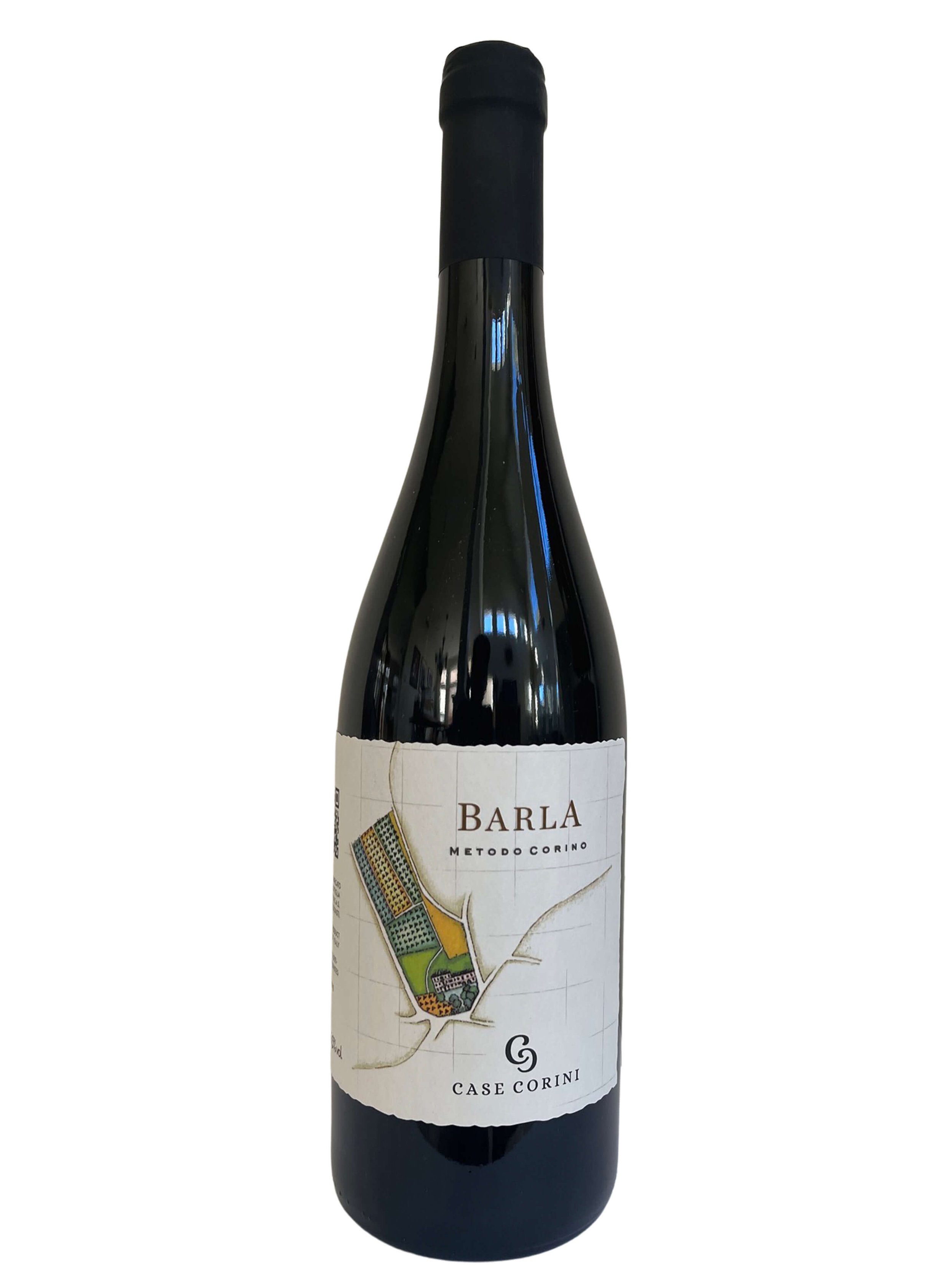
You never had a Barbera like this! Made from 95 year old Barbera vineyard, with some small percentage of other varieties planted over the years in the vineyard. This all natural wine has intense aromas of brandied cherries and a richly textured, delicious dark fruit taste with right balance of fruit, acidity and tannins. Barla is the antique name of the vineyard which used to be the land of an old convent. After a gentle crushing, fermentation starts with native yeast fermentation and wines are left with skin contact for 6-7 weeks, followed by about 36 months of aging in wooden barrels, housed under Lorenzo Corino's family home.
As with all of Case Corini wines, this is a 00 wine, nothing added, nothing removed, no yeast, no sulphites added, organic, biodynamic, vegan. In other words, all natural wine.
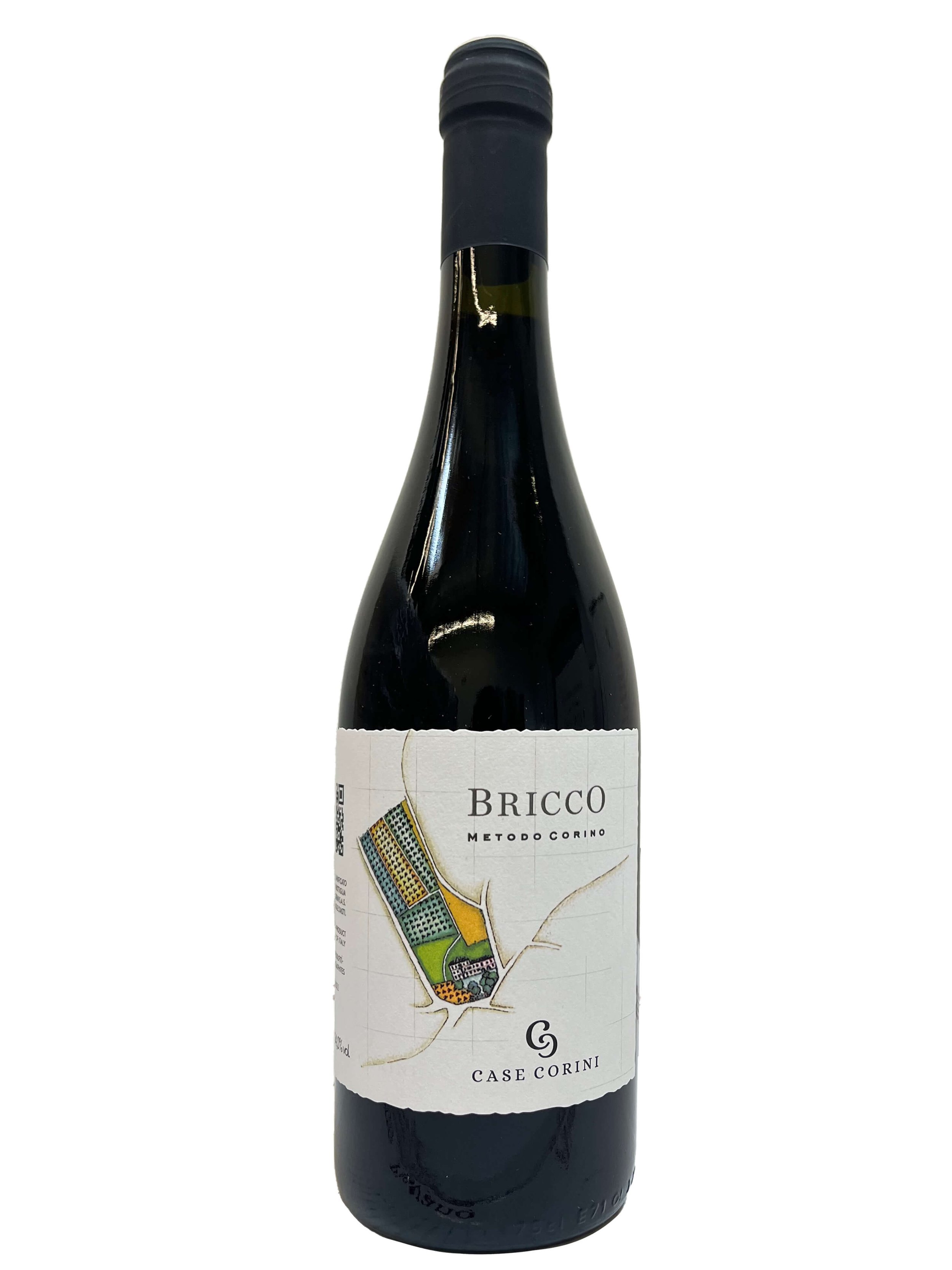
From the old historic field blend vineyard in the Corino's family's 'backyard', this is a fresh, delicious, and complex natural red wine, nicely balanced with fresh raspberry taste along with chocolate shavings.
The Bricco vineyard, an old single vineyard made up of 60% barbera, then freisa along with other red native varieties, is right behind the family ‘villa.’ It has been used as a sort of experimental vineyard by Lorenzo Corino, and is harvested as a field blend.
As with all Case Corini wines, this wine is made with minimal intervention, no added sulfites, native yeast fermentation, vegan, and following the principles of regenerative agriculture, biodynamic and organic farming.
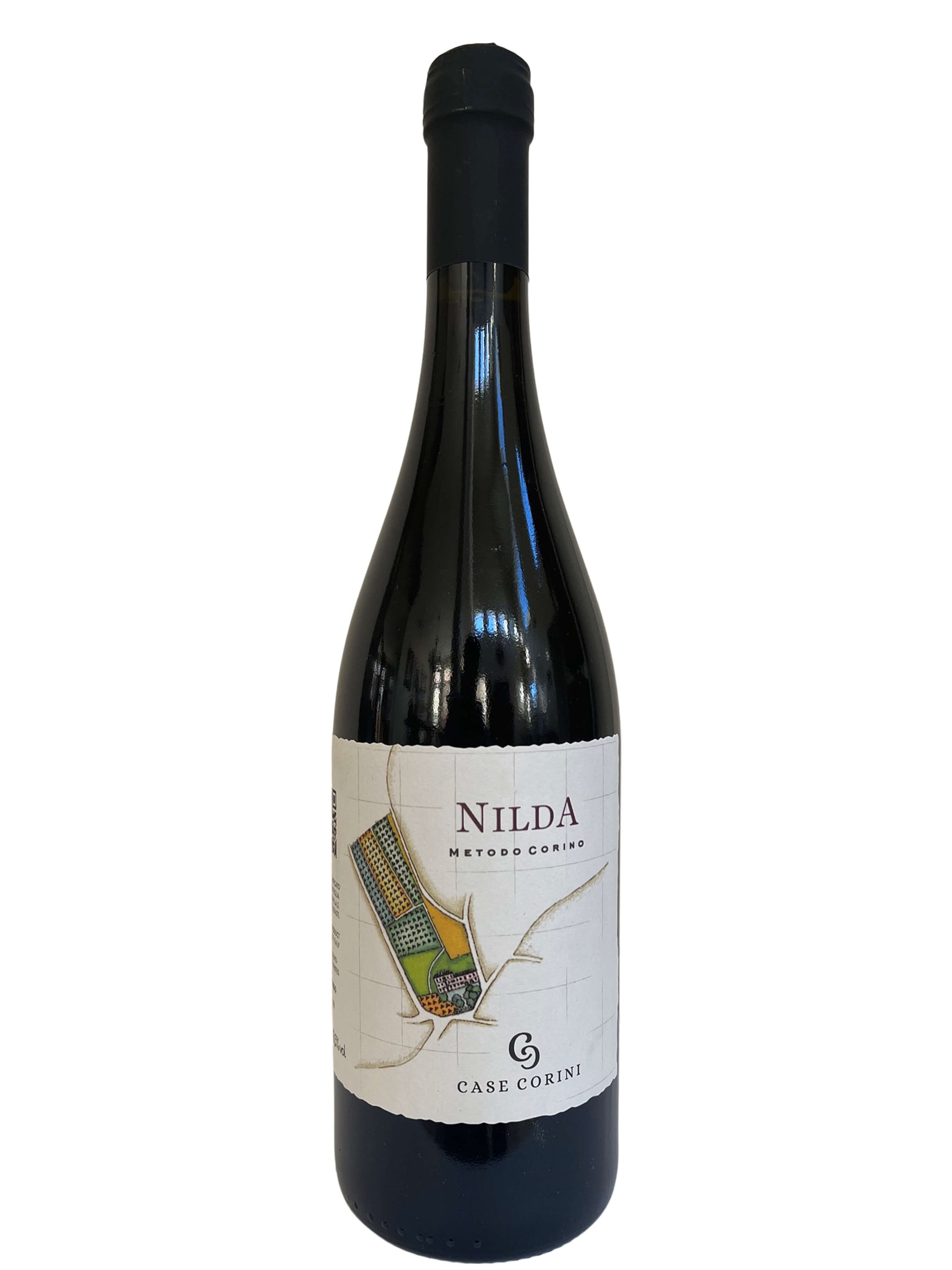
Named after Lorenzo Corino's grandmother, Nilda is Lorenzo & Guido Corino's new red wine from 20 year old vineyards in their hometown of Costigliole d'Asti. It is a field blend mainly of Barbera, along with a mix of other old varieties native to the area. It has aromas of spiced milk chocolate cookies and has a fresh, ripe dark fruit taste with an earthy funkiness and great texture. This vegan wine is made naturally, with no intervention of any kind made and no sulfites added. After a gentle crushing, fermentation starts with native yeast fermentation and wines are left with skin contact for 3-4 weeks, followed by about 12 mos of aging in wooden barrels.
Dried Fruits

With an inviting golden yellow color, this fresh and softly balanced sweet wine made from the historic Albana grape from the Romagna area of Italy has intriguing saffron and apricot notes. As a sommelier pointed out when tasting the wine for the first time: ‘It’s a dessert wine that is sort of a dry wine.. Wow, this whispers, not shouts!’

Light fragrance recalling sweet acacia honey and dried fruits. This nectar is made from hand selected grapes, dried in crates and refined in French oak barrique. This is produced in a limited run of only 1000 bottles per year.
Vigna Petrussa is a certified sustainable and biodiverse women-owned winery.
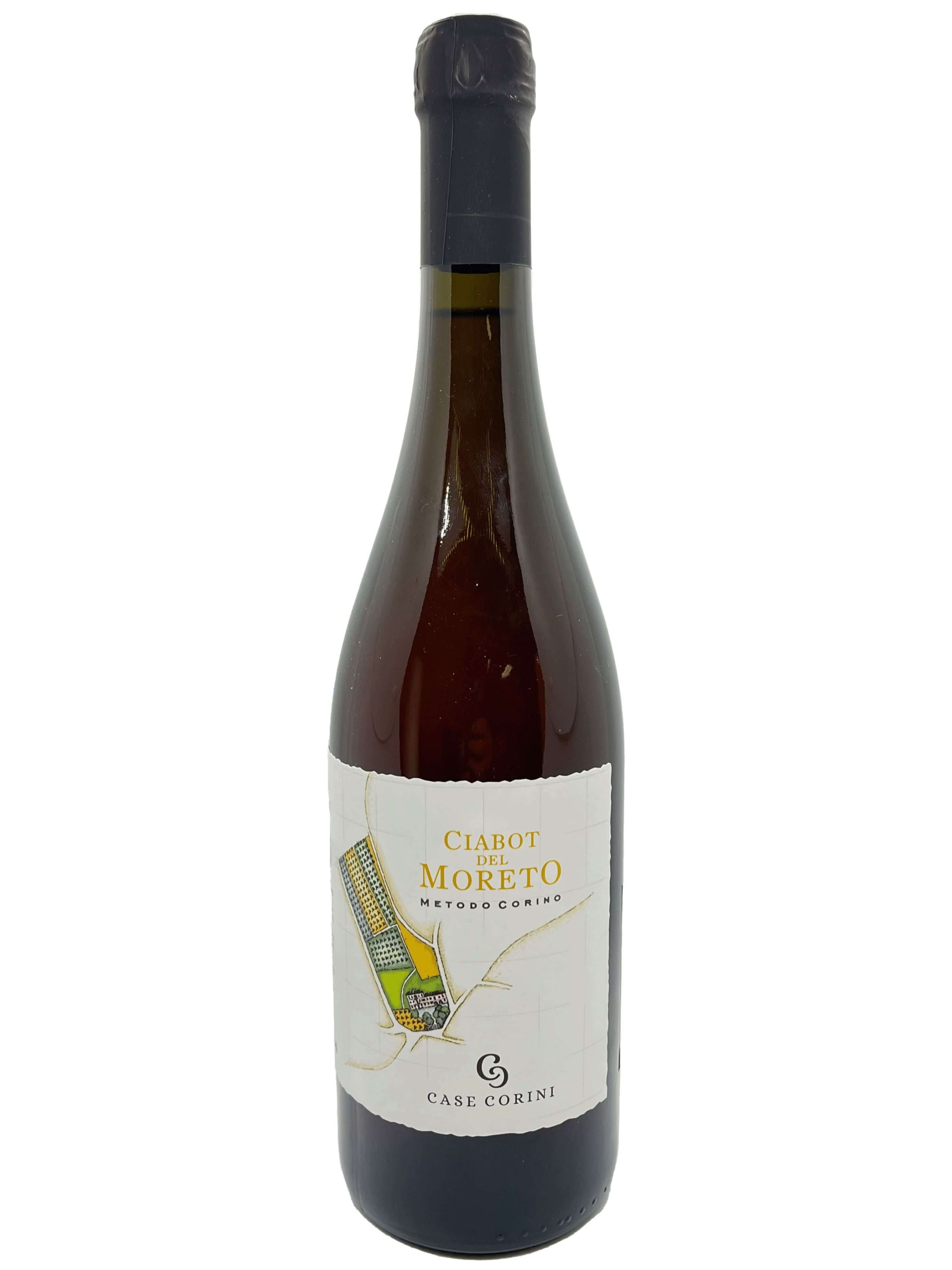
This is an aromatic late harvest skin contact Orange wine from the natural wine 'legend' Lorenzo Corino and his son Guido. The color of rust orange opens to a complex bouquet of orange blossom, candied fruits, caramel and pine leading to a fresh taste of apricots with some mineral savory-ness, pleasant tannins, lovely texture. It is balanced with a long finish. This vegan wine is made naturally, with no intervention of any kind made and no sulfites added. It is a super interesting wine for those who enjoy muscat natives and orange wines. The name Ciabot del Moreno refers to the small wine hut (part of the Piedmontese wine 'ways and culture) in the area where the single vineyard is (Moreto). A lot of local stories are born around these "ciabot". The 70 year old vineyard with different Moscato biotypes is 230m high in Santo Stefano Belbo, 15 min south of Costigliole d'Asti and a half hour east of Alba. After a gentle crushing, fermentation starts with native yeast fermentation and wines are left with skin contact for 2-3 weeks, followed by 6 months of aging in wooden barrels.
Yeast
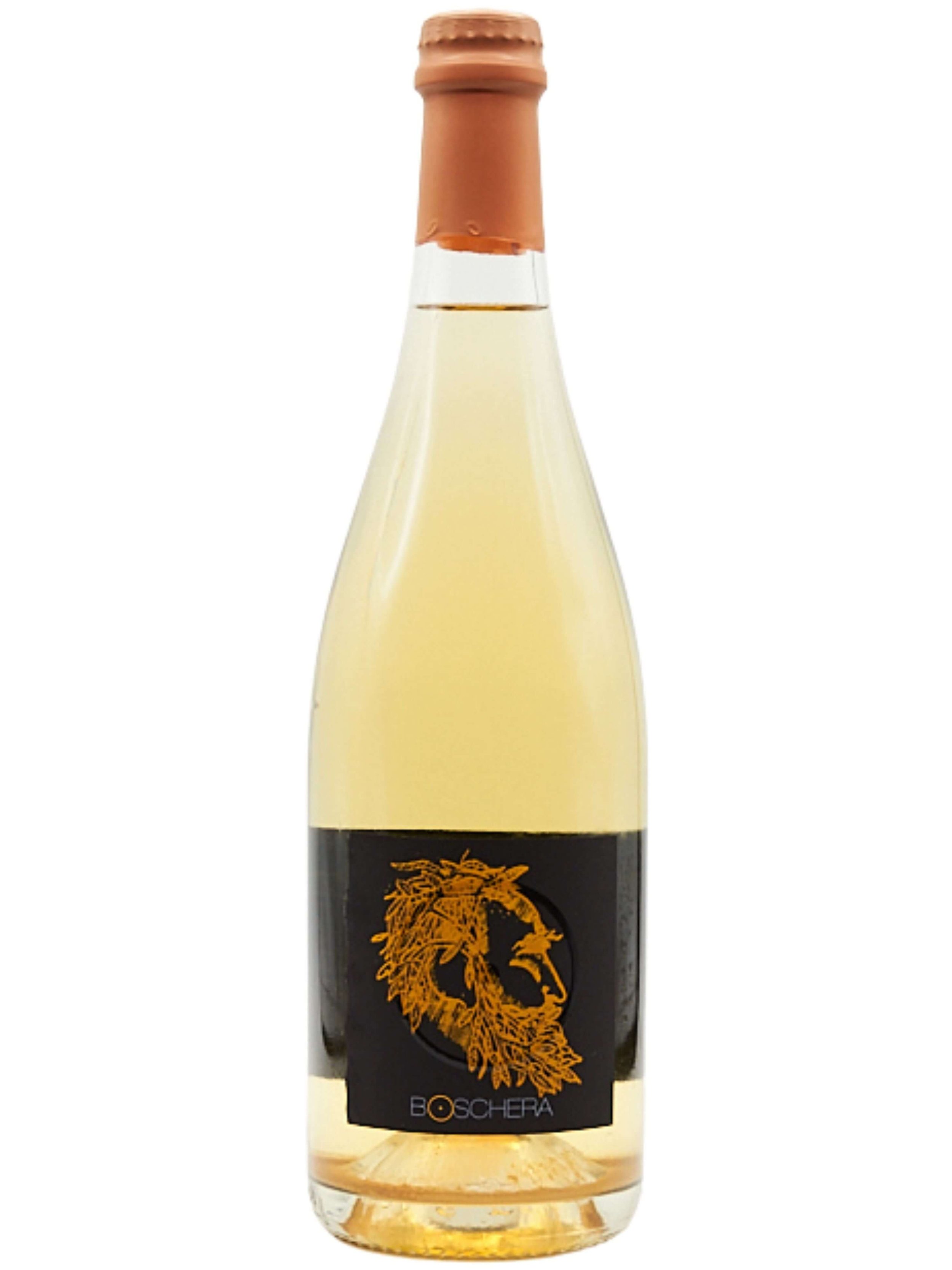
This is an unfiltered sparkling wine made similar to the champagne style from a rare grape called Boschera, native to Veneto, Italy where there is less than 20 acres in the world! We were the first to import this grape into the US!
Compared to the Prosecco grape (Glera), Boschera is more complex, and in fact this wine has been aged for over 3 years in the bottle on the lees.
With 2 days of skin contact giving it a deep yellow color, this native yeast fermented natural wine is then refermented with its native lees and then undisgorged, so it is unfiltered and continues to age on the lees too, allowing it to become more complex over time.
You can say it is a vintage & aged ancestral method, or Pet Nat style, also called Col Fondo in Italian since it is on its lees. It has herbal, nutty and yeasty aromas and savory taste with a long saline finish. Pairs with many foods & throughout the meal, from appetizers to main course.
Malo (Malolactic Conversion)
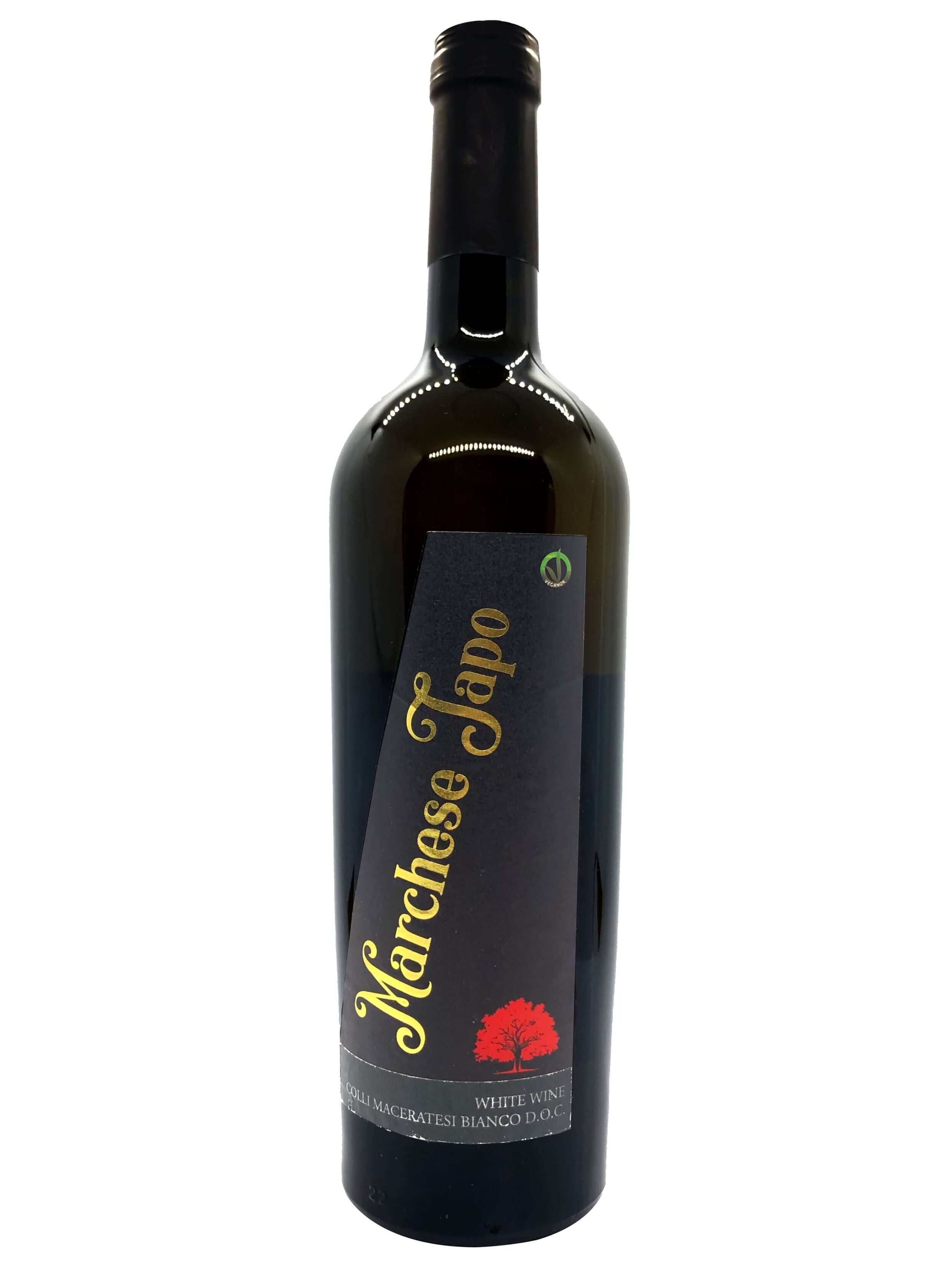
This natural wine is delicious fruit-forward organic vegan white wine, a blend of hard-to-find native varieties from the province of Macerata in Le Marche, Italy, a hilly area just to the east of Tuscany not far from the Adriatic Sea, has it all, great nose, taste, texture and structure. While it is unoaked, it was on the lees for 6 months with weekly battonage, contributing to its complexity of aromas, ranging from melon to saffron, and intensity of flavors. Made with indigenous varieties from Le Marche, Maceratino (also called Ribona) and Incrocio Bruni 54, it is a testament to Le Marche white wines.
Quercia Scarlatta follows a minimal intervention approach to vegan winemaking, using native yeast fermentation in their wines like this Marchese Japo.
Oaky and Aging Flavors

Earthy, age-worthy nebbiolo made from 70 year old naturally cultivated vines. Named for the dearly beloved grandfather of Lorenzo Corino. Having a garnet color with orange hues it has a complex, spicy nose with notes of cardamom and cinnamon. When tasting, it is fruit forward, cherry & forest fruits, followed by spices, and chalky tannins envelope the mouth and finishes elegantly. After a gentle crushing, fermentation starts with native yeast fermentation and wines are left with skin contact for 6-7 weeks, followed by about 36 mos of aging in wooden barrels.
As with all of Case Corini wines, this is a 00 wine, nothing added, nothing removed, no yeast, no sulphites added, organic, biodynamic, vegan. In other words, all natural wine.