Reclaiming Earth’s Assets By Getting Dirty
For some time now, there’s been a lot of talk about regenerative agriculture. It’s been several years since we dedicated a blog article to this topic. We decided it’s time to “regenerate” this topic because of new findings showing the benefits of regenerative farming. Studies have shown concrete links between actions taken with regenerative agriculture and how they combat impacts of climate change. In fact, the World Economic Forum has called out the wine industry, in particular wineries who practice regenerative agriculture as a leading the way!
What is it about regenerative farming that helps the earth claim back its assets and reduce carbon? Let’s find out.
Healthy Grapes = Great Wine
It’s something every one of our wine producers tells us: a good wine is not made in the wine cellar but out in the vineyard.
The underlying premise, literally, for healthy grapes and vineyards is healthy soil. As Lorenzo Corino once said: “you can eat the soil” of naturally maintained and nourished soil. After all, soil is the most valuable asset of a wine farmer: not the land they own, but the physical dirt making up that land. Conventional farming practices have been taking this soil for granted, and not only depleting nutrients but also flat out washing it away, as Lorenzo Corino once explained to Robert Parker.
Climate change is happening before our eyes, with wine regions around the world experiencing record events and disasters, like what we saw last summer. Sustainability is an important criteria for us, here at Vero, as we forage for authentic wild and scarce wines around the world. We’ve talked a lot in the past about similar subjects like biodynamic wine, and natural wine.
With lots of heightened interest in regenerative agriculture as we have begun to discover direct ways that some winegrowers are helping with climate change, let’s start by redefining regenerative agriculture, referring to our natural wine lingo article:
“Regenerative agriculture or farming is all about leaving the land better than how you found it. Championed by the late Lorenzo Corino who together with Antonella Manuli of La Maliosa, patented the Metodo Corino, a playbook to cultivate and make natural wines which is based on regenerative agriculture principles, and which Lorenzo Corino’s son, Guido, continues to practice. This farming philosophy is self-sustaining; the land and soil of the vineyard grow healthier with every year, instead of being stripped and depleted by intrusive farming methods. It not only maintains healthy vineyards and preserves the local environment, but grows healthy and sturdy vines that create fruit with more natural nutrients and flavor. Think of it as wine that is good for the earth, and good for you! ”
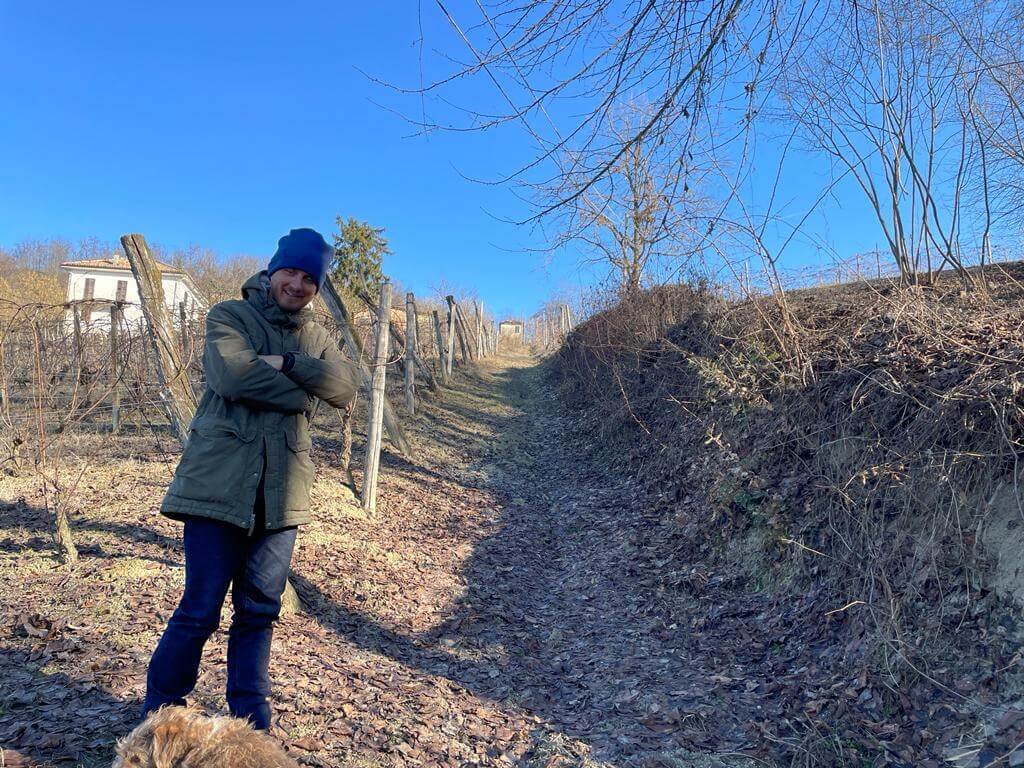
Why is regenerative agriculture so important? Check out this picture: on the left, we see conventional agriculture, and on the right, soil preserving regenerative agriculture of Case Corini biodynamic winery.
Why Regenerative Agriculture?
According to the World Economic Forum: “[…] there are only 60 years of soil remaining given the current degradation trends, as it takes 1000 years to generate 3 cm of soil. Moreover, industrialized viticulture has also led to a steep loss of biodiversity and crop monoculture […].” This trend has been caused by many winegrowers turning to conventional agricultural practices, prioritizing cost cutting and producing as quickly and efficiently as possible.
Tactics such as chemical and synthetic based pesticides and herbicides are obvious harms, as evidenced by the long-ongoing trend towards organic agriculture and organic wine, but there are other things that many farmers that seem “normal” but are damaging to the earth, like tilling the soil, heavy tractor use, and forced irrigation. And while there has been a growing interest in sustainable farming agriculture, regenerative techniques help constitute concrete ways to protect the land and give back to Mother Earth.
Contrary with conventional farming, regenerative farming focuses on enriching the soil health and biodiversity, resulting in carbon sequestration in their fields and vineyards. This healthy soil is essential for nutrient cycling, water retention, and carbon storage. Regenerative practices such as cover cropping, composting, and no-till farming help to build soil organic matter, enhance microbial activity, and improve soil structure to prevent the loss of it. This, in turn, leads to more resilient vineyards that are better able to withstand drought, pests, and diseases.
What regenerative farming practices should we look out for to determine if a wine producer is farming sustainably and putting soil health first?

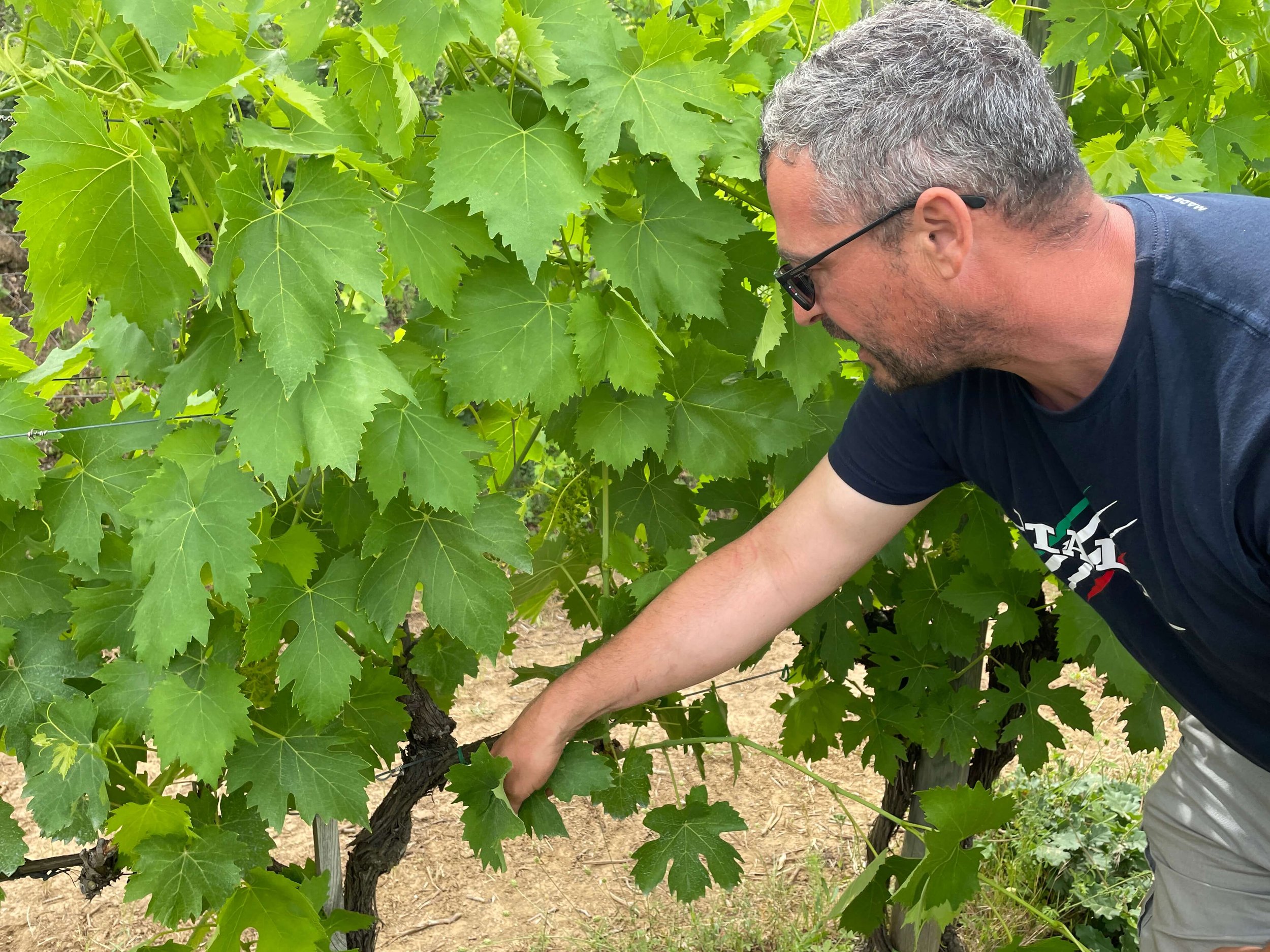
Winemaker Eros Zanon showing the importance of his soil compostion in his Valobbiadene vineyards.
The Fundamentals of Regenerative Agriculture
Regenerative farming and sustainable farming practices can be broken down into a few macro-categories to help us understand the various building blocks that interlock to form “healthy soil”.
While there are certifications and patented methodologies like the Metodo Corino, named for Lorenzo Corino and used by La Maliosa, not all farmers prefer to undergo expensive certification and inspection processes.
Much like organic or biodynamic viticulture, they “walk the walk”, without acquiring externally validated credentials. For this reason, it is important to understand the core fundamentals behind regenerative agriculture, and to be aware of what wineries can and cannot do.
Carbon Sequestration
While preserving soil health provides many benefits, like producing healthy fruit, reducing erosion and making the vine and surrounding ecosystem more self reliant, thus needing less water, for example, there is another huge side benefit to practicing regenerative agriculture: maximizing carbon sequestration.
What is carbon sequestration? It is the process of capturing carbon dioxide (CO2) from the atmosphere as a greenhouse gas and transforming it to a solid or liquid form. While it is a natural process that occurs in various ecosystems, including forests, oceans, and soils, it’s the healthy soil that maximizes the amount of carbon dioxide it can hold.As per the World Economic Forum, 75% of terrestrial carbon, or carbon that has been sequestered on land, is stored underground in the soil. Therefore, taking action to improve soil health is THE predominant way to reduce carbon in our atmosphere. By this means of carbon sequestration, we can help to mitigate climate change by reducing the concentration of greenhouse gases in the atmosphere.
Knowing that the first step towards helping our environment is getting one’s soil as healthy as possible, how can this be done? By following techniques focused on 2 different aspects of soil health: nutrient preservation and volume preservation.
Soil Health: Nutrient Preservation
Besides the obvious of not using chemical fertilizers or pesticides, which drain soil health faster than ever, there are various other ways that a farmer can maintain the soil health of their vineyards, starting with the nutrient content. They can use organic material composts, selected for their nutrient makeup (either vegan with vegetative based or non vegan with manure based). But one of the most important ways to help is using a technique called cover cropping. But what are cover crops?
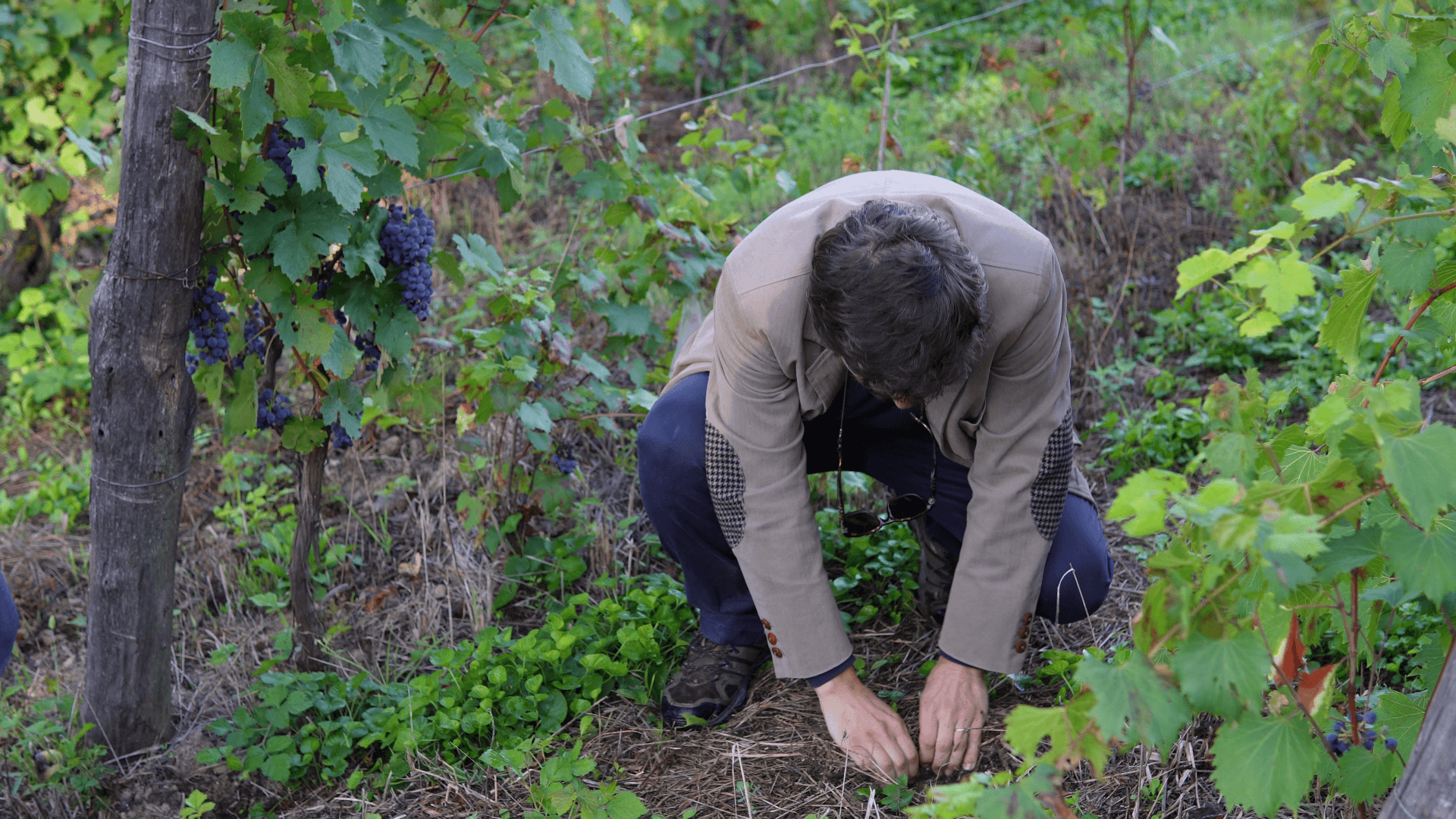
6th generation regenerative winemaker Guido Corino of Case Corini showing the difference between their cover crop and soil covering vs the actual soil itself.
Cover cropping, also called sovescio in Italian, involves planting a non-crop species between rows of vines to improve soil health and biodiversity. These cover crops can include legumes, grasses, and other plants like clovers. These cover crops provide several benefits to the vineyard, and while they can be spontaneous, some farmers will select specific plants to help compensate for deficiencies in their soils or based on what is native to the region. This is because, as these essentially weeds die, they leach their nutrients back into the soil (think Circle of Life style), so farmers might prioritize legumes for additional nitrogen or clover and oats for other nutrients. Common cover crop choices for vineyards when a farmer chooses to plant them may include legumes, clover, vetch, grasses like ryegrass and oats, and brassicas like mustard. The specific choice of cover crop will depend on the vineyard's climate, soil conditions, and specific goals.
Cover cropping also helps give rise to biodiversity within the vineyard (something we are going to talk about a little later), giving shelter to various animals and good insects that help boost the local ecosystem.
Lastly, cover crops actually also play a part with our second section of soil health: volume preservation.
Soil Health: Volume Preservation
A big motivation to practice regenerative agriculture is to keep the soil in the vineyard where it belongs. While soil can’t really “disappear,” thanks to the law of physics that matter can not be created nor destroyed, it can move or shift to unwanted places or become compacted and hard.
Like cover crops, here the important concept is not necessarily what is planted, but rather the simple fact that there is something covering the soil. By keeping the soil covered, using cover crops, or applying other techniques like hay mulching or simply cutting down the weeds and not removing them, a farmer will prevent soil erosion and runoff. Also, the plants’ roots will be better anchored into the soil, further reducing the risk of erosion. This is particularly important in areas with steep slopes and with heavy rainfall.
Think about a raindrop on plain dry, dusty soil: each drop that falls, hits hard and leaves an indent. Instead, if there is vegetation, the drop hits the plant, then splits into innumerable little micro droplets, reducing the impact of each drop.
Therefore, soil cover also helps to maintain moisture in the soil by:
first, absorbing excess water into the ground soil, and,
second, preventing rapid evaporation during hot and sunny days.

Wineries like Quercia Scarlatta use rescued horses in the vineyard to minimize their tractor use.
Another way to preserve soil is to limit use of tractors. Besides for their gas burning tendencies, tractors have another consequence in vineyards: compaction. Those heavy machines pound down the good weeds and compact the dirt making it harder for the soil to absorb water or retain it. As well, the wheels will tear up the soil, ruining any precious cover crop and breaking the soil surface, allowing for potential run off or unwanted infections to enter. It is for this reason too, that minimal tilling is desired. With the right cover crops, soil cover, and biodiversity, the soil needs to be left undisturbed to let it work its natural magic alone.
Biodiversity
Our last piece of the regenerative and sustainable agriculture puzzle is biodiversity. By promoting a biodiverse action plan within vineyards, you create a habitat for beneficial insects, pollinators, and other organisms that play essential roles in pest control and ecosystem balance. This helps to reduce the need for chemical pesticides and herbicides as well. Farmers, when they allow soil coverage, cover crop, or minimize their tractor use, allow the ecological biodiversity of the local climate to flourish, providing the habitat for beneficial insects and other organisms to support a healthy vineyard ecosystem. This diverse range of plant and animal life, will contribute to healthy soils and keep the local ecosystem in balance.
Using Regenerative Agriculture
This is all well and good, but does it work, and are there really people doing it? Of course! A recent study has shown that regenerative agriculture pactices do improve the health of the soil, and another study has shown that the grapes and wines from regeneratively farmed vineyards actually taste better!
How do you know if a farmer is practicing these sustainable farming practices?
One way is to look for certifications, but many artisan farmers, especially small farmers, do not have the resources to pursue certification. Instead you inquire to find out how a wine producer farms. Indicators that a winegrower may work with regenerative agriculture practices is whether they farm their own land, subscribe to natural winemaking techniques or are a biodynamic winery. While terms like regenerative agriculture, biodynamic agriculture, organic farming and sustainable agriculture are not apples to apples, there are some overlaps in their practices. And if a winemaker is prioritizing one, it does show that they are looking to keep their local ecosystem and soil healthy, so, overall, it’s a great place to start.
Metodo Corino
One woman winemaker, Antonella Manuli of La Maliosa farm and italian winery in Tuscany, took a huge initiative, along with the late Lorenzo Corino of Case Corini, to create a method for making, in a repeatable fashion, wine that is made in the most sustainable and natural way. Thus, the patented Metodo Corino, came about, which is a set of rules and practices designed to craft natural wines following regenerative and biodynamic farming principles.
Admittedly, the Metodo Corino is so much more than just farming principles, as it is a holistic viticulture approach emphasizing minimal intervention and respect for the natural ecosystem. It prioritizes indigenous yeasts for fermentation, utilizes biodynamic preparations, and focuses on soil health through practices like cover crops and minimal tillage. The goal is to produce wines that are a true expression of the grape variety and terroir, showcasing unique characteristics and minimal manipulation.
Support Regenerative Agriculture Wineries

The biodiverse regenerative agriculture vineyards of Zamichele.
Many Vero Producers farm using regenerative agriculture techniques, including Canalino, Case Corini, Col del Balt, Frignano, Ivaldi, La Maliosa, Quercia Scarlatta, Thaya, Zamichele, and Zanon. Check out all of our wines made with regenerative agriculture principles here. By purchasing their small production wines and tasting the fruits of their labor, you’re doing your part to help mitigate climate change and helping the earth restore its precious assets.
We exist to allow all Americans, businesses and consumers, across the US to experience the pleasure of a farm to glass wine, and a really good olive oil too. How can you get your hands on the hidden gems we forage for?
If you are a distributor reach out to us introduce our highly curated portfolio of one of a kind small production wines to your state.
We sell to wine stores and restaurants in certain states - contact us to learn more.
If our farm crafted natural wines and olive oils are not in your local shop or restaurant, buy wine online here, and we’ll ship it to you, including wine gifts.
We also have an award winning wine club for true wine explorers that are seeking to continually discover unique, sustainable and authentic small production wines they never had. These are wines selected by our sommeliers and curated for each box.
We do corporate gifts and sommelier guided wine tastings. Email us and we’ll tailor unique and sustainable corporate gift ideas.
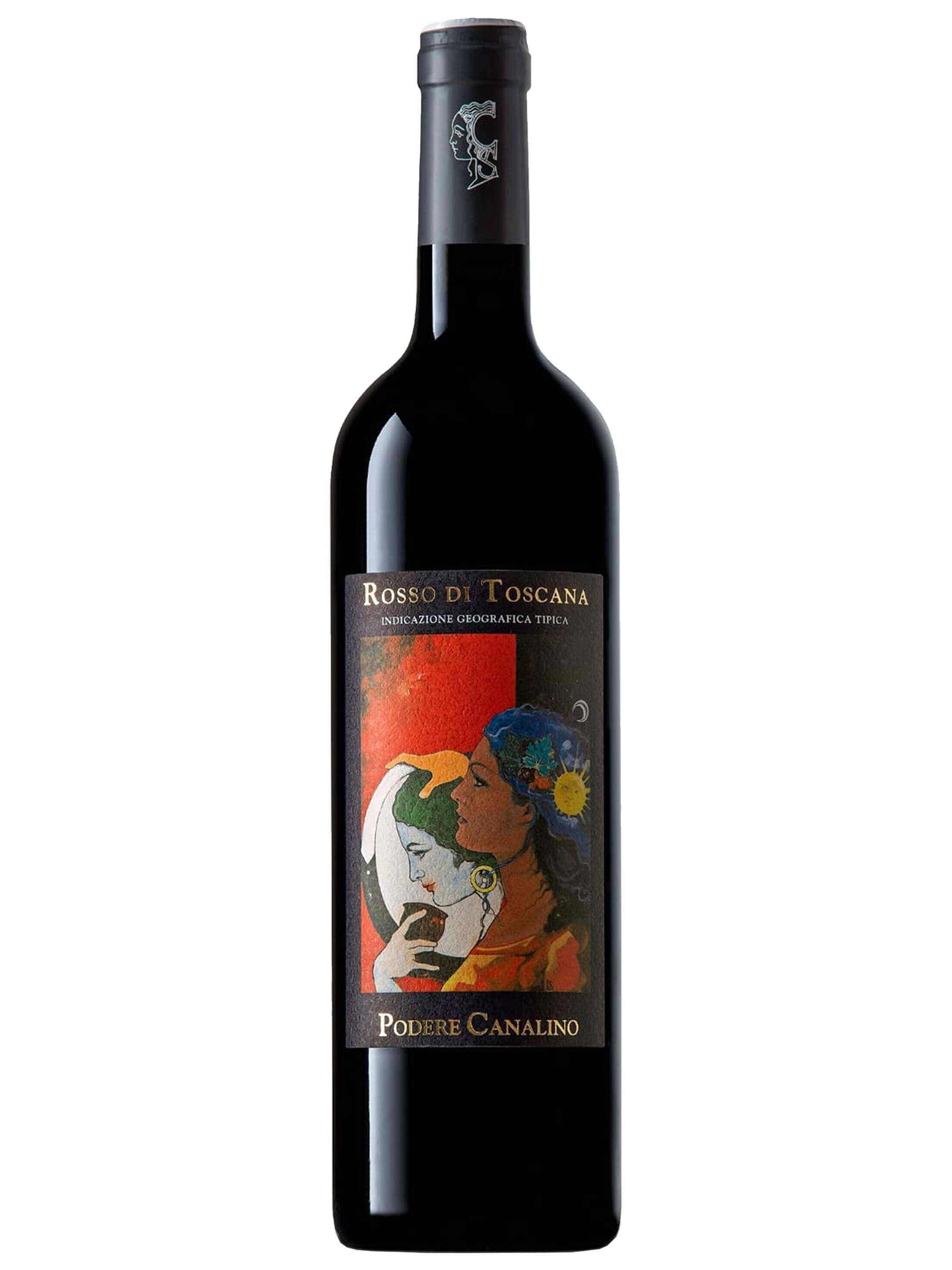
Made from sangiovese vineyards in Montalcino, this is an approachable, people pleaser for red wine lovers, the unoaked offering from the Brunello producer Canalino. It has notes of cherry, with hints of black pepper and toast. This wine is fresh, fruity and balanced with soft tannins and a pleasant clean finish.
Tastes Like: Crunchy, fresh cherries
Farming & Winemaking Highlights: Regnerative Agriculture | Sustainable Winery | Biodynamic | Native Yeast Fermentation | Unfiltered | Organic | Natural Wine | Vegan
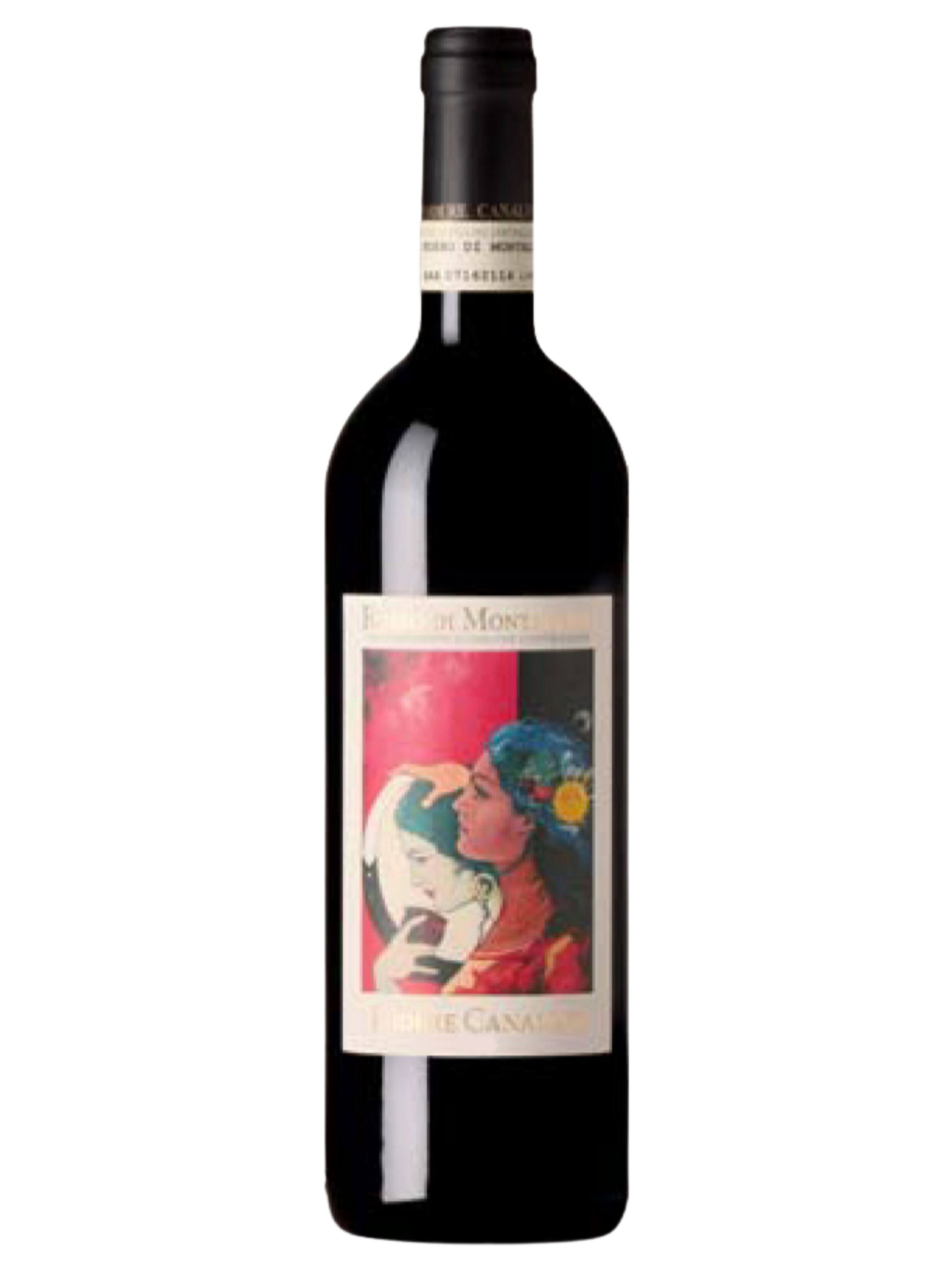
This is a complex, intense age-worthy vegan red wine; Once opened balsamic notes burst forth. We recommend to decant it or at least let it breathe a bit before tasting. When tasting, you understand that it comes from a terroir which one of the best Italian reds, Brunello, is made from; its structure is noteworthy, from acidity, to tannins to mineral structure. A delight for serious red wine lovers.
Tastes Like: Spiced Cherry Jam
Farming & Winemaking Highlights: Regnerative Agriculture | Sustainable Winery | Biodynamic | Native Yeast Fermentation | Unfiltered | Organic | Natural Wine | Vegan
Fun Facts: From 100% sangiovese vineyards right outside the historic center of Montalcino.

This Brunello di Montalcino from winery Canalino is crafted using specially selected sangiovese grapes. A gorgeous ruby color, the nose is a potpourri of intense mature fruit and spice aromas from prune to menthol to leather. The wine is structured, with freshness, minerality and age worthy tannins and a fantastic mouthfeel.
Tastes Like: Stewed Cherries or Cherry Jolly Rancher candy
Farming & Winemaking Highlights: Regnerative Agriculture | Sustainable Winery | Biodynamic | Native Yeast Fermentation | Unfiltered | Organic | Natural Wine | Vegan
Fun Facts: The name “brunello” comes from the local name used for the type of sangiovese typically used in the area.


All natural, old vine nebbiolo and barbera blend with no added sulfites and yeast. Aromas of milk chocolate covered cherries, it has a fresh and rich fruity taste with notable tannins and a has a long piquant finish. Name comes from the former owner of the 70 year old vineyard which has a mix of Nebbiolo and Barbera and is down the hill from the childhood home of Lorenzo Corino. After a gentle crushing, fermentation starts with native yeast fermentation and wines are left with skin contact for 6-7 weeks, followed by about 30 months of aging in wooden barrels. As with all of Case Corini wines, this is a 00 wine, nothing added, nothing removed, no yeast, no sulphites added, organic, biodynamic, vegan. In other words, all natural wine.

Earthy, age-worthy nebbiolo made from 70 year old naturally cultivated vines. Named for the dearly beloved grandfather of Lorenzo Corino. Having a garnet color with orange hues it has a complex, spicy nose with notes of cardamom and cinnamon. When tasting, it is fruit forward, cherry & forest fruits, followed by spices, and chalky tannins envelope the mouth and finishes elegantly. After a gentle crushing, fermentation starts with native yeast fermentation and wines are left with skin contact for 6-7 weeks, followed by about 36 mos of aging in wooden barrels.
As with all of Case Corini wines, this is a 00 wine, nothing added, nothing removed, no yeast, no sulphites added, organic, biodynamic, vegan. In other words, all natural wine.
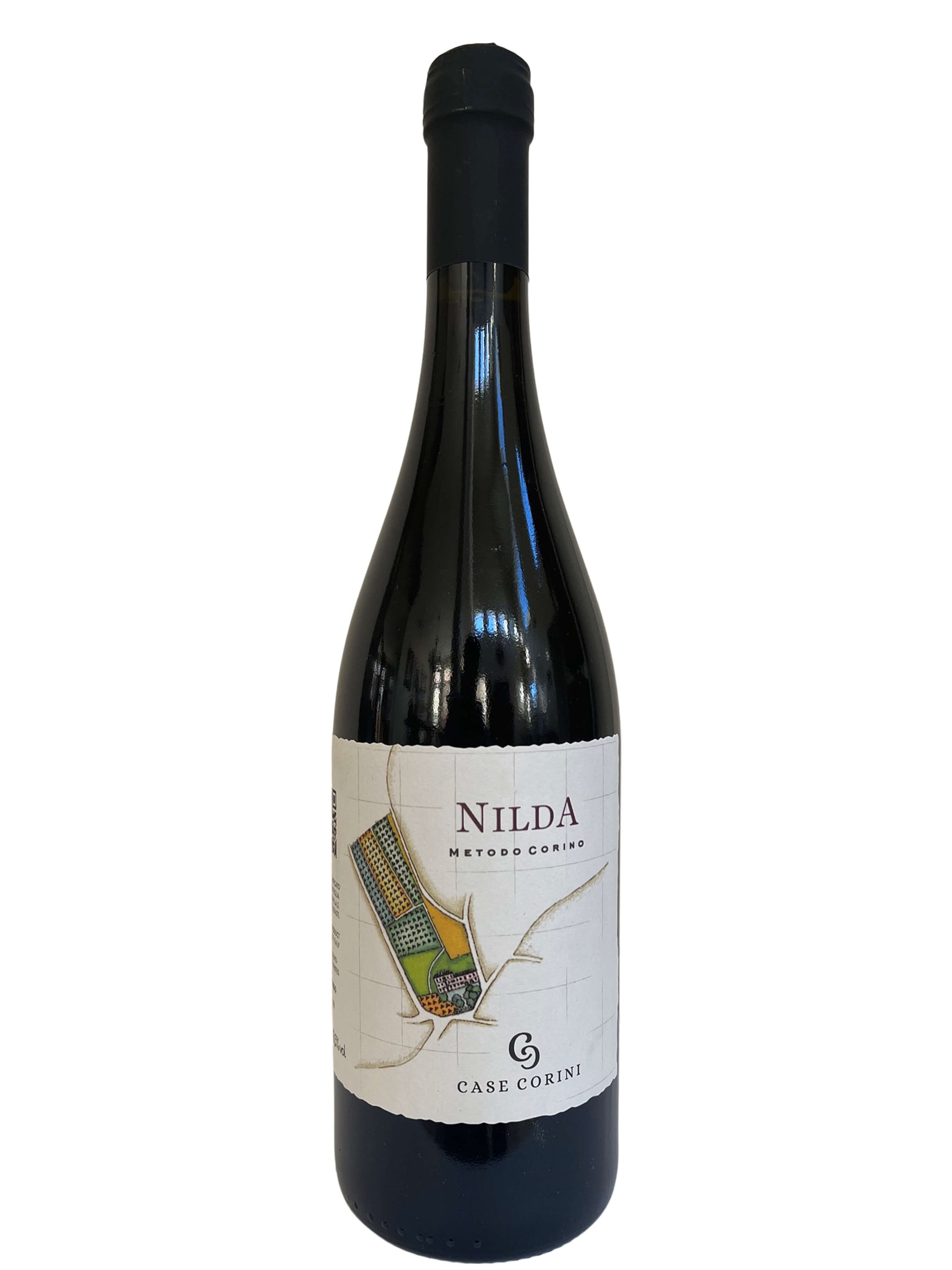
Named after Lorenzo Corino's grandmother, Nilda is Lorenzo & Guido Corino's new red wine from 20 year old vineyards in their hometown of Costigliole d'Asti. It is a field blend mainly of Barbera, along with a mix of other old varieties native to the area. It has aromas of spiced milk chocolate cookies and has a fresh, ripe dark fruit taste with an earthy funkiness and great texture. This vegan wine is made naturally, with no intervention of any kind made and no sulfites added. After a gentle crushing, fermentation starts with native yeast fermentation and wines are left with skin contact for 3-4 weeks, followed by about 12 mos of aging in wooden barrels.


Before this 'modern era' of Proseccos made with the Charmat method, Prosecco was made with the ancestral method, like this wine, Codolà, where fermentation takes place in the bottle, and it is not disgorged. This means that the wine is unfiltered since it is on its lees. In Italy it is also called a Col Fondo sparkling wine and in the US, we use the French term ‘Pet Nat’ to describe this wine. This results in a white sparkling wine whose aromas and flavors continue to evolve while they are in the bottle. This Col del Balt white sparkling wine made by the Sanzovo brothers has a straw yellow color with lots of fine bubbles and green herb and pear aromas with a hint of lemon zest. It has 0 residual sugar and it tastes dry and clean, with a slightly bitter, lemon rind tasting, finish.

Made from Glera grapes in one of the best areas for Prosecco, Valdobbiadene, this is a crisp, clean delicious dry Prosecco DOCG with a light yellow color and lovely effervescence. It has notes of pear with a minerally flavor and a citrusy, slight bitter finish reminding you of the rich terroir where this wine comes from. This Col del Balt Brut Prosecco made by the Sanzovo brothers has approximately 5g of residual sugar. As well, it is a special Millesimato Valdobbiadene Prosecco Superiore, meaning not only does it come from the select Valdobbiadene “heart” of Prosecco, but it is also from a singular vintage, not a blend of multiple vintages like many Proseccos.


An organic & vegan natural wine made from 100% trebbiano abruzzese, a white wine grape which the New York Times cites a grape “worth knowing better”. It has an inviting straw yellow color and an exotic nose (look for the saffron!) and an intriguing fruity and herbal taste.
This white wine is age-worthy too! Fermented and refined in grandfather Febo’s concrete vessels.
Region: Italy > Abruzzo > Chieti
Tastes Like: Peaches and Saffron
Farming & Winemaking Highlights: Regenerative Agriculture | Sustainable Winery | Biodynamic | Native Yeast Fermentation | Vegan | Single vineyard | Old Vine | Organic | Natural Wine
Fun Facts: This wine is named from the single vineyard from which it comes, Parella in Chieti.
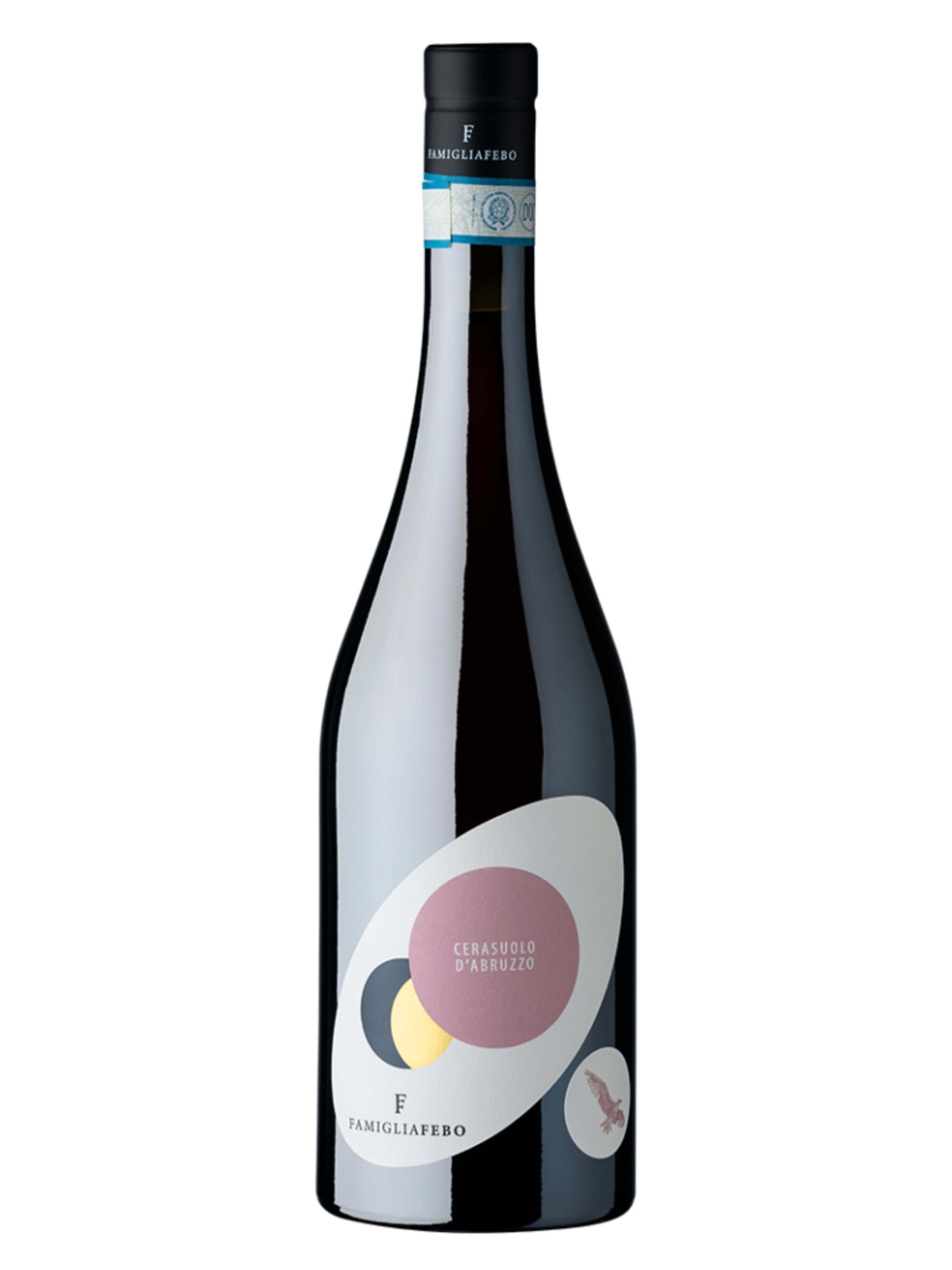
While made as a rosé wine, this Cerasuolo d’Abruzzo is actually more like a light red wine thanks to the dark pigments of the Montepulciano grapes used, farmed on Febo family’s estate vineyards in Abruzzo.
The minimal intervention approach of this natural wine producer results in a lot of vintage variation year after year. For example, the 2021 Cerasuolo d’Abruzzo has a cherry taste with a salty finish, and is considered a “serious” rosé wine while the 2024 is a Rosorange color that bursts with blood orange flavors mixed with cherry.
Region: Italy > Abruzzo > Spoltore & Chieti
Tastes Like: 2021 - Cherries | 2024 - Tart cherries and blood orange
Farming & Winemaking Highlights: Regenerative Agriculture | Sustainable Winery | Biodynamic | Native Yeast Fermentation | Vegan | Organic | Natural Wine
Fun Facts: Both vintages are fermented with native yeast and refined in the winegrower's grandparents' concrete vessels. Great chilled and a good pairing is eggplant parmesan.
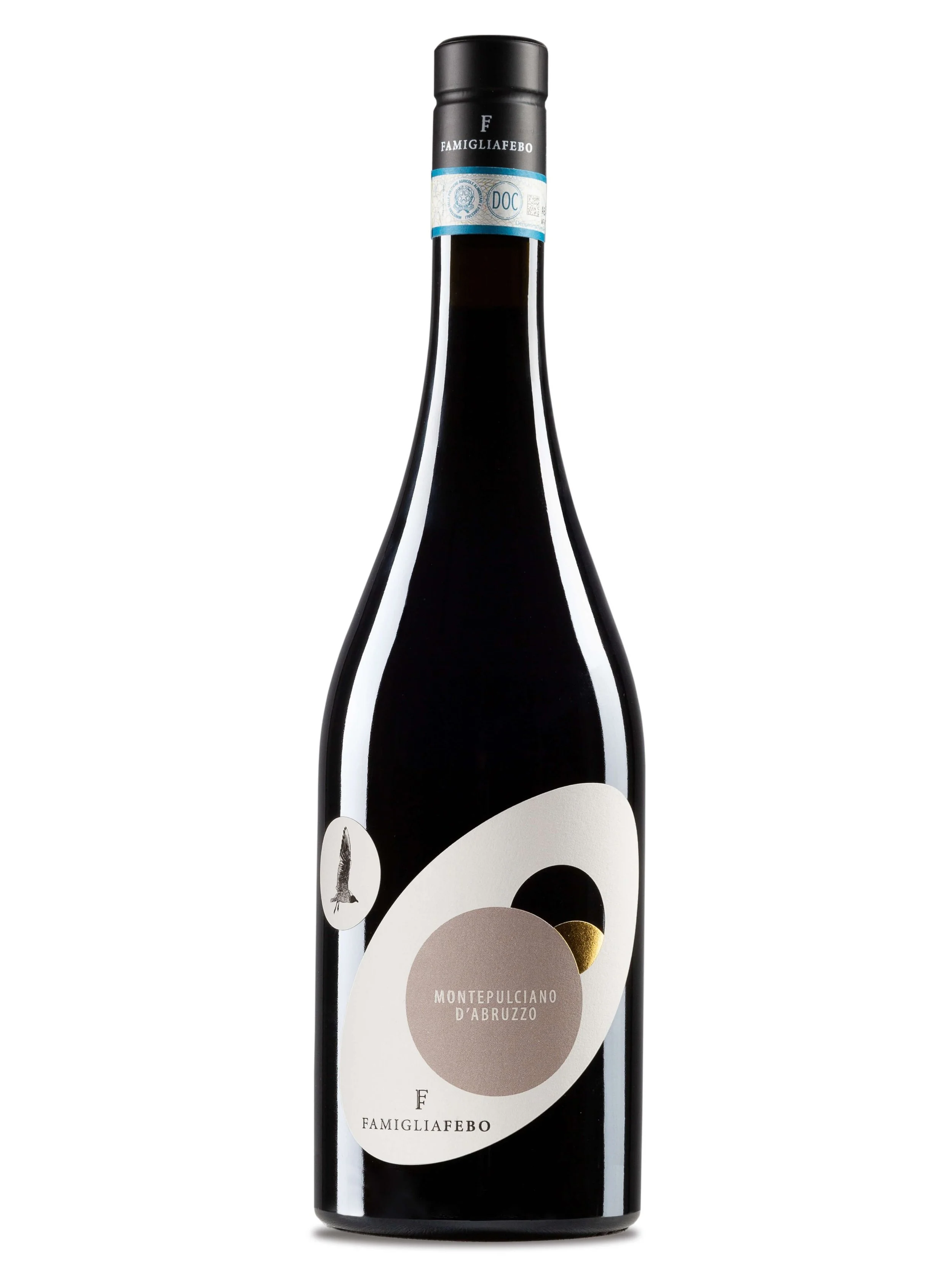
Made with 100% Montepulciano grapes spanning family vineyards in Spoltore and Chieti in Abruzzo, it has aromas of amarena cherries and licorice and a slight funkiness thanks to its 100% natural production. It tastes of dark fruit, with a rich texture and slightly bitter finish, with the funky vibe continuing while tasting. Fermented and refined in the winegrower's grandparents' concrete vessels.
Region: Italy > Abruzzo > Spoltore & Chieti
Tastes Like: Dark fruits
Farming & Winemaking Highlights: Regenerative Agriculture | Sustainable Winery | Biodynamic | Native Yeast Fermentation | Vegan | Organic | Natural Wine
Fun Facts: Pairs nicely with chicken parmesan. | While there is a famous wine “Vino Nobile di Montepulciano” from Tuscany, this grape has no connection to it; the “montepulciano name” there comes from the town noame, where as here in Abruzzo “montepulciano” actually refers to the grape used to make the wine.
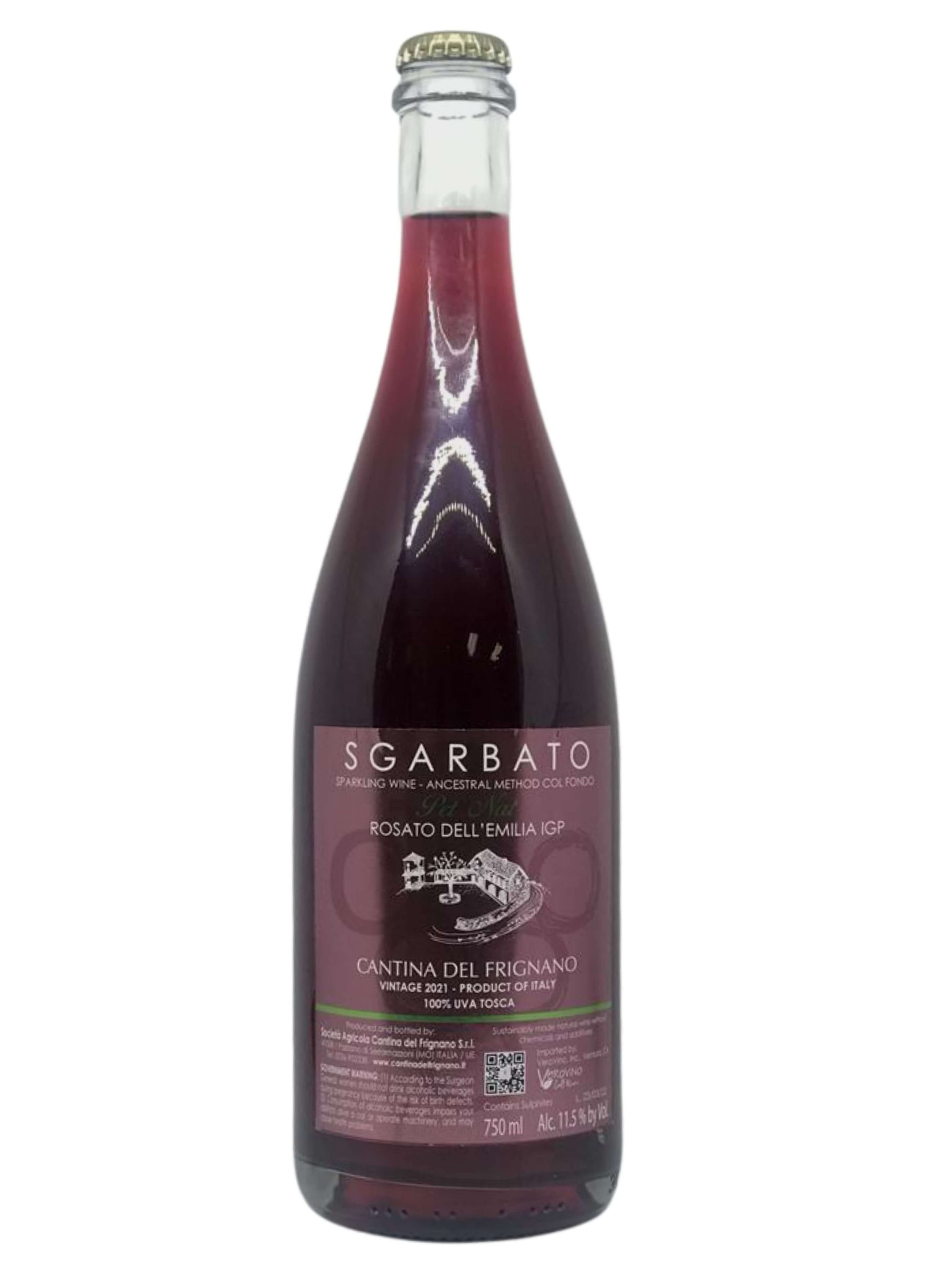
Made from the rare Uva Tosca grape, which grows in higher altitudes in Emilia and is believed to be a descendant of Schiava Grossa, the Alto Adige red grape. Technically a rose wine, it is more like a light red, which looks and tastes like drinking cranberry juice as a sparkling wine. Refreshing and quaffable, with strawberries on the nose and a saline finish, it is great on its own or with light fare. While this grape does not impart much color, 2021 was a dry year, producing more concentrated fruit and color. It is naturally fermented and sparkling 'col fondo' ancestral, or pet nat, style wine.
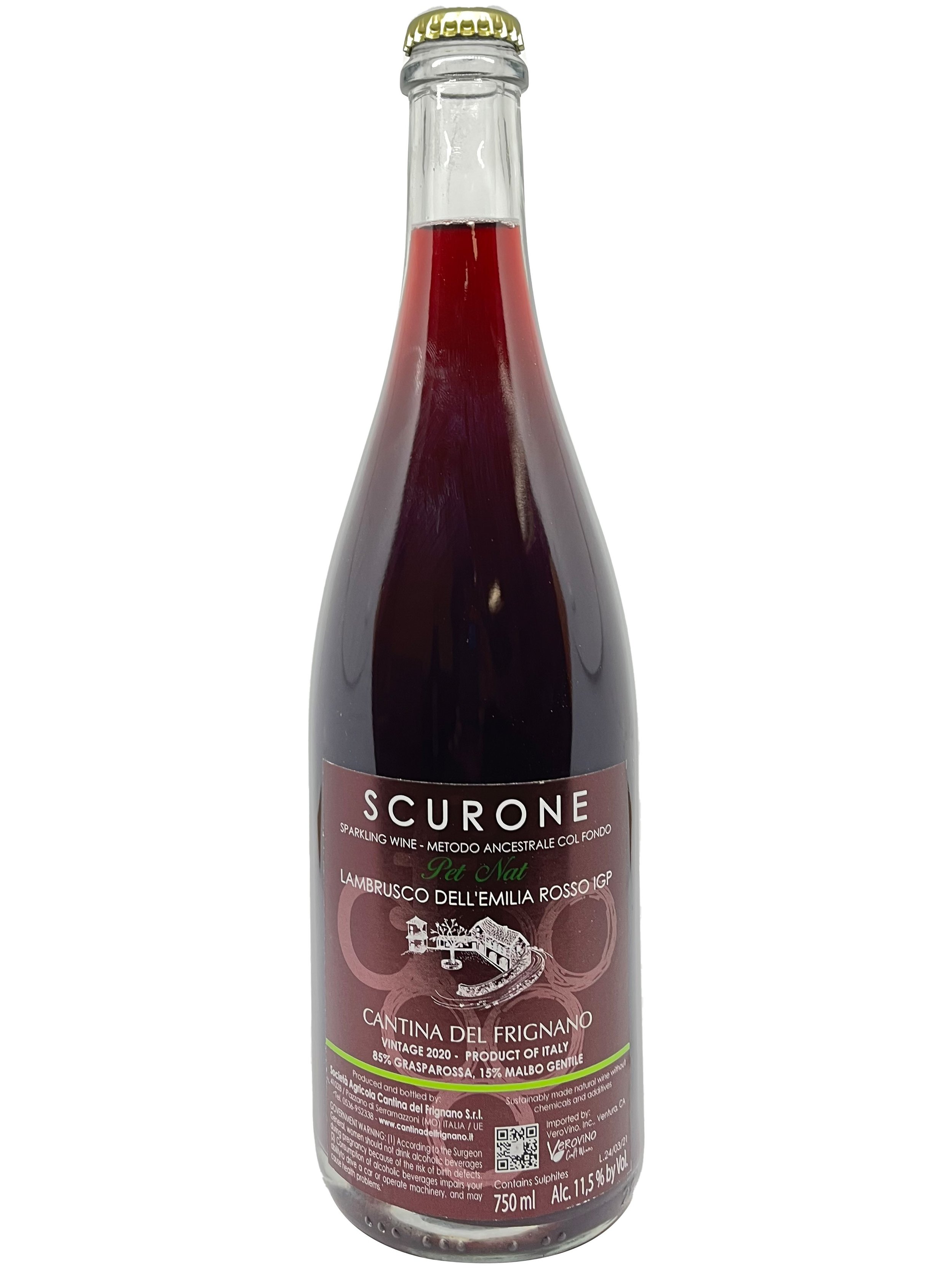
This is an ancestral method Lambrusco made primarily with the Lambrusco Grasparossa grape, and with some Malbo Gentile grape, which is local to the area of Frignano in Modena. It is a lighter red ruby color, light effervescence, a nose that has red fruit with hint of orange peel. It is fresh and fruity, with plum taste, and grippy tannins and noticeable texture.
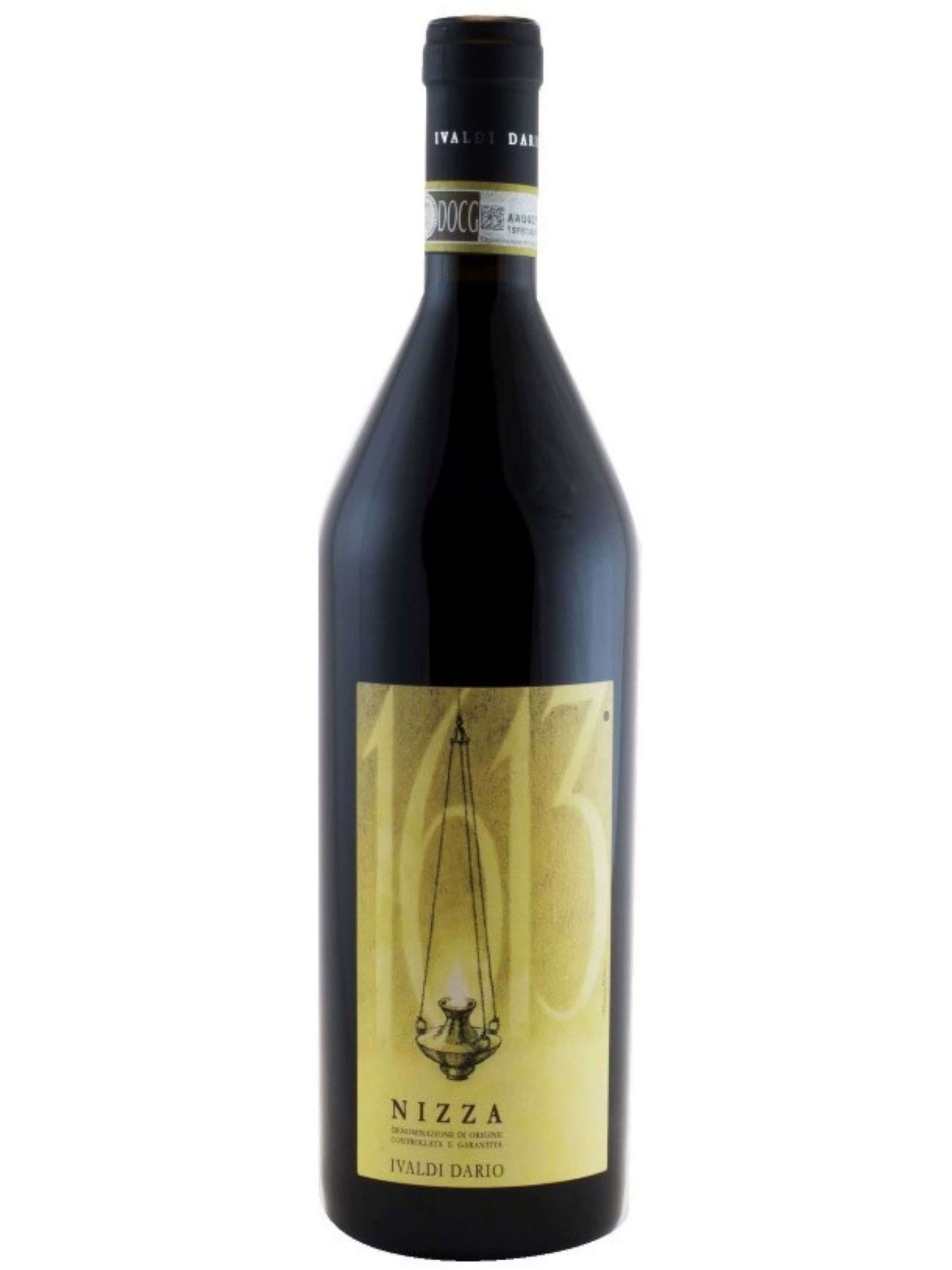
Nizza is the Barolo of Barbera, made from the birthplace of Barbera, Nizza Monferrato, the home of the 4th generation winemaking family, Ivaldi, and place where this wine is grown and made. This Nizza Barbera is a delicious old world style red wine with a rich cherry taste and an incredible mouthfeel.
This Nizza DOCG is made only in the best years, always made with 100% Barbera grapes, but only the best of the best of the Barbera clusters goes into this wine, before it spends 12 months in Slavonian oak barrels then 2 years resting in the bottle.
Made with native yeast fermentation, on the skins for 15 days. it has a pretty ruby red color with garnet reflections. A fruity bouquet transforms into spicy notes as it opens, and on the palate this wine has nice tannins and acidity balanced by a robust body.
The name of this red wine, 1613, is a homage to the siege of Nizza Monferrato in 1613 by the Mantovan army, showing the strong roots the Ivaldi family has to their home town. The women gathered to pray all night, and after the siege was lifted and won by Nizza Monferrato, an oil lamp in the church spontaneously burst into flames, despite the lack of spark and oil. Known as the ‘Miracle of the Lamp’, this wine pays homage to that evening, bearing not only the year as a name, but the image of the oil lamp on the label.
A certified sustainable winery, Ivaldi Dario practices regenerative farming.
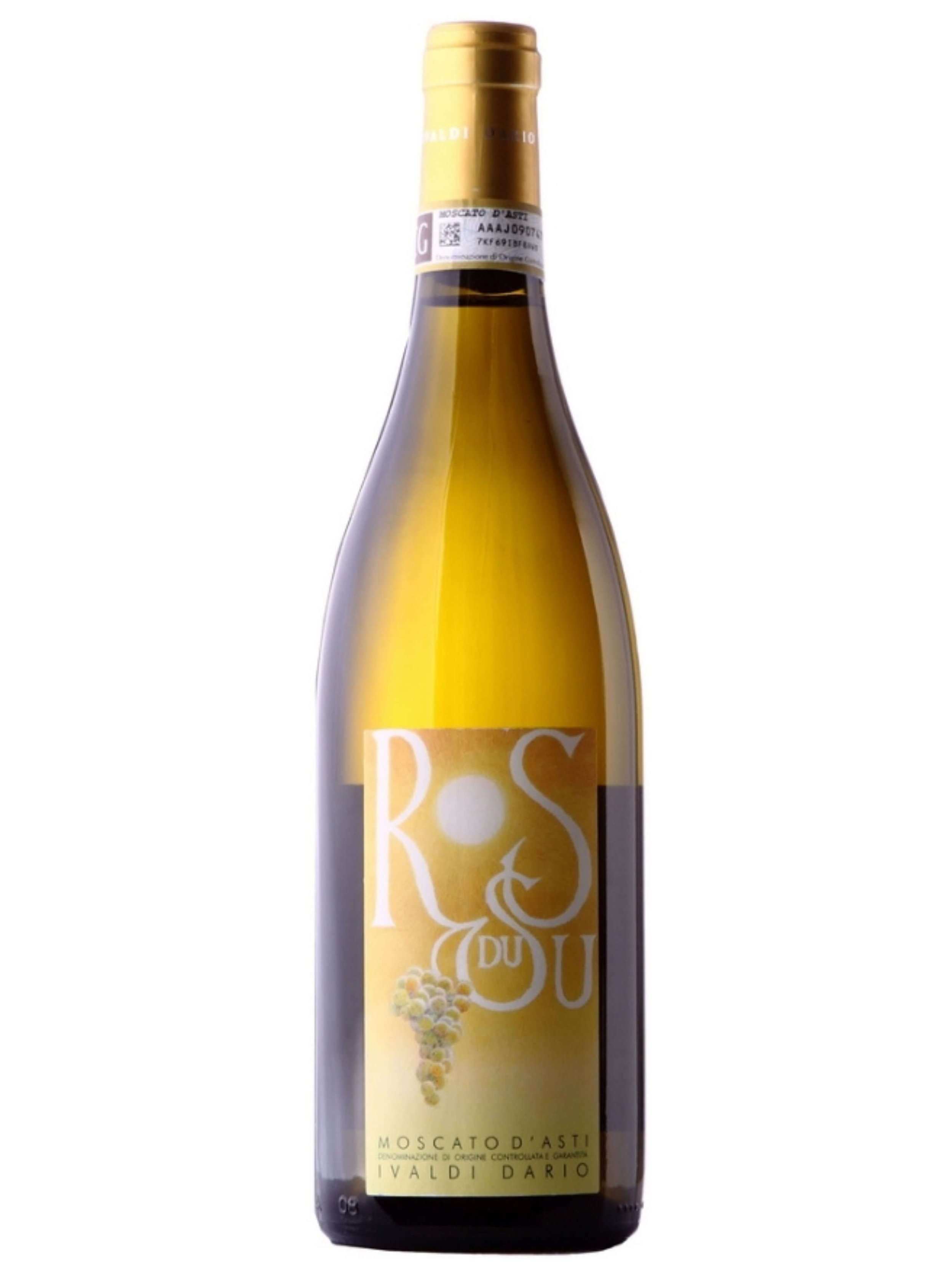
Who doesn’t like chamomile and honey? That’s what this wine reminds you of! It’s a Moscato d’Asti that appeals both to sweet wine lovers and dry wine drinkers wanting a moment with a touch of sweetness.
The name of this wine, Ros du Su, means ‘Rays of Sunlight’ in Piemontese dialect where this Moscato d’Asti comes from. Looking at its bright, golden-yellow color, it is easy to understand the inspiration for this name.
In the glass, the aromatic qualities of moscato are the first noticeable aromas, but underneath subtle and persistent notes of honey and acacia and chamomile flowers come forth creating a complex bouquet. Tasting, the sweetness of the residual sugars are well balanced with freshness and sapidity. A pleasant wine that keeps you sipping, it pairs well with desserts, but is every bit as enjoyable alone in contemplation.
A certified sustainable winery, Ivaldipractices regenerative farming.
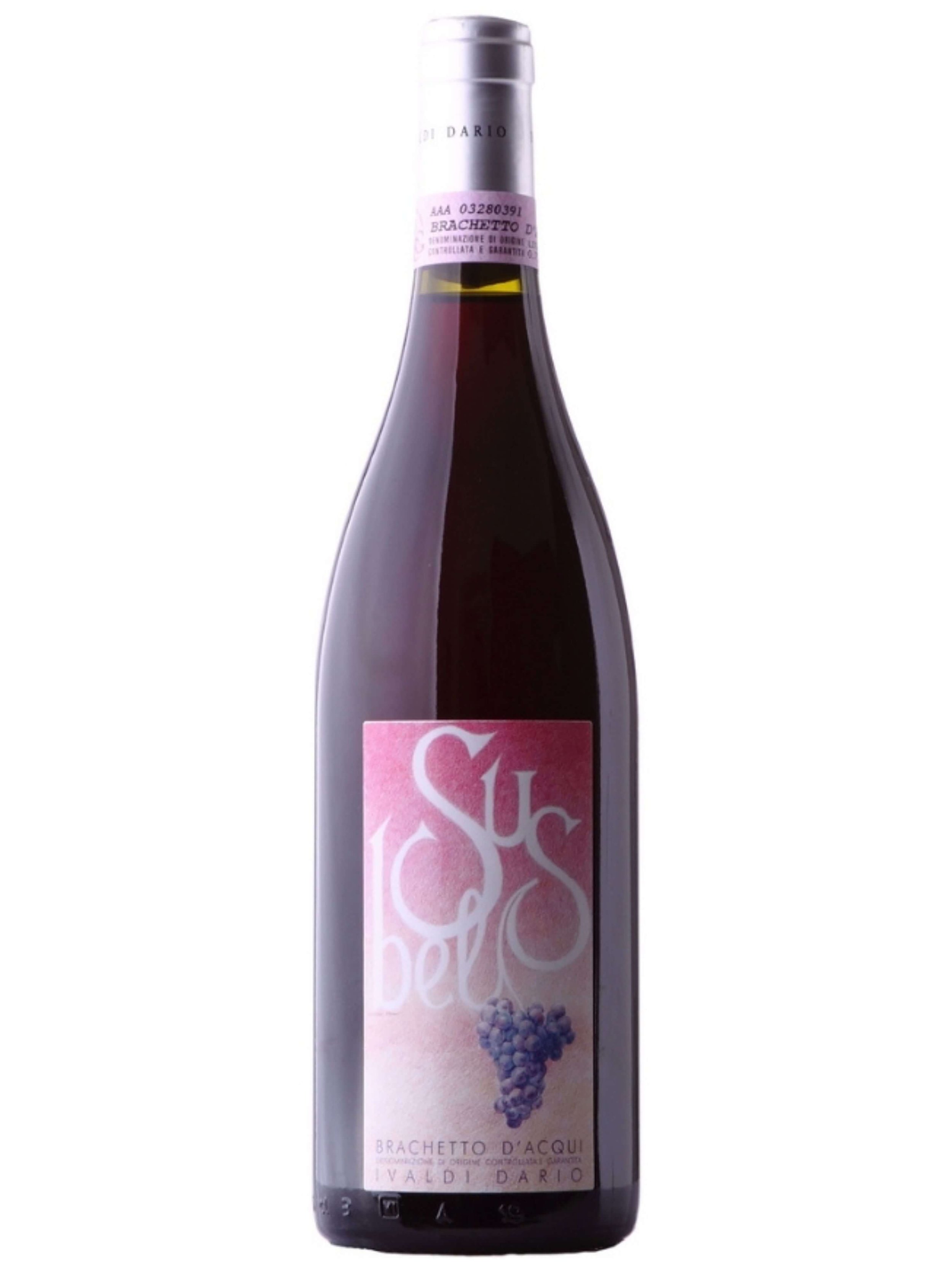
“Can we make Brachetto popular, please?” is how VinePair headlines why this artisanal, aromatic red sweet sparkling wine, just recently imported by us first time to the USA, made it to VinePair’s list of 13 Best Sweet Wines.
An aromatic grape, brachetto, creates a pleasantly slightly sparkling sweet red wine, with delicate rose flower and strawberry notes and strawberry and hibiscus taste. ‘Susbel’, in the local Piemontese dialect of Ivaldi in the Monferrato, refers to the location of the vineyard of this Brachetto d’Acqui, where the sun is bright and well exposed.
Left four days in contact with the skins and fermented with native yeast, this natural wine has a bright and clear light red color, dotted with fine effervescent bubbles. Sipping, the immediate impact is indeed sweet, yet with enough acidity and a hint of tannins to create a harmonious and balanced wine that keeps you coming back for more.
Wonderful to serve slightly chilled to sip with friends in the backyard on a hot summer day, or to serve with fruity desserts. Try pairing it with cheese, like with Humboldt Fog goat cheese - it goes incredibly well. It can also pair with charcuterie. Made with native yeast fermentation and has a residual sugar of 120 g/l.
A certified sustainable winery, Ivaldi Dario practices regenerative farming.

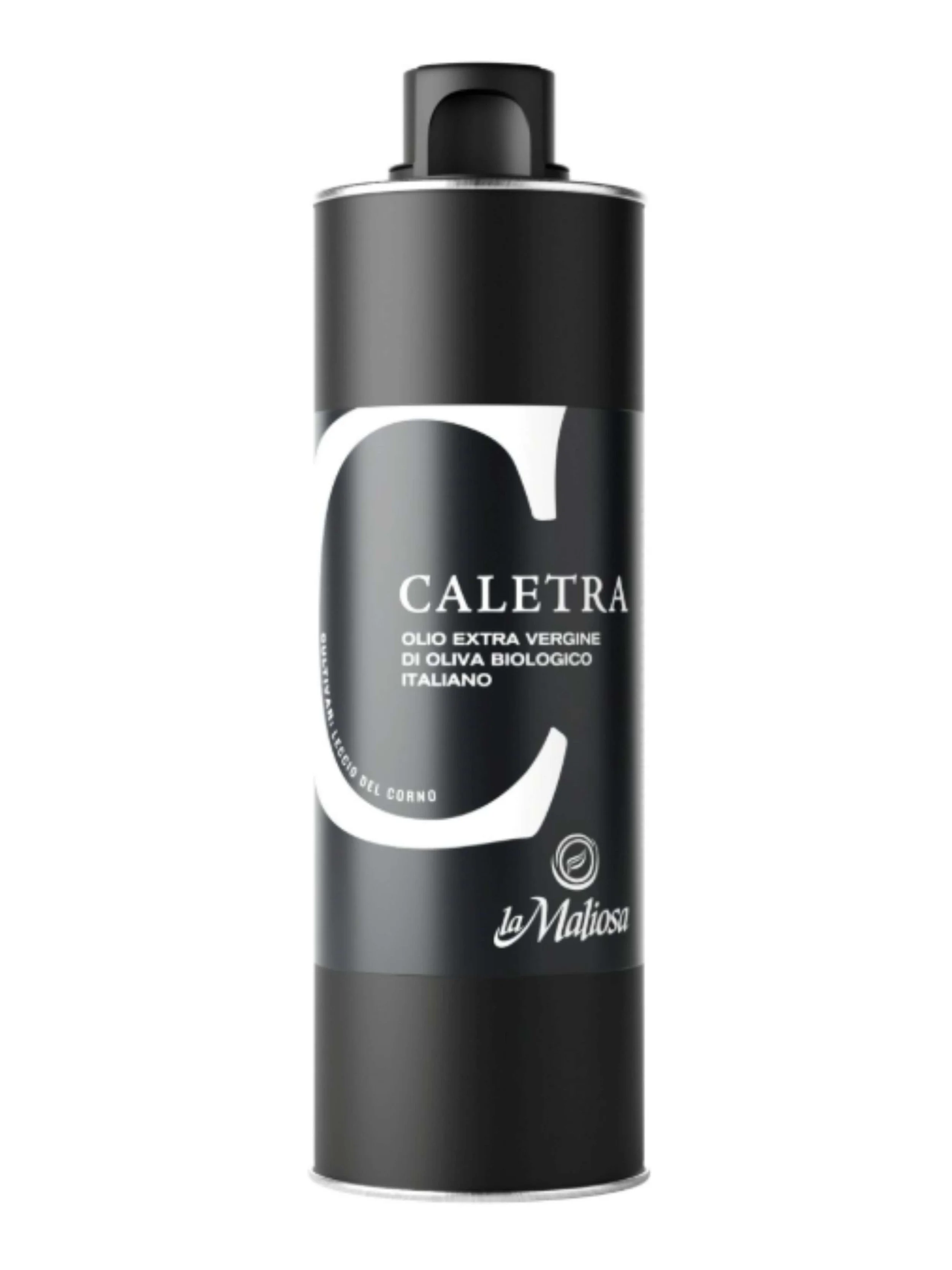
A prestigious first cold press monocultivar organic extra virgin olive oil from the Maremma hils of Tuscany which has won best organic extra virgin olive oil from Tuscany! Its polyphenols which are used to determine how good an olive oil is, are exceptionally high!
Top awards include extra gold, as best Tuscan organic EVOO by Biol Novello which evaluates the best olive oils in the world. In the past this olive oil has also won Best in Italy, as well as Gambero Rosso 3 leaves (their highest rating).
Its aromas of grass, green pepper and mint lead to an intense hot pepper taste and a long finish with black pepper lingering in your mouth. Even just a little drizzled over a simple lettuce salad will bring it to life with flavor.
Farming & Winemaking Highlights: Regenerative Agriculture | Sustainable Farming | Biodynamic | Vegan | No additives | Unfiltered | Organic | Metodo Corino
Fun Facts: The natural farming method that produced this extra virgin olive oil, the metodo corino, is actually patented by La Maliosa woman winemaker Antonella Manuli after she helped to develop it with natural wine legend Lorenzo Corino of Case Corini.

Woman made Saturnalia Bianco, on VinePair’s list of Top 15 Best Orange Wines, is an award winning, unfiltered and delicious skin contact orange wine made from old vine procanico & trebbiano grapes cultivated in volcanic soil.
This natural wine is made from the patented Metodo Corino, based on regenerative farming principles. Nothing is added but grapes! Made with unpressed, free run juice with native yeast fermentation. A two week maceration imparts a dark amber color. Aged only in stainless steel tanks, it has aromas of candied fruit, dried apricot and ginger.
It has pleasant acidity and tannins, and is balanced with a long finish. A pretty deep orange color, it is a great wine for difficult food pairings, it pairs with almost any dish.
Tastes Like: Candied Orange Peels
Farming & Winemaking Highlights: Regenerative Agriculture | Sustainable Winery | Biodynamic | Native Yeast Fermentation | Vegan | No additives (ie non sulphites added) | Unfiltered | Organic | Metodo Corino | Natural Wine
Fun Facts: - The natural farming method that produced this wine, the metodo corino, is actually patented by La Maliosa woman winemaker Antonella Manuli after she helped to develop it with natural wine legend Lorenzo Corino of Case Corini.
- Named in honor of the Roman festival in December which took place near the winery, La Maliosa, this wine was once called Saturnia Bianco.

This wine is a rare treat, being one of the very few Sangiovese red wines grown on volcanic soil. This natural wine is a complex yet approachable. Tarconte is a distinctive old world style natural red wine with a touch of new world, having been aged for 36 months in oak barrels. Notes of earth, mineral, herbs, black pepper, it is super juicy with ripe tannins, a real food wine. A good pairing is with rosemary Asiago cheese. Don't be in a rush to enjoy it: open it and see how it evolves!
Tastes Like: A Baking Spice Cabinet
Farming & Winemaking Highlights: Regenerative Agriculture | Sustainable Winery | Biodynamic | Native Yeast Fermentation | Vegan | No additives (ie non sulphites added) | Unfiltered | Organic | Metodo Corino | Natural Wine
Fun Facts: - The natural farming method that produced this wine, the metodo corino, is actually patented by La Maliosa woman winemaker Antonella Manuli after she helped to develop it with natural wine legend Lorenzo Corino of Case Corini.
- Named after an Etruscan mythological hero.

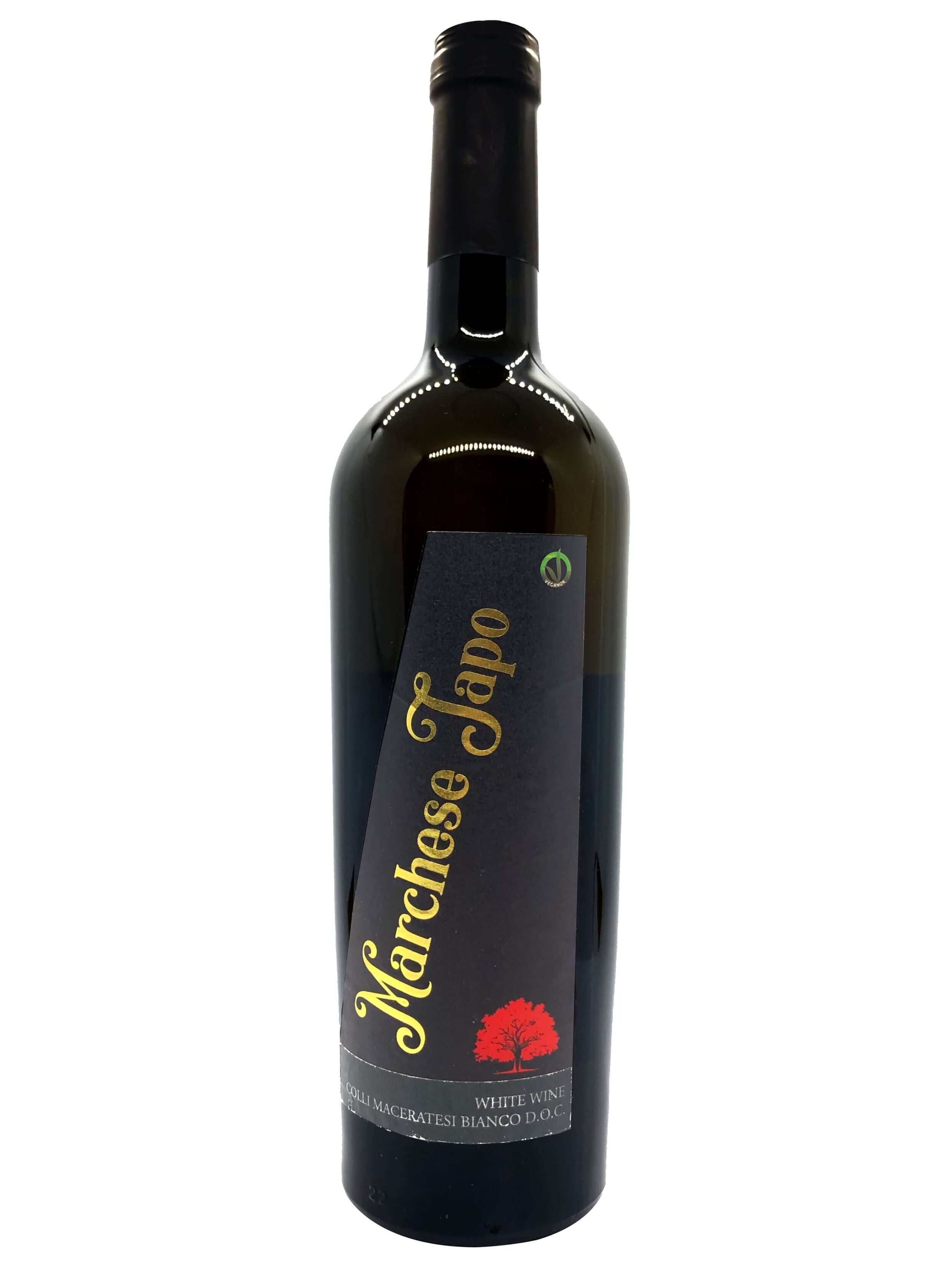
This natural wine is delicious fruit-forward organic vegan white wine, a blend of hard-to-find native varieties from the province of Macerata in Le Marche, Italy, a hilly area just to the east of Tuscany not far from the Adriatic Sea, has it all, great nose, taste, texture and structure. While it is unoaked, it was on the lees for 6 months with weekly battonage, contributing to its complexity of aromas, ranging from melon to saffron, and intensity of flavors. Made with indigenous varieties from Le Marche, Maceratino (also called Ribona) and Incrocio Bruni 54, it is a testament to Le Marche white wines.
Quercia Scarlatta follows a minimal intervention approach to vegan winemaking, using native yeast fermentation in their wines like this Marchese Japo.

This is an olive oil, super food for super foodies. This is small production organic & vegan extra virgin olive oil made primarily from a rare local cultivar from the area of Macerata Italy called Piantone de Mogliano. The buttery flavors and taste of this organic EVOO so inspired the family behind Quercia Scarlatta farm and winery in Le Marche Italy to name it ‘our gold’, or Il Nostro Oro.
Hand harvested and milled at the family’s farm, a first run, cold press evoo, this olive oil’s aromas remind you of stepping into a garden full of fresh green beans with a whiff of black pepper. Likewise, tasting it is like having fresh green beans with black pepper and butter, thanks to its buttery texture. Black pepper continues on the finish.
This organic extra virgin olive oil comes in a 3 liter container, made for following the Mediterranean diet to a tee!


From the Czech Republic, Thaya crafts organic wines in the area of South Moravia, near the Austrian border.
A bright lemon color with apple and carnation flower aromas, this chardonnay is round, fresh and fruity with a chalky texture and long finish, all-in-all, nicely balanced. Aged 6 months in stainless steel before bottling.

From the Thaya estate winery in the Czech Republic, this single vineyard 100% Saint Laurent, which is called Svatovavřinecké in the Czech language and is a descendant of pinot noir, is from the U Chlupa vineyard with dusty loess and clay soils and which is in a national park. It has an inky deep purple color, a pretty nose, of violets, milk chocolate and spice. It is fresh with chaulky tannins, dark fruit taste, a harmonious and balanced wine. The wine was made naturally and fermented with native yeasts. It aged for 18 months in oak barrels of assorted sizes and types of toasting. It’s what’s called a “beefier Pinot Noir.”
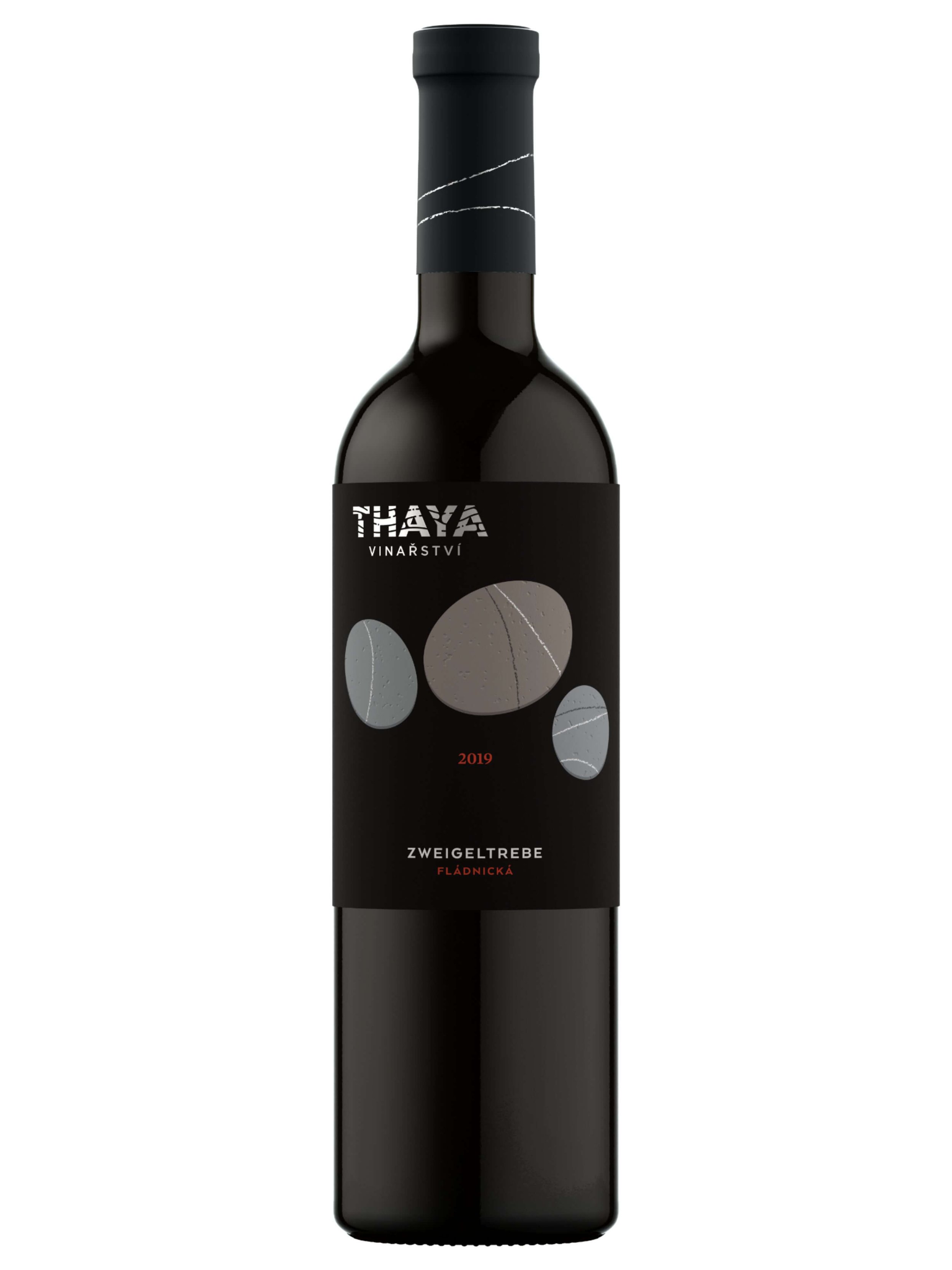
From the Thaya estate winery in the Czech Republic, this single vineyard late harvest Zweigelt, which is called Zweigeltrebe in the Czech language and is a cross between Blaufrankisch and Saint Laurent, is from the Fládnická vineyard and which is in a national park. The wine was made naturally, fermented with native yeasts and aged in french oak barrels (60% new) for 18 months. A robust wine made from grapes with a late harvest ripeness. The color is a dark purple red color. The aroma is pleasantly fruity and spicy, moving into notes of licorice and wild animal. The palate is fruity, full-bodied and long. When tasting you will find it has a ‘little bit of everything’: acid, fruit, tannins and some saltiness. It will have you taking another sip to enjoy it more.


Made from 100% Turbiana (considered similar to Verdicchio), this unoaked white wine from the sought after Lugana wine region has a bright yellow color, a natural balance of acidity and fruit with a textured mouthfeel and a long finish. It has inviting aromas of honeysuckle, tropical fruits, caramel and a hint of basil. Think of it as an alternative to an unoaked Chardonnay, since turbiana is also a noble white grape. Plus Zamichele’s terrroir with the influence from nearby Lake Garda and mineral rich glacial alluvial soil provides the conditions for creating a complex and balanced white wine.

Expand your horizons with this Italian wine made for Chardonnay lovers looking for an alternative. From Lake Garda, one of the Northern Italian lakes, this sustainably farmed white wine is a balancing act of acidity and fruit that pleasantly plays into a long finish. Plus it is super tasty. If you close your eyes and taste this wine, it is likened to having an apple crumb cake as a white wine. You initially get golden apple and then vanilla and spice.
Acidity and fruit harmonically combine with a salty minerality producing a sweet and salty taste sensation. Fruit bursts forth and taste envelopes the mouth, with some tropical fruit on the long finish.
This Lugana is an ageworthy oaked white wine, equivalent to a Lugana Riserva, made from the noble and native Italian grape, Turbiana, a grape which is likened to Verdicchio.
Overall pleasant and sippable yet complex, this is a great wine for California Chardonnay lovers looking for a change to surprise and delight them with a new white wine italian style.

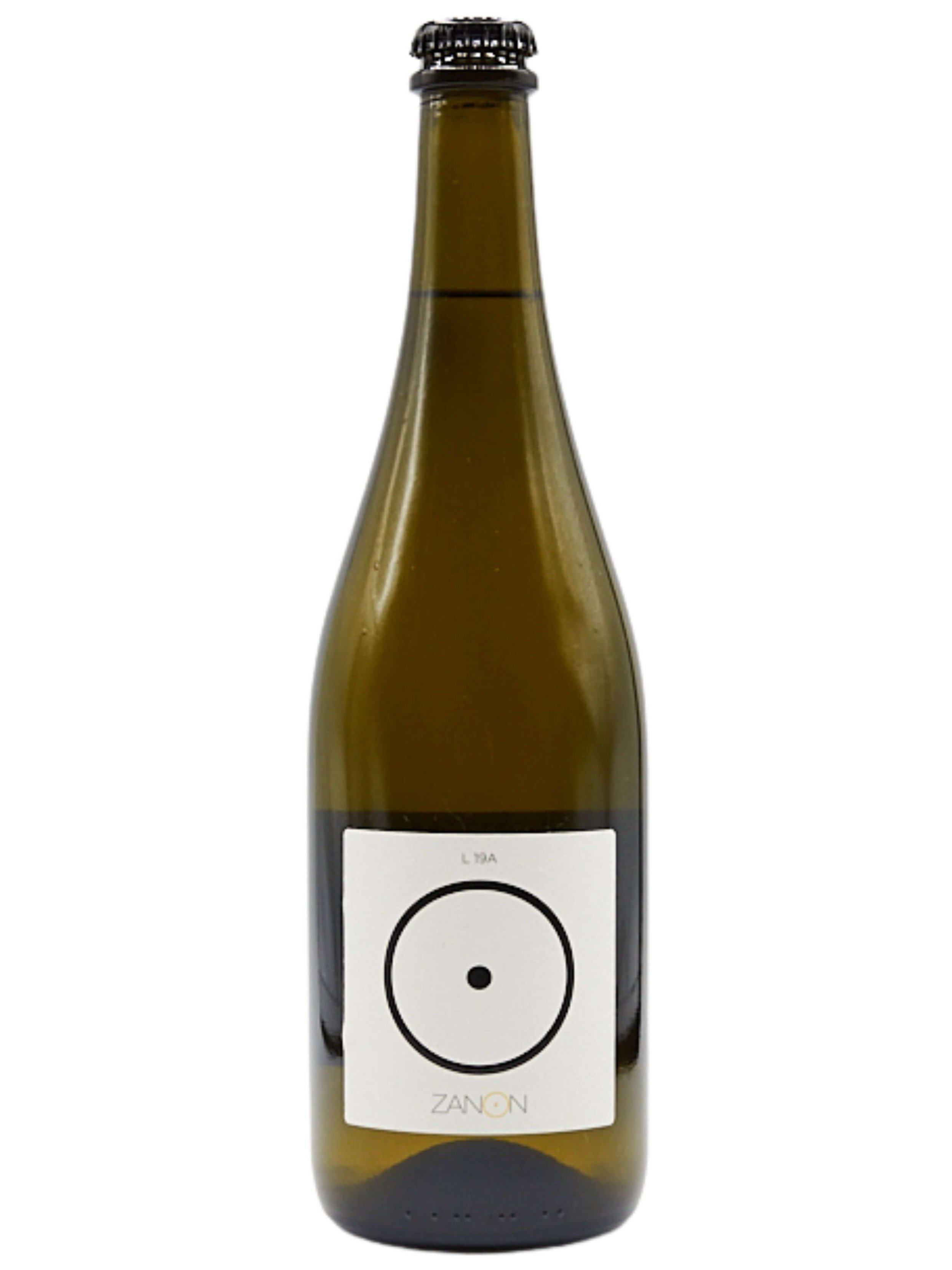
A 100% glera grape white sparkling wine made with native yeast fermentation, this natural wine vintage “prosecco” is from vineyards in the old part of Valdobbiadene, made also in the historic tradition of the ancestral style, or Pet Nat, as it is bottle fermented on the lees. A light color, giving an early hint to its bright acidity, the bouquet of citrus and lemon flowers bursts forth in the glass once it opens. When tasting this ancestral method natural wine, apricots and persistent bubbles create a sparkling wine that is enjoyable with brunch, aperitivos , get-togethers, you name it.
The circle and dot logo represents both the human existence and evolution, as well as winemaker Eros Zanon’s personal view of his vineyards, a dot of small-production boutique quality in the larger circle of large-production Proseccos.
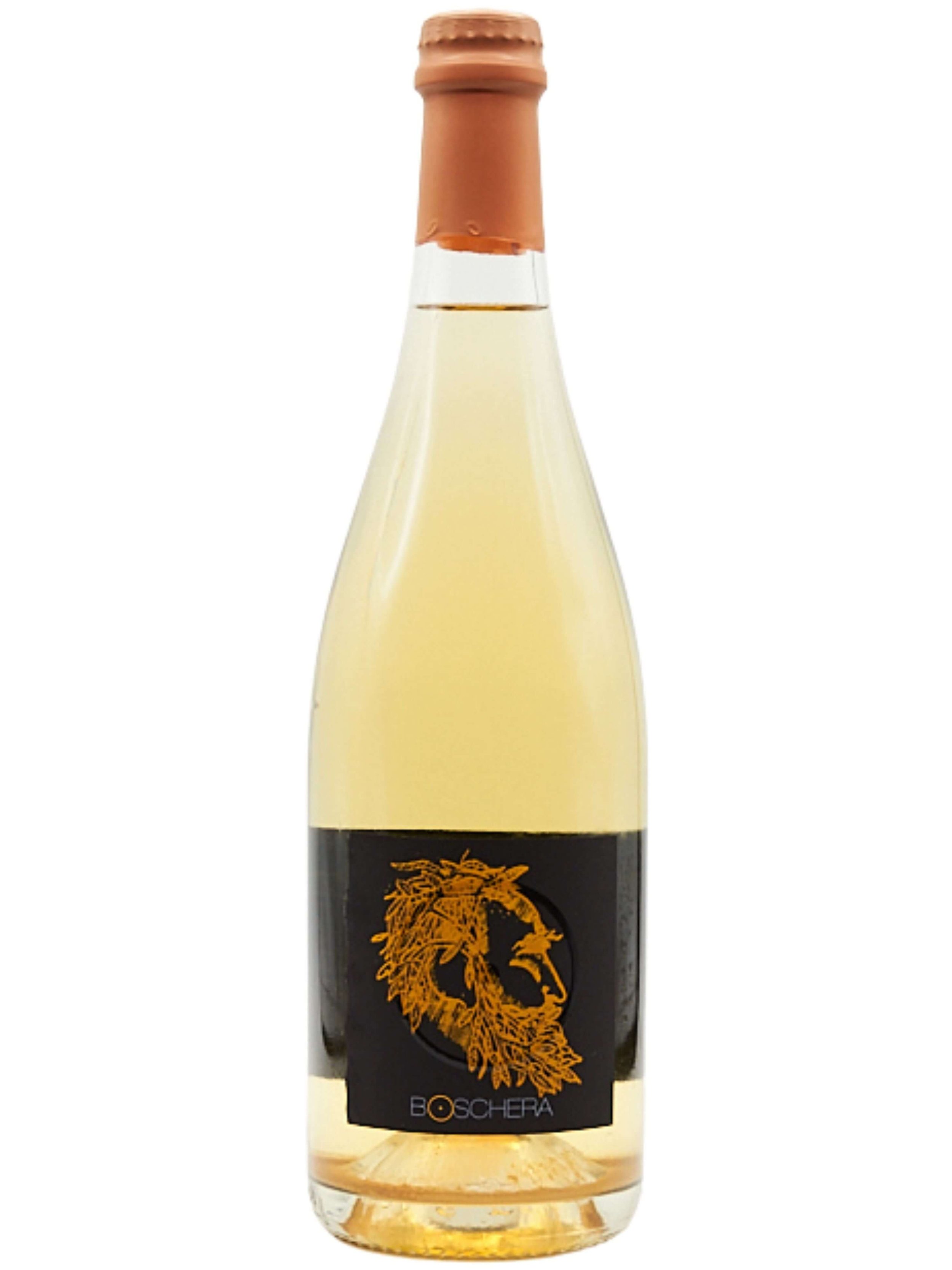
This is an unfiltered sparkling wine made similar to the champagne style from a rare grape called Boschera, native to Veneto, Italy where there is less than 20 acres in the world! We were the first to import this grape into the US!
Compared to the Prosecco grape (Glera), Boschera is more complex, and in fact this wine has been aged for over 3 years in the bottle on the lees.
With 2 days of skin contact giving it a deep yellow color, this native yeast fermented natural wine is then refermented with its native lees and then undisgorged, so it is unfiltered and continues to age on the lees too, allowing it to become more complex over time.
You can say it is a vintage & aged ancestral method, or Pet Nat style, also called Col Fondo in Italian since it is on its lees. It has herbal, nutty and yeasty aromas and savory taste with a long saline finish. Pairs with many foods & throughout the meal, from appetizers to main course.