
A Forager's Show & Tell
Having went on an enlightening forage last summer in Italy with ‘master forager’ Beatrice Calia, aka l’Erbana, we learned so much about the wild plants that are edible around her home in the Bolognese hills in Emilia Romagna. Enthused about all of this knowledge we gained about wild plants we decided to lay it all out for you in this wild plant ‘show and tell’ guide
In here are ideas to step up your cooking game in a healthy, creative and sustainable way, along with teas, home remedies and other tips and tricks for unique solutions to problems in a pinch. Or, at least, it is an interesting way to learn how our ancestors got by with what they had in their ‘backyard’ and neighboring fields and forests.
Whether you’re curious about edible dandelion, spring greens, nasturtium flowers or wild plums, here are plants we literally stumbled upon with Beatrice Calia while walking around her house last summer.
Wild Fruits and Vegetables
Depending on the time of the year, you can find an array of wild fruits and vegetables growing in the wild.
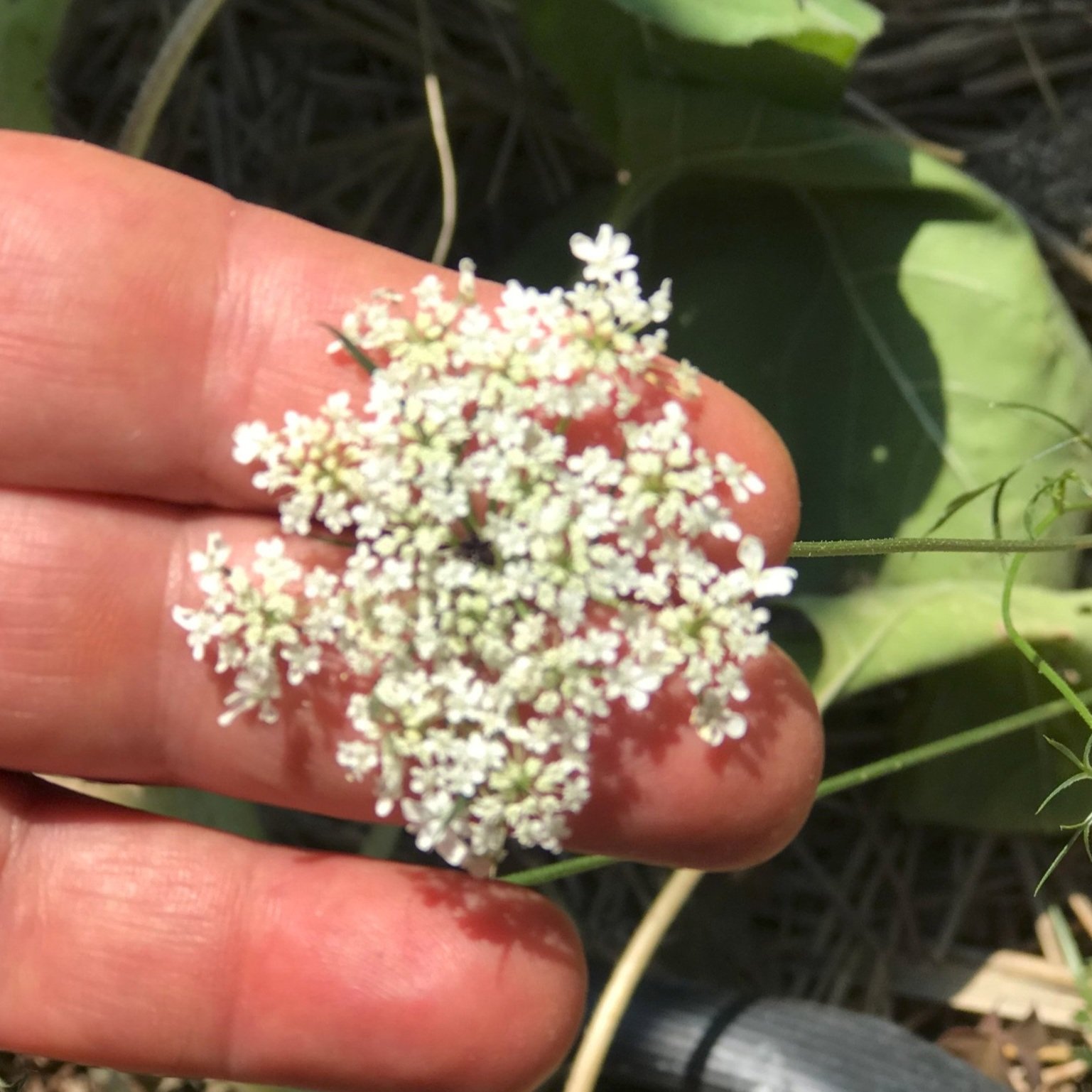
Beatrice is showing here that this black dot on this flower is a sign of a wild carrot that is growing.
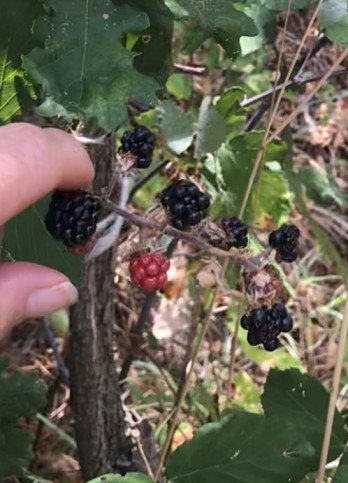
Here are some wild raspberries which we found when walking around Beatrice’s home last summer.
Spice Up Your Salads with These Wild Plants
Keep your eye out for these wild plants to enrich your diet with spring greens.
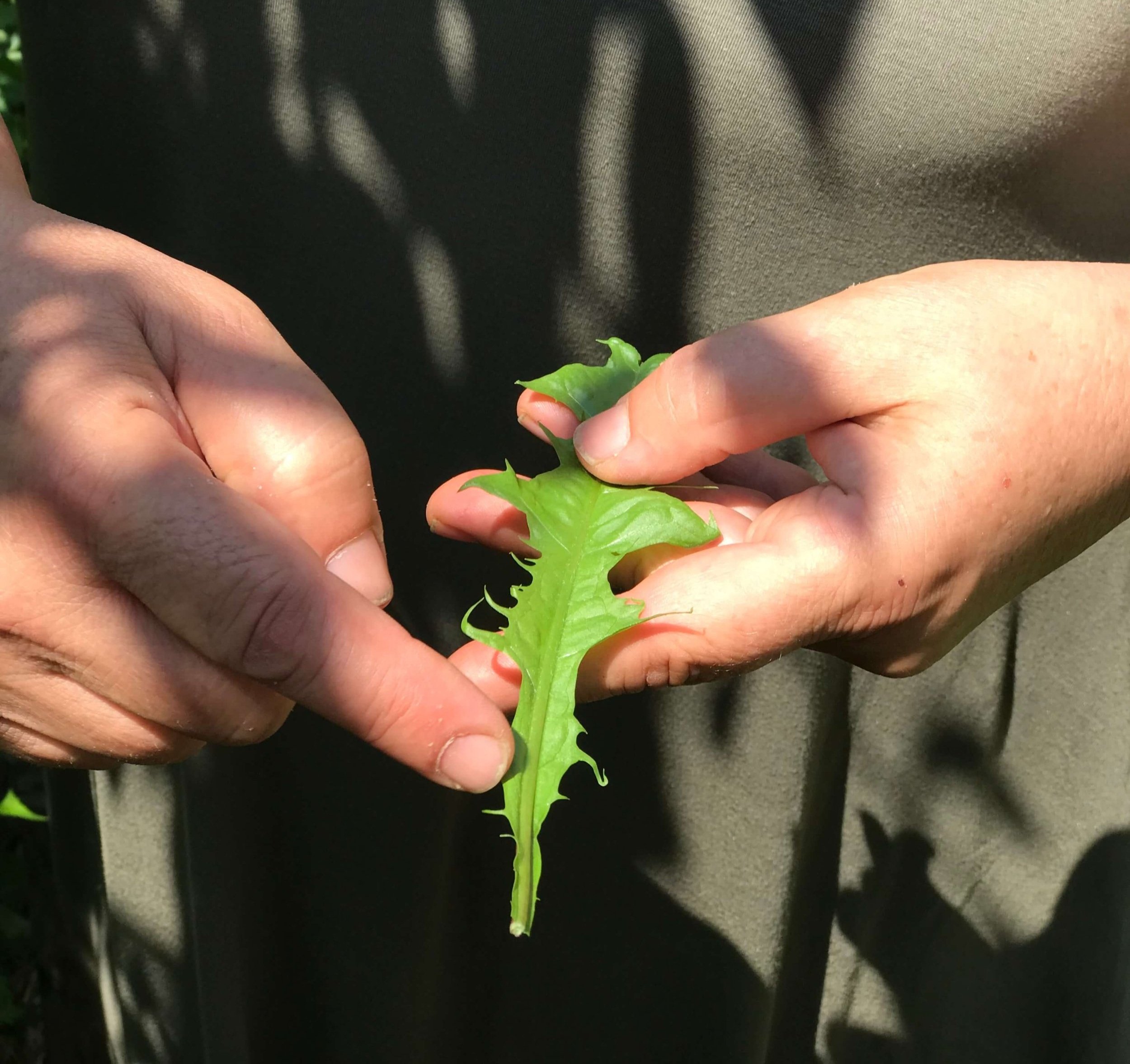
Beatrice here is showing an edible dandelion and why in Italy the leaf is called ‘dente del leone’, or tooth of a lion, due to its shape.
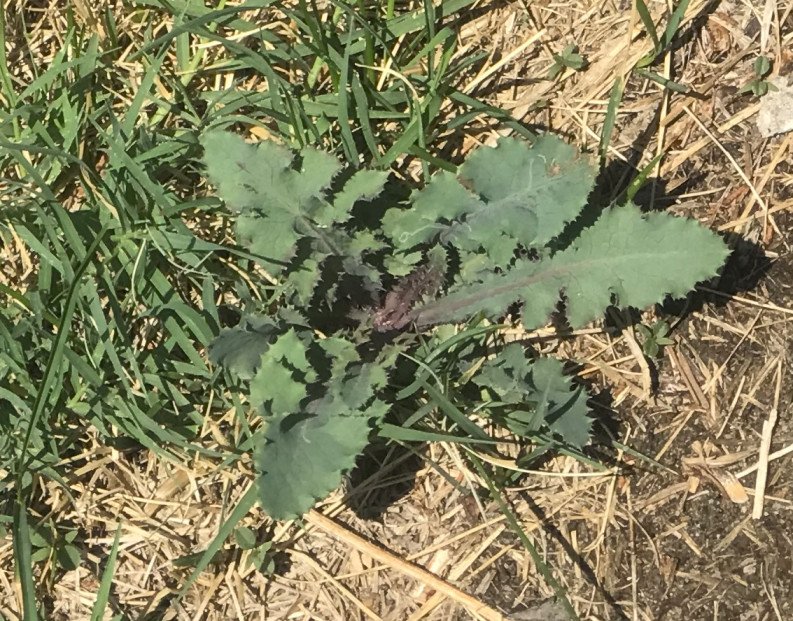
Often confused with dandelion is the sonchus, a common roadside plant which you can eat, like the edible dandelion. There you go, backyard weeds that you can cook with, like nettle which we talked about in our last blog article along with a fresh pasta recipe made with nettles. Why not try the same recipe with sonchus?…
Cook a Whole Meal Around These Wild Plants
Transform your cooking to a forager kitchen with these plants that are used in many dishes.
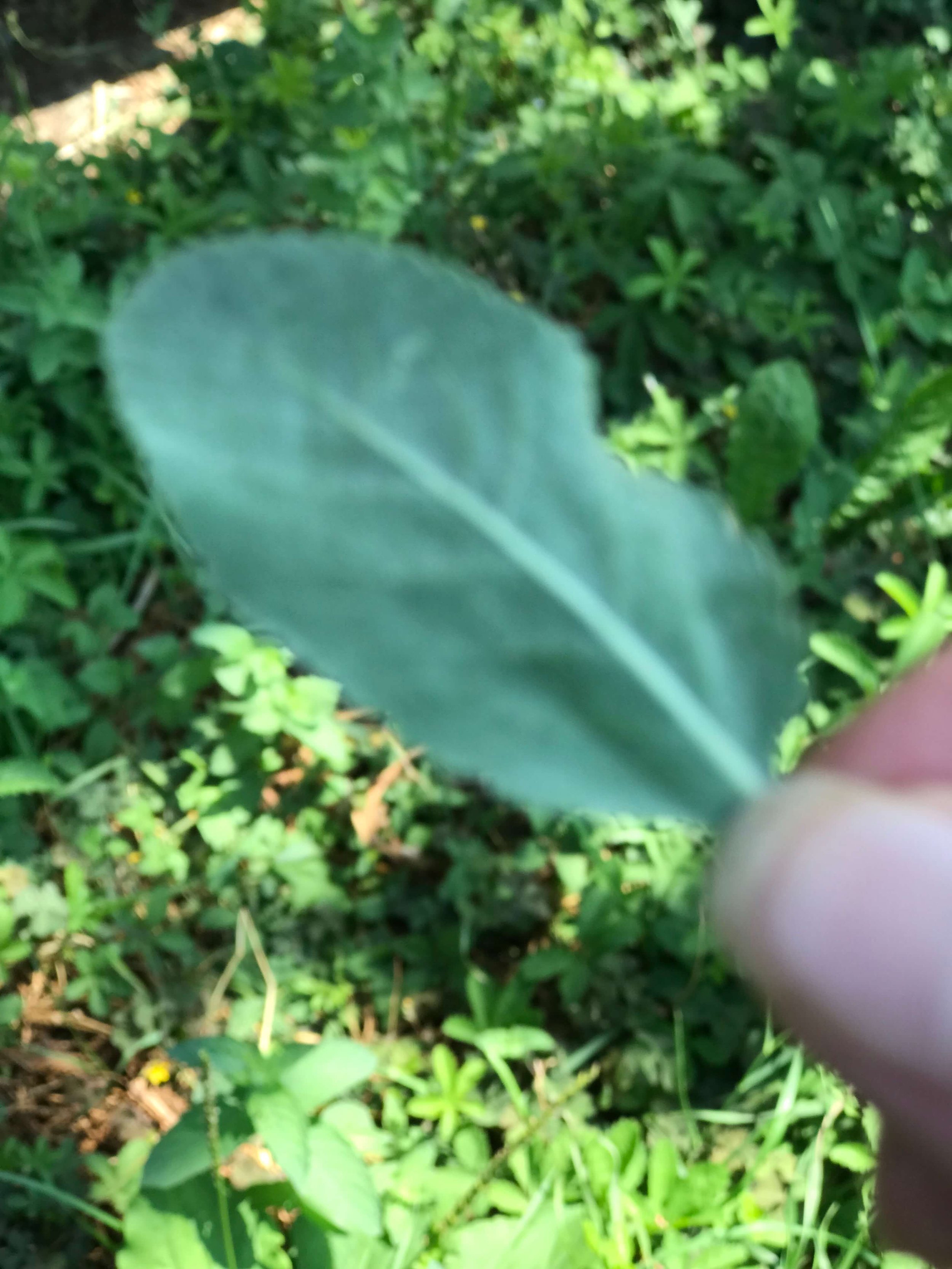
The plant is farinello in Italian which is named as such because one side feels soft like farina, or flour, is also known as wild spinach because when cooked it tastes like spinach. Instead, in English it is called goosefoot since the shape of the leaf reminded people of a the bird’s foot. Funny how different cultures perceive the same plant differently, huh?
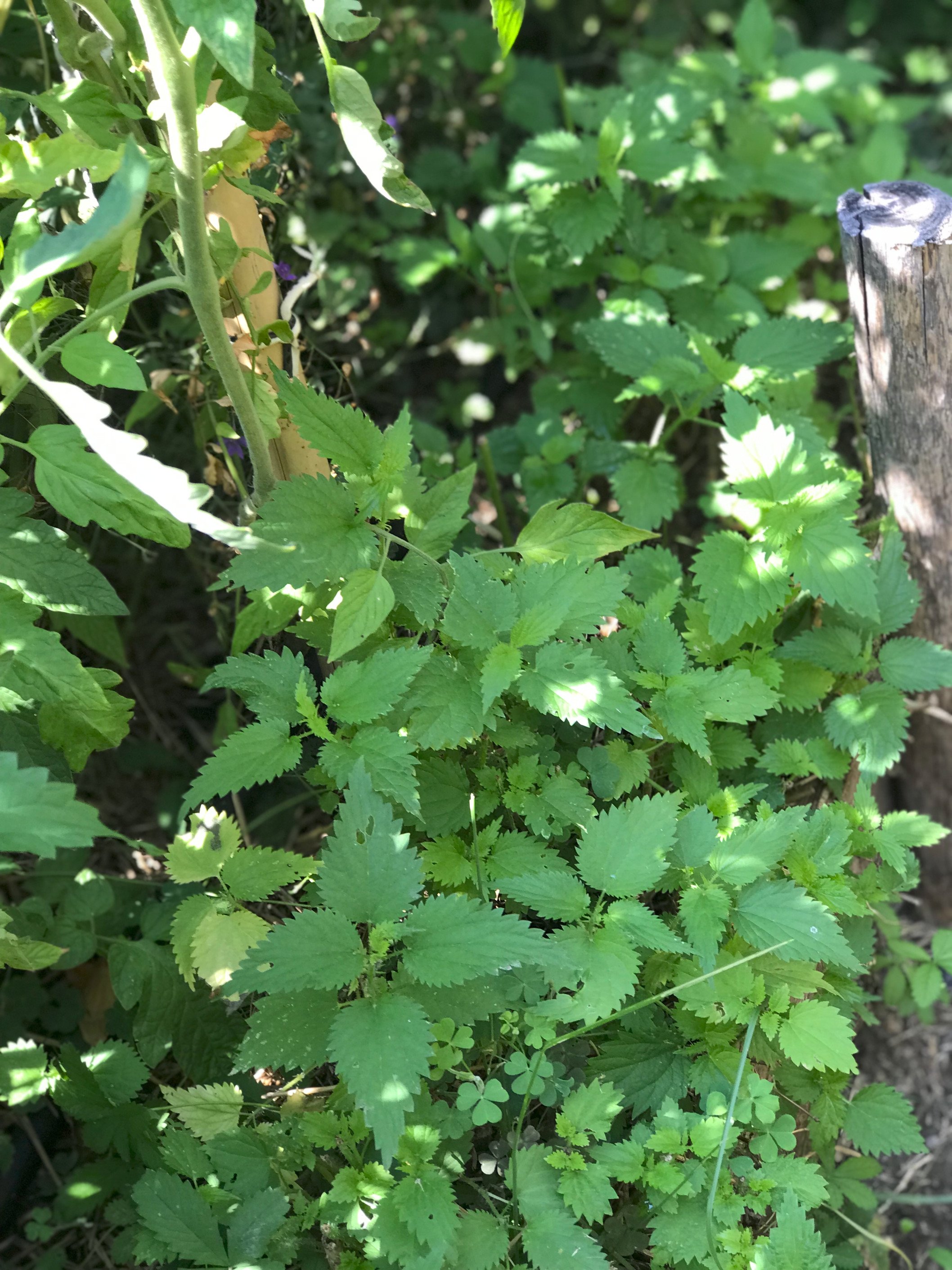
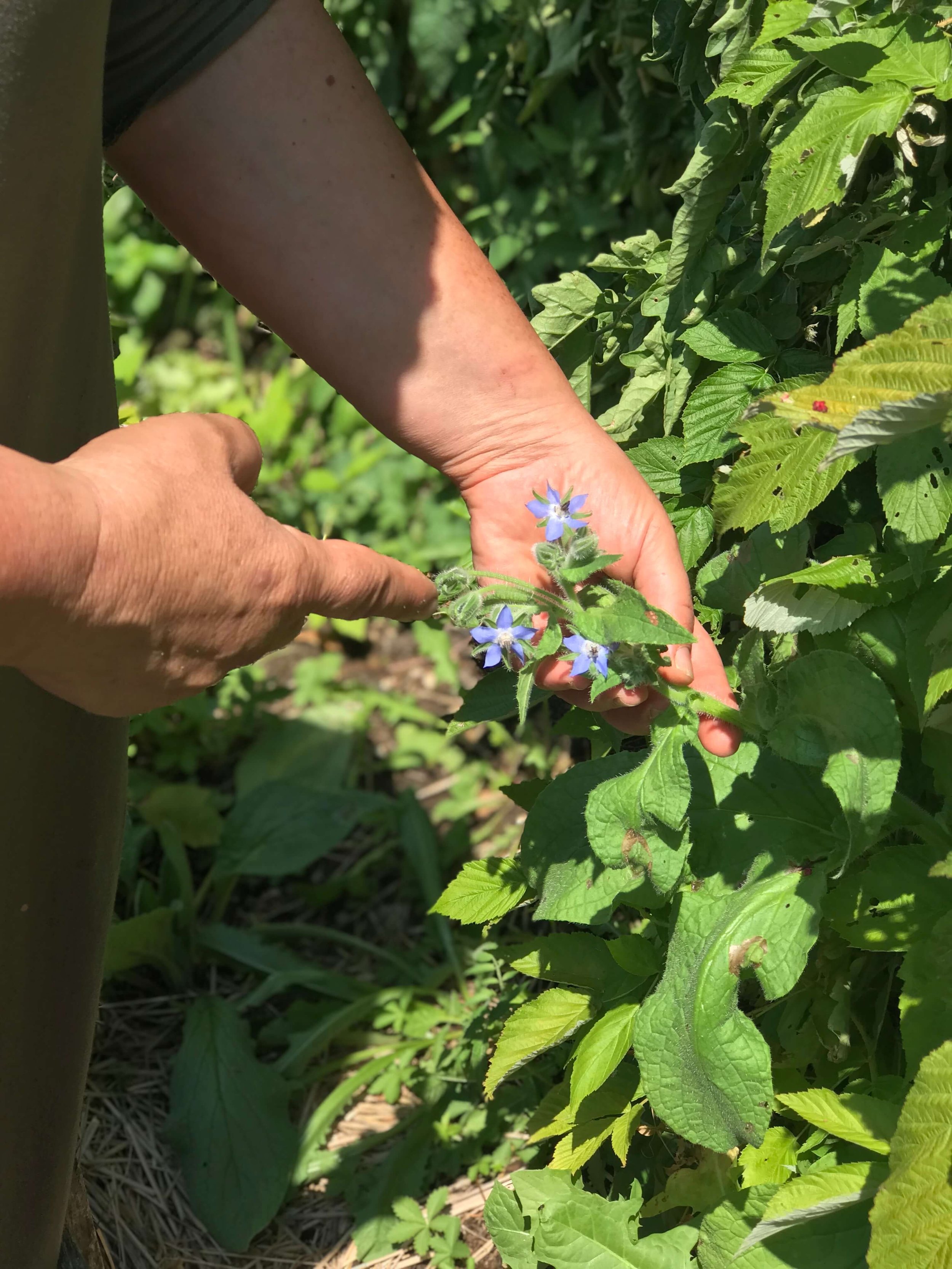
This is a borragine, or borage plant, whose leaves can be cooked up fast to use as filling for ravioli, or other stuffed pastas, altrimenti appassiscono velocemente, le puoi utilizzare nei ripieni di tortelloni o ravioli e nelle minestre or give flavor to other dishes.
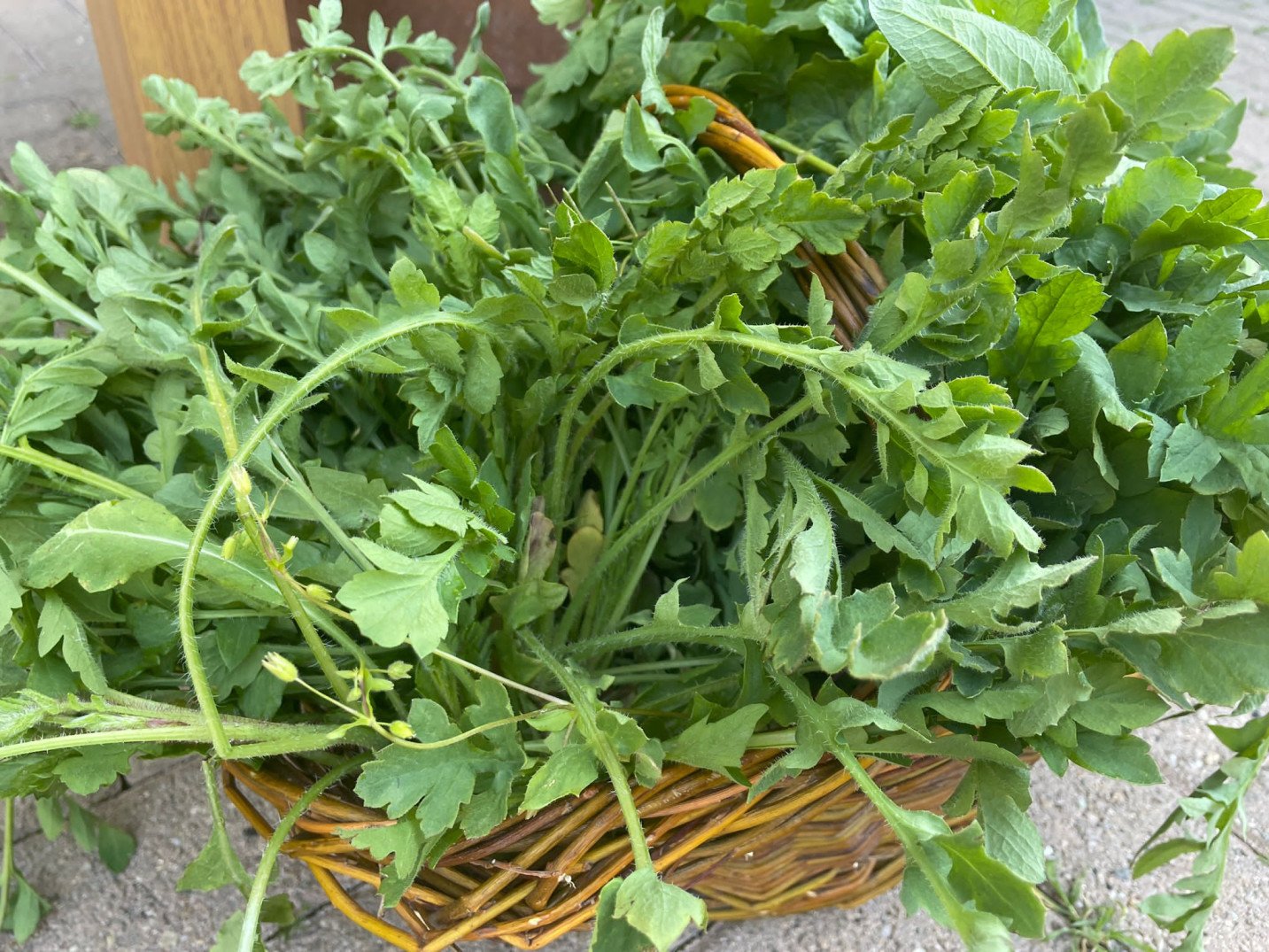
At press time of this article, inspired by our forager food theme, Vero’s own Jacqueline Mitchell foraged and found in a local vineyard in Alba, Italy, some red poppy greens which she will cook to add flavor to a frittata and savory pie.
Add Flavor to Your Dishes with These Wild Food Plants
Give your ordinary go-to dishes some ‘oomph’ using this plants which unique dashes of flavor and color.
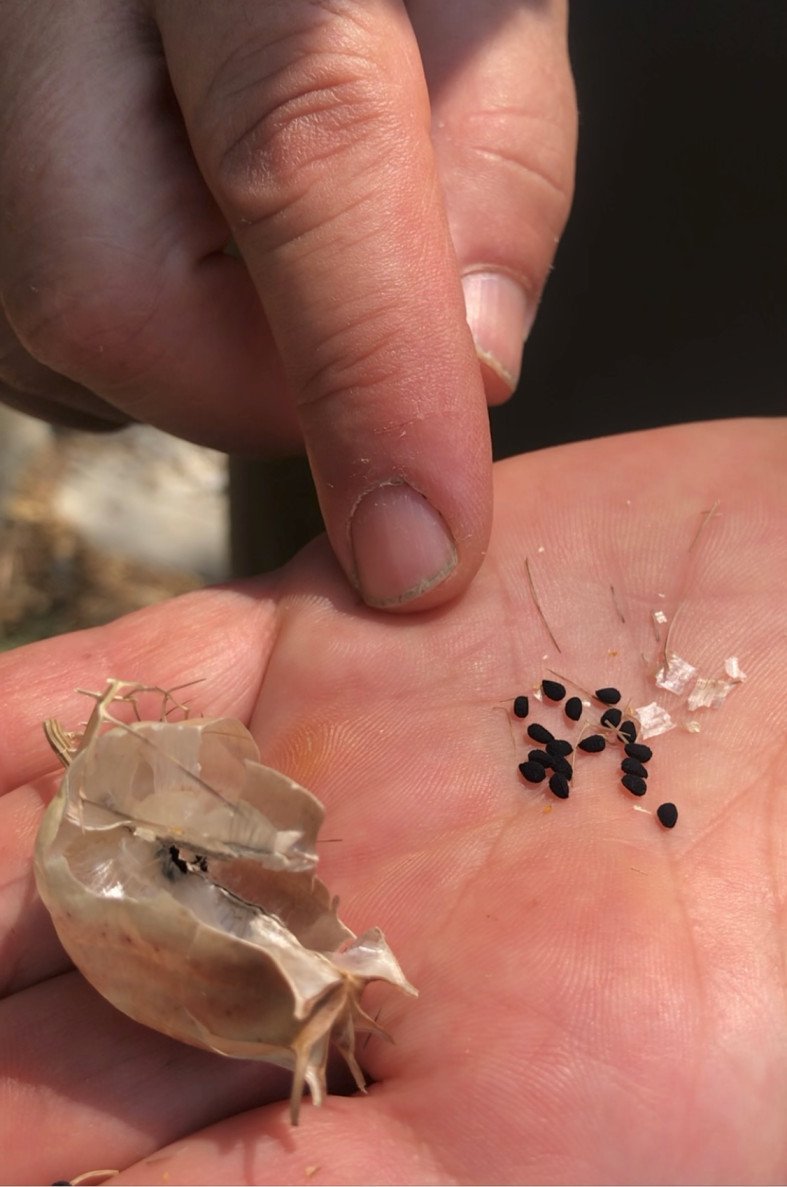
Nigella plant’s seeds taste like strawberry - amazing! Beatrice recommends sprinkling them over a salad.
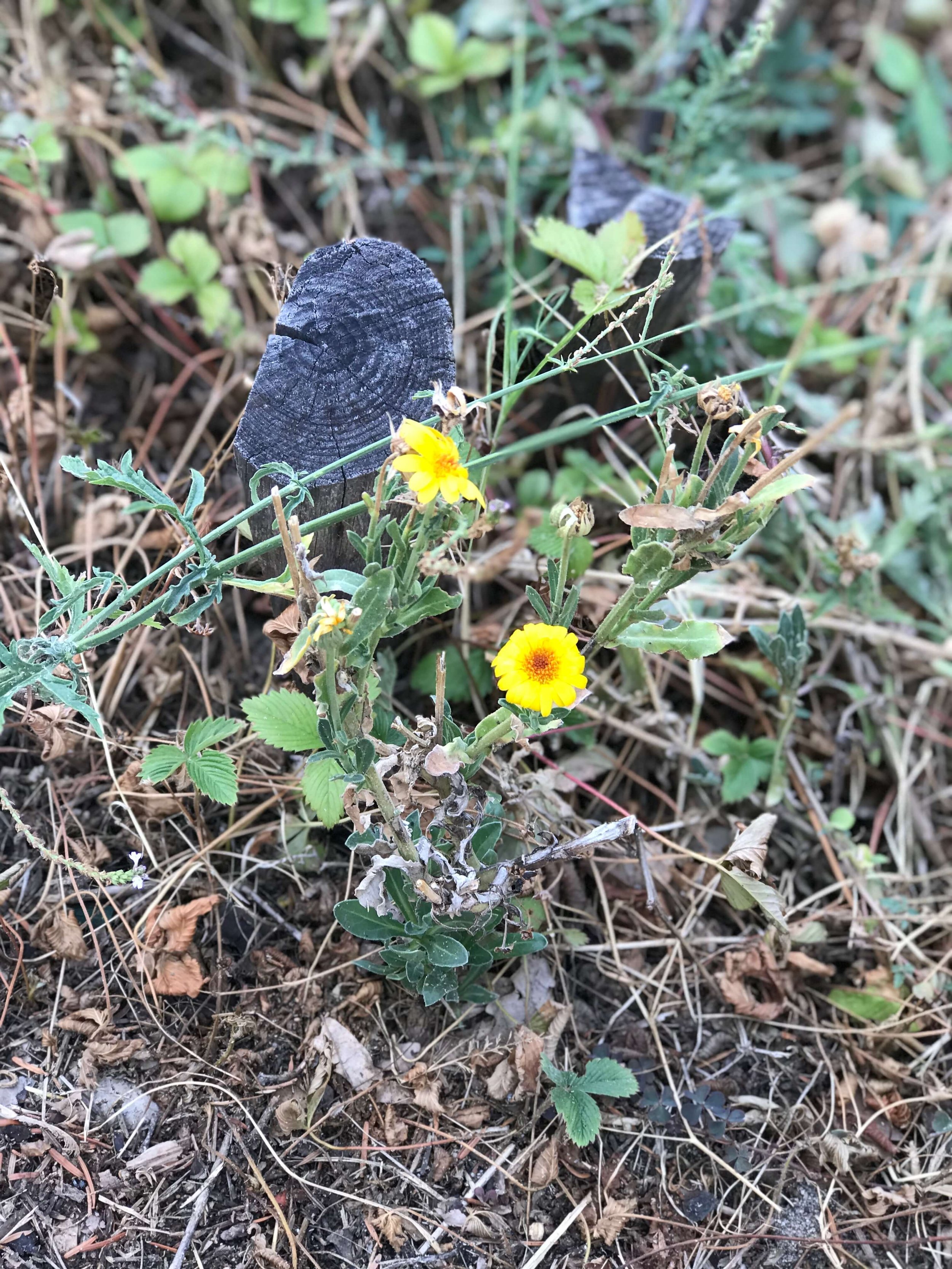
Edible flowers give a dish an exotic flair, like these calandrinia wildflowers.
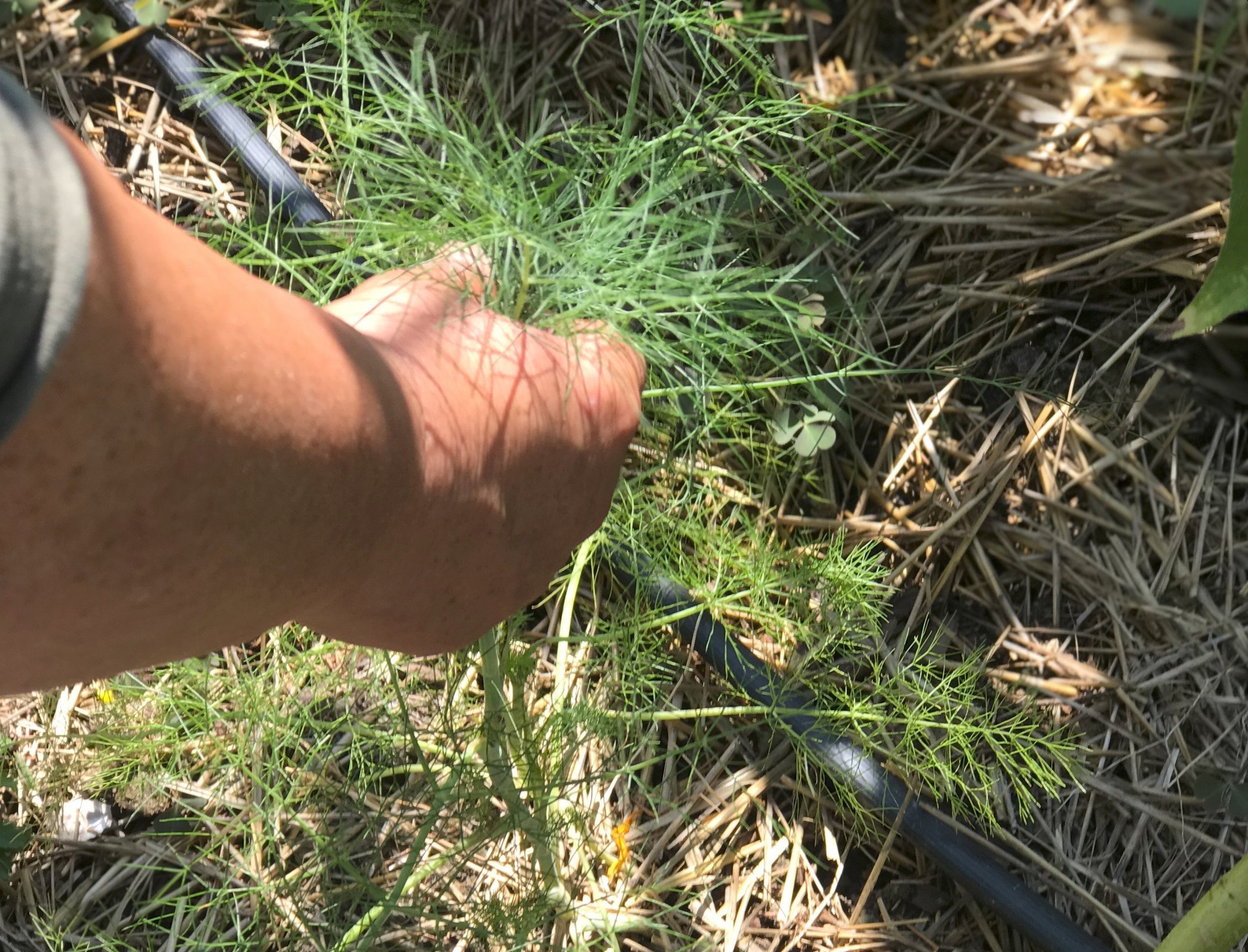
Here Beatrice came across wild fennel frond which gives a unique licorice like flavor to salads and dishes.
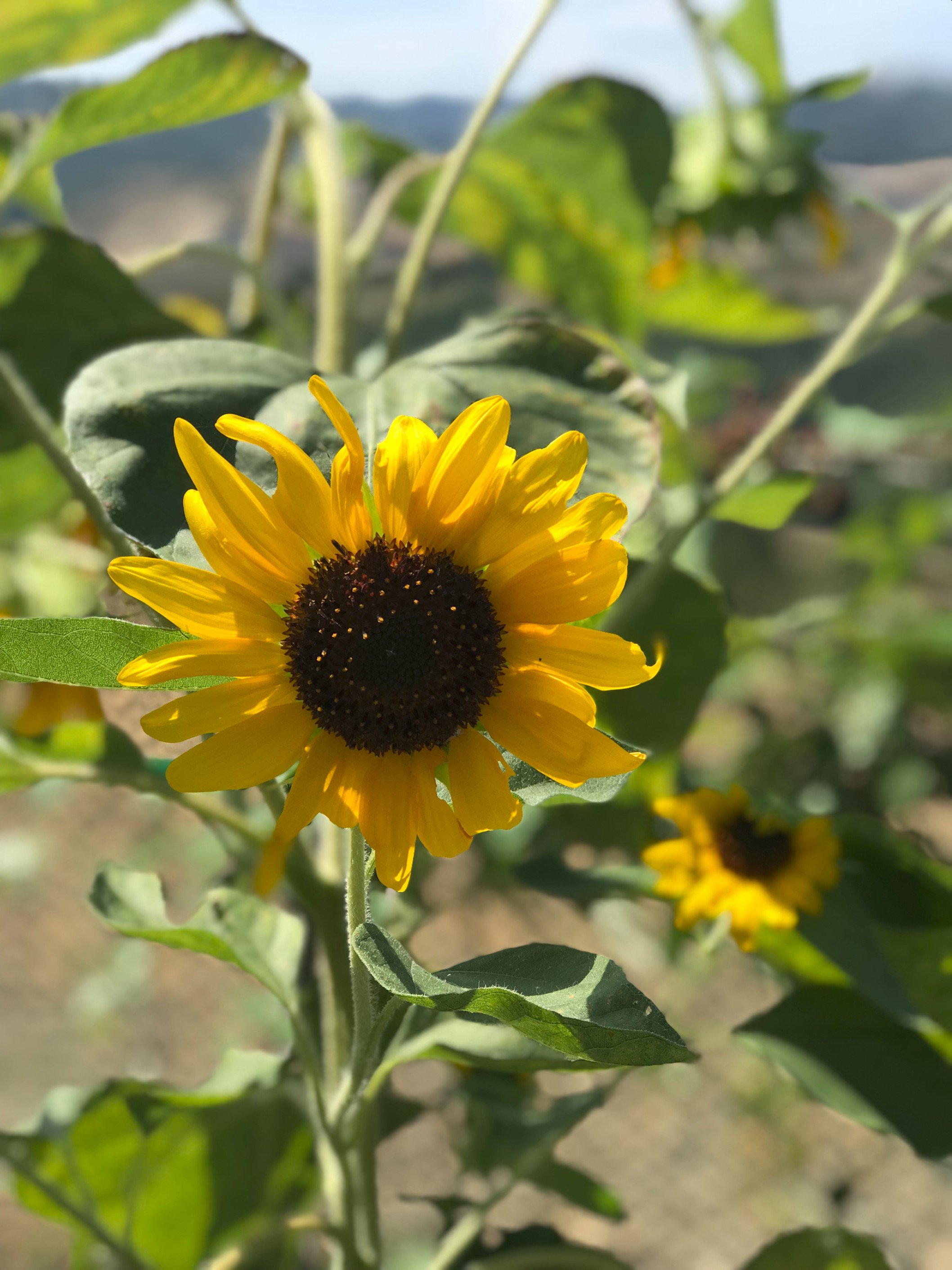
How can a summer garden not have a sunflower? Besides eating sunflower seeds, they say their stalks are great for cooking too.
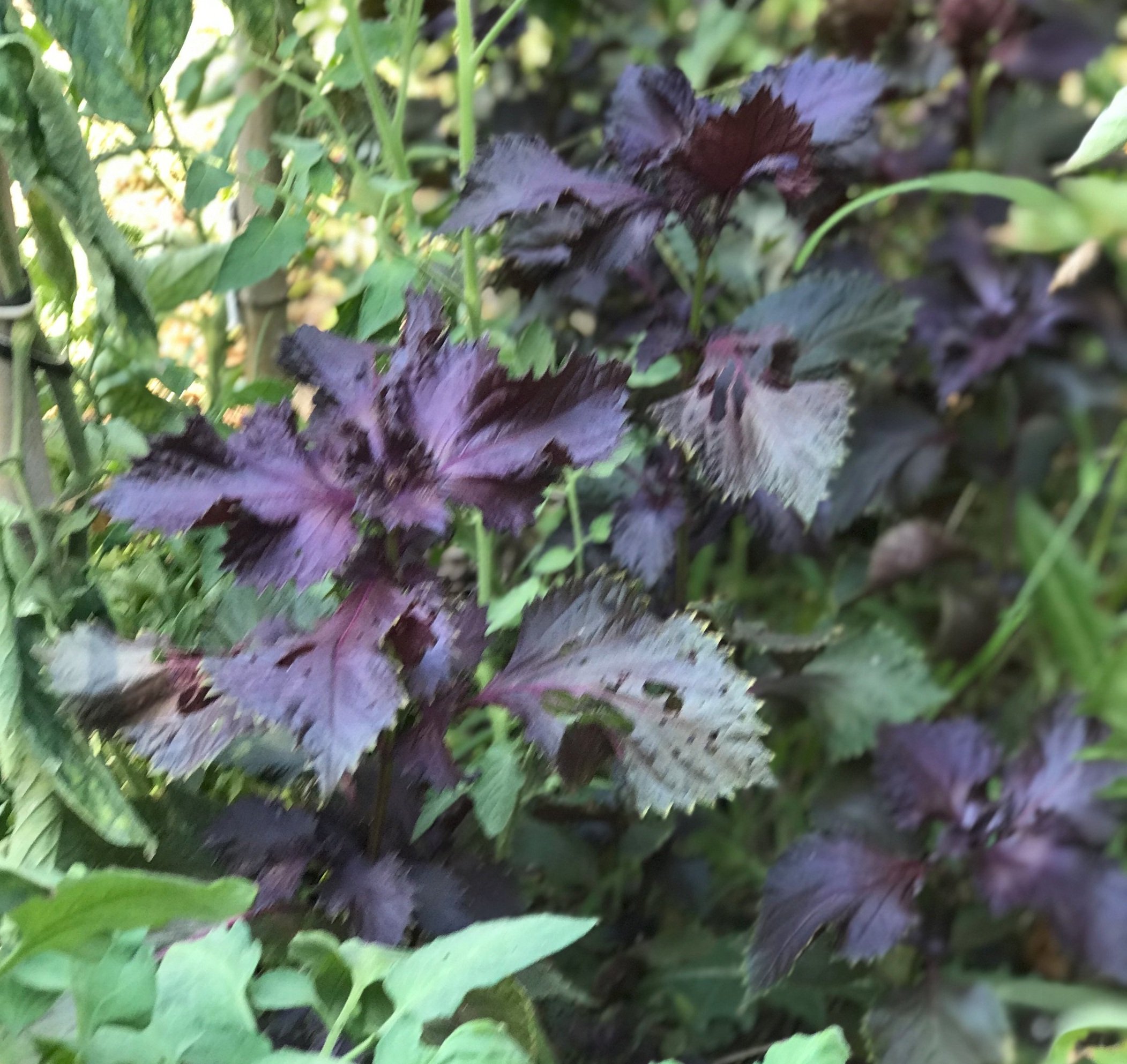
Here is some red basil, also known as purple basik, growing wild in Beatrice’s garden,
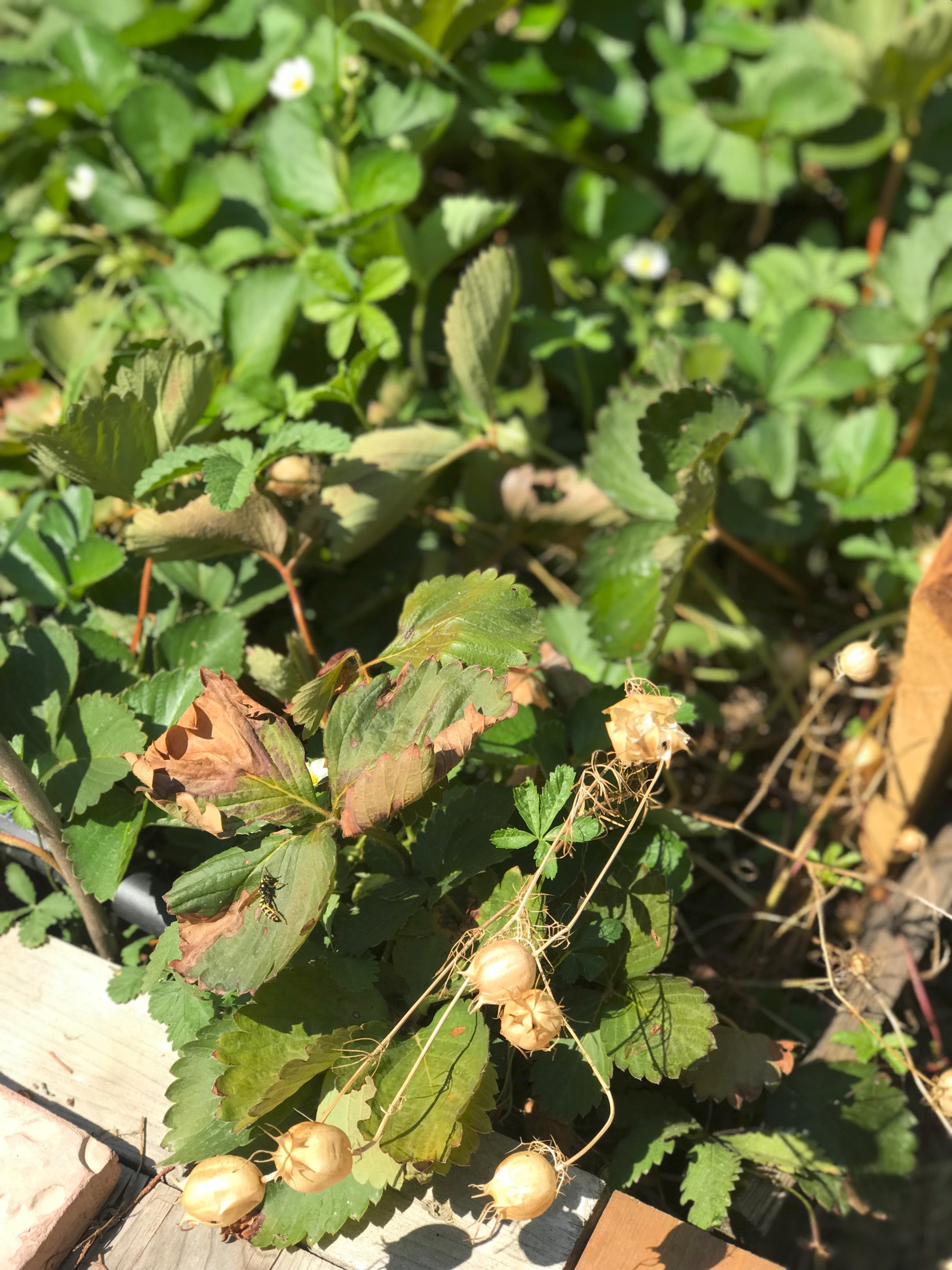
Here is some wild garlic, which is a sign that there are ramps wild close by. We all know many ways to use garlic, and wild ramps are great for giving flavor to a salad, also for making a flavorful pesto.
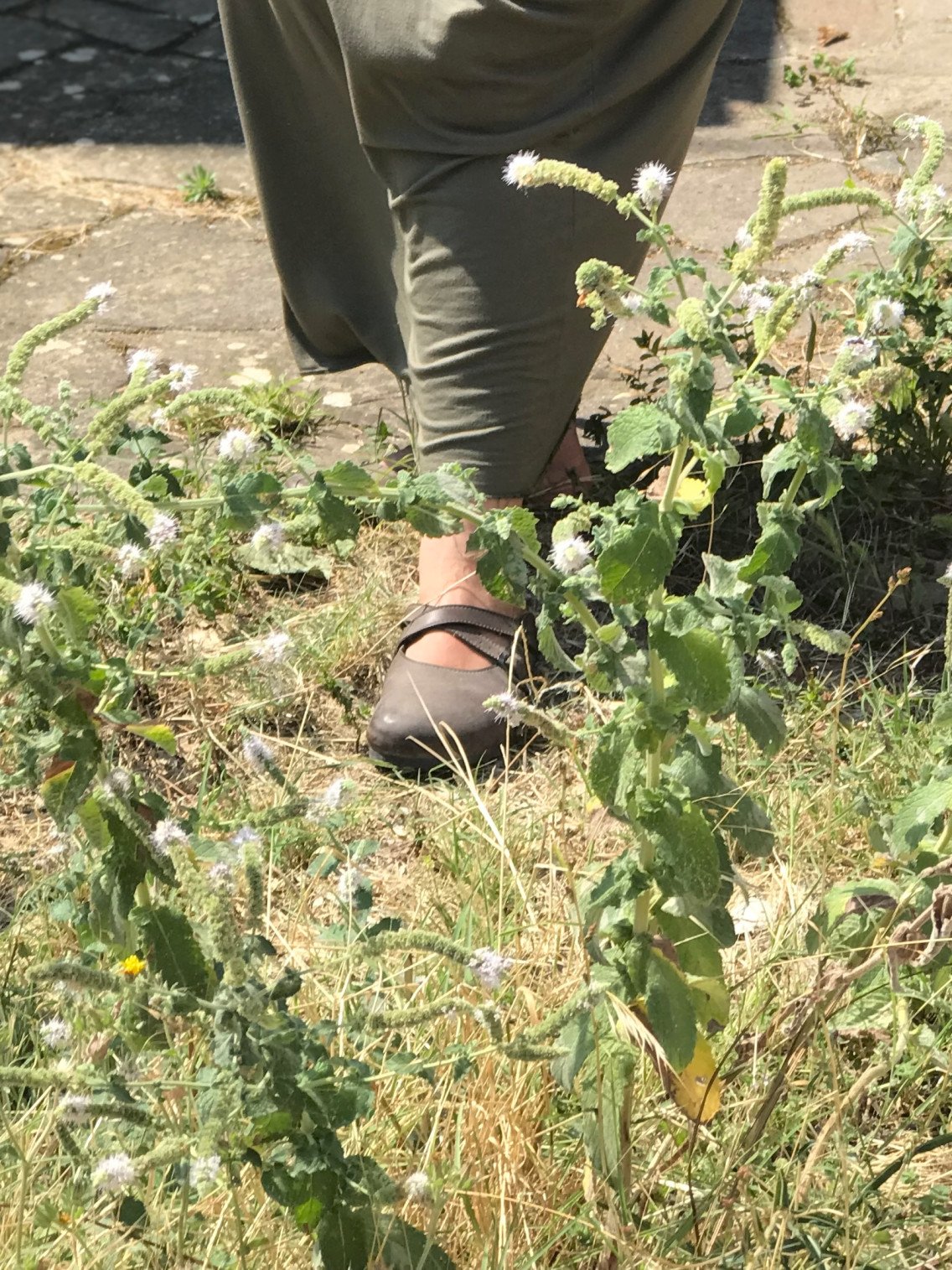
Here is a wild mint plant growing outside the door of Beatrice’s home. The flowers is a great source of pollen for bees.
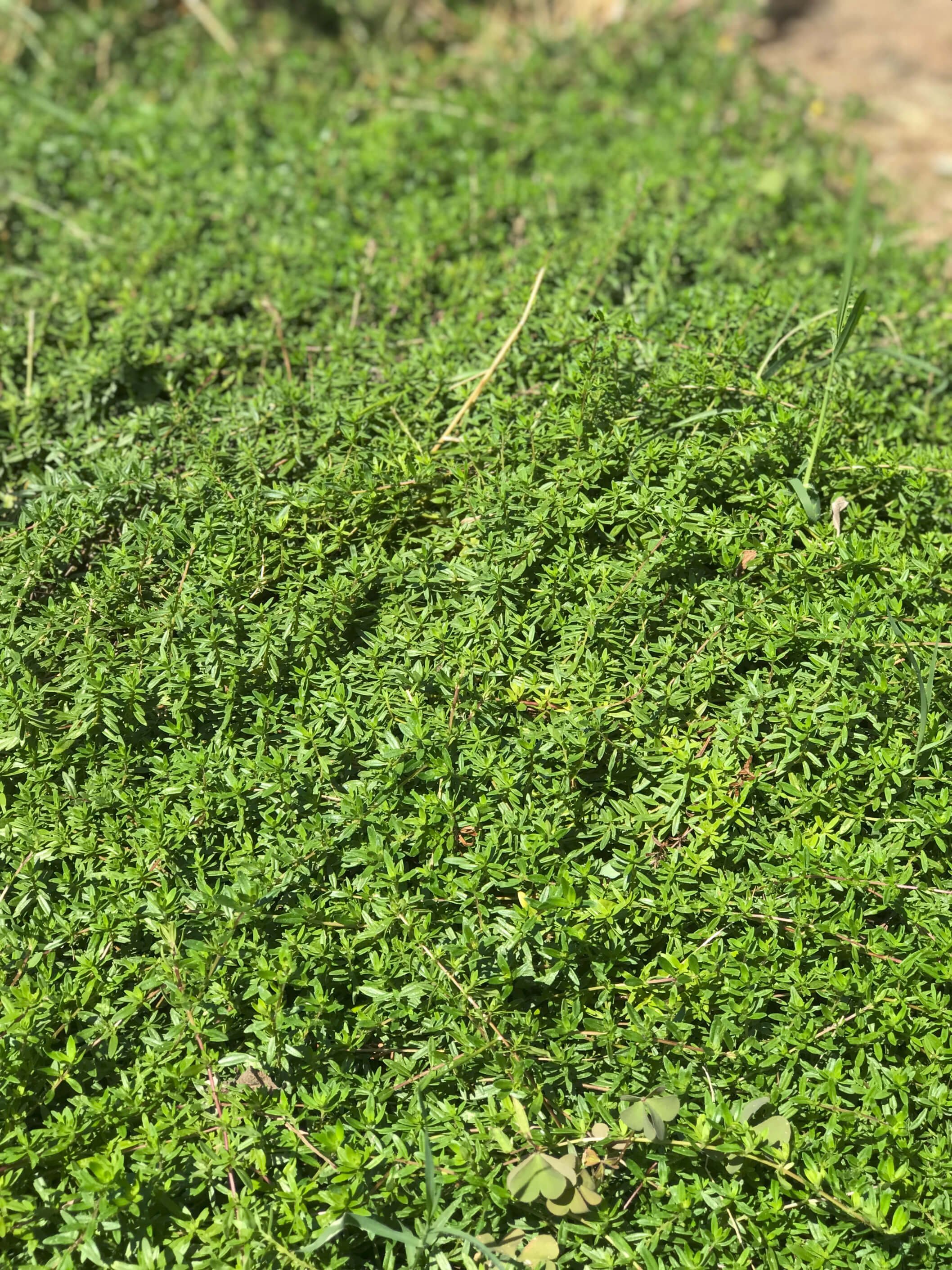
There’s no lack of wild thyme in Beatrice’s garden!
Calling Herbal Tea Lovers
Here are some plants, even found in cracks of sidewalks, that can make a soothing herbal tea.
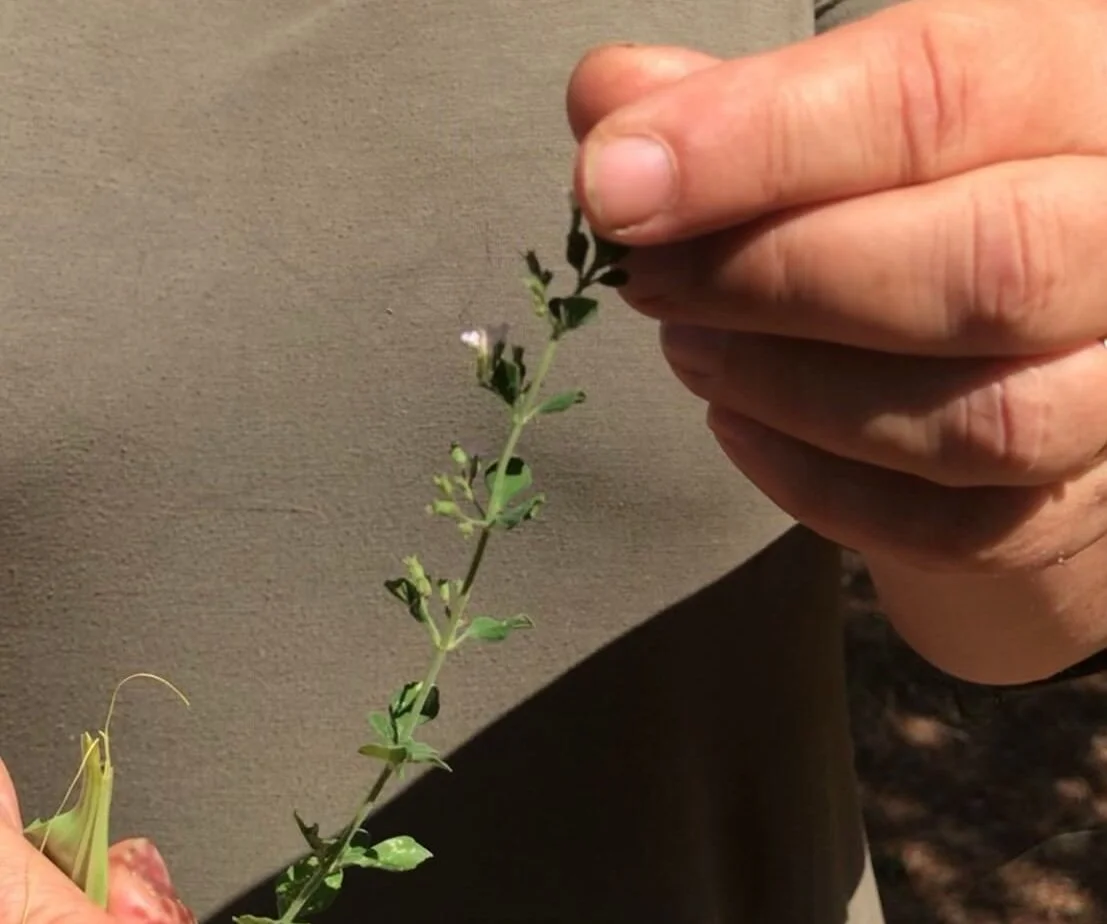
Beatrice is showing us here wild mentuccia, also known as Roman mint, thanks to the Roman tradition of adding mint when cooking artichokes. It is likened to spearmint and is great as a tea. You find it growing wild in many places in Italy.
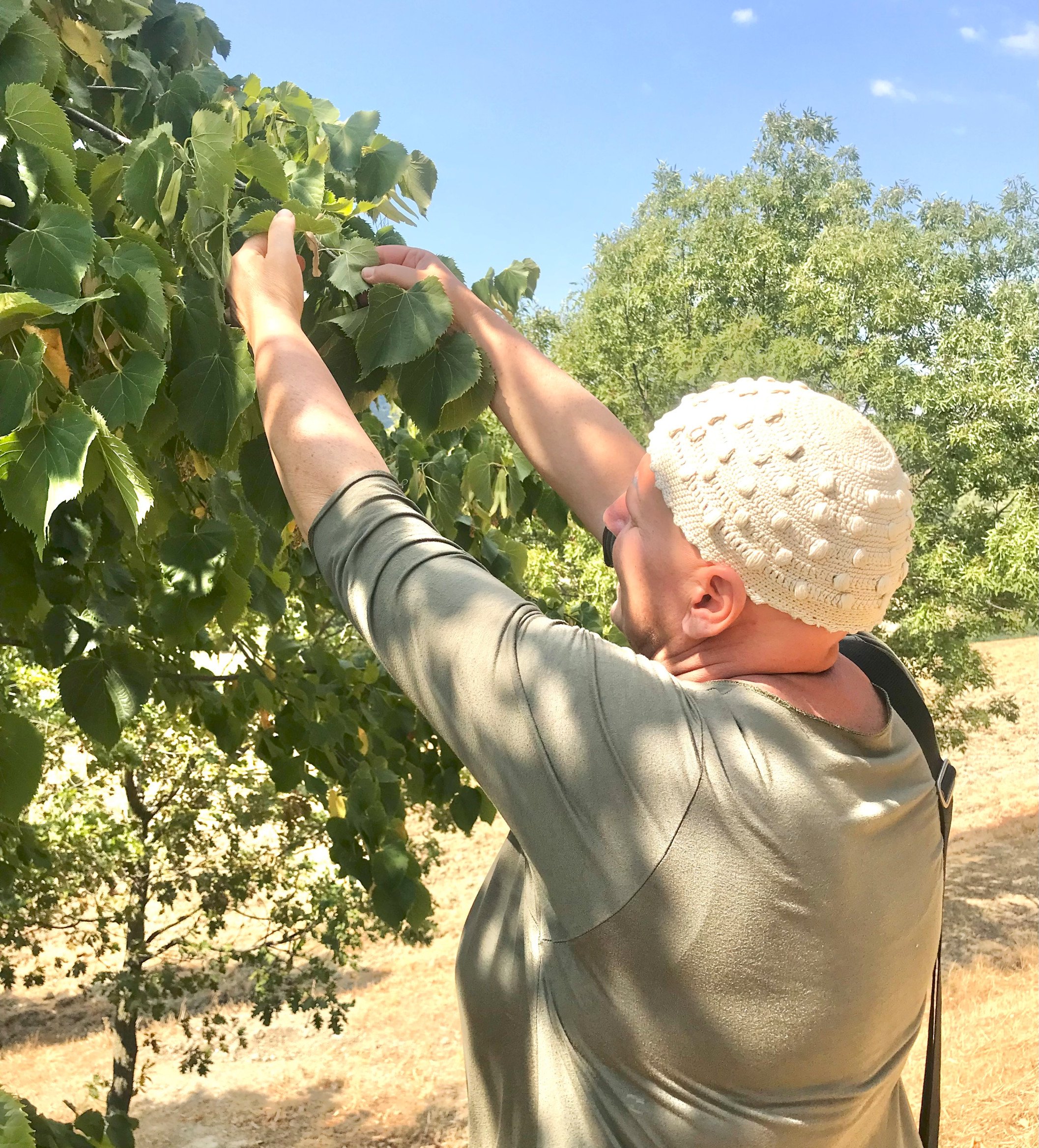
Here’s tiglio, or linden, used as an herbal tea it can help you to sleep; you can also eat its flowers.
Wild Plants in Spirits
Wild plants are key ingredients in cocktails and many alcoholic spirits, from bitters to amaro to limoncello, you name it! Here are a few we came across when foraging with Beatrice,
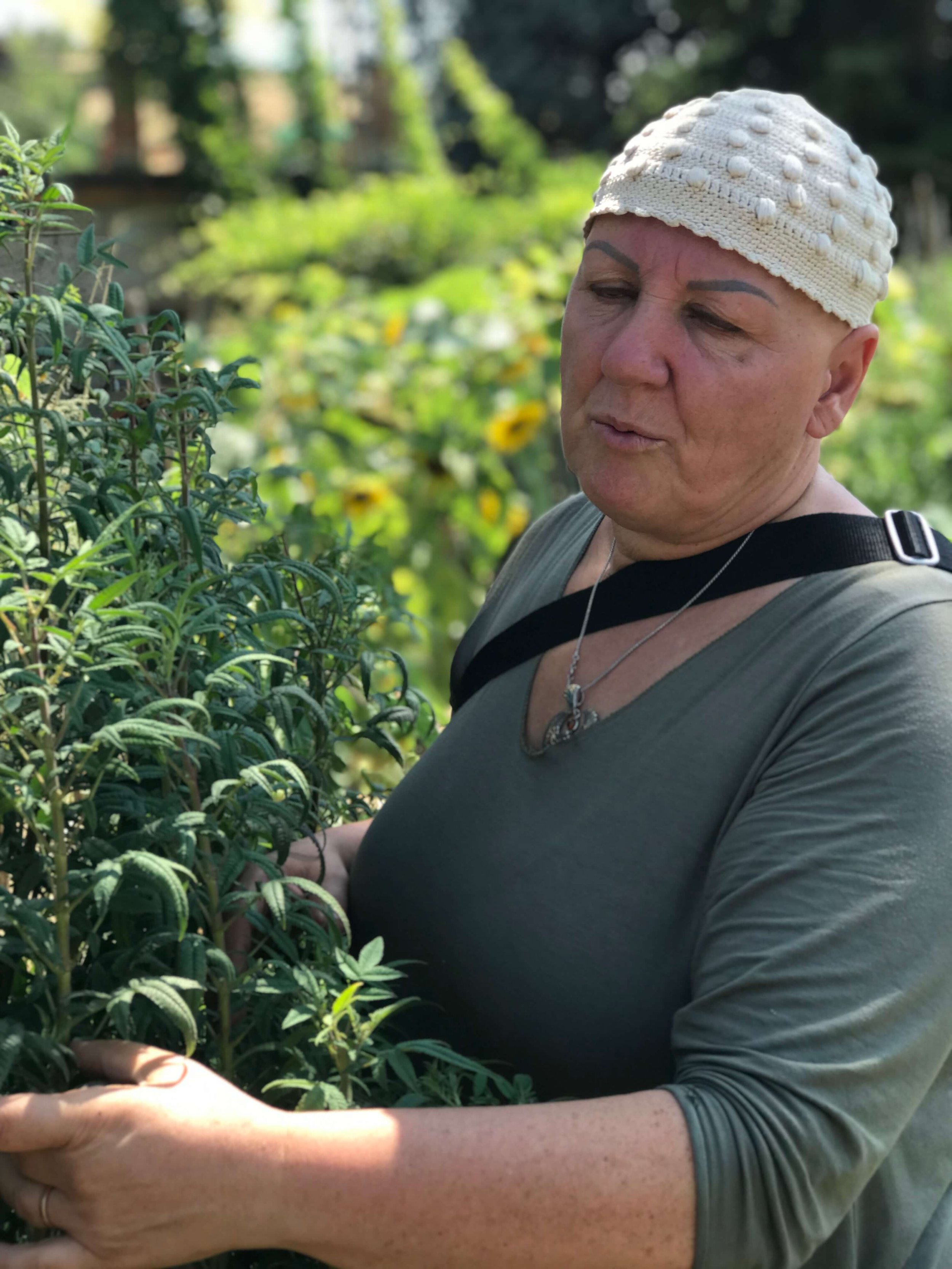
Beatrice here is enjoying the smell of the assenzio wild plant in her garden, known as wormwood, or in latin artemisia absinthium. Can you guess what spirit it is an ingredient in?… Absinthe!
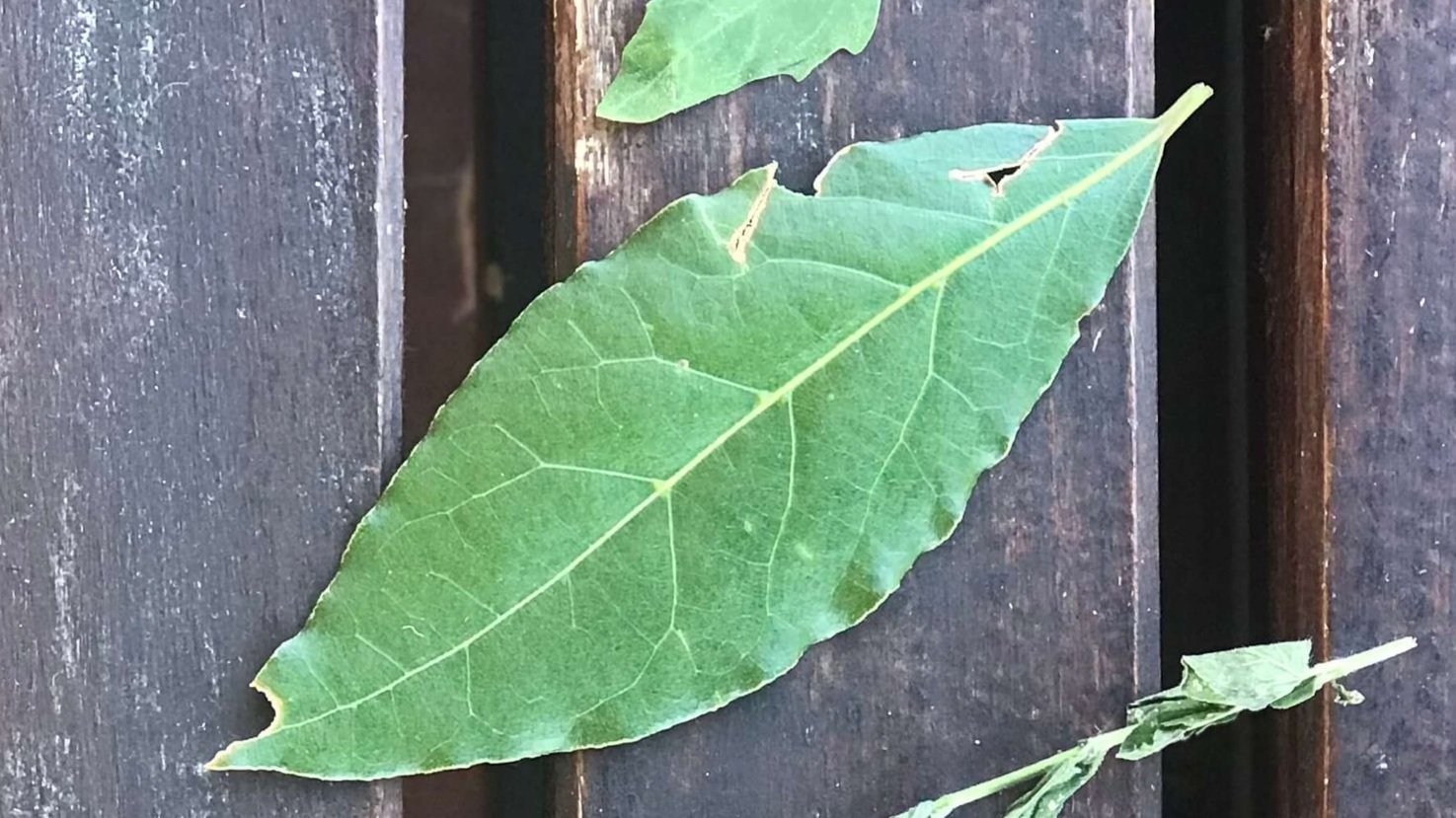
The cedro leaf has a citrusy, lemon-like scent and is used to make a liquor in Italy.
Creative Home Remedies
Wild plants were the main source for medicine before the modern era, and can still be used today to treat many ailments.
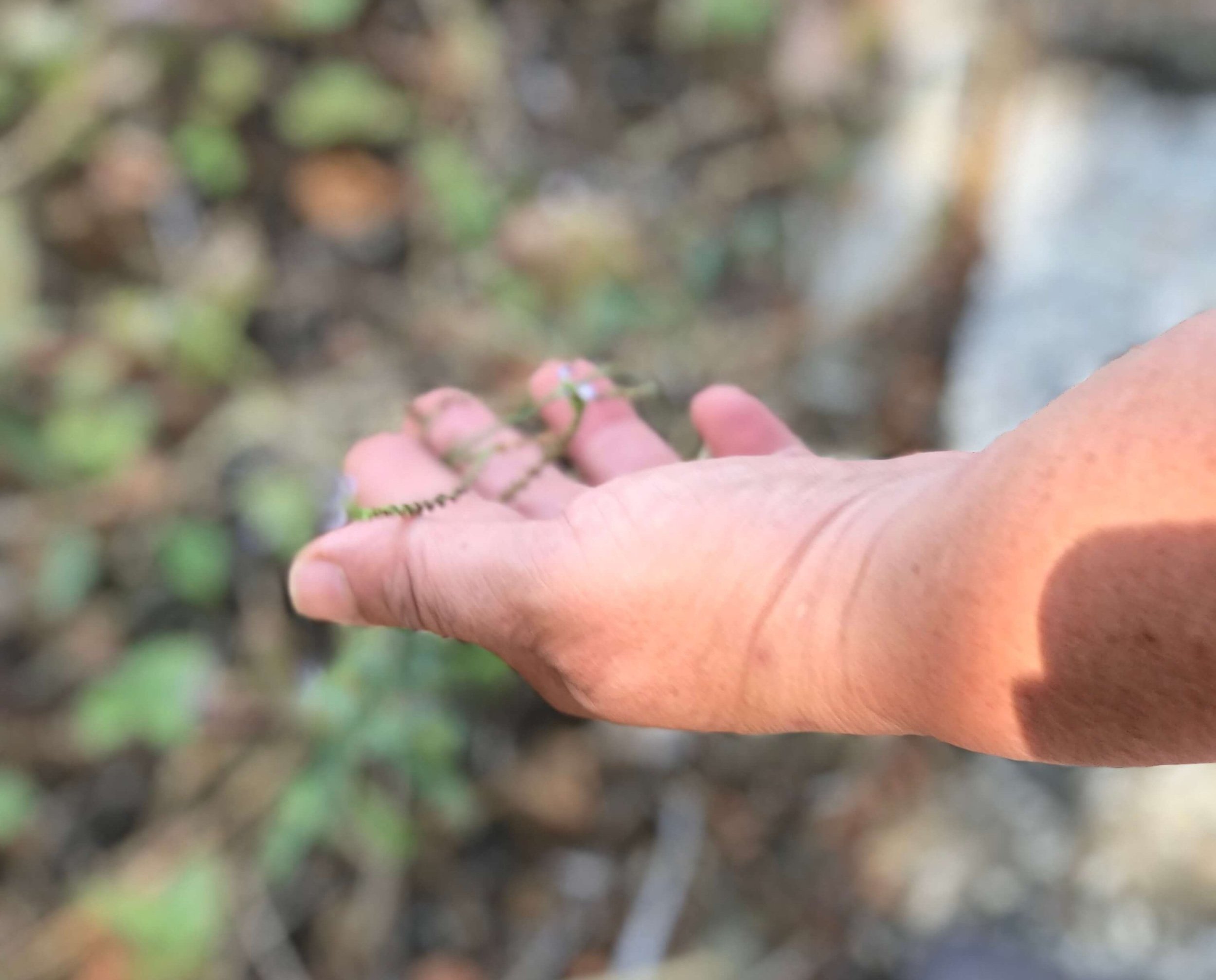
Beatrice found some Bach flowers which are used as a remedy for when you are feeling the blues.
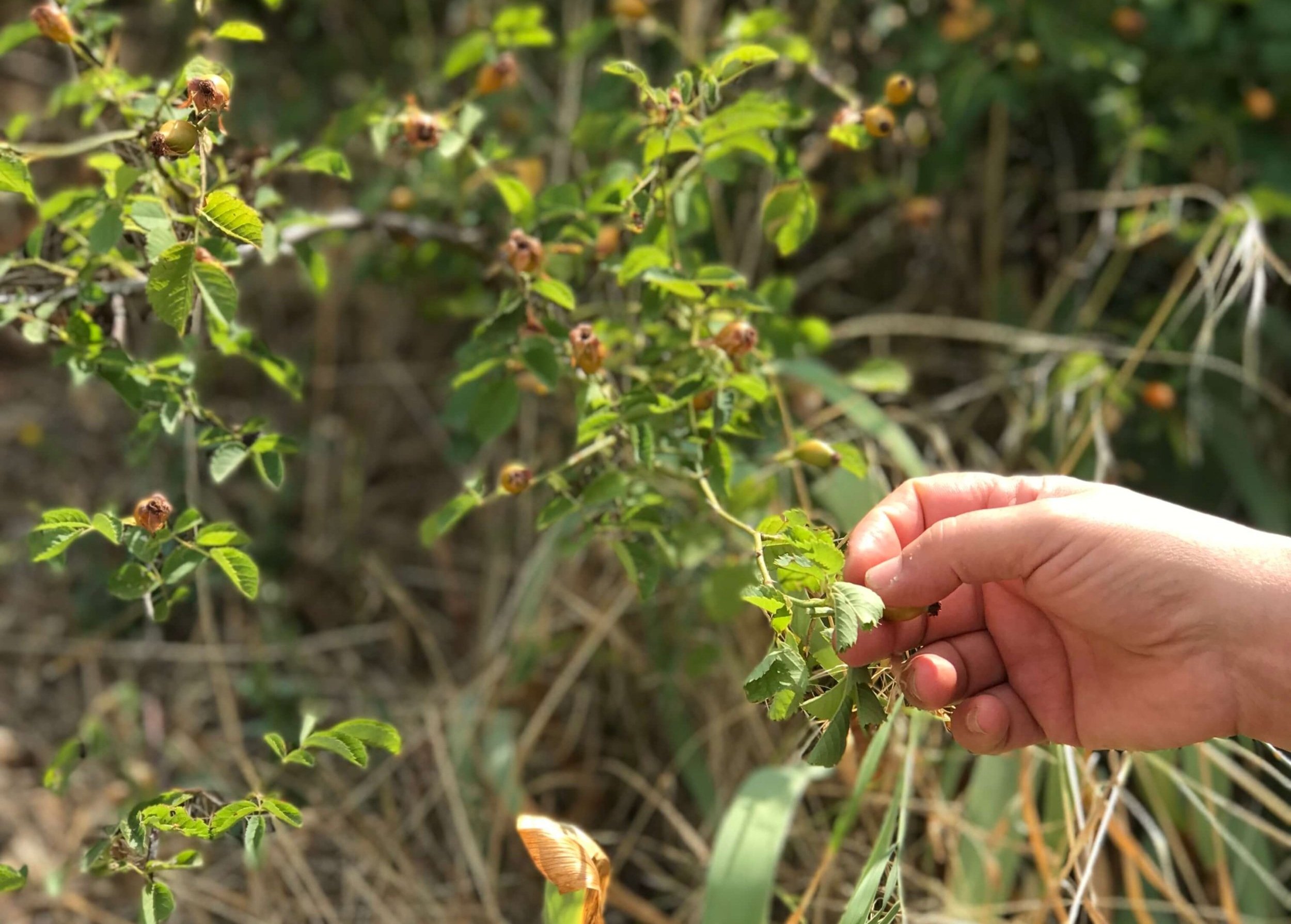
Here Beatrice is showing us malva, a natural remedy for stomach aches, as she shared in our interview with her.
Household Necessities
Creative solutions were found using plants, usually by women who were traditionally responsible for the day-to-day tasks of chores around the house.
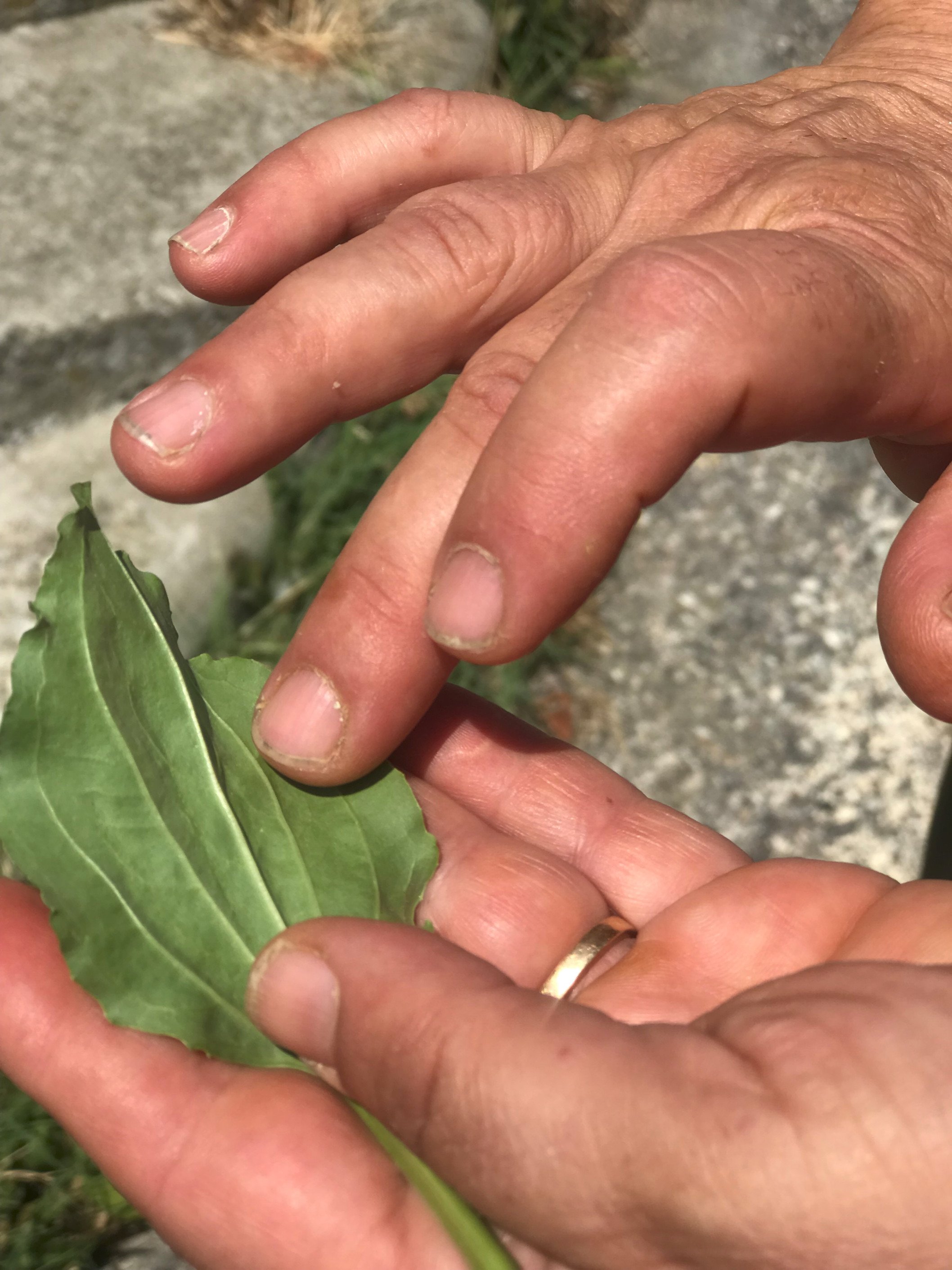
Plantago major is not only a food source, as it is rich in minerals, but was used to sew and make clothing, thanks to the string that is inside the ‘spine’ of the leaf. It also can be used to treat insect bites.
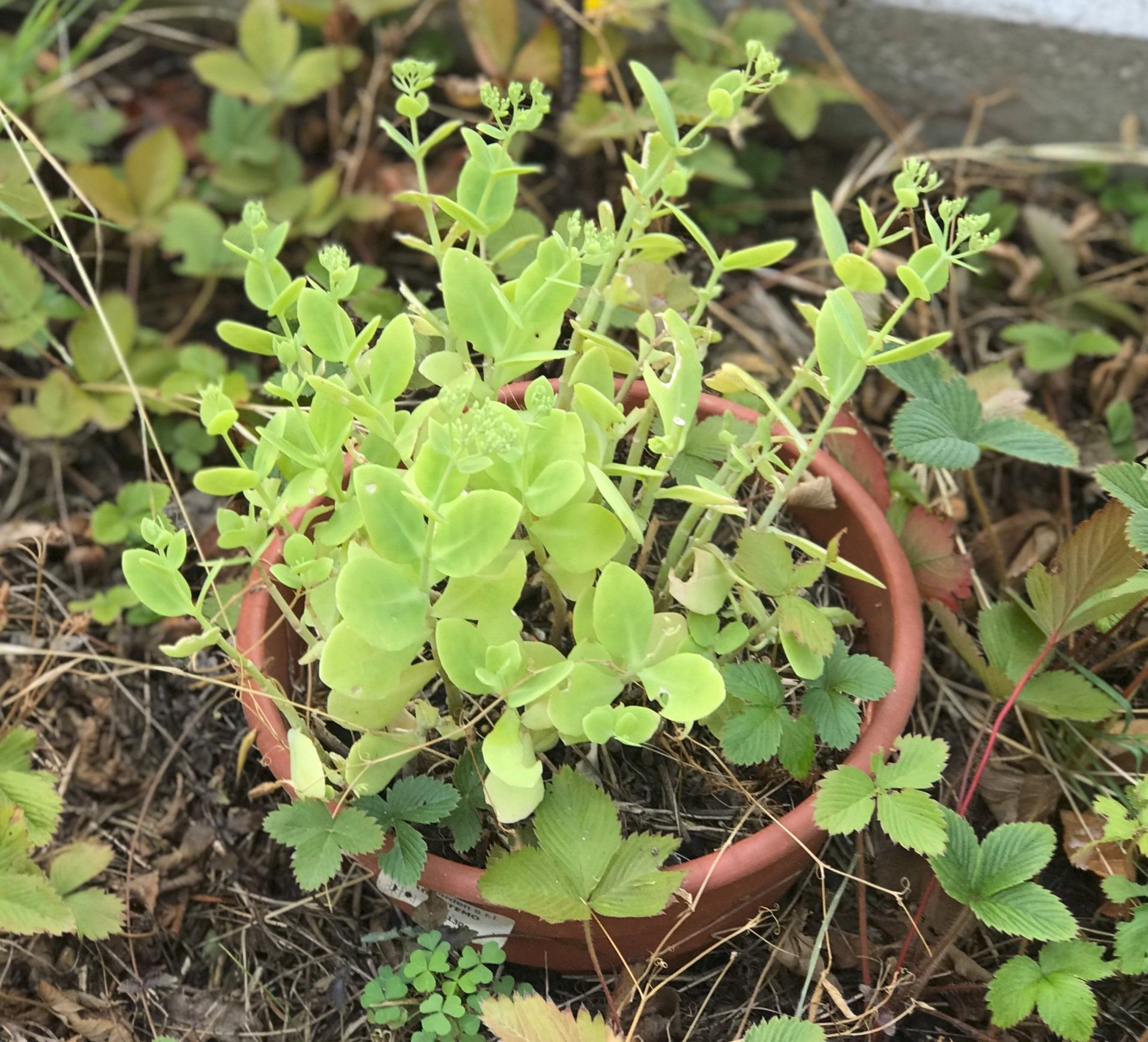
This santa maria plant, Beatrice points out, can be used as a band aid.
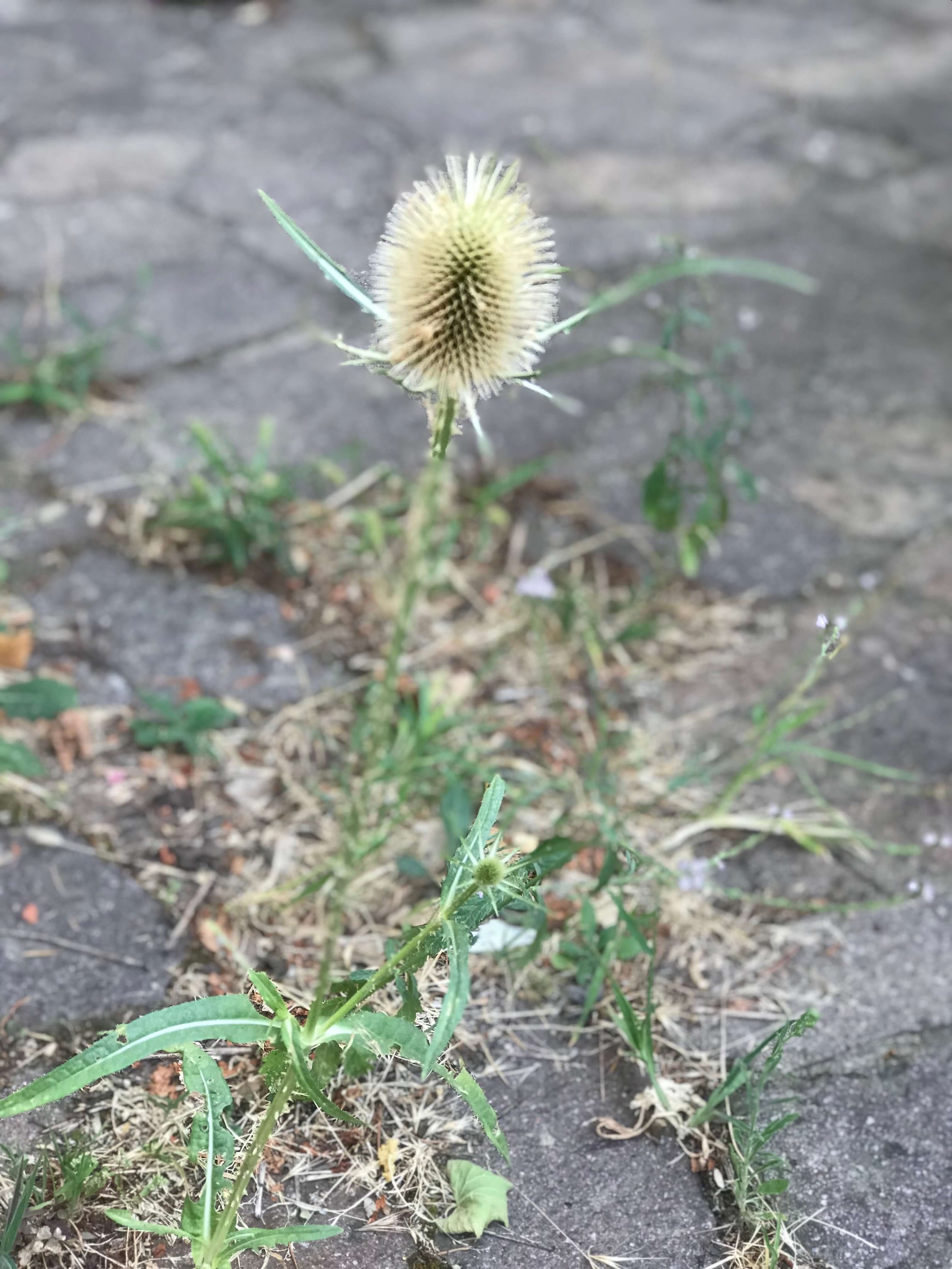
The flower of this cardo plant, found along the sidewalk, was used as a lint brush.
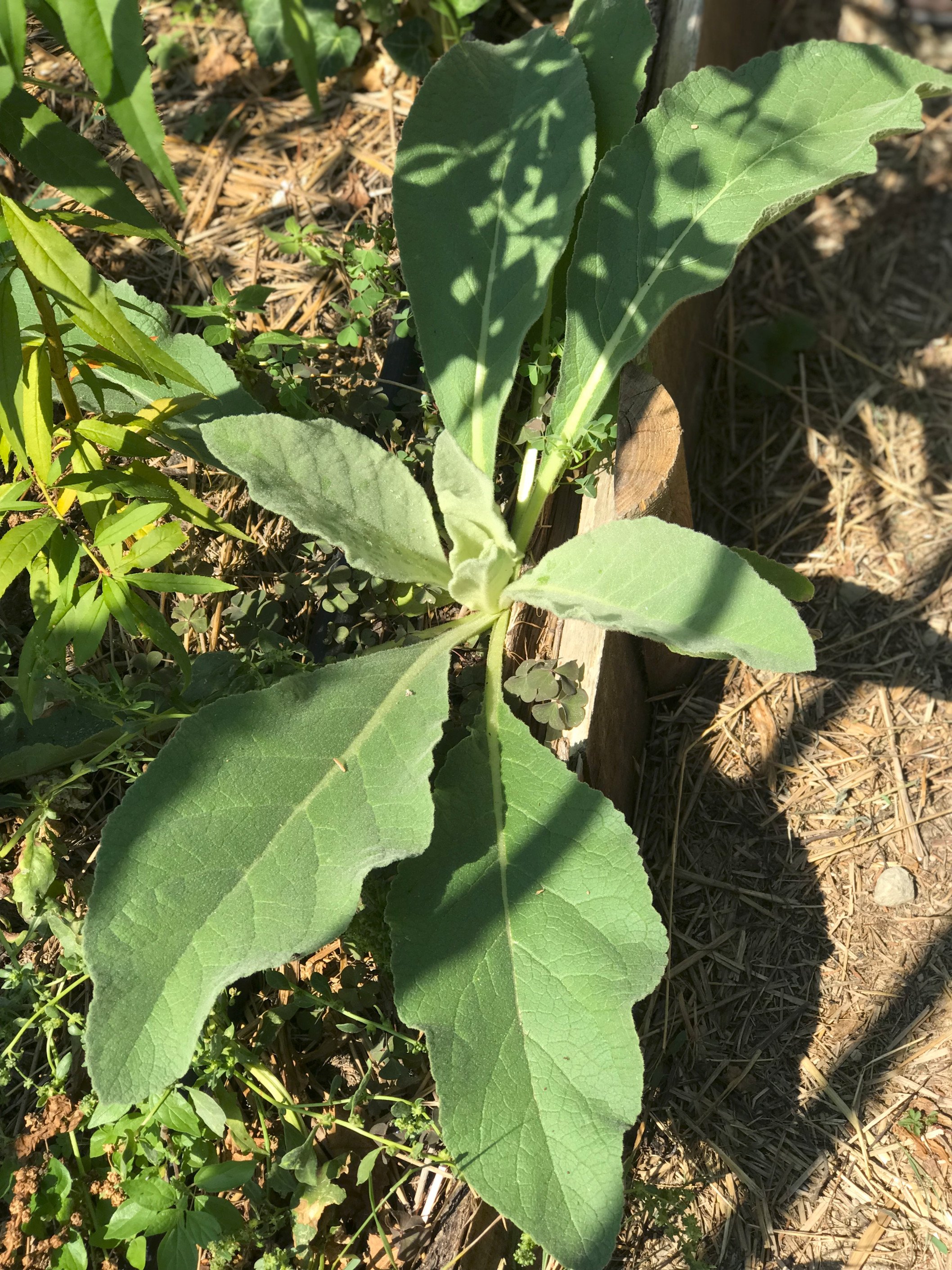
Here is the tasso barbasso plant or Great Mullein plant, which we spilled the beans on in our first article about foraging with Beatrice. It is used for many creative purposes, from toilet paper to helping improve a man’s virility,
We Forage For You
From natural wine to organic extra virgin olive oil, we seek out unique and unknown grape varieties, olive oil cultivars from farms tucked away in the corners of the earth to bring authentic, tasty wines and olive oils that are not only delicious but better for you.
Here is just a sampling of what we offer. If you work in the wine and food industry, contact us to find out more about the wild and scares wines and olive oils we offer.
And for the rest of you out there seeking a unique and natural wine and olive oil to enjoy yourself or gift, check out our online store as well as our wine club.
Organic EVOOs
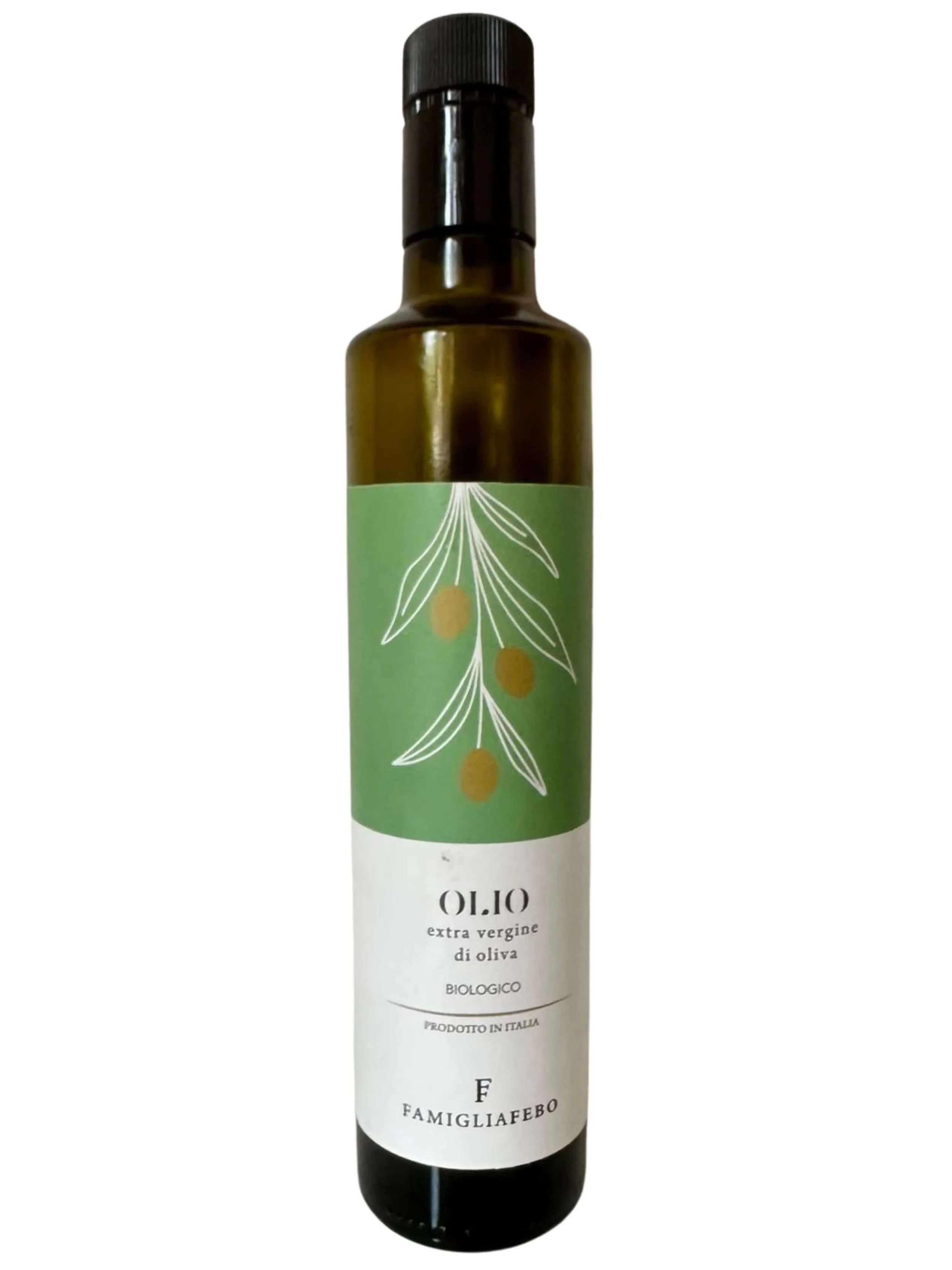
From the hills of Abruzzo near the Adriatic Coast of Italy, comes this Organic EVOO, or Extra Virgin Olive Oil, farmed and made by the Febo family. Farmed sustainably and organic, this natural extra virgin olive oil is also vegan and, like all evoos, a first run - cold press olive oil, the best kind of olive oil for you.
The 2024 harvest is still made from a blend of olives like leccino and 500 year old trees, but now it is mostly the dritta cultivar.
Farming & Winemaking Highlights: Regenerative Agriculture | Sustainable Farming | Biodynamic | Vegan | No additives | Unfiltered | Organic
Fun Facts: The dritta cultivar is a rare one being saved by Davide Febo who is trying to save and rehabilitate it.
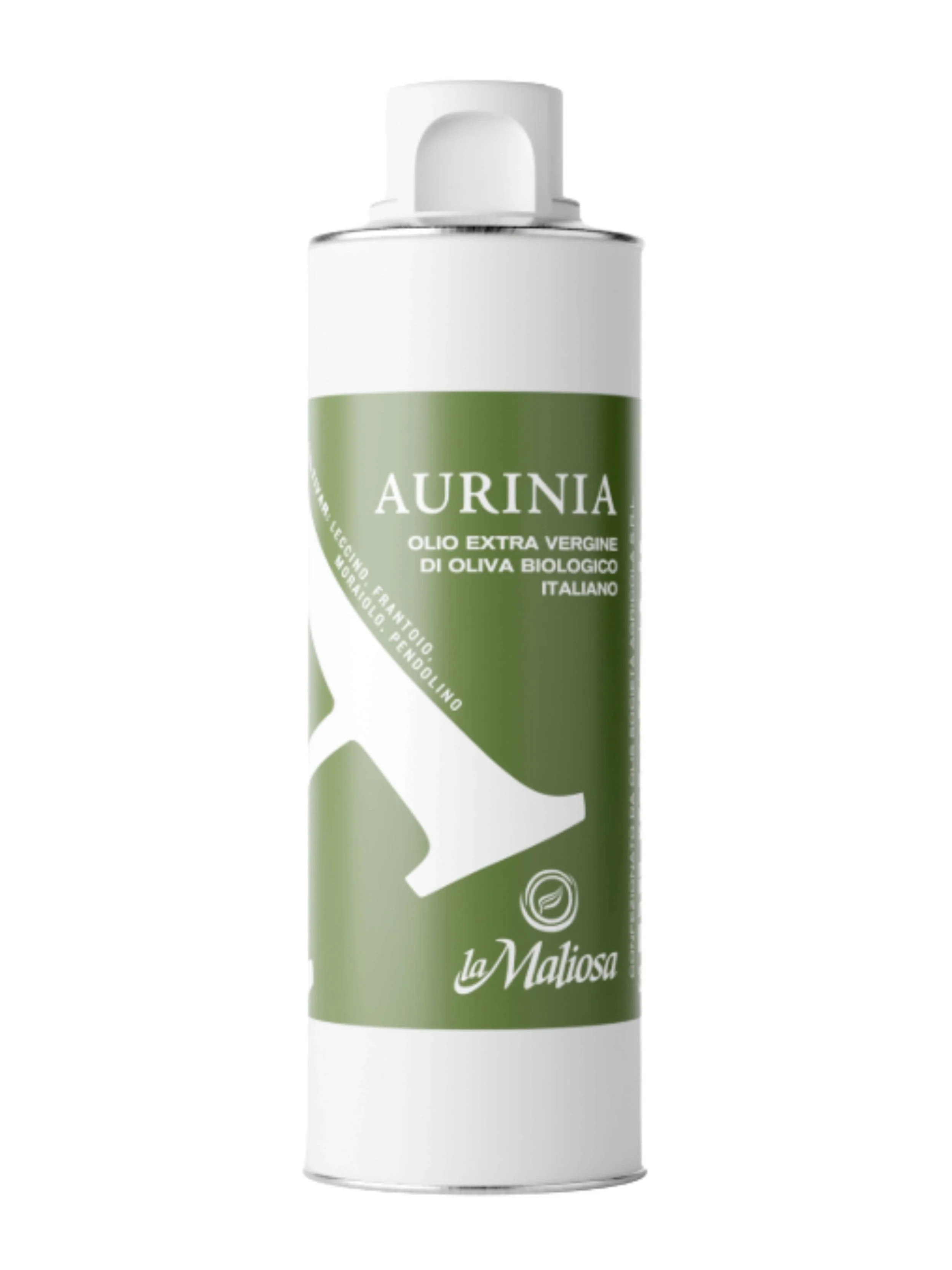
This is a woman made, limited production first cold press organic Extra Virgin Olive Oil from the Maremma hills of Tuscany made from a blend of four Tuscan cultivars. Buttery deliciousness with a bitter kick at the end, thanks to its polyphenols. It has won gold medals in a competition which judges the best extra virgin organic olive oils from around the world.
Farming & Winemaking Highlights: Regenerative Agriculture | Sustainable Farming | Biodynamic | Vegan | No additives | Unfiltered | Organic | Metodo Corino
Fun Facts: The natural farming method that produced this extra virgin olive oil, the metodo corino, is actually patented by La Maliosa woman winemaker Antonella Manuli after she helped to develop it with natural wine legend Lorenzo Corino of Case Corini.
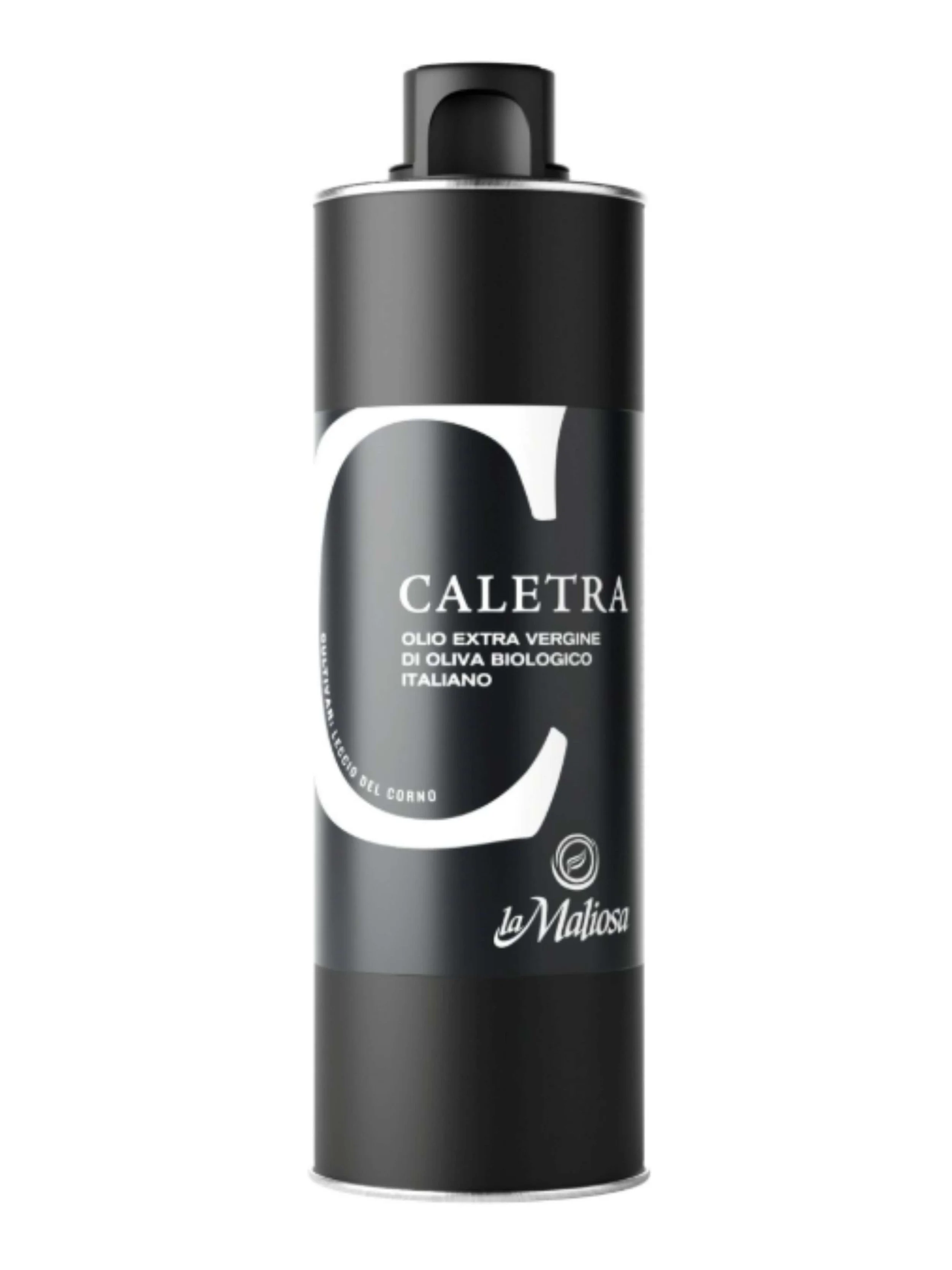
A prestigious first cold press monocultivar organic extra virgin olive oil from the Maremma hils of Tuscany which has won best organic extra virgin olive oil from Tuscany! Its polyphenols which are used to determine how good an olive oil is, are exceptionally high!
Top awards include extra gold, as best Tuscan organic EVOO by Biol Novello which evaluates the best olive oils in the world. In the past this olive oil has also won Best in Italy, as well as Gambero Rosso 3 leaves (their highest rating).
Its aromas of grass, green pepper and mint lead to an intense hot pepper taste and a long finish with black pepper lingering in your mouth. Even just a little drizzled over a simple lettuce salad will bring it to life with flavor.
Farming & Winemaking Highlights: Regenerative Agriculture | Sustainable Farming | Biodynamic | Vegan | No additives | Unfiltered | Organic | Metodo Corino
Fun Facts: The natural farming method that produced this extra virgin olive oil, the metodo corino, is actually patented by La Maliosa woman winemaker Antonella Manuli after she helped to develop it with natural wine legend Lorenzo Corino of Case Corini.
A Sampling of Our Natural Wine Selection

An organic & vegan natural wine made from 100% trebbiano abruzzese, a white wine grape which the New York Times cites a grape “worth knowing better”. It has an inviting straw yellow color and an exotic nose (look for the saffron!) and an intriguing fruity and herbal taste.
This white wine is age-worthy too! Fermented and refined in grandfather Febo’s concrete vessels.
Region: Italy > Abruzzo > Chieti
Tastes Like: Peaches and Saffron
Farming & Winemaking Highlights: Regenerative Agriculture | Sustainable Winery | Biodynamic | Native Yeast Fermentation | Vegan | Single vineyard | Old Vine | Organic | Natural Wine
Fun Facts: This wine is named from the single vineyard from which it comes, Parella in Chieti.
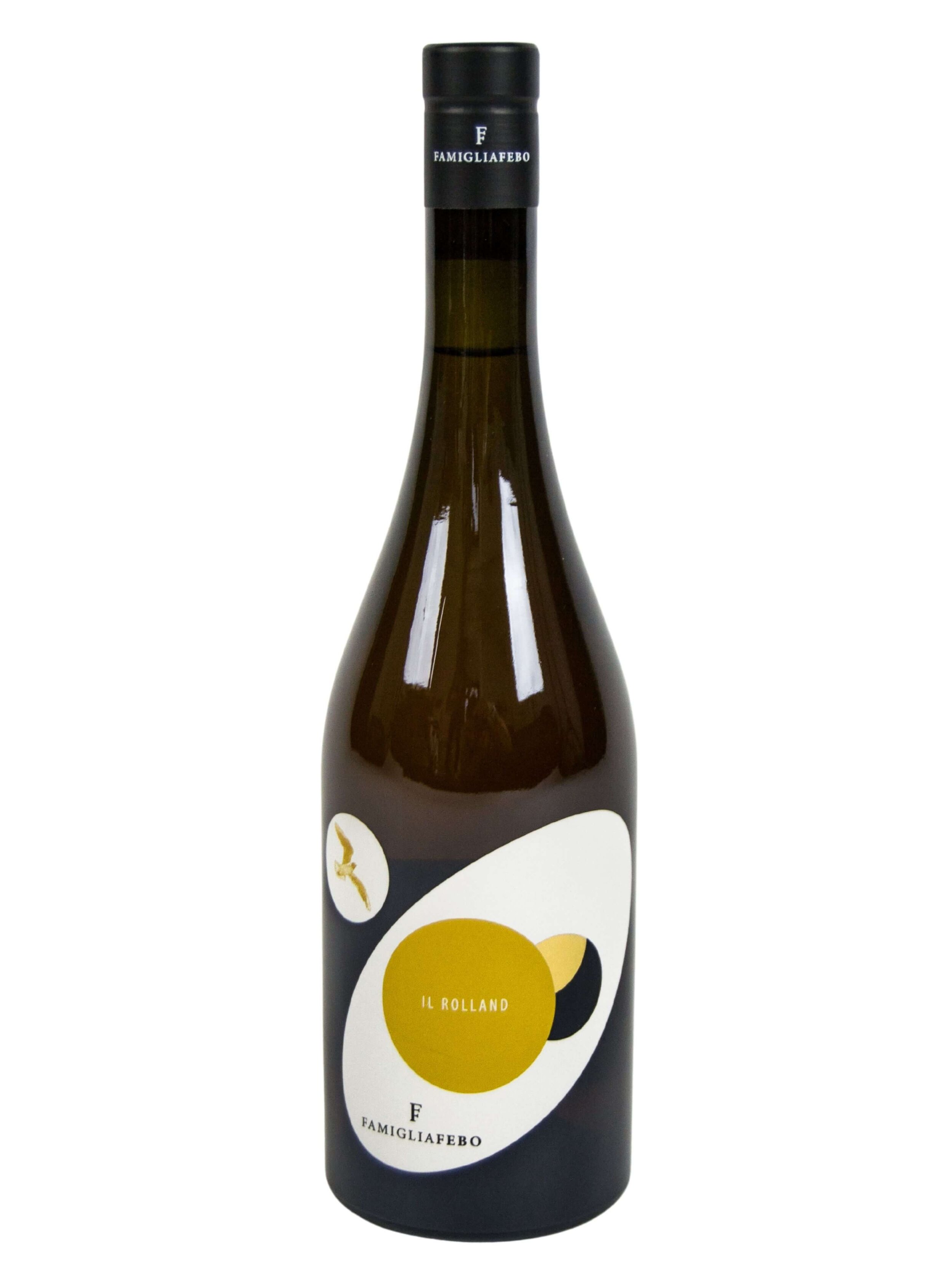
Rolland’s deep straw yellow or rusty color likens it to an orange wine, but this color comes from the vineyard, sun, and weather. A fresh and textured mouthfeel leaves you pondering and wanting to have another sip. We recommend to let it breathe before enjoying to the fullest.
The 2023 vintage offers a drier, more savory, and complex profile. With golden raisin and saffron flavors, it evolves into deeper sensations of caramel, sage, and a pronounced orange rind on the finish. It wraps up with a long, distinctive mineral finish. The 2023 really summarizes well the age-worthiness of this wine.
Region: Italy > Abruzzo > Spoltore & Chieti
Tastes Like: Golden Raisins & Saffron
Farming & Winemaking Highlights: Regenerative Agriculture | Sustainable Winery | Biodynamic | Native Yeast Fermentation | Vegan | Single vineyard | Organic | Natural Wine
Fun Facts: This wine is named for Grandfather Febo, Rolando, who bought the concrete vessels the family ages their wines in.
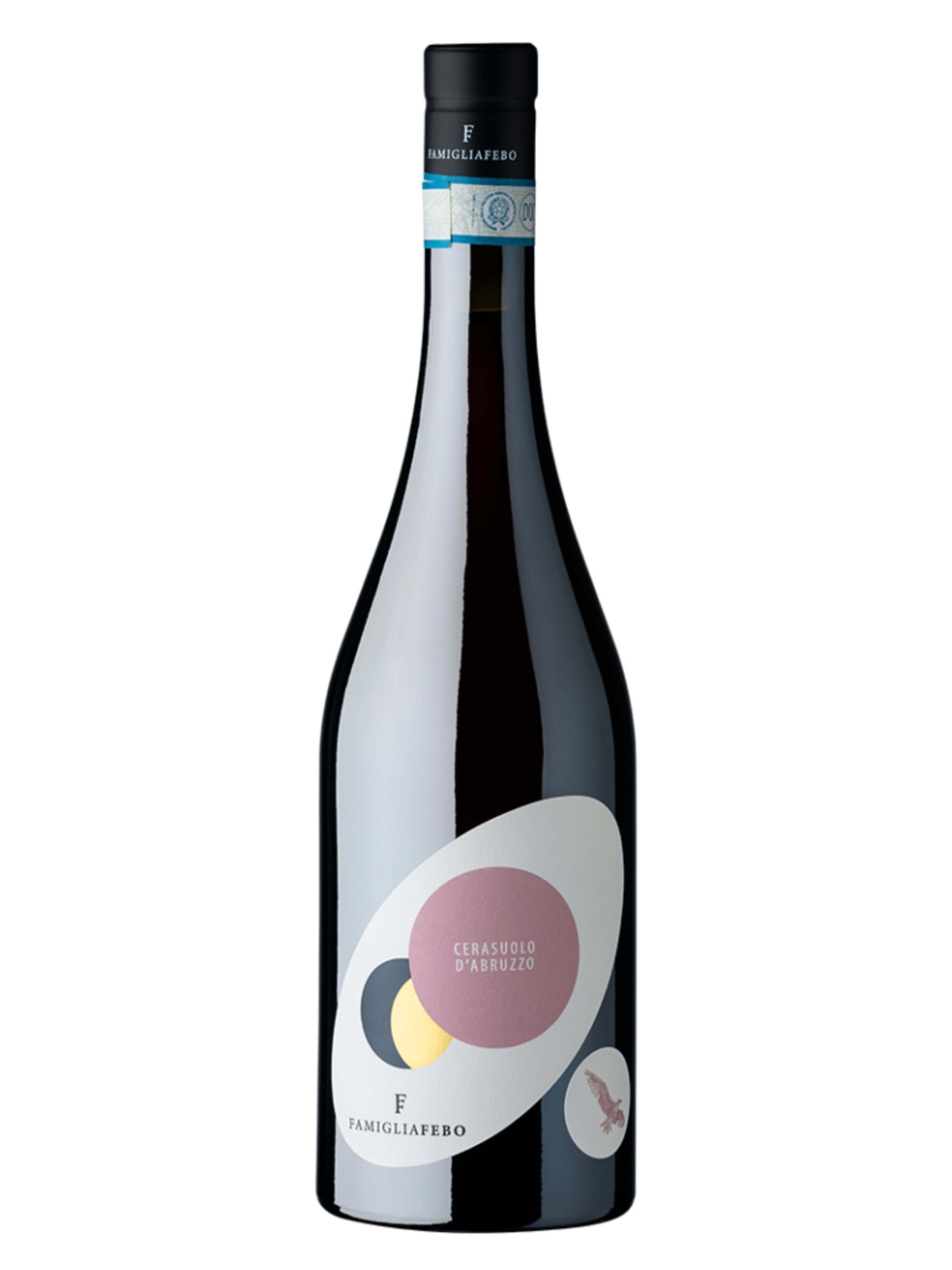
While made as a rosé wine, this Cerasuolo d’Abruzzo is actually more like a light red wine thanks to the dark pigments of the Montepulciano grapes used, farmed on Febo family’s estate vineyards in Abruzzo.
The minimal intervention approach of this natural wine producer results in a lot of vintage variation year after year. For example, the 2021 Cerasuolo d’Abruzzo has a cherry taste with a salty finish, and is considered a “serious” rosé wine while the 2024 is a Rosorange color that bursts with blood orange flavors mixed with cherry.
Region: Italy > Abruzzo > Spoltore & Chieti
Tastes Like: 2021 - Cherries | 2024 - Tart cherries and blood orange
Farming & Winemaking Highlights: Regenerative Agriculture | Sustainable Winery | Biodynamic | Native Yeast Fermentation | Vegan | Organic | Natural Wine
Fun Facts: Both vintages are fermented with native yeast and refined in the winegrower's grandparents' concrete vessels. Great chilled and a good pairing is eggplant parmesan.

Woman made Saturnalia Bianco, on VinePair’s list of Top 15 Best Orange Wines, is an award winning, unfiltered and delicious skin contact orange wine made from old vine procanico & trebbiano grapes cultivated in volcanic soil.
This natural wine is made from the patented Metodo Corino, based on regenerative farming principles. Nothing is added but grapes! Made with unpressed, free run juice with native yeast fermentation. A two week maceration imparts a dark amber color. Aged only in stainless steel tanks, it has aromas of candied fruit, dried apricot and ginger.
It has pleasant acidity and tannins, and is balanced with a long finish. A pretty deep orange color, it is a great wine for difficult food pairings, it pairs with almost any dish.
Tastes Like: Apricot nectar and chamomile
Farming & Winemaking Highlights: Regenerative Agriculture | Sustainable Winery | Biodynamic | Native Yeast Fermentation | Vegan | No additives (ie non sulphites added) | Unfiltered | Organic | Metodo Corino | Natural Wine
Fun Facts: - The natural farming method that produced this wine, the metodo corino, is actually patented by La Maliosa woman winemaker Antonella Manuli after she helped to develop it with natural wine legend Lorenzo Corino of Case Corini.
- Named in honor of the Roman festival in December which took place near the winery, La Maliosa, this wine was once called Saturnia Bianco.
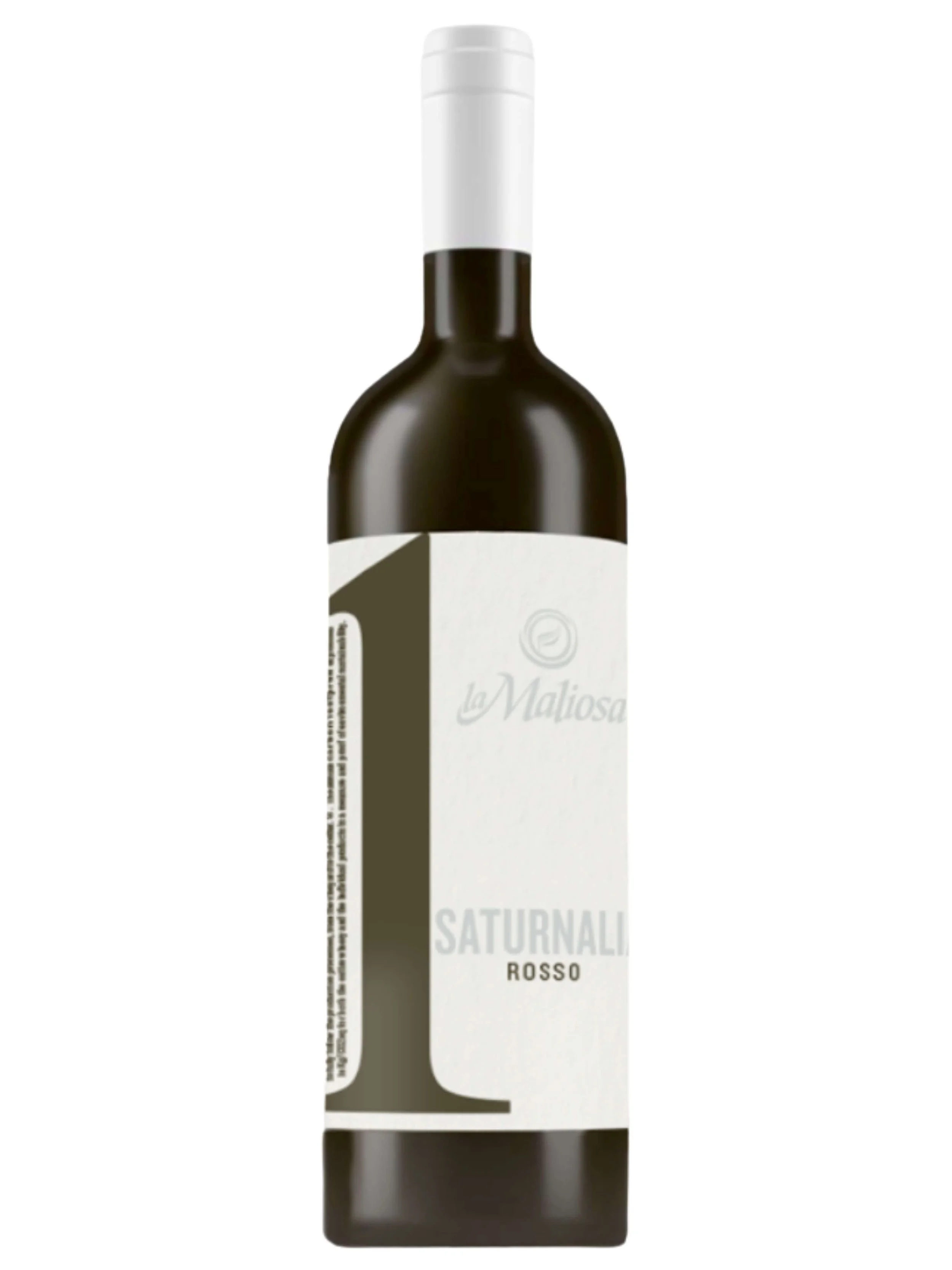
Saturnalia Rosso, once called Saturnia Rosso, is an approachable, balanced red wine with great texture and expressive finish made from a blend of native varieties from central Italy. A four week maceration on the skins is followed by aging in large wooden casks for 20 months. A pretty ruby color is accompanied by cherry and vanilla spice aromas. Pairs great with pork kebabs and cheese burgers. A woman-made organic, biodynamic and vegan natural wine using the patented Metodo Corino which is based on regenerative agriculture farming methods.
Tastes Like: Cherry and Strawberry Fruit Leathers
Farming & Winemaking Highlights: Regenerative Agriculture | Sustainable Winery | Biodynamic | Native Yeast Fermentation | Vegan | No additives (ie non sulphites added) | Unfiltered | Organic | Metodo Corino | Natural Wine
Fun Facts: The natural farming method that produced this wine, the metodo corino, is actually patented by La Maliosa woman winemaker Antonella Manuli after she helped to develop it with natural wine legend Lorenzo Corino of Case Corini.

An award winner in the Millennial Wine Competition, this all natural, fresh and earthy red is made from hard-to-find Tuscan varietal Ciliegiolo whose name derives from cherry - so guess what it tastes like! An organic, biodynamic and natural wine made from the patented Metodo Corino with nothing added but grapes. Made with free run juice, maceration continues for four weeks and then aged in neutral wooden barrels for a short period of time. A natural wine, no sulfites are added during the winemaking process. Cherry and spice aromas and taste with notable tannins and mouth feel contributing to its great structure and long finish.
Tastes Like: Cherry Jam
Farming & Winemaking Highlights: Regenerative Agriculture | Sustainable Winery | Biodynamic | Native Yeast Fermentation | Vegan | No additives (ie non sulphites added) | Unfiltered | Organic | Metodo Corino | Natural Wine
Fun Facts: The natural farming method that produced this wine, the metodo corino, is actually patented by La Maliosa woman winemaker Antonella Manuli after she helped to develop it with natural wine legend Lorenzo Corino of Case Corini.
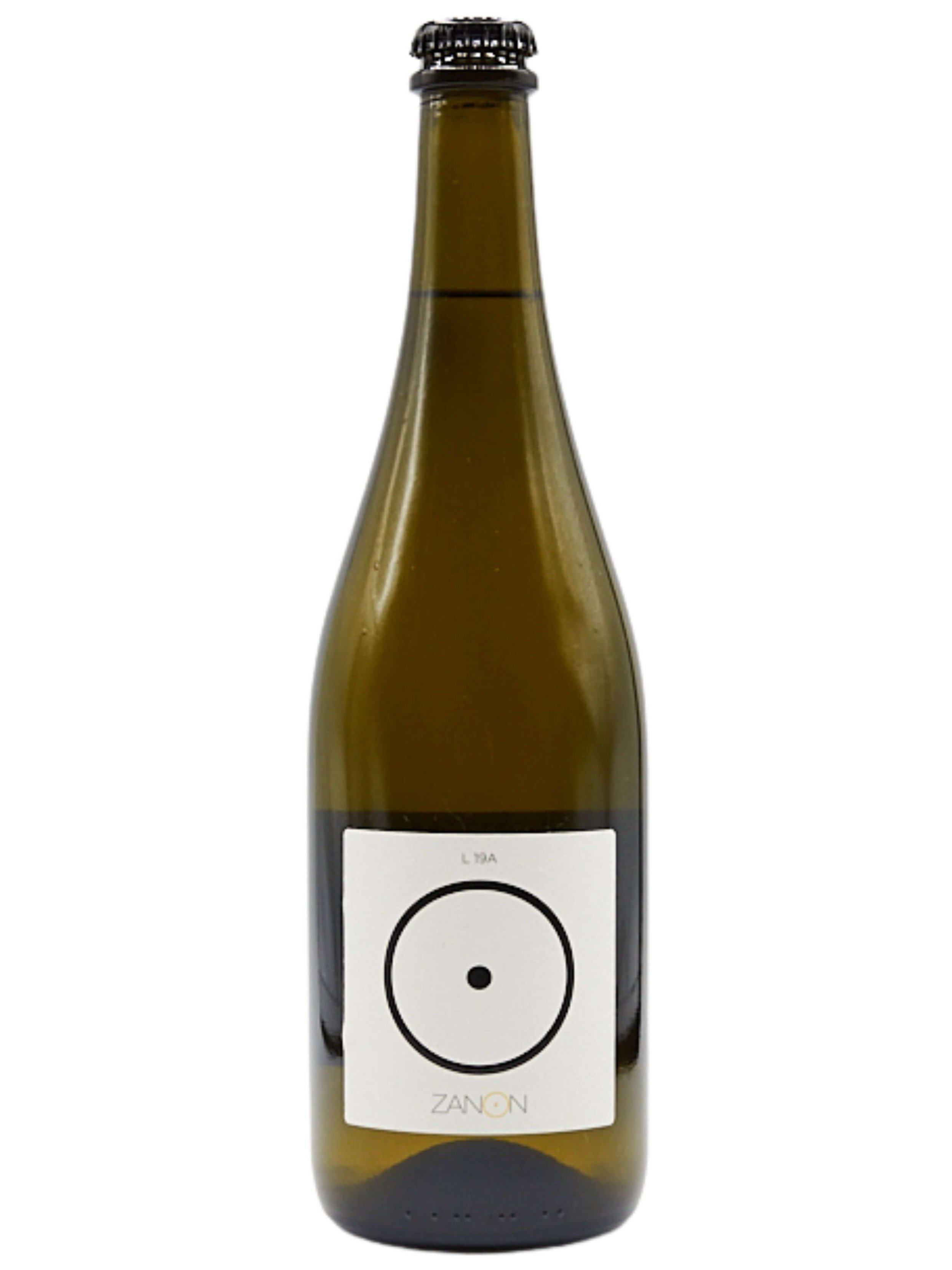
A 100% glera grape white sparkling wine made with native yeast fermentation, this natural wine vintage “prosecco” is from vineyards in the old part of Valdobbiadene, made also in the historic tradition of the ancestral style, or Pet Nat, as it is bottle fermented on the lees. A light color, giving an early hint to its bright acidity, the bouquet of citrus and lemon flowers bursts forth in the glass once it opens. When tasting this ancestral method natural wine, apricots and persistent bubbles create a sparkling wine that is enjoyable with brunch, aperitivos , get-togethers, you name it.
The circle and dot logo represents both the human existence and evolution, as well as winemaker Eros Zanon’s personal view of his vineyards, a dot of small-production boutique quality in the larger circle of large-production Proseccos.
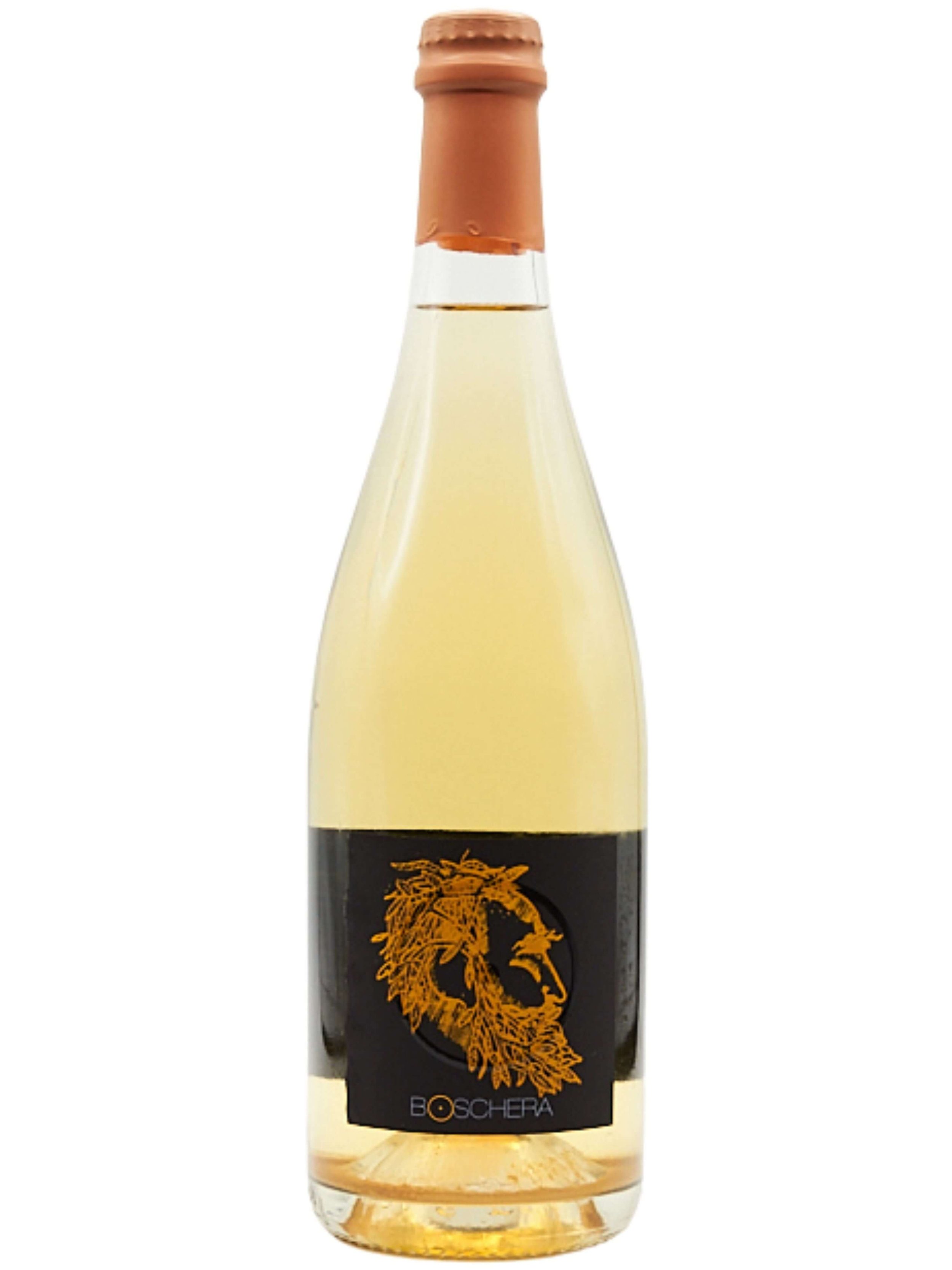
This is an unfiltered sparkling wine made similar to the champagne style from a rare grape called Boschera, native to Veneto, Italy where there is less than 20 acres in the world! We were the first to import this grape into the US!
Compared to the Prosecco grape (Glera), Boschera is more complex, and in fact this wine has been aged for over 3 years in the bottle on the lees.
With 2 days of skin contact giving it a deep yellow color, this native yeast fermented natural wine is then refermented with its native lees and then undisgorged, so it is unfiltered and continues to age on the lees too, allowing it to become more complex over time.
You can say it is a vintage & aged ancestral method, or Pet Nat style, also called Col Fondo in Italian since it is on its lees. It has herbal, nutty and yeasty aromas and savory taste with a long saline finish. Pairs with many foods & throughout the meal, from appetizers to main course.
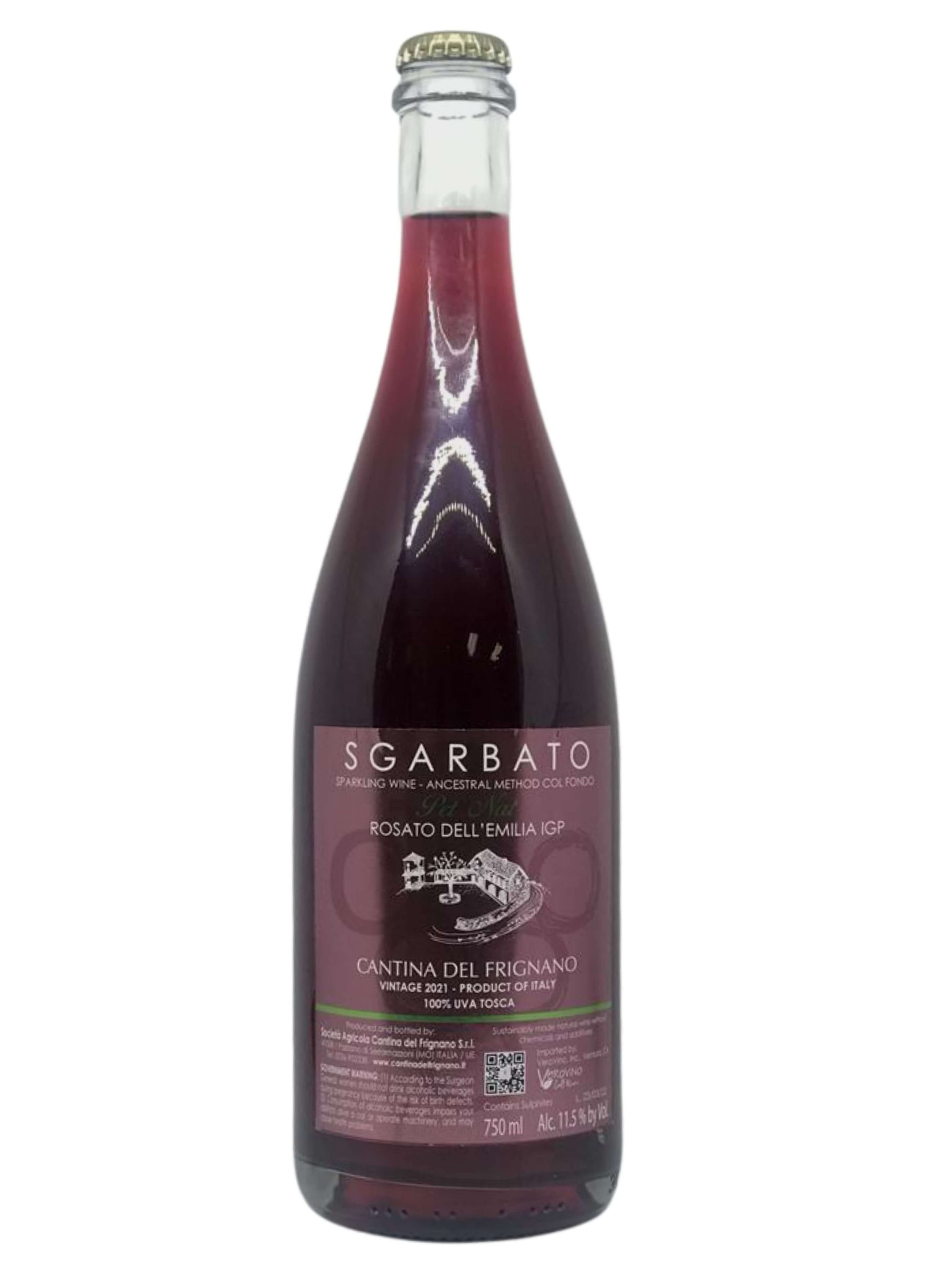
Made from the rare Uva Tosca grape, this dry Pet Nat tastes like drinking cranberry juice as a sparkling wine.
This producer, Frignano, is credited for reviving this forgotten grape which grows in higher altitudes in Emilia area of Northern Italy, and is believed to be a descendant of Schiava Grossa, the Alto Adige red grape.
Refreshing and quaffable, with strawberries on the nose and a saline finish, it is great on its own or with light fare. It is an unfiltered, bottle fermented 'col fondo' sparkling wine also known as ancestral method or Pet Nat style, and made with spontaneous fermentation like a natural wine.

Coming from an area known for some of the best Sauvignon Blancs in the world, in the Südsteiermark subzone of in the South Styria of Austria, at 400m altitude with hand picked harvesting, this lemon yellow color sauvignon blanc has an intense bouquet of lemon, lemongrass and flint. It has citrus and apple flavors with a hint of lemongrass. It has great acidity and a long, sapid finish. Soils are red schist and loam. After 24 hours of skin maceration, the fruit was fermented with native yeast and aged in stainless steel. Minimal sulfur additions.

This unfiltered sauvignon blanc natural wine is playfully named after the limestone, mineral-rich soil where it was cultivated. It’s from the Sudsteiermark, or South Styria, Austria, known for some of the best sauvignon blanc in the world. It has a bright lemon yellow color with an intense reductive nose that has curious complex aromas that develop more once it breaths, such as tropical fruit aromas. The taste has a 'wow' factor with racy, prickly acidity, really nice texture a VERY long mineral finish. Think of what it’s like to lick a rock - this is it! This is your ‘atypical’ Sauvignon blanc, made from a mix of 9 different Michi Lorenz’s estate vineyards, some early, mid and late harvests, and across 4 different vintages using the complex solera method. A real one-of-a-kind sauvignon blanc.
A natural, and certified organic and biodynamic wine made with native yeast fermentation.

Cloudy mandarin orange color late harvest Sauvignon Blanc natural wine from one the best places in the world for Sauvignon Blanc leads to a saline and yeasty nose with a bit of lemongrass notes. It has laser-like, linear acidity and is super tasty, with great fruit and salinity. It is a 'meaty' orange wine with nice mouthfeel and slight tannins. This Sauvignon Blanc is from the Sudsteiermark region of Austria in South Styria.
This skin-contact orange wine is crafted with native yeast fermentation by certified organic and biodynamic Austrian winery Michi Lorenz.
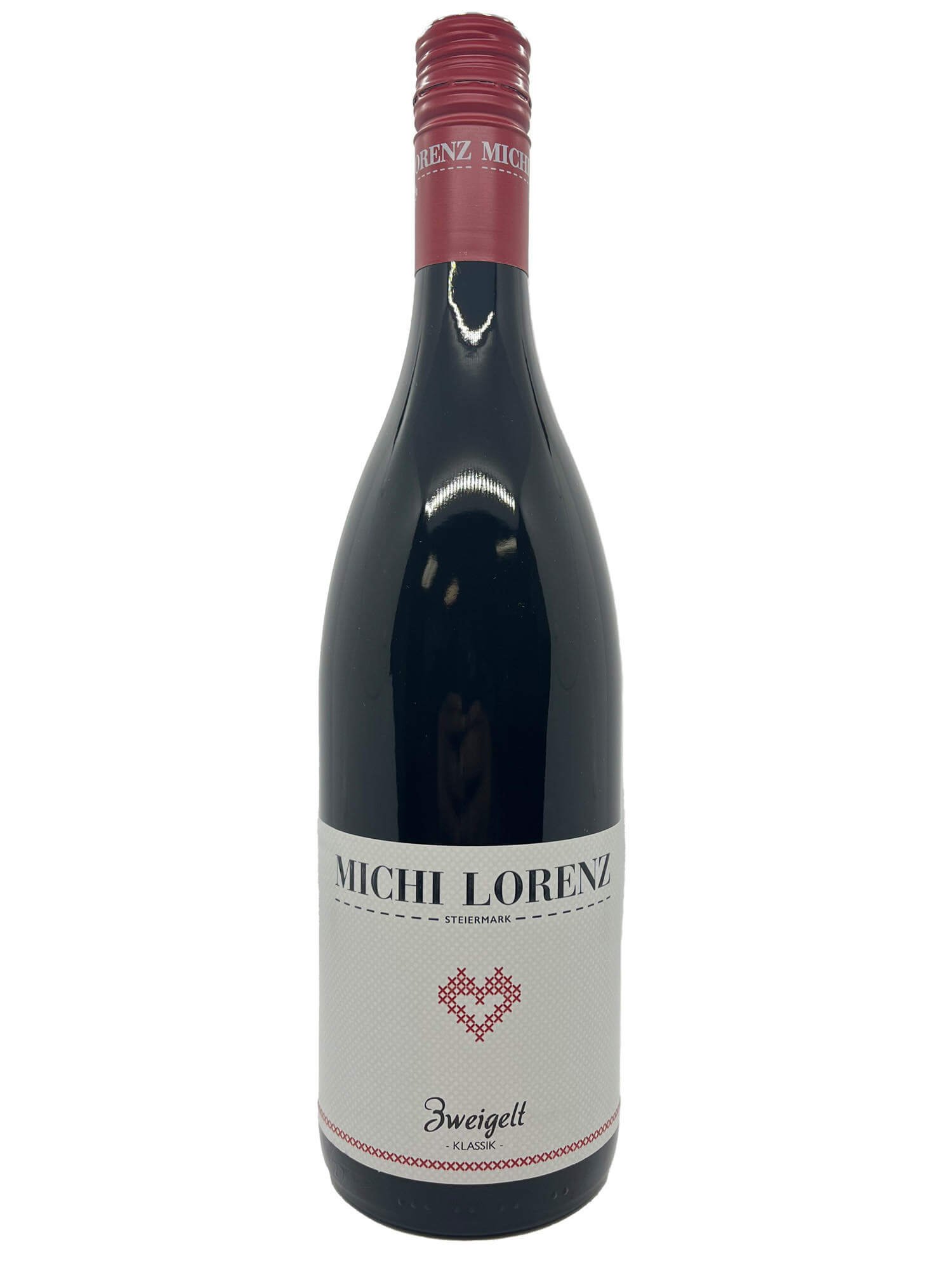
The organic and biodynamically farmed fruit was handpicked from estate hillside vineyards 400 meters above sea level in Sausal. Soils are red schist and loam. The wine underwent native yeast fermentation. After 25 days of maceration on the skins, the wine aged in a combination of stainless-steel tanks and oak barrels with very minimal sulfites added.
The first sniff of this quaffable Zweigelt natural wine is amarena cherries which then leads to vanilla and spice. In the mouth it is fresh with fruit that hides behind the structure and chalky tannins. It has nice texture and a medium slightly bitter finish. It is easy drinking and pairs great with hamburgers.