
For the Love of Pizza

Focaccia is considered the forerunner to pizza as we know it today.
National Pizza Day is coming up, on February 9th. We don’t go too crazy about these sort of fictious observances, as many are clearly clever marketing tricks without much substance behind them. In fact, some are quite absurd like National Dance Like a Chicken Day, Answer Your Cat's Questions Day, you name it! Yet, pizza, certainly deserves a spot in the limelight once a year, don’t you think?
Pizza holds a special place for most of us, whether it’s the taste, the memories surrounding pizza time, or, let’s say, a food vice that won’t leave us, often presenting itself as a craving.
In fact, in a recent poll of America’s favorite foods published last month by Reader’s Digest, pizza is listed twice in the top 50 list of most popular foods in America, with cheese pizza in the 4th spot and pizza margherita in the 46th spot. In another poll, when Americans were asked if they would be willing to face their biggest fear in exchange for a lifetime free supply of a certain type of food, 54% said “I’d do anything to enjoy my favorite foods,” with pizza being the most favorite food that they would “do anything” for. And when school kids were asked to rank their favorite school lunches, guess which food got the top spot: pizza, of course.
Also in Italy pizza is big. Going out for pizza together is unanimously everyone’s happy place.
Want to learn more about what is likely one of your favorite foods? Get a slice of your favorite while you read on…

The History of Pizza
When one guesses where pizza originated, they think Italy. When if you ask an Italian, they would say it started in Naples. Let’s see what the “internet” says…
Naturally, our first go-to source is Wikipedia, which, by the way, is not always correct, as we found out recently while researching Sangiovese (learn more here.) But, lo and behold, bingo, Wikipedia immediately pops up while googling.
It turns out, Naples is the origin of the “modern pizza” as we know it today, and the original pizza is actually focaccia, a flatbread which goes back to the Roman times. Today, you can find focaccia all around Italy, although Genova (or Genoa, the English name of the city), and in the surrounding cities in its region, Liguria, is where the tradition of focaccia is most entrenched. The Genovese eat focaccia all day, starting with breakfast. Their favorite style is plain, made with nothing but flour, water, salt and olive oil, ideally with a natural yeast fermentation. Sometimes focaccia has added sugar, usually sprinkled on top to give it a sweet and salty taste. Of course, the secret to good focaccia is really good olive oil and needing to be super fresh, just baked. Although, just like pizza, various condiments are often placed on top of the focaccia, usually while it is still baking, with vegetables being the primary topping, like onions, tomatoes, eggplant, peppers, olives, etc. More rich focaccia will have cheese, tomato sauce, and also cured meats, like prosciutto, added as topping. Hey, focaccia is beginning to sound a lot like pizza, no?… It is sorta like what we call Sicilian pizza, with much more leavening, more like a bread with toppings, rather than a flat crust pizza that we are more used to.
Then somewhere around the 1800’s Naples started making pizza with a thinner crust. And then in the 40’s, along came the American soldiers towards the end of World War II; the American invasion started in Southern Italy, and soon American soldiers got hooked on “pizza napolitana,” bringing home their pizza mania, and the rest is history.
Basics of Making a Pizza
Pizzerias are so commonplace that we often don’t think about making our own at home. But, actually, it’s pretty easy to do, if you put a little bit of effort in, and it is fun, convenient and satisfying, not having to coordinate a delivery or make an errand to pick it up, when it also can get cold in the meantime. As you could imagine, making pizza in Italy is an art: leave it to the Italians to have a word for someone who is an expert at making pizza, which is pizzaiolo, pronounced “pizz-eye-olo”, or pizza man as we often say. Curious to make a pizza on your own? Here are the basics:
Pizza Dough
Given the base being dough, you have the option to buy ready made dough or make your own from starter yeast. If you are adventurous, and want to make your own pizza dough recipe, you need a starter yeast. You have the option to make your own mother dough yeast using a natural fermentation process. This allows for a more flavorful and nutritious pizza dough, which, by the way, could be used to make other types of breads too. This is actually just like a sourdough starter recipe!

Extra virgin olive oil is a key ingredient in pizza dough recipe, while making the pizza, as well as drizzling on top of pizza right before you eat it.
After you have the starter yeast, you can follow a pizza dough recipe that will ask for flour, water, extra virgin olive, salt and sugar, in addition to the starter yeast, of course. Once you mix the ingredients together, knead it for 5-10 minutes, and then let it sit for 2 hours in a warm place covered with a damp cloth. After which, you can have fun working with the dough and creating a shape that you’d like, like a real pizzaiolo.
Creating the Pizza Pie
So you got your dough (make sure it is room temperature, by the way!) Spread it out on a pan, rectangular or circular, as you prefer. Then, assuming you want a tomato and cheese pizza, take plain tomato sauce, add crushed garlic, a pinch of salt, a drizzle of EVOO and some of your favorite herbs (like basil, oregano) and perhaps some chili powder. Mix it up, make sure you taste it to see if the seasonings are “just right”. Then with a spoon or ladle, spread it over the pizza dough laid out.
Then comes the fun part: to innovate and create your own pizza creation. This is also handy to use up fresh ingredients that you have in your fridge. Of course, a classic choice is to start with mozzarella cheese, preferably a fresh ball of it that you crumble into pieces over the tomato sauce. Then add whatever inspires you, like fresh chopped onions, sliced olives, perhaps some grilled eggplant. Before popping it into the oven, which, by the way, needs to be super hot, like 500 degrees F, drizzle some more extra virgin olive oil on top for a pizza bella.
Once it’s in the oven check after 10 minutes to see if it is done. Keep baking depending on how well done you like your pizza.
Make sure it is served piping hot, and drizzle some more EVOO on top for a bit more taste and texture.
Secrets from a Real Italian Pizzaiolo

The trick to kneading dough is to use your fingertips, not your whole hands, as Federico Tubertini demonstrates here.
We have an “in” with our founder’s husband, Federico Tubertini, who ran his family’s 3 generation bakery in Bologna Italy. Sure, Bologna is not known for pizza nor focaccia, but that does not mean that it’s not a popular food there. The Bolognesi would go out of their way to get his freshly made pizza from scratch, so you could call him a pizza chef of sorts.
We ran by him the steps we outlined above to see if there is some trick that we left out to make a really good pizza. Here is what we learned:
Recipes Vary By What Type of Pizza You Want
The first question out of his mouth when we asked him about making pizza, was what kind of pizza are we referring to.
Not surprisingly, with the diversity of subcultures across Italy, almost every city has its own traditional way of making a pizza. The main differentiator between pizzas as you travel across Italy is the way the dough is made. In Bologna, for example, the pizza dough is denser and more crunchy, more similar to a focaccia, and is also made in rectangular forms and cut into squares, pizza al taglio, or sliced pizza. While Naples style pizza, which, of course, is traditionally round shaped, uses a different recipe than Bolognese pizza dough, which requires less kneading but more time to leaven, up to 24 hours, resulting in a softer dough. When cooked, Napolitano pizza crust has small bubbles formed inside of it and is lighter pizza crust than Bolognese style pizza.
Tips for When Kneading Dough
When needing pizza dough, or any bread dough for that matter, you want to knead with your fingertips as much as possible. The less you touch the dough with your entire hands, the better. Also, be careful of using too much flour. You want to use just enough flour to prevent the dough from sticking to your hands.
Can You Make Your Own Mother Yeast?
Yes, although it is an involved process, requiring very careful calculations of portions of ingredients. Then once it is made you need to cook with it right away, or put in the freezer, otherwise you could wind up throwing out a lot of your natural yeast starter for making pizza dough / bread.
Just like when you create a sourdough starter, the basic ingredients are water and flour, and then you need an ingredient to activate the fermentation, which could simply be a piece of ripe fruit. It will start to ferment, and you want to keep it covered, and after a day or two you add more water and flour, making sure that the proportions are correct. After it is made, you need to use it right away or else it goes to waste. This is way many people just buy pre-made bakers’ yeast. But if you want to give it a shot, we snagged the secret recipe for making a sourdough starter for pizza or mother yeast recipe from Panificio Tubertini, a 3 generation old Bolognese bakery . Check out the recipe below!
Pizza and Wine Pairing
For our dedicated blog followers, you must have at least some experience with wine and food pairing. After all, we’ve written six articles on the subject, like this one which gives you the nuts and bolts.

Pizza and Lambrusco is a great go-to pairing.
In general, you should choose a wine that has a bit of “everything,” some acidity, some fruit, some intensity. Think of the flavors in the pizza, considering also the toppings that it has. You want the “strongness” of the flavors and texture of the pizza to match best as possible the wine. The one characteristic of a wine that you should avoid when pairing with a pizza is tannins, so choose your reds wines to pair with carefully.
If it is a pizza margherita, a white wine is a good choice, however you’d want a white wine with more flavor intensity. A good pick is a Lugana White Wine or an unoaked Chardonnay.
If you have meat toppings on your pizza, like sausage or salami, a red wine would be a good pairing candidate. An unoaked Italian Dolcetto red wine is a good candidate, like this one by Aldo Clerico, made from the place, Dogliani in the Langhe, that is known for producing the best Dolcetto in the world. Or you can try this unoaked Schioppettino red wine from women owned winery Vigna Petrussa. Schioppettino is a red grape with higher acidity and lower tannins which would pair nicely with pizza. Another good meat pizza red wine pairing which is also made by a woman winemaker is La Maliosa’s Saturnia Rosso Tuscan red blend organic wine. Another option, that actually is not an Italian wine, is Zweigelt, like this natural wine made by biodynamic winery Michi Lorenz in South Styria Austria.
Then, independent of what toppings you have on your pizza, these wines are great go-tos for a pizza party since they pretty much pair with any pizza: a Lambrusco dry red sparkling wine, like this organic Pet Nat Lambrusco from Modena province made from Lambrusco Grasparossa and Malbo Gentile grapes. Last but not least, a must have for pizza pairing is a Cerasuolo d’Abruzzo, like this one from Febo making natural wines in Abruzzo. While technically it is a rose, the Montepulciano grape that it is made from is so full of color and structure that it is more like drinking a chillable red wine.
And don’t forget to have a really good organic EVOO on hand, like the Italian olive oil we import in from our small Italian winery producers.
We import and sell all of these delicious small production wines and olive oils. We sell them to businesses and consumers across the US. Whether you a distributor, wine store, restaurant or wine loving consumer, reach out to us to purchase or you can also purchase online here. We have an award winning wine club too that you should try!
If you have any questions about making a pizza, or foods pairings, pop your question into the chat below and we’ll get back to you.
Lievito Madre - Mother Yeast
Ingredients
2 kg All Purpose Flour (divided in 500g batches)
680-800 grams Water (in 170-200g batches)
1 spoon activator (Honey, Sugar, or piece of fruit)
Procedure
1. Mix 500 grams of flour, 170-200 grams water and the spoonful of activator together and leave covered in a warm dark place.
2. After 24 hours, add another 500 grams flour and 170-200 grams water and mix well. Repeat this a total of three times.
3. After 24 hours of your last addition, wait to see if it has grown in size since the last addition. If so, it is ready to be used. Use it in doughs replacing 2-7% of the total dough weight with the yeast, depending on desired flavor and rising power needed (i.e. if you are making 1kg of dough or batter, use 50 grams for 5%).
4. Storage: It can be frozen, or if left in the fridge it will need to be “refreshed” or “fed” every 24-48 hours by adding half of its weight in equal parts flour and water, mixing well and replacing in a well washed sealed jar. It can be used about 4-6 hours (or after doubling in size) after the feeding. (i.e. if you have 1 kg starter yeast, add 250 grams flour and 250 grams water).
Here are Some Pizza Pairing Wines
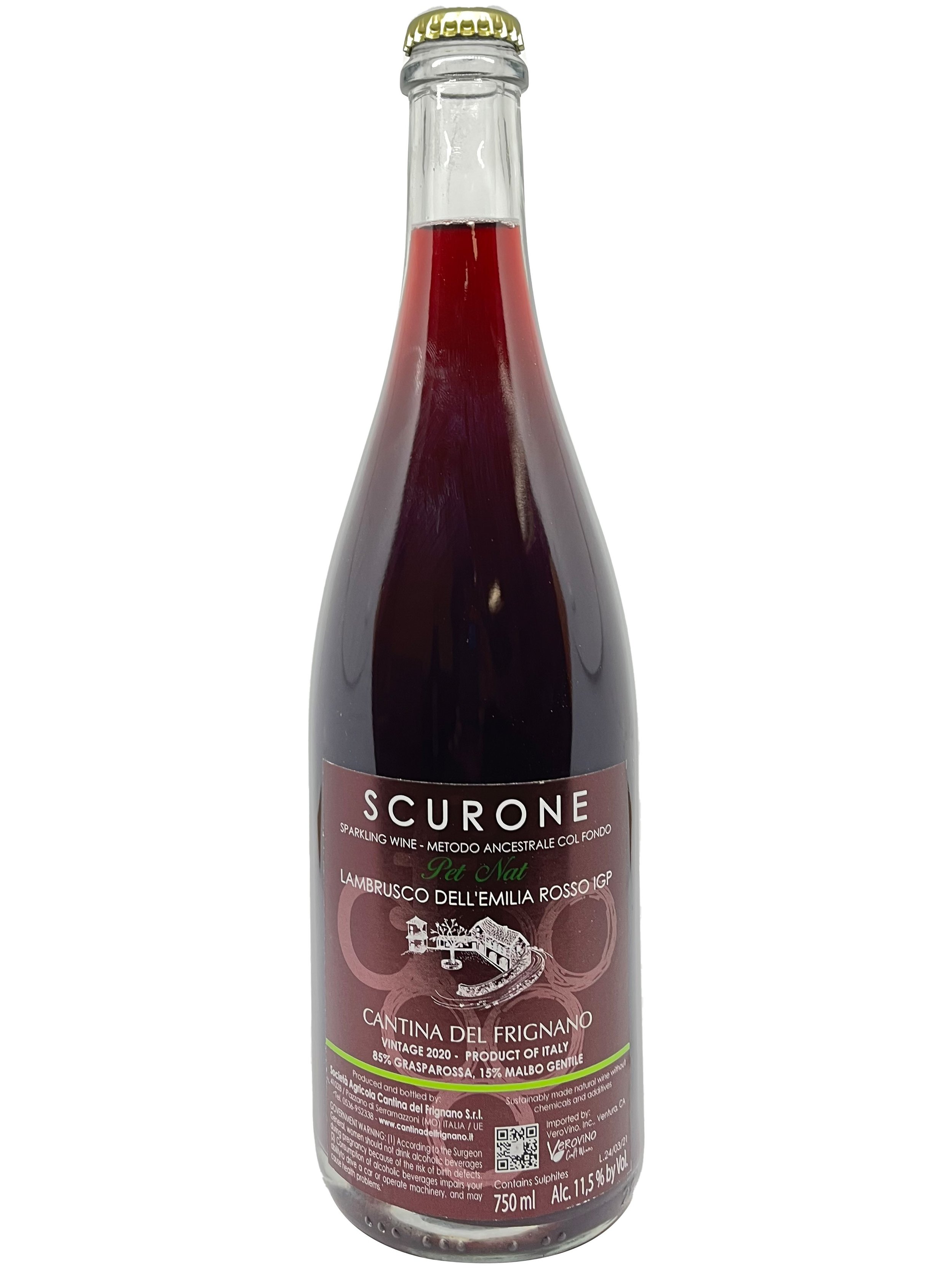
This is an ancestral method Lambrusco made primarily with the Lambrusco Grasparossa grape, and with some Malbo Gentile grape, which is local to the area of Frignano in Modena. It is a lighter red ruby color, light effervescence, a nose that has red fruit with hint of orange peel. It is fresh and fruity, with plum taste, and grippy tannins and noticeable texture.
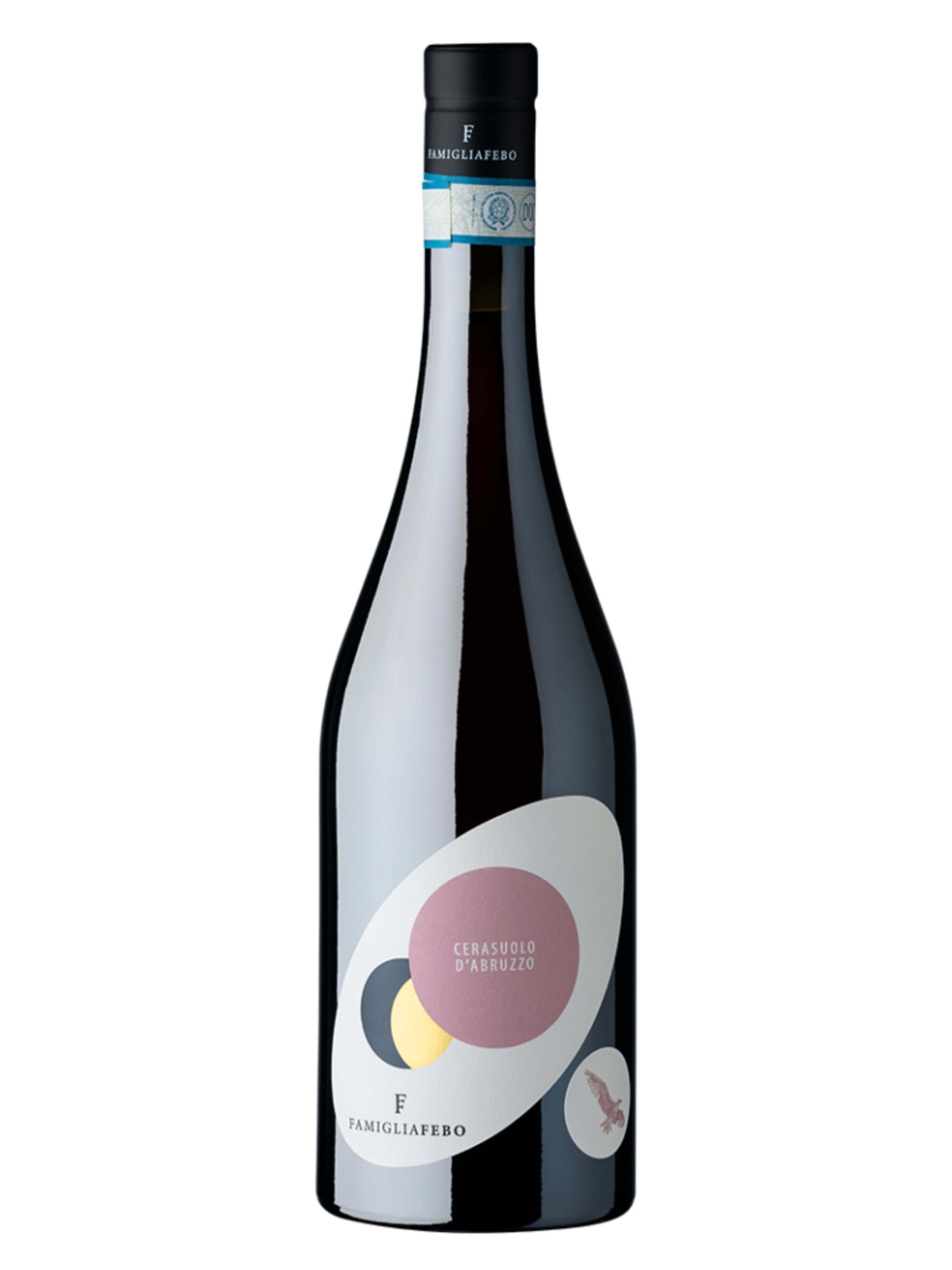
While made as a rosé wine, this Cerasuolo d’Abruzzo is actually more like a light red wine thanks to the dark pigments of the Montepulciano grapes used, farmed on Febo family’s estate vineyards in Abruzzo.
The minimal intervention approach of this natural wine producer results in a lot of vintage variation year after year. For example, the 2021 Cerasuolo d’Abruzzo has a cherry taste with a salty finish, and is considered a “serious” rosé wine while the 2024 is a Rosorange color that bursts with blood orange flavors mixed with cherry.
Region: Italy > Abruzzo > Spoltore & Chieti
Tastes Like: 2021 - Cherries | 2024 - Tart cherries and blood orange
Farming & Winemaking Highlights: Regenerative Agriculture | Sustainable Winery | Biodynamic | Native Yeast Fermentation | Vegan | Organic | Natural Wine
Fun Facts: Both vintages are fermented with native yeast and refined in the winegrower's grandparents' concrete vessels. Great chilled and a good pairing is eggplant parmesan.

Made from 100% Turbiana (considered similar to Verdicchio), this unoaked white wine from the sought after Lugana wine region has a bright yellow color, a natural balance of acidity and fruit with a textured mouthfeel and a long finish. It has inviting aromas of honeysuckle, tropical fruits, caramel and a hint of basil. Think of it as an alternative to an unoaked Chardonnay, since turbiana is also a noble white grape. Plus Zamichele’s terrroir with the influence from nearby Lake Garda and mineral rich glacial alluvial soil provides the conditions for creating a complex and balanced white wine.

From the Czech Republic, Thaya crafts organic wines in the area of South Moravia, near the Austrian border.
A bright lemon color with apple and carnation flower aromas, this chardonnay is round, fresh and fruity with a chalky texture and long finish, all-in-all, nicely balanced. Aged 6 months in stainless steel before bottling.
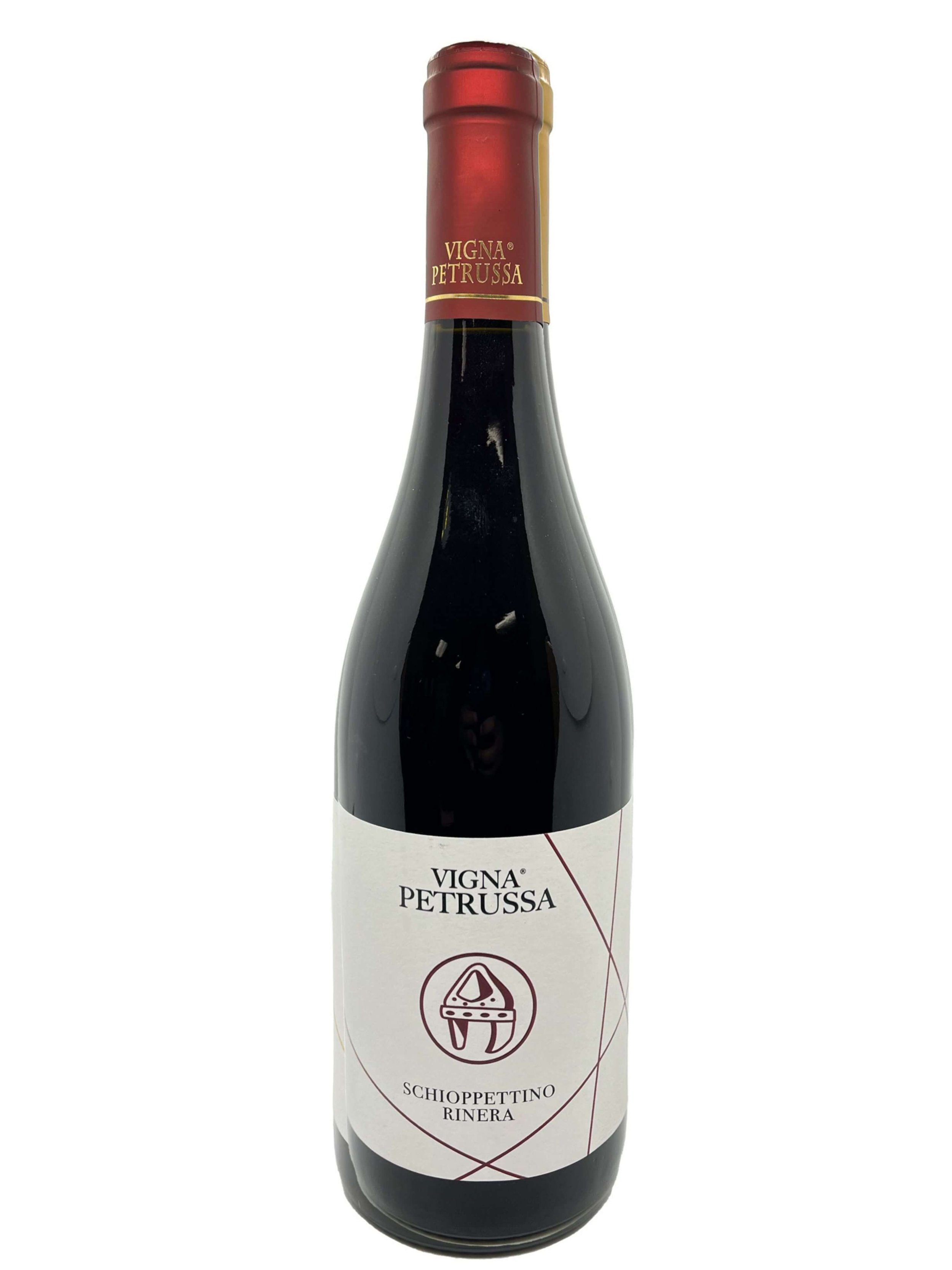
This is an unoaked Schioppettino from a women owned winery who spearheaded the rebirth of Schioppettino in the 'birthplace' of the grape which is Prepotto, Fruili. Having a deep purple-garnet color, it has notes of black pepper and dark fruit. Its taste is tangy, fresh and juicy with a long clean finish. Pairs with many dishes from hamburgers to roast pork. World renowned wine critic, Ian D’Agata calls this Schioppettino a ‘very pretty wine’ and named it a 'Best Buy Italian Wine'.
Some fun facts about this wine:
Vigna Petrussa also calls this wine ‘RiNera’, or a nickname for ‘Ribolla Nera’, local term given to the wine.
The grapes actually come from Prepotto but since it is not aged in oak the winery is not 'allowed' to put Prepotto on the label.
Vigna Petrussa is a certified sustainable and biodiverse women-owned winery.

Dogliani is known as the area which produces the best dolcettos in the world. This expressive structured yet easy-to-drink red wine has purple color, and floral bouquet with red plum notes. On the palate, this dolcetto opens pleasantly with notable tannins that are, however, not overpowering. It finishes with light almond notes. Coming from a single vineyard near Monchiero, this Dogliani is also make with native yeast fermentation.
It can be enjoyed just after bottling, yet it can better itself after a bit of aging in bottle.
Tastes Like: Juicy plump, plums
Farming & Winemaking Highlights: Biodynamic | Native Yeast Fermentation | Single Vineyard
Fun Facts: Originally called Dolcetto di Dogliani, local winemakers lobbied to change the denomination to simply ‘Dogliani’ to avoid the misconception that this wine was ‘little sweet’, as suggested by the translation of ‘dolcetto’ in Italian. They wanted this special dry red wine to be able to make its own name, and let its importance stand for itself.
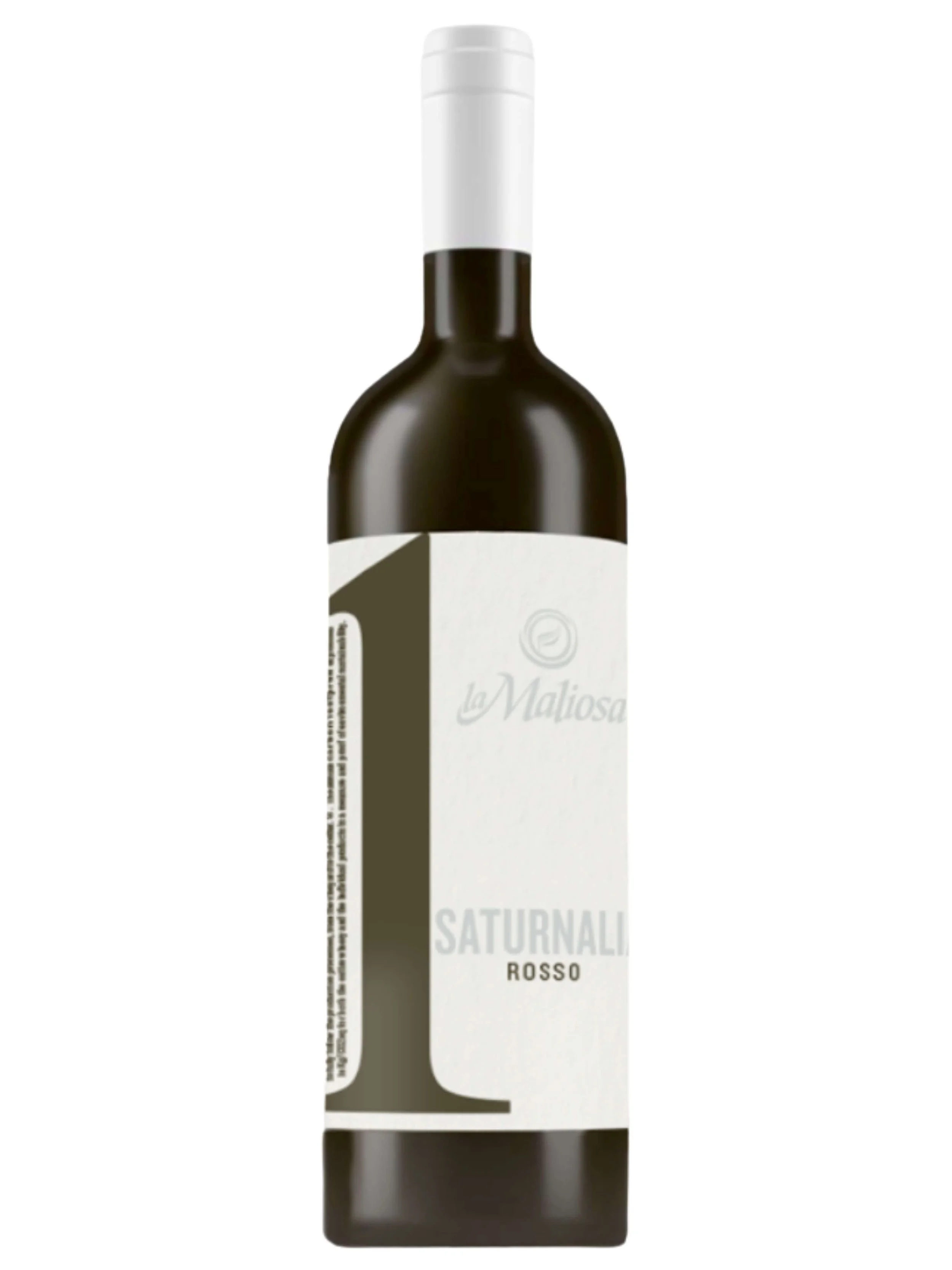
Saturnalia Rosso, once called Saturnia Rosso, is an approachable, balanced red wine with great texture and expressive finish made from a blend of native varieties from central Italy. A four week maceration on the skins is followed by aging in large wooden casks for 20 months. A pretty ruby color is accompanied by cherry and vanilla spice aromas. Pairs great with pork kebabs and cheese burgers. A woman-made organic, biodynamic and vegan natural wine using the patented Metodo Corino which is based on regenerative agriculture farming methods.
Tastes Like: Cherry and Strawberry Fruit Leathers
Farming & Winemaking Highlights: Regenerative Agriculture | Sustainable Winery | Biodynamic | Native Yeast Fermentation | Vegan | No additives (ie non sulphites added) | Unfiltered | Organic | Metodo Corino | Natural Wine
Fun Facts: The natural farming method that produced this wine, the metodo corino, is actually patented by La Maliosa woman winemaker Antonella Manuli after she helped to develop it with natural wine legend Lorenzo Corino of Case Corini.
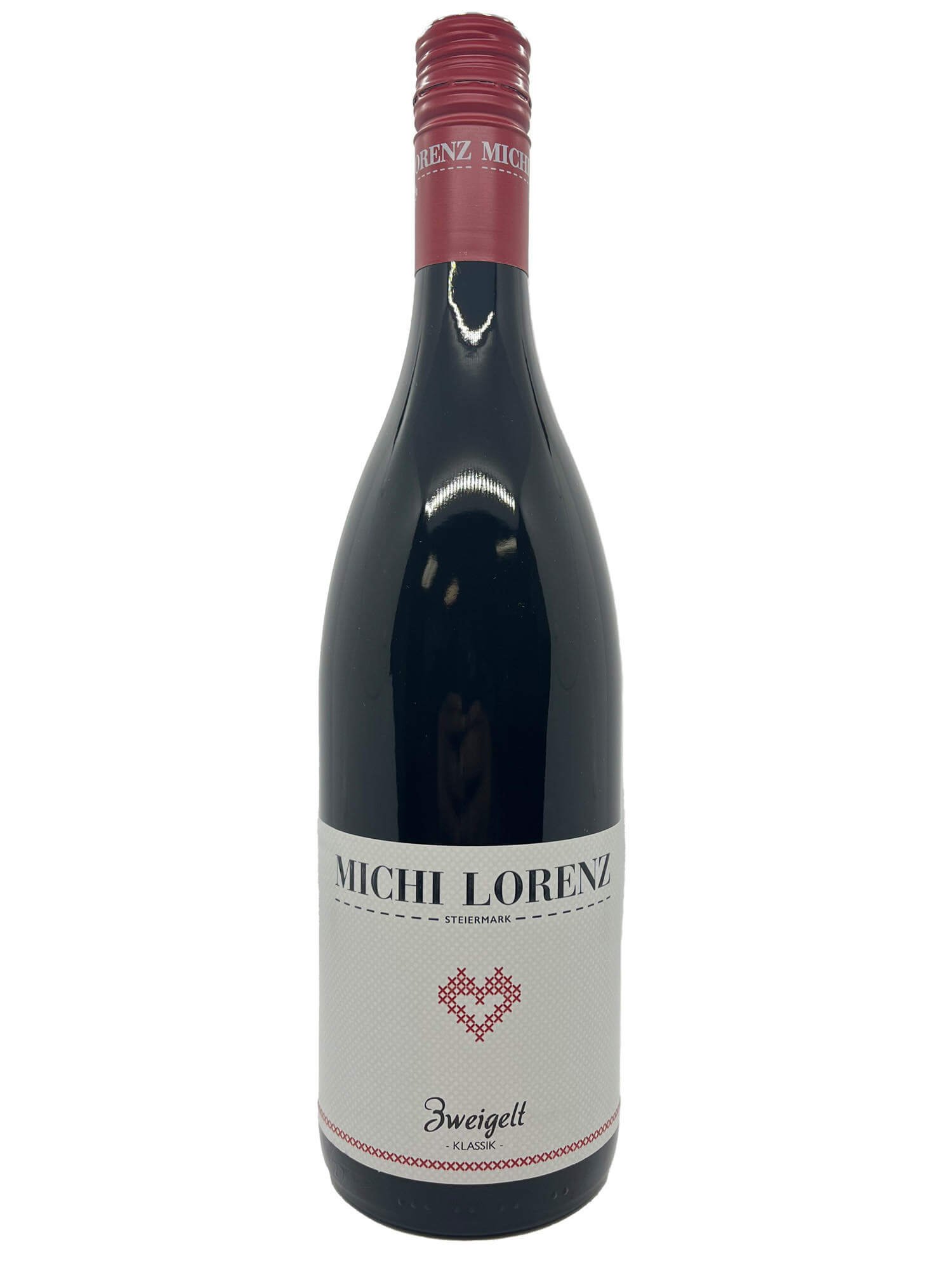
The organic and biodynamically farmed fruit was handpicked from estate hillside vineyards 400 meters above sea level in Sausal. Soils are red schist and loam. The wine underwent native yeast fermentation. After 25 days of maceration on the skins, the wine aged in a combination of stainless-steel tanks and oak barrels with very minimal sulfites added.
The first sniff of this quaffable Zweigelt natural wine is amarena cherries which then leads to vanilla and spice. In the mouth it is fresh with fruit that hides behind the structure and chalky tannins. It has nice texture and a medium slightly bitter finish. It is easy drinking and pairs great with hamburgers.
Make Your Pizza Extraordinary with Exceptional Italian Olive Oil
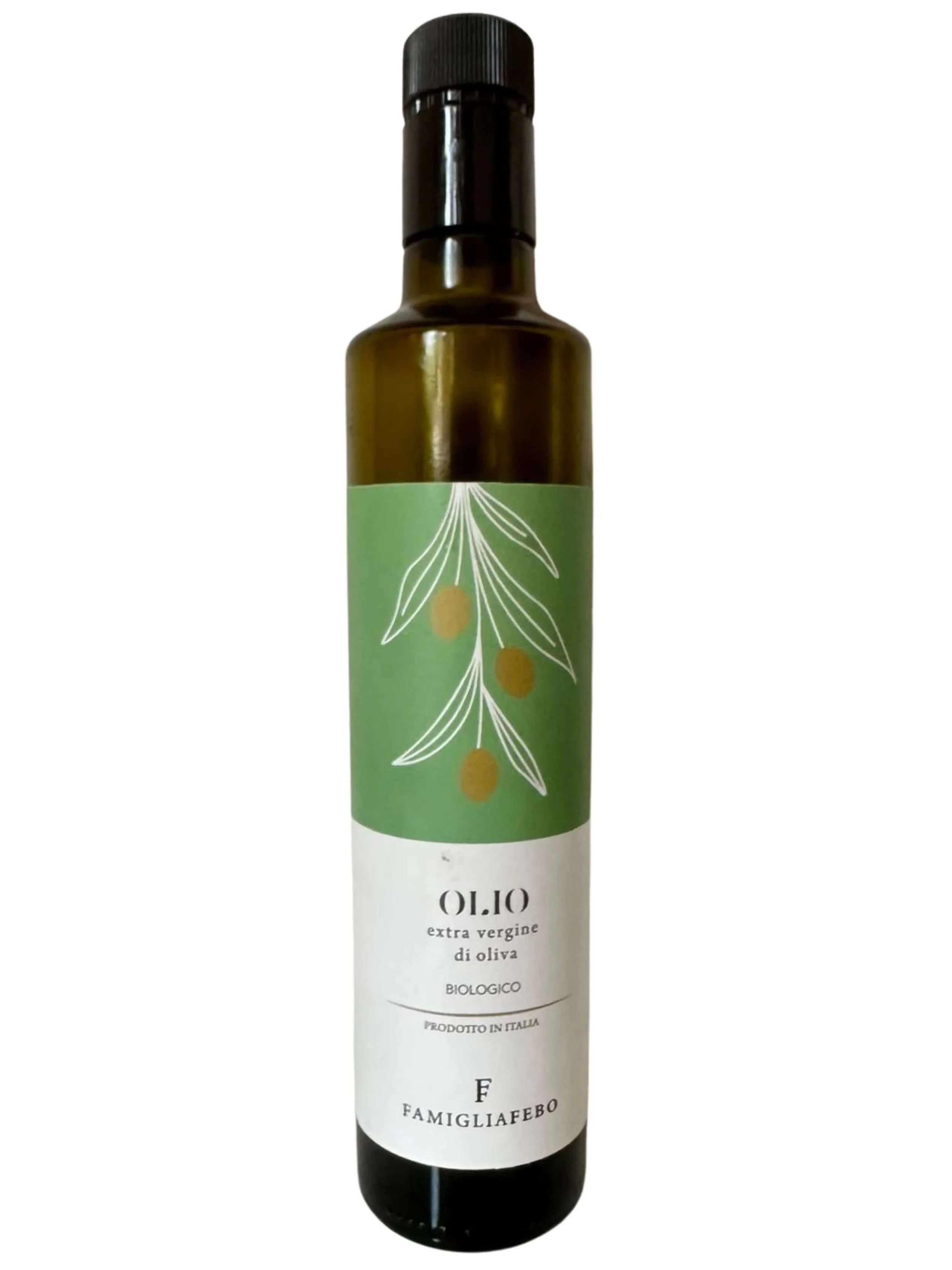
From the hills of Abruzzo near the Adriatic Coast of Italy, comes this Organic EVOO, or Extra Virgin Olive Oil, farmed and made by the Febo family. Farmed sustainably and organic, this natural extra virgin olive oil is also vegan and, like all evoos, a first run - cold press olive oil, the best kind of olive oil for you.
The 2024 harvest is still made from a blend of olives like leccino and 500 year old trees, but now it is mostly the dritta cultivar.
Farming & Winemaking Highlights: Regenerative Agriculture | Sustainable Farming | Biodynamic | Vegan | No additives | Unfiltered | Organic
Fun Facts: The dritta cultivar is a rare one being saved by Davide Febo who is trying to save and rehabilitate it.
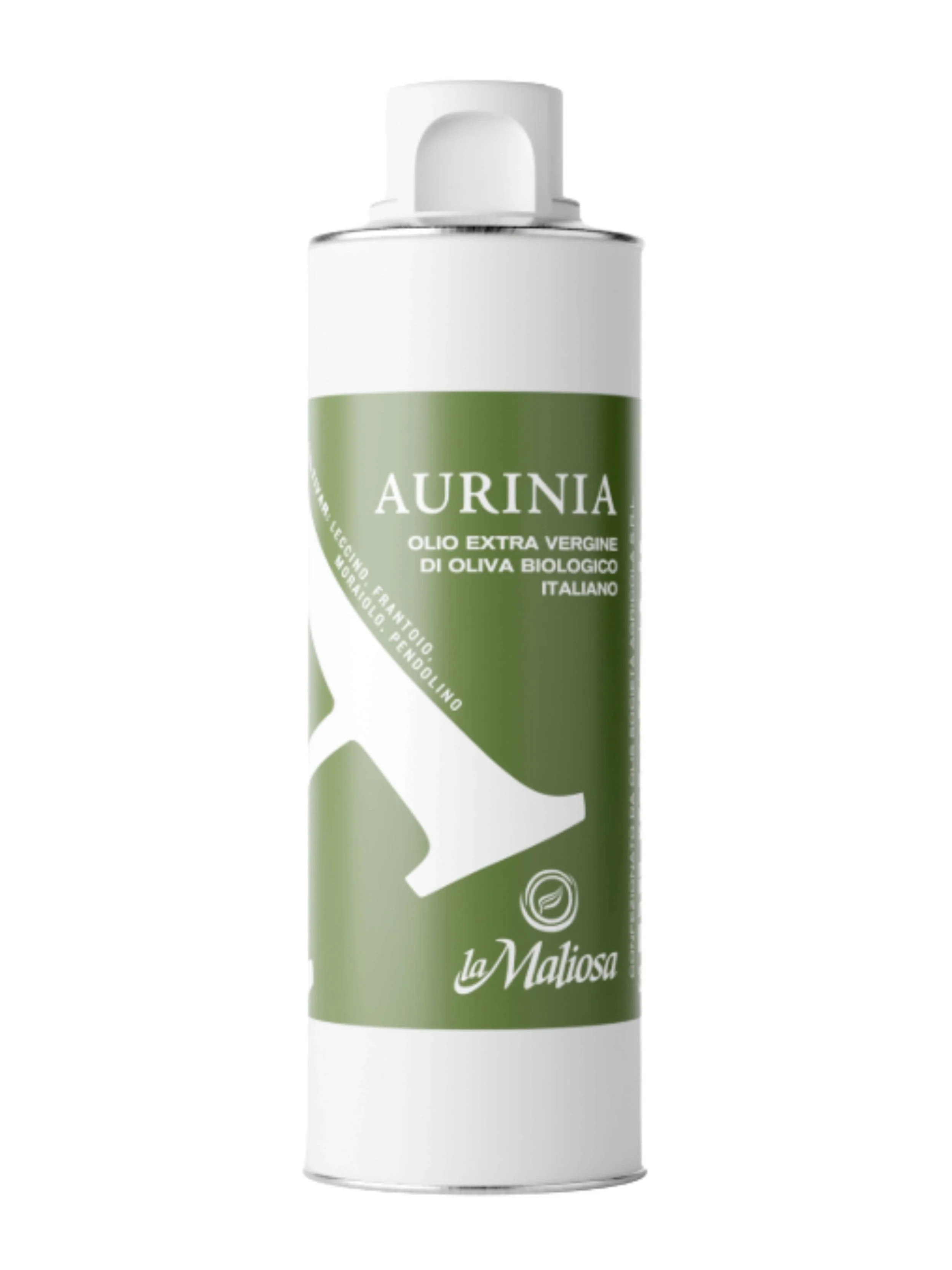
This is a woman made, limited production first cold press organic Extra Virgin Olive Oil from the Maremma hills of Tuscany made from a blend of four Tuscan cultivars. Buttery deliciousness with a bitter kick at the end, thanks to its polyphenols. It has won gold medals in a competition which judges the best extra virgin organic olive oils from around the world.
Farming & Winemaking Highlights: Regenerative Agriculture | Sustainable Farming | Biodynamic | Vegan | No additives | Unfiltered | Organic | Metodo Corino
Fun Facts: The natural farming method that produced this extra virgin olive oil, the metodo corino, is actually patented by La Maliosa woman winemaker Antonella Manuli after she helped to develop it with natural wine legend Lorenzo Corino of Case Corini.
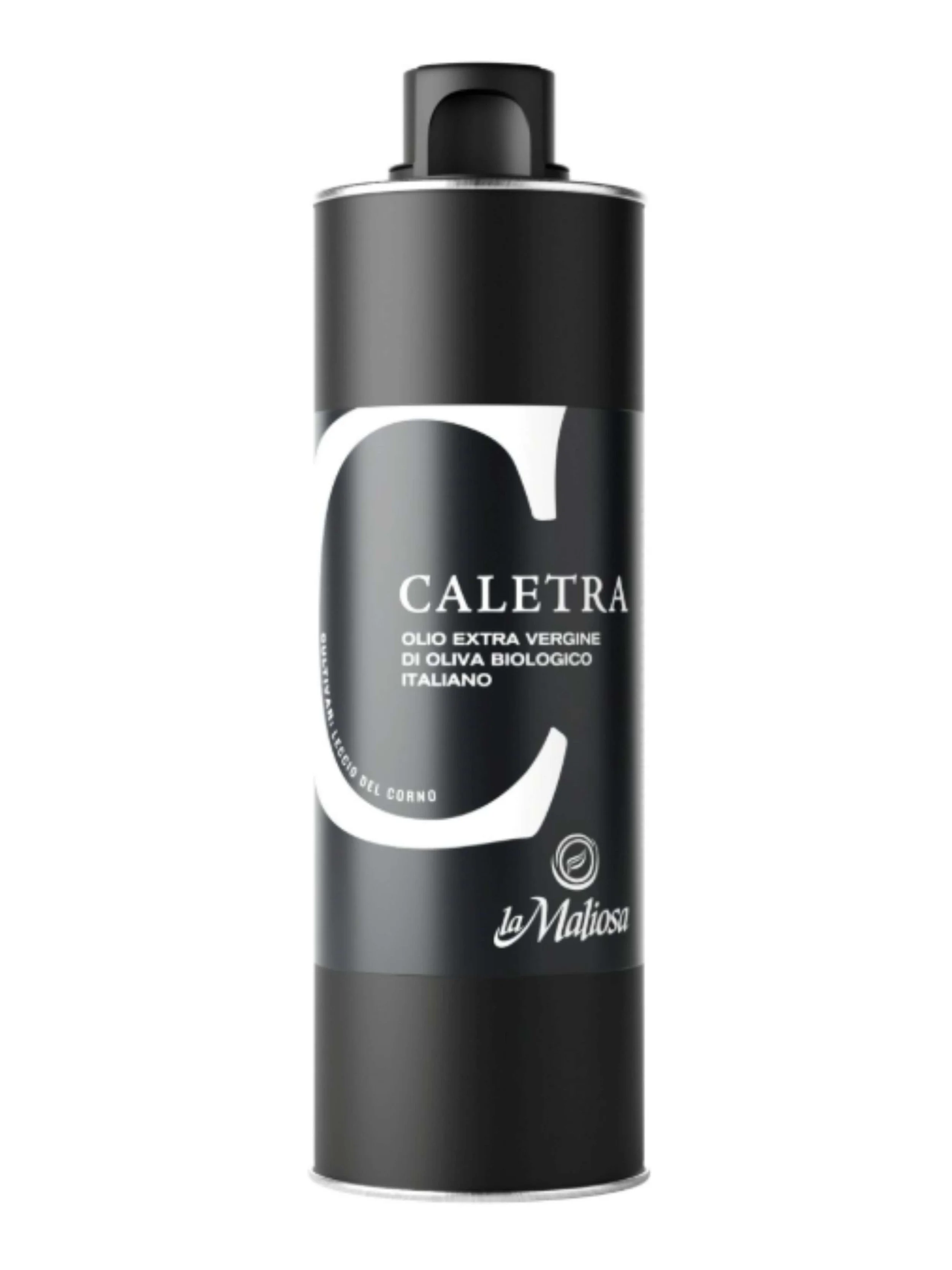
A prestigious first cold press monocultivar organic extra virgin olive oil from the Maremma hils of Tuscany which has won best organic extra virgin olive oil from Tuscany! Its polyphenols which are used to determine how good an olive oil is, are exceptionally high!
Top awards include extra gold, as best Tuscan organic EVOO by Biol Novello which evaluates the best olive oils in the world. In the past this olive oil has also won Best in Italy, as well as Gambero Rosso 3 leaves (their highest rating).
Its aromas of grass, green pepper and mint lead to an intense hot pepper taste and a long finish with black pepper lingering in your mouth. Even just a little drizzled over a simple lettuce salad will bring it to life with flavor.
Farming & Winemaking Highlights: Regenerative Agriculture | Sustainable Farming | Biodynamic | Vegan | No additives | Unfiltered | Organic | Metodo Corino
Fun Facts: The natural farming method that produced this extra virgin olive oil, the metodo corino, is actually patented by La Maliosa woman winemaker Antonella Manuli after she helped to develop it with natural wine legend Lorenzo Corino of Case Corini.

This is an olive oil, super food for super foodies. This is small production organic & vegan extra virgin olive oil made primarily from a rare local cultivar from the area of Macerata Italy called Piantone de Mogliano. The buttery flavors and taste of this organic EVOO so inspired the family behind Quercia Scarlatta farm and winery in Le Marche Italy to name it ‘our gold’, or Il Nostro Oro.
Hand harvested and milled at the family’s farm, a first run, cold press evoo, this olive oil’s aromas remind you of stepping into a garden full of fresh green beans with a whiff of black pepper. Likewise, tasting it is like having fresh green beans with black pepper and butter, thanks to its buttery texture. Black pepper continues on the finish.
This organic extra virgin olive oil comes in a 3 liter container, made for following the Mediterranean diet to a tee!