
The Search for Great Whites
Italy has one of the longest traditions in winemaking in the world. Traces of both red and white wine grapes and winemaking have been found in records from the Romans, the Etruscans, and even earlier. So, why is it that when one thinks of “best Italian wines” it’s only the big bold reds that come to mind? Even Google Trends backs up this assumption, with “Italian red wines” being searched for vastly more than “Italian white wines.
The reality is that Italy offers a whole host and array of wines and styles, and with wine colors galore.
Italian white wines range from light and sparkly to complex and intense. All up and down the peninsula winemakers work their vineyards following old traditions and new findings in order to craft white wines that are sure to impress and delight. But why is it that these interesting white wines are so unknown?
First, a quick recap on what makes a good white wine.
What Makes a Good White Wine
While we covered the general topic of wine colors in this article, and how to make wine in this article, we now focus on how to make white wine.
Usually, white wine is made from “white grapes", that can vary in skin color from green, to yellowish, to even pink sometimes. Did you know that white wine is also made from red grapes too?
That’s possible because the winemaker can control the amount of skin contact by keeping the juice and skins separated as much as possible, Typically winemakers start with a gentle pressing of the crushed grapes to separate this juice from the skins. The resulting clear juice is then fermented, and then aging is performed. These two steps, fermentation and aging, can be completed in a myriad of different vessels, at the winemaker’s discretion, from stainless steel to cement to wood barrels. And while these factors can slightly change a wine's hue, it will remain classified as white wine. Like all wine really, white wine is beautiful in how a grape or juice will be molded by a place and local winemaking traditions, especially in Italy.
The long peninsula of Italy provides a whole host of different soils, climates, exposures and microclimates. This means that one variety, made with two different terroirs, can display vastly different characteristics and styles.
Same goes for one variety made using different local traditions. For example, some areas, “border areas” like Friuli Venezia Giulia, can have call backs to their neighboring country, Slovenia and Austria in the Friuli example, with similarities in winemaking techniques, soil, and, most notably, grape varieties.
Then, there’s Italy’s greatest asset when it comes to wine: a vastness of indigenous varieties. Italy has one of the largest number of indigenous varieties still regularly farmed today, and a large quantity of those are in fact white grapes. These are grapes that are rarely, if ever, found outside of the peninsular country, making for unique and singular white wines from Italy and Italy alone.
While this richness of native varieties benefits Italian wine independent of the wine grape and wine color, in the realm of white wines this is Italy’s hidden strength in wine that is ripe for discovery by wine explorers.
All of this combined, means that Italy has all that it takes to make great white wines. Italy has it all that white wine drinkers love and desire: interesting grape varieties, varied terroir, varied wine styles from sweet to dry, sparkling to still, and more.
So back to our initial finding when searching trends on Google: why are Italian white wines not as sought after as Italian reds?
The Curse of Popularity
The stereotypical view of “Italian White Wine” can often be blamed on one particular offender: Pinot Grigio. As Paul Balke talks about in his book North Adriatic: Friuli Venezia Giulia - West Slovenia - Istria - Kvarner, 43% of worldwide Pinot Grigio production comes from North Eastern Italy (specifically Friuli Venezia Giulia, Veneto, and Trentino Aldo Adige). However, he says that, “Good versions [of Pinot Grigio] are found in the hills of Collio, Brda, and in the Colli Orientali and Isonzo. But the vast majority of Pinot Grigio is produced in Friuli’s plains.” These flatland Pinot Grigio’s, that make up the majority of 43% worldwide production, are light and easy, even watery, at times, and have come to be known as “Stile Italiano”.
They are often mass produced, of lower quality, and just in general… meh. Thanks to the proliferation of high volume, mass produced Pinot Grigio and Prosecco, many Italian whites to just be easy drinking, perhaps a bit bland, sipping wine, nothing to write home about. This is NOT the type of wine that a wine lover ponders and is intrigued to take another sip, as described in our article on mindful drinking .
It is the curse of popularity that often happens in wine: to meet rising demand, certain producers sacrifice quality for quantity.

Combatting the Curse
To combat the misconception of Italian white wines as merely light and watery in the “Stile Italiano” and truly appreciate the full spectrum of white wines that Italy has to offer, it’s worth venturing beyond the well-trodden path and discovering hidden gems that showcase the true character and quality of Italian white wines. This is where Italy’s diversity pays off. By discovering uncommon grapes and off the beaten path wines, a whole new world of Italian white wines opens up to consumers, one that is filled with complexity, flavor, intensity, and a certain “wow” factor.
Those who have been “bitten” by the Italian white wine “bug” say that it is the texture of a well made Italian white wine that makes them a fan. There is a world to discover of textured, flavorful, and truly distinctive Italian white wines that defy the stereotypes. These can be wines that are known for texture and have so much more to them than any old cheap go to white wine.
So what do we do? We look for certain regions and grapes, as well as winegrowers hyper focused on quality over quantity.
Starting with Italian regions, check out Abruzzo and and Le Marche in central Italy, which are particularly renowned for their exceptional white wines made from native grapes. Of course, we cannot forget the previously mentioned Friuli Venezia Giulia which, in its hills like the Colli Euganei and Collio produce amazingly fantastic white wines. But in all honesty, pretty much ever region in Italy has some native white grape that is waiting to be discovered.
These native grapes are one of the most exciting aspects of Italian white wine. While international varieties like Chardonnay and Sauvignon Blanc can be found in Italy, the real gems often lie in the native grapes that are truly distinctive to the region. These indigenous varieties, cultivated from North to South, offer a wide range of textures and complexities, far surpassing the simple, cheap "go-to" white wine stereotype.
By exploring these lesser-known indigenous varieties, you'll discover a whole new dimension of Italian white wine. Each region and grape variety offers its own unique characteristics, making it a rewarding journey of discovery.
Also, look for smaller producers, ones that are farming their own land and practically put their face on the front label. These are winemakers who not only cultivate native varieties but go out of their way to sacrifice volume (think dollar signs) for a really good, well made wine. That’s why we at Vero seek out smaller producers and look for more obscure yet super authentic wines. One of our soft spots is evidently the world of Italian white wines, which uncover the true richness and complexity that this beautiful country has to offer. Let’s look at some examples.

What Wines to Search For?
To truly appreciate the diversity of Italian white wines, it's essential to venture beyond the more familiar varieties, for that reason today we are going to stick to indigenous varieties that are hard to find outside of Italy. Because, as we have said, good white wines run the length of the peninsula, let’s start at the top and work our way down. This means we move first to Friuli Venezia Giulia.
In Friuli, we find Vigna Petrussa, a three generational woman owned winery specializing in mostly indigenous varieties, or at least varieties hsitorically cultivated in the area. Standout examples from them could be mono-variety wines like Friulano and Ribolla Gialla. But, the fun begins when we look at a blend of indigenous varieties then aged in oak, Richenza. This last one, Richenza, gives us a look into a deeper, complexer side of Italian white wines with rich exotic fruit flavors coming through a luxurious richness. Friuli and Vigna Petrussa also offers us delectable sweet wines made in the appassimento, or air dried, method like Desiderio, or in the case of Picolit, the sweetness comes not from appassimento, but rather botrytis. Two sweet wines, same winery, but vastly different results taht you need to taste to believe.
Coming down out of the Friuli hills, we hit Veneto (a grave offender in the watery Pinot Grigio mythos). If we run out towards the lakes, Lake Garda to be specific, to find Lugana. This is the place to be if you're a Chardonnay lover seeking something new. Here, the grape turbiana is vinified into the stunning Lugana wines, like those of Zamichele. Whether it is in the classic Lugana form, or the riserva-like aged Lugana Gardé, Zamichele’s Lugana wines offer a range of complexity and weight, without skimping on flavor and intensity.
Shifting south and east into more central Veneto, we find the Soave region on the outskirts of the lover’s city of Verona. Here, Sandro de Bruno crafts their twist of traditional method sparkling wines (or wines made in the champagne methodology). Using the local grape Durella, they make a sparkling wine aged for various months, (like 36 months or even 60 months) that is bright, acidic, fresh, and good until the last drop.
Quickly zipping west into Piedmont, we find sweet white grape moscato reigns, being the number one most cultivated white grape of the area. It is used to create light and bubbly sweet wines like the Moscato d'Asti. In the northern part of Piedmont, the white grape erbaluce is used to make not only stunning white still wines, but when vinified as a sweet wine and aged for over 20 years takes on almost unrecognizable honeyed flavors in its evolution, like the Caluso Passito Riserva.

A Durello sparkling wine, from the North Italian area of Soave, in Veneto and near Verona.
For the rest of this particular voyage into Italian white wines, we shift over to the Adriatic coast, along the eastern side of the peninsula (which Friuli where we started this journey sits at the tip top). Here we find Romagna. This is a region where once a Roman empress sought out the liquid gold of Albana. Of course, she probably drank a sweet version of Albana, but nowadays you can also find Albana vinified as a still dry wine with lots of floral and herby flavors.
A trip tasting Romagna’s white wines would be remiss without a sip of Famoso, although it might be hard to find. This grape was thought to be extinct into the 2000s when it was rediscovered! And Braschi’s Famoso is stil made from cuttings of that rediscovered vine. With mouthwatering acidity and incredible lemon lime flavors, Famoso is refreshing and clean tasting wine while maintaining a certain level of intensity and complexity.
Move down the coast and you run into Le Marche. We won’t dive too much into those white wines here, as we have written an entire article on this specific subject. But suffice it to say, natural wines like Quercia Scarlatta’s Marchese Japo exemplify the argument for complex and unique white Italian wines.
Next down the Adriatic coast, is Abruzzo, famous for the Trebbiano Abruzzese grape, like that that Febo uses to make their stunningly floral Parella. Of course, we also see cross the border from Le Marche to Abruzzo hidden gems like a Pecorino wine. Febo uses Pecorino to make their Rolland, a rusty orange wine that, thanks to a particularly hot year, comes out complex, intense and so good you don’t want to put it down.
Time to hit the bottom, or rather the heel of Italy: Puglia. For being so far south, Puglia makes astonishingly delicious white wines using native grapes like bombino bianco or the semi aromatic minutolo. These white wines are like drinking an herbal tea, full of flavors and aromas of cooking herbs and dried flowers.
Before we wrap up completely, we want to zoom back up to Northern Italy in a quick side note. Keen eyed readers might have noticed that we didn’t get into one of the most produced white wines of Italy: Prosecco. Like any other large production wine, Prosecco can have it’s detractors, and being limited to a certain area and one grape, one might think that “good prosecco” is an oxymoron, they actually do exist. We just need another strategy to find them. That strategy is the small hands on producer, like Col del Balt or Zanon, or pet nat versions of Prosecco. However, Prosecco in and of itself is another story, so for that go check out our previous article on the subject.

A cluster of maceratino, used by Quercia Scarlatta to make their Le Marche blend, Marchese Japo.
White Wines that Make You Go Hmmm…
Are you now convinced that Italy is home to so much more than mass produced, light and airy Pinot Grigio? Real, good, white wines from all up and down Italy can produce bottles of intensity, complexity, and textures. It is by exploring these exceptional Italian white wines, that you'll discover a world of flavors and textures that will leave you wanting more.
Ready to wet your palate with some Italian white wines? Below we have a selection of wild and scarce Vero white wines from Italy to get you started. We exist to allow all Americans, across the US, from businesses to consumers, to experience the pleasure of a farm to glass wine, and a really good olive oil too. How can you get your hands on the hidden gems we forage for?
If you are a distributor reach out to us introduce our highly curated portfolio of one of a kind small production wines to your state.
We sell to wine stores and restaurants in certain states - contact us to learn more.
If our farm crafted natural wines and olive oils are not in your local shop or restaurant, buy wine online here, and we’ll ship it to you, including wine gifts.
We also have an award winning wine club for true wine explorers that are seeking to continually discover unique, sustainable and authentic small production wines they never had. These are wines selected by our sommeliers and curated for each box.
We do corporate gifts and sommelier guided wine tastings. Email us and we’ll tailor unique and sustainable corporate gift ideas.
White Wines From Northern Italy

With a persistent perlage, a bright gold color lights up the glass as complex exotic fruits and citrus aromas burst forth. Tasting, it is a dry wine with a delicate balance of acidity and sapidity keep you sipping and enjoying until the last drop.
The volcanic soil of the Sandro de Bruno vineyards lend well to this ancient, yet up and coming grape known as Durella. With a thick skin rich in polyphenols, they expertly craft this grape in a sparkling wine using a classic Champagne method. A zero dosage, for 36 months the wine rests on the lees before dégorgement and it then rests again.
It is markedly less intense than its 60 month aged and 100 month aged counterparts, creating a great entry point to the durello grape. You can try all three of these wines for yourself in the Durello Flight Set!
Tastes Like: Limes and Green Apples
Farming & Winemaking Highlights: Sustainable Winery | Volcanic Soil | Bottle Fermented | Champagne Style
Fun Facts: - “Linear and polished” is how Kerin O’Keefe in this Wine Enthusiast review describes this 95 point wine.
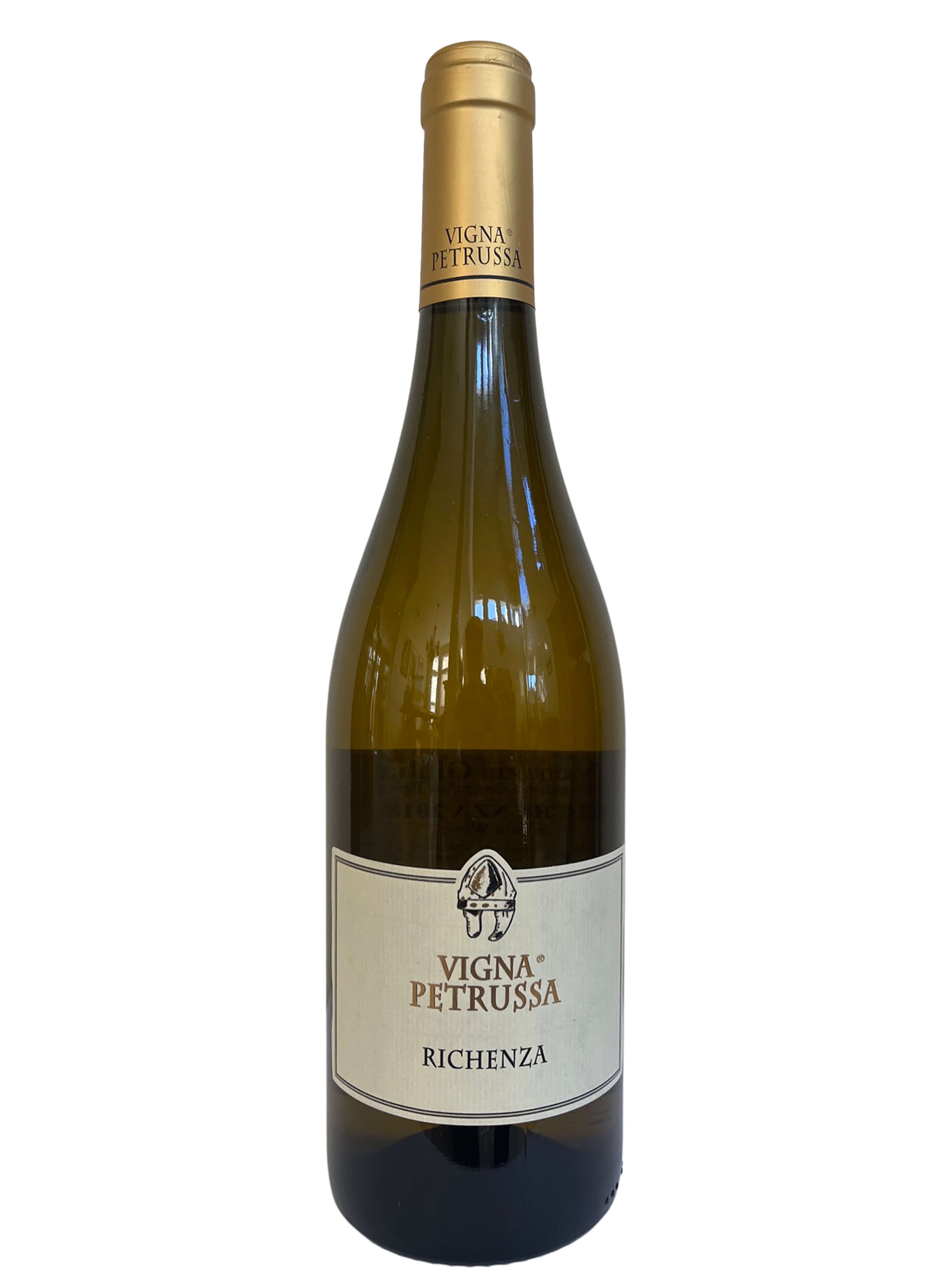
Crafted as a blend of native white varieties from Friuli, all 3, Friulano, Malvasia and Picolit are vinified separately in french oak barrels for 18 months before assemblage and then further aging in bottle for 6 months. This is an age-worthy, complex and intense white wine with aromas of chamomile, tangerine, mango and jasmine and exotic fruit taste, oily richness and long finish, as one would expect from this highly crafted white wine blend from Friuli.
Author Linda Milk’s tasting notes: “When we poured it into our glasses, the rich golden color made us think this would be a very flavorful white wine. We tasted lots of apricot and felt a velvety sensation on our tongue.”
Vigna Petrussa is a certified sustainable and biodiverse women-owned winery.

Made from 100% Turbiana (considered similar to Verdicchio), this unoaked white wine from the sought after Lugana wine region has a bright yellow color, a natural balance of acidity and fruit with a textured mouthfeel and a long finish. It has inviting aromas of honeysuckle, tropical fruits, caramel and a hint of basil. Think of it as an alternative to an unoaked Chardonnay, since turbiana is also a noble white grape. Plus Zamichele’s terrroir with the influence from nearby Lake Garda and mineral rich glacial alluvial soil provides the conditions for creating a complex and balanced white wine.

Expand your horizons with this Italian wine made for Chardonnay lovers looking for an alternative. From Lake Garda, one of the Northern Italian lakes, this sustainably farmed white wine is a balancing act of acidity and fruit that pleasantly plays into a long finish. Plus it is super tasty. If you close your eyes and taste this wine, it is likened to having an apple crumb cake as a white wine. You initially get golden apple and then vanilla and spice.
Acidity and fruit harmonically combine with a salty minerality producing a sweet and salty taste sensation. Fruit bursts forth and taste envelopes the mouth, with some tropical fruit on the long finish.
This Lugana is an ageworthy oaked white wine, equivalent to a Lugana Riserva, made from the noble and native Italian grape, Turbiana, a grape which is likened to Verdicchio.
Overall pleasant and sippable yet complex, this is a great wine for California Chardonnay lovers looking for a change to surprise and delight them with a new white wine italian style.
White Wines from Central Italy

A rare find, this Famoso is made with fruit from the original vineyard of the Montalti farm in Monte Sasso where the Famoso di Cesena varietal was re-discovered in 2000 when two rows of old vines were found by a local farmer.
It is semi-aromatic with has aromas of lemon and a hint of flint, it has laser-like acidity, with tangy citrus fruit flavors and herbs, great texture and a lemon mineral finish. Limited production of 5000 bottles / yr
What other sommeliers are saying about this wine:
Ruth Ryberg:
“Wow is this cool! A grape I haven’t had before called Famoso! If it was a blind tasting I would’ve called out Chablis for the searing acidity and the chalky finish. Yum! The nose is all fresh picked apricot and lemon spray, with subtle hints of honeysuckle and marzipan. A zippy zesty mineral on the finish comes right back round to apricot and lemon! Lip smacking and fresh. Just perfect.
I’ve mentioned Braschi before. It’s a small, family owned winery in Emilia Romagna, and has been under the same ownership since 1949. Everything they make is outstanding! Located along the ancient Roman road - Via Romea Germanica - just north of Tuscany, Cantina Braschi is nestled in the hills of Romagna. The wines are first class from this family owned, small producer.”
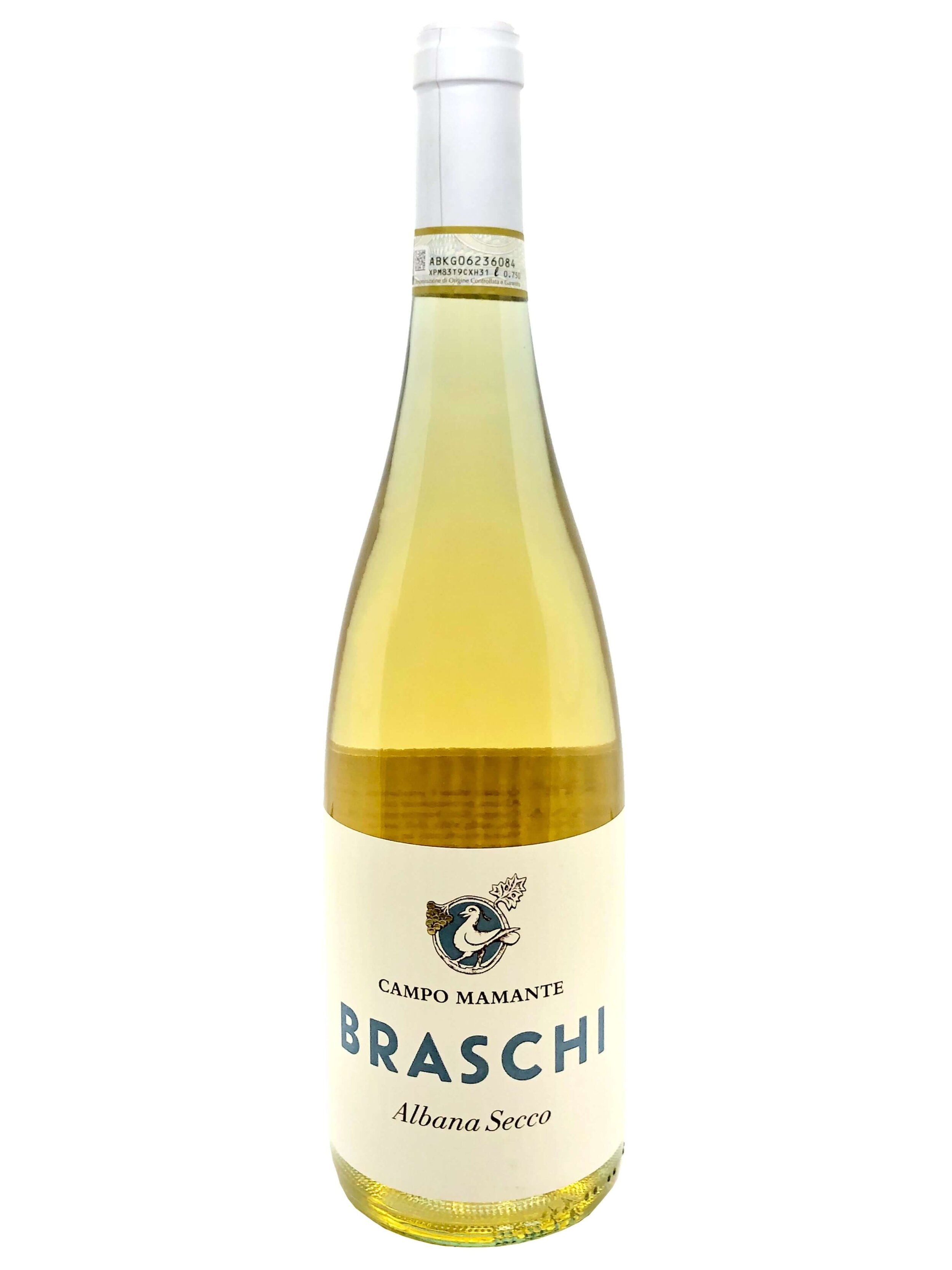
Intense, inviting bouquet of lemon and candied citrus with a fresh, fruit forward, multi dimensional taste full of apricots and herbs. It finishes with a hint of sweet almonds. This white Albana, the first Italian white wine varietal to obtain the prestigious DOCG status, is a good alternative for Chardonnay-lovers. EU Certified Organic from a single vineyard.

With an inviting golden yellow color, this fresh and softly balanced sweet wine made from the historic Albana grape from the Romagna area of Italy has intriguing saffron and apricot notes. As a sommelier pointed out when tasting the wine for the first time: ‘It’s a dessert wine that is sort of a dry wine.. Wow, this whispers, not shouts!’
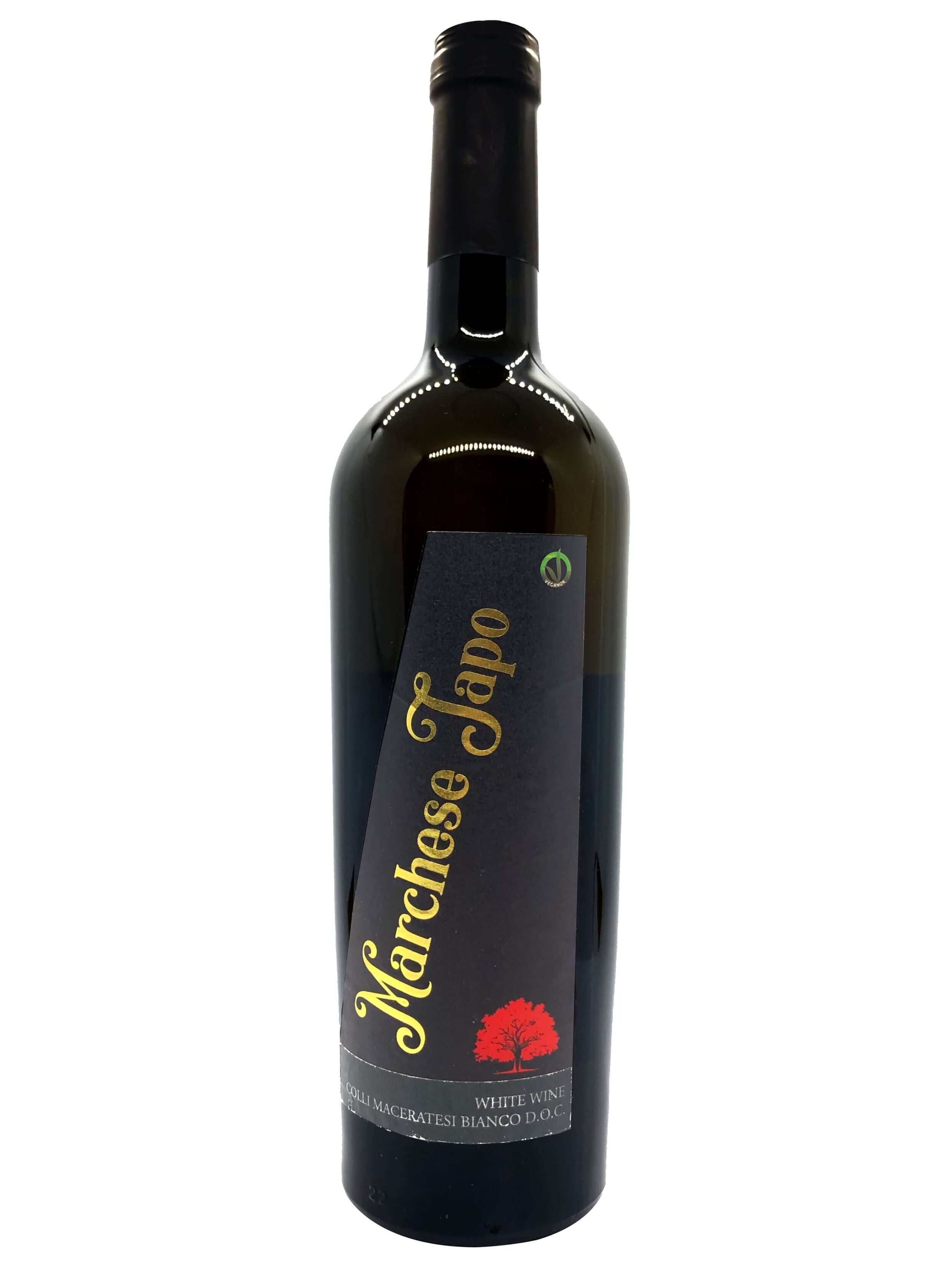
This natural wine is delicious fruit-forward organic vegan white wine, a blend of hard-to-find native varieties from the province of Macerata in Le Marche, Italy, a hilly area just to the east of Tuscany not far from the Adriatic Sea, has it all, great nose, taste, texture and structure. While it is unoaked, it was on the lees for 6 months with weekly battonage, contributing to its complexity of aromas, ranging from melon to saffron, and intensity of flavors. Made with indigenous varieties from Le Marche, Maceratino (also called Ribona) and Incrocio Bruni 54, it is a testament to Le Marche white wines.
Quercia Scarlatta follows a minimal intervention approach to vegan winemaking, using native yeast fermentation in their wines like this Marchese Japo.

An organic & vegan natural wine made from 100% trebbiano abruzzese, a white wine grape which the New York Times cites a grape “worth knowing better”. It has an inviting straw yellow color and an exotic nose (look for the saffron!) and an intriguing fruity and herbal taste.
This white wine is age-worthy too! Fermented and refined in grandfather Febo’s concrete vessels.
Region: Italy > Abruzzo > Chieti
Tastes Like: Peaches and Saffron
Farming & Winemaking Highlights: Regenerative Agriculture | Sustainable Winery | Biodynamic | Native Yeast Fermentation | Vegan | Single vineyard | Old Vine | Organic | Natural Wine
Fun Facts: This wine is named from the single vineyard from which it comes, Parella in Chieti.
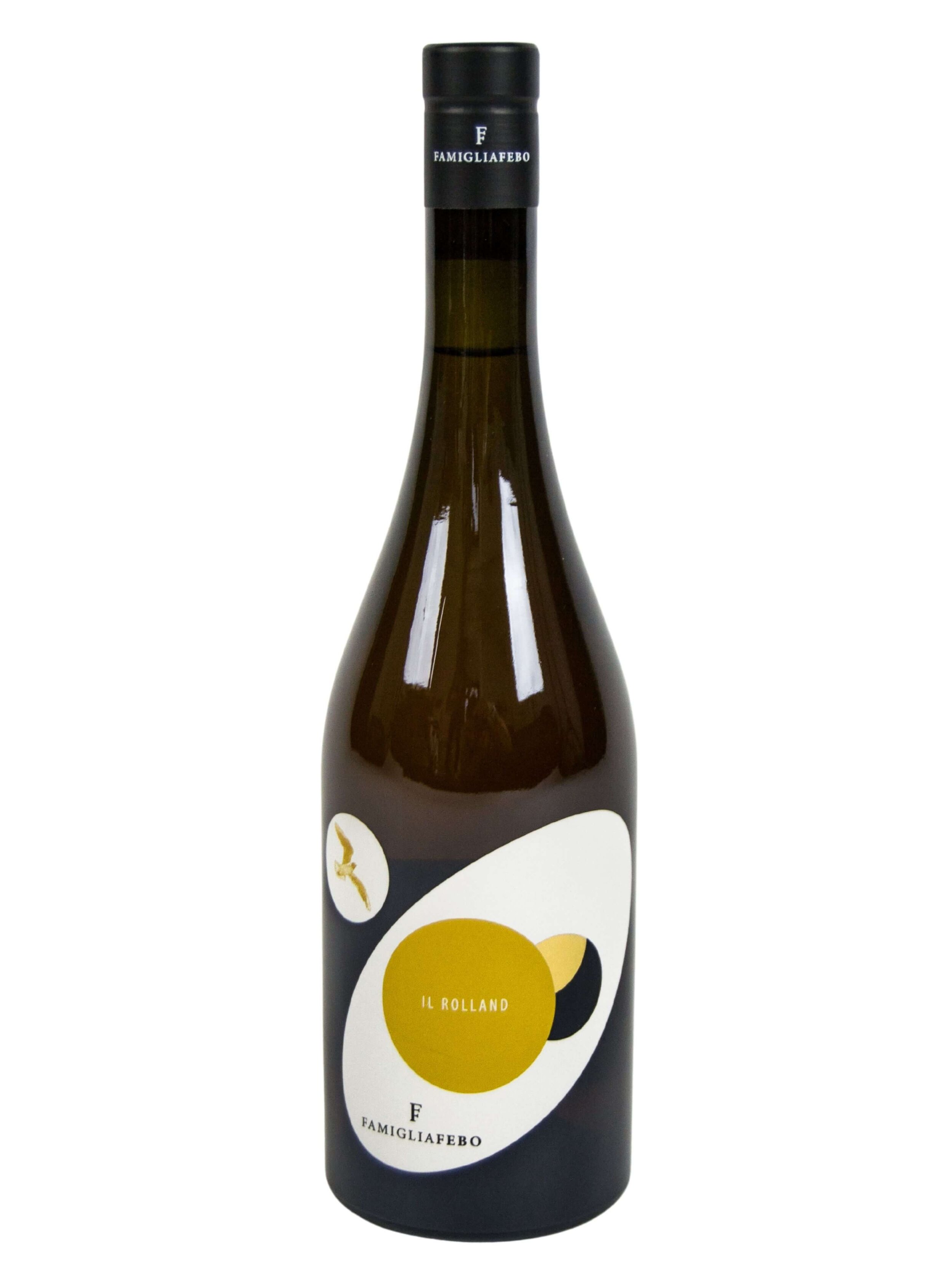
Rolland’s deep straw yellow or rusty color likens it to an orange wine, but this color comes from the vineyard, sun, and weather. A fresh and textured mouthfeel leaves you pondering and wanting to have another sip. We recommend to let it breathe before enjoying to the fullest.
The 2023 vintage offers a drier, more savory, and complex profile. With golden raisin and saffron flavors, it evolves into deeper sensations of caramel, sage, and a pronounced orange rind on the finish. It wraps up with a long, distinctive mineral finish. The 2023 really summarizes well the age-worthiness of this wine.
Region: Italy > Abruzzo > Spoltore & Chieti
Tastes Like: Golden Raisins & Saffron
Farming & Winemaking Highlights: Regenerative Agriculture | Sustainable Winery | Biodynamic | Native Yeast Fermentation | Vegan | Single vineyard | Organic | Natural Wine
Fun Facts: This wine is named for Grandfather Febo, Rolando, who bought the concrete vessels the family ages their wines in.
White Wine from Southern Italy

Meaning dream, 'Kimere' is a monovarietal made from Bombino Bianco having a pale yellow color, delicate aromas of white flowers and peach. On the palette it is fresh, fruity, with saline texture and finish. It could be an alternative to recommend to a Pinot Grigio lover. Fermented and aged in stainless steel. From a small family estate in Northern Puglia in Southern Italy.
Sweet Wines of Italy
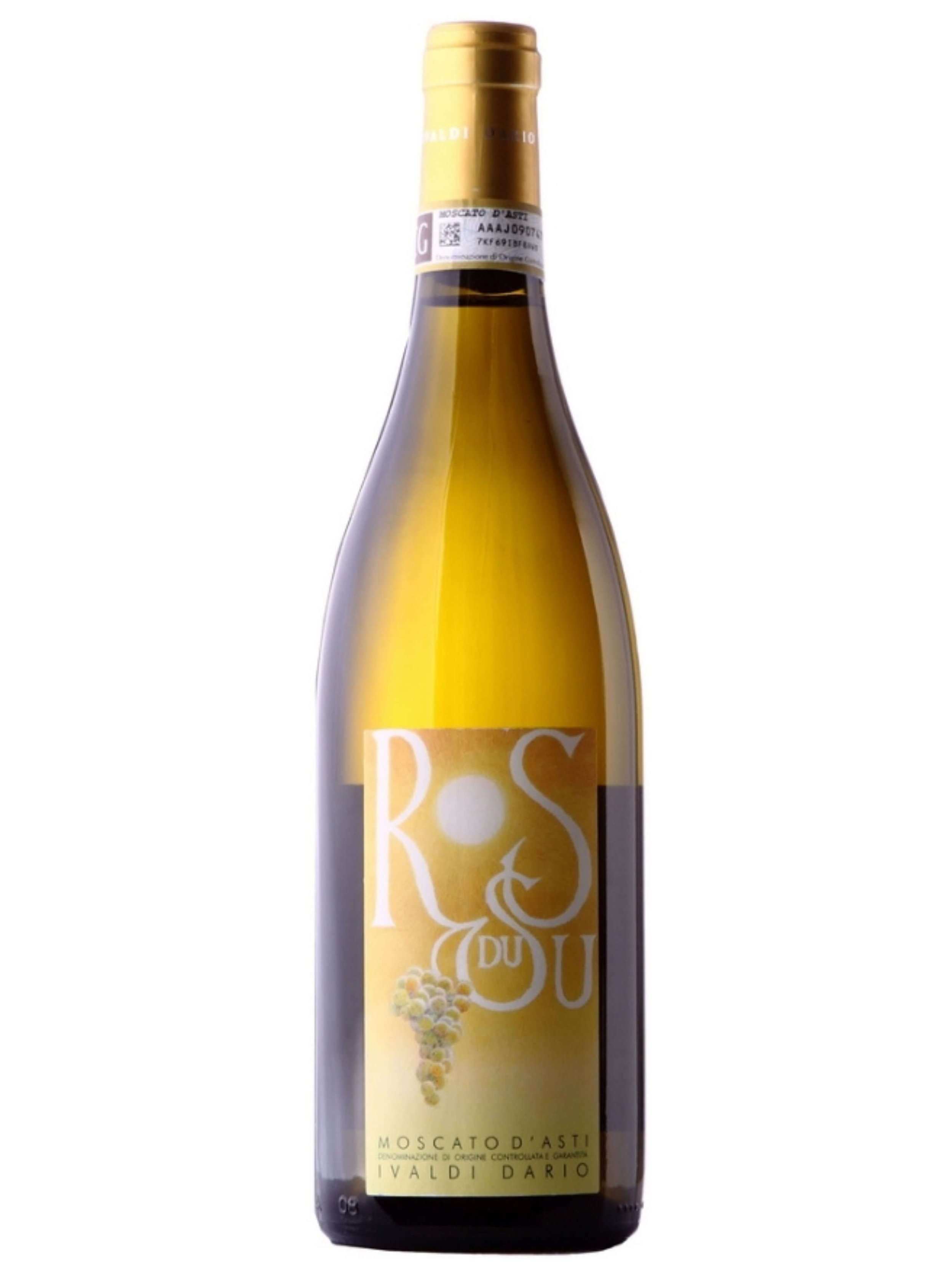
Who doesn’t like chamomile and honey? That’s what this wine reminds you of! It’s a Moscato d’Asti that appeals both to sweet wine lovers and dry wine drinkers wanting a moment with a touch of sweetness.
The name of this wine, Ros du Su, means ‘Rays of Sunlight’ in Piemontese dialect where this Moscato d’Asti comes from. Looking at its bright, golden-yellow color, it is easy to understand the inspiration for this name.
In the glass, the aromatic qualities of moscato are the first noticeable aromas, but underneath subtle and persistent notes of honey and acacia and chamomile flowers come forth creating a complex bouquet. Tasting, the sweetness of the residual sugars are well balanced with freshness and sapidity. A pleasant wine that keeps you sipping, it pairs well with desserts, but is every bit as enjoyable alone in contemplation.
A certified sustainable winery, Ivaldipractices regenerative farming.

Light fragrance recalling sweet acacia honey and dried fruits. This nectar is made from hand selected grapes, dried in crates and refined in French oak barrique. This is produced in a limited run of only 1000 bottles per year.
Vigna Petrussa is a certified sustainable and biodiverse women-owned winery.

“Run, don’t walk to find and grab this bottle. It is a prime example of the harmony and complexity this style of wine is capable of expressing” is how VinePair describes this wine in their list of 13 of the Best Sweet Wines.
Fruity, spicy and balanced, this multiple award winning women-made dessert wine, Picolit, is the rarest and most treasured varietal in Friuli, the extreme North East of Italy.
It is made from hand-picked and air-dried picolit grapes that went through noble rot, as with the best dessert wines in the world. Fermented and then aged for 18 months in french oak barrique. Only 1200 bottles were made, and we have the last few available so be quick to grab this meditation wine to sip and savor.
Vigna Petrussa is a certified sustainable and biodiverse women-owned winery.
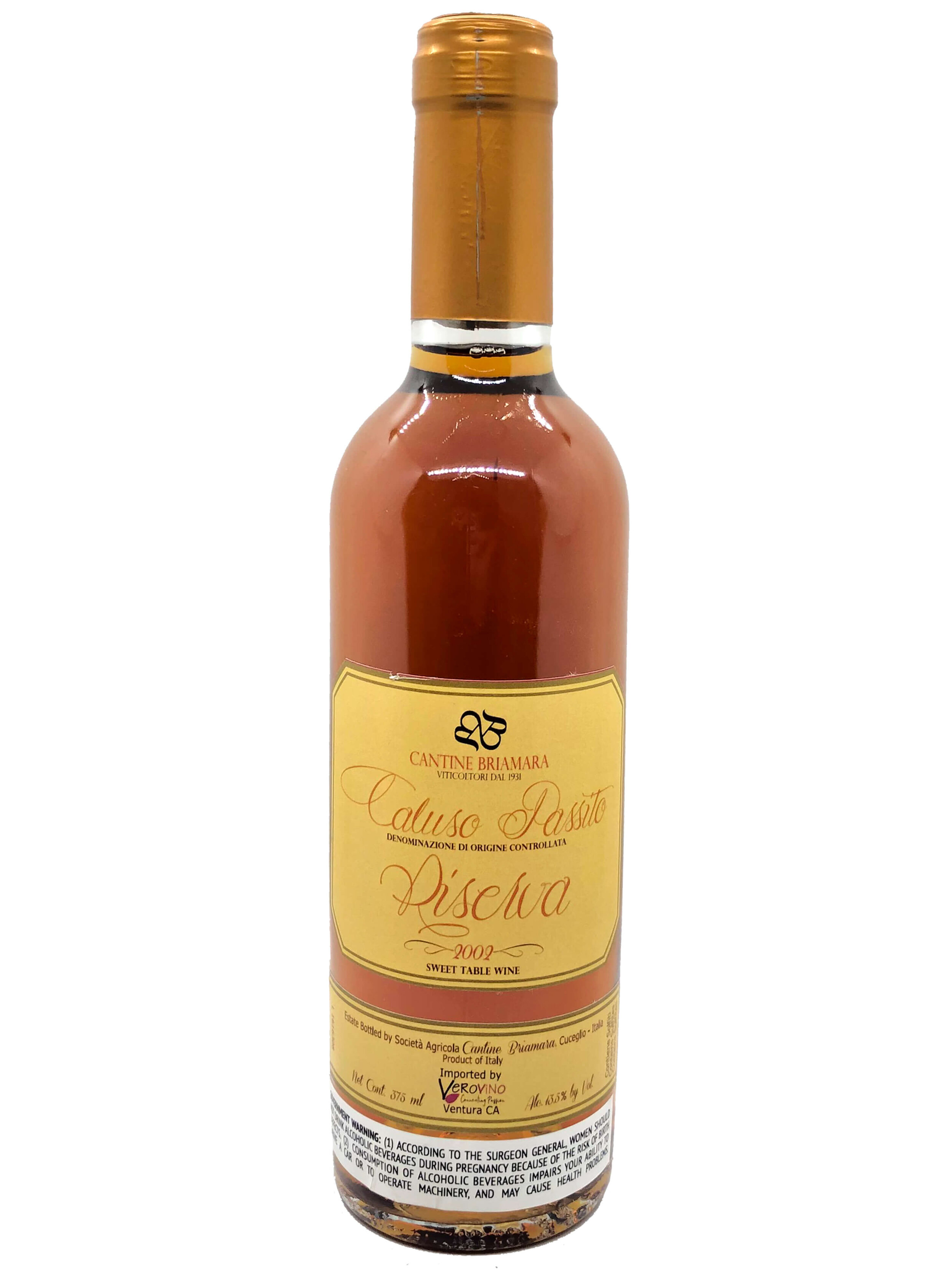
This Caluso Passito dessert wine made from 100% Erbaluce grapes is produced only during the best vintages, and exclusively in those extraordinary ones, a small part is reserved to Caluso Passito "Riserva". Aged for 10 years in casks and 4-6 years in bottle, only 1000 bottles are made per vintage. It is sweet, fresh and sapid with delicate floral notes.