
We Got Down To Earth in Wine in 2023
It has become a tradition here at Vero: coming towards end of year we review what you, our readers, found most captivating over the past year, in particular the blog articles we write, as well as news that we publish with the Vero newsletter which goes out regularly to thousands of consumers, journalists. and wine and food trade professionals around the US. With our newsletter and articles, we like to shake things up in wine, giving different perspectives, like this article on Rose Wine, as well as an outlet for discovery, like getting to know a lesser known small Barolo wine producer.
Being a wine & food importer, our success is partly measured by how well we forecast: almost any importer imports their products in bulk, and, while we sometimes have pre-orders from clients, usually we go “by the seat of our pants” to decide what to import in and how much. Therefore, data points that show us what people care about the most is important to predict what products will be in demand in the coming months.
We feel that we have a unique vantage point to share insights into the main channels and ‘tiers’ of the wine & specialty foods industry, since our newsletter goes out to each channel which we segment accordingly, giving us insight into each of you, no matter how you relate to the wine industry. So, without further ado, let’s see what interested you most in 2023.
Two Overall Trends Which Captivated Your Attention
How Wine is Farmed

Here is Guido Corino of Case Corini, a biodynamic winery, showing their regenerative farming practices in one of their vineyards.
Our article which brought the debate around biodynamic wine and biodynamic farming to the forefront was hands down the topic that captured the most interest across our readership, from wine industry players, mainly distributors, wine stores and restaurants, to wine media and, finally, to wine loving consumers across America. Our article “What is Biodynamic Wine, Anyway?” seemed to push a lot of buttons for our readers, which is why it is considered our most popular article in 2023. Why is that so?
As we had noted earlier this year, when we looked back at previous wine industry forecasts and observed the current state of the wine industry, there is an increasing divergence in the wine industry; the wine market is divided into 2 buckets across the board, from the wine trade down to the consumer, between:
those that are very price conscious and prefer a “familiar” wine, ranging from type to brand versus
those that instead seek something authentic and different.
It is the latter group of wine drinkers and wine buyers that is growing along with alternative wines that fall into this category: Think organic wine, biodynamic wine, orange wine, pet nat wine, natural wine, new grapes to discover, and with many other descriptors out there.
Generally, these are wines which are farmed and made with a lot of thought and care, especially in the context of small producers, which is our specialty. These are winegrowers that are farming their own land and making farm crafted creations. And guess whose wines or olive oil shows up on their dinner tables: their own, of course!
It is a natural consequence then that small wineries take a minimal intervention approach to farming and winemaking. Their ancestors were used to treating their entire farm as a homestead providing for their whole family, and these producers aspire to leave their land in better shape for future generations. Hence, biodynamic farming comes naturally to small producers - they are winegrowers who consider their vineyards as one part of an entire ecosystem which sustains their land.
A Continued Yearning For Discovery & Experiences
Here we are live with Michi Lorenz from his winery which makes organic, biodynamic and natural wine in South Styria Austra
When we started Vero, focusing on wines and olive oils that are new to the US market, we knew we couldn’t just twiddle our thumbs and wait for some wine lover and foodie to come across a grape they never heard of, a place they never heard of or unknown winery. We knew we had to get the word out in a proactive way.
Thanks in part to the Covid lockdowns forcing us to meet up on Zoom, we started our VeroTalks, virtual meet and greets with Vero Producers live from their vineyards and wineries. Our VeroTalks have been a favorite with many of our clients and followers who are wine explorers across the US, since it gives them a chance to learn, chat and taste with winemakers and other wine experts, although, at the start of 2023 we were starting to think that maybe people had enough with virtual events and experiences?… Turns out we were wrong!
Our VeroTalk with Austrian natural wine grower Michi Lorenz and follow-on story about him, his family and wines were a hit with wine trade, wine journalists, and especially, with wine loving consumers. It shows that the yearning to learn and discover new types of wines and get to know the people behind the scenes who are growing and making the wine is still a huge interest, even if it is in front of a laptop or phone.
And it’s not just interest in wine that is attracting attention across all players and buyers in the wine industry. It’s also travel, especially getting the inside look into a place from a local’s perspective. Our piece on what Venetians do in Venice was another overall favorite article, even among wine professionals and journalists. Who would think that an audience of wine enthusiasts would be so drawn to an article about Venice?… It goes to show that an opportunity to escape to an exotic place, even virtually or while you are at home or in your office, is a desire many of us seem to have.
Consumers Can Never Get Enough of These…
This traffic jam in Venice was one of our top posts on Instagram this year.
Recipes!
In fact, guess what the top trending Food & Beverage search term on google in 2023 was: Recipe.
With our own chef on staff, our blog is a great source of authentic, interesting recipes. Last year in our countdown of readers’ favorite blog articles from 2022 recipes stood out with tips and tricks to make a really good risotto making it to the top. In the spring this year, when delicious fresh vegetables were plentiful and wine lovers started to crave white wine with the warmer weather, we came out with our recipe for an authentic Pasta Primavera recipe which was a big hit with our wine loving and foodie consumer readers. Remember that we publish recipes all year long, and we have some great wintertime ones, like this one for homemade broth, which is a hand-me-down old broth recipe from a real Italian nonna. Be sure to regularly check our blog for recipe ideas!
Women Winemakers With Fascinating Stories

Irene Balim of Frignano showing off her soon to be harvested organically farmed native grapes to make wine Lambrusco.
Journalists were captivated by the story of Irene Balim, a Ukrainian woman who migrated to Italy in the late 90s during the economic crisis in Urkaine. Today she leads up an organic winery, Frignano, growing and making natural wines and Pet Nat wine in the province of Modena Italy, the Lambrusco wines capital of the world.
While our criteria in seeking new wine producers is focused on criteria which excludes sex, race, etc., we wholeheartedly embrace women winemakers as well as all farmer-artisans with authentic motives and passion which drive them to do what they do.
We are particularly excited to have Frignano as part of the Vero family of producers since besides making organic wine and natural wine, they stand out in Lambrusco wine country by not making even one charmat method, or tank method, Italian wine sparkling. Instead all of their sparkling wines are refermented in the bottle and made either as an unfiltered Pet Nat method wine or as a champagne style wine. Another bonus is Irene’s commitment to reviving hyper local grapes, like Uva Tosca which is used to create this crisp Pet Nat wine that tastes like cranberry juice made as a sparkling wine!
The Conundrum of Wine Ratings
When our founder, Sheila Donohue, was researching the US wine market prior to starting Vero, all importers and wine sales reps she spoke with said that all of her imported wines needed to have a wine rating of 90 plus in order to sell them in the US. Since we specialize in premium small production wines, having to send sample bottles around to many wine review companies does not make a whole lot of financial sense, especially when there are scarce quantities of current vintages.
Here are our small production authentic wines which are considered among the best wines of 2023.
Nevertheless, we did score some fantastic recognition this year in VinePair’s ‘Best of’ Lists which reviews the best wines of the year by category.
Besides getting
an orange wine on VinePair’s 15 Best Orange Wines for 2023 list;
and 2 sweet wines on VinePair’s list of 13 of the Best Sweet Wines for 2023 including a Brachetto d’Acqui an aromatic sweet red sparkling wine and an Italian dessert wine, Picolit, made by women winemakers, with the highest rating at 96 points;
Col del Balt’s Prosecco made it to VinePair’s 20 Best Proseccos for 2023 with the highest rating in the list. With Prosecco wine sparkling keeping its popular streak in 2023, this Vero news garnered the attention of our distributors, wine stories and restaurant readers.
For small family wine producers that are new or undiscovered in the US market and go up against well established wine brands and/or large wineries and scoring even better than them on these best wine lists, these achievements certainly should be attention getting, no? Certainly if favorable wine reviews fall in our lap, we gladly embrace them, even if our business model does not rely on high ratings in order to sell our wines. What counts most is word of mouth.
Interestingly though, that this news attracted mostly those in the industry that sell wine. Meanwhile the real wine buyers, aka consumers, seemed a bit unphased by this great achievement. Perhaps it is because of the abundance of wine critics and businesses that have cropped up over the last 20 years so to hand out 90+ scores to wines?… We asked Pamela Busch, Founder & Executive Director of The Vinguard what she thought about wine ratings. “Ratings don’t mean anything to the under 40 crowd, who don’t even know who Robert Parker is. What’s most important is for a wine to be really good, to have ‘the right price,’ and a compelling story.”
What Next?
First thing to do is to subscribe to the Vero newsletter which is becoming the talk of the wine (and olive oil) industry.
Next is to try out our wines and olive oils! As mentioned, they are alternative and not for those seeking your ordinary go-to wines. We’re for the wine and food adventurers who love discovery, fun experiences and learning more about food and wine,
We sell to both businesses and consumers across the US:
We are enlarging our network of distributors around the country. Reach out to us if you are interested in distributing our wines.
We sell to wine stores and restaurants in certain states - contact us if you would like more info.
We do corporate gifts and sommelier guided wine tastings. Email us and we’ll tailor unique and sustainable corporate gift ideas.
If our farm crafted wines and olive oils are not in your local shop or restaurant buy wine online here where we ship to most states.
We also have an award winning wine club for true wine explorers seeking to continually discover unique, sustainable and authentic small production wines they never had.
Best Wine of 2023

Woman made Saturnalia Bianco, on VinePair’s list of Top 15 Best Orange Wines, is an award winning, unfiltered and delicious skin contact orange wine made from old vine procanico & trebbiano grapes cultivated in volcanic soil.
This natural wine is made from the patented Metodo Corino, based on regenerative farming principles. Nothing is added but grapes! Made with unpressed, free run juice with native yeast fermentation. A two week maceration imparts a dark amber color. Aged only in stainless steel tanks, it has aromas of candied fruit, dried apricot and ginger.
It has pleasant acidity and tannins, and is balanced with a long finish. A pretty deep orange color, it is a great wine for difficult food pairings, it pairs with almost any dish.
Tastes Like: Apricot nectar and chamomile
Farming & Winemaking Highlights: Regenerative Agriculture | Sustainable Winery | Biodynamic | Native Yeast Fermentation | Vegan | No additives (ie non sulphites added) | Unfiltered | Organic | Metodo Corino | Natural Wine
Fun Facts: - The natural farming method that produced this wine, the metodo corino, is actually patented by La Maliosa woman winemaker Antonella Manuli after she helped to develop it with natural wine legend Lorenzo Corino of Case Corini.
- Named in honor of the Roman festival in December which took place near the winery, La Maliosa, this wine was once called Saturnia Bianco.
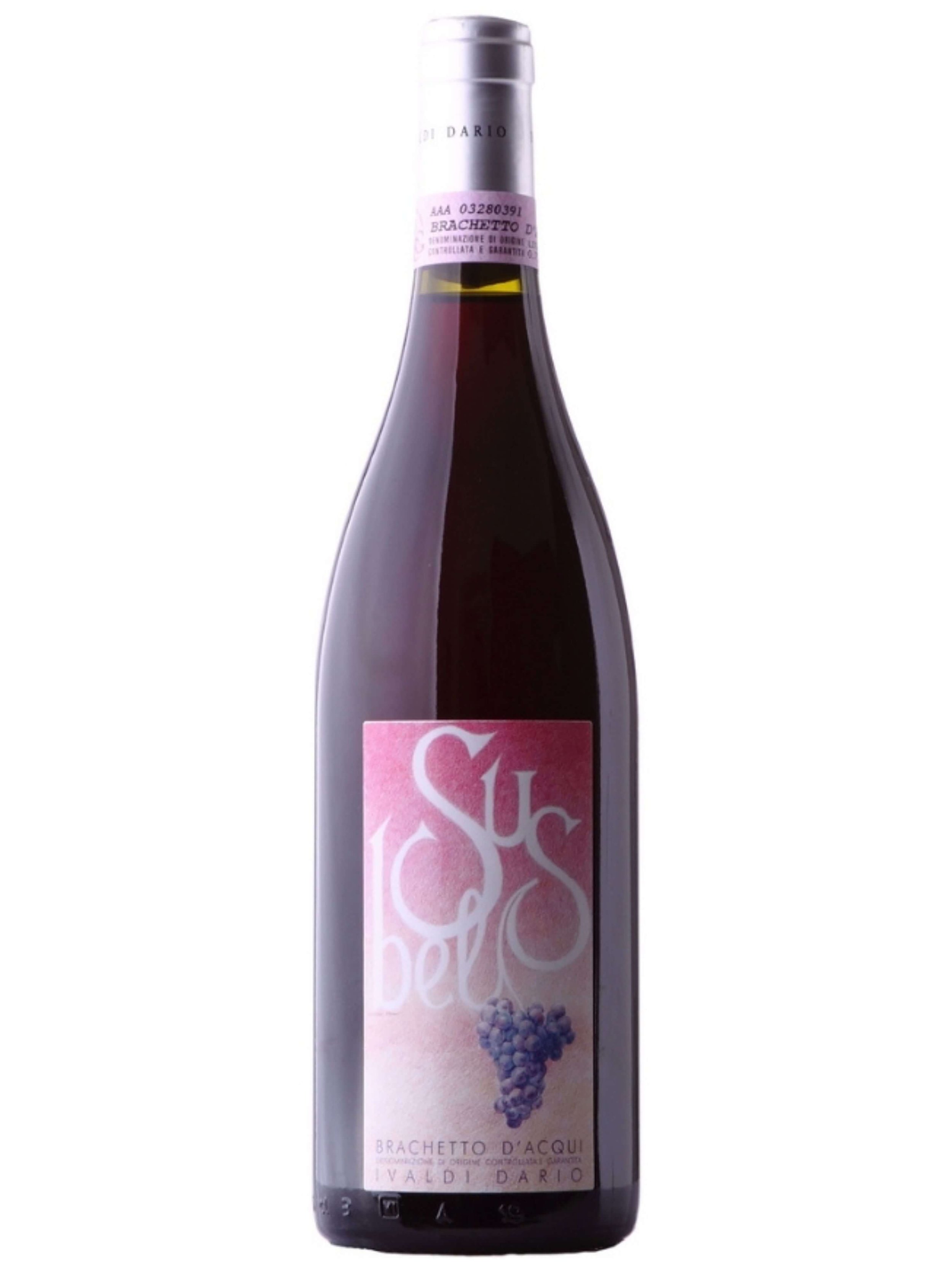
“Can we make Brachetto popular, please?” is how VinePair headlines why this artisanal, aromatic red sweet sparkling wine, just recently imported by us first time to the USA, made it to VinePair’s list of 13 Best Sweet Wines.
An aromatic grape, brachetto, creates a pleasantly slightly sparkling sweet red wine, with delicate rose flower and strawberry notes and strawberry and hibiscus taste. ‘Susbel’, in the local Piemontese dialect of Ivaldi in the Monferrato, refers to the location of the vineyard of this Brachetto d’Acqui, where the sun is bright and well exposed.
Left four days in contact with the skins and fermented with native yeast, this natural wine has a bright and clear light red color, dotted with fine effervescent bubbles. Sipping, the immediate impact is indeed sweet, yet with enough acidity and a hint of tannins to create a harmonious and balanced wine that keeps you coming back for more.
Wonderful to serve slightly chilled to sip with friends in the backyard on a hot summer day, or to serve with fruity desserts. Try pairing it with white or milk chocolate or a savory cheese, like with Humboldt Fog goat cheese - it goes incredibly well. It can also pair with charcuterie. Made with native yeast fermentation and has a residual sugar of 120 g/l.
A certified sustainable winery, Ivaldi Dario practices regenerative farming.

“Run, don’t walk to find and grab this bottle. It is a prime example of the harmony and complexity this style of wine is capable of expressing” is how VinePair describes this wine in their list of 13 of the Best Sweet Wines.
Fruity, spicy and balanced, this multiple award winning women-made dessert wine, Picolit, is the rarest and most treasured varietal in Friuli, the extreme North East of Italy.
It is made from hand-picked and air-dried picolit grapes that went through noble rot, as with the best dessert wines in the world. Fermented and then aged for 18 months in french oak barrique. Only 1200 bottles were made, and we have the last few available so be quick to grab this meditation wine to sip and savor.
Vigna Petrussa is a certified sustainable and biodiverse women-owned winery.

Before this 'modern era' of Proseccos made with the Charmat method, Prosecco was made with the ancestral method, like this wine, Codolà, where fermentation takes place in the bottle, and it is not disgorged. This means that the wine is unfiltered since it is on its lees. In Italy it is also called a Col Fondo sparkling wine and in the US, we use the French term ‘Pet Nat’ to describe this wine. This results in a white sparkling wine whose aromas and flavors continue to evolve while they are in the bottle. This Col del Balt white sparkling wine made by the Sanzovo brothers has a straw yellow color with lots of fine bubbles and green herb and pear aromas with a hint of lemon zest. It has 0 residual sugar and it tastes dry and clean, with a slightly bitter, lemon rind tasting, finish.

Made from Glera grapes in one of the best areas for Prosecco, Valdobbiadene, this is a crisp, clean delicious dry Prosecco DOCG with a light yellow color and lovely effervescence. It has notes of pear with a minerally flavor and a citrusy, slight bitter finish reminding you of the rich terroir where this wine comes from. This Col del Balt Brut Prosecco made by the Sanzovo brothers has approximately 5g of residual sugar. As well, it is a special Millesimato Valdobbiadene Prosecco Superiore, meaning not only does it come from the select Valdobbiadene “heart” of Prosecco, but it is also from a singular vintage, not a blend of multiple vintages like many Proseccos.

“This is a wonderful DOCG Prosecco. It has very balanced fruit that intertwines with jasmine, green apple, and subtle herbal notes. The palate is elegant with soft, lazy bubbles winding to the top of the glass. It is a joy on the palate, and the balance is undeniable. Such a good wine.” This is how VinePair describes this small production Prosecco in their curated list of the 20 Best Proseccos where this wine beat out all 20 with the highest rating of 93!
In fact, when we had first imported this wine, it was the first time it was in the US market. It took us a while to find a 'good' Prosecco, meaning one that had enough acidity to balance out the fruit along with one that had some personality, and all of Col del Balt Proseccos have great balance.
Made from glera grapes in one of the best areas for Prosecco, Valdobbiadene, this high quality Prosecco has fruity aromas that remind you of fruit cocktail. Its taste is fresh, balanced, nice fruit and minerality with a round mouthfeel and pleasant finish. This extra dry white sparkling wine has approximately 14 grams of natural residual sugar which you don’t taste at all since the acidity balances out the natural sugars.
As well, the new arrival is to be a special Millesimato Valdobbiadene Prosecco Superiore, meaning not only does it come from the select Valdobbiadene “heart” of Prosecco, but it is also from a singular vintage, not a blend of multiple vintages like many Proseccos.
Some Women-Made Wines to Discover

Erbaluce in Italy is an up and coming grape, and this organic erbaluce from woman winemaker Antonella Piatti is one of those small production wines that are hard to find in the US.
Organic, this Erbaluce white wine is part of the famous Caluso DOCG denomination and is fermented and aged entirely in stainless steel tanks.
The name, falavospa, means ‘spark’ in the local dialect of Piemontese.
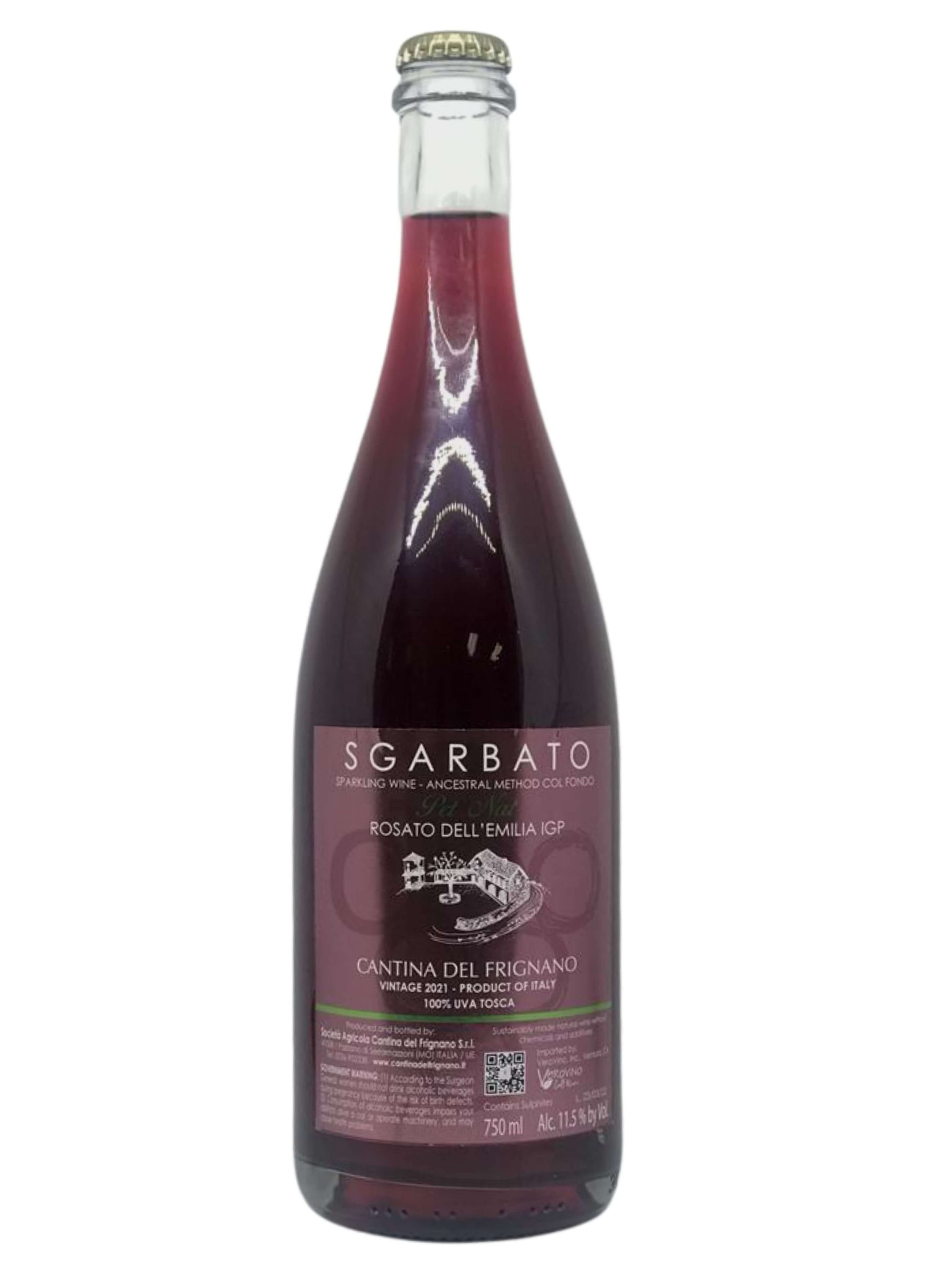
Made from the rare Uva Tosca grape, this dry Pet Nat tastes like drinking cranberry juice as a sparkling wine.
This producer, Frignano, is credited for reviving this forgotten grape which grows in higher altitudes in Emilia area of Northern Italy, and is believed to be a descendant of Schiava Grossa, the Alto Adige red grape.
Refreshing and quaffable, with strawberries on the nose and a saline finish, it is great on its own or with light fare. It is an unfiltered, bottle fermented 'col fondo' sparkling wine also known as ancestral method or Pet Nat style, and made with spontaneous fermentation like a natural wine.
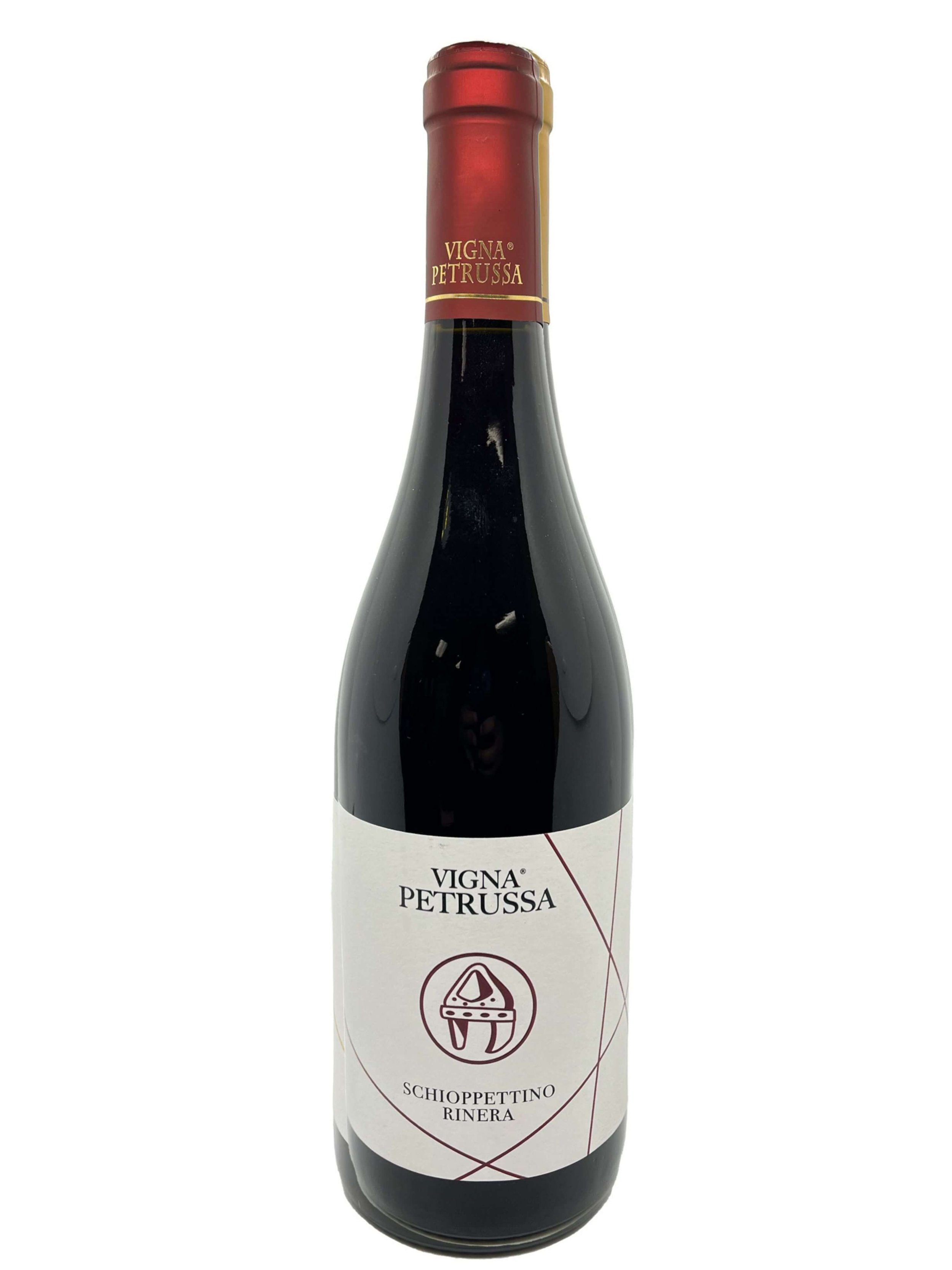
This is an unoaked Schioppettino from a women owned winery who spearheaded the rebirth of Schioppettino in the 'birthplace' of the grape which is Prepotto, Fruili. Having a deep purple-garnet color, it has notes of black pepper and dark fruit. Its taste is tangy, fresh and juicy with a long clean finish. Pairs with many dishes from hamburgers to roast pork. World renowned wine critic, Ian D’Agata calls this Schioppettino a ‘very pretty wine’ and named it a 'Best Buy Italian Wine'.
Some fun facts about this wine:
Vigna Petrussa also calls this wine ‘RiNera’, or a nickname for ‘Ribolla Nera’, local term given to the wine.
The grapes actually come from Prepotto but since it is not aged in oak the winery is not 'allowed' to put Prepotto on the label.
Vigna Petrussa is a certified sustainable and biodiverse women-owned winery.

This wine is a rare treat, being one of the very few Sangiovese red wines grown on volcanic soil. This natural wine is a complex yet approachable. Tarconte is a distinctive old world style natural red wine with a touch of new world, having been aged for 36 months in oak barrels. Notes of earth, mineral, herbs, black pepper, it is super juicy with ripe tannins, a real food wine. A good pairing is with rosemary Asiago cheese. Don't be in a rush to enjoy it: open it and see how it evolves!
Tastes Like: A Baking Spice Cabinet
Farming & Winemaking Highlights: Regenerative Agriculture | Sustainable Winery | Biodynamic | Native Yeast Fermentation | Vegan | No additives (ie non sulphites added) | Unfiltered | Organic | Metodo Corino | Natural Wine
Fun Facts: - The natural farming method that produced this wine, the metodo corino, is actually patented by La Maliosa woman winemaker Antonella Manuli after she helped to develop it with natural wine legend Lorenzo Corino of Case Corini.
- Named after an Etruscan mythological hero.
Some Biodynamic Wines to Discover

Coming from an area known for some of the best Sauvignon Blancs in the world, in the Südsteiermark subzone of in the South Styria of Austria, at 400m altitude with hand picked harvesting, this lemon yellow color sauvignon blanc has an intense bouquet of lemon, lemongrass and flint. It has citrus and apple flavors with a hint of lemongrass. It has great acidity and a long, sapid finish. Soils are red schist and loam. After 24 hours of skin maceration, the fruit was fermented with native yeast and aged in stainless steel. Minimal sulfur additions.

This unfiltered sauvignon blanc natural wine is playfully named after the limestone, mineral-rich soil where it was cultivated. It’s from the Sudsteiermark, or South Styria, Austria, known for some of the best sauvignon blanc in the world. It has a bright lemon yellow color with an intense reductive nose that has curious complex aromas that develop more once it breaths, such as tropical fruit aromas. The taste has a 'wow' factor with racy, prickly acidity, really nice texture a VERY long mineral finish. Think of what it’s like to lick a rock - this is it! This is your ‘atypical’ Sauvignon blanc, made from a mix of 9 different Michi Lorenz’s estate vineyards, some early, mid and late harvests, and across 4 different vintages using the complex solera method. A real one-of-a-kind sauvignon blanc.
A natural, and certified organic and biodynamic wine made with native yeast fermentation.

Cloudy mandarin orange color late harvest Sauvignon Blanc natural wine from one the best places in the world for Sauvignon Blanc leads to a saline and yeasty nose with a bit of lemongrass notes. It has laser-like, linear acidity and is super tasty, with great fruit and salinity. It is a 'meaty' orange wine with nice mouthfeel and slight tannins. This Sauvignon Blanc is from the Sudsteiermark region of Austria in South Styria.
This skin-contact orange wine is crafted with native yeast fermentation by certified organic and biodynamic Austrian winery Michi Lorenz.
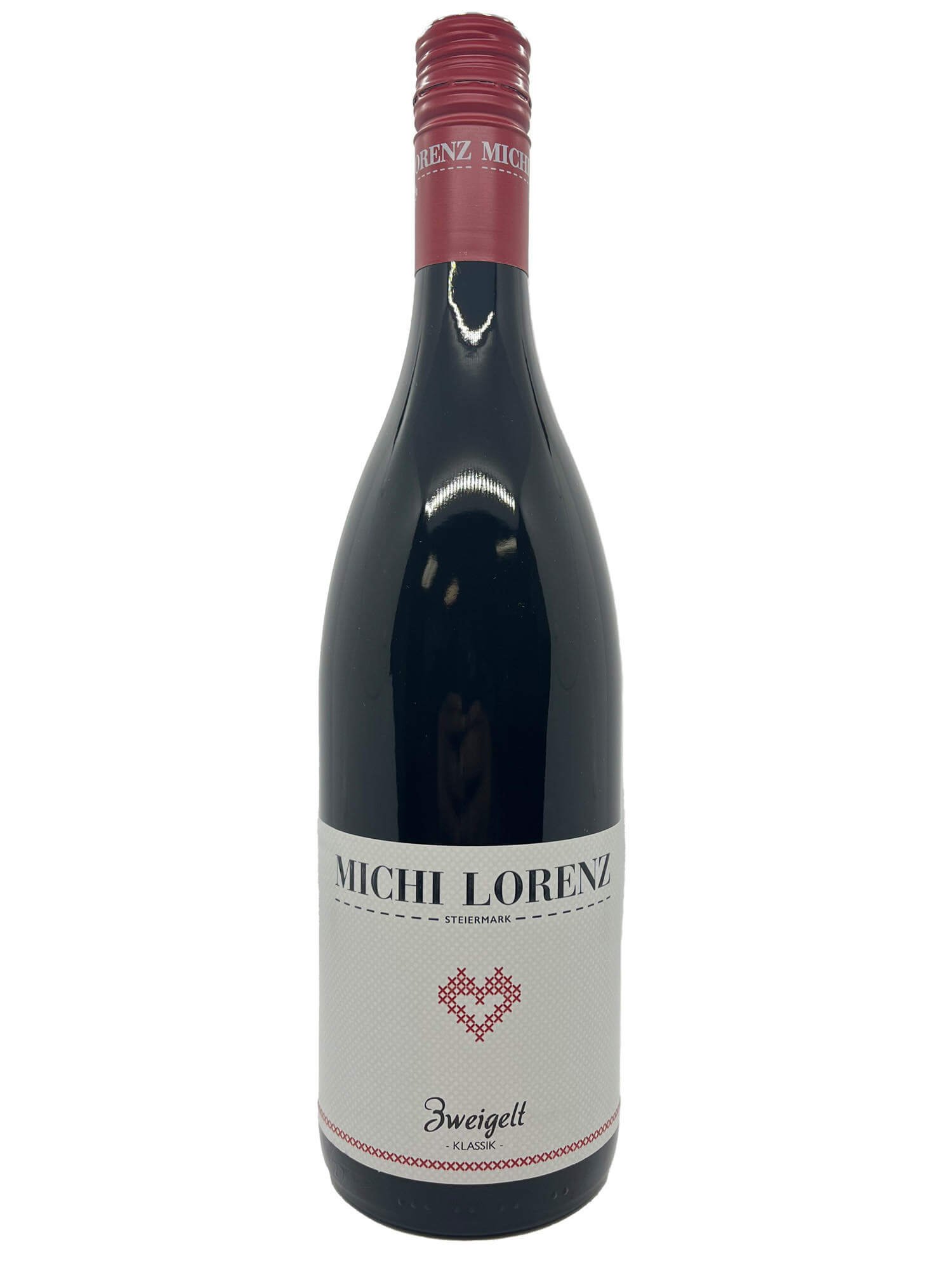
The organic and biodynamically farmed fruit was handpicked from estate hillside vineyards 400 meters above sea level in Sausal. Soils are red schist and loam. The wine underwent native yeast fermentation. After 25 days of maceration on the skins, the wine aged in a combination of stainless-steel tanks and oak barrels with very minimal sulfites added.
The first sniff of this quaffable Zweigelt natural wine is amarena cherries which then leads to vanilla and spice. In the mouth it is fresh with fruit that hides behind the structure and chalky tannins. It has nice texture and a medium slightly bitter finish. It is easy drinking and pairs great with hamburgers.