
Training a Vineyard

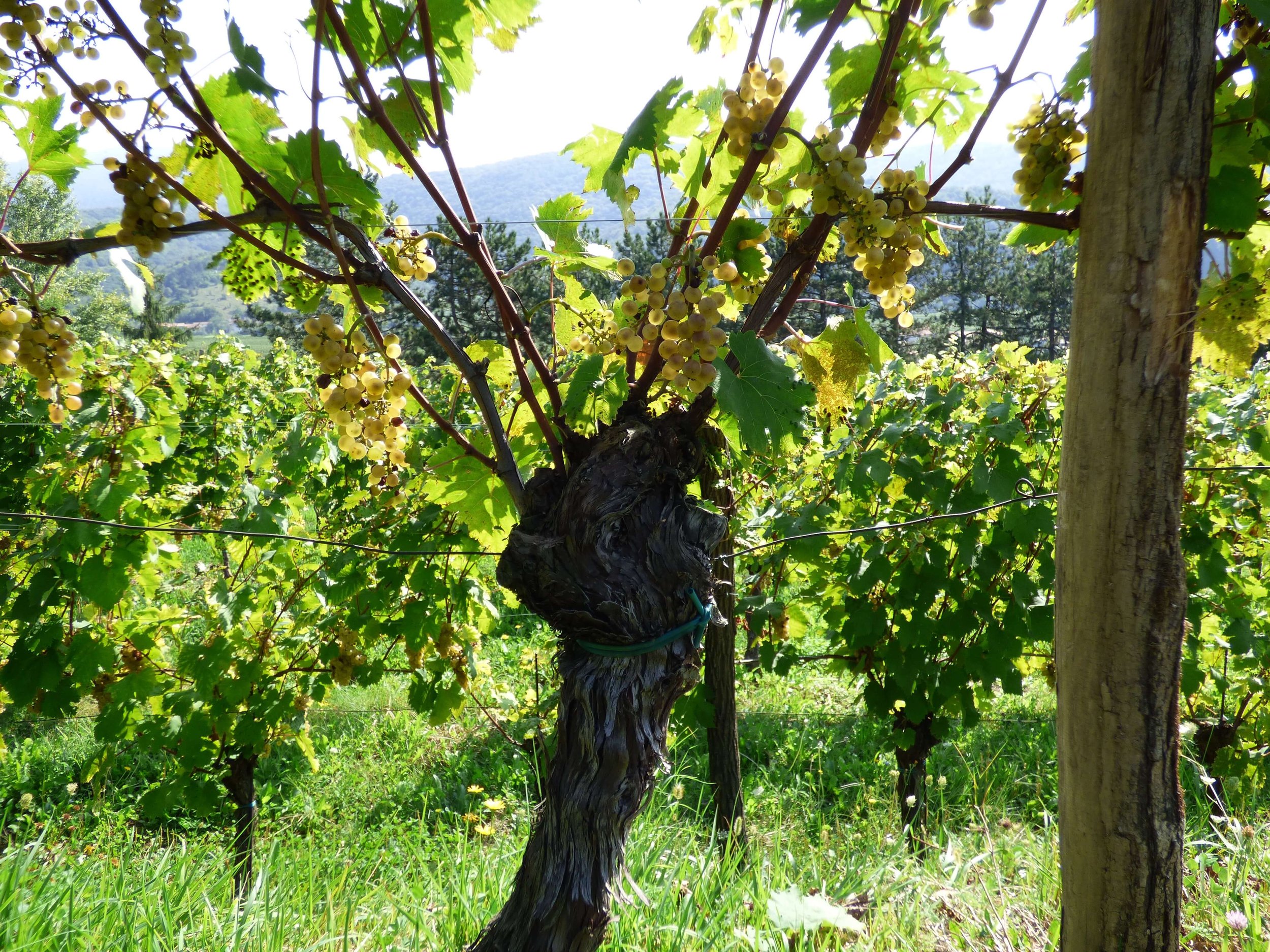
The Guyot trained vineyards and vines of Vigna Petrussa in Friuli Venezia Giulia, Italy.
There are fewer sights more beautiful in the world to a wine lover than rows upon rows of neverending vines.
Whether you see:
the neat trimmed and well organized soft hills of the Langhe in Piedmont, Italy,
the steep jagged and crooked dots of places like the vineyards of the Mosel in Germany,
flat and straight vineyard landscape in California,
or the wild and overgrown natural beauty of Maremma,
all over the world the sight of a vineyard excites wine lovers.
Except perhaps for wild vines and natural wine farms, like La Maliosa who “plant” wild vineyards, these rows are purposefully meant to be as such: wine is a product of farming, and, over the years, humans have searched for the “best” way to shape and bend the wild grape vines to their needs.
Whether done through trellising, pruning, training, however you want to look at it, the truth of the matter is there is a myriad of different ways to go about grape plant training, and just as many pros and cons of each methodology. Continuing on our Vine Anatomy 101 series, where we started first from the roots, then dissected each part of the vine, most importantly the grape, in this article we move on to the upper reaches of the vine and look at some of the most common grape vine trellis systems, also known as grape vine training systems.
A Review of Vine Anatomy 101

Ojai Pacific View chose to follow a traditional Cordon Training and Spur Pruning technique.
Before we launch into this discussion of vineyard trellising, let’s quickly go over some basic terminology. We recommend you to read our Vine Anatomy and Rootstock articles first for a more thorough understanding, but as a quick recap we will define briefly the most important concepts here.
Rootstock
The roots of a vine are the underground portion of a grapevine, consisting of the roots and a small part of the trunk coming out of the ground. They serve as the foundation of the vine, absorbing water and nutrients from the soil and ancoring the vine in the soil. Critically, rootstocks and grafting are crucial for combating phylloxera, a devastating pest that nearly wiped out European vineyards in the 19th century.
Trunk or Permanent Wood
The trunk is the vine's main support structure, growing directly from the rootstock. Unlike other parts of the vine, it remains untouched by pruning, hence why sometimes it can also be called “permanent wood.” It thickens over time, creating the characteristic gnarled appearance of older vines.
Cordons and Canes
Branching from the trunk are cordons or canes. Cordons, or arms, are permanent extensions of the trunk, usually growing horizontally. Canes are also referred to as one-year-old wood, either short spurs growing directly from the trunk or cordon or longer sections which are trained along wires. It is from these canes (or spurs) that the green parts of the vine will sprout. It is this part of the vine that will become most pertinent to trellising.
Green Yearly Growth (Shoots, Tendrils, and Leaves)
Green growth of a vine shows itself in early spring, when the vine starts to bud, after which the vine grows leaves like crazy. Technically the green growth of the grapevine, also known as the canopy, also comprises shoots, tendrils, and flowers. Shoots are the main growth, extending from spurs or one-year-old wood left after grape vine pruning. Tendrils aid in vine support, while leaves provide photosynthesis and shade. Flowers on the shoots will develop into grape clusters, the vine's prized fruit used to make our favorite wines.
Vineyard Trellising 101
Trellising is nothing new to a home gardener. Think of the tomato plant, which technically is a vine. It needs support in order to produce prized fruit to the maximum. The grapevine is no different.
In reality, the grape vine is quite invasive, almost a weed-like plant. It grows where it must, and, for wine aficionados the world over, a common trivia fact is that vines love infertile, rocky soils. “Poor”soils like this produce the best grapes in the most adverse of conditions. Think of a grapevine as a glutton for punishment, where we, wine lovers, stand to gain from it.
Historically, vines would grow up trees, using their tendrils to crawl up trunks to incredible heights. Most likely the first wines were made harvesting the grapes from such vines. Of course, as humans settled and began the journey of cultivation, they began to tame the wild vine, both physically and biologically. And, like the wolf that became the poodle, wild grape vines have become the grapes and varieties we know today.
Grape plant pruning and trellising were probably choices made by chance, or for ease of cultivation. After thousands of years of practice and wisdom passed down, winemakers understand the benefits of certain grape vine training techniques, and thus work with certain methods over others. Each has its strengths, and good winemakers know how best to leverage every one.
A head trained vine, also known as tree, bush or alberello, since, as you can see, the vine's trunk looks like a trunk of a tree from which the branches grow.
Head vs Cordon Training
Perhaps the largest point of differentiation in the vineyard trellising discussion is distilled down into 1 choice: cordon trained or head trained. It is from these two buckets that the other methodologies we mention further along in this article will fall. With a head trained vine, the one year wood, i.e., canes, begin directly from the trunk, or “head”. How these canes are then trained can be then turned into alberello (also known as bush, head trained or tree training system), guyot (also known as double guyot) and other grape vine training methods. The important distinction here is that “permanent wood” ends with the trunk.
With cordon training, the permanent wood extends past the trunk, usually horizontally, coming off of the trunk in an L or T formation to give the most classic “grape vine” shape. From this permanent cordon will grow the one year wood canes: it is from those branches which will form the annual shoot and tendril growth.
Spur Pruned
One of the most common pruning methods for cordon trained vines is spur pruning; because it is very versatile, it can also be used on head trained vines. Coming off of the thick cordons, farmers will leave spurs consisting of several inch-long one-year-old wood sections. From these spurs grow our green bits and eventually our juicy grapes. Examples of these vines can be found in Ojai Pacific View’s Dolcetto vineyard in Ojai California.
Guyot and Double Guyot
Guyot is one of the most widespread methods in Europe. In guyot training, a single cane of one year wood is left to grow from the trunk. Also seen in some vineyards, can be a “double guyot” system, where two canes are left. The Guyot pruning and training method imitates cordons or arms, however, it should not to be confused with the permanent wood of a cordon. In fact, if you look carefully, you will see that the one year wood of the guyot method is much smaller than the thicker cordons. This becomes even more obvious and evident with older vines and thicker trunks. Vigna Petrussa, with their vineyards in Italy, in the extreme north of Friuli Venezia Giulia, uses a guyot training system. They choose a single guyot vineyard farming system, instead of double guyot, since they strive for lower yields to increase the quality of their wines.
Bush or Alberello

La Maliosa in Tuscany follows an Alberello style of training, along with several other Vero producers, like Case Corini.
Perhaps one of the most “natural wine” ways a winemaker can train their vines is by using alberello or bush training, also known as head trained and tree. With this method, the vines are left to grow much more in their natural way. The vine grows up as a permanent wood trunk. When it gets taller, it the shape of a tree, or “bush” gets recognized. Then you’ll see multiple arms or canes crawl upwards, sometimes sky high along trellis works, i.e., a lattice like fence. In fact, alberello gets its name from Italian, which is derived from the word for tree, or albero. Wineries such as La Maliosa in Tuscany utilize alberello trained vines..
Pergola Canopy
Perhaps one of the most romantic ways to train vines is in a pergola. Trunks are left to grow high above a winermaker’s head, and the green bits trained across, forming a beautiful tunnel between vineyard rows. Pergola grape vine training systems are the most common in Abruzzo, where you find the Italian winery Febo, and are found in many other parts of Italy, such as in Northern Piedmont where the erbaluce grape is cultivated, making delicious white wines. Pergola is a traditional, “old style” choice of vineyard farming which is having a coming back as it works effectively combatting climate change, thanks to its cooling effect by creating shade. It allows the grape clusters to be hidden from potentially damaging effects of a strong sun.
Why Are These Choices Important?
How does a winemaker choose a particular training system? It is through careful consideration of a few different factors, thinking about which methods best fit each particular case. Of course, there are certain methods that have become “universally accepted”, even though they might not be the absolute best, such as the traditional cordons and spur pruning. As was the case with Ojai Pacific View, Mother Daughter team Patti and Jacqui Mitchell agree, “When we were building the vineyard we looked at everyone around us. They all had cordon trained, spur pruned vines. When we asked them they said ‘do it this way’, and it certainly is the most classic image of a vine, that T shape. So we just followed local wisdom, as starting from scratch we had very little wisdom of our own at the time.”
But local traditions aside, let’s look at some different factors, and why a farmer when considering them might choose or dismiss certain training methods.

The Pergola training vines of Febo in Abruzzo Southern Italy allow the grapes to get shade from the hot sun, along with other benefits.
Climate and Weather
Perhaps the most important consideration is the general climate and weather conditions of a winegrowing region. With hot weather in particular, a winemaker might choose a pergola, to keep the grapes away from the heat soaked earth and provide enough shade to prevent sun burnt grapes. It’s not a surprise then that in Abruzzo, where Febo is, and which can be considered Southern Italy, that pergola training systems are common. Pergolas are also well liked in regions that require good flow of air, which also minimizes the risk of mold and insect damage. In fact, pergola vineyard farming is on the rise, as cited by this article, in part driven by climate change but also it is a more efficient way of managing a vineyard. This helps vineyard workers as well as dealing with shortages on resources to help in the vineyard.
Certain methods like guyot or spur pruning are particularly good for a production method called by wine nerds as “VSP” or vertical shoot positioning. In this method, much like the name suggests, shoots coming off of a guyot cane, or spur, are positioned vertically along trellis lines, growing and reaching upwards, towards the sky. VSP can also helpful for aeration in humid or foggy regions since it allows wind to gently breeze down rows and through vines, keeping the grapes nice and dry, thus free from rot.
Hilde Petrussa of Vigna Petrussa uses exclusively Guyot trained vines because it allows the grapes to get good sunlight; when positioned correctly, the vine branches spread out, allowing for the grapes to be more exposed to the sun. This is also beneficial in an area such as Friuli, in North Eastern Italy, where Vigna Petrussa is located, where there are high diurnal fluctuations, with cool nights and hot days in the summer. Under these conditions, you want the grapes to be well aerated and exposed to sun in order to reach peak ripeness.
In some places where wind is often dangerously strong, winemakers will use protective styles, such as in Greece with “bird’s nest vines” or in the Northern Rhone with individually staked vines.
Ease
One of the reasons why VSP and cordon trained vines have become so popular is thanks to modernization: they facilitate mechanization in vineyards. While this is not a consideration for small wineries, like Vero Producers, we mention it since it might be an important consideration for large wineries. You see, certain training methods, require vastly larger amounts of time to work with, and thus you need trained staff to maintain the vineyards. Meanwhile, with neat rows of VSP vines, it is easy for tractors to run up and down, and easier to find workers with experience working with large production grape vine trellis systems and mechanical harvesting and trimming; these are all things that can vastly reduce the cost and workload of a farmer, but also might diminish quality overall. So, it’s a trade-off.
Quality vs Quantity
Which leads us to our last consideration: quantity vs quality. Of course, while considerations such as weather take precedence, quality or quantity is another decision to make when perhaps two methods are “even” on the “climate scale”.
Certain types of trellising, like Guyot can be extended into double or even 4 times, to allow for maximum production, you are also pushing the vine to produce the largest possible quantity of grapes. Doing this will lower overall quality and concentration of flavors, structure and aromas which make a wine great.
Considerations like this is why small, regenerative farming wineries like La Maliosa with their patented Metodo Corino, as well Corino family natural wine estate, Case Corini, work with higher labor alberello vines: it stops the chance of mechanization and over production, and allows them to better care for individual vines, crafting each one as needed.
Taste the Vineyard
Is there a difference in the wine from different trellising methods? Ready to experiment and find out? With wild and scarce Vero wines, our producers carefully farm and craft each wine with passion. If there was ever a way to taste the vineyard and their hard work, it is through opening a bottle of wine from a Vero producer.
We exist to allow all Americans, across the US, from businesses to consumers, to experience the pleasure of a farm to glass wine, and a really good olive oil too. How can you get your hands on the hidden gems we forage for?
If you are a distributor reach out to us introduce our highly curated portfolio of one of a kind small production wines to your state.
We sell to wine stores and restaurants in certain states - contact us to learn more.
If our farm crafted natural wines and olive oils are not in your local shop or restaurant, buy wine online here, and we’ll ship it to you, including wine gifts.
We also have an award winning wine club for true wine explorers that are seeking to continually discover unique, sustainable and authentic small production wines they never had. These are wines selected by our sommeliers and curated for each box.
We do corporate gifts and sommelier guided wine tastings. Email us and we’ll tailor unique and sustainable corporate gift ideas.
A Sampling of Single Guyot Trained Vines of Vigna Petrussa
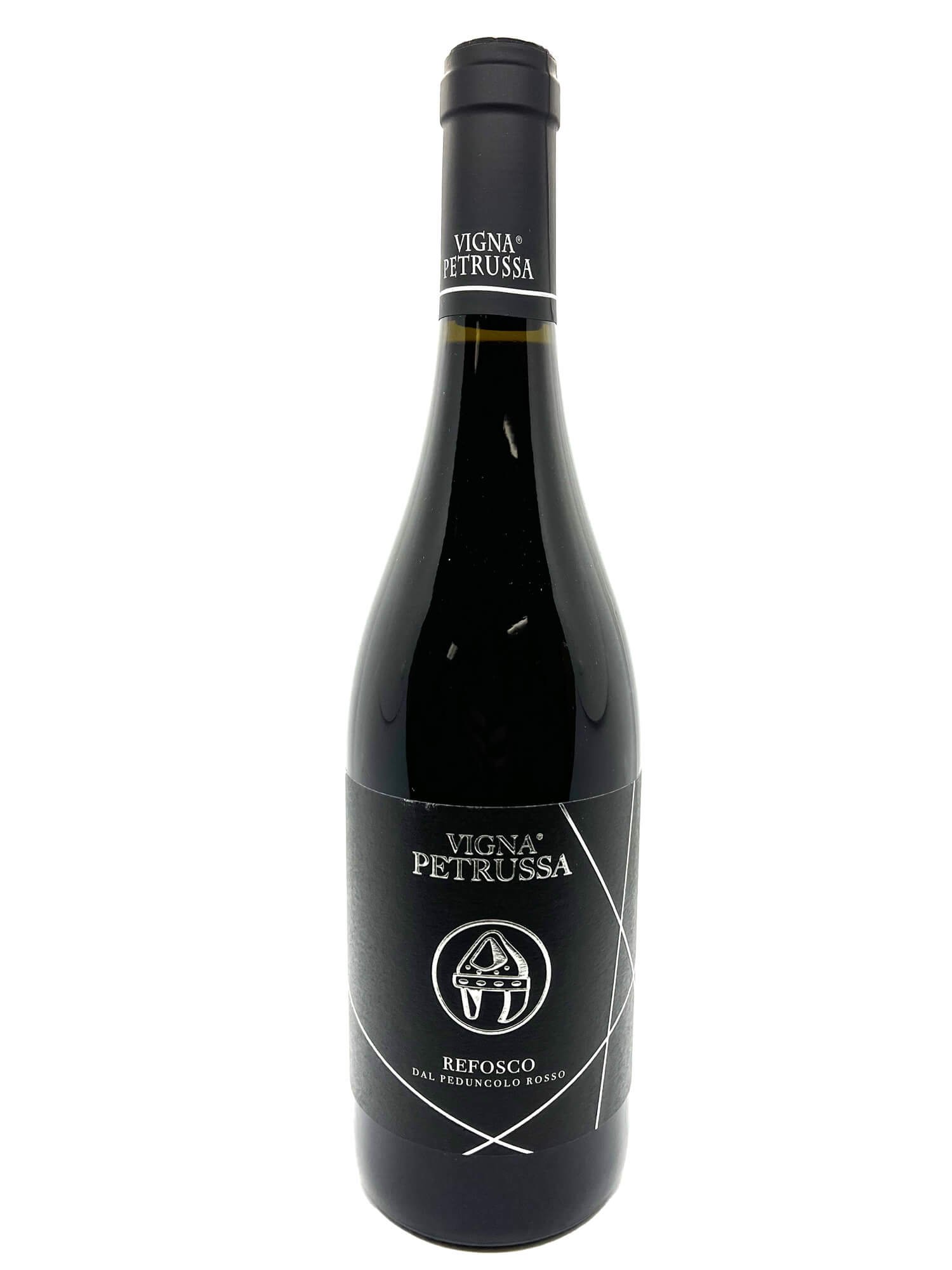
Like a cook in the kitchen, Hilde Petrussa gives a special touch to each wine. With her Refosco, after gathering the grapes, she lets the tannins mellow out by air drying some the grapes, a process called appassimento used for wines like Amarone, for about 20 days before starting the fermenting process.
A deep purplish red hue, the bouquet recalls dry summer hay and red berries jam. On the palate it is round with soft tannins and underbrush hints.
Vigna Petrussa is a certified sustainable and biodiverse women-owned winery.

Prepotto is the birthplace of the hard-to-find Schioppettino varietal. It gets its name from the Italian 'schioppare' or to burst, since the grape 'bursts' in your mouth when you eat it. Aromas and tastes of black pepper and plums. Fermented with indigenous yeasts and aged for two to two and a half years in oak barriques. Strong cheese lovers love to indulge in this wine.
Gold Medal Decanter, plus many other awards. Vigna Petrussa's oak-aged 2019 Schioppettino won the prestigious 3 Bicchieri Award by Gambero Rosso.
Vigna Petrussa is a certified sustainable and biodiverse women-owned winery.

“Run, don’t walk to find and grab this bottle. It is a prime example of the harmony and complexity this style of wine is capable of expressing” is how VinePair describes this wine in their list of 13 of the Best Sweet Wines.
Fruity, spicy and balanced, this multiple award winning women-made dessert wine, Picolit, is the rarest and most treasured varietal in Friuli, the extreme North East of Italy.
It is made from hand-picked and air-dried picolit grapes that went through noble rot, as with the best dessert wines in the world. Fermented and then aged for 18 months in french oak barrique. Only 1200 bottles were made, and we have the last few available so be quick to grab this meditation wine to sip and savor.
Vigna Petrussa is a certified sustainable and biodiverse women-owned winery.
The Pergola Trained Vines Making Febo’s Natural Wines

An organic & vegan natural wine made from 100% trebbiano abruzzese, a white wine grape which the New York Times cites a grape “worth knowing better”. It has an inviting straw yellow color and an exotic nose (look for the saffron!) and an intriguing fruity and herbal taste.
This white wine is age-worthy too! Fermented and refined in grandfather Febo’s concrete vessels.
Region: Italy > Abruzzo > Chieti
Tastes Like: Peaches and Saffron
Farming & Winemaking Highlights: Regenerative Agriculture | Sustainable Winery | Biodynamic | Native Yeast Fermentation | Vegan | Single vineyard | Old Vine | Organic | Natural Wine
Fun Facts: This wine is named from the single vineyard from which it comes, Parella in Chieti.
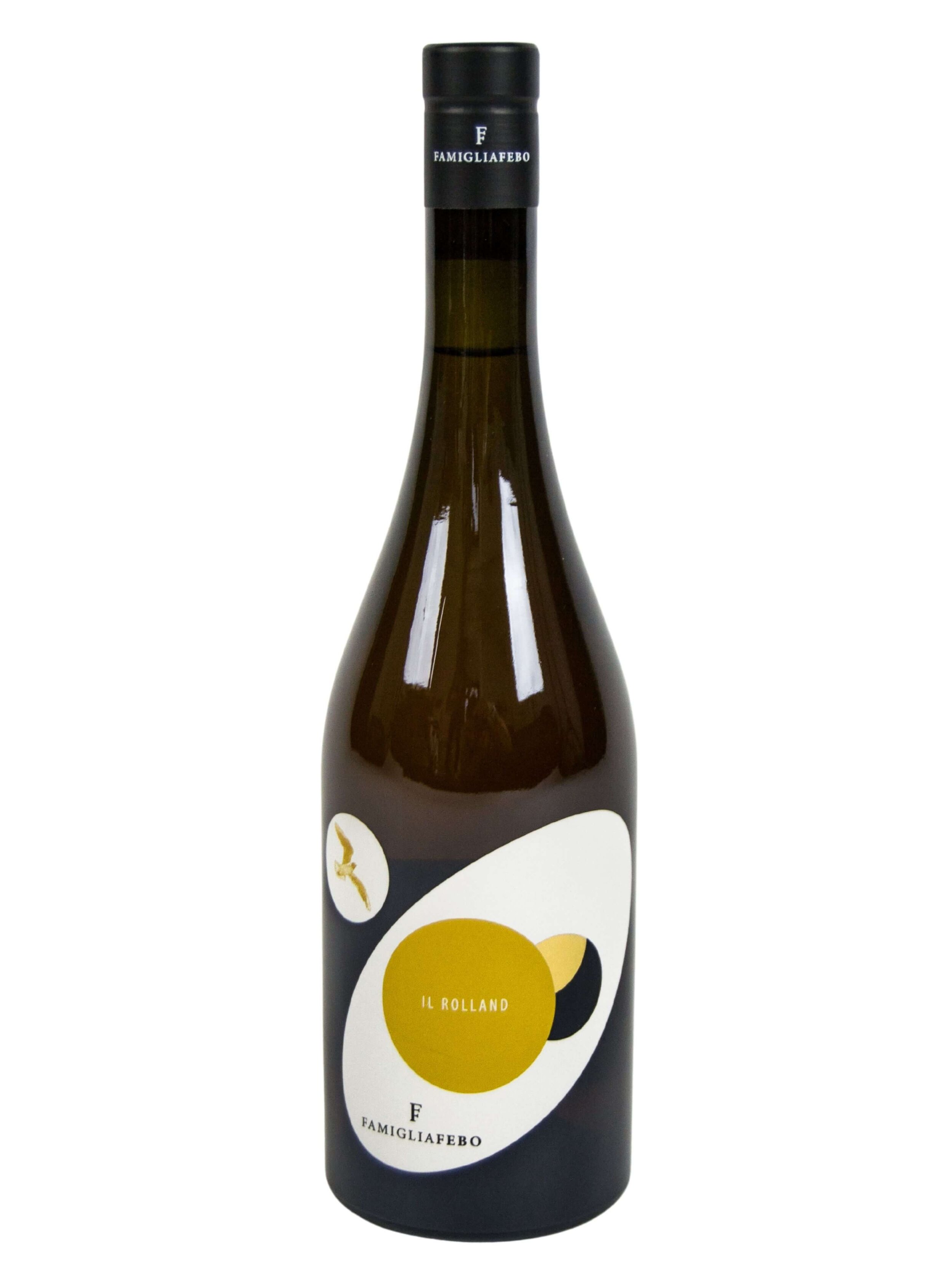
Rolland’s deep straw yellow or rusty color likens it to an orange wine, but this color comes from the vineyard, sun, and weather. A fresh and textured mouthfeel leaves you pondering and wanting to have another sip. We recommend to let it breathe before enjoying to the fullest.
The 2023 vintage offers a drier, more savory, and complex profile. With golden raisin and saffron flavors, it evolves into deeper sensations of caramel, sage, and a pronounced orange rind on the finish. It wraps up with a long, distinctive mineral finish. The 2023 really summarizes well the age-worthiness of this wine.
Region: Italy > Abruzzo > Spoltore & Chieti
Tastes Like: Golden Raisins & Saffron
Farming & Winemaking Highlights: Regenerative Agriculture | Sustainable Winery | Biodynamic | Native Yeast Fermentation | Vegan | Single vineyard | Organic | Natural Wine
Fun Facts: This wine is named for Grandfather Febo, Rolando, who bought the concrete vessels the family ages their wines in.
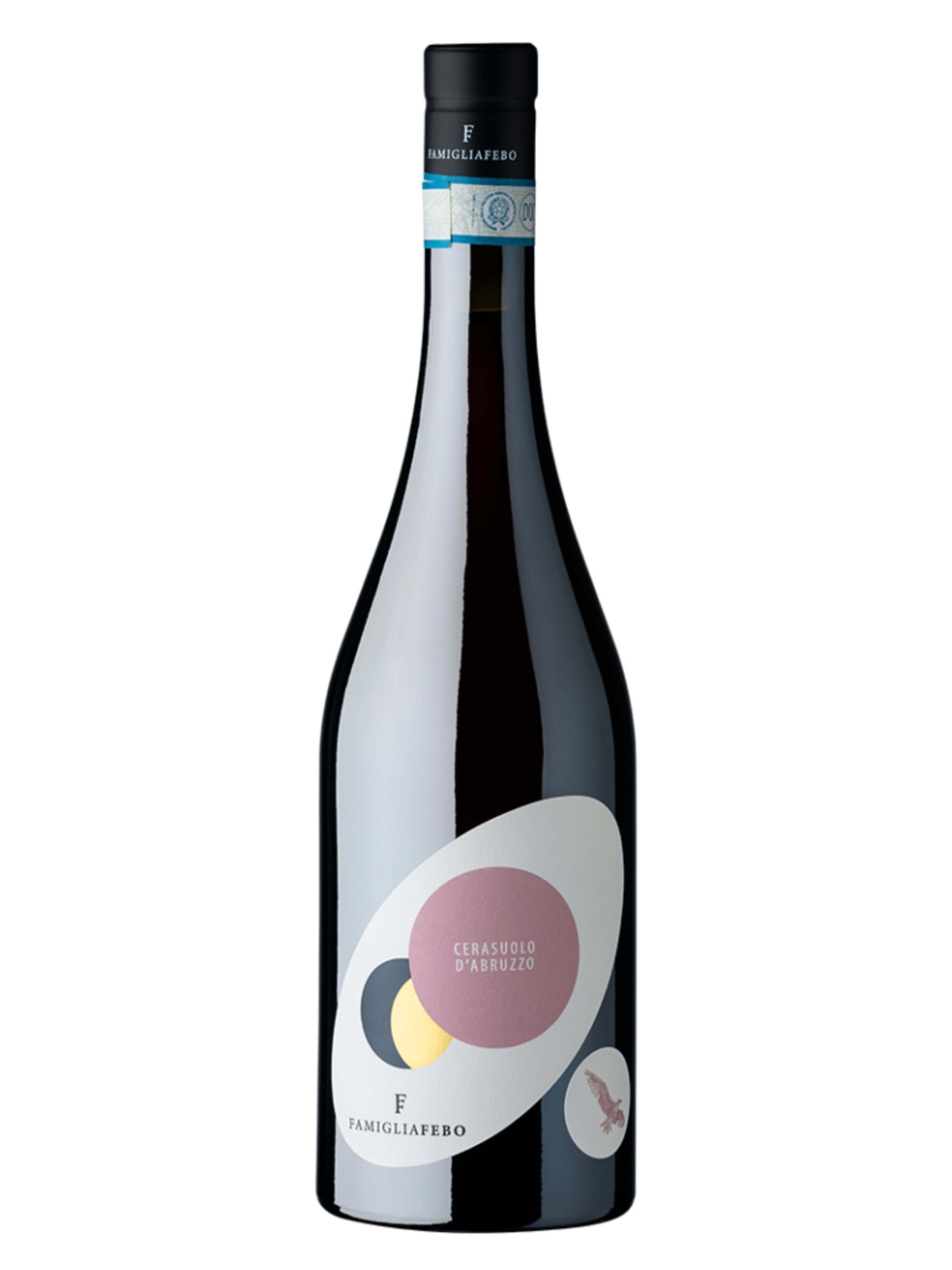
While made as a rosé wine, this Cerasuolo d’Abruzzo is actually more like a light red wine thanks to the dark pigments of the Montepulciano grapes used, farmed on Febo family’s estate vineyards in Abruzzo.
The minimal intervention approach of this natural wine producer results in a lot of vintage variation year after year. For example, the 2021 Cerasuolo d’Abruzzo has a cherry taste with a salty finish, and is considered a “serious” rosé wine while the 2024 is a Rosorange color that bursts with blood orange flavors mixed with cherry.
Region: Italy > Abruzzo > Spoltore & Chieti
Tastes Like: 2021 - Cherries | 2024 - Tart cherries and blood orange
Farming & Winemaking Highlights: Regenerative Agriculture | Sustainable Winery | Biodynamic | Native Yeast Fermentation | Vegan | Organic | Natural Wine
Fun Facts: Both vintages are fermented with native yeast and refined in the winegrower's grandparents' concrete vessels. Great chilled and a good pairing is eggplant parmesan.
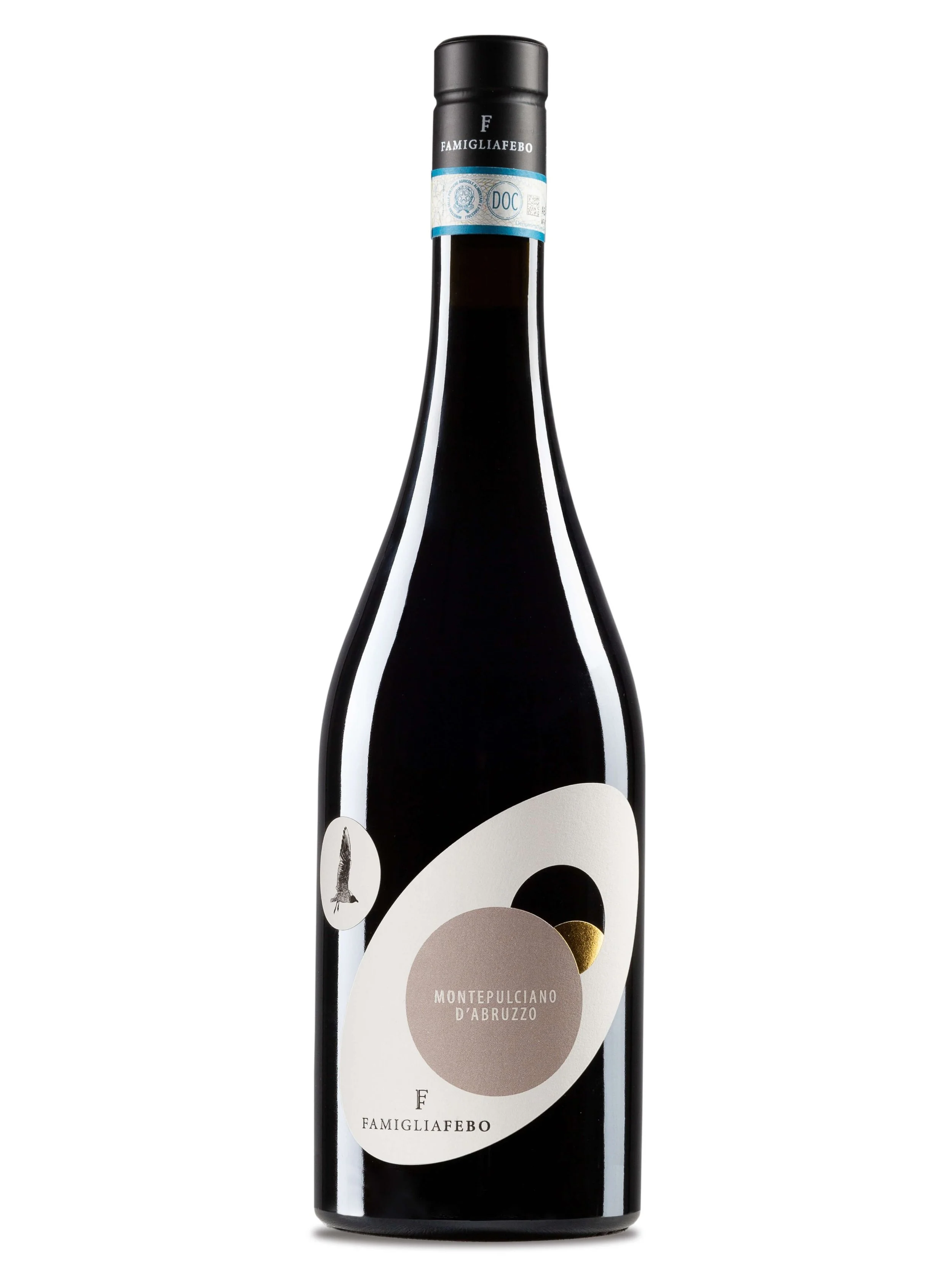
Made with 100% Montepulciano grapes spanning family vineyards in Spoltore and Chieti in Abruzzo, it has aromas of amarena cherries and licorice and a slight funkiness thanks to its 100% natural production. It tastes of dark fruit, with a rich texture and slightly bitter finish, with the funky vibe continuing while tasting. Fermented and refined in the winegrower's grandparents' concrete vessels.
Region: Italy > Abruzzo > Spoltore & Chieti
Tastes Like: Dark fruits
Farming & Winemaking Highlights: Regenerative Agriculture | Sustainable Winery | Biodynamic | Native Yeast Fermentation | Vegan | Organic | Natural Wine
Fun Facts: Pairs nicely with chicken parmesan. | While there is a famous wine “Vino Nobile di Montepulciano” from Tuscany, this grape has no connection to it; the “montepulciano name” there comes from the town noame, where as here in Abruzzo “montepulciano” actually refers to the grape used to make the wine.
The Alberello Natural Wines of La Maliosa

Woman made Saturnalia Bianco, on VinePair’s list of Top 15 Best Orange Wines, is an award winning, unfiltered and delicious skin contact orange wine made from old vine procanico & trebbiano grapes cultivated in volcanic soil.
This natural wine is made from the patented Metodo Corino, based on regenerative farming principles. Nothing is added but grapes! Made with unpressed, free run juice with native yeast fermentation. A two week maceration imparts a dark amber color. Aged only in stainless steel tanks, it has aromas of candied fruit, dried apricot and ginger.
It has pleasant acidity and tannins, and is balanced with a long finish. A pretty deep orange color, it is a great wine for difficult food pairings, it pairs with almost any dish.
Tastes Like: Candied Orange Peels
Farming & Winemaking Highlights: Regenerative Agriculture | Sustainable Winery | Biodynamic | Native Yeast Fermentation | Vegan | No additives (ie non sulphites added) | Unfiltered | Organic | Metodo Corino | Natural Wine
Fun Facts: - The natural farming method that produced this wine, the metodo corino, is actually patented by La Maliosa woman winemaker Antonella Manuli after she helped to develop it with natural wine legend Lorenzo Corino of Case Corini.
- Named in honor of the Roman festival in December which took place near the winery, La Maliosa, this wine was once called Saturnia Bianco.

This wine is a rare treat, being one of the very few Sangiovese red wines grown on volcanic soil. This natural wine is a complex yet approachable. Tarconte is a distinctive old world style natural red wine with a touch of new world, having been aged for 36 months in oak barrels. Notes of earth, mineral, herbs, black pepper, it is super juicy with ripe tannins, a real food wine. A good pairing is with rosemary Asiago cheese. Don't be in a rush to enjoy it: open it and see how it evolves!
Tastes Like: A Baking Spice Cabinet
Farming & Winemaking Highlights: Regenerative Agriculture | Sustainable Winery | Biodynamic | Native Yeast Fermentation | Vegan | No additives (ie non sulphites added) | Unfiltered | Organic | Metodo Corino | Natural Wine
Fun Facts: - The natural farming method that produced this wine, the metodo corino, is actually patented by La Maliosa woman winemaker Antonella Manuli after she helped to develop it with natural wine legend Lorenzo Corino of Case Corini.
- Named after an Etruscan mythological hero.

An award winner in the Millennial Wine Competition, this all natural, fresh and earthy red is made from hard-to-find Tuscan varietal Ciliegiolo whose name derives from cherry - so guess what it tastes like! An organic, biodynamic and natural wine made from the patented Metodo Corino with nothing added but grapes. Made with free run juice, maceration continues for four weeks and then aged in neutral wooden barrels for a short period of time. A natural wine, no sulfites are added during the winemaking process. Cherry and spice aromas and taste with notable tannins and mouth feel contributing to its great structure and long finish.
Tastes Like: Cherry Jam
Farming & Winemaking Highlights: Regenerative Agriculture | Sustainable Winery | Biodynamic | Native Yeast Fermentation | Vegan | No additives (ie non sulphites added) | Unfiltered | Organic | Metodo Corino | Natural Wine
Fun Facts: The natural farming method that produced this wine, the metodo corino, is actually patented by La Maliosa woman winemaker Antonella Manuli after she helped to develop it with natural wine legend Lorenzo Corino of Case Corini.
The Head Trained Natural Wines of Case Corini
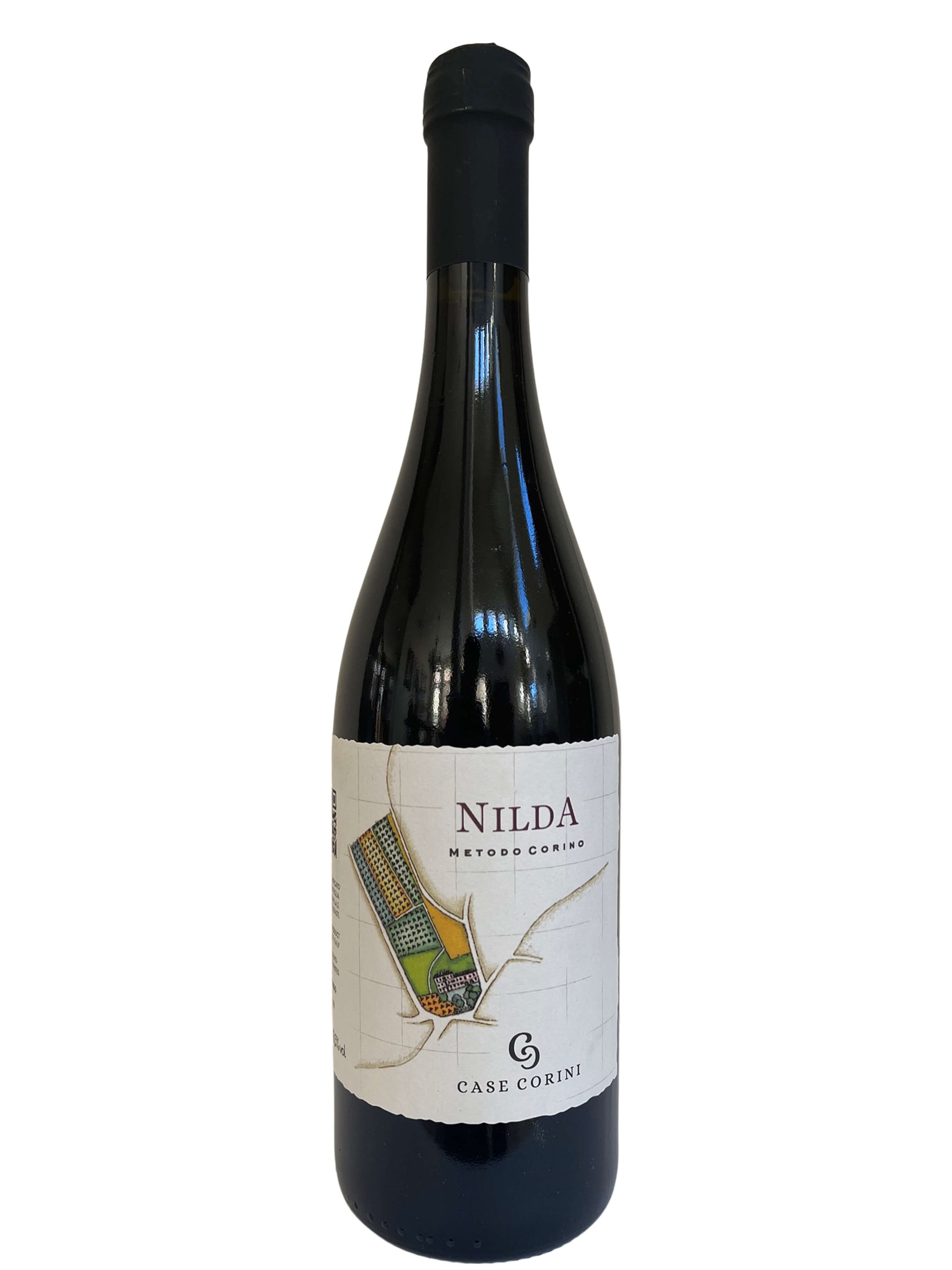
Named after Lorenzo Corino's grandmother, Nilda is Lorenzo & Guido Corino's new red wine from 20 year old vineyards in their hometown of Costigliole d'Asti. It is a field blend mainly of Barbera, along with a mix of other old varieties native to the area. It has aromas of spiced milk chocolate cookies and has a fresh, ripe dark fruit taste with an earthy funkiness and great texture. This vegan wine is made naturally, with no intervention of any kind made and no sulfites added. After a gentle crushing, fermentation starts with native yeast fermentation and wines are left with skin contact for 3-4 weeks, followed by about 12 mos of aging in wooden barrels.

All natural, old vine nebbiolo and barbera blend with no added sulfites and yeast. Aromas of milk chocolate covered cherries, it has a fresh and rich fruity taste with notable tannins and a has a long piquant finish. Name comes from the former owner of the 70 year old vineyard which has a mix of Nebbiolo and Barbera and is down the hill from the childhood home of Lorenzo Corino. After a gentle crushing, fermentation starts with native yeast fermentation and wines are left with skin contact for 6-7 weeks, followed by about 30 months of aging in wooden barrels. As with all of Case Corini wines, this is a 00 wine, nothing added, nothing removed, no yeast, no sulphites added, organic, biodynamic, vegan. In other words, all natural wine.

Earthy, age-worthy nebbiolo made from 70 year old naturally cultivated vines. Named for the dearly beloved grandfather of Lorenzo Corino. Having a garnet color with orange hues it has a complex, spicy nose with notes of cardamom and cinnamon. When tasting, it is fruit forward, cherry & forest fruits, followed by spices, and chalky tannins envelope the mouth and finishes elegantly. After a gentle crushing, fermentation starts with native yeast fermentation and wines are left with skin contact for 6-7 weeks, followed by about 36 mos of aging in wooden barrels.
As with all of Case Corini wines, this is a 00 wine, nothing added, nothing removed, no yeast, no sulphites added, organic, biodynamic, vegan. In other words, all natural wine.
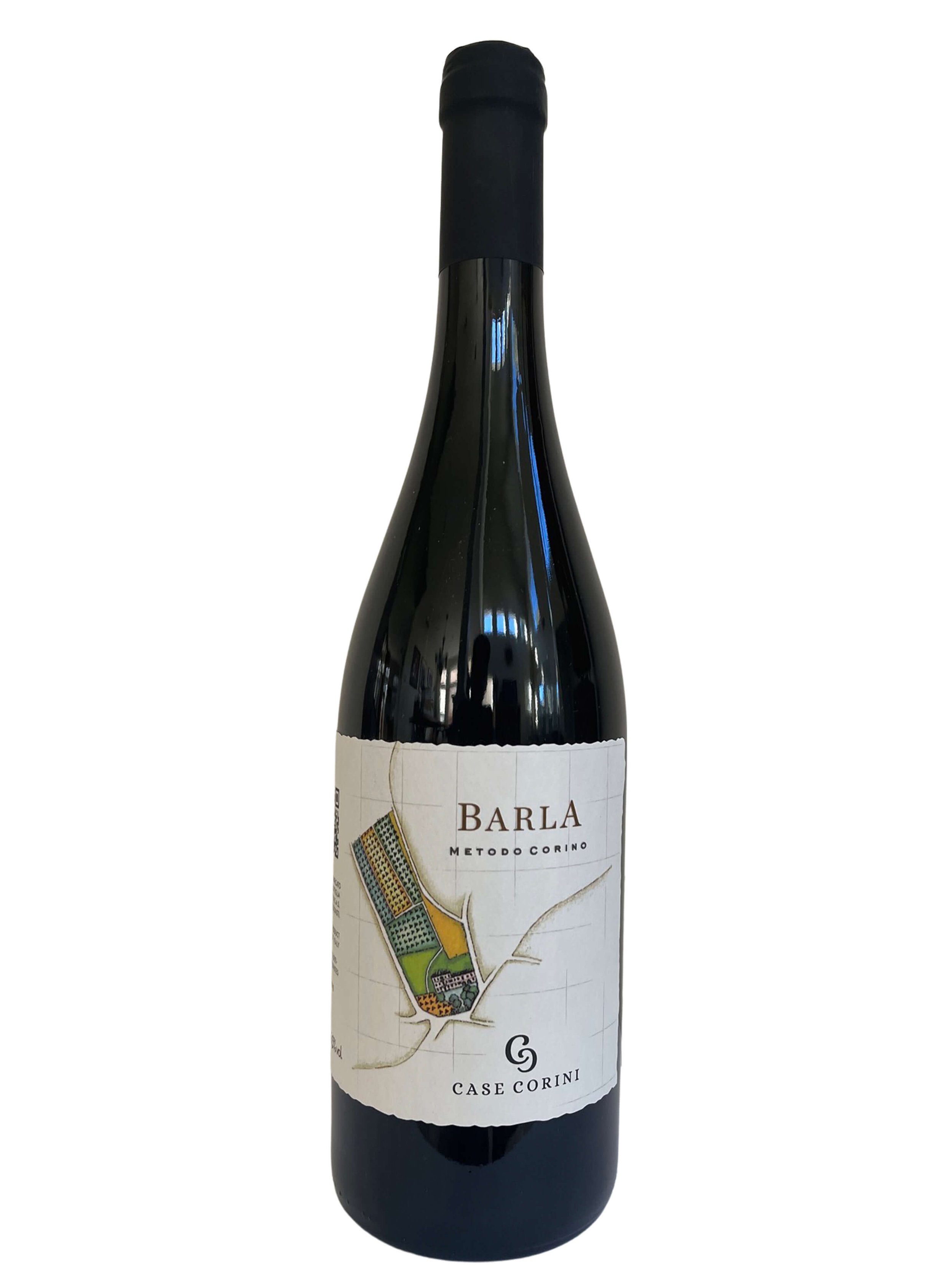
You never had a Barbera like this! Made from 95 year old Barbera vineyard, with some small percentage of other varieties planted over the years in the vineyard. This all natural wine has intense aromas of brandied cherries and a richly textured, delicious dark fruit taste with right balance of fruit, acidity and tannins. Barla is the antique name of the vineyard which used to be the land of an old convent. After a gentle crushing, fermentation starts with native yeast fermentation and wines are left with skin contact for 6-7 weeks, followed by about 36 months of aging in wooden barrels, housed under Lorenzo Corino's family home.
As with all of Case Corini wines, this is a 00 wine, nothing added, nothing removed, no yeast, no sulphites added, organic, biodynamic, vegan. In other words, all natural wine.
The Cordon Trained and Spur Pruned Wines of Ojai Pacific View

This rare find, small production Dolcetto grown from a one acre single vineyard in Ojai, California. This 2017 california Italian wine is Ojai Pacific View's inaugural vintage. This wine has aromas of fresh plums, notable acidity to balance out the fruitiness and rustic tannins.

This mother-daughter winery keep hitting home runs with their ‘experimental’ one acre vineyard of dolcetto on a mountaintop in upper Ojai, California, which started with an idea they brought back with them from Piedmont Italy over 10 years ago. Their super small production Dolcetto experiment is a success, backed up with back-to-back gold medals on their 2019, 2020 and 2021 vintages, and then winning Double Gold and Best of Class in the International Womens Winemakers competition.
The 2020 vintage produced only 23 cases and was aged for over a year in neutral oak. It is fresh and juicy with rich wild berry cassis-like taste. It's an approachable yet complex with a mineral-saline finish. And now, coming off of their wins in 2019 and 2020, Ojai Pacific View has now released the latest edition of their California Dolcetto, the 2021 vintage.
Overall, the wine is a dark purple color, the nose is complex with a mix of plum, herbs, flint and vanilla spice. The fruit and terroir of this old world new world dolcetto red wine that really stands out, thanks to the high altitude and marine fossil soil of this wine estate in upper Ojai.
Here is what other sommeliers are saying about this wine:
Sommelier Marc R. Kauffman:
“Fine wine from Southern California! Italian varietals have been attempted in California with some successes and some not so good examples over the years. The 2019 California Dolcetto from Pacific View Vineyard and Winery is a stunning success! Darkly brooding in the glass, aromas of cedar, spice and vanilla offer a promise of seriously complex wine. Dark cherry and blackberry flavors mingle and dance in your mouth. The tannins are smoothly integrated, and the finish is so smooth I did not want it to end! Harmonious is the one word I would use to describe this wine. This is the third vintage from a very small plot of Dolcetto grapes growing high above the Pacific Ocean in a secluded spot north of Los Angeles. Available only in limited quantities direct to consumer or to a few select restaurants it is well worth the effort to search it out.”
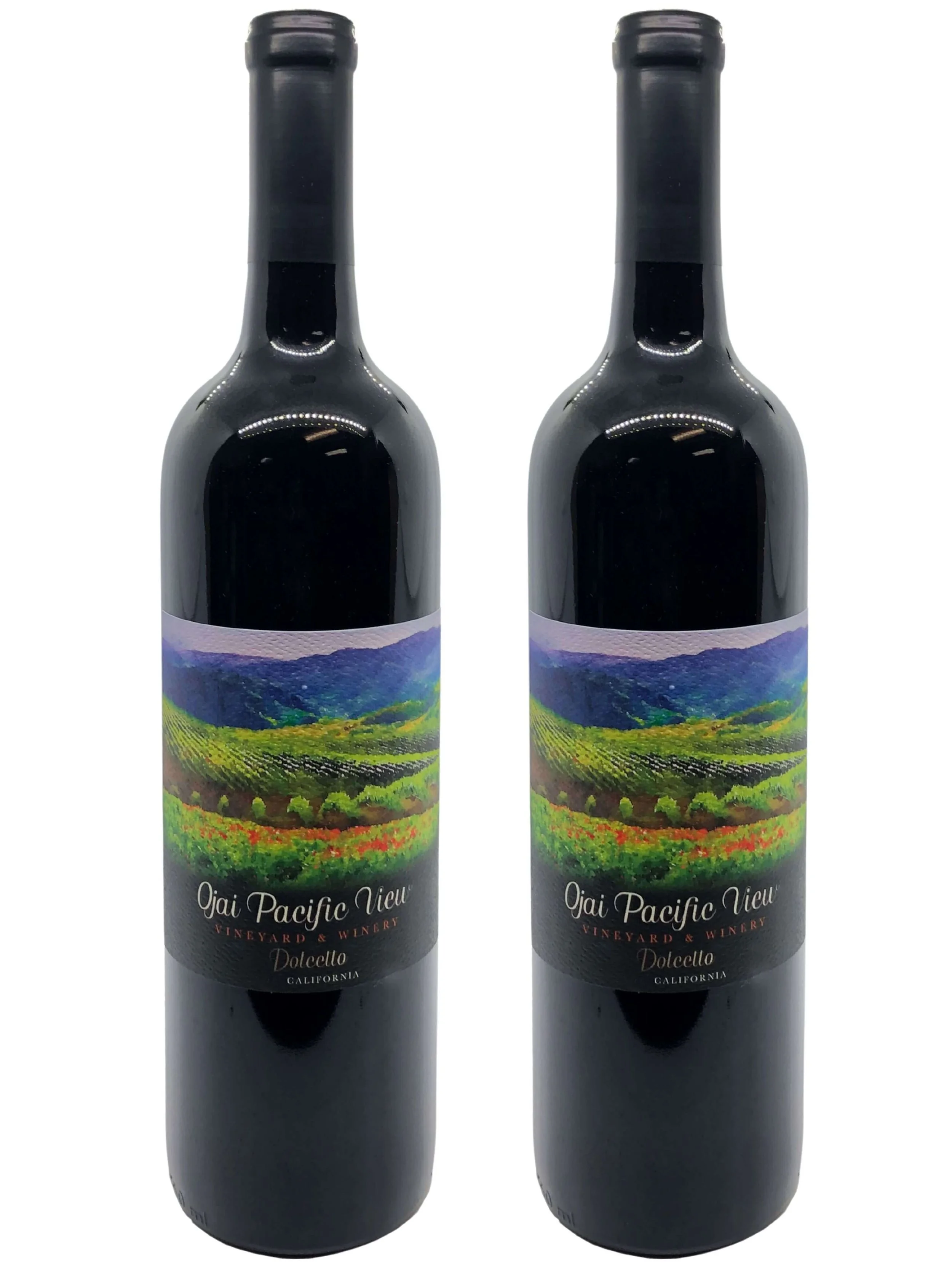
The Dolcetto red wine, hailing originally from the Northern Italian region of Piemonte, is a juicy wine with a ripe acidity and flavors of plums. Ojai Pacific View, located on a mountaintop in California, has a unique position that allows great expression of their terroir to shine through in their Dolcetto.
In this Vertical Flight Tasting Duo, you can compare and contrast two vintages from the Ojai Pacific View vineyards in the 2020 and 2021 vintages. Shipping is also included in the Continental US for orders containing a VeroSet.
Ojai Pacific View and their Dolcetto have been awarded numerous gold medals, including a double gold and best of class, across multiple vintages.
Included in this box will be: