
The World of Wine's A-Changing
Our company is celebrating our fifth year anniversary. It was in early September 2018 when we received our first order from a client in LA. Boy, what a ride these five years have been!
Needless to say, who knew that a pandemic was around the corner that would turn the world upside down. That has then led to supply chain disruptions, inflation, but most importantly, a lot of changes inside each one of us - let’s admit it! It is as if we’ve all had some trauma, of course different levels for each one of us, that has changed our behavior, habits and way of thinking. It’s not all negative - it’s like a rebirth of sorts.

Our founder during her year of sabbatical in 2017 traveling to Croatia and visiting a Croatian winery.
When it comes to an entire industry, like wine, all of these changes in each one of us, as wine lovers, have brought repercussions on the industry. We’re still seeing disruptions. After all, who is not talking about the news over the past week that France is destroying over 80 million gallons of wine? Articles have cited that this is due to declines of wine consumption in wine. Yet this news couples with reports that wine consumption in the US is on a decline, with the most recent report indicating a whopping 6% decline in US wine sales over the past year. These are wake-up calls for sure, especially for those of us who are reliant on the wine industry for our livelihoods.
Our company was founded by an outsider to the wine industry. That has provided its benefits, as we have a different point of view than many other wine importers and are willing to try new things, even shake things up a bit. What’s our take of the nuances in the wine industry in the US?
Starting Out
Our founder, Sheila Donohue, who is a native New Yorker, was living in Italy for 15 years and having a year of sabbatical from a long career in banking technology when she got the idea to start Vero. She had missed a lot of “pop culture,” trends and hype that was happening in the US from 2001 - 2016. She was immersed in different cultures and places, not only in Italy, but traveling across Europe and other parts of the world.
When it comes to wine, her familiarity with it was going to see the people who farmed their own land and made the wine themselves, usually in a building attached to their homes.
When Sheila had a year to reflect and decide what to do with her life and work in 2017, the aha moment came when when she realized that most, if not all, of these farmer artisans that she knew who were making these expressive and delicious wines (and olive oils) were not yet being imported into the US.
You could say that she was a bit too optimistic (even crazy) in starting a new company importing and selling brand new wines and olive oils that people never heard of before across the US while a “complete outsider,” being both new to the wine industry and not having lived in the US for many years.
Sure. it’s been a huge investment and full of challenges so far. But, there have been some promising signs that we are on the right path for five years, even with the challenges that the wine industry is currently facing.
Two Macro Segments of Wine Buyers
When Sheila started to sell her wines, going to wine stores and restaurants initially, she noticed that she generally would have two types of responses:
The first would be super excited about discovering and tasting a new wine they never had before, having a passion-driven fascination which led to more curiosity and questions, leading after the initial sale to ask “what else do you have?;”
the second would be one wanting to cut to the chase and interested in only two things: the taste and the price of the wine.

Vero’s first wine tasting event in August 2018.
Admittedly, we have seen also similar behavior in consumers over the past five years. Perhaps less drastic of a difference compared to the wine trade, however, let’s face it:
you can think of a person you know who has a “go-to” wine and they have it almost every time they have a glass of wine, and it is usually the same brand of wine as well;
Versus someone who wants to know “everything” about a wine: where it came from, how it was made, who made it, etc. This person soaks up wine knowledge like a sponge and the more they know the more interested they get in wine. They are discerning and also like having a variety of wines: the more different types the better, pretty much the opposite of the person who always sticks to that one wine.
This theory of ours, 5 years going now, was just recently confirmed in this article ‘Key trends driving the US market in 2023’ by a leading market research firm saying “Increasingly, the US is becoming a two-pronged wine market, where less-engaged, more price-sensitive (and often older) consumers are reducing their activity or leaving the category altogether, and more engaged, regular (typically younger adult) consumers exert an ever-greater influence..”
We, as a young company, came about when this divide was just forming and were born to serve this segment of “engaged explorers”. Now you can see this rather drastic “segmentation” of two major types of wine buyers in the US has become a larger and noticeable divide which is transforming the wine industry.
Wine Trends “Back To the Future”
From before starting our company, sitting on the “sidelines” and studying the US wine industry, our founder came across many articles citing trends in the US market and predicting what will happen in the future. with “takes” on the wine industry in the US: what’s happened in the past, where it’s going, what’s hot and what’s not. We like to think that we have been “on trend” since the start 5 years ago. Why is that? Read on.
Something Different & Real
Let’s start with the sabbatical year of our founder, 2017, when she was researching the idea to start a new wine import company focused on small production wines and olive oils. She was trying to see if there was opportunity in the US market for authentically made farm to glass wines that people never had before.
Then in 2017 while researching trends in wine, she came across a “Future of Wine Industry” report which indicated that there was a segment of wine professionals who were interested in something “new” or “different” in which:
‘“More than one professional in five (21%) expected to see a major influence of ‘new and/or unfamiliar grape varieties and/or blends’”;
And “even more (29%) were looking to “new regions and/or styles”.
Back in 2017, wine trend articles were all over the millennials. a bit how now everyone is talking about Gen Z’s. One theme that kept coming up is millennials also wanting diversity in wine, but not only. They were seeking real wines from a real place with a real story. The narrative was so important that there was almost more interest in the story than the wine itself. But it had to be real.
In line with this, other behavioral aspects noted about wine and millennials were:
More adventurous when it comes to their wines with 65% seeking out rare and unusual wines;
Not loyal to brands and rely less on reviews/media;
Having “enthusiasm for the obscure;”
Having an increasing interest towards imported wines and varietals;
Do more product research.
Hmm… this was all pointing to different, authentically made different wines and wine grapes to discover made by real people from a real place, no?
Premium Wine
Sheila knew that the wines she was targeting for the US market weren’t “cheap.” Besides the fact that small estate wineries, run by people who are both farmers and winemakers, put a lot of extra work in growing their grapes and making their wine to make it delicious despite the nuances and challenges that come with nature, the wine business is economies of scale: the more volume you have the more you make.
Sure enough, in 2017 she came across an article citing a “premiumization” trend in wine which had already existed and was continuing, with, at the time, 17% millennials, who represented 42% of wine consumers, who were buying wine for $20 or more a bottle.
Fast Forward to 2023
How did that glass ball we were looking into back in 2017 perform? Let’s look into some recent reports and articles.
Something Different & Real
There have been many articles in the past couple of years that have mentioned the growing interest in “off the beaten path wines,” whether it’s a somm responsible for wine buying for a restaurant, or market research reports citing consumer trends, or general observations from wine professionals, like this one. This summer this article about what wine stores are looking for mentioned that they buying more obscure varieties.
But the one report this year that paints a clear picture of how much interest has grown in wines that are not your ordinary go-tos is, again, this Key US Wine Trends 2023 report where it is focusing on younger wine drinkers they call “LDA” or Legal Drinking Age.” They explain that these younger LDA wine drinkers are more adventurous, open-minded and less interested in well-known brands and varietals.

Our founder met up with a trade from California visiting one of our producers in Italy this summer.
Then they go on further with their US wine trends research to conclude:
“Consumers are exploring – and established brands are losing mindspace”
“Experimenting with different wine styles is a key trend for all age-groups under 55 and very few like to stick with what they know. “
“This willingness to experiment has meant that the big established names of the wine world – whether countries, grape varieties or brands – no longer have the resonance with US wine drinkers that they once did.
“The return of the on-premise and the addition of newer wine drinkers post-pandemic has brought in people who are less familiar with established mainstream brands and are increasingly purchasing wine outside of grocery and chain stores, where those brands are more visible.”
It seems there is no turning back on this segment of wines that are different. Maybe that is why wine sales in the US are down 6% Y/Y? Perhaps the US needs more of wines that you can’t get anywhere else?
Premium Wine
Perhaps, not surprisingly, if people are searching for unique and different wines, that the “premiumization” trend of wines above $20/bottle is continuing? The answer is yes. There’s data all over the place to prove it.
If you look at the details of US wine industry statistics over the past year, there is consistently an overall decline in wine sales, however, not in the premium wine segment. As we suspected, reports, like this 2023 US Wine Trends Report explain that 1 reason for the rise of premium wines is this “new” engaged wine consumer.
But is this “engaged” wine drinking consumer really new?
Enter The Alternative Wines Category
When we started 5 years ago, we knew we were trailblazing by focusing on different types of wines that people didn’t know about in the US. By focusing on small producers that farm their own land and make an authentic minimal (to no) intervention wine, there were also additional advantages: they make a “better for you” wine, meaning they are organic and/or biodynamic and/or natural (made with native yeast fermentation), vegan, etc. So, we did our homework to identify a “typical” buyer persona.
Thankfully, in 2018, Wine Intelligence, a global wine market research firm, had just published a report which segmented “US regular wine drinkers” into 6 segments. Upon reviewing, we knew immediately who we were going after: the Engaged Explorers. While only 10% of “US regular wine drinkers” at the time, we knew they would appreciate what we have to offer, as these wine drinkers “buy from a broad repertoire of wine styles, countries and regions” and are “the most experimental group.”
Since it had been several years since this category of Engaged Explorers US wine drinkers had been defined, we looked up last year what Wine Intelligence had come up with recently. Not surprisingly, the “Engaged Explorers” segment of “US regular wine drinkers” increased from 10% in 2018 to 13% in 2021. But perhaps more interesting is that they came up with a new wine category of “Alternative Wine” which is of such interest to them that they have been publishing the “Global Alternative Wine Opportunity Index” to monitor developments of emerging wine categories.
Similarly, this key 2023 US wine trends article refers to “those who are highly involved” in wine, who are “defined by curiosity, commitment and willingness to spend more”, a slightly similar description to Wine Intelligence’s “Engaged Explorers,” and mentioned that this segment has increased from 24% in 2019 to 32% in 2022. This shows not only significant growth of curious wine drinkers but also implies that the slice of “this segment” of people seeking different wines is actually larger than the 13% cited by Wine Intelligence in 2021.
What is “alternative wine” according to Wine Intelligence? They generally refer to it as “‘Natural’” wine”. where “many wine consumers around the world… are showing a strong interest.” While, anyone who is in the wine industry knows, there is no “official” definition for “natural wine.” So Wine Intelligence cleverly grouped together different categories of wine which could potentially fall into “a” definition of natural wine and they monitor progress of these categories. The categories include:
.. and more
Sound familiar?… Yes, these are the categories that we have been focusing on from the get-go, before this index, and some of these categories, were even “defined!”
To our delight, the most recent report we have seen of US wine market statistics is this one which cites growth in the first 6 months of 2023 in the US of organic wine, biodynamic wine and wine made by farming sustainably. A couple of statistics they reported are:
18% increase in organic wine sales;
16% increase in biodynamic wine sales;
20% increase in sustainable wine sales.
This happened while total wine sales in the US were decreasing by 7% the first 6 months of the year!
Engaged Explorers + Alternative Wine = The Future of Wine
Despite the alarming statistics reported in wine industry news lately about decreasing wine sales and wine consumption, there is no alarm for those in the wine industry who focus on alternative wines. It is a healthy and growing segment with a loyal and curious segment of buyers waiting to try their next new natural, organic, biodynamic “real"“ wines made by real people with a real story.
We are here for you, whether you are
a distributor in the US seeking to diversify your portfolio and respond to this growing segment of Alternative Wine;
a wine store or restaurant seeking different, authentic and hard-to-find wines to please your Engaged Explorer clients;
an adventuring wine drinking consumer looking for that next grape variety or region of wine that you never had;
a company seeking gifts and wine tasting experiences for your employees and clients
we have something for you all, ready to surprise and delight with a wine (and olive oil) new to the US market that is ripe for discovery.
We ship our alternative, hidden gems around the US to both businesses and consumer. Consumers may buy wine online here, otherwise contact us to learn more about our portfolio and to organize wine tastings.
In either case sign up for the Vero newsletter to keep on top of the alternative and natural wines world and keep the discovery going!
Here are Just Some Alternative Wines to Try

Before this 'modern era' of Proseccos made with the Charmat method, Prosecco was made with the ancestral method, like this wine, Codolà, where fermentation takes place in the bottle, and it is not disgorged. This means that the wine is unfiltered since it is on its lees. In Italy it is also called a Col Fondo sparkling wine and in the US, we use the French term ‘Pet Nat’ to describe this wine. This results in a white sparkling wine whose aromas and flavors continue to evolve while they are in the bottle. This Col del Balt white sparkling wine made by the Sanzovo brothers has a straw yellow color with lots of fine bubbles and green herb and pear aromas with a hint of lemon zest. It has 0 residual sugar and it tastes dry and clean, with a slightly bitter, lemon rind tasting, finish.
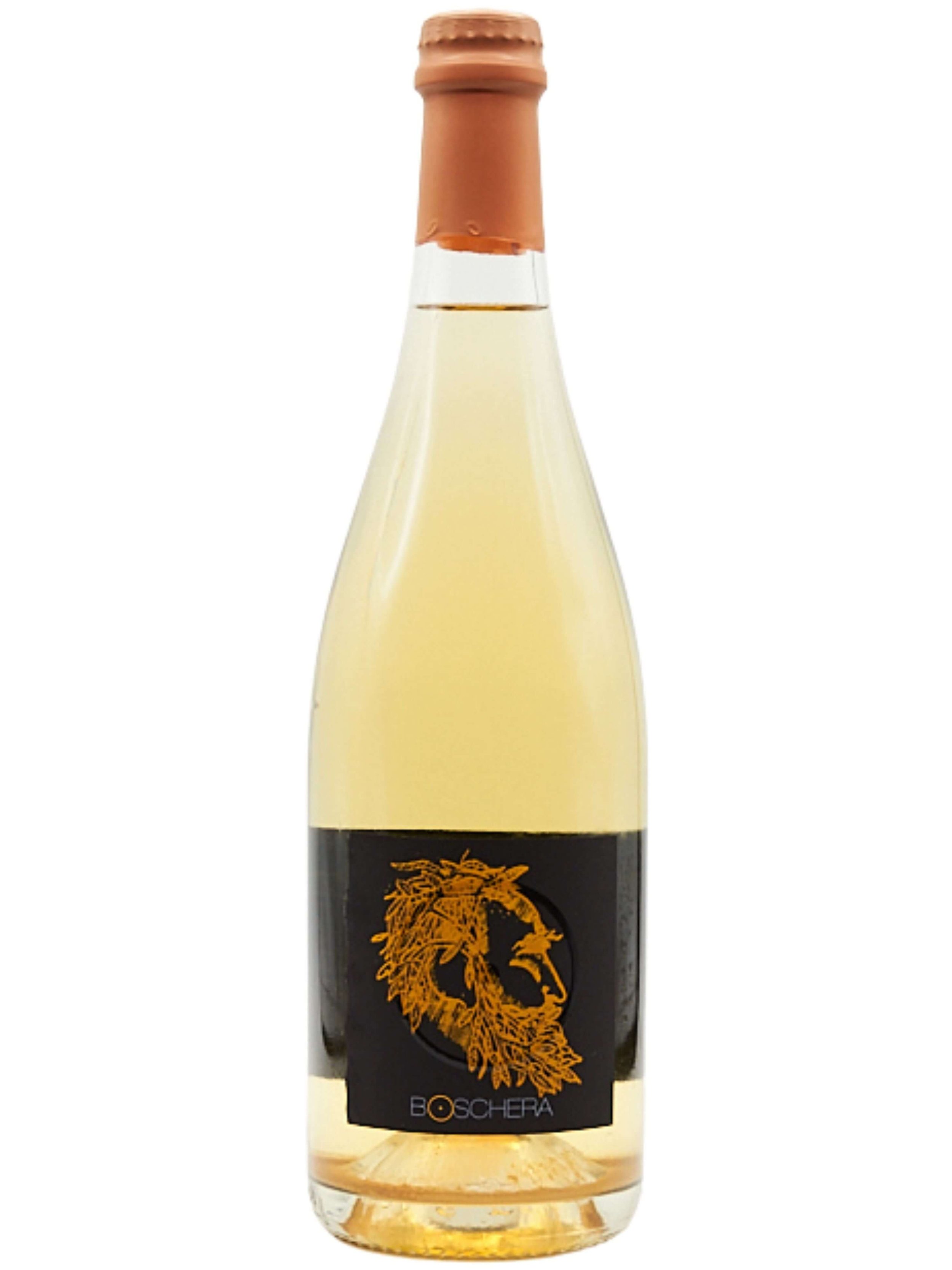
This is an unfiltered sparkling wine made similar to the champagne style from a rare grape called Boschera, native to Veneto, Italy where there is less than 20 acres in the world! We were the first to import this grape into the US!
Compared to the Prosecco grape (Glera), Boschera is more complex, and in fact this wine has been aged for over 3 years in the bottle on the lees.
With 2 days of skin contact giving it a deep yellow color, this native yeast fermented natural wine is then refermented with its native lees and then undisgorged, so it is unfiltered and continues to age on the lees too, allowing it to become more complex over time.
You can say it is a vintage & aged ancestral method, or Pet Nat style, also called Col Fondo in Italian since it is on its lees. It has herbal, nutty and yeasty aromas and savory taste with a long saline finish. Pairs with many foods & throughout the meal, from appetizers to main course.
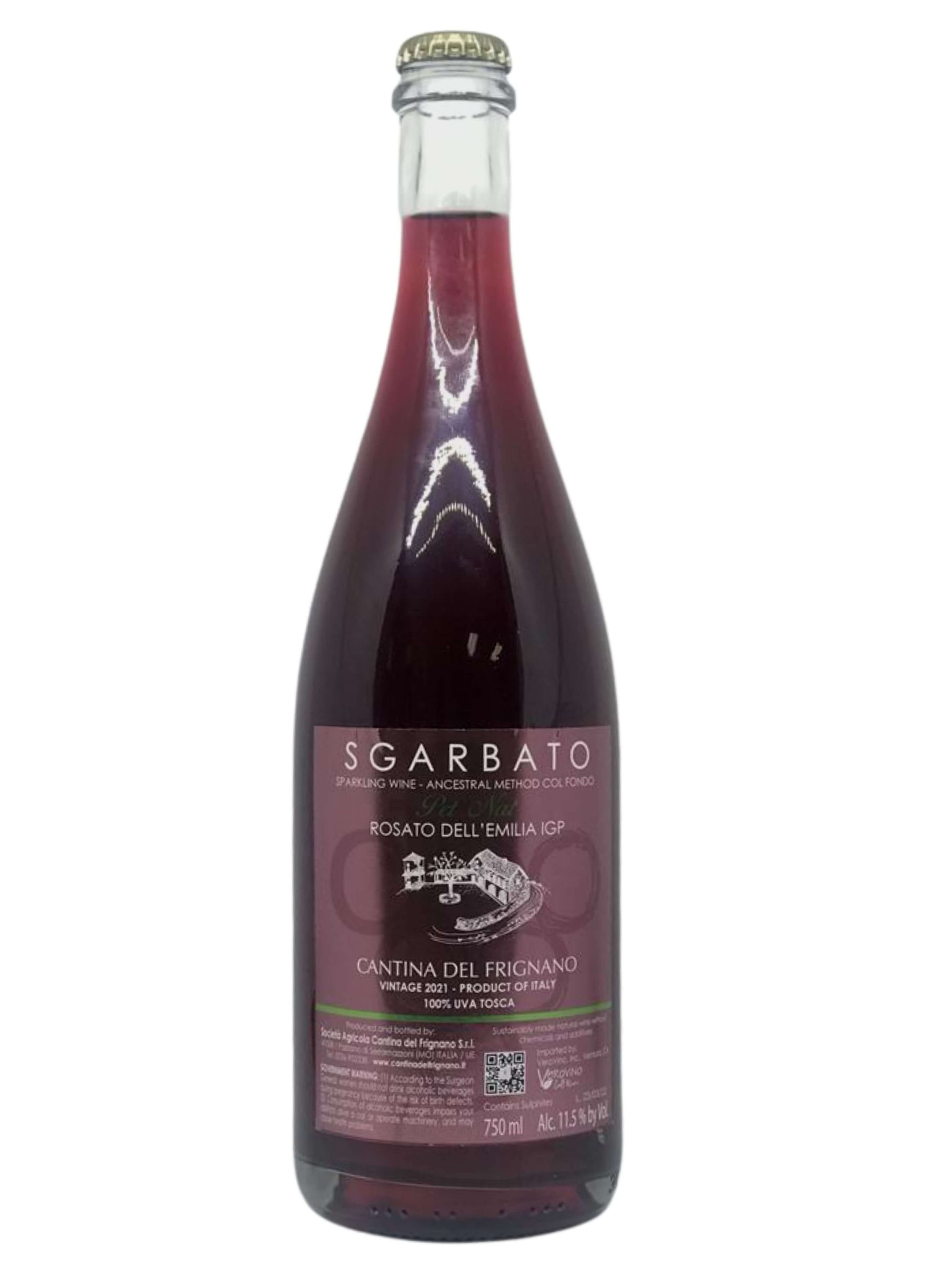
Made from the rare Uva Tosca grape, which grows in higher altitudes in Emilia and is believed to be a descendant of Schiava Grossa, the Alto Adige red grape. Technically a rose wine, it is more like a light red, which looks and tastes like drinking cranberry juice as a sparkling wine. Refreshing and quaffable, with strawberries on the nose and a saline finish, it is great on its own or with light fare. While this grape does not impart much color, 2021 was a dry year, producing more concentrated fruit and color. It is naturally fermented and sparkling 'col fondo' ancestral, or pet nat, style wine.

This product is sold out and will not be restocked. A similar wine you can check out would be Frignano Sgarbato Pet Nat Uva Tosca Organic Sparkling Natural Wine.
Small production wines like this don’t stay long in stock! This product is sold out. Head back to the VeroShop to see what other small production wines we have available.
This is how Lambrusco wine was made in the ‘olden’ days in the Mantua province, refermented in the bottle, Pet Nat style. This organic wine made with 100% Lambrusco Salamino grapes has a deep rich purple color with ruby hue and a light effervescence. Its aromas are complex, with notes of cherry, cinnamon, milk chocolate and almond. It has a pleasant freshness, savoury taste and light tannins. Being on the lees and on the lees, aka ‘Col Fondo’, it lends itself well to aging with its aromas and taste evolving over time. Low in alcohol too!

Made from 100% Turbiana (considered similar to Verdicchio), this unoaked white wine from the sought after Lugana wine region has a bright yellow color, a natural balance of acidity and fruit with a textured mouthfeel and a long finish. It has inviting aromas of honeysuckle, tropical fruits, caramel and a hint of basil. Think of it as an alternative to an unoaked Chardonnay, since turbiana is also a noble white grape. Plus Zamichele’s terrroir with the influence from nearby Lake Garda and mineral rich glacial alluvial soil provides the conditions for creating a complex and balanced white wine.

Erbaluce in Italy is an up and coming grape, and this organic erbaluce from woman winemaker Antonella Piatti is one of those small production wines that are hard to find in the US.
Organic, this Erbaluce white wine is part of the famous Caluso DOCG denomination and is fermented and aged entirely in stainless steel tanks.
The name, falavospa, means ‘spark’ in the local dialect of Piemontese.
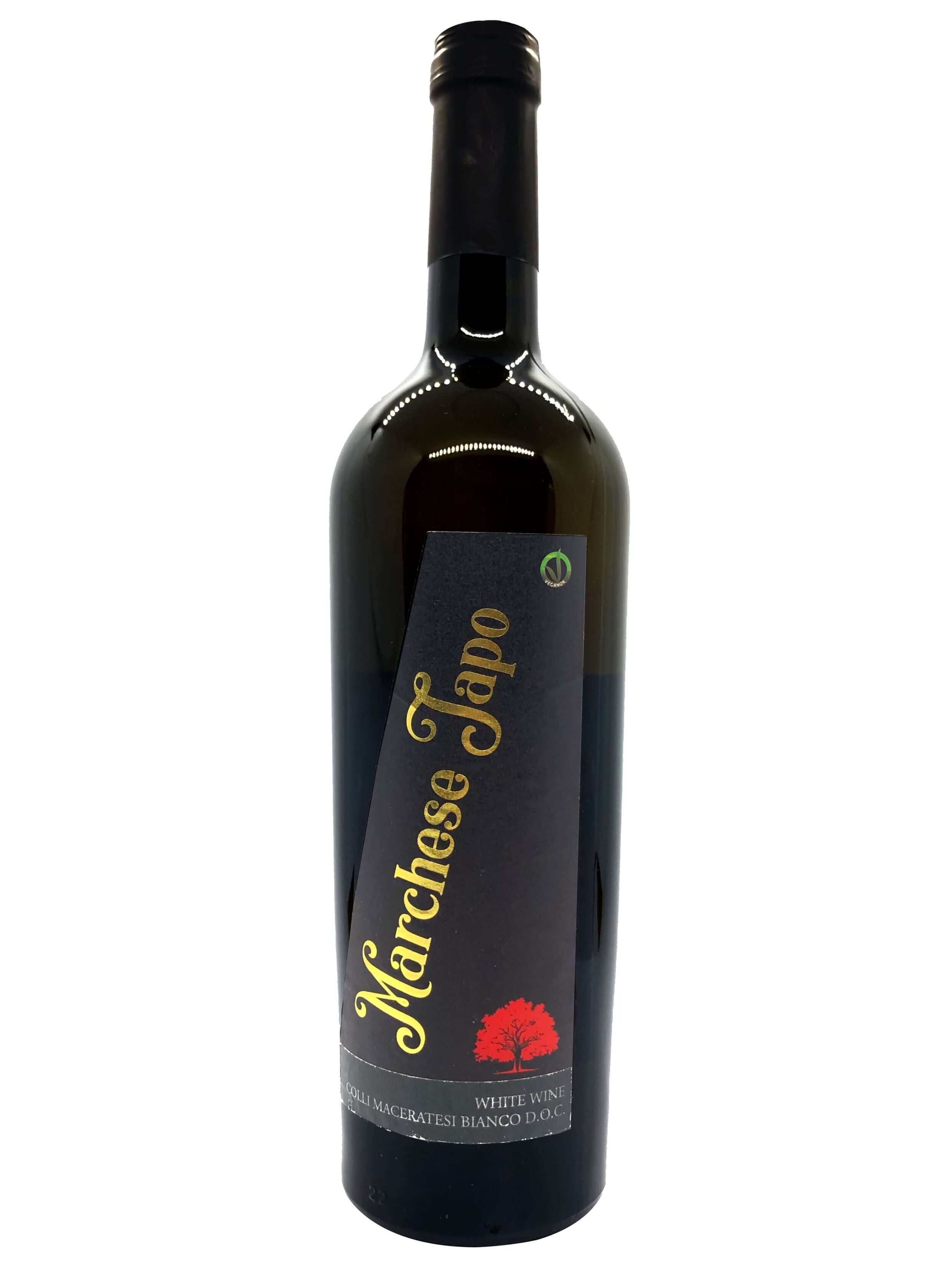
This natural wine is delicious fruit-forward organic vegan white wine, a blend of hard-to-find native varieties from the province of Macerata in Le Marche, Italy, a hilly area just to the east of Tuscany not far from the Adriatic Sea, has it all, great nose, taste, texture and structure. While it is unoaked, it was on the lees for 6 months with weekly battonage, contributing to its complexity of aromas, ranging from melon to saffron, and intensity of flavors. Made with indigenous varieties from Le Marche, Maceratino (also called Ribona) and Incrocio Bruni 54, it is a testament to Le Marche white wines.
Quercia Scarlatta follows a minimal intervention approach to vegan winemaking, using native yeast fermentation in their wines like this Marchese Japo.

This unfiltered sauvignon blanc natural wine is playfully named after the limestone, mineral-rich soil where it was cultivated. It’s from the Sudsteiermark, or South Styria, Austria, known for some of the best sauvignon blanc in the world. It has a bright lemon yellow color with an intense reductive nose that has curious complex aromas that develop more once it breaths, such as tropical fruit aromas. The taste has a 'wow' factor with racy, prickly acidity, really nice texture a VERY long mineral finish. Think of what it’s like to lick a rock - this is it! This is your ‘atypical’ Sauvignon blanc, made from a mix of 9 different Michi Lorenz’s estate vineyards, some early, mid and late harvests, and across 4 different vintages using the complex solaris method. A real one-of-a-kind sauvignon blanc.
A natural, and certified organic and biodynamic wine made with native yeast fermentation.

A Spanish orange wine with extended skin contact and maceration, this wine has rich orange-tones. On the nose, fruity tones with a balsamic touch come through, and when tasting it becomes complex and rich with a long finish and rich aftertaste.
From Castilla-La Mancha winery Bodega de las Estrellas, this blend of Macabeo and Airén is fermented in amphora with native yeasts. With no added sulfites, certified organic, and farmed sustainably, this orange wine is natural and biodynamic. Hand harvested and selected from small production vineyards.

Woman made Saturnalia Bianco, on VinePair’s list of Top 15 Best Orange Wines, is an award winning, unfiltered and delicious skin contact orange wine made from old vine procanico & trebbiano grapes cultivated in volcanic soil.
This natural wine is made from the patented Metodo Corino, based on regenerative farming principles. Nothing is added but grapes! Made with unpressed, free run juice with native yeast fermentation. A two week maceration imparts a dark amber color. Aged only in stainless steel tanks, it has aromas of candied fruit, dried apricot and ginger.
It has pleasant acidity and tannins, and is balanced with a long finish. A pretty deep orange color, it is a great wine for difficult food pairings, it pairs with almost any dish.
Tastes Like: Candied Orange Peels
Farming & Winemaking Highlights: Regenerative Agriculture | Sustainable Winery | Biodynamic | Native Yeast Fermentation | Vegan | No additives (ie non sulphites added) | Unfiltered | Organic | Metodo Corino | Natural Wine
Fun Facts: - The natural farming method that produced this wine, the metodo corino, is actually patented by La Maliosa woman winemaker Antonella Manuli after she helped to develop it with natural wine legend Lorenzo Corino of Case Corini.
- Named in honor of the Roman festival in December which took place near the winery, La Maliosa, this wine was once called Saturnia Bianco.
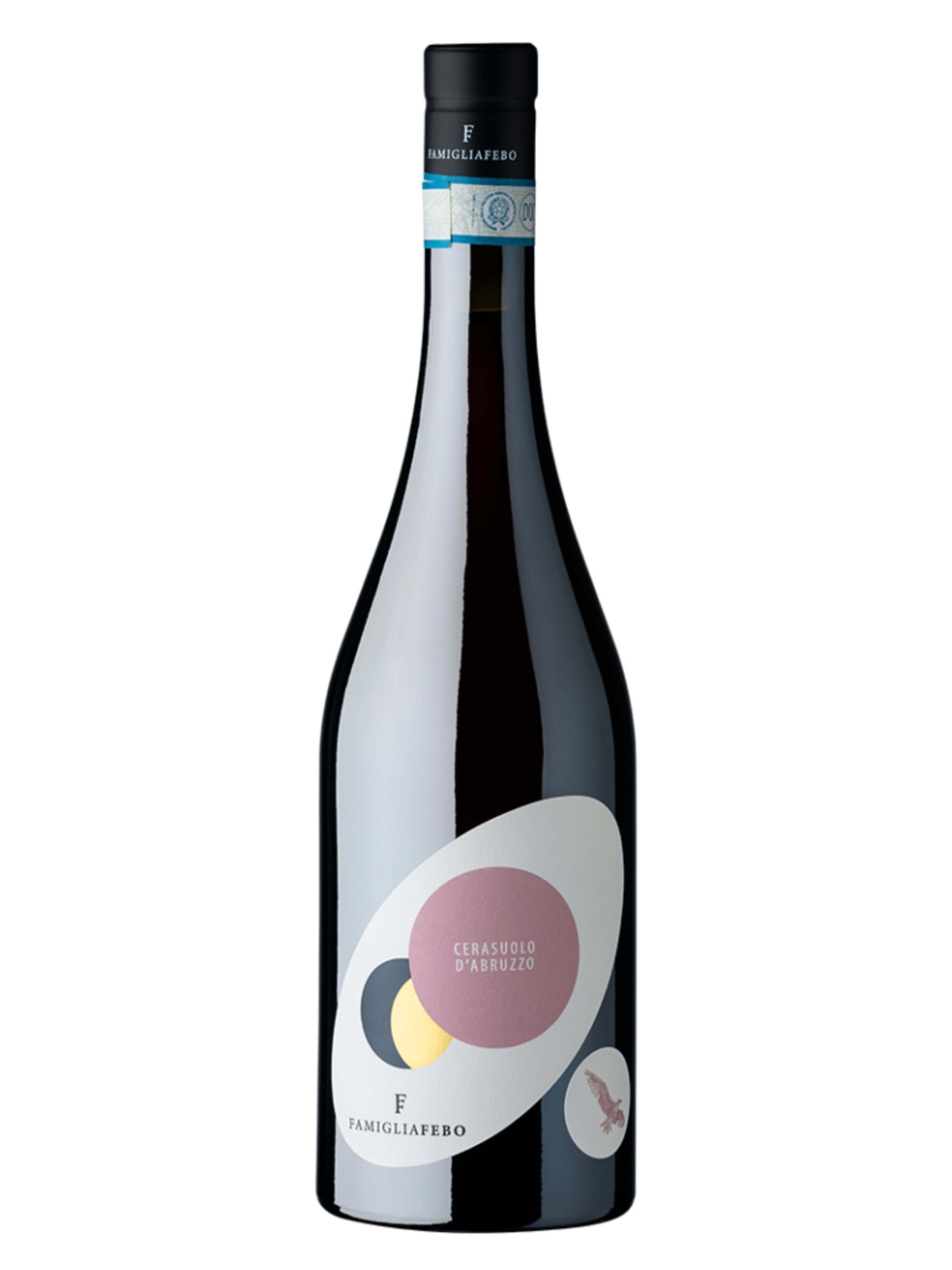
While made as a rosé wine, this Cerasuolo d’Abruzzo is actually more like a light red wine thanks to the dark pigments of the Montepulciano grapes used, farmed on Febo family’s estate vineyards in Abruzzo.
The minimal intervention approach of this natural wine producer results in a lot of vintage variation year after year. For example, the 2021 Cerasuolo d’Abruzzo has a cherry taste with a salty finish, and is considered a “serious” rosé wine while the 2024 is a Rosorange color that bursts with blood orange flavors mixed with cherry.
Region: Italy > Abruzzo > Spoltore & Chieti
Tastes Like: 2021 - Cherries | 2024 - Tart cherries and blood orange
Farming & Winemaking Highlights: Regenerative Agriculture | Sustainable Winery | Biodynamic | Native Yeast Fermentation | Vegan | Organic | Natural Wine
Fun Facts: Both vintages are fermented with native yeast and refined in the winegrower's grandparents' concrete vessels. Great chilled and a good pairing is eggplant parmesan.
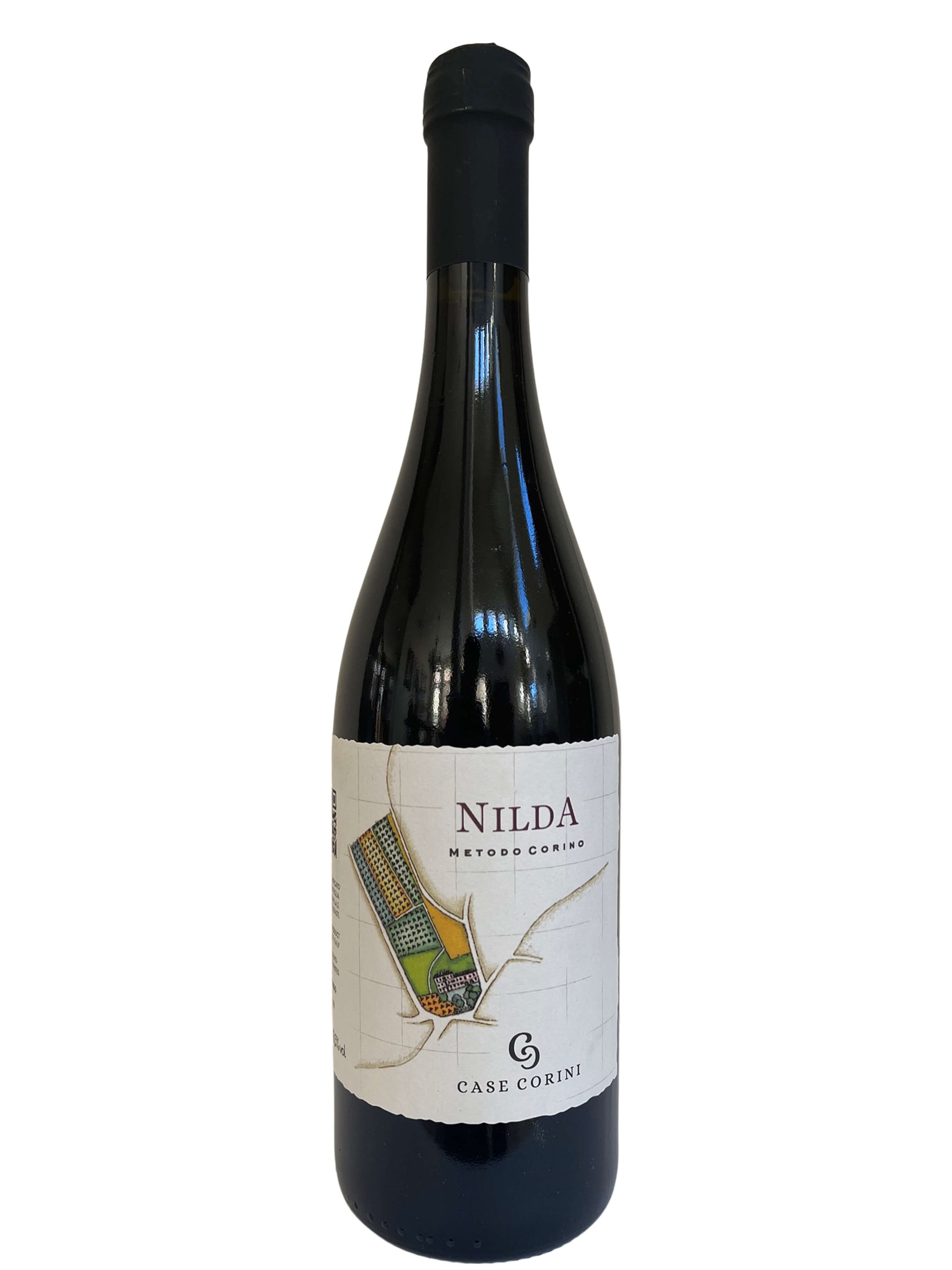
Named after Lorenzo Corino's grandmother, Nilda is Lorenzo & Guido Corino's new red wine from 20 year old vineyards in their hometown of Costigliole d'Asti. It is a field blend mainly of Barbera, along with a mix of other old varieties native to the area. It has aromas of spiced milk chocolate cookies and has a fresh, ripe dark fruit taste with an earthy funkiness and great texture. This vegan wine is made naturally, with no intervention of any kind made and no sulfites added. After a gentle crushing, fermentation starts with native yeast fermentation and wines are left with skin contact for 3-4 weeks, followed by about 12 mos of aging in wooden barrels.
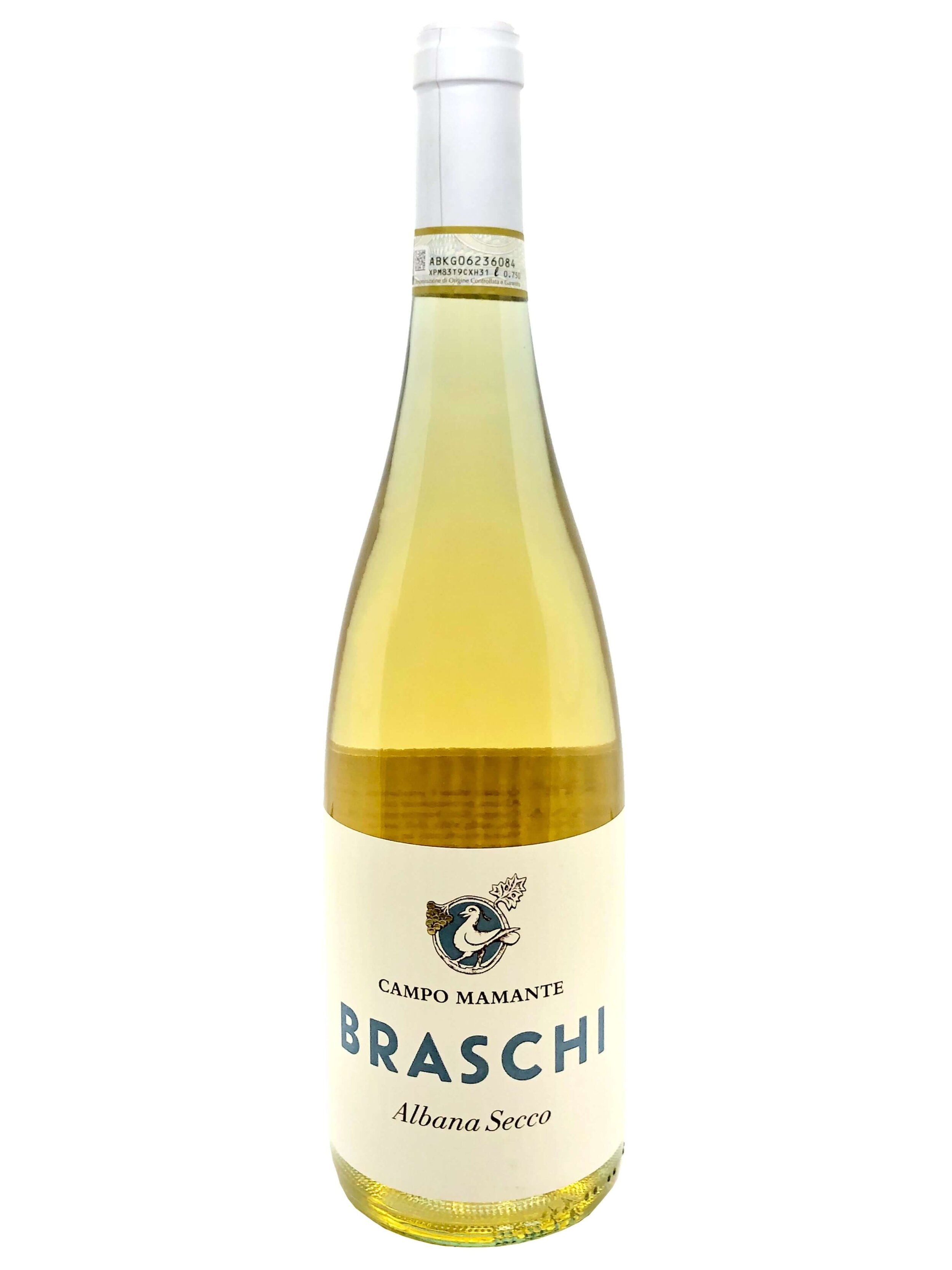
Intense, inviting bouquet of lemon and candied citrus with a fresh, fruit forward, multi dimensional taste full of apricots and herbs. It finishes with a hint of sweet almonds. This white Albana, the first Italian white wine varietal to obtain the prestigious DOCG status, is a good alternative for Chardonnay-lovers. EU Certified Organic from a single vineyard.

Dogliani is known as the area which produces the best dolcettos in the world. This expressive structured yet easy-to-drink red wine has purple color, and floral bouquet with red plum notes. On the palate, this dolcetto opens pleasantly with notable tannins that are, however, not overpowering. It finishes with light almond notes. Coming from a single vineyard near Monchiero, this Dogliani is also make with native yeast fermentation.
It can be enjoyed just after bottling, yet it can better itself after a bit of aging in bottle.
Tastes Like: Juicy plump, plums
Farming & Winemaking Highlights: Biodynamic | Native Yeast Fermentation | Single Vineyard
Fun Facts: Originally called Dolcetto di Dogliani, local winemakers lobbied to change the denomination to simply ‘Dogliani’ to avoid the misconception that this wine was ‘little sweet’, as suggested by the translation of ‘dolcetto’ in Italian. They wanted this special dry red wine to be able to make its own name, and let its importance stand for itself.
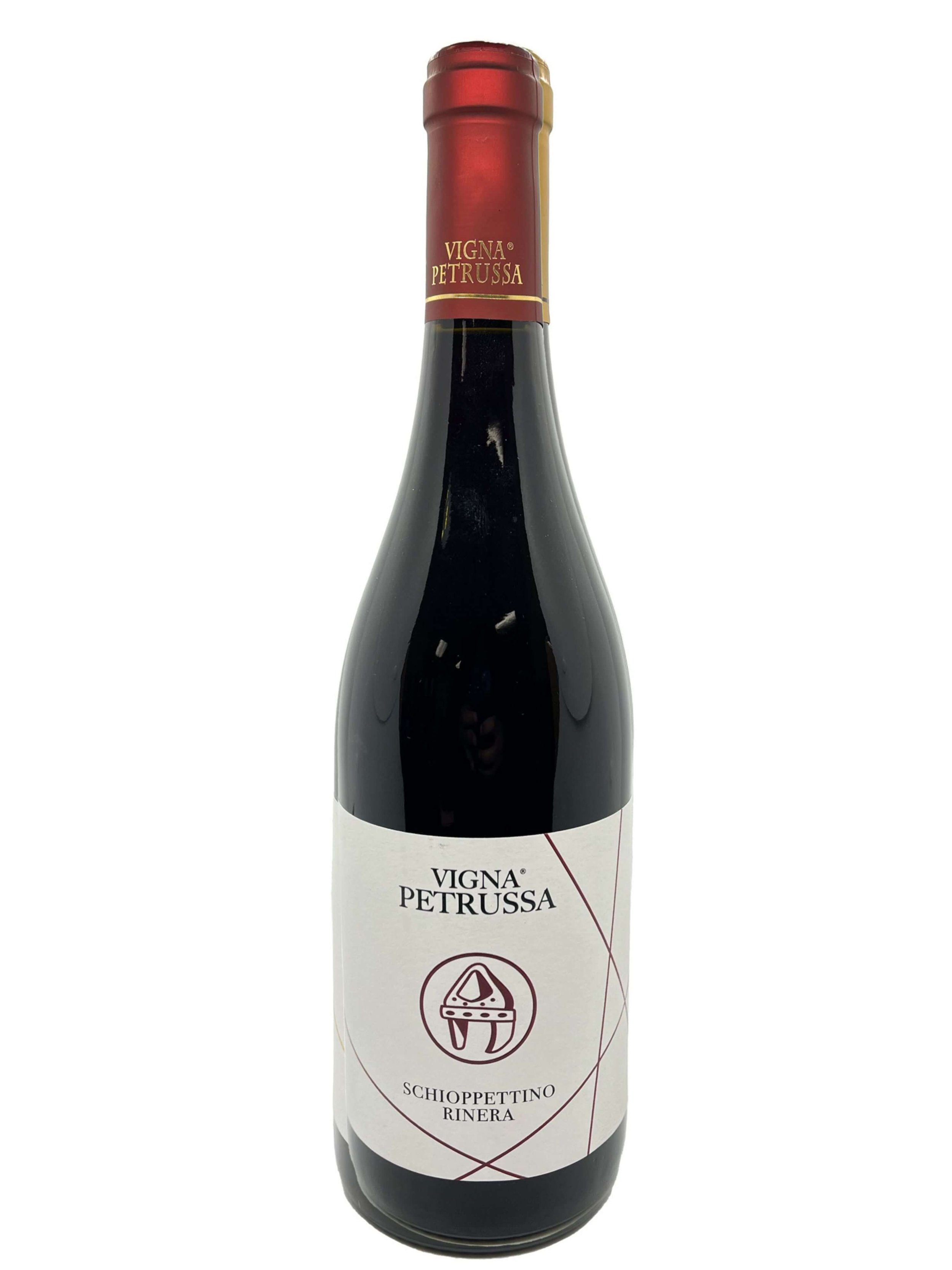
This is an unoaked Schioppettino from a women owned winery who spearheaded the rebirth of Schioppettino in the 'birthplace' of the grape which is Prepotto, Fruili. Having a deep purple-garnet color, it has notes of black pepper and dark fruit. Its taste is tangy, fresh and juicy with a long clean finish. Pairs with many dishes from hamburgers to roast pork. World renowned wine critic, Ian D’Agata calls this Schioppettino a ‘very pretty wine’ and named it a 'Best Buy Italian Wine'.
Some fun facts about this wine:
Vigna Petrussa also calls this wine ‘RiNera’, or a nickname for ‘Ribolla Nera’, local term given to the wine.
The grapes actually come from Prepotto but since it is not aged in oak the winery is not 'allowed' to put Prepotto on the label.
Vigna Petrussa is a certified sustainable and biodiverse women-owned winery.
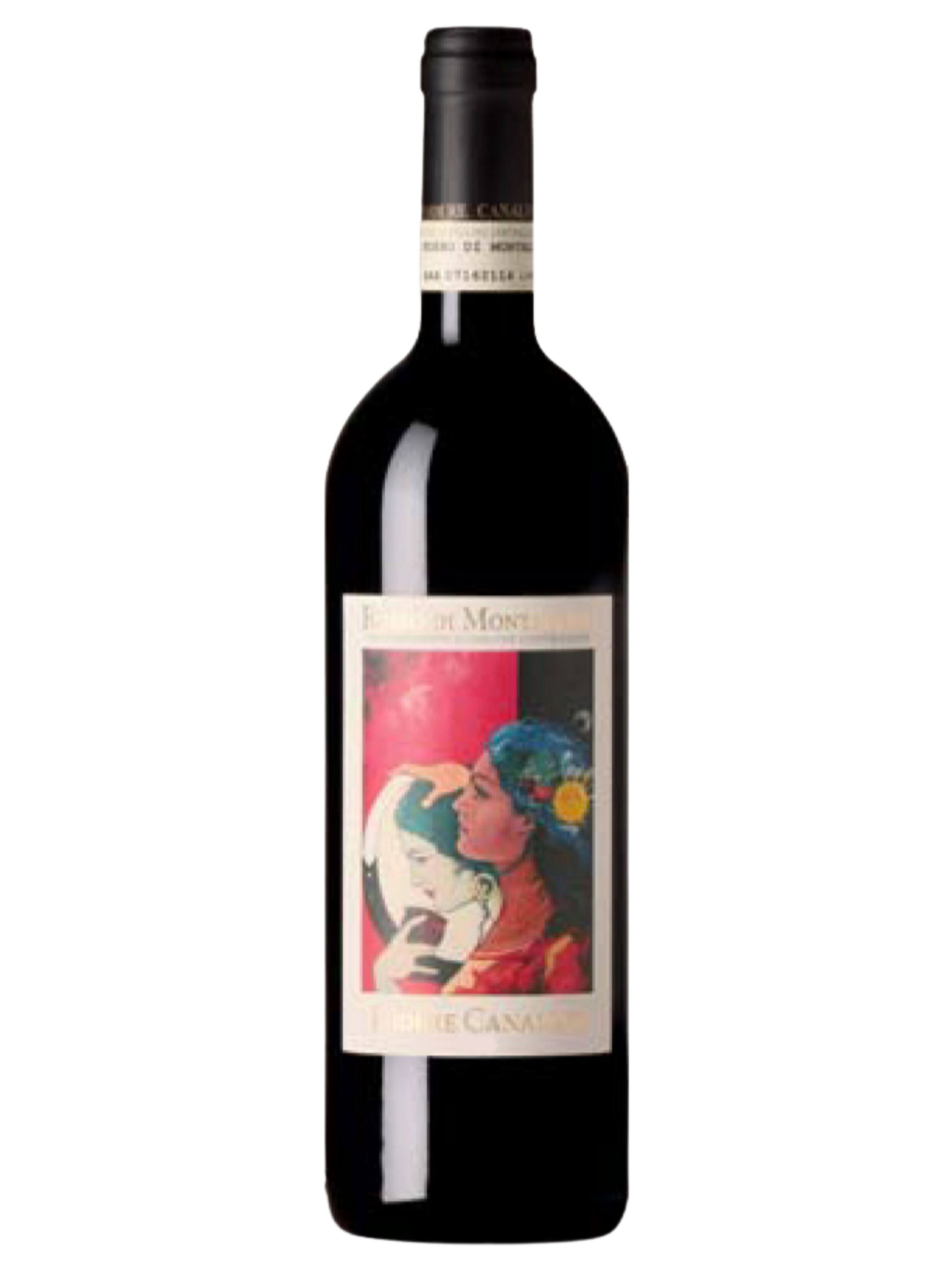
This is a complex, intense age-worthy vegan red wine; Once opened balsamic notes burst forth. We recommend to decant it or at least let it breathe a bit before tasting. When tasting, you understand that it comes from a terroir which one of the best Italian reds, Brunello, is made from; its structure is noteworthy, from acidity, to tannins to mineral structure. A delight for serious red wine lovers.
Tastes Like: Spiced Cherry Jam
Farming & Winemaking Highlights: Regnerative Agriculture | Sustainable Winery | Biodynamic | Native Yeast Fermentation | Unfiltered | Organic | Natural Wine | Vegan
Fun Facts: From 100% sangiovese vineyards right outside the historic center of Montalcino.