Vero Producers use a variety of different wine closure systems.
When you are about to open a bottle of wine, whose mouth starts salivating, eager to taste the wine and experience the aromas, flavors and intricacies of the wine?
Meanwhile, the humble cork, what is literally holding the wine together, gets overlooked. Yet, it is an integral part of a winemaker’s decision making process of what cork, or closure, to use for which wine. It is a part of the wine world we often take for granted; after all, once we pull it out to get to the good stuff, corks are often discarded, or else they are kept and displayed around a wine drinker’s house as a symbol for their passion for wine and all of the positive experiences related to that bottle of wine.
The reality is, however, a winemaker’s choice of cork or closure can make or break their product: an incorrect decision or a faulty closure can ruin a perfectly amazing bottle of wine.
Winemakers have a myriad of different closure options available to them. But how do they choose? What are the pros and cons? Most importantly for us: how does this impact the end consumer? In this article, we uncork the world of wine closures, pun definitely intended ;)
Cork Choices
Corks come in all shapes, sizes, and materials, more than just the cylindrical shape of wood bark that is most commonly, and historically, associated with the word “cork”. While usually a winemaker has autonomy over which type of closure to use, there are a few places where they have to pick from a certain selection or are prohibited from using certain closures, for example, no synthetic corks or must be a sparkling wine “mushroom” cork. These “rules” are part of the details that an appellation requires, and subject to the discretion of the board that determines a wine’s eligibility. If, however, there is no written limitation in the denomination or local laws, then the winemaker has complete free will to close their bottles as they please. Below, we will talk about some of the more common ones and their pros and cons.
All Natural - Single Piece

Piles of cork bark just harvested from a cork farm in Portugal. Learn more about corking farming in this article.
First on our list is the traditional cork. We covered in depth the whole process of cork farming in this VeroTalk and in this previous article where we show, with a cork farmer live from Portugal
how natural corks are grown (from the bark of cork oak trees)
how their bark harvested to create wine corks.
In summary, with natural corks, the bark of the cork oak is harvested only once every nine years, and then wine corks are stamped out in single pieces, to form that familiar cylinder.
Historically, the first common usage we see of this type of wine closure was in the 1600s. Since then, and it has been a tried and true method for closing a wine bottle for years to come. Certainly, this closure has the most traditional aesthetic, and a lot of winemakers choose this type of closure for just that: an all natural cork gives a certain air of elegance and tradition. But, like all natural products, it is not perfect, far from it.
Pros and Cons
Natural corks present a unique set of advantages and disadvantages. One of the most significant drawbacks is their inherent variability. No two natural corks are identical, even within the same batch. This inconsistency in things such as porosity leads to variations between bottles of the same wine, and even within the same vintage, impacting evolution, defects, and overall perception of a bottle of wine.

An example ofa single piece natural cork used by natural wine producer La Maliosa.
As well, natural corks run the risk of creating a defect in wine known as cork taint. This is caused by the chemical compound trichloroanisole, or TCA, where the wine will take on unpleasant odors and flavors (like wet cardboard, or damp paper). This is perhaps one of the biggest issues with natural corks: if TCA is present in discernable quantities, the wine is considered “defective” and can even be considered undrinkable.
However, it is worth noting that this risk can be significantly mitigated by sourcing cork from a reputable supplier who adheres to strict quality control measures. As discussed in this article on cork harvesting, the timing of cork harvest plays not only a crucial role in quality, with certain years of growth yielding superior cork material, but also in preventing TCA. So, it is up to the producer to find a cork supplier that is trustworthy and works well and cleanly to avoid the disappointment of waiting sometimes even decades to open a bottle and discover it is “corked” with cork taint. Choosing natural corks and picking a reliable and quality-focused supplier usually also comes with a higher cost, which will ultimately make the wine more expensive.
Despite these issues, natural corks are still highly prized as wine bottle closures because they are some of the best closures to promote the evolution of aging wine. You see, natural cork has pours which allow a miniscule amount of oxygen through and into the bottle. This helps the wine to develop more complex aromas and flavors, and potentially more body and intensity. This is something that the following closure types try to replicate. Yet, in side by side tests where the same wine and vintage then has different types of closures applied, wines with natural cork display the most classic examples of aging and evolution.
Amalgamated & DIAM Corks

An example of a DIAM 5 cork used in Aldo Clerico’s Barolos and other wines.
Also called technical corks, amalgamated corks are composed of smaller pieces of cork bound together, usually with a food safe glue. They range in quality, from cheap amalgamated corks that are just glued together scraps of cork, to treated and guaranteed corks that use natural adhesive compounds to clump higher quality pieces of cork together. In the latter case, one of the most common choices is a DIAM cork.
Pros and Cons
An obvious con of the cheaper side of the amalgamated cork spectrum is that sometimes they can cause funky flavors to arise from the contact of the acidic wine with the glue leaching undesirable flavors and odors into the wine. However, with options like higher quality DIAM, they use a natural adhesive that does not transfer flavor or odors. In the case of these higher quality corks, reduce the chance of TCA to almost zero . As the pieces of cork are chopped up, they are disinfected before being reassembled, removing the fungus and chemicals that can cause TCA. This is why, when you find a DIAM cork, there is a number written (a 5 or 10 ì in our experience) that indicates the number of years of guarantee that the cork will perform its duty.
One important aspect to consider with these types of corks is their make-up as reconstructed corks: they are quite dense, and much denser than an all natural cork. This means that oxygen will not pass easily, leading to less evolution of the wine in the same period compared to a natural cork. While this may preserve the wine longer in the long run, in the short term it means that aging will be slowed down. For some producers, this may be a boon as their wines may retain a youthful and fresh flavor for a longer period, rather than shifting more quickly into a evolved, complex, and big wine. However, Americans are generally impatient when they buy wine and want to drink it right away. So, be aware that a wine with a DIAM cork may be less evolved as a wine with a 100% natural cork.
Plant Based Corks
Plant based corks are made of, well plant material. The most common is sugar cane. It can give a similar satisfying pop of a natural or amalgamated cork, however, because there is no cork present, TCA is a non issue. It is worth noting that while some micro-oxydation can happen with these corks, their porosity is often not enough to truly allow the wine to evolve.
Plastic or Synthetic Corks
We come to the last, and most infamous perhaps, form of still wine closures: the synthetic material cork. These closures are made from food safe plastics and polymers. While one drawback is that, unlike previous types cork, they are not biodegradable or natural. As well, it is possible, especially on the cheaper end, to interact with the wine to form undesired flavors.
What’s the Deal with Screw Cap Wine?
Now we come to perhaps one of the more controversial closure options: screw caps. In fact, just as we were writing this article, someone asked us at a wine tasting “Are wine with a screw cap good?” Is a wine with a screw cap better or worse than wine with a cork?
Once upon a time, they were cheap, efficient ways for bulk wineries to seal off their cheapest of cheap wines (think Night Train or Thunderbird sold at gas stations). Unfortunately, the closure has had difficulty shaking that image and is often still viewed as an “inferior” closure or gives a negative impression of the wine contained within the bottle.
This, however, is now untrue. With faults like TCA becoming more commonplace in the ‘80s and ‘90s winemakers began looking for alternatives to traditional single piece corks and screw caps were already in existence and easy to adopt. This meant that more and more quality winemakers were adopting the technology, placing wines that did not need the cork-based evolution and were meant to be drunk young under screw caps. Now a days, in places like New Zealand and Australia screw caps are on almost all produced wines, and in places like Germany, Switzerland, the Czech Republic and Austria they are extremely commonplace.
Pros and Cons
As we mentioned, one of the biggest “pros” for screw caps are their lack of cork and availability to securely and safely close a wine bottle with no fear of TCA or oxidation. They can keep wine fresh and young feeling for quite some time. However, this is also one of their drawbacks: in your typical screw cap no oxygen can enter, and this prevents the wine from evolving or can cause reduced wines. However, there are new technologies emerging in screw caps that have the availability to allow a small, controlled transfer of oxygen. This means that now these types of screw caps can actually allow their wine to age, and sometimes even more reliable than a traditional cork. Remember how every cork is different? Well, this means that not every bottle can be totally controlled and some may have more or less porosity there more or less oxygen, and more or less evolution. However, with these new oxygen controlled screw caps, winemakers can be sure that every bottle has the same opportunity for aging as the others in the same batch. Might we see a future where screw caps are viewed as the most popular and sought after closure? Who knows.
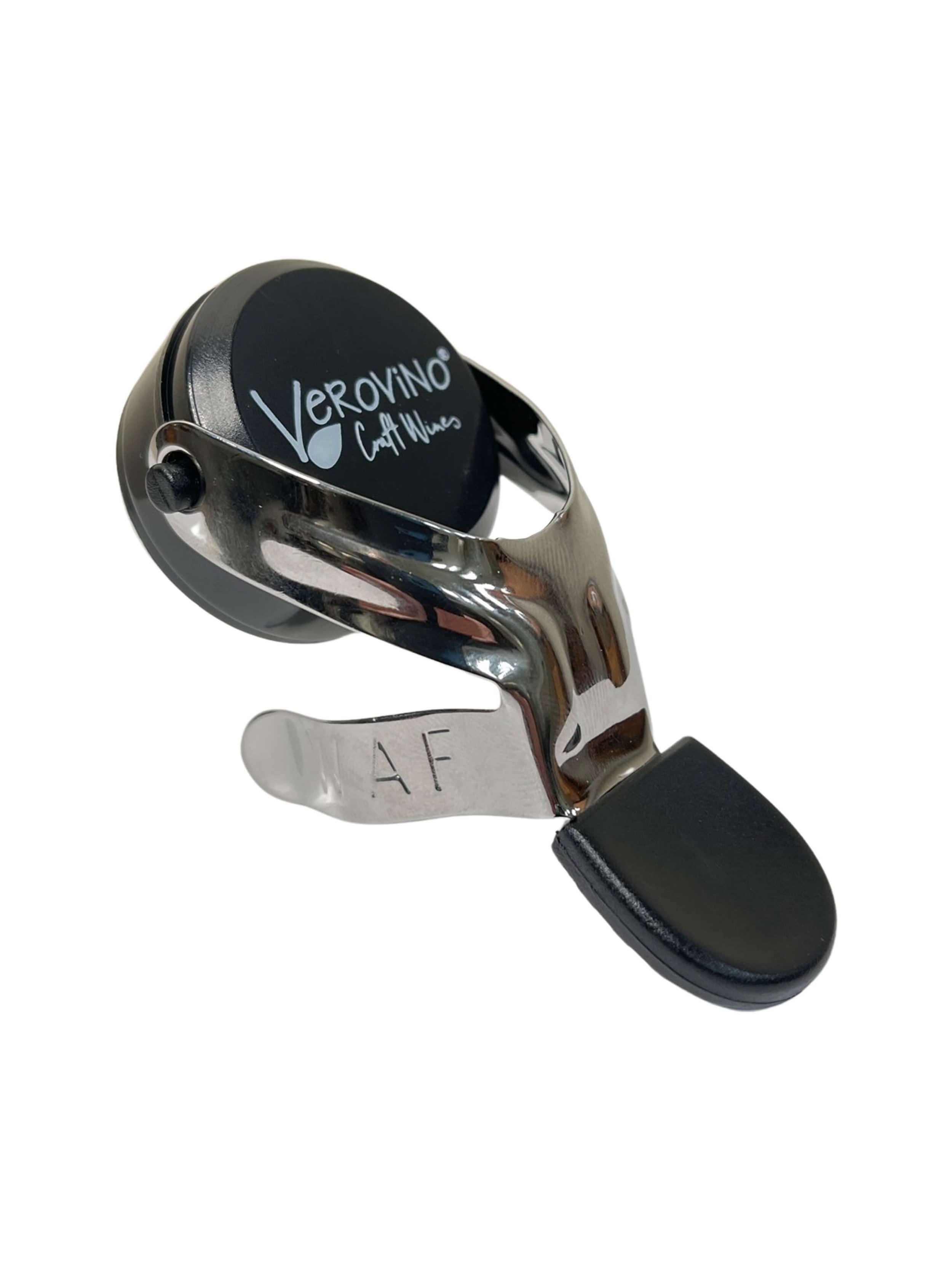
This is THE best sparkling wine stopper on the market, patented and imported from Italy. Use this and the bubbles in your sparkling wine will last for up to 3 days. The patented seal is based on physics: as pressure builds inside the bottle, the seal gets even tighter. It is the top choice among European sparkling winemakers. It comes with a patented design and is made in Italy. This is sommelier tested with many other products on the market and this one wins without a doubt.
This easy to use stopper is the best way to preserve your sparkling wines once opened, from frizzante to prosecco, pet nat and classic method champagnes. Now you don’t have an excuse to buy a bottle of sparkling wine because you can’t finish it in a day. Great for home or restaurant use.
In all honesty, screw caps may never be able to get over one of their biggest drawbacks: image and tradition. While opening a screw cap is easy and even diversely-abled friendly (no special tools required!), let’s face it, it doesn’t give nearly the same wow-factor or spectacle as a well trained sommelier carefully opening a natural cork bottle.
Sparkling Wine Closures
Crown Caps
These are essentially a beer cap. They are round pieces of metal, fluted and crimped around the lip of the bottle holding it in place. Like screw caps, they provide no oxygen transfer, and are very secure. You will see crown caps most often on Pet Nat wines, or sparkling wines that are made in the ancestral method. You see, these crown caps are actually used to make sparkling wines like Champagne, but once the wine is disgorged, the traditional sparkling wine cork is inserted. Because pet nat wines are refermented in the bottle just like a traditional method wine, but never disgorged, it makes sense that this style would retain the crown cap.
The Mushroom Cork
These corks are usually agglomerated corks, being formed by either small pieces or two to three larger pieces. They have the distinct “mushroom” shape, as a champagne cork. These corks are actually completely cylindrical but high pressure and force will stuff them into the bottles, leaving some out of the bottle where the wire cage can help hold down securely the dangerously pressurized cork.
Sparkling Wine Stoppers
But one problem with mushroom corks, as well as crown caps, is that you can’t put them back into the sparkling wine bottle after it is popped.
How to keep the fizz in Prosecco once opened, or whatever sparkling wine you just opened?
As an importer or distributor, like us, who sells wines to other distributors, wine stores and restaurants, we need to provide samples of the wines in order to sell them. What happens is, we open this expensive bottle, say, of Champagne-style wine, pour a tiny bit for the wine buyer to taste, and then we are left with an almost full bottle of sparkling wine that certainly should not go to waste.
Do you remember during the Covid lock-downs when those wine lovers living alone hesitated to buy Champagne, Prosecco, and other types of sparkling wines since they were concerned about not finishing the wine in time before the wine lost its bubbles?
Both for wine professionals as well as wine loving consumers, finding a way to allow bubbles in sparkling wine to last a while is key. In fact, when we started Vero, our founder combed through all the wine stores in SoCal looking for the best champagne stoppers, only to find out that none of them worked effectively: she would close the wine with the sparkling wine stopper only to open the next day and find a flat bottle of what was supposed to be sparkling wine.
Then she got talking to a wine producer in Italy who makes Champagne style wines and he told her about this great, patented sparkling wine stopper that kept the bubbles in sparkling wine lasting for days. She went on a hunt for it, even visiting the maker of the WAF sparkling wine stopper in Italy. She was so convinced that it the best way to make bubbles last in sparkling wine, that she imported a bunch in for distributors, on premise bars and restaurants and consumers to make their sparkling wine last longer. Surprisingly, it is one of the most sought after products we sell.
Winemaker Perspectives
As we have seen above, for winemakers, their choice of closure is crucial. Which is why it is interesting to meet a winemaker like Andrea Ivaldi of Ivaldi in the Monferrato, Italy, use many different types of closures in his wines.
For his top reds, he uses high-quality natural corks in order to promote optimal aging. By careful selection of his supplier, he minimizes his risks of TCA, and the benefit is unapproachable: he says However, he prefers screw caps for certain young white wines and for his Moscato d’Asti and Brachetto d’Acqui. These latter two were more to prevent breakage in warmer climates, where when temperature warmed, the slightly bubbly wines would actually expand and pop their natural corks. To prevent this, he switched to screw caps; however, he says he will still bottle a small selection of these wines under cork for consumers that are either prejudiced against screw caps, or that prefer the satisfying “pop” of a fizzy wine.

Here’s winemaker Andrea Ivaldi showing off his display of natural corks come out of the cork bark.
Andrea feels that often customers will blame the wine, winery, or winemaker for defects that are actually caused by a faulty or low quality cork. Besides things like TCA or leakage, he points out that corks harvested from trees that are too young can be too permeable (or have a higher porosity), and cause a premature oxidation in the wine, for example.
An Importer’s Perspective
For wine importers, the impact of faulty closures goes beyond simple bottle replacement. Our founder, Sheila Donohue, emphasizes the significant cost of lost opportunity. While direct financial losses from shipping, taxes, and storage are considerable, the real blow comes from wasted efforts in showcasing wines that have defects due to faulty closures.
"The biggest loss," Sheila says, "is the opportunity cost which presents itself when selling wine to trade. Importers, like us, invest significant resources traveling with carefully chosen selections of wines for client tastings. Often we travel across country visiting distributors, bringing the wine with us in the airplane, where we are very limited on what we can bring. Then, after the time and money invested to present the wine to a distributor, we open the wine at the 11th hour to find it’s faulty, we often lose the opportunity to sell that wine.”
Even if an importer gets credit from the wine producer for the corked bottle, if you consider all of the logistical and business development costs that an importer invests to promote and sell a wine, they usually have to eat all of the remaining costs associated with faulty closures.

What Does This Mean for You the Consumer?
A wine bottle closure directly impacts a tasting experience, whether it be as a properly evolved wine in perfect condition, or a corked bottle. But, by taking a peek at your next cork you pull out of a bottle, you might get an idea of already what awaits you in the bottle. Cork taint can often be smelled on the cork itself, hence why often one will see sommelier sniff a cork before serving a wine at a restaurant.
While with non natural corks, like DIAM, the risk of cork taint is very low, you can expect a little less evolution in the development of the wine’s taste, aroma and complexity, compared to a natural cork. These are all things that as wine lovers we pick up almost intuitively or second hand throughout years of tasting, listening, and experimenting. A fascinating part of tasting a new wine, or meeting a new producer, might be to look at cork and closure choices to see what impacts it might have had on the final product we see, smell, and taste in our glasses.
Are You Ready to Pop Some Corks?
We exist to allow all Americans, across the US, from businesses to consumers, to experience the pleasures of farm to glass wines, with all sorts of different closures. Of course, you cannot forget a patented wine stopper, beloved by wine professionals the world over. It will keep already opened sparkling wine’s bubbles fresh for up to three days! How can you get your hands on this reusable stopper and other hidden gems we forage for?
If you are a distributor reach out to us introduce our highly curated portfolio of one of a kind small production wines to your state.
We sell to wine stores and restaurants in certain states - contact us to learn more.
If our farm crafted natural wines and olive oils are not in your local shop or restaurant, buy wine online here, and we’ll ship it to you, including wine gifts.
We also have an award winning wine club for true wine explorers that are seeking to continually discover unique, sustainable and authentic small production wines they never had. These are wines selected by our sommeliers and curated for each box.
We do corporate gifts and sommelier guided wine tastings. Email us and we’ll tailor unique and sustainable corporate gift ideas.
All Natural - Single Piece Corks

An organic & vegan natural wine made from 100% trebbiano abruzzese, a white wine grape which the New York Times cites a grape “worth knowing better”. It has an inviting straw yellow color and an exotic nose (look for the saffron!) and an intriguing fruity and herbal taste.
This white wine is age-worthy too! Fermented and refined in grandfather Febo’s concrete vessels.
Region: Italy > Abruzzo > Chieti
Tastes Like: Peaches and Saffron
Farming & Winemaking Highlights: Regenerative Agriculture | Sustainable Winery | Biodynamic | Native Yeast Fermentation | Vegan | Single vineyard | Old Vine | Organic | Natural Wine
Fun Facts: This wine is named from the single vineyard from which it comes, Parella in Chieti.
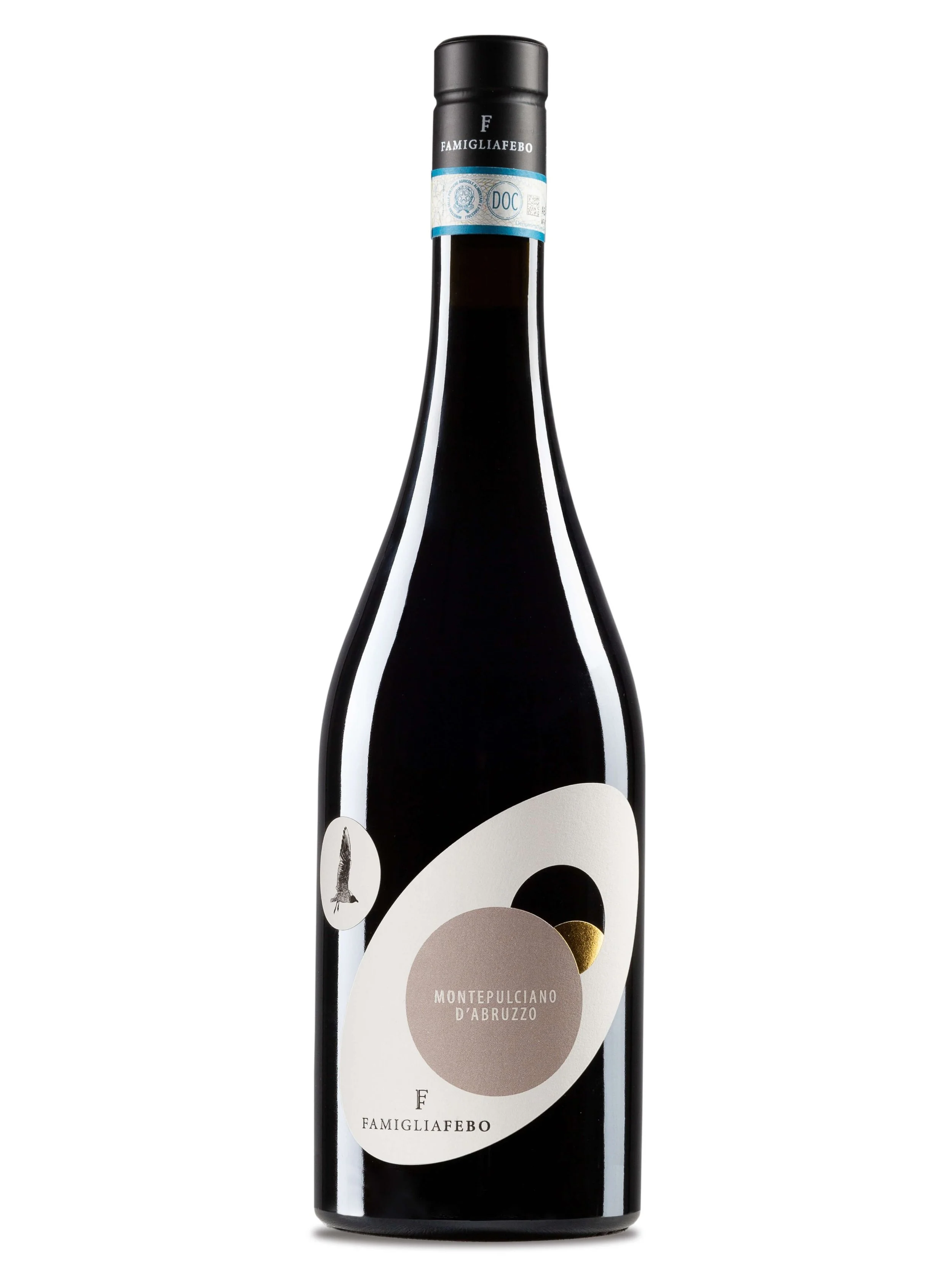
Made with 100% Montepulciano grapes spanning family vineyards in Spoltore and Chieti in Abruzzo, it has aromas of amarena cherries and licorice and a slight funkiness thanks to its 100% natural production. It tastes of dark fruit, with a rich texture and slightly bitter finish, with the funky vibe continuing while tasting. Fermented and refined in the winegrower's grandparents' concrete vessels.
Region: Italy > Abruzzo > Spoltore & Chieti
Tastes Like: Dark fruits
Farming & Winemaking Highlights: Regenerative Agriculture | Sustainable Winery | Biodynamic | Native Yeast Fermentation | Vegan | Organic | Natural Wine
Fun Facts: Pairs nicely with chicken parmesan. | While there is a famous wine “Vino Nobile di Montepulciano” from Tuscany, this grape has no connection to it; the “montepulciano name” there comes from the town noame, where as here in Abruzzo “montepulciano” actually refers to the grape used to make the wine.
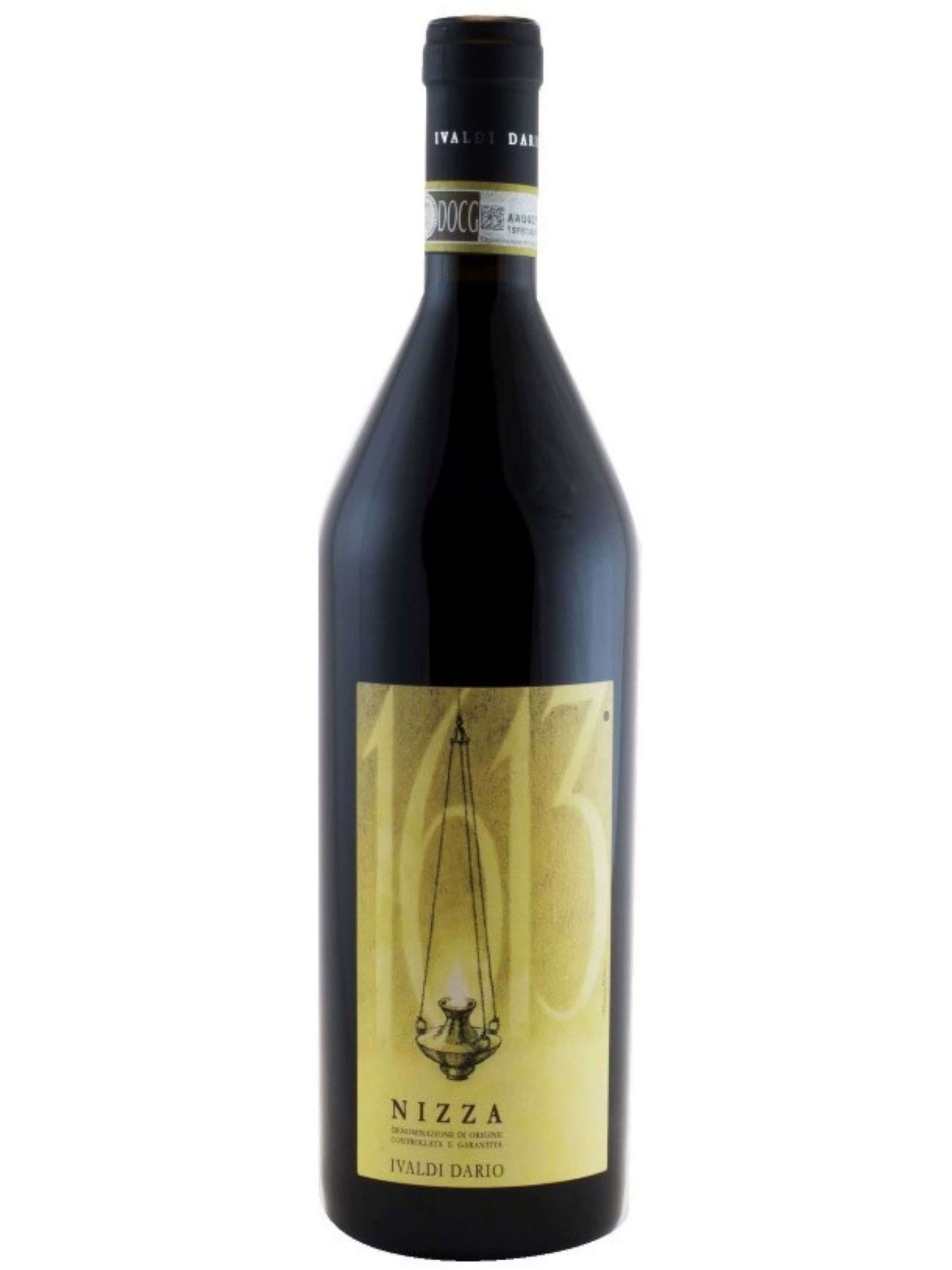
Nizza is the Barolo of Barbera, made from the birthplace of Barbera, Nizza Monferrato, the home of the 4th generation winemaking family, Ivaldi, and place where this wine is grown and made. This Nizza Barbera is a delicious old world style red wine with a rich cherry taste and an incredible mouthfeel.
This Nizza DOCG is made only in the best years, always made with 100% Barbera grapes, but only the best of the best of the Barbera clusters goes into this wine, before it spends 12 months in Slavonian oak barrels then 2 years resting in the bottle.
Made with native yeast fermentation, on the skins for 15 days. it has a pretty ruby red color with garnet reflections. A fruity bouquet transforms into spicy notes as it opens, and on the palate this wine has nice tannins and acidity balanced by a robust body.
The name of this red wine, 1613, is a homage to the siege of Nizza Monferrato in 1613 by the Mantovan army, showing the strong roots the Ivaldi family has to their home town. The women gathered to pray all night, and after the siege was lifted and won by Nizza Monferrato, an oil lamp in the church spontaneously burst into flames, despite the lack of spark and oil. Known as the ‘Miracle of the Lamp’, this wine pays homage to that evening, bearing not only the year as a name, but the image of the oil lamp on the label.
A certified sustainable winery, Ivaldi Dario practices regenerative farming.

This Brunello di Montalcino from winery Canalino is crafted using specially selected sangiovese grapes. A gorgeous ruby color, the nose is a potpourri of intense mature fruit and spice aromas from prune to menthol to leather. The wine is structured, with freshness, minerality and age worthy tannins and a fantastic mouthfeel.
Tastes Like: Stewed Cherries or Cherry Jolly Rancher candy
Farming & Winemaking Highlights: Regnerative Agriculture | Sustainable Winery | Biodynamic | Native Yeast Fermentation | Unfiltered | Organic | Natural Wine | Vegan
Fun Facts: The name “brunello” comes from the local name used for the type of sangiovese typically used in the area.
Amalgamated DIAM Corks

This is one of the best Barolo wines from the Langhe in Piedmont Italy as well as a great value from one of the storied families of Barolo wineries. This Barolo red wine is the maximum expression of the nebbiolo grape from Aldo Clerico. With vineyards right next to those of Domenico Clerico Barolo vineyards, this Barolo is a good substitute for Burgundy wine.
This garnet colored artisan Barolo has red fruit, rose and spicy leather and tea leaf aromas with elegant structure, long finish leaving a silky mouthfeel. On the nose it is very intense while floral notes mix with typical vineyard scents of violets and red berries. On the palate, the violets blend with licorice flavors and noticeable tannins. A creamy texture from the oak barrels creates a pleasant mix of fresh yet complex flavors.
Tastes Like: Cherries and licorice
Farming & Winemaking Highlights: Biodynamic | Native Yeast Fermentation | Single Vineyard
Fun Facts: This is Aldo's first wine made from 5 different Barolo designated vineyards surrounding his home in Monforte d'Alba, all within the Bricco San Pietro MGA. He vinifies each vineyard and then does an assemblage, creating each vintage a unique expression of his nebbiolo vineyards. It is also made with native yeast fermentation, so can be called a natural wine.

Made with native yeast fermentation, this Barolo Serralunga is a special natural wine. Rich on the nose with dried violets typical of the nebbiolo grape, the bouquet is austere and profound with balsamic notes. Once sipped, the earthy texture is out of this world, which marries pleasantly with the structure, fruit and spice of this elegant red. Well accented tannins are soft and decanting is strongly recommended.
Tastes Like: Earthy Spices
Farming & Winemaking Highlights: Biodynamic | Native Yeast Fermentation | Single Vineyard
Fun Facts: This is a single vineyard Barolo from the Serralunga d'Alba village, known to produce the most age worthy Barolos.

Made from the sought-after Ginestra Barolo Cru, this single vineyard wine epitomizes the greatness of the nebbiolo grape from the Barolo wine region, in terms of structure, age-worthiness and fruit expression. The native yeast fermentation used in making this natural wine also helps bring out the special and sought after terroir of the Ginestra cru.
An intense garnet color, on the nose this Barolo tends towards red fruits, with a touch of balsamic notes. As it opens on the palate the elegant tannins harmonize with the acidity for an overall richness that creates a pleasant and enjoyable experience while sipping alone or with food.
Tastes Like: Balsamic Tabacco leaves
Farming & Winemaking Highlights: Biodynamic | Native Yeast Fermentation | Single Vineyard
Fun Facts: The Ginestra cru is very limited and only a few wineries have access to harvest from there. Aldo can thanks to his wife’s, Valentina’s, Conterno family vineyards.
Fun Facts: The hands on the bottle represent Aldo’s two daughters; for this reason he often says this is the wine closest to his heart.
Screw Caps

From the Czech Republic, Thaya crafts organic wines in the area of South Moravia, near the Austrian border.
A bright lemon color with apple and carnation flower aromas, this chardonnay is round, fresh and fruity with a chalky texture and long finish, all-in-all, nicely balanced. Aged 6 months in stainless steel before bottling.

Coming from an area known for some of the best Sauvignon Blancs in the world, in the Südsteiermark subzone of in the South Styria of Austria, at 400m altitude with hand picked harvesting, this lemon yellow color sauvignon blanc has an intense bouquet of lemon, lemongrass and flint. It has citrus and apple flavors with a hint of lemongrass. It has great acidity and a long, sapid finish. Soils are red schist and loam. After 24 hours of skin maceration, the fruit was fermented with native yeast and aged in stainless steel. Minimal sulfur additions.

This unfiltered sauvignon blanc natural wine is playfully named after the limestone, mineral-rich soil where it was cultivated. It’s from the Sudsteiermark, or South Styria, Austria, known for some of the best sauvignon blanc in the world. It has a bright lemon yellow color with an intense reductive nose that has curious complex aromas that develop more once it breaths, such as tropical fruit aromas. The taste has a 'wow' factor with racy, prickly acidity, really nice texture a VERY long mineral finish. Think of what it’s like to lick a rock - this is it! This is your ‘atypical’ Sauvignon blanc, made from a mix of 9 different Michi Lorenz’s estate vineyards, some early, mid and late harvests, and across 4 different vintages using the complex solera method. A real one-of-a-kind sauvignon blanc.
A natural, and certified organic and biodynamic wine made with native yeast fermentation.
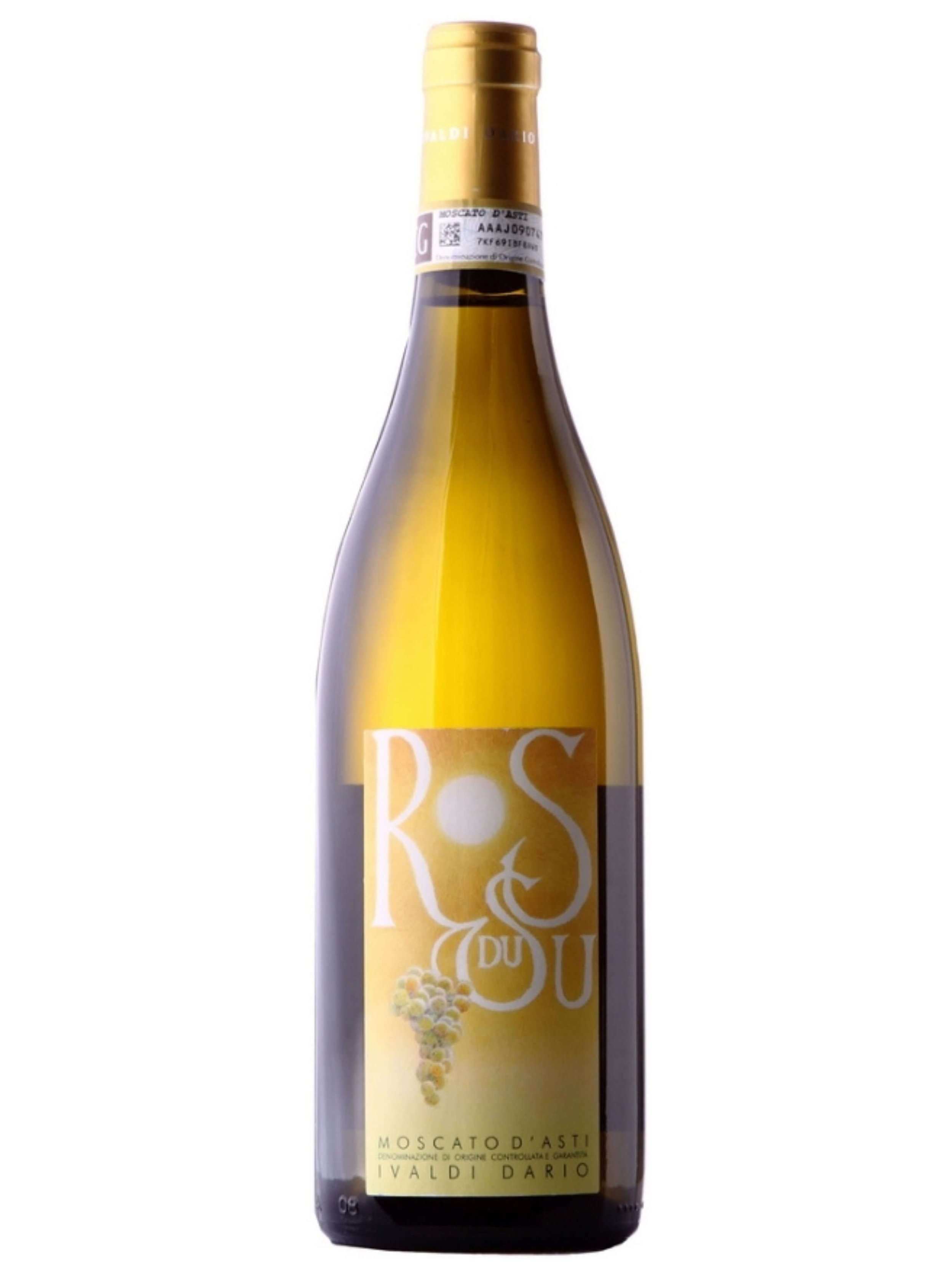
Who doesn’t like chamomile and honey? That’s what this wine reminds you of! It’s a Moscato d’Asti that appeals both to sweet wine lovers and dry wine drinkers wanting a moment with a touch of sweetness.
The name of this wine, Ros du Su, means ‘Rays of Sunlight’ in Piemontese dialect where this Moscato d’Asti comes from. Looking at its bright, golden-yellow color, it is easy to understand the inspiration for this name.
In the glass, the aromatic qualities of moscato are the first noticeable aromas, but underneath subtle and persistent notes of honey and acacia and chamomile flowers come forth creating a complex bouquet. Tasting, the sweetness of the residual sugars are well balanced with freshness and sapidity. A pleasant wine that keeps you sipping, it pairs well with desserts, but is every bit as enjoyable alone in contemplation.
A certified sustainable winery, Ivaldi practices regenerative farming.
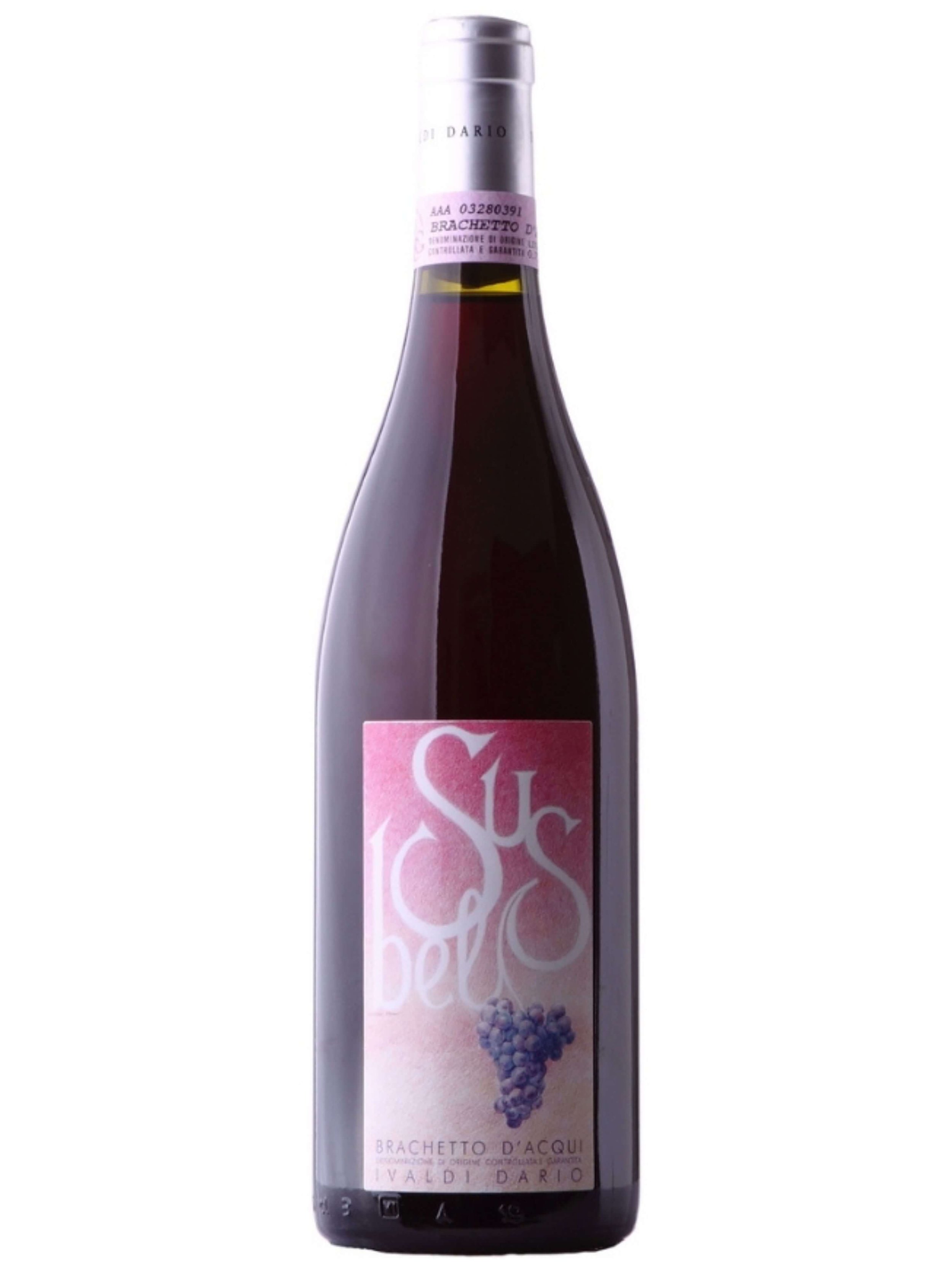
“Can we make Brachetto popular, please?” is how VinePair headlines why this artisanal, aromatic red sweet sparkling wine, just recently imported by us first time to the USA, made it to VinePair’s list of 13 Best Sweet Wines.
An aromatic grape, brachetto, creates a pleasantly slightly sparkling sweet red wine, with delicate rose flower and strawberry notes and strawberry and hibiscus taste. ‘Susbel’, in the local Piemontese dialect of Ivaldi in the Monferrato, refers to the location of the vineyard of this Brachetto d’Acqui, where the sun is bright and well exposed.
Left four days in contact with the skins and fermented with native yeast, this natural wine has a bright and clear light red color, dotted with fine effervescent bubbles. Sipping, the immediate impact is indeed sweet, yet with enough acidity and a hint of tannins to create a harmonious and balanced wine that keeps you coming back for more.
Wonderful to serve slightly chilled to sip with friends in the backyard on a hot summer day, or to serve with fruity desserts. Try pairing it with white or milk chocolate or a savory cheese, like with Humboldt Fog goat cheese - it goes incredibly well. It can also pair with charcuterie. Made with native yeast fermentation and has a residual sugar of 120 g/l.
A certified sustainable winery, Ivaldi Dario practices regenerative farming.
Sparkling Wine “Mushroom” Corks

Made from Glera grapes in one of the best areas for Prosecco, Valdobbiadene, this is a crisp, clean delicious dry Prosecco DOCG with a light yellow color and lovely effervescence. It has notes of pear with a minerally flavor and a citrusy, slight bitter finish reminding you of the rich terroir where this wine comes from. This Col del Balt Brut Prosecco made by the Sanzovo brothers has approximately 5g of residual sugar. As well, it is a special Millesimato Valdobbiadene Prosecco Superiore, meaning not only does it come from the select Valdobbiadene “heart” of Prosecco, but it is also from a singular vintage, not a blend of multiple vintages like many Proseccos.

With a persistent perlage, a bright gold color lights up the glass as complex exotic fruits and citrus aromas burst forth. Tasting, it is a dry wine with a delicate balance of acidity and sapidity keep you sipping and enjoying until the last drop.
The volcanic soil of the Sandro de Bruno vineyards lend well to this ancient, yet up and coming grape known as Durella. With a thick skin rich in polyphenols, they expertly craft this grape in a sparkling wine using a classic Champagne method. A zero dosage, for 36 months the wine rests on the lees before dégorgement and it then rests again.
It is markedly less intense than its 60 month aged and 100 month aged counterparts, creating a great entry point to the durello grape. You can try all three of these wines for yourself in the Durello Flight Set!
Tastes Like: Limes and Green Apples
Farming & Winemaking Highlights: Sustainable Winery | Volcanic Soil | Bottle Fermented | Champagne Style
Fun Facts: - “Linear and polished” is how Kerin O’Keefe in this Wine Enthusiast review describes this 95 point wine.
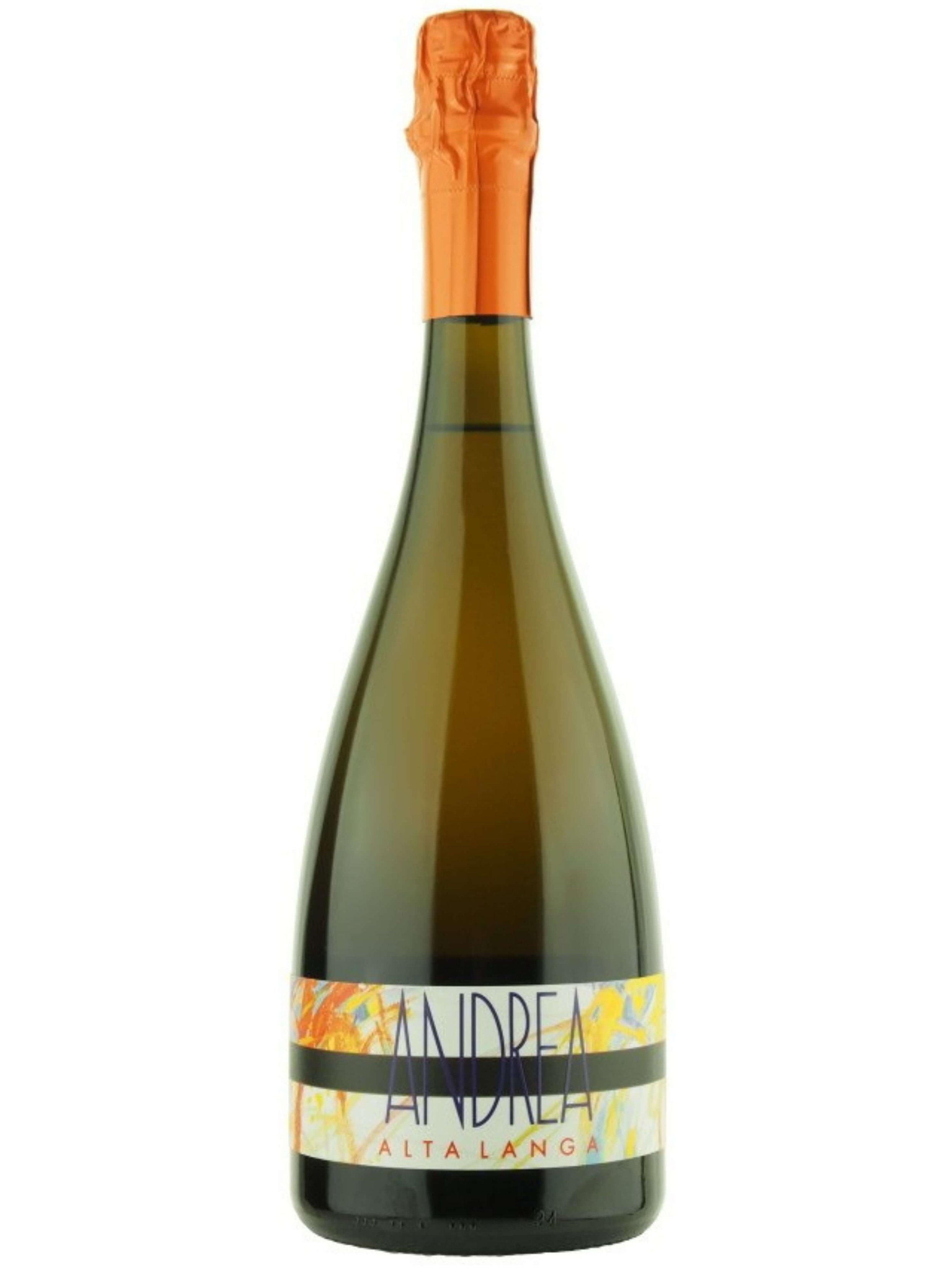
This Alta Langa Spumante, or an Italian sparkling wine, is an Extra Brut, with flavors of bread crust, caramel and candied fruit, with great acidity and salinity, a hint of sage and a long mineral finish.
Made following the traditional Champagne method, it ages on the lees for 30 months in the bottle. Alta Langa is a newer DOCG that is steeped in history and is an up-an-comer amongst Italian traditional method sparkling wines.
This vintage wine is from vineyards at 200 meters that are harvested slightly late to give the wine more structure. A Blanc de Blancs made from 100% chardonnay grapes, fine and persistent bubbles are present with an inviting straw yellow perlage.
Tastes Like: Bread crust, caramel, and candied fruit.
Farming & Winemaking Highlights: Regenerative Agriculture | Sustainable Winery | Biodynamic | Bottle fermented | Champagne Style
Fun Facts: - This wine is named for the current winemaker, Andrea Ivaldi, the 4th generation of his family to make wine, and the first to make a sparkling wine.
- A certified sustainable winery, Ivaldi practices regenerative farming.
Crown Caps and Stoppers

Before this 'modern era' of Proseccos made with the Charmat method, Prosecco was made with the ancestral method, like this wine, Codolà, where fermentation takes place in the bottle, and it is not disgorged. This means that the wine is unfiltered since it is on its lees. In Italy it is also called a Col Fondo sparkling wine and in the US, we use the French term ‘Pet Nat’ to describe this wine. This results in a white sparkling wine whose aromas and flavors continue to evolve while they are in the bottle. This Col del Balt white sparkling wine made by the Sanzovo brothers has a straw yellow color with lots of fine bubbles and green herb and pear aromas with a hint of lemon zest. It has 0 residual sugar and it tastes dry and clean, with a slightly bitter, lemon rind tasting, finish.
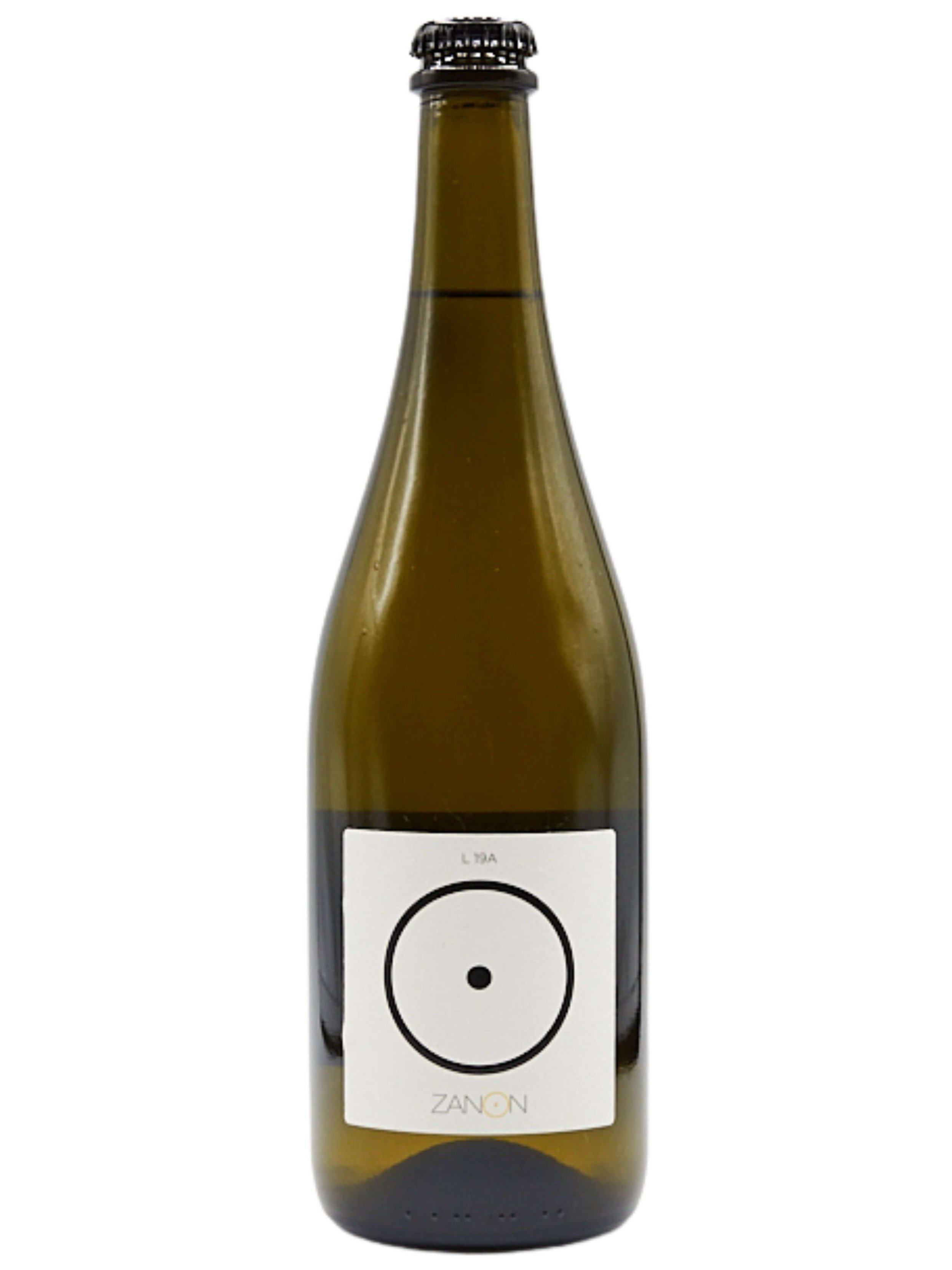
A 100% glera grape white sparkling wine made with native yeast fermentation, this natural wine vintage “prosecco” is from vineyards in the old part of Valdobbiadene, made also in the historic tradition of the ancestral style, or Pet Nat, as it is bottle fermented on the lees. A light color, giving an early hint to its bright acidity, the bouquet of citrus and lemon flowers bursts forth in the glass once it opens. When tasting this ancestral method natural wine, apricots and persistent bubbles create a sparkling wine that is enjoyable with brunch, aperitivos , get-togethers, you name it.
The circle and dot logo represents both the human existence and evolution, as well as winemaker Eros Zanon’s personal view of his vineyards, a dot of small-production boutique quality in the larger circle of large-production Proseccos.
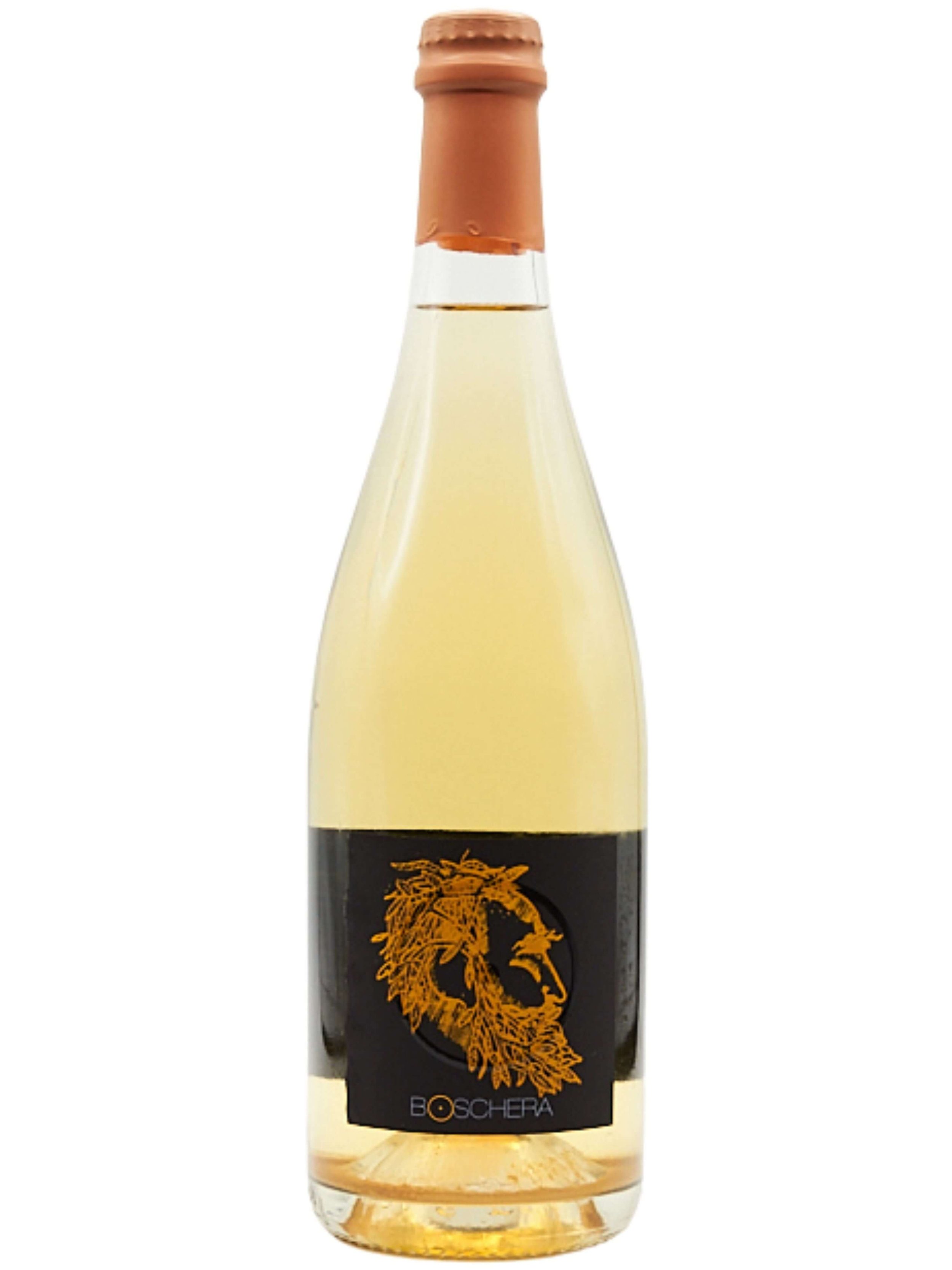
This is an unfiltered sparkling wine made similar to the champagne style from a rare grape called Boschera, native to Veneto, Italy where there is less than 20 acres in the world! We were the first to import this grape into the US!
Compared to the Prosecco grape (Glera), Boschera is more complex, and in fact this wine has been aged for over 3 years in the bottle on the lees.
With 2 days of skin contact giving it a deep yellow color, this native yeast fermented natural wine is then refermented with its native lees and then undisgorged, so it is unfiltered and continues to age on the lees too, allowing it to become more complex over time.
You can say it is a vintage & aged ancestral method, or Pet Nat style, also called Col Fondo in Italian since it is on its lees. It has herbal, nutty and yeasty aromas and savory taste with a long saline finish. Pairs with many foods & throughout the meal, from appetizers to main course.
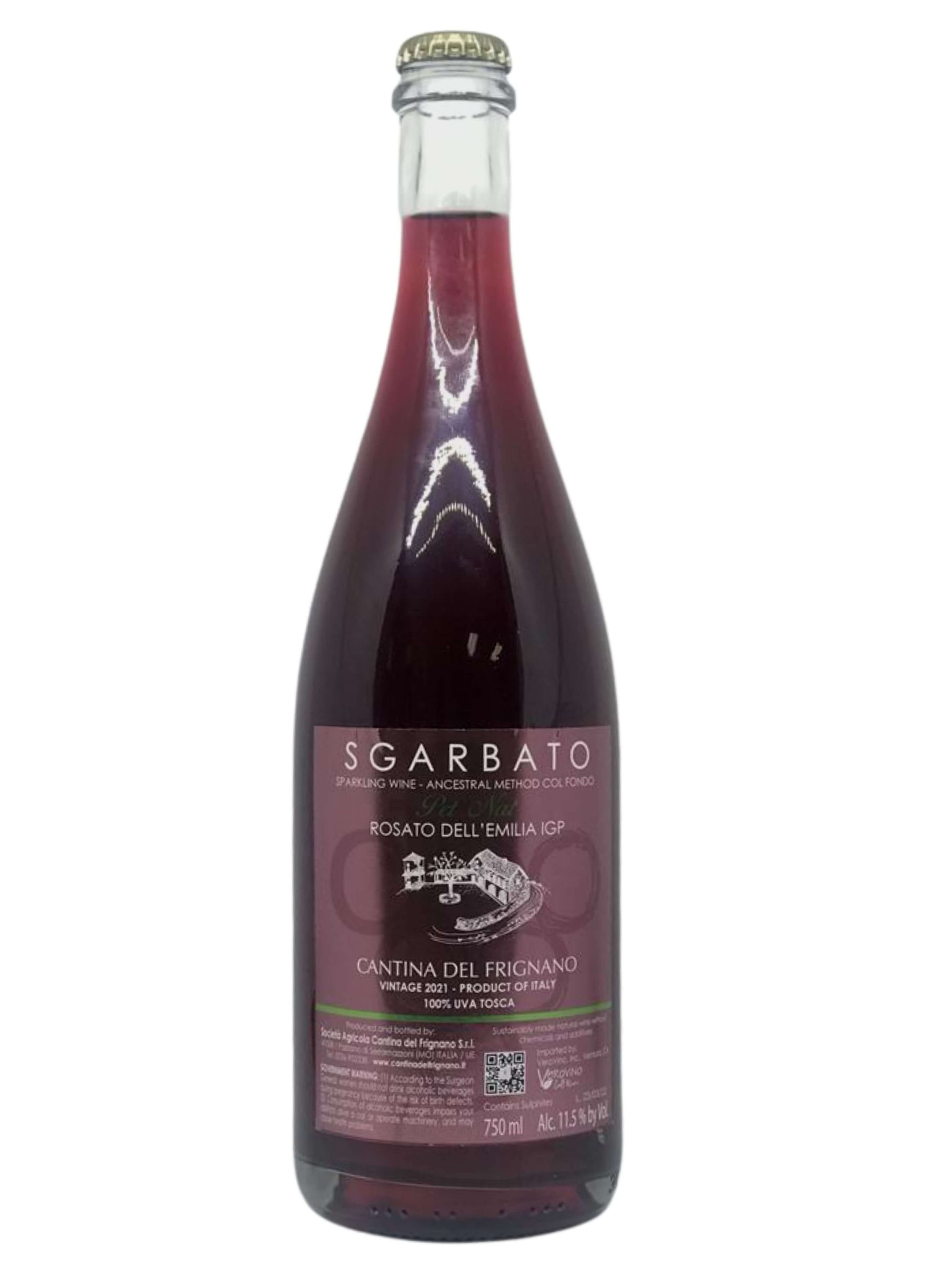
Made from the rare Uva Tosca grape, this dry Pet Nat tastes like drinking cranberry juice as a sparkling wine.
This producer, Frignano, is credited for reviving this forgotten grape which grows in higher altitudes in Emilia area of Northern Italy, and is believed to be a descendant of Schiava Grossa, the Alto Adige red grape.
Refreshing and quaffable, with strawberries on the nose and a saline finish, it is great on its own or with light fare. It is an unfiltered, bottle fermented 'col fondo' sparkling wine also known as ancestral method or Pet Nat style, and made with spontaneous fermentation like a natural wine.
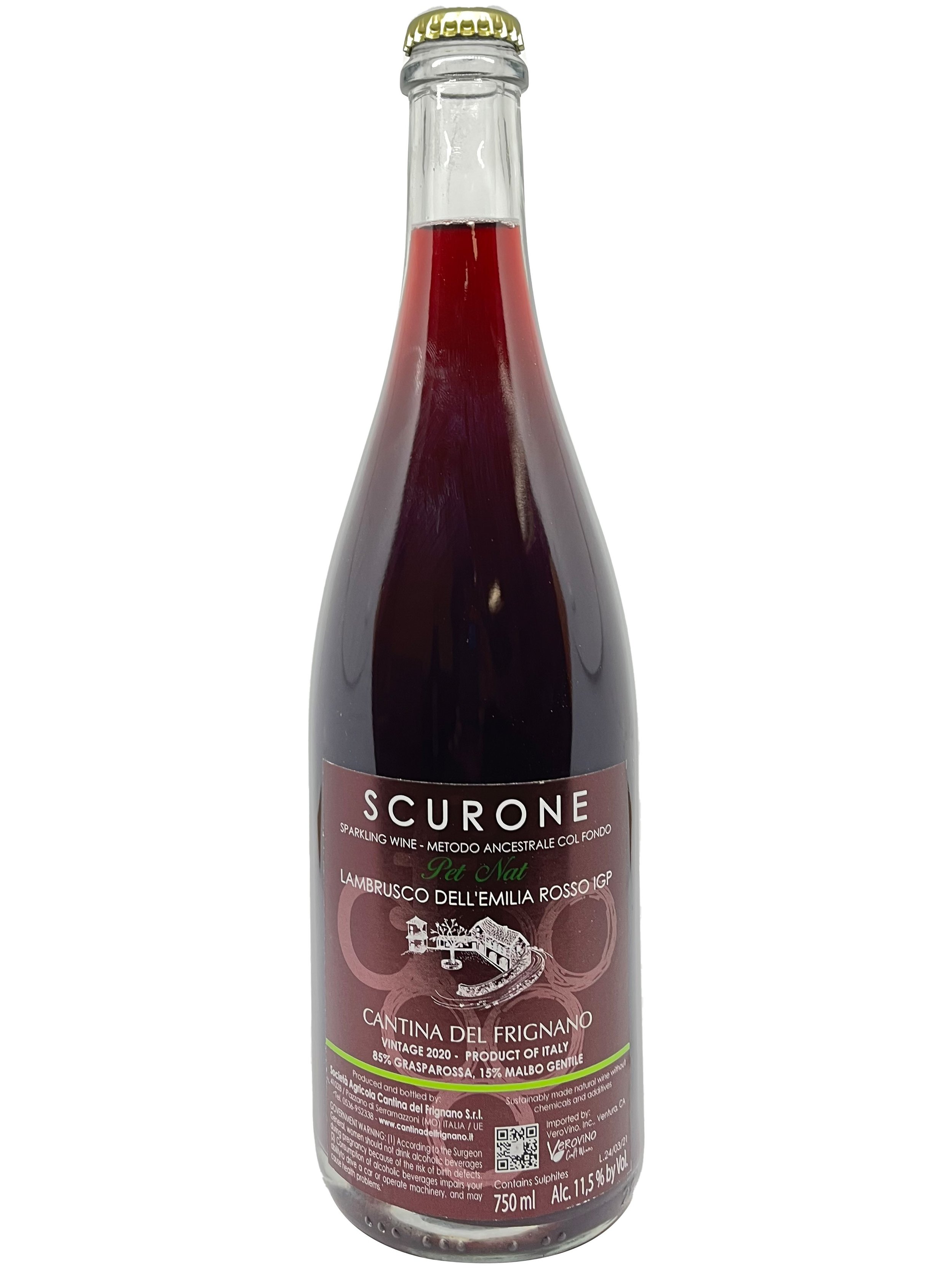
This is an ancestral method Lambrusco made primarily with the Lambrusco Grasparossa grape, and with some Malbo Gentile grape, which is local to the area of Frignano in Modena. It is a lighter red ruby color, light effervescence, a nose that has red fruit with hint of orange peel. It is fresh and fruity, with plum taste, and grippy tannins and noticeable texture.
This is THE best sparkling wine stopper on the market, patented and imported from Italy. Use this and the bubbles in your sparkling wine will last for up to 3 days. The patented seal is based on physics: as pressure builds inside the bottle, the seal gets even tighter. It is the top choice among European sparkling winemakers. It comes with a patented design and is made in Italy. This is sommelier tested with many other products on the market and this one wins without a doubt.
This easy to use stopper is the best way to preserve your sparkling wines once opened, from frizzante to prosecco, pet nat and classic method champagnes. Now you don’t have an excuse to buy a bottle of sparkling wine because you can’t finish it in a day. Great for home or restaurant use.