
Wine Biology 101

Do you remember biology lab in school when you first dissected a frog, or other animal? It was fascinating to go under the microscope to see in miniature what made up a living body.
Well, think of this article as a biology class for grape vines.
In this viticulture series which started with an article on vine rootstocks, we now dissect the vine and the grape. We look at the grape vine and the grape itself and their anatomy so to help us better understand not only where wine comes from but also what aspects of its anatomy impacts terroir, vintage variation, and ultimately the style and taste of the wine.
Anatomy of a Vine
Let’s start first off with some vocabulary definitions of the most essential building block of a vineyard: the singular grape vine of the vineyard. This is, after all, what makes wine: good vines make good grapes which make good wine, as our wine farmer producers say.
Roots
As we talked about in our previous article about rootstocks and grafting, this crucial part of the vine not only anchors the vine in the ground, but also feeds the vine. Through the ever downward reaching root system, they feed the vine water and important nutrients from the soil itself. We won’t go too much into it here, because our previous article “Down to the Roots of the Vineyard” covers extensively the importance of the roots of a vine.
Trunk
Moving up, we have protruding from the ground, the trunk. Here we have the main support body of the vine, from which all else branches out. Because it forms the main woody body and is never cut back or pruned, this can also be called “permanent wood”. The trunk gets thicker with age, leading to the aesthetically pleasing gnarled look some vines can get when they get up there in age. As well, the height of the trunk can differ, depending on the winemaker’s preference for pruning methods (stay tuned and subscribe to our newsletter for another article on pruning techniques).

An old vine from the Febo family vineyards, showing an old knarled trunk.
Cordons and Canes
Branching out from the trunk, we can find here two options (again, the appearance of each depends on pruning preferences): cordons or canes. Cordons (sometimes called arms) are extensions of the trunk; permanent wood, they are rarely trimmed or cut back and in most classic cases extend perpendicular to the trunk, but not always, especially in older vineyeards.
A cane is often called “one year wood” as it is often left over from the prior growing season, so it is an in between of old permanent wood and new green growth. A cane can be short, at which point it is called a spur, that branch directly off of a trunk head or a cordon, or they can extend vertically along a wire as a sort of thin cordon. From these canes, spurs, or one year wood will come the shoots (discussed below).
The choice between cordons, canes, positioning etc, are all decisions made by a winemaker during pruning and can vary greatly in the vineyards of a winery, and even winery to winery.
It’s Good to Be Green: The Green Bits
Now we come to the tippy top of the vine, the parts that grow anew every single year: the green parts. These create the canopy, or the big bushy green part that you see when you think of beautiful full grape vines. First are the shoots that create the structure. They are the thickest part of this, and they will grow out of the spurs and one year wood left during pruning. During the growing season the shoots will be tied to wires if the producer wants to help control the direction and “neatness” of the growth. From these shoots grow the tendrils, small thin string-like pieces that grow and help the vine crawl and anchor itself as it grows. As well, the leaves come off of the shoots. Crucial in so many ways, leaves not only feed the plant through photosynthesis and absorbing the sunlight, but in warmer climates the can provide shade to help shield vulnerable, juicy grape bunches from the hot sun.

New shoots in the Vigna Petrussa vineyard.
Lastly, coming off the shoots is arguably the most delicous part of the vine: the flowers and stems that will become buds and our wine grape clusters.
Anatomy of a Grape Berry
Now the most important part of winemaking: the grape itself. Inside this grape we will find all the chemical compounds, sugar, water, color, and so much more that will make the flavors and characteristics of a wine stand out.
Skins
Working from the outside in, we have the skins. In the skins we find important compounds such as color, tannins, and some of the compounds that will give us varietal character. As well on the skins we will find our yeasts when winemakers choose to undergo native yeast fermentation or spontaneous fermentation.
Pulp
Held in by the skins, is the pulp. Mainly water, this pulp will be a deciding factor in the volume of wine produced in a harvest: fatty juicy berries produce higher quantities. While water may be number one in the pulp, the sugars run a close second. These sugars will give sweetness, flavor, and fuel to the yeasts to convert to alcohol. Also found in the pulp are important acids such as malic and tartaric acids that will help give the juice enough acidity to balance out the sweetness. It is worth noting, that most pulps are colorless, as mentioned previously, it is in the skins that we find our color compounds.

Seeds
And we come to the most inner part of the grape, the inner sanctum holding the DNA and potential reproductive starter kit (that if you read our grafting article would know more often than not never gets used). The seed itself contains lots of tannins as well as certain oils that can have a bitter flavor. It is because of these seeds that ideas about pressing are so important: break these seeds or squeeze them too much and you risk extracting too much tannin or unpleasant flavors.
Importance of Understanding This Anatomy
So why is it that sommelier courses such as WSET or Master of Wine will focus so heavily on this anatomy, forcing students to memorize all these parts and what they do? Well, how each of these different parts interact with a wine will give a particular variety different characteristics, or allow more or less terroir to shine through.
For example, with the vine, as we will discuss in a future article, how you prune each of those separate parts will affect sun cover, wine and rain protection, and so much more for a grape. Farmers can choose to mold or model the vine if necessary to help protect it from local elements, or leave it to grow on its own as many natural wine makers choose.
Within the grape itself, understanding where flavors, sugars, or tannins come from, help us understand the changes things like pressing can make in a wine as we mentioned. Other parts? Think about the skins, how when white wines are left in skin contact, we get so called orange wines, because color is able to be drawn out from the skins rather than immediately drained away (such as in wines like La Maliosa’s Saturnia Bianco or Case Corini’s Ciabot del Moreto). As well, think about rosé wines, and how changing the skin contact with red wine grapes can change a wine too. Like Febo’s Cerasuolo d’Abruzzo and Febo’s Montepulciano d’Abruzzo. Both are montepulciano wines, coming from sometimes even the same vineyard, the Cerasuolo comes out much lighter in red color, tannins, and flavor compared to the standard Montepulciano thanks to short maceration on the skins, drawing out less of those compounds.

Old vines from the Case Corini vineyards.
Other things are like changes to a vintage, where variations such as heat can change the skin color and reduce pulp, calling for more concentrated than usual colors, such as what we see in Febo’s Rolland which, despite being a white pecorino wine, comes out almost orange in color. Keeping with the skins, knowing what particular grapes have either thicker skins, or have more pigment compounds in their skins can tell you a lot about the color. Take for example the Piedmont classics nebbiolo and barbera. Nebbiolo wine is low in anthocyanins, an important color compound, whereas Barbera grapes are high in it. Despite often growing the the same vineyards or at very least next to each other, they come out with vastly different colors, all thanks to the skins.
Terpenes are aromatic compounds which certain grapes, like moscato and brachetto, have a lot of and is what makes this wines they make so intriguing.
Leveraging sugar in wine making capitalizes on this, working to dry out grapes, lessen the water content compared to the sugar content and also heighten not only the sugar perception but also so many flavor compounds as well. Aromatic wines, like Brachetto d’Acqui and Moscato d’Asti, are sometimes made sweet: to help elevate the flavor compounds found in the skins.
As we mentioned with the Brachetto and Moscato, compounds found in the skins are important, like the molecule rotundone which is responsible for the distinct peppery smell and flavor found in grapes like schioppettino.
And as we touched on before, things like the seeds impact greatly the flavor, whether pressed or free run juices, or even if a method such as carbonic maceration has been used, such as in the Clos des Amis Zinfandel where whole clusters are left in a sealed container to ferment on their own native yeasts found on the skins, drawing out crazy color and flavor compounds from the skins and pulp.
Learn by Doing… or Rather Tasting
Seeing as vine and grape anatomy is so crucial to a vineyards health, and can even at times reflect a winemaker’s philosophy, here at Vero, we find it very important to think about the hows and whys behind wines to really understand the basics of wine making decisions. And sometimes the best way to learn is to taste it… try wines that were grown certain ways and taste how that makes them special and unique.
We sell these farm to glass wines and olive oils we have discovered to businesses and consumers across the US:
If you are a distributor reach out to us introduce our highly curated portfolio of one of a kind small production wines to your state.
We sell to wine stores and restaurants in certain states - contact us to learn more.
If our farm crafted natural wines and olive oils are not in your local shop or restaurant, buy wine online here, and we’ll ship it to you, including wine gifts.
We also have an award winning wine club for true wine explorers that are seeking to continually discover unique, sustainable and authentic small production wines they never had. These are wines selected by our sommeliers and curated for each box.
We do corporate gifts and sommelier guided wine tastings. Email us and we’ll tailor unique and sustainable corporate gift ideas.
Skin Contact Wines and Carbonic Maceration

Woman made Saturnalia Bianco, on VinePair’s list of Top 15 Best Orange Wines, is an award winning, unfiltered and delicious skin contact orange wine made from old vine procanico & trebbiano grapes cultivated in volcanic soil.
This natural wine is made from the patented Metodo Corino, based on regenerative farming principles. Nothing is added but grapes! Made with unpressed, free run juice with native yeast fermentation. A two week maceration imparts a dark amber color. Aged only in stainless steel tanks, it has aromas of candied fruit, dried apricot and ginger.
It has pleasant acidity and tannins, and is balanced with a long finish. A pretty deep orange color, it is a great wine for difficult food pairings, it pairs with almost any dish.
Tastes Like: Candied Orange Peels
Farming & Winemaking Highlights: Regenerative Agriculture | Sustainable Winery | Biodynamic | Native Yeast Fermentation | Vegan | No additives (ie non sulphites added) | Unfiltered | Organic | Metodo Corino | Natural Wine
Fun Facts: - The natural farming method that produced this wine, the metodo corino, is actually patented by La Maliosa woman winemaker Antonella Manuli after she helped to develop it with natural wine legend Lorenzo Corino of Case Corini.
- Named in honor of the Roman festival in December which took place near the winery, La Maliosa, this wine was once called Saturnia Bianco.
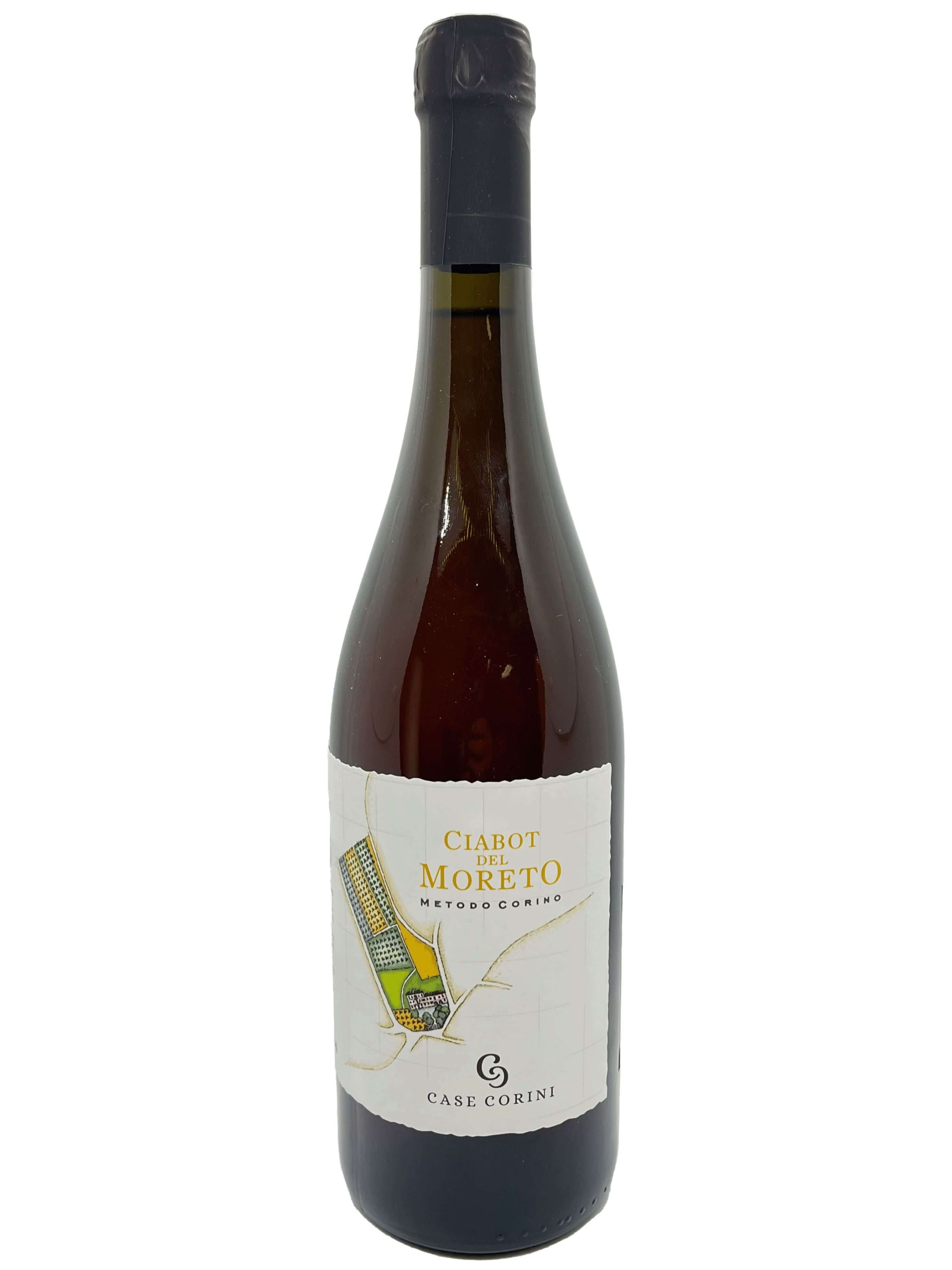
This is an aromatic late harvest skin contact Orange wine from the natural wine 'legend' Lorenzo Corino and his son Guido. The color of rust orange opens to a complex bouquet of orange blossom, candied fruits, caramel and pine leading to a fresh taste of apricots with some mineral savory-ness, pleasant tannins, lovely texture. It is balanced with a long finish. This vegan wine is made naturally, with no intervention of any kind made and no sulfites added. It is a super interesting wine for those who enjoy muscat natives and orange wines. The name Ciabot del Moreno refers to the small wine hut (part of the Piedmontese wine 'ways and culture) in the area where the single vineyard is (Moreto). A lot of local stories are born around these "ciabot". The 70 year old vineyard with different Moscato biotypes is 230m high in Santo Stefano Belbo, 15 min south of Costigliole d'Asti and a half hour east of Alba. After a gentle crushing, fermentation starts with native yeast fermentation and wines are left with skin contact for 2-3 weeks, followed by 6 months of aging in wooden barrels.

This California Zin is not like the others. A different take, it has the expected plums and fruits, but is not a fruit bomb like a lot of other zinfandel wines; rather it is balanced and complex. As said on the back label, ‘This Zin is so alive, we call it a Zing!Fandel.’
Made from 30 year old vines in the Upper Ojai Valley in California, the single vineyard these grapes come from is known as ‘Block F’. This terroir driven Zinfandel is made with native yeast fermentation and using carbonic maceration.
An unoaked red wine, this California zinfandel is a great way to taste something new and different!
Vine made wines from Abruzzo
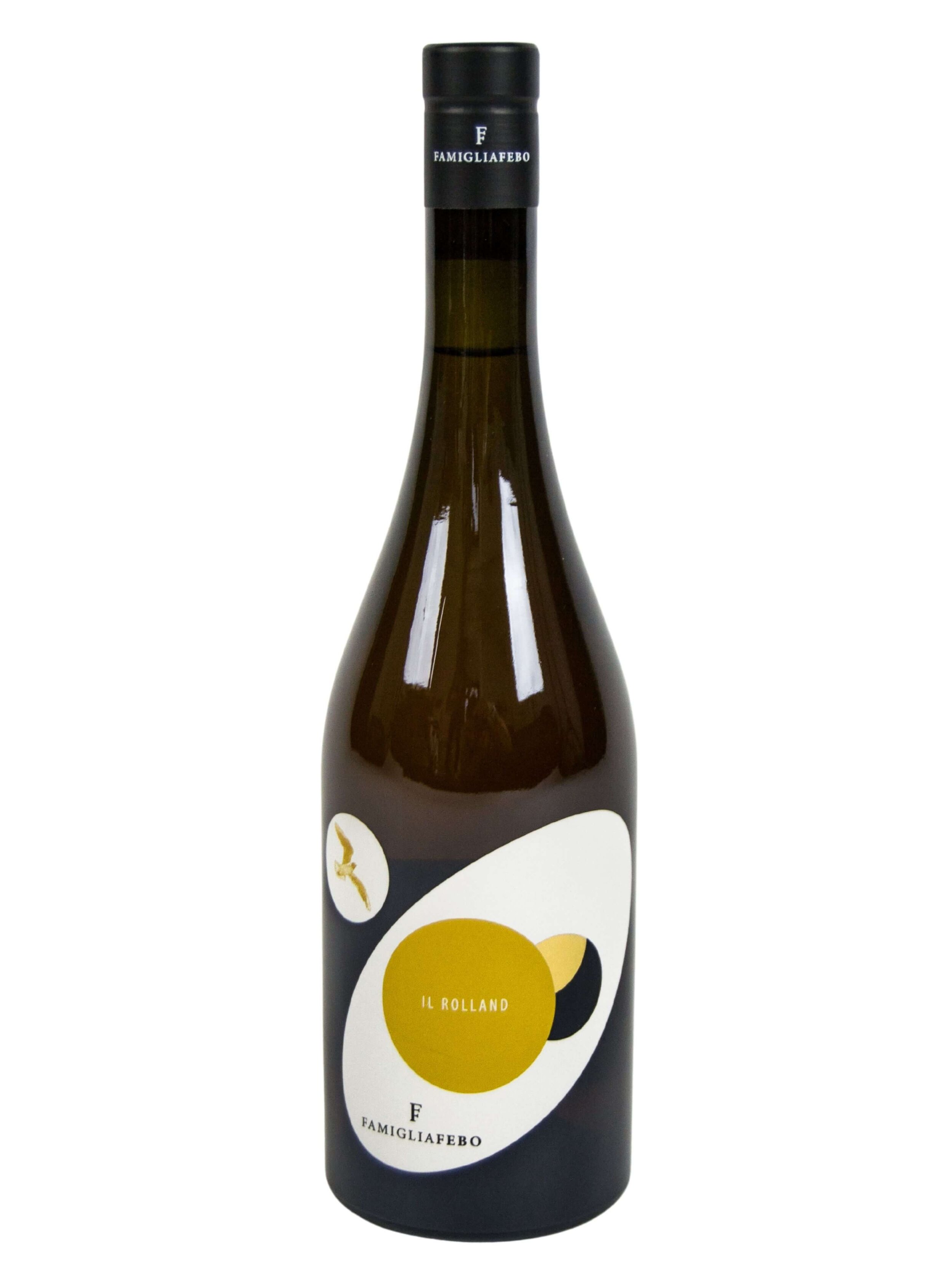
Rolland’s deep straw yellow or rusty color likens it to an orange wine, but this color comes from the vineyard, sun, and weather. A fresh and textured mouthfeel leaves you pondering and wanting to have another sip. We recommend to let it breathe before enjoying to the fullest.
The 2023 vintage offers a drier, more savory, and complex profile. With golden raisin and saffron flavors, it evolves into deeper sensations of caramel, sage, and a pronounced orange rind on the finish. It wraps up with a long, distinctive mineral finish. The 2023 really summarizes well the age-worthiness of this wine.
Region: Italy > Abruzzo > Spoltore & Chieti
Tastes Like: Golden Raisins & Saffron
Farming & Winemaking Highlights: Regenerative Agriculture | Sustainable Winery | Biodynamic | Native Yeast Fermentation | Vegan | Single vineyard | Organic | Natural Wine
Fun Facts: This wine is named for Grandfather Febo, Rolando, who bought the concrete vessels the family ages their wines in.
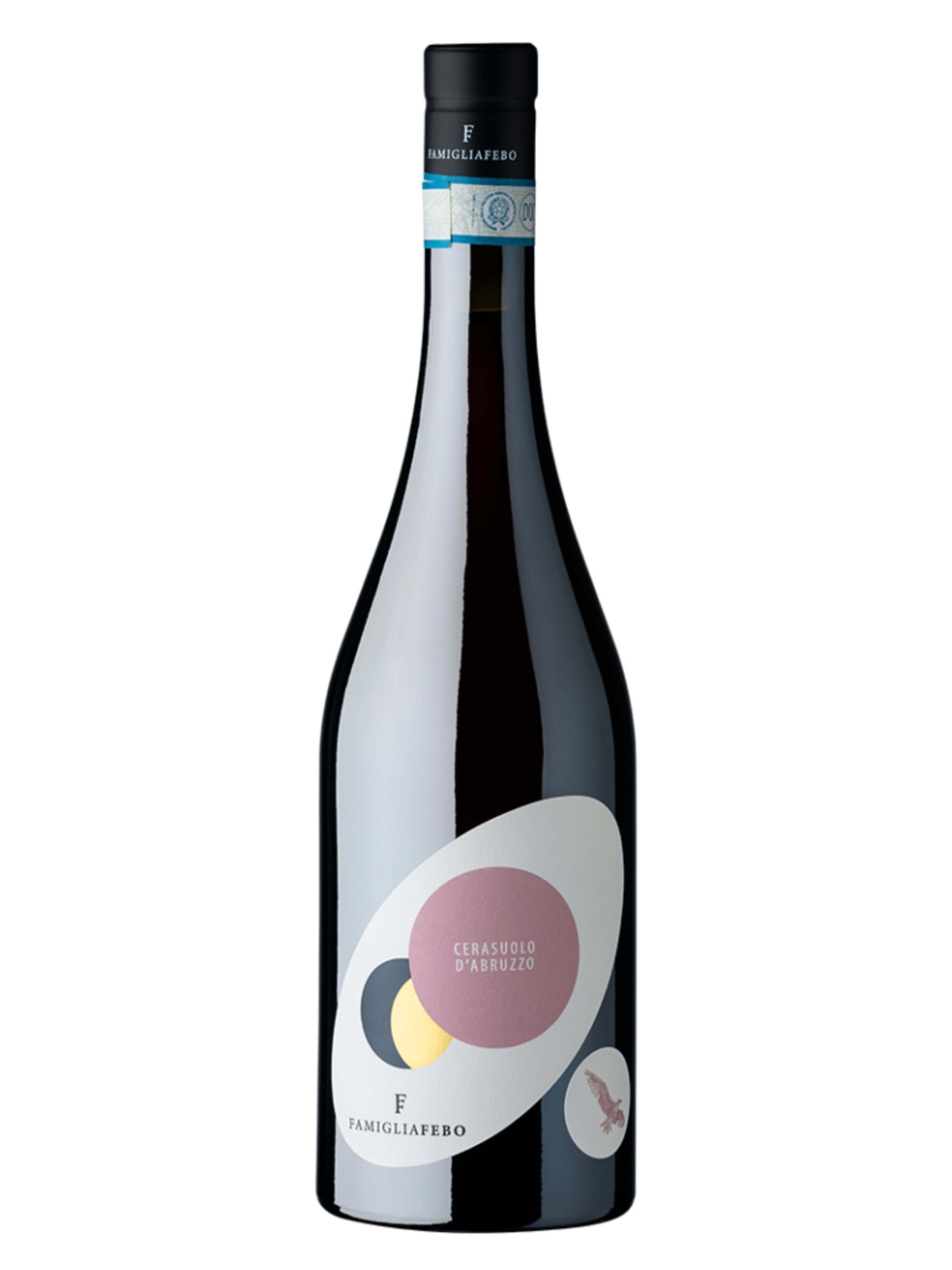
While made as a rosé wine, this Cerasuolo d’Abruzzo is actually more like a light red wine thanks to the dark pigments of the Montepulciano grapes used, farmed on Febo family’s estate vineyards in Abruzzo.
The minimal intervention approach of this natural wine producer results in a lot of vintage variation year after year. For example, the 2021 Cerasuolo d’Abruzzo has a cherry taste with a salty finish, and is considered a “serious” rosé wine while the 2024 is a Rosorange color that bursts with blood orange flavors mixed with cherry.
Region: Italy > Abruzzo > Spoltore & Chieti
Tastes Like: 2021 - Cherries | 2024 - Tart cherries and blood orange
Farming & Winemaking Highlights: Regenerative Agriculture | Sustainable Winery | Biodynamic | Native Yeast Fermentation | Vegan | Organic | Natural Wine
Fun Facts: Both vintages are fermented with native yeast and refined in the winegrower's grandparents' concrete vessels. Great chilled and a good pairing is eggplant parmesan.
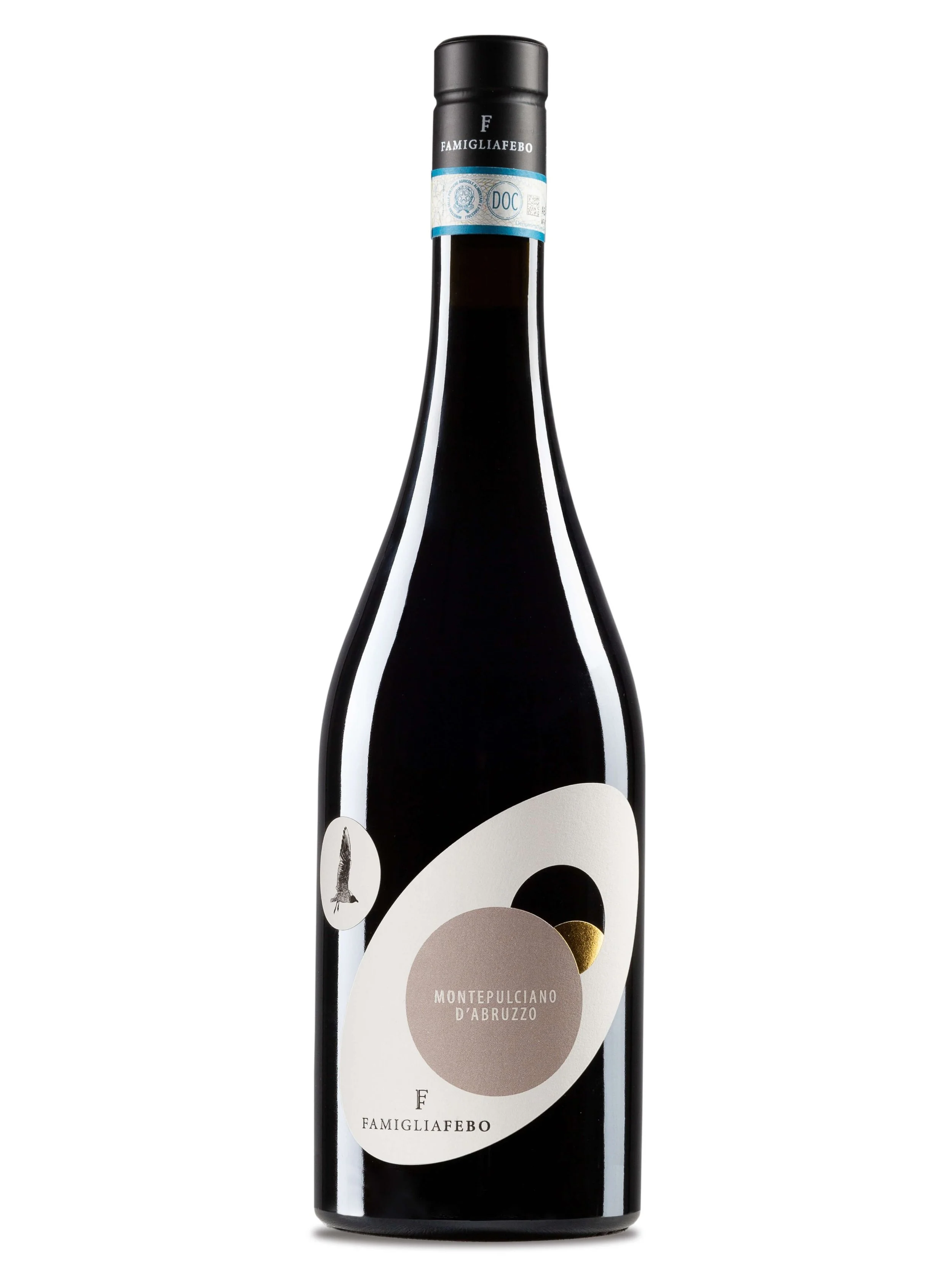
Made with 100% Montepulciano grapes spanning family vineyards in Spoltore and Chieti in Abruzzo, it has aromas of amarena cherries and licorice and a slight funkiness thanks to its 100% natural production. It tastes of dark fruit, with a rich texture and slightly bitter finish, with the funky vibe continuing while tasting. Fermented and refined in the winegrower's grandparents' concrete vessels.
Region: Italy > Abruzzo > Spoltore & Chieti
Tastes Like: Dark fruits
Farming & Winemaking Highlights: Regenerative Agriculture | Sustainable Winery | Biodynamic | Native Yeast Fermentation | Vegan | Organic | Natural Wine
Fun Facts: Pairs nicely with chicken parmesan. | While there is a famous wine “Vino Nobile di Montepulciano” from Tuscany, this grape has no connection to it; the “montepulciano name” there comes from the town noame, where as here in Abruzzo “montepulciano” actually refers to the grape used to make the wine.
Color Differences in One Region
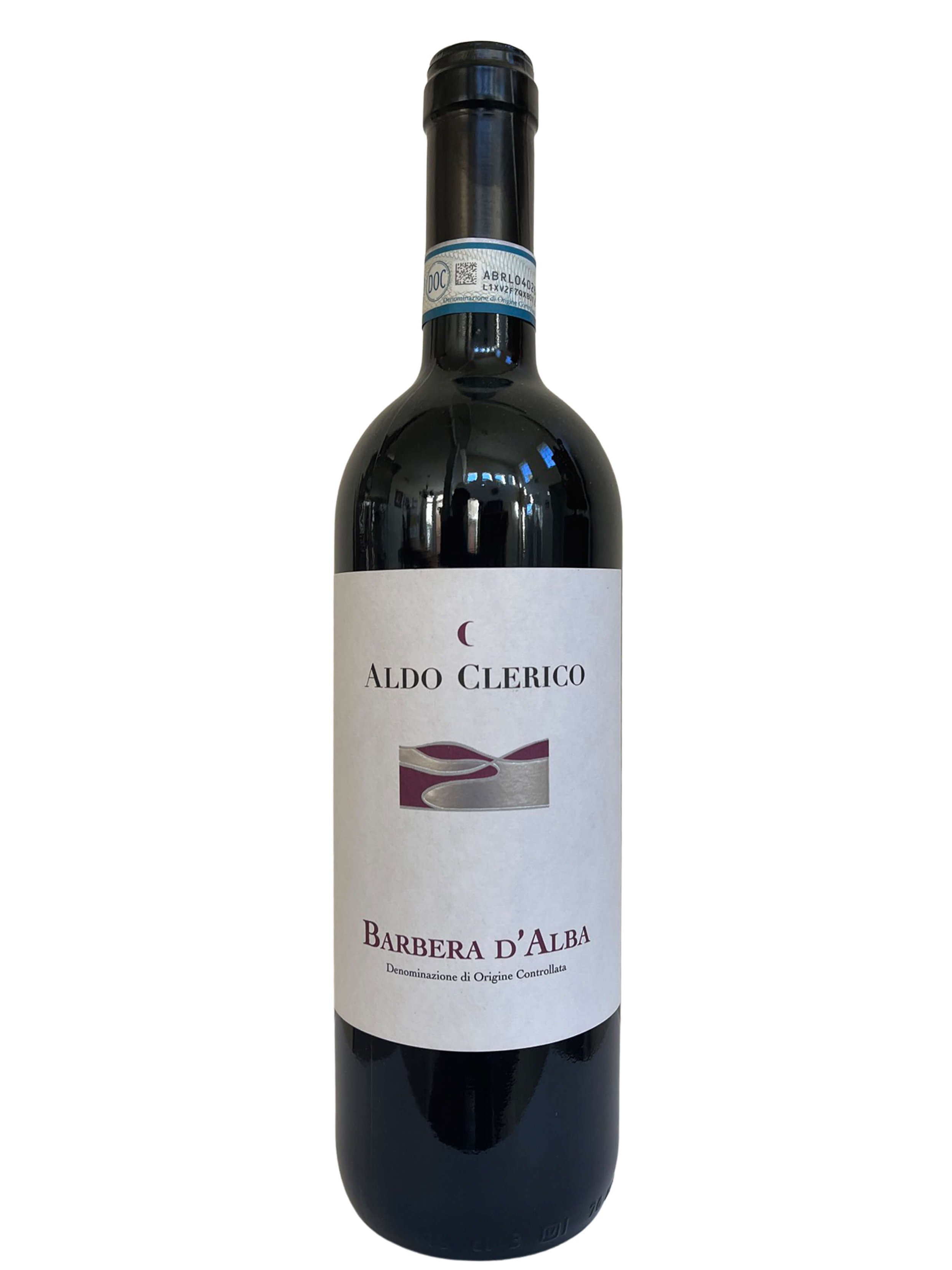
A really good, soft and fleshy Barbera from Alba, from a single vineyard located in the Barolo designated wine region, one of the best areas for Barbera. Nice acidity and fruitiness with some spice, thanks to 14-16 month aging in new and used oak.
A very balanced and elegant wine on the nose, and a good body and structure on the palate with a pleasant and vibrant acidity. A rounded wine with fresh yet fruity notes that finish with a creamy texture thanks to the oak barrel aging.
Do you want to regularly purchase this wine? Check out the Subscribe and Save option available HERE!
Tastes Like: Pretty, ripe, dark cherries
Farming & Winemaking Highlights: Biodynamic | Native Yeast Fermentation | Single Vineyard
Fun Facts: With its aging, this Barbera d’Alba technically follows guidelines for a Barbera d’Alba Superiore, but winemaker Aldo Clerico decides to declassify it.

It is a wine with great structure and personality, an excellent expression of the nebbiolo vine. With a delicate floral bouquet of rose and violets, there is also a finish of licorice. Tasting it really brings out its elegance with pleasant yet decisive tannins that signal great potential for good aging.
As well, the native yeast fermentation used to make this nebbiolo natural wine lets you taste the natural terroir of the Langhe.
Tastes Like: Crunchy pink cherries
Farming & Winemaking Highlights: Biodynamic | Native Yeast Fermentation
Fun Facts: This Langhe Nebbiolo is known as a ‘Baby Barolo’, since it comes from Barolo vines, and is a great introduction to the Langhe wines, where some of the best reds in the world come from.
Flavor Molecules Coming Out

Prepotto is the birthplace of the hard-to-find Schioppettino varietal. It gets its name from the Italian 'schioppare' or to burst, since the grape 'bursts' in your mouth when you eat it. Aromas and tastes of black pepper and plums. Fermented with indigenous yeasts and aged for two to two and a half years in oak barriques. Strong cheese lovers love to indulge in this wine.
Gold Medal Decanter, plus many other awards. Vigna Petrussa's oak-aged 2019 Schioppettino won the prestigious 3 Bicchieri Award by Gambero Rosso.
Vigna Petrussa is a certified sustainable and biodiverse women-owned winery.
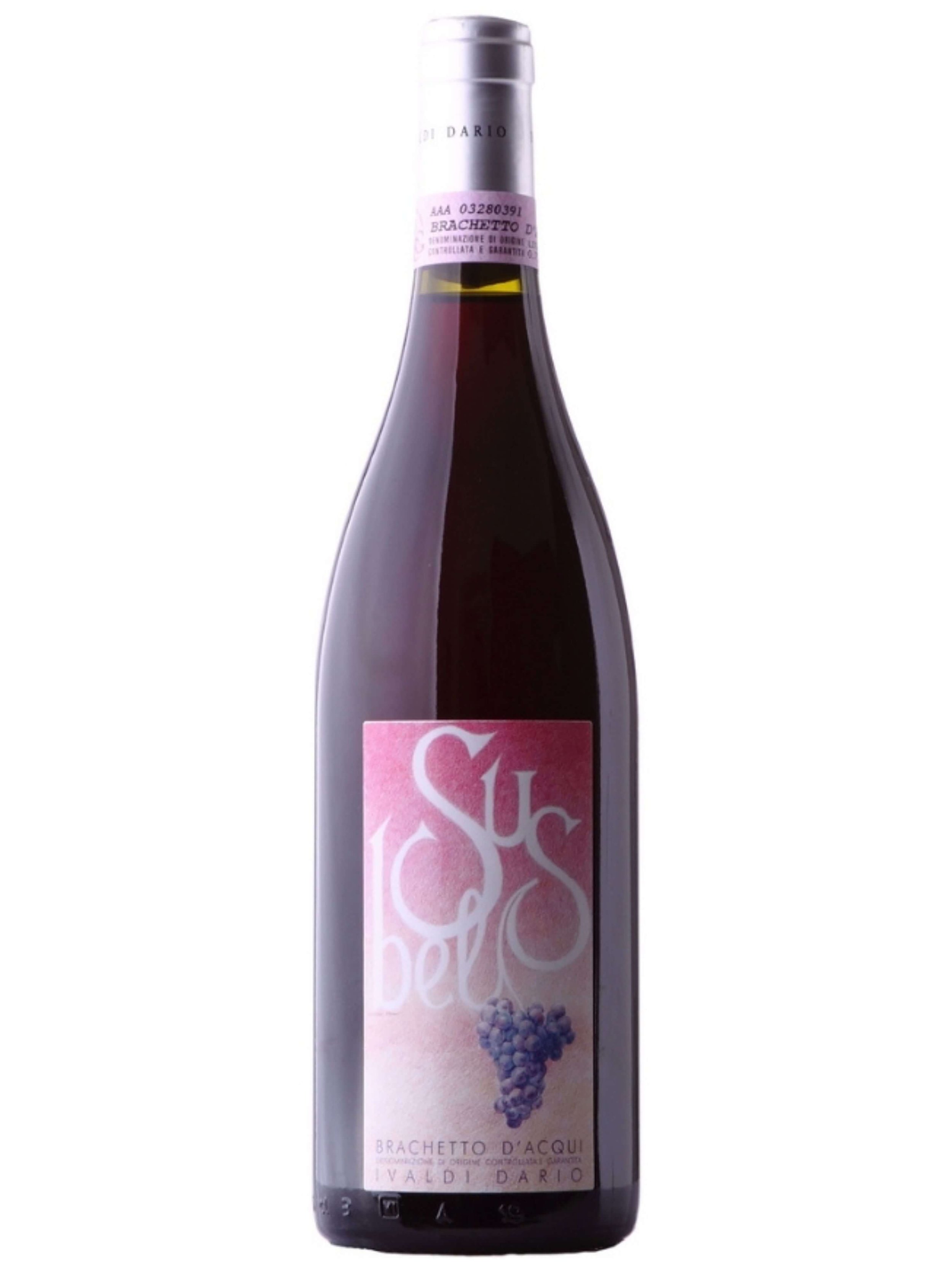
“Can we make Brachetto popular, please?” is how VinePair headlines why this artisanal, aromatic red sweet sparkling wine, just recently imported by us first time to the USA, made it to VinePair’s list of 13 Best Sweet Wines.
An aromatic grape, brachetto, creates a pleasantly slightly sparkling sweet red wine, with delicate rose flower and strawberry notes and strawberry and hibiscus taste. ‘Susbel’, in the local Piemontese dialect of Ivaldi in the Monferrato, refers to the location of the vineyard of this Brachetto d’Acqui, where the sun is bright and well exposed.
Left four days in contact with the skins and fermented with native yeast, this natural wine has a bright and clear light red color, dotted with fine effervescent bubbles. Sipping, the immediate impact is indeed sweet, yet with enough acidity and a hint of tannins to create a harmonious and balanced wine that keeps you coming back for more.
Wonderful to serve slightly chilled to sip with friends in the backyard on a hot summer day, or to serve with fruity desserts. Try pairing it with cheese, like with Humboldt Fog goat cheese - it goes incredibly well. It can also pair with charcuterie. Made with native yeast fermentation and has a residual sugar of 120 g/l.
A certified sustainable winery, Ivaldi Dario practices regenerative farming.
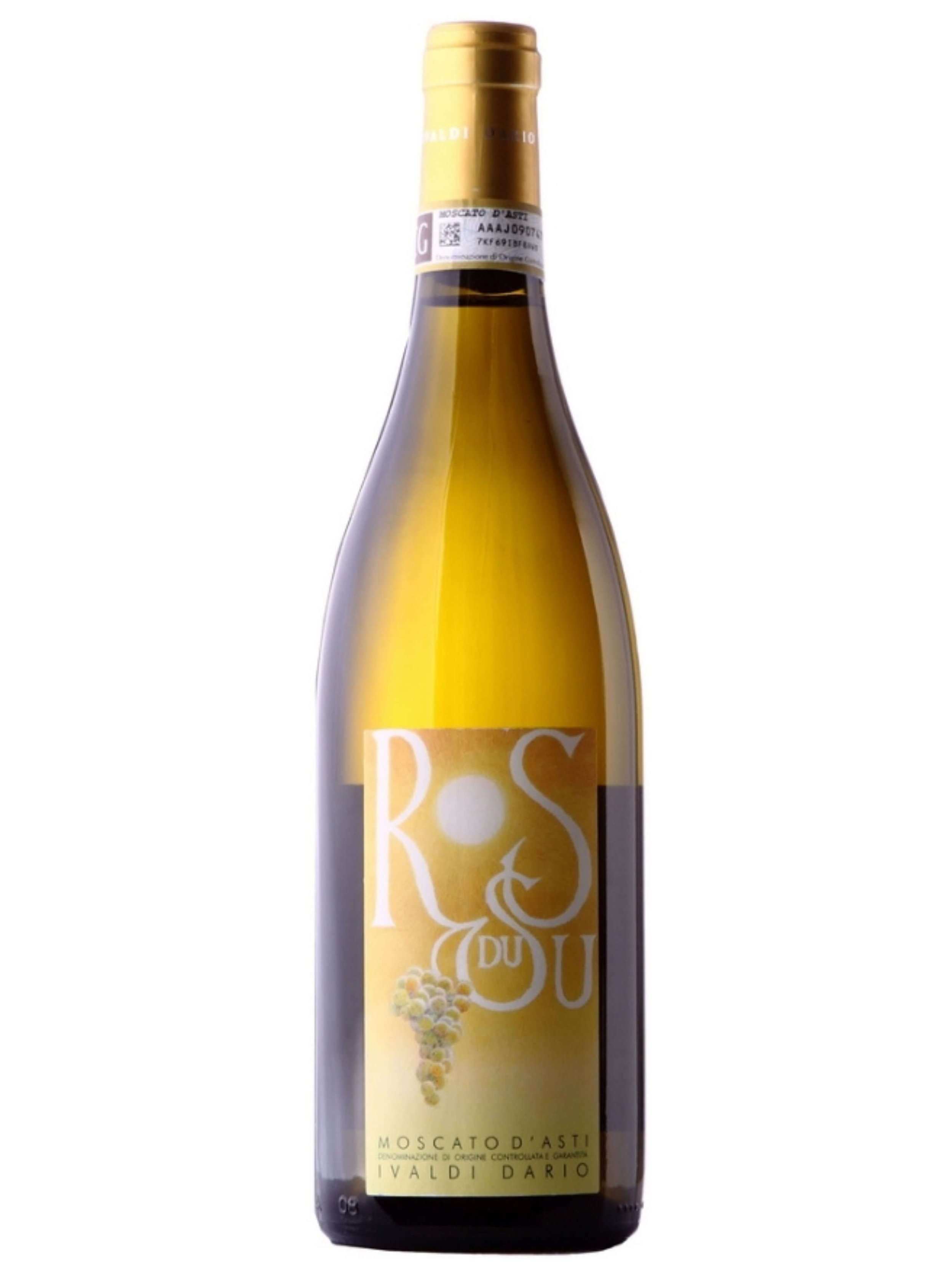
Who doesn’t like chamomile and honey? That’s what this wine reminds you of! It’s a Moscato d’Asti that appeals both to sweet wine lovers and dry wine drinkers wanting a moment with a touch of sweetness.
The name of this wine, Ros du Su, means ‘Rays of Sunlight’ in Piemontese dialect where this Moscato d’Asti comes from. Looking at its bright, golden-yellow color, it is easy to understand the inspiration for this name.
In the glass, the aromatic qualities of moscato are the first noticeable aromas, but underneath subtle and persistent notes of honey and acacia and chamomile flowers come forth creating a complex bouquet. Tasting, the sweetness of the residual sugars are well balanced with freshness and sapidity. A pleasant wine that keeps you sipping, it pairs well with desserts, but is every bit as enjoyable alone in contemplation.
A certified sustainable winery, Ivaldipractices regenerative farming.