
How to Find Good Wine
Vero seeks out small production, sustainably made farm-to-glass wines and olive oils from around the world focusing on those not yet available in the US. Many ask us how we find our producers and products. Since we just imported in many new wines, several from producers who have never exported to the US, here are the behind-the-scene stories of how we got to know them.
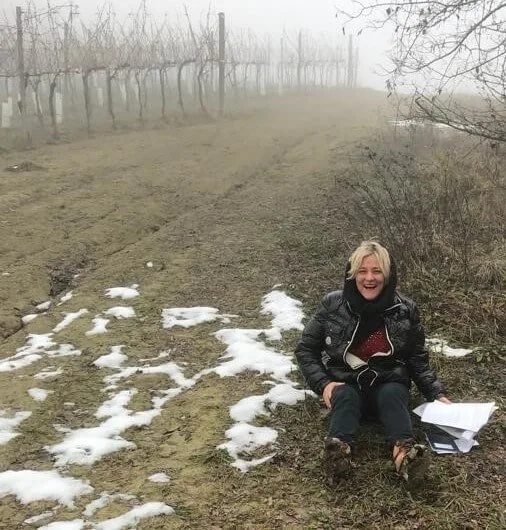
Our founder, Sheila Donohue at Tomisa organic winery in the Bolognese Hills showing the adventures of touring vineyards in the winter.
Our Founder’s Story
Vero Founder, Sheila Donohue, is born and raised in/around New York City. After working for 15 years in banking and technology in the tristate area, she came across a company in Bologna, Italy doing innovative work in her industry. Oddly, the morning after the tragedy of Sept 11th, she woke up to a call from that company in Italy giving her a job offer. She felt compelled to accept and take on the adventure and challenge of learning a new language, culture and to travel.
While living in Italy, and eventually meeting her husband who has a 100 year old bakery in Bologna, she became fascinated by the rich heritage and diversity of wine and food and how it was intertwined with the Italians’ livelihoods. She also came across so many Italians who make a living from their craft; in particular, these craftsmen and craftswomen differentiate themselves as follows:
Focus on making a high quality artisanal product from the best ingredients available
Obtain ‘raw material’ that is locally grown and made
Stay small
Farm their own land and eat their own products
Naturally are sustainable.
She then studied and got certified as a sommelier in Italy and in her free time continued to seek out more and more artisan wineries in Italy and building more passion and excitement for their products and stories.
Then having a year of sabbatical in 2017, she found out that most the delicious wines and olive oils made from the many artisans she knew in Italy were not available in the US market. She decided to harness the opportunity and start a company that would import these hidden gems into the US and sell them to anyone interested in these delicious products with a sense of place and great stories behind.
How Did We Come to Know Our Producers?
Let’s talk about the wines we just imported in from Italy last month. Most of the wines in the container have never been in the US market and three estate wineries are celebrating their US debut: Febo in Abruzzo, Zamichele in the Lugana appellation and Col del Balt - Sanzovo in Valdobbiadene (‘Prosecco country’).
Davide Febo was studying law at the University of Bologna…

Davide Febo harvesting trebbiano abbruzzese grapes in one of his grandparents’ vineyards in Abruzzo, Italy.
…when Sheila met Davide through some mutual friends. Davide Febo is from Abruzzo, a mountainous and hilly region bordering the Adriatic Sea in Central Italy, to the east of Rome. He had the call to start a winery with his grandparents’ vineyards in Abruzzo so he decided to quit pursuing law to follow his dream.
Wine is in the DNA of his family as his grandparents on both sides , in Spoltore, Pescara and in Chieti, have vineyards. Once Davide heard that Sheila imports wine, he steadfastly followed up with her once he started to make wine, with his first vintage in 2018. Sheila was struck by Davide’s commitment to making wine with utmost care to the environment and the natural course of making fermented ‘grape juice’ following traditions which his grandparents followed, including refurbishing the cement vessels which his grandparents used to make wine years ago. Vero has just imported all of his wines, first time in the US, all native varieties from Abruzzo:
Febo’s Cerasuolo d’Abruzzo which is technically is a rosè but is more like a lightly colored red wine, great chilled
Zamichele’s Wines Sell Word-of-Mouth

Alessandro Zamichele in one of his Turbiana vineyards in the Lugana appellation.
Sheila was at a wine tasting event focused on wines from the Veneto region in 2017 when she met Alessandro Zamichele, who, together with his brother Giuseppe, have been farming and making wines in the Lugana appellation, just south of Lake Garda, west of Verona, all their lives. (Fun fact: way back their family used to just sell grapes, along with eggs, etc, as a full functioning farm. At a certain point, they realized that they would make more money selling the grapes as wine and changed to become a winery.) Upon tasting their delicious white wines, Sheila inquired about importing into the US and was told that they don’t make enough - the wines sell by themselves!
But convinced that wines from the Lugana appellation made from the Turbiana grape would win over Chardonnay lovers looking for an alternative, she kept after Alessandro. To her luck, this year, they decided to start collaborating and finally their wines are available for us to enjoy in the US!
We just imported in:
Really Good Prosecco

Fabio and Carlo Sanzovo in the heart of Prosecco country, Valdobbiadene.
With the popularity of Prosecco, it is hard to find a small producer making high quality artisanal Prosecco which is not yet available in the US. Then in 2019 at a wine fair in Italy, Sheila met Fabio and Carlo Sanzovo whose family has been cultivating and making Prosecco sparkling wines in Valdobbiadene, one of the best areas for Prosecco, since 1950 on the hill called ‘Col del Balt’. She found their wines crisp and fruity, much better made than most Proseccos she has had. Then she was intrigued by a pet-nat style prosecco that they make, called Codolà, made with the ancestral method, which is fermented in the bottle and unfiltered, and which is how prosecco was traditionally made.
Vero just imported in:
We’re delighted to be talking and tasting with the Sanzovo brothers at our next VeroTalk on December 5th. Join us!
So, How to Find Good Wine?
We’ve done the heavy lifting. Spending hours seeking out small ‘guys’ with a knack for crafting great products from their land and finding those not yet in the US, which means that finding their wines (and olive oils) you could be the first to taste them, in your city, in your state or in the US! This is the stuff that typically does not get exported since it is so good and made in such limited quantities.
Relying on Vero as your source for really good, well made and sustainably made wines is how you find good wine.
Check Out These Artisan Wineries Making their US Debut!
Davide Febo’s Natural Wines from Abruzzo:

An organic & vegan natural wine made from 100% trebbiano abruzzese, a white wine grape which the New York Times cites a grape “worth knowing better”. It has an inviting straw yellow color and an exotic nose (look for the saffron!) and an intriguing fruity and herbal taste.
This white wine is age-worthy too! Fermented and refined in grandfather Febo’s concrete vessels.
Region: Italy > Abruzzo > Chieti
Tastes Like: Peaches and Saffron
Farming & Winemaking Highlights: Regenerative Agriculture | Sustainable Winery | Biodynamic | Native Yeast Fermentation | Vegan | Single vineyard | Old Vine | Organic | Natural Wine
Fun Facts: This wine is named from the single vineyard from which it comes, Parella in Chieti.
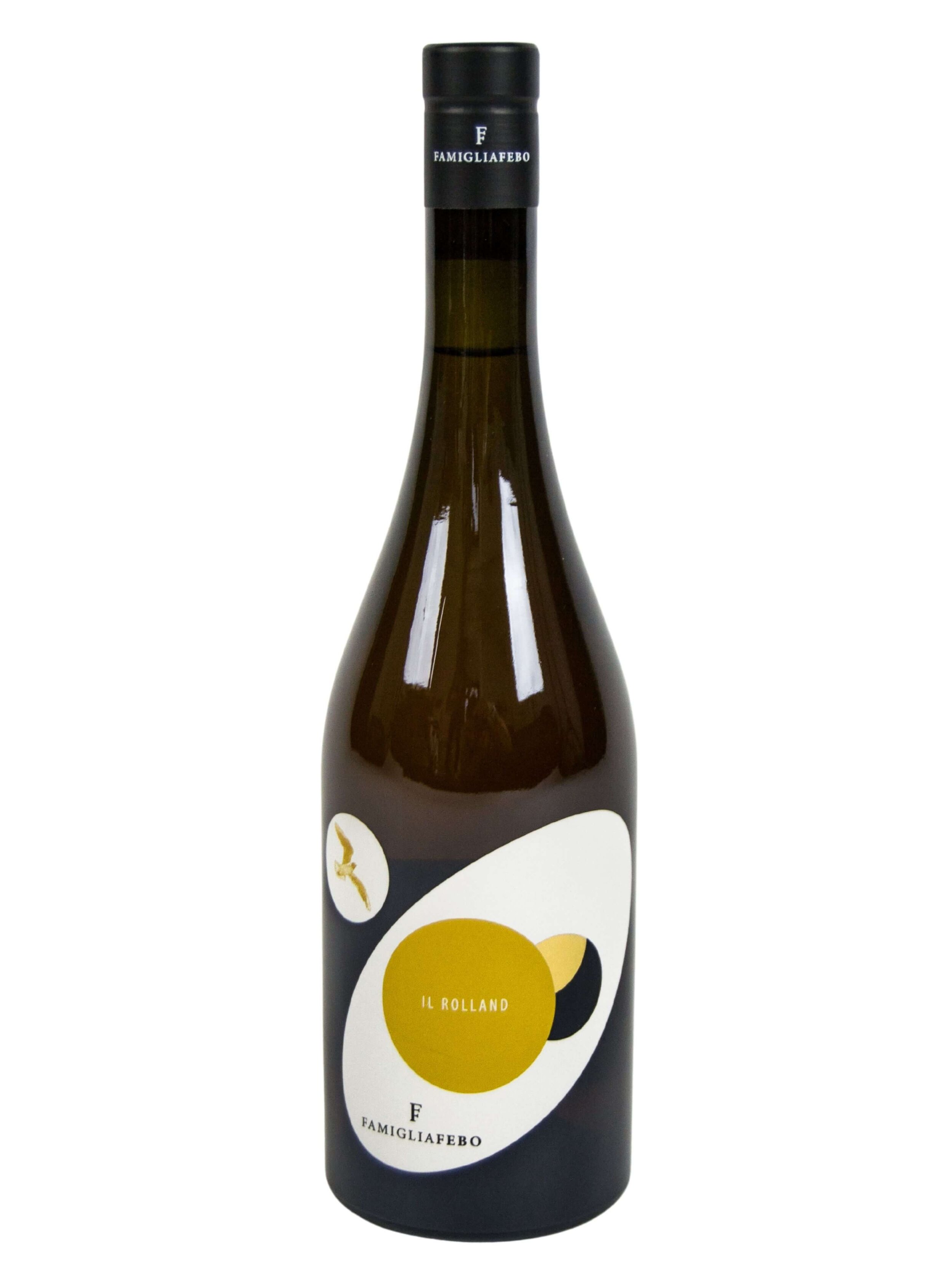
Rolland’s deep straw yellow or rusty color likens it to an orange wine, but this color comes from the vineyard, sun, and weather. A fresh and textured mouthfeel leaves you pondering and wanting to have another sip. We recommend to let it breathe before enjoying to the fullest.
The 2023 vintage offers a drier, more savory, and complex profile. With golden raisin and saffron flavors, it evolves into deeper sensations of caramel, sage, and a pronounced orange rind on the finish. It wraps up with a long, distinctive mineral finish. The 2023 really summarizes well the age-worthiness of this wine.
Region: Italy > Abruzzo > Spoltore & Chieti
Tastes Like: Golden Raisins & Saffron
Farming & Winemaking Highlights: Regenerative Agriculture | Sustainable Winery | Biodynamic | Native Yeast Fermentation | Vegan | Single vineyard | Organic | Natural Wine
Fun Facts: This wine is named for Grandfather Febo, Rolando, who bought the concrete vessels the family ages their wines in.
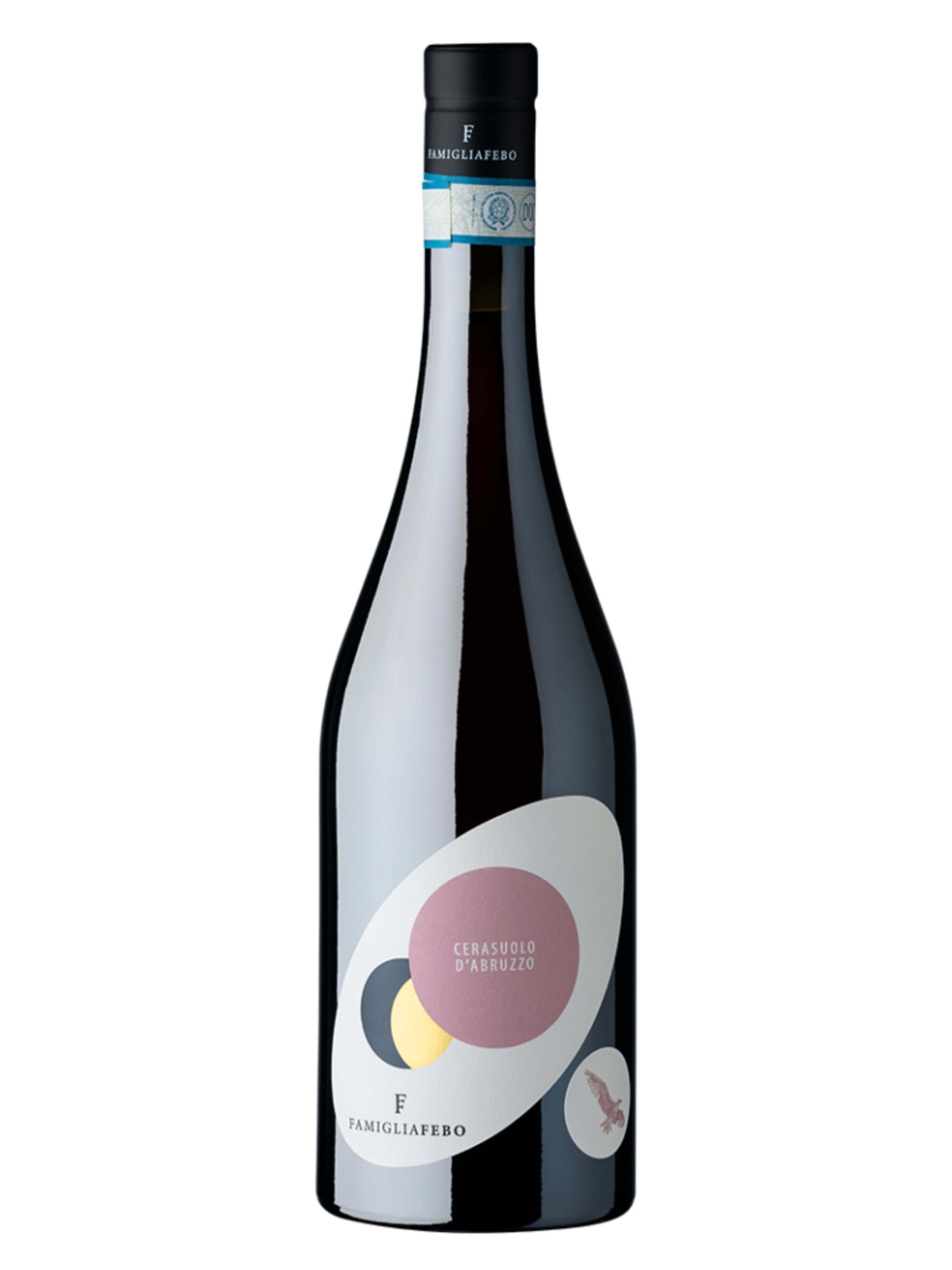
While made as a rosé wine, this Cerasuolo d’Abruzzo is actually more like a light red wine thanks to the dark pigments of the Montepulciano grapes used, farmed on Febo family’s estate vineyards in Abruzzo.
The minimal intervention approach of this natural wine producer results in a lot of vintage variation year after year. For example, the 2021 Cerasuolo d’Abruzzo has a cherry taste with a salty finish, and is considered a “serious” rosé wine while the 2024 is a Rosorange color that bursts with blood orange flavors mixed with cherry.
Region: Italy > Abruzzo > Spoltore & Chieti
Tastes Like: 2021 - Cherries | 2024 - Tart cherries and blood orange
Farming & Winemaking Highlights: Regenerative Agriculture | Sustainable Winery | Biodynamic | Native Yeast Fermentation | Vegan | Organic | Natural Wine
Fun Facts: Both vintages are fermented with native yeast and refined in the winegrower's grandparents' concrete vessels. Great chilled and a good pairing is eggplant parmesan.
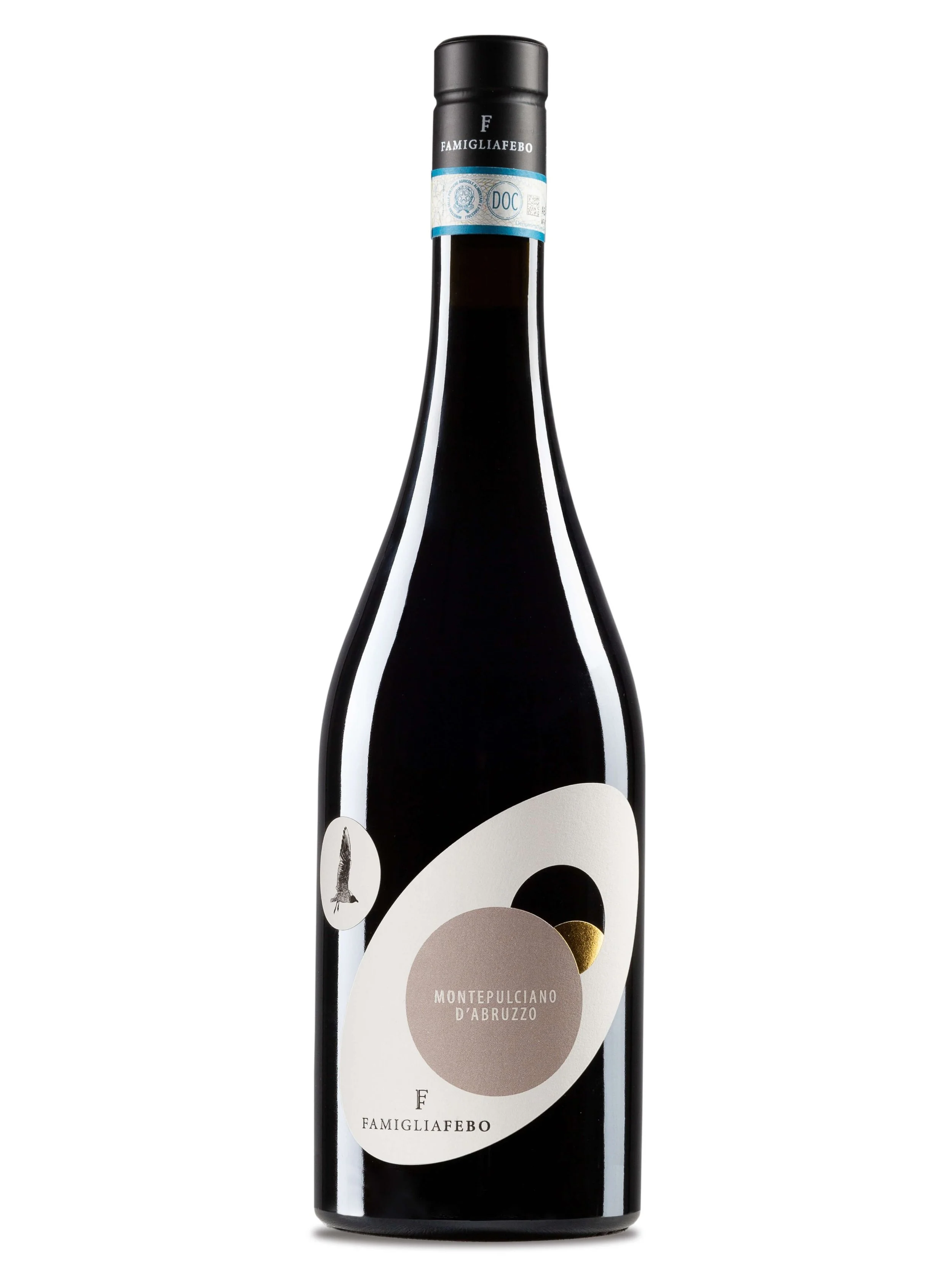
Made with 100% Montepulciano grapes spanning family vineyards in Spoltore and Chieti in Abruzzo, it has aromas of amarena cherries and licorice and a slight funkiness thanks to its 100% natural production. It tastes of dark fruit, with a rich texture and slightly bitter finish, with the funky vibe continuing while tasting. Fermented and refined in the winegrower's grandparents' concrete vessels.
Region: Italy > Abruzzo > Spoltore & Chieti
Tastes Like: Dark fruits
Farming & Winemaking Highlights: Regenerative Agriculture | Sustainable Winery | Biodynamic | Native Yeast Fermentation | Vegan | Organic | Natural Wine
Fun Facts: Pairs nicely with chicken parmesan. | While there is a famous wine “Vino Nobile di Montepulciano” from Tuscany, this grape has no connection to it; the “montepulciano name” there comes from the town noame, where as here in Abruzzo “montepulciano” actually refers to the grape used to make the wine.
Alessandro and Giuseppe Zamichele’s Great Whites:

Made from 100% Turbiana (considered similar to Verdicchio), this unoaked white wine from the sought after Lugana wine region has a bright yellow color, a natural balance of acidity and fruit with a textured mouthfeel and a long finish. It has inviting aromas of honeysuckle, tropical fruits, caramel and a hint of basil. Think of it as an alternative to an unoaked Chardonnay, since turbiana is also a noble white grape. Plus Zamichele’s terrroir with the influence from nearby Lake Garda and mineral rich glacial alluvial soil provides the conditions for creating a complex and balanced white wine.

Expand your horizons with this Italian wine made for Chardonnay lovers looking for an alternative. From Lake Garda, one of the Northern Italian lakes, this sustainably farmed white wine is a balancing act of acidity and fruit that pleasantly plays into a long finish. Plus it is super tasty. If you close your eyes and taste this wine, it is likened to having an apple crumb cake as a white wine. You initially get golden apple and then vanilla and spice.
Acidity and fruit harmonically combine with a salty minerality producing a sweet and salty taste sensation. Fruit bursts forth and taste envelopes the mouth, with some tropical fruit on the long finish.
This Lugana is an ageworthy oaked white wine, equivalent to a Lugana Riserva, made from the noble and native Italian grape, Turbiana, a grape which is likened to Verdicchio.
Overall pleasant and sippable yet complex, this is a great wine for California Chardonnay lovers looking for a change to surprise and delight them with a new white wine italian style.
Fabio and Carlo Sanzovo’s Super Good Proseccos:

Made from Glera grapes in one of the best areas for Prosecco, Valdobbiadene, this is a crisp, clean delicious dry Prosecco DOCG with a light yellow color and lovely effervescence. It has notes of pear with a minerally flavor and a citrusy, slight bitter finish reminding you of the rich terroir where this wine comes from. This Col del Balt Brut Prosecco made by the Sanzovo brothers has approximately 5g of residual sugar. As well, it is a special Millesimato Valdobbiadene Prosecco Superiore, meaning not only does it come from the select Valdobbiadene “heart” of Prosecco, but it is also from a singular vintage, not a blend of multiple vintages like many Proseccos.

Before this 'modern era' of Proseccos made with the Charmat method, Prosecco was made with the ancestral method, like this wine, Codolà, where fermentation takes place in the bottle, and it is not disgorged. This means that the wine is unfiltered since it is on its lees. In Italy it is also called a Col Fondo sparkling wine and in the US, we use the French term ‘Pet Nat’ to describe this wine. This results in a white sparkling wine whose aromas and flavors continue to evolve while they are in the bottle. This Col del Balt white sparkling wine made by the Sanzovo brothers has a straw yellow color with lots of fine bubbles and green herb and pear aromas with a hint of lemon zest. It has 0 residual sugar and it tastes dry and clean, with a slightly bitter, lemon rind tasting, finish.