
Exercise Your Palate with this Guide to Tastes
You’re hungry. You sit down to eat and start chowing down. But in your haste to satisfy your hunger, you have ever stopped chewing just to think about what you’re actually tasting? Do you like it? If so why? Or perhaps you don’t like it, and that would beg the question “why?” as well.
Or say it’s Friday night after a long week at work and your meeting friends at a local bar for some much needed relaxing and enjoyment. You order your usual go-to drink. Have you really thought about why you like that wine, beer or cocktail? Or why you may avoid certain drinks?
With the huge plethora of foods and beverages, including wine, that exist in this world, did you know that they are made up of only 5 unique types of tastes? We’re talking the basic building blocks of food, wine and any drink for that matter. They are Sweet, Sour, Salty, Bitter, and Umami.
Do you take the time out to pinpoint why you like certain foods and wines or perhaps don’t like them? There’s a good chance it is because there is a lack of or too much dominance of one or several of these five tastes in what you are eating and drinking. Individual preferences play a massive role in what we enjoy, and that of course goes for wine and food. What one person adores, another might find jarring, and vice versa. A significant part of this comes down to the dominant tastes present in the food or beverage and our individual sensitivity and preference for those tastes. Some people are naturally more sensitive to certain sensations and compounds, be it genetics, lifestyle, or culture, such as bitter or sweet.
Understanding the five basic tastes provides us with a valuable framework for appreciating the diverse world of wine, as well as food. By consciously identifying these elements in a glass, you can begin to decode what is in your glass, appreciate its nuance more, and develop a deeper connection to what wine you are enjoying and drinking. Let’s understand what these dominant tastes are, and how they manifest in wine.
What is Taste
Before we go into the specifics of these 5 types of tastes, it's crucial to clarify a common point of confusion: the difference between taste and flavor. We briefly touched upon this in our previous article about balance in wine and in our video on wine tastes, but it’s worth revisiting.
Taste, in its purest sense, is what our taste buds on our tongues detect. Chemicals and compounds in foods and drinks interact with our saliva and the tastebuds covering our tongue giving us the sensations that we recognize as “tastes”. Traditionally, we learn about four primary tastes: sweet, sour, bitter, and salty. Think of the singular sensation of biting into a sugary treat, the lip-puckering tang of a lemon, the lingering edge of a bitter green, or the distinct sensation of salt on your tongue.
Flavor, on the other hand, is a much more complex experience. It's the intricate blending of taste and aroma; in fact, our olfactory receptors in our noses, nerve endings which allow us to perceive and identify smells, play a huge role in shaping our perception of flavor. A significant portion of what we perceive as "taste" is actually smell, coming from retronasal activity from the back of our throat up to our nasal cavity which is perceived primarily when we breath out while chewing and swallowing. A great example of this is how muted the flavors of your favorite foods become when you have a stuffy nose or congestion.
So, while our taste buds identify the fundamental building blocks, it's the aromatic compounds in wine (and food) that layer on nuances of fruit, flowers, spices, earth, and so much more, creating the overall flavor profile we experience.

The five tastes can be found in food and wine: (starting in top left and going clockwise) Salty (Salt), Umami (Miso Ramen), Sour (Lemon Lime), Bitter (Artichokes and Grapefruit Pith), and Sweet (Moscato and Brachetto wines).
5 Tastes
There are the four original main tastes, sweet, sour, bitter and salty. Beyond these 4 tastes, many now widely recognize a fifth taste: umami. The umami taste isn't easily isolated, so it “flies under the radar,” since it lacks a distinct aroma of its own. But, it does play a crucial role in enhancing and balancing other tastes, adding depth and complexity to both food and wine.
These tastes are "felt" by the taste buds that cover the surface of our tongues. Interestingly, the long-held "tongue map" we might have encountered in school which demonstrated where only certain section of our tongue are capable of sensing certain tastes, is now outdated. Modern science has since revealed that each individual taste bud actually possesses receptors capable of detecting all of the basic tastes.
Tastes arise from the complex interactions of chemical compounds within the foods and beverages we consume, as they interact with our taste buds, our saliva, and each other during the process of eating and drinking.
What's more, remember that our perception of these tastes is highly individual. What one person finds intensely sweet, another might perceive as only mildly so, and the same holds true for bitterness, sourness, and saltiness. These varying perceptions are shaped by a multitude of factors, including our cultural background, personal experiences, dietary habits, individual likes and dislikes, and a whole host of other influences.
Let’s break down a few key characteristics of each flavor, how we can recognize it, and talk about some wines where it is recognizable.
Sweet
First up, sweet. We put this first for a reason, because sweetness in wine is perhaps the most intuitive taste. It arises from the presence of residual sugars, or sugar that is not fully converted into alcohol during fermentation. However, the perception of sweetness can also be influenced by factors like ripe fruit flavors and the glycerol content, which can impart a richer, almost sweet sensation on the palate.
While completely dry wines have minimal residual sugar, off-dry, semi-sweet, and sweet wines can showcase this taste prominently. But, as we mentioned, just because a wine has no residual sugar, doesn’t mean ripe fruit flavors cannot give us impressions of sweetness or sweet undertones.
Some Wines That are Sweet
Ivaldi Brachetto “Susbel”: This aromatic red wine from Piedmont is gently fizzy and bursting with juicy red fruit flavors like strawberries. It has also considerable residual sugar making it a “sweet” wine.
Ivaldi Moscato d’Asti “Ros du Su”: Another gem from Piedmont, Moscato d’Asti is lightly sparkling, low in alcohol, and delightfully sweet with residual sugars and has lots of recognizable floral and fruity aromas.

The sour tang of lime flavors in a sparkling wine.
Sour
Think of an invigorating tartness that makes your mouth water: that's sourness. In wine, this sensation is primarily driven by acidity. Just as a squeeze of lemon brightens a dish, acidity provides lift and freshness to a wine. It can range from a gentle tang to a vibrant, almost electric sensation.
As mentioned, the puckering sensation after biting into a lemon perfectly illustrates sourness. In the most extreme cases, you will feel sour in your jaw muscles as they clench. In fact, this is a taste not only common in wine, but in beer too where there's an entire universe of sour beers that wine lovers can enjoy that beautifully showcase this taste.
Some Wines That Have Sourness
Frignano’s Sgarbato Uva Tosca Pet Nat Sparkling Wine: This pet nat naturally sparkling wine often exhibits pronounced aromas and flavors of cranberries, which beautifully amplify the inherent sourness. In fact, we like to think of this one like “cranberry juice as a wine” because the flavor is so pronounced!
Col del Balt’s Codola Pet Nat Prosecco: This Col Fondo sparkling wine is unfiltered and continues to evolve, flavors of sour lemon zest. With no residual sugar, it presents a dry and clean taste, finishing with that sour lemon rind we mentioned.
Zanon Col Fondo Prosecco: This "col fondo" (with sediment) style of Prosecco often presents distinct lime-like flavors, contributing a refreshing sour edge and taste to this wine.
Salty
When we talk about "salty" in wine, we're not looking for the direct taste of table salt. Instead, it often manifests as sapidity or a savory mouthwatering quality. Some describe it as a subtle balsamic-like note in certain cases as well. Another key concept linked to this "salty" sensation is minerality. Wines grown in specific soil types, such as limestone, schist, or volcanic soils, can exhibit a distinct mineral character that many associate with a saline or slightly salty edge.
Wine experts value these attributes related to minerality as it makes a wine more complex and can also contribute to making a wine more age-worthy.
Some Wines That Have Saltiness
Thaya Riesling: This Riesling from the cool climate Czech Republic is known for its pronounced sapidity, offering a savory counterpoint to its fruit and acidity.
Aldo Clerico Barolos: These iconic Piedmontese red wines can sometimes display a balsamic-like complexity that contributes to a savory, almost "salty" impression. This goes for all three, be it Aldo’s Classic Barolo, his Serralunga d’Alba Barolo or his Barolo Ginestra Cru.
Ojai Pacific View’s Dolcetto Red Wine: Grown in limestone-rich soils, this Dolcetto can express a distinct minerality that translates to a perceived "saltiness."
Sandro de Bruno Durello 36 Month Traditional Method Sparkling Wine: Wines made from the durella grape, often grown in volcanic soils, are known for their pronounced minerality, contributing to this savory, "salty" dimension. In fact the name of the grape, durella, comes from the Italian for “hard”, or duro, giving us an idea of what the soils the grape likes are.
Michi Lorenz “Schist Happens” Sauvignon Blanc: The schist-filled soils where this Sauvignon Blanc is grown can impart a noticeable mineral character; in fact this wine is kind of like licking a rock! The name fits it well, and we can taste the schist soils here.

Wines with a bitter taste, like grapefruit.
Bitter
Bitterness is a unique taste sensation, often associated with things like medicine or the slightly astringent quality of an artichoke leaf. In wine, while sometimes perceived negatively if overwhelming, a subtle bitterness can add a fascinating layer of complexity and intrigue to the overall profile.
This bitter character can arise from various sources, including the presence of tannins (especially in red wines), certain herbal compounds, or even the phenolic compounds that are found naturally in grape skins.
Many consumers shy away from a wine with a bitterness to it. However, when you ask a sommelier, for example, they value this quality as it often allows for a wine to pair better with food. In addition, with amaro spirits and cocktails trending, Americans’ palates are adapting to more bitterness in their beverages.
Some Wines That Can Have a Bitterness to Them
Febo Parella: This wine made from 100% trebbiano abruzzese grapes often exhibits a distinct herbal profile, reminiscent of the natural aromas found in the vineyard, which can contribute a subtle bitter edge.
Febo Montepulciano d’Abruzzo: Montepulciano is a red grape known for its robust tannins, which can manifest as a gentle bitterness on the finish. The natural, minimal intervention winemaking style can further highlight these inherent characteristics, offering a taste of the terroir.
Thaya Sauvignon Blanc: Some Sauvignon Blancs, like this one, can exhibit a grapefruit pith-like bitterness, adding a refreshing and slightly challenging edge.
Sandro de Bruno 60 Month Durello Traditional Method Sparkling Wine: This "tough grape" can also present a bitterness on the finish, like that of the grapefruit in Sauvignon Blanc, contributing to a distinct and complex character.
Umami
We have previously written a whole article on this up and coming fifth taste, but to quickly recap, umami is all about savoriness and depth. It's that mouthwatering, sometimes meaty or earthy sensation that adds richness and complexity. In wine, umami can be a more elusive quality, often developing through specific winemaking techniques.
Wine That Has the Umami Taste
Zanon Boschera Pet-Nat Col Fondo: This naturally sparkling wine, made in the "col fondo" style (refermenting in the bottle with its lees), can develop savory, almost mushroomy or earthy notes that exemplify umami. The extended contact with the lees (yeast sediment) helps contribute to this characteristic.
Practice Recognizing the Five Tastes in Wine
As we like to preach, practice makes perfect. Theory is great, but we often remember and learn best when we have the opportunity to do and experience.
Practice recognizing the five tastes by tasting some wines and seeing how the tastes manifest in real life. The best way to do this is with the help of our curated small production, farm to glass wines which we sell across the US, to both businesses and consumers.
How can you get your hands on these hidden gems we forage for?
If you are a distributor reach out to us introduce our highly curated portfolio of one of a kind small production wines to your state.
We sell to wine stores and restaurants in certain states - contact us to learn more.
If our farm crafted natural wines and olive oils are not in your local shop or restaurant, buy wine online here, and we’ll ship it to you, including wine gifts.
We also have an award winning wine club for true wine explorers that are seeking to continually discover unique, sustainable and authentic small production wines they never had. These are wines selected by our sommeliers and curated for each box.
We do corporate gifts and sommelier guided wine tastings. Email us and we’ll tailor unique and sustainable corporate gift ideas.
Sweet
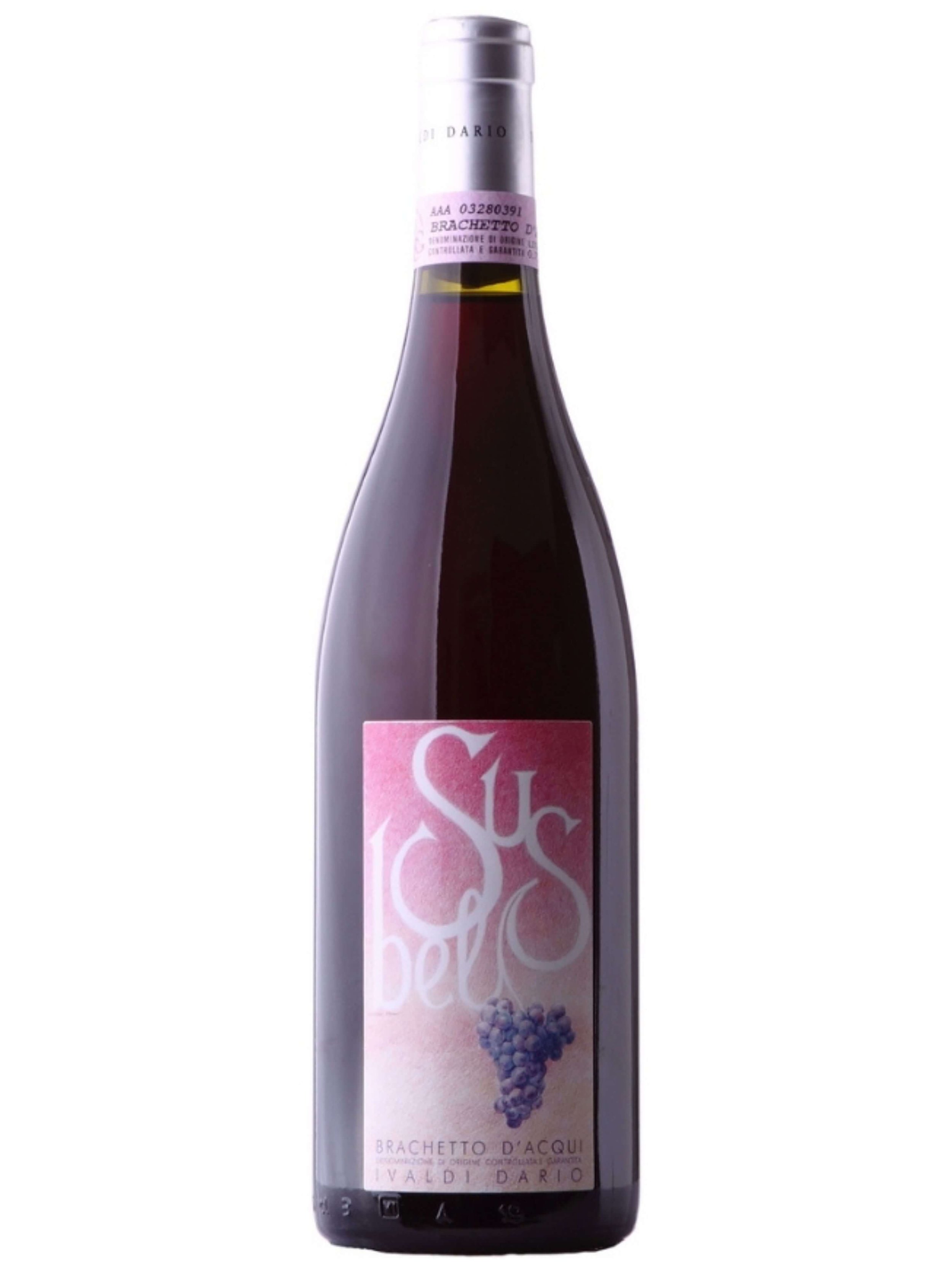
“Can we make Brachetto popular, please?” is how VinePair headlines why this artisanal, aromatic red sweet sparkling wine, just recently imported by us first time to the USA, made it to VinePair’s list of 13 Best Sweet Wines.
An aromatic grape, brachetto, creates a pleasantly slightly sparkling sweet red wine, with delicate rose flower and strawberry notes and strawberry and hibiscus taste. ‘Susbel’, in the local Piemontese dialect of Ivaldi in the Monferrato, refers to the location of the vineyard of this Brachetto d’Acqui, where the sun is bright and well exposed.
Left four days in contact with the skins and fermented with native yeast, this natural wine has a bright and clear light red color, dotted with fine effervescent bubbles. Sipping, the immediate impact is indeed sweet, yet with enough acidity and a hint of tannins to create a harmonious and balanced wine that keeps you coming back for more.
Wonderful to serve slightly chilled to sip with friends in the backyard on a hot summer day, or to serve with fruity desserts. Try pairing it with cheese, like with Humboldt Fog goat cheese - it goes incredibly well. It can also pair with charcuterie. Made with native yeast fermentation and has a residual sugar of 120 g/l.
A certified sustainable winery, Ivaldi Dario practices regenerative farming.
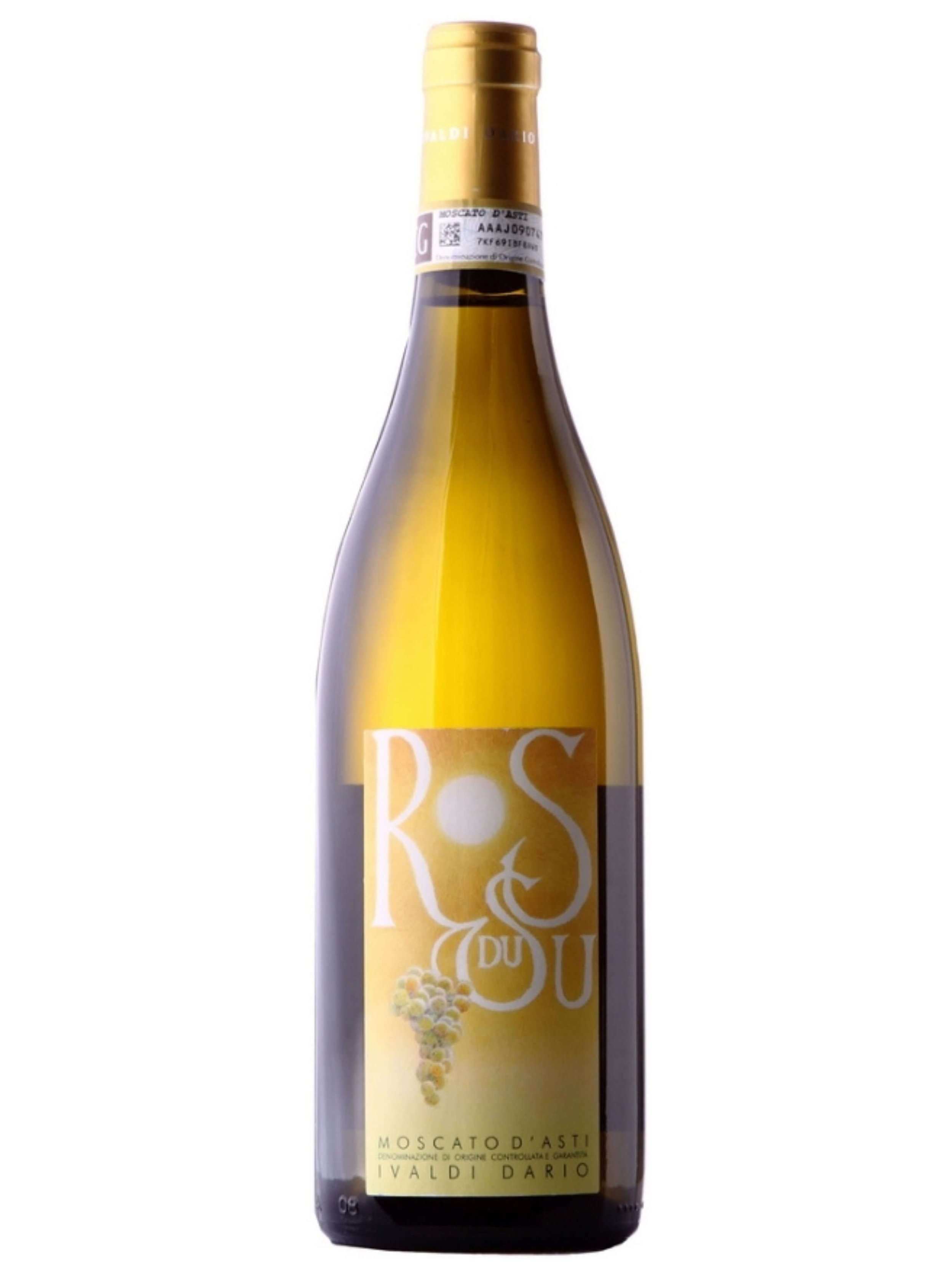
Who doesn’t like chamomile and honey? That’s what this wine reminds you of! It’s a Moscato d’Asti that appeals both to sweet wine lovers and dry wine drinkers wanting a moment with a touch of sweetness.
The name of this wine, Ros du Su, means ‘Rays of Sunlight’ in Piemontese dialect where this Moscato d’Asti comes from. Looking at its bright, golden-yellow color, it is easy to understand the inspiration for this name.
In the glass, the aromatic qualities of moscato are the first noticeable aromas, but underneath subtle and persistent notes of honey and acacia and chamomile flowers come forth creating a complex bouquet. Tasting, the sweetness of the residual sugars are well balanced with freshness and sapidity. A pleasant wine that keeps you sipping, it pairs well with desserts, but is every bit as enjoyable alone in contemplation.
A certified sustainable winery, Ivaldipractices regenerative farming.
Sour
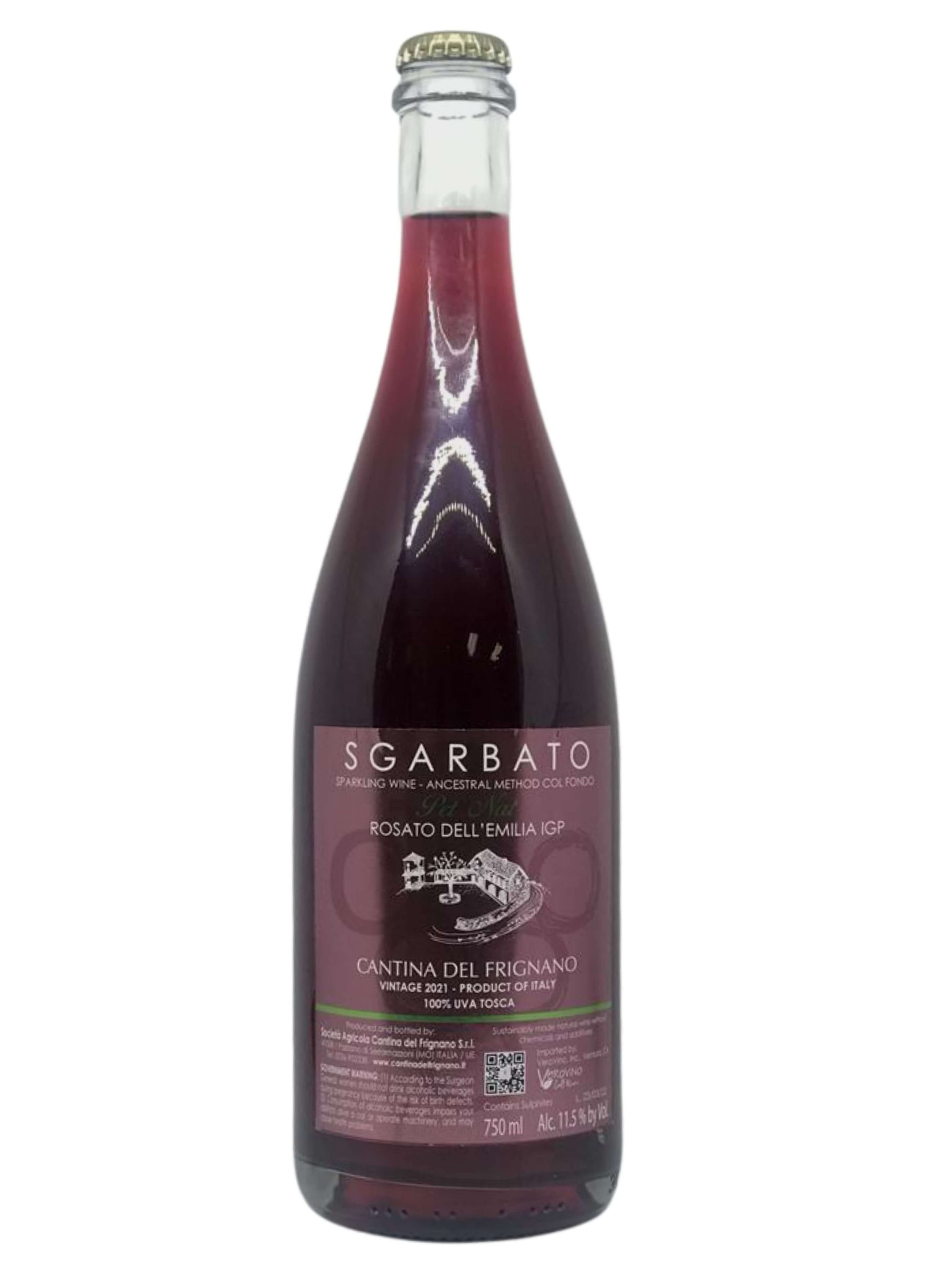
Made from the rare Uva Tosca grape, which grows in higher altitudes in Emilia and is believed to be a descendant of Schiava Grossa, the Alto Adige red grape. Technically a rose wine, it is more like a light red, which looks and tastes like drinking cranberry juice as a sparkling wine. Refreshing and quaffable, with strawberries on the nose and a saline finish, it is great on its own or with light fare. While this grape does not impart much color, 2021 was a dry year, producing more concentrated fruit and color. It is naturally fermented and sparkling 'col fondo' ancestral, or pet nat, style wine.

Before this 'modern era' of Proseccos made with the Charmat method, Prosecco was made with the ancestral method, like this wine, Codolà, where fermentation takes place in the bottle, and it is not disgorged. This means that the wine is unfiltered since it is on its lees. In Italy it is also called a Col Fondo sparkling wine and in the US, we use the French term ‘Pet Nat’ to describe this wine. This results in a white sparkling wine whose aromas and flavors continue to evolve while they are in the bottle. This Col del Balt white sparkling wine made by the Sanzovo brothers has a straw yellow color with lots of fine bubbles and green herb and pear aromas with a hint of lemon zest. It has 0 residual sugar and it tastes dry and clean, with a slightly bitter, lemon rind tasting, finish.
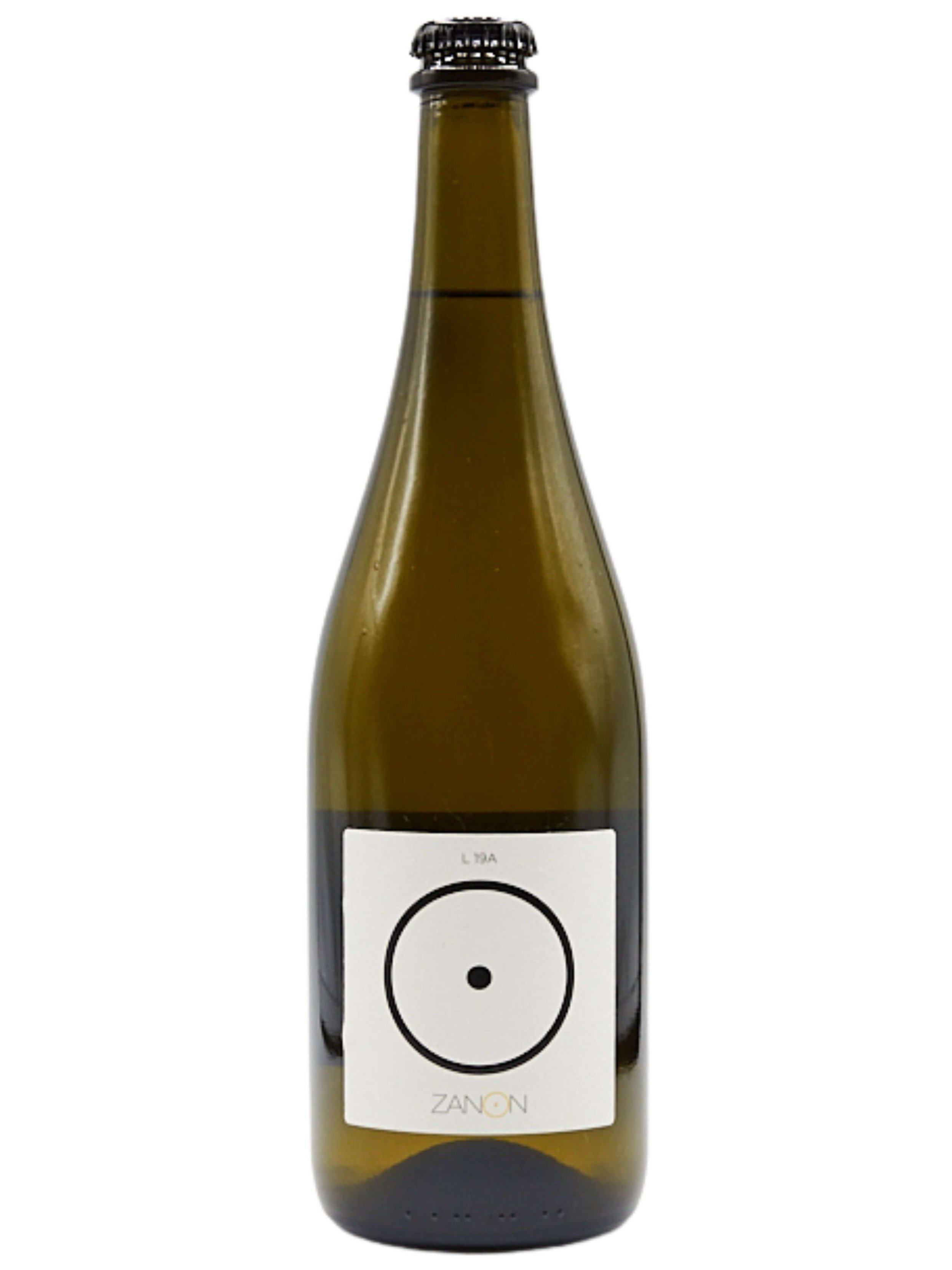
A 100% glera grape white sparkling wine made with native yeast fermentation, this natural wine vintage “prosecco” is from vineyards in the old part of Valdobbiadene, made also in the historic tradition of the ancestral style, or Pet Nat, as it is bottle fermented on the lees. A light color, giving an early hint to its bright acidity, the bouquet of citrus and lemon flowers bursts forth in the glass once it opens. When tasting this ancestral method natural wine, apricots and persistent bubbles create a sparkling wine that is enjoyable with brunch, aperitivos , get-togethers, you name it.
The circle and dot logo represents both the human existence and evolution, as well as winemaker Eros Zanon’s personal view of his vineyards, a dot of small-production boutique quality in the larger circle of large-production Proseccos.
Salty

With a persistent perlage, a bright gold color lights up the glass as complex exotic fruits and citrus aromas burst forth. Tasting, it is a dry wine with a delicate balance of acidity and sapidity keep you sipping and enjoying until the last drop.
The volcanic soil of the Sandro de Bruno vineyards lend well to this ancient, yet up and coming grape known as Durella. With a thick skin rich in polyphenols, they expertly craft this grape in a sparkling wine using a classic Champagne method. A zero dosage, for 36 months the wine rests on the lees before dégorgement and it then rests again.
It is markedly less intense than its 60 month aged and 100 month aged counterparts, creating a great entry point to the durello grape. You can try all three of these wines for yourself in the Durello Flight Set!
Tastes Like: Limes and Green Apples
Farming & Winemaking Highlights: Sustainable Winery | Volcanic Soil | Bottle Fermented | Champagne Style
Fun Facts: - “Linear and polished” is how Kerin O’Keefe in this Wine Enthusiast review describes this 95 point wine.
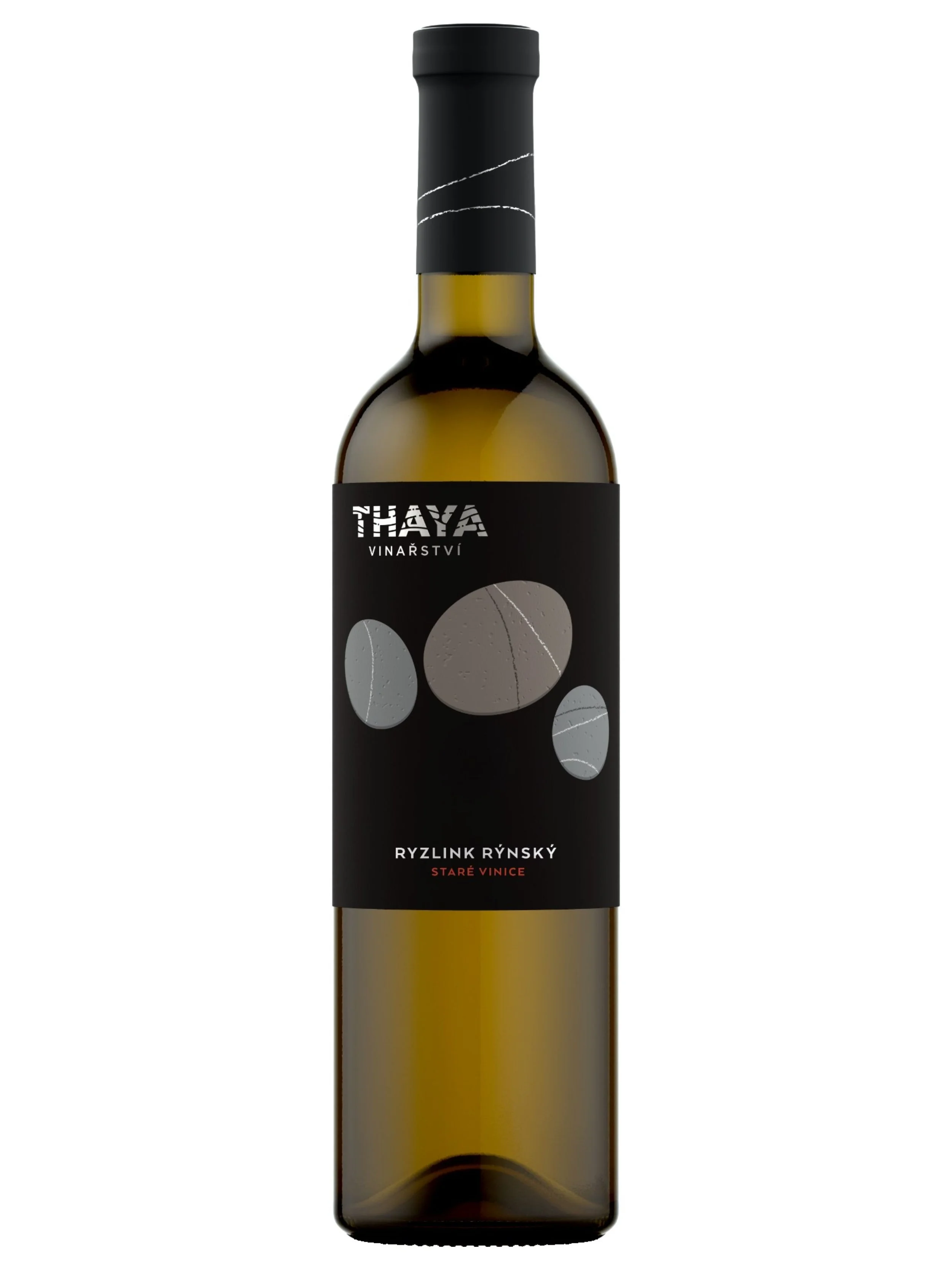
From the Thaya estate winery in the Czech Republic, the fruit for this late harvest dry riesling came from the organically farmed Staré Vinice estate vineyard, which is within a national park. The vineyard is south facing, with granite soils. The wine was made naturally and fermented with native yeast and aged for 12 months in 1,000-liter barrels. This dry, Rhine-style Riesling is golden yellow in color. On the nose, you’ll find notes of lemon ricola, vanilla, chai spice and a distinct salinity that is due to the underlying palate. The palate has a juicy acidity that is in harmony with the citrus notes. The wine has a long finish and excellent potential for aging.

This mother-daughter winery keep hitting home runs with their ‘experimental’ one acre vineyard of dolcetto on a mountaintop in upper Ojai, California, which started with an idea they brought back with them from Piedmont Italy over 10 years ago. Their super small production Dolcetto experiment is a success, backed up with back-to-back gold medals on their 2019, 2020 and 2021 vintages, and then winning Double Gold and Best of Class in the International Womens Winemakers competition.
The 2020 vintage produced only 23 cases and was aged for over a year in neutral oak. It is fresh and juicy with rich wild berry cassis-like taste. It's an approachable yet complex with a mineral-saline finish. And now, coming off of their wins in 2019 and 2020, Ojai Pacific View has now released the latest edition of their California Dolcetto, the 2021 vintage.
Overall, the wine is a dark purple color, the nose is complex with a mix of plum, herbs, flint and vanilla spice. The fruit and terroir of this old world new world dolcetto red wine that really stands out, thanks to the high altitude and marine fossil soil of this wine estate in upper Ojai.
Here is what other sommeliers are saying about this wine:
Sommelier Marc R. Kauffman:
“Fine wine from Southern California! Italian varietals have been attempted in California with some successes and some not so good examples over the years. The 2019 California Dolcetto from Pacific View Vineyard and Winery is a stunning success! Darkly brooding in the glass, aromas of cedar, spice and vanilla offer a promise of seriously complex wine. Dark cherry and blackberry flavors mingle and dance in your mouth. The tannins are smoothly integrated, and the finish is so smooth I did not want it to end! Harmonious is the one word I would use to describe this wine. This is the third vintage from a very small plot of Dolcetto grapes growing high above the Pacific Ocean in a secluded spot north of Los Angeles. Available only in limited quantities direct to consumer or to a few select restaurants it is well worth the effort to search it out.”

This is one of the best Barolo wines from the Langhe in Piedmont Italy as well as a great value from one of the storied families of Barolo wineries. This Barolo red wine is the maximum expression of the nebbiolo grape from Aldo Clerico. With vineyards right next to those of Domenico Clerico Barolo vineyards, this Barolo is a good substitute for Burgundy wine.
This garnet colored artisan Barolo has red fruit, rose and spicy leather and tea leaf aromas with elegant structure, long finish leaving a silky mouthfeel. On the nose it is very intense while floral notes mix with typical vineyard scents of violets and red berries. On the palate, the violets blend with licorice flavors and noticeable tannins. A creamy texture from the oak barrels creates a pleasant mix of fresh yet complex flavors.
Tastes Like: Cherries and licorice
Farming & Winemaking Highlights: Biodynamic | Native Yeast Fermentation | Single Vineyard
Fun Facts: This is Aldo's first wine made from 5 different Barolo designated vineyards surrounding his home in Monforte d'Alba, all within the Bricco San Pietro MGA. He vinifies each vineyard and then does an assemblage, creating each vintage a unique expression of his nebbiolo vineyards. It is also made with native yeast fermentation, so can be called a natural wine.

Made with native yeast fermentation, this Barolo Serralunga is a special natural wine. Rich on the nose with dried violets typical of the nebbiolo grape, the bouquet is austere and profound with balsamic notes. Once sipped, the earthy texture is out of this world, which marries pleasantly with the structure, fruit and spice of this elegant red. Well accented tannins are soft and decanting is strongly recommended.
Tastes Like: Earthy Spices
Farming & Winemaking Highlights: Biodynamic | Native Yeast Fermentation | Single Vineyard
Fun Facts: This is a single vineyard Barolo from the Serralunga d'Alba village, known to produce the most age worthy Barolos.

Made from the sought-after Ginestra Barolo Cru, this single vineyard wine epitomizes the greatness of the nebbiolo grape from the Barolo wine region, in terms of structure, age-worthiness and fruit expression. The native yeast fermentation used in making this natural wine also helps bring out the special and sought after terroir of the Ginestra cru.
An intense garnet color, on the nose this Barolo tends towards red fruits, with a touch of balsamic notes. As it opens on the palate the elegant tannins harmonize with the acidity for an overall richness that creates a pleasant and enjoyable experience while sipping alone or with food.
Tastes Like: Balsamic Tabacco leaves
Farming & Winemaking Highlights: Biodynamic | Native Yeast Fermentation | Single Vineyard
Fun Facts: The Ginestra cru is very limited and only a few wineries have access to harvest from there. Aldo can thanks to his wife’s, Valentina’s, Conterno family vineyards.
Fun Facts: The hands on the bottle represent Aldo’s two daughters; for this reason he often says this is the wine closest to his heart.
Bitter

An organic & vegan natural wine made from 100% trebbiano abruzzese, a white wine grape which the New York Times cites a grape “worth knowing better”. It has an inviting straw yellow color and an exotic nose (look for the saffron!) and an intriguing fruity and herbal taste.
This white wine is age-worthy too! Fermented and refined in grandfather Febo’s concrete vessels.
Region: Italy > Abruzzo > Chieti
Tastes Like: Peaches and Saffron
Farming & Winemaking Highlights: Regenerative Agriculture | Sustainable Winery | Biodynamic | Native Yeast Fermentation | Vegan | Single vineyard | Old Vine | Organic | Natural Wine
Fun Facts: This wine is named from the single vineyard from which it comes, Parella in Chieti.
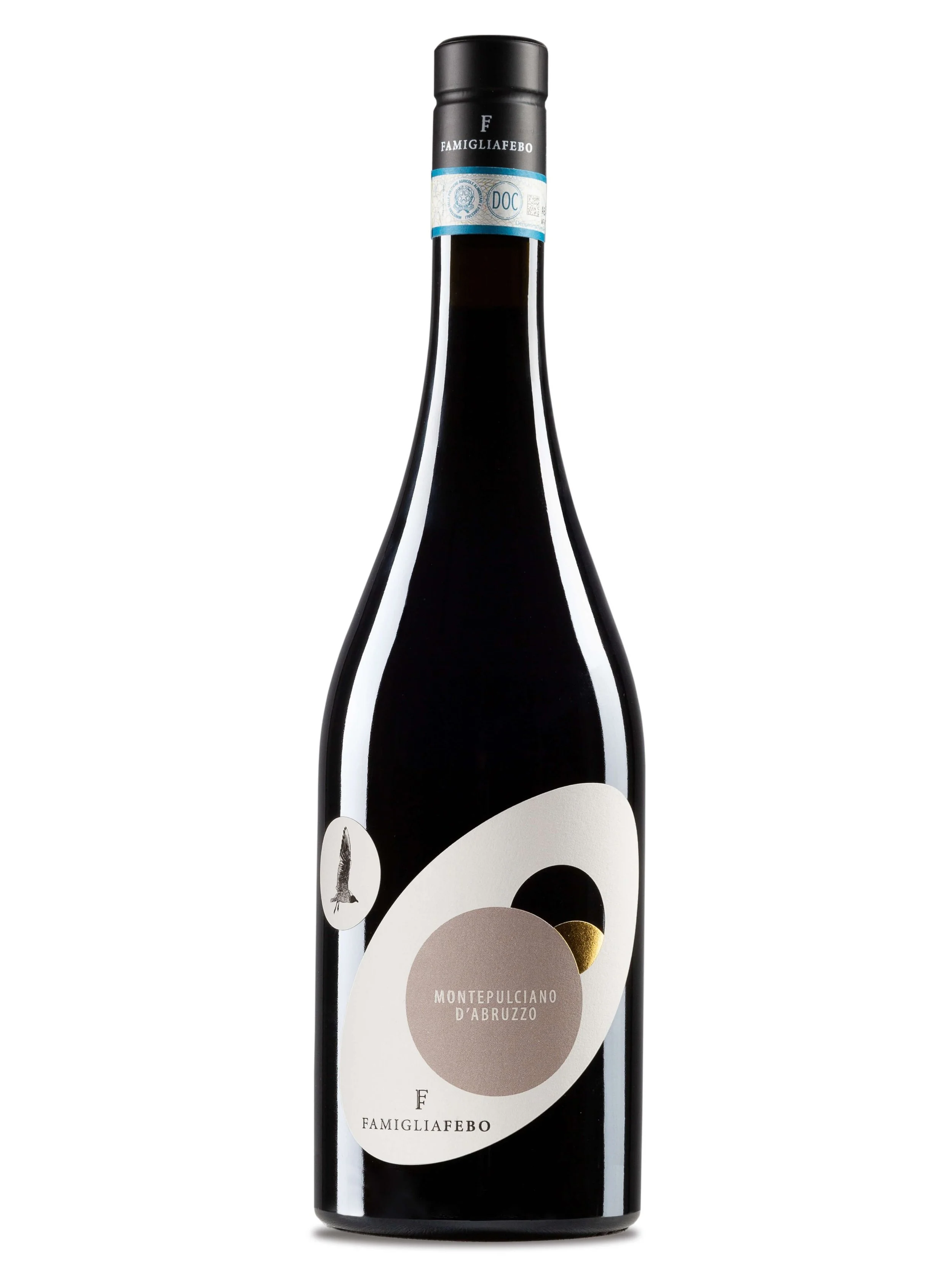
Made with 100% Montepulciano grapes spanning family vineyards in Spoltore and Chieti in Abruzzo, it has aromas of amarena cherries and licorice and a slight funkiness thanks to its 100% natural production. It tastes of dark fruit, with a rich texture and slightly bitter finish, with the funky vibe continuing while tasting. Fermented and refined in the winegrower's grandparents' concrete vessels.
Region: Italy > Abruzzo > Spoltore & Chieti
Tastes Like: Dark fruits
Farming & Winemaking Highlights: Regenerative Agriculture | Sustainable Winery | Biodynamic | Native Yeast Fermentation | Vegan | Organic | Natural Wine
Fun Facts: Pairs nicely with chicken parmesan. | While there is a famous wine “Vino Nobile di Montepulciano” from Tuscany, this grape has no connection to it; the “montepulciano name” there comes from the town noame, where as here in Abruzzo “montepulciano” actually refers to the grape used to make the wine.

This Extra Brut Champagne style sparkling wine captivates the senses with complex flavors of lemons, delicate caramel, and underlying notes of apple, stone, and citrus pith.
It is a full-bodied sparkling wine, with a deep golden color and a marked minerality of flint and sapidity. The thick-skinned Durella grape thrives with long aging, and this wine’s 60-month on the lees aging delivers a fine, persistent perlage and a beautifully creamy texture on the palate.
It is markedly more intense than its 36 month aged counterpart, but less so than the 100 month aged counterpart, cutting a nice middle road between the two. You can try all three of these wines for yourself in the Durello Flight Set!
Tastes Like: Lemon cake and lemon pith
Farming & Winemaking Highlights: Sustainable Winery | Volcanic Soil | Bottle Fermented | Champagne Style
Fun Facts: - As noted by Kerin O'Keefe of Wine Enthusiast for a past vintage, this wine presents a "smooth dry and delicious" profile with a bright acidity, resulting in a persistent and evolving experience with every sip.
- Crafted by the winemaker of Sandro de Bruno on high-altitude volcanic soils, near the romantic city of Verona.
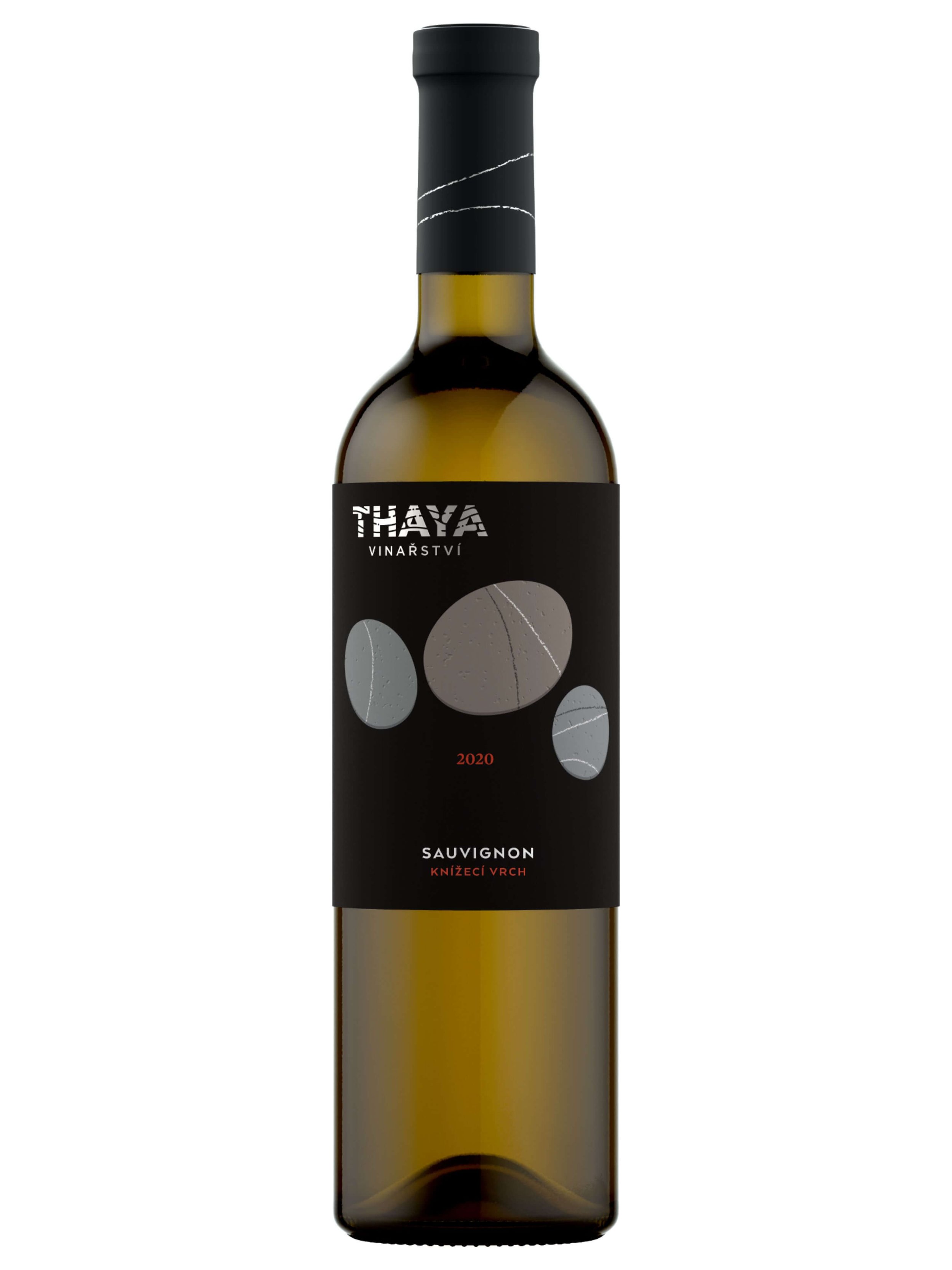
From the Thaya estate winery in the Czech Republic, sipping this late harvest sauvignon blanc is like having a lemon creamsicle as a white wine.
It has an intriguing nose, floral, with cape gooseberry fruit and lemongrass, thanks to aging in french oak barrels for 12 months, of which 20% is new oak. It has great acidity with flavors of lemon and poblano chiles mixed in with a creamy taste and mouthfeel and a long, saline finish.
Umami
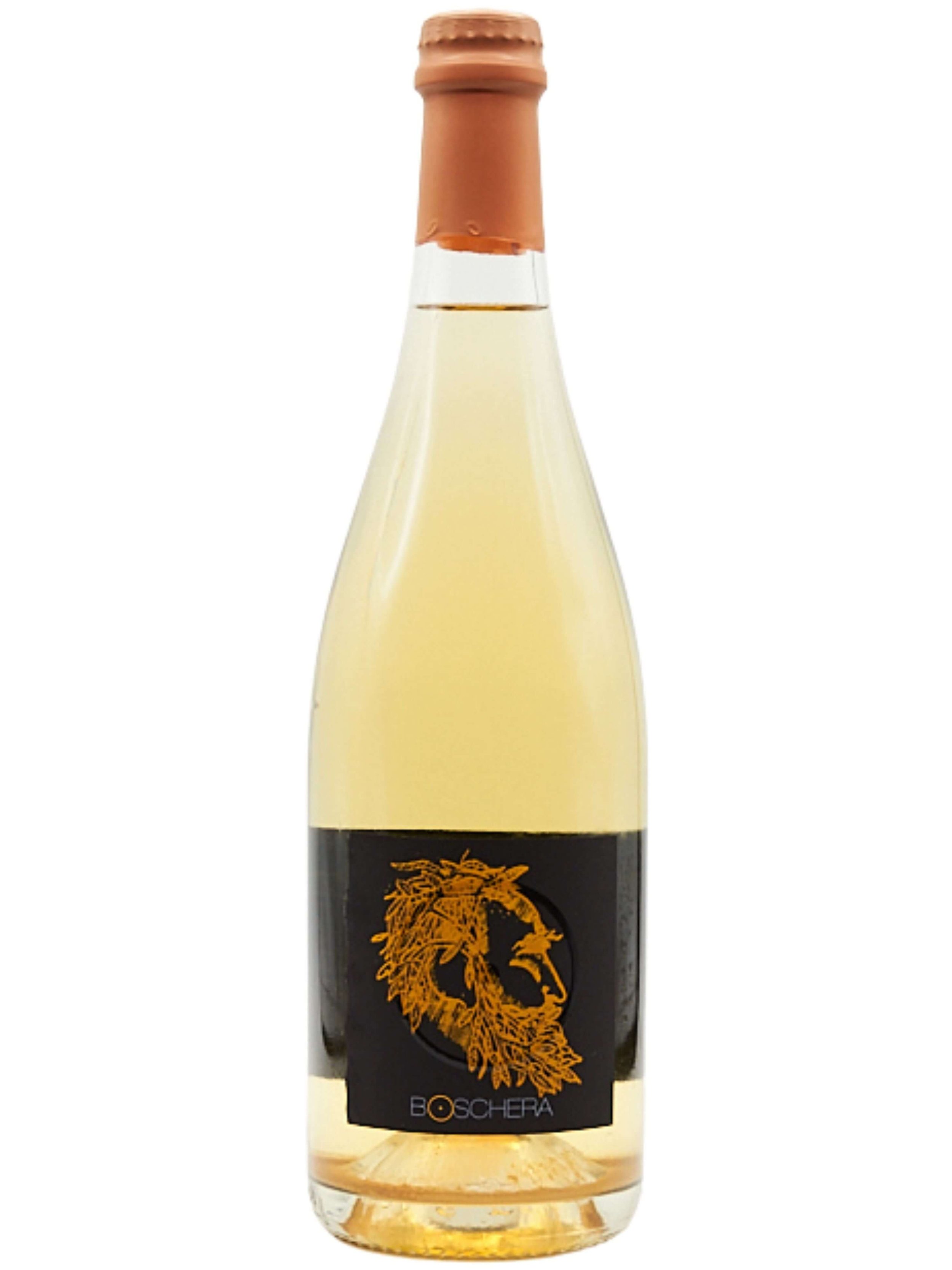
This is an unfiltered sparkling wine made similar to the champagne style from a rare grape called Boschera, native to Veneto, Italy where there is less than 20 acres in the world! We were the first to import this grape into the US!
Compared to the Prosecco grape (Glera), Boschera is more complex, and in fact this wine has been aged for over 3 years in the bottle on the lees.
With 2 days of skin contact giving it a deep yellow color, this native yeast fermented natural wine is then refermented with its native lees and then undisgorged, so it is unfiltered and continues to age on the lees too, allowing it to become more complex over time.
You can say it is a vintage & aged ancestral method, or Pet Nat style, also called Col Fondo in Italian since it is on its lees. It has herbal, nutty and yeasty aromas and savory taste with a long saline finish. Pairs with many foods & throughout the meal, from appetizers to main course.