
Foods of the Langhe: What the Locals Eat
When you travel do you tend to avoid the touristy spots and go out of your way to seek out the true local vibe and traditions?
If so, then this article is for you! It is written by, no better than, our ‘in house’ chef, Jacqueline Mitchell, who lives in the Langhe and is a chef at a local favorite trattoria: Risorgimento a Treiso. This follows our previous blog article all about the Langhe in the northwestern Italian region of Piedmont (aka Piemonte) which is known for making some of the best red wines in the world. Besides its wine, history and landscapes, the Langhe is known for its delicious traditional cuisine.
The Langhe is the Land of Plenty
The Langhe is a land of plenty, not only for wine, but also for food: not only do vineyards grow well here, but delicacies like truffles and hazelnuts flourish. It is truffle season now, so be sure to read up on them in this article.
You’ll also find hazelnut orchards sprinkled in the valleys and spots where vineyards don’t grow at their best. The hazelnuts of the Langhe are world renowned for their taste and quality. In fact, confectionary giant, Ferrero, famous for its hazelnut chocolate spread Nutella, was founded and is still based in the Langhe hub of Alba. Walking in the morning in the town of Alba, one can smell the chocolate aromas drifting over the town from the Ferrero factories churning out Nutella and Ferrero Roche hazelnut chocolates.
Langhe Dishes
Piemonte is also famous for its breed of beef cow, known as Piemontese or fassona. Thanks to this, and the land locked location of the area, beef, pork and chicken dominate the Piemontese cuisine. Appetizers like carne cruda di fassona al Albese (minced meat like a steak tartare) and vitello tonnato (a slow cooked roast beef with a tuna and anchovy based mayonnaise sauce) are classics not only on restaurant menus but with the locals serving them at home as well.
Also common in the Langhe cuisine are canned anchovies and tuna. Historically in this area, with no access to the sea, preserved fish (like tuna and anchovy) were some of the only seafood options available, and they tend to crop up regularly in the cuisine. Sauces like bagnet verd (a green parsley sauce) have anchovies in them and are served as a condiment over meat, vegetables and sometimes even over anchovies.
Pasta dishes, like hand made agnolotti del plin, or small pinched meat-filled ravioli, are served in a delicate butter and sage sauce, or boiled in broth. Alternatively, long thin noodles like tajarin are served with a meat ragù like a bolognese sauce. Both are delicious pastas, but in the entrees is where the Langhe stands out.
Entrees, or secondi, like arrosto di nocciole (beef roast with a hazelnut sauce) are classics and found nearly everywhere in the Langhe. Also popular is the juicy coniglio con peperoni, or rabbit with bell peppers. Two ‘go-to’ entrees for the locals across Piemonte which are commonly served as generous ‘family style’ portions are: Bollito Misto and Fritto Misto. Fritto Misto alla Piemontese (mixed fried foods) consists of various servings of different fried foods. The secret is to bread and fry everything in the kitchen that isn’t nailed down. For example, at Trattoria Risorgimento in Trieso, they serve a fritto misto with 27 items, that can include anything from thin steaks (like pork, lamb, chicken), to vegetables (like eggplant, fennel, or carrots), to organ meats (like sweetbreads, pork feet, and beef brain), to sweets (like amaretti cookies or apple slices). The fried goodies are served with traditional sauces like bagnet verd and its red tomato based counterpart bagnet rus (red sauce). Like fritto misto, bollito misto alla Piemontese (mixed boiled meats) is a grandiose affair, taking no less than seven different cuts and types of meats, boiling them, and serving them in their homemade broth. Meats can range from chicken, to a chubby sausage known as a cotechino to beef cheek and tongue. Traditionally, bollito misto is served with seven sauces as well, including the ubiquitous bagnets verd and rus, as well as the grape must based cugno. Serving bollito or fritto misto is a time consuming enterprise and are often meals that last for hours. Many traditional restaurants, such as Trattoria Risorgimento, host ‘food fests’ where they serve only bollito or fritto misto.
Thanks to the abundance of hazelnuts in the area, desserts often incorporate them. A torta di nocciole or hazelnut cake relies on crushed hazelnuts and hazelnut flour and is often served with a cooked egg and moscato sauce known as zabajone. Other quintessential classics like bunet, or a chocolate pudding like dessert, work a hazelnut paste into the batter before baking. Desserts without hazelnuts are often based on fresh fruits one might find growing on the edges of vineyards, like wine-poached pears or oven baked stuffed peaches.

A Bagna Cauda lunch with Langhe winemaker Aldo Clerico and his Barolos.
Bagna Cauda
One of the most typical Langhe (or langarolo) foods (aside, of course from the White Truffle of Alba) is Bagna Cauda (pronounced bah-nya cow-da). A sauce made from anchovies, garlic and olive oil, the Piemontese dip various vegetables into the hot bagna cauda. It can sometimes be called ‘Bagna Calda’ outside of Piemonte, and this is due to a change in dialect. Cauda, the piemontese local dialect, or calda in modern Italian, means ‘hot’, so bagna cauda/calda translates literally to ‘hot sauce’. Resident Vero chef, Jacqueline Mitchell learned to cook traditional bagna cauda from Trattoria Risorgimento in Treiso, Italy, but more importantly, from the restaurant grandmother, or Nonna, Mariuccia. As Nonna Mariuccia says, ‘The most important thing, is that you serve it piping hot! And don’t skimp on the oil… good bagna cauda needs lots of oil to fry the garlic well.’ She goes on to say ‘Like every family recipe, bagna cauda changes a lot depending on who makes it. My mother always made it simply and without a lot of fuss: boil the garlic first in water, then in oil, until you can mash it with a fork. We always liked it in pieces, not smooth.’ Some families boil the garlic in sparkling water or milk, others prefer to blend the sauce into a smooth sauce. In the Alps and mountains of Piemonte (outside of the Langhe), other families mix in cream or milk once everything is cooked (people from the Langhe generally consider this close to heresy though). Even still, others like to give it a modern twist and make it without the pungent garlic, swapping garlic cloves for turnip pieces.
Bagna cauda can be served as both an appetizer or an entrée, the piemontese love it both ways. When served as the main dish, it is accompanied by more diverse vegetables, and almost always served in a dianet, or a terracotta bowl suspended over a small candle. The lit candle keeps the bagna cauda always bubbling and hot as the diner works their way through the vegetables. Bagna cauda is normally served in the colder months, and using as many seasonal vegetables as possible. Traditionally served with bagna cauda are boiled potatoes, bell pepper slices, beets, cabbage, broccoli, and cauliflower. When the bagna cauda is finished, to clean up the last remnants in the bowl, an egg is broken and cooked slowly over the last embers of the candle flame to absorb every bit of oily-garlicky goodness.
What Wines to Pair with Langarolo Foods?
The Langhe is famous for its red wines which pair well across the Langarolo cuisine. But if we had to choose pairings, we would suggest a fresh and fruity Dogliani Dolcetto or Barbera d’Alba to pair with appetizers and pastas like tajarin al ragu. Bigger more structured Langhe red wines, like Langhe Nebbiolo or Barolo go well with the entrees like arrosto di nocciole, bagna cauda, bollito misto and fritto misto.
When Vero Founder, Sheila Donohue, visited Aldo Clerico and his family in December 2019, she was introduced for the first time to bagna cauda and was surprised at how well it paired with his Barolo. Despite being fish based, the pungentness of the dish matches the complexity and structure of Barolo. It was a particularly special experience since Aldo shared his very first release of his Barolo, from 2006. Since then he has added other Barolos to his repertoire, including a Barolo from Serralunga or a Barolo from the sought-after Cru, Ginestra.
What are you waiting for?
The Langhe offers such a diverse menu and wine list, it is easy to understand why it has become a mecca of sorts for foodies and wine lovers. Bring a bit of the Langhe into your home with an authentic Italian family recipe direct from Nonna Mariuccia and her ancestors. While the garlic is simmering away on the stove, complete the experience with a bottle of Aldo Clerico’s Barolo which you can purchase online! Buon Appetito a tutti!
Bagna Cauda - Italian Garlic Sauce from Nonna Mariuccia
Cooking and Prep Time: 1-2 hours
Portions: 4 servings
Ingredients:
400 grams Fresh Garlic
10-15 Canned Anchovies
or 2 tablespoons Anchovy Paste
200ml Olive Oil
For Dipping:
Pinzimonio (freshly cut vegetables)
Boiled Potato
Cabbage, thinly sliced
Canned Beets
Steamed Broccoli
Steamed Cauliflower
Fresh Bread
Suggested Wine Pairings:
Aldo Clerico | Barolo
Procedure:
1. Peel the garlic cloves and dump in a pot of boiling water, stirring occasionally. When the water starts to boil again, remove and drain the garlic. In the pot, mix the oil and anchovies (or paste if desired) and cook, stirring occasionally, until the anchovies have broken or ‘dissolved’ into tiny pieces.
2. Add the drained garlic to the pan, and if necessary, add more oil to just barely cover. Lower the heat to a simmer, and let everything cook, stirring occasionally to keep the garlic from burning on the bottom.
3. Cook until the garlic is soft, then begin mashing the garlic in the pan using a fork. The bagna cauda can also be lightly blended using a stand or immersion blender, but must be done with care to not splash the hot oil.
4. Once the garlic is either mashed or blended, bring the sauce back to a simmer stirring occasionally while your dipping vegetables are prepped. Serve piping hot in a terracotta dianet or ladle over plated vegetables.
Shop Wines from the Langhe to Pair Along

This is one of the best Barolo wines from the Langhe in Piedmont Italy as well as a great value from one of the storied families of Barolo wineries. This Barolo red wine is the maximum expression of the nebbiolo grape from Aldo Clerico. With vineyards right next to those of Domenico Clerico Barolo vineyards, this Barolo is a good substitute for Burgundy wine.
This garnet colored artisan Barolo has red fruit, rose and spicy leather and tea leaf aromas with elegant structure, long finish leaving a silky mouthfeel. On the nose it is very intense while floral notes mix with typical vineyard scents of violets and red berries. On the palate, the violets blend with licorice flavors and noticeable tannins. A creamy texture from the oak barrels creates a pleasant mix of fresh yet complex flavors.
Tastes Like: Cherries and licorice
Farming & Winemaking Highlights: Biodynamic | Native Yeast Fermentation | Single Vineyard
Fun Facts: This is Aldo's first wine made from 5 different Barolo designated vineyards surrounding his home in Monforte d'Alba, all within the Bricco San Pietro MGA. He vinifies each vineyard and then does an assemblage, creating each vintage a unique expression of his nebbiolo vineyards. It is also made with native yeast fermentation, so can be called a natural wine.

Made with native yeast fermentation, this Barolo Serralunga is a special natural wine. Rich on the nose with dried violets typical of the nebbiolo grape, the bouquet is austere and profound with balsamic notes. Once sipped, the earthy texture is out of this world, which marries pleasantly with the structure, fruit and spice of this elegant red. Well accented tannins are soft and decanting is strongly recommended.
Tastes Like: Earthy Spices
Farming & Winemaking Highlights: Biodynamic | Native Yeast Fermentation | Single Vineyard
Fun Facts: This is a single vineyard Barolo from the Serralunga d'Alba village, known to produce the most age worthy Barolos.

Made from the sought-after Ginestra Barolo Cru, this single vineyard wine epitomizes the greatness of the nebbiolo grape from the Barolo wine region, in terms of structure, age-worthiness and fruit expression. The native yeast fermentation used in making this natural wine also helps bring out the special and sought after terroir of the Ginestra cru.
An intense garnet color, on the nose this Barolo tends towards red fruits, with a touch of balsamic notes. As it opens on the palate the elegant tannins harmonize with the acidity for an overall richness that creates a pleasant and enjoyable experience while sipping alone or with food.
Tastes Like: Balsamic Tabacco leaves
Farming & Winemaking Highlights: Biodynamic | Native Yeast Fermentation | Single Vineyard
Fun Facts: The Ginestra cru is very limited and only a few wineries have access to harvest from there. Aldo can thanks to his wife’s, Valentina’s, Conterno family vineyards.
Fun Facts: The hands on the bottle represent Aldo’s two daughters; for this reason he often says this is the wine closest to his heart.

Dogliani is known as the area which produces the best dolcettos in the world. This expressive structured yet easy-to-drink red wine has purple color, and floral bouquet with red plum notes. On the palate, this dolcetto opens pleasantly with notable tannins that are, however, not overpowering. It finishes with light almond notes. Coming from a single vineyard near Monchiero, this Dogliani is also make with native yeast fermentation.
It can be enjoyed just after bottling, yet it can better itself after a bit of aging in bottle.
Tastes Like: Juicy plump, plums
Farming & Winemaking Highlights: Biodynamic | Native Yeast Fermentation | Single Vineyard
Fun Facts: Originally called Dolcetto di Dogliani, local winemakers lobbied to change the denomination to simply ‘Dogliani’ to avoid the misconception that this wine was ‘little sweet’, as suggested by the translation of ‘dolcetto’ in Italian. They wanted this special dry red wine to be able to make its own name, and let its importance stand for itself.
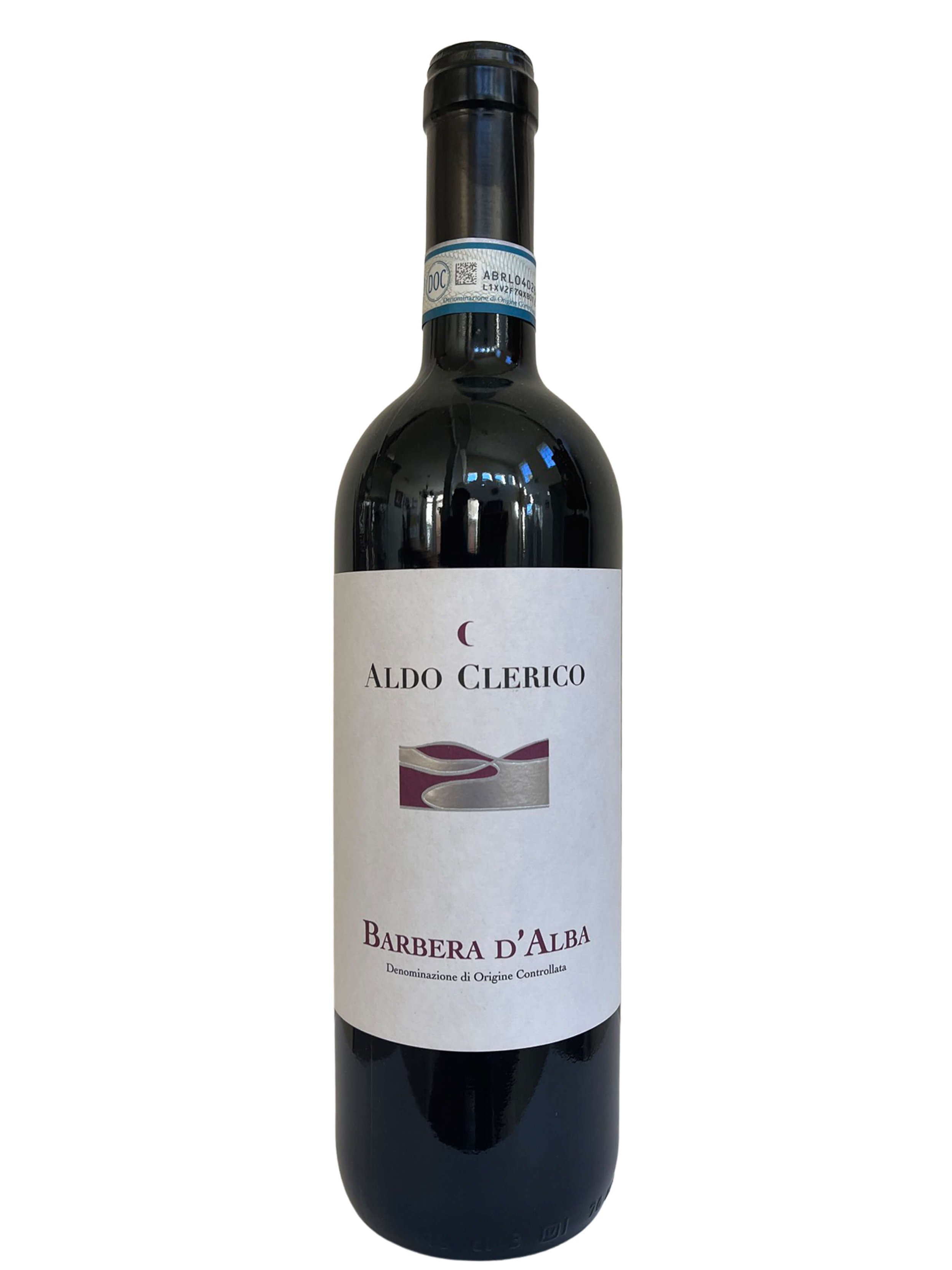
A really good, soft and fleshy Barbera from Alba, from a single vineyard located in the Barolo designated wine region, one of the best areas for Barbera. Nice acidity and fruitiness with some spice, thanks to 14-16 month aging in new and used oak.
A very balanced and elegant wine on the nose, and a good body and structure on the palate with a pleasant and vibrant acidity. A rounded wine with fresh yet fruity notes that finish with a creamy texture thanks to the oak barrel aging.
Do you want to regularly purchase this wine? Check out the Subscribe and Save option available HERE!
Tastes Like: Pretty, ripe, dark cherries
Farming & Winemaking Highlights: Biodynamic | Native Yeast Fermentation | Single Vineyard
Fun Facts: With its aging, this Barbera d’Alba technically follows guidelines for a Barbera d’Alba Superiore, but winemaker Aldo Clerico decides to declassify it.

It is a wine with great structure and personality, an excellent expression of the nebbiolo vine. With a delicate floral bouquet of rose and violets, there is also a finish of licorice. Tasting it really brings out its elegance with pleasant yet decisive tannins that signal great potential for good aging.
As well, the native yeast fermentation used to make this nebbiolo natural wine lets you taste the natural terroir of the Langhe.
Tastes Like: Crunchy pink cherries
Farming & Winemaking Highlights: Biodynamic | Native Yeast Fermentation
Fun Facts: This Langhe Nebbiolo is known as a ‘Baby Barolo’, since it comes from Barolo vines, and is a great introduction to the Langhe wines, where some of the best reds in the world come from.