
Elevating Fast Food
It would not be a surprise that in America we have a day to recognize junk food with July 21st being designated “National Junk Food Day.” Given that it is summer, with all of us eating more on the run while, say, on a road trip or packing snacks for a hike or a day at the beach, the concept makes sense… Let’s face it: junk food is part of our culture, so let’s acknowledge it.
Junk food has a time and a place in our lives. It could be of memories as a kid, going to the local fast food joint with your family, eating fast food together while enjoying a summer evening together. Each family tended to have their favorite “go-to” fast food place, with a clear preference for Burger King vs McDonalds, or what chain was near your house. Or your favorite memory it could be getting a box of Cracker Jacks and not waiting to finish the box so to get the specially wrapped surprise inside.
Call it junk food, or fast-food, it is integrated in some way or form into our lives, especially growing up in America. In this article we look into the history of junk food and uncover some interesting correlations. We also give you ideas to elevate the junk food experience using wine and food harmony.
Junk Food vs Fast Food vs Street Food
Junk food essentially is fast food or a snack that is tied to a brand. We, Americans, are marketing geniuses, so when certain commercially branded foods started to catch on in the 50’s, marketing and sales investment went behind these brands to make the foods more easily accessible across America, while promoting them on a national level. This started the wave of chains as we know today.

Fast food, meanwhile, has a more generic meaning since it may not have a brand tied to it. Like a hamburger, for example, which is a fast food that you can easily make at home without going to a McDonalds, Burger King or In-N-Out.
Both junk food and fast food also feed into our love of snacking: we are a culture “on the run” and are used to eating while we doing other things, also eating while we are in the car, on the subway, in the office, wherever we are. In this light, the concept of grazing became an eating habit, think super bowl parties! And nothing like a having hot dog at a baseball game, right?! So, you see, we’ve embraced the tradition of snacking very naturally, given our lifestyle and habits, and, especially with the presence of junk food and fast food all around us.
Then there’s street food: what in America is the literal street food? The ice cream truck! It’s a living legend that started 100 years ago and you still hear them around neighborhoods across America. Using street food to make a living is a type of business that a solo entrepreneur can start up with minimal investment. In fact, in our country made of immigrants, street food has been a key industry to help immigrants without a job, or with low income, to get economically established in the US. Like our founder’s father, whose parents immigrated from Ireland; he started an ice cream truck business as a teenager to help his family out.
Street Food Is Where It’s At
If you are a wine and food explorer, as we are, we relish at finding and enjoying new foods and wines. While, certainly, a stop at a fast food chain happens when it’s a necessity, it is a one dimensional culinary experience, meaning it is just satisfying our hunger and that’s it.
Our founder, Sheila Donohue, loves to discover new wines and foods, so, on a recent evening in Los Angeles while she was driving in between appointments, she realized that she needed to get something to eat for dinner before her next appointment. While keeping an eye out for the ubiquitous fast food joint in Los Angeles, she came across a stand along the sidewalk of people cooking under an awning. That drew her curiosity, so she stopped. The cooks were Hispanic serving authentic foods from their native country. Her dinner that evening was much more flavorful and interesting then what she would have found at a chain restaurant. Cheers to street food!

One of America’s classic street food traditions: the ice cream truck! Here is our founder’s dad, Matt Donohue, with his ice cream truck circa 1952.
The roots of fast food are in street food, and they go way back. Street food has been around since the Stone Age with fermented rice, i.e., sushi, being the first one. The word sushi stands for seasoned rice and, while it does date back to the early Neolithic–early Iron Age, it became popular as a street food around the Middle Ages in Japan when they also started to introduce fresh fish with fermented rice to create sushi as we know it today.
Street food was commonplace in Ancient Greece, and it caught on in Roman times, like as you see here at the Archaeological Park of Herculaneum (or Ercolano in Italian), which is in the Metropolitan City of Naples in Southern Italy. The ruins in this park show how life was back in 79 A.D., when the infamous Mount Vesuvius volcano unexpectedly erupted, destroying the town along with its more famous neighboring city, Pompeii. There are numerous bars like this among the ruins, both in Ercolano as well as Pompeii, that have these holes that were used to place food in, which was then served to passersby. This, here, is the precursor to today’s fast food, junk food and snacking culture.
Examples of street food are found all around the world, with each reflecting the traditions and local products in each area. “Street food is the true testimony to the identity of a people.” It came about because of a necessity: poor workers and families needed to eat and street food was inexpensive and convenient. There are loads of examples of how street foods evolved around the world, influencing the development of cultures and cuisines. “
Take Pâté, for example. It is made of scraps of meat which was affordable, and it became a common food in the poor European countrysides during the Middle Ages. Its popularity grew in cities as well, most notably in Paris during its “heyday” in the 17th–18th centuries, following centuries of plagues and wars. While investment was pouring in to improve and beautify Paris, many poor workers were coming to the city to seek opportunity. These laborers would live on pate and terrine as street food since it was cheap and easy to eat, because you didn’t need cutlery to eat them. Pâtés and terrines then became so popular that the French patisserie was born, with pastry shops in Paris springing up everywhere to keep up with the demand. What started as a street food then evolved into haute cuisine in 18th and 19th centuries; even to this day, pate is considered a luxury food.
An example of street food closer to home is the hot dog. They say that German immigrants started the concept of the hot dog stand in the late 19th century in response to the influx of poor immigrants into the US. The humble hot dog reflects also historical struggles in the US, where its original, and more German sounding name, “frankfurter” became a no-no to say during the anti-German sentiment in World War I. Likewise, the “hamburger” was renamed to “liberty steak” during WWI. Hmm, this is starting to sound familiar… would you like some freedom fries with your liberty steak? You see how history has an impact on cuisine and culture and they all get intertwined.

An old fast food joint from 79 A.D. in the ruins at Archaeological Park of Herculaneum (or Ercolano) in Napoli, Italy
There are endless examples of street foods, although what they have in common are their humble origins: street food is a mirror of the society, often reflecting specific historical periods. Street food lives on today as an authentic version of today’s fast food and junk food. Over time many fast food and street food dishes have elevated themselves in status, like pizza, pate, gourmet burgers, and it continues, thanks to chefs who, inspired by the diverse tastes of different street foods, create haut cuisine by fusing them together.
Wine and Food Pairings
Wine and food pairing can be considered both an art and a science. You can say that there are some hard and fast “rules” when it comes to pairing, most of the decision about whether or not a pairing works comes down to our individual palates.
If we can distill it down to basics, as we have covered in this article which explains how to do food wine pairing, there are two main approaches to food wine pairing:
either seek wines and foods that have contrasting flavor elements
or find elements of the food and wine that have aspects that complement each another.
We’ll give examples of both approaches as we suggest some, dare we say, junk food wine pairing. You’ll see that we’ve chosen a mix of snack foods, fast food and street foods paired with some of our favorite wines.
Snack Food Wine Pairing
One of the most striking wine and food pairings is a contrast of saltiness and fruit. This works quite well when a salty food is paired with a fruity wine that also has good acidity. Depending on the snack food, but white wines typically work better than red wines, since wines with tannins typically do not pair well with simple snack foods. Try also sparkling wines with snack foods, since they usually have higher acidity than regular wines plus are usually low in alcohol.

Potato chips with Sauvignon Blanc: Any fruity Sauvignon Blanc with good acidity, like Michi Lorenz' Sauvignon Blanc Klassik natural wine, would contrast well with the saltiness of potato chips.

Cheese doodles with a fruity white wine: We tried Vigna Petrussa Ribolla Gialla with cheddar jalapeno Cheetos and the pairing was fabluous. Really any of Vigna Petrussa whites would go with cheese doodles since their white wines have a great balance of acidity and fruit.

Popcorn with a Pet Nat prosecco: Here is Col del Balt's Pet Nat style prosecco, Codola, paired with freshly made popcorn. The prosecco is a delicate taste like popcorn and with prosecco being low in alcohol too it is an easy and fun pairing.
Fried Food Wine Pairing
Fried foods, naturally, have more fat in them, which is also why we are drawn to them, often as a craving. To do a food wine pairing with fried foods, you definitely want to seek out a wine with higher acidity to contrast with the textures of the grease. At the same time, you need to match the flavor intensity of the wine and food. White wines tend to have a lower flavor intensity than reds, which, in the case of these examples of fried foods, from french fries, to fried chicken to fish and chips, white wines, including sparkling whites, are the way to go.

French fries with a crisp light white wine: Here is Domus Hortae's Kimere, made from the bombino bianco grape which is a good alternative for those that like Pinot Grigio. This wine is light, minerally with a bit of fruit and acidity to pair with the slight greasiness of french fries, and other fried foods too.

Fried chicken with a fresh and fruity white wine: Albana secco is known for its high acidity which takes on fried foods quite well. It has often a candied fruit taste too which matches the flavor of fried chicken.

Sparkling wine with fish and chips: Fish and chips is the ultimate fried food dish. Since sparkling wines are typically made from grapes that are harvested early, there is usually higher acidity in sparkling wines to match the greasy texture of fish and chips.
Aperitivo Food Wine Pairing
As the tradition of having an aperitivo grows more popular in the US, as with the wine spritzer cocktail, we wanted to showcase traditional snack food that is enjoyed together with a spritz or with wine at aperitivo time in Italy.

A classic aperitivo with Spritz and snacks: The snack in this case are the popular aperitivo food in Italy, olive ascolani, which are fried olives with a meat filling. Aperol spritz, shown here, is the go-to aperitivo of choice.

Charcuterie and any almost wine is fine: Charcuterie boards can vary from cheeses to meats to a lot more. Usually you match the flavor intensity and vary from more flavor intense whites to medium bodies reds, including sparkling wines like Lambrusco in the mix.

Polpettine is a traditional aperitivo food: Again, like charcuterie, you can play around with different wines to pair with polpettine. The Italians are usually not picky about what wine to pair with their appetizer meatballs. In this case we were having crab polpettine so we went with Albana secco, a dry white wine.
Street Food Wine Pairing
Thanks to the melting pot in America we have a wide array of street foods available. Street foods tend to have a more intense flavor than your typical fastfood, so the wines we are suggesting are more complex whites as well as more fruit driven reds that have good acidity but lower in tannins. In addition to the street food wine pairing suggestions below, two other special mentions are:
Pate with Picolit sweet wine: Picolit is a botrytis wine, like Sauternes, which makes it pair well with savory dishes like pâté,
Beef jerky with Perla Nera, Vigna Petrussa’s Schioppettino red wine that is made with 100% air dried grapes, which is also how Amarone is made. Schioppettino has naturally high acidity with lower tannis and along with a distinct pepper note. When it is made in the appassimento style the flavors become more intense, matching the flavor intensity of beef jerky.

Elaborate sushi paired with Dolcetto red wine: Now, mind you, we would ordinarily suggest a white wine to pair with sushi, but given that we were served these elaborate sushi creations with lots of flavor, an acidic red wine, like Dolcetto, pairs nicely as well.

Pizza or focaccia with a flavorful white wine: Pizza, at least when it has tomatoes, plus other toppings, starts to have a flavor intensity in which a flavorful white wine, like this Trebbiano Abbruzese natural wine, goes quite well.

Nachos with a chillable red: Like pizza, nachos has a flavor intensity, in fact, even more so, that a light red, like a Cerasuolo chillable red, goes well with them.
Fast Food Wine Pairing
Now we get to wine and food pairings of the die hard American fast foods, starting with the classic hamburger, or cheeseburger. Presuming it’s a juicy hamburger you want a wine with some tannins as well as acidity, and, with the more toppings you put, you need to select a wine which will have a flavor intensity to match. Usually a red wine pairs better than a white with a burger. A hot dog food wine pairing would follow a similar thought process, although better if the red wine is low in tannins, which is why a Schioppettino red wine is ideal. Lastly, consider the addition of salsas and sauces that you put on fast-foods. The more sauce usually means more intense flavors. So if your preference is a white wine, choose one with a more complex taste profile, like an oaked Lugana or an oaked white wine blend from Friuli; both are Northern Italian white wines.

Pair a juicy burger with a red with medium tannins and acidity: Here we could recommend many red wines, from a Zweigelt, to a Dogliani Dolcetto, to a Barbera. Many great choices to pick from!

More salsa and sauces amp up the flavor intensity. The wine choice needs to be aligned accordingly: Here we are showing the choice of a great white wine, Zamichele's Lugana Garde, which is the equivalent to a Lugana Superiore, with great structure and intense flavors. One of many in our portfolio that we would recommend as you pour more salsa on your food.

Couldn't go wrong with a hot dog and a Schioppettino red wine: Schioppettino the grape (and wine) hails from the extreme North of Italy, Friuli, which borders with Austria, hence its foods have a Germanic influence. Aside from the similarities in heritage, this wine food pairing is actually a good choice.
Sweet “Junk Food” Wine Pairing
With sweet foods, 95% of the time you would go for a sweet or dessert wine to pair. There are exceptions though and we suggest you to experiment. Find more info here about sweet wine food pairing.

Twinkies and Moscato: This here is a match made in heaven! It's a good idea that Hostess Twinkies made it back from bankruptcy in flying colors! Just in time as we import Ivaldi Ros du Su Moscato d'Asti for the first time to the US!

Cracker Jacks with a dessert wine: Now, for those of you that grew up with the flavor of Cracker Jacks in your mouth, why not pair them with a wine that has a slight salty caramel taste. Like Vigna Petrussa's Desiderio, which also has great acidity to balance and not over power the Cracker Jacks.
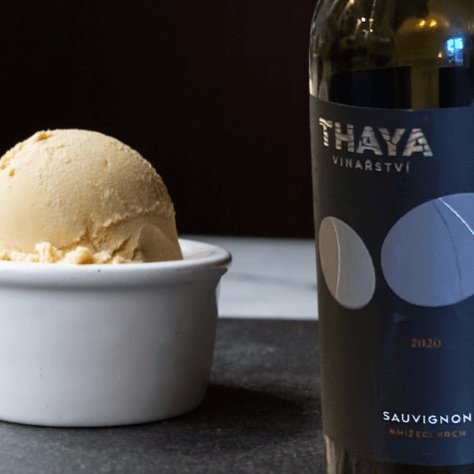
Ice cream is a bit of a free for all. Here are a couple of ice cream food wine pairing ideas: Ice cream and wine is one of the most difficult wine and food pairings. Chefs in Italy often pour Moscato d'Asti over vanilla or soft serve ice cream to give it another flavor dimension. We thought of Thaya's oak aged Sauvignon Blanc because its taste is reminiscent of a lemon creamsicle. It would go nicely with a spoonful of vanilla ice cream.
Only Authentic Wines and Olive Oils That Identify with a Place and a People
We, here at Vero, at naturally drawn to wines and olive oils that tie back to a place, that are made following years of tradition, valuing authenticity and wanting to share the passion and values that are underlying all the products we import in from farmer artisans around the world. We sell the hidden gems of wines and olive oils that we forage to businesses and consumers across the US:
If you are a distributor reach out to us introduce our highly curated portfolio of one of a kind small production wines to your state.
We sell to wine stores and restaurants in certain states - contact us to learn more.
If our farm crafted natural wines and olive oils are not in your local shop or restaurant, buy wine online here, and we’ll ship it to you, including wine gifts.
We also have an award winning wine club for true wine explorers that are seeking to continually discover unique, sustainable and authentic small production wines they never had. These are wines selected by our sommeliers and curated for each box.
We do corporate gifts and sommelier guided wine tastings. Email us and we’ll tailor unique and sustainable corporate gift ideas.
What Wines to Pair with Junk Food, Street Food, and Fast Food?

Coming from an area known for some of the best Sauvignon Blancs in the world, in the Südsteiermark subzone of in the South Styria of Austria, at 400m altitude with hand picked harvesting, this lemon yellow color sauvignon blanc has an intense bouquet of lemon, lemongrass and flint. It has citrus and apple flavors with a hint of lemongrass. It has great acidity and a long, sapid finish. Soils are red schist and loam. After 24 hours of skin maceration, the fruit was fermented with native yeast and aged in stainless steel. Minimal sulfur additions.
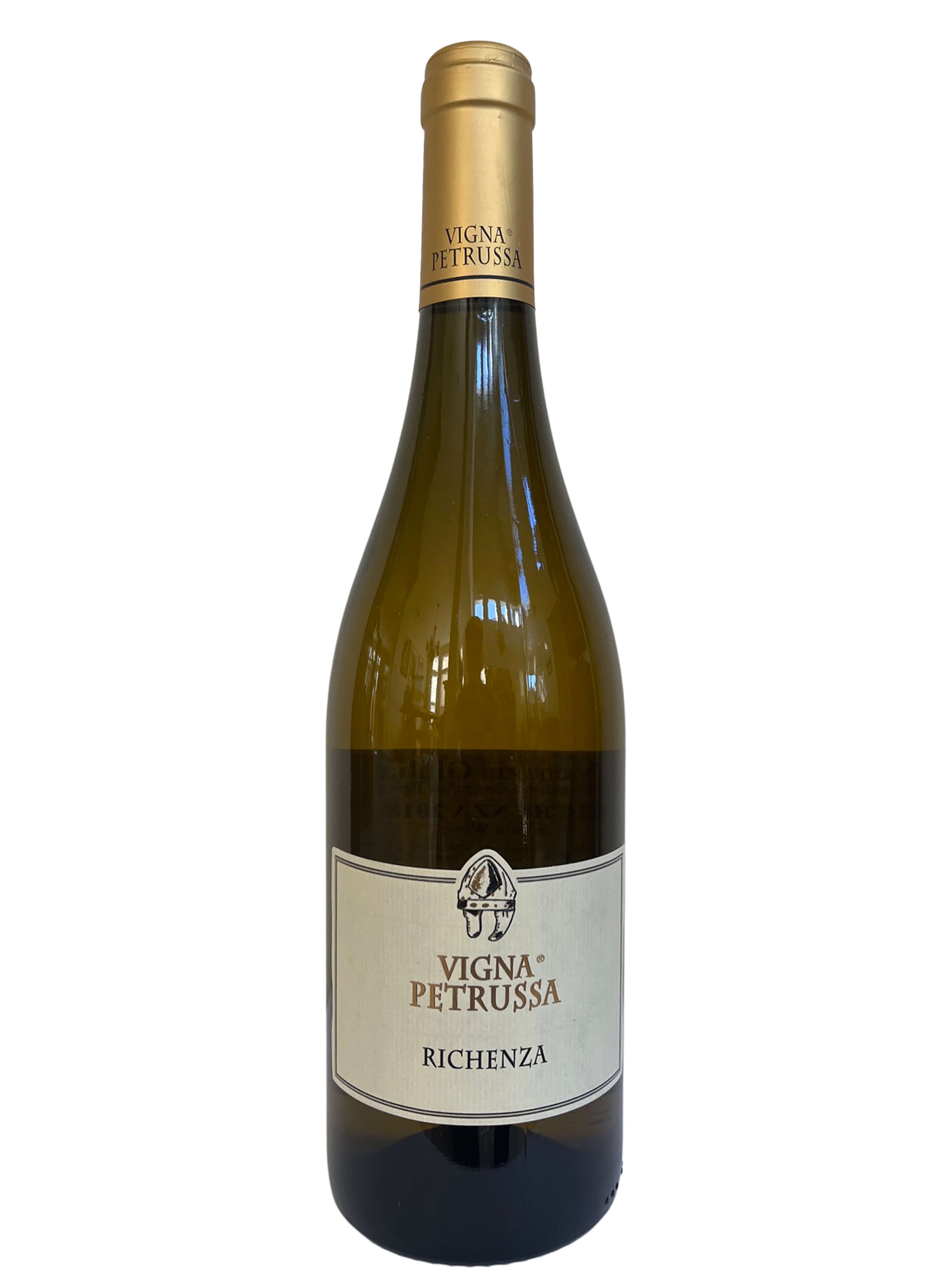
Crafted as a blend of native white varieties from Friuli, all 3, Friulano, Malvasia and Picolit are vinified separately in french oak barrels for 18 months before assemblage and then further aging in bottle for 6 months. This is an age-worthy, complex and intense white wine with aromas of chamomile, tangerine, mango and jasmine and exotic fruit taste, oily richness and long finish, as one would expect from this highly crafted white wine blend from Friuli.
Author Linda Milk’s tasting notes: “When we poured it into our glasses, the rich golden color made us think this would be a very flavorful white wine. We tasted lots of apricot and felt a velvety sensation on our tongue.”
Vigna Petrussa is a certified sustainable and biodiverse women-owned winery.

Before this 'modern era' of Proseccos made with the Charmat method, Prosecco was made with the ancestral method, like this wine, Codolà, where fermentation takes place in the bottle, and it is not disgorged. This means that the wine is unfiltered since it is on its lees. In Italy it is also called a Col Fondo sparkling wine and in the US, we use the French term ‘Pet Nat’ to describe this wine. This results in a white sparkling wine whose aromas and flavors continue to evolve while they are in the bottle. This Col del Balt white sparkling wine made by the Sanzovo brothers has a straw yellow color with lots of fine bubbles and green herb and pear aromas with a hint of lemon zest. It has 0 residual sugar and it tastes dry and clean, with a slightly bitter, lemon rind tasting, finish.

Meaning dream, 'Kimere' is a monovarietal made from Bombino Bianco having a pale yellow color, delicate aromas of white flowers and peach. On the palette it is fresh, fruity, with saline texture and finish. It could be an alternative to recommend to a Pinot Grigio lover. Fermented and aged in stainless steel. From a small family estate in Northern Puglia in Southern Italy.
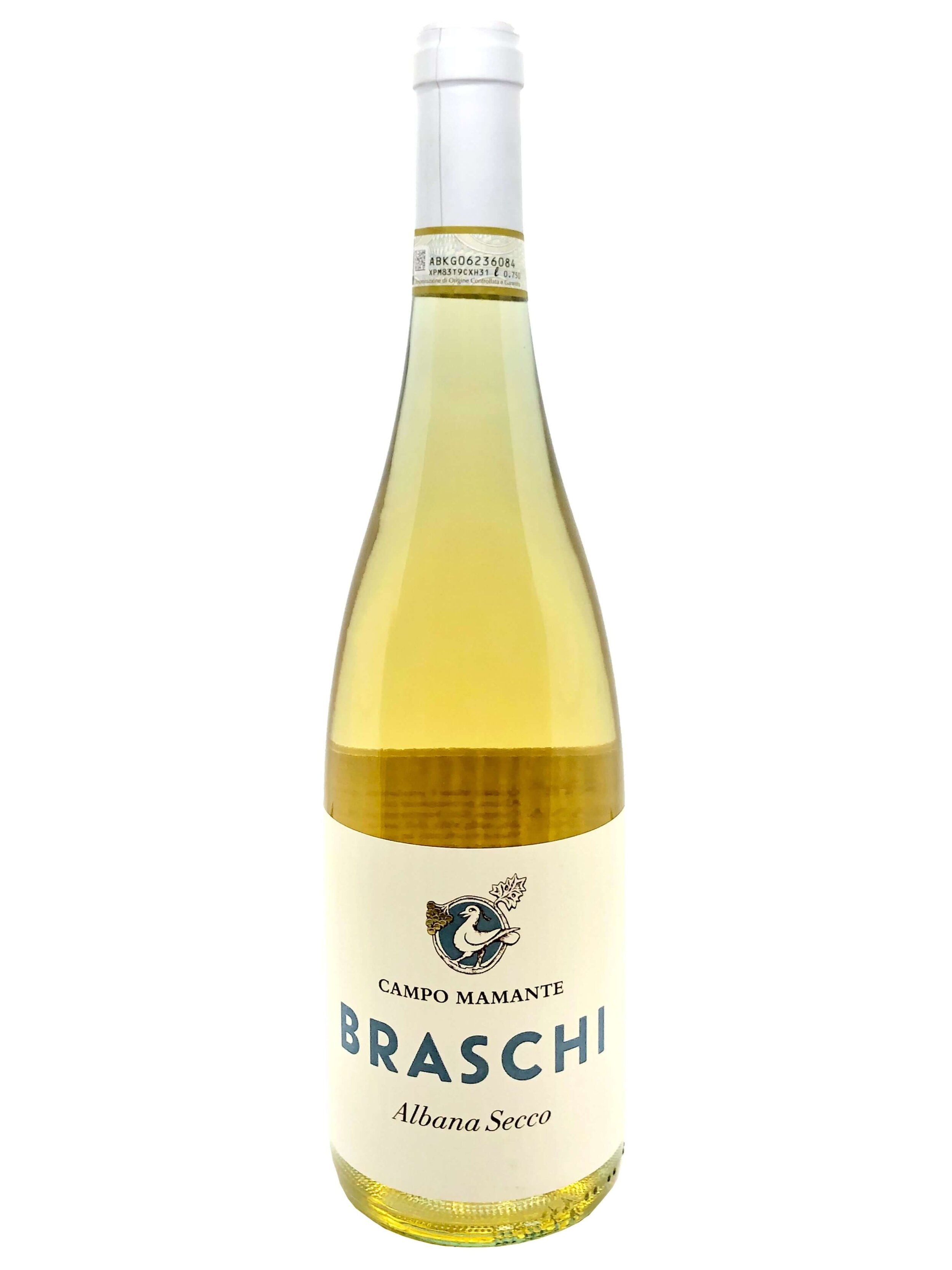
Intense, inviting bouquet of lemon and candied citrus with a fresh, fruit forward, multi dimensional taste full of apricots and herbs. It finishes with a hint of sweet almonds. This white Albana, the first Italian white wine varietal to obtain the prestigious DOCG status, is a good alternative for Chardonnay-lovers. EU Certified Organic from a single vineyard.

This mother-daughter winery keep hitting home runs with their ‘experimental’ one acre vineyard of dolcetto on a mountaintop in upper Ojai, California, which started with an idea they brought back with them from Piedmont Italy over 10 years ago. Their super small production Dolcetto experiment is a success, backed up with back-to-back gold medals on their 2019, 2020 and 2021 vintages, and then winning Double Gold and Best of Class in the International Womens Winemakers competition.
The 2020 vintage produced only 23 cases and was aged for over a year in neutral oak. It is fresh and juicy with rich wild berry cassis-like taste. It's an approachable yet complex with a mineral-saline finish. And now, coming off of their wins in 2019 and 2020, Ojai Pacific View has now released the latest edition of their California Dolcetto, the 2021 vintage.
Overall, the wine is a dark purple color, the nose is complex with a mix of plum, herbs, flint and vanilla spice. The fruit and terroir of this old world new world dolcetto red wine that really stands out, thanks to the high altitude and marine fossil soil of this wine estate in upper Ojai.
Here is what other sommeliers are saying about this wine:
Sommelier Marc R. Kauffman:
“Fine wine from Southern California! Italian varietals have been attempted in California with some successes and some not so good examples over the years. The 2019 California Dolcetto from Pacific View Vineyard and Winery is a stunning success! Darkly brooding in the glass, aromas of cedar, spice and vanilla offer a promise of seriously complex wine. Dark cherry and blackberry flavors mingle and dance in your mouth. The tannins are smoothly integrated, and the finish is so smooth I did not want it to end! Harmonious is the one word I would use to describe this wine. This is the third vintage from a very small plot of Dolcetto grapes growing high above the Pacific Ocean in a secluded spot north of Los Angeles. Available only in limited quantities direct to consumer or to a few select restaurants it is well worth the effort to search it out.”

An organic & vegan natural wine made from 100% trebbiano abruzzese, a white wine grape which the New York Times cites a grape “worth knowing better”. It has an inviting straw yellow color and an exotic nose (look for the saffron!) and an intriguing fruity and herbal taste.
This white wine is age-worthy too! Fermented and refined in grandfather Febo’s concrete vessels.
Region: Italy > Abruzzo > Chieti
Tastes Like: Peaches and Saffron
Farming & Winemaking Highlights: Regenerative Agriculture | Sustainable Winery | Biodynamic | Native Yeast Fermentation | Vegan | Single vineyard | Old Vine | Organic | Natural Wine
Fun Facts: This wine is named from the single vineyard from which it comes, Parella in Chieti.
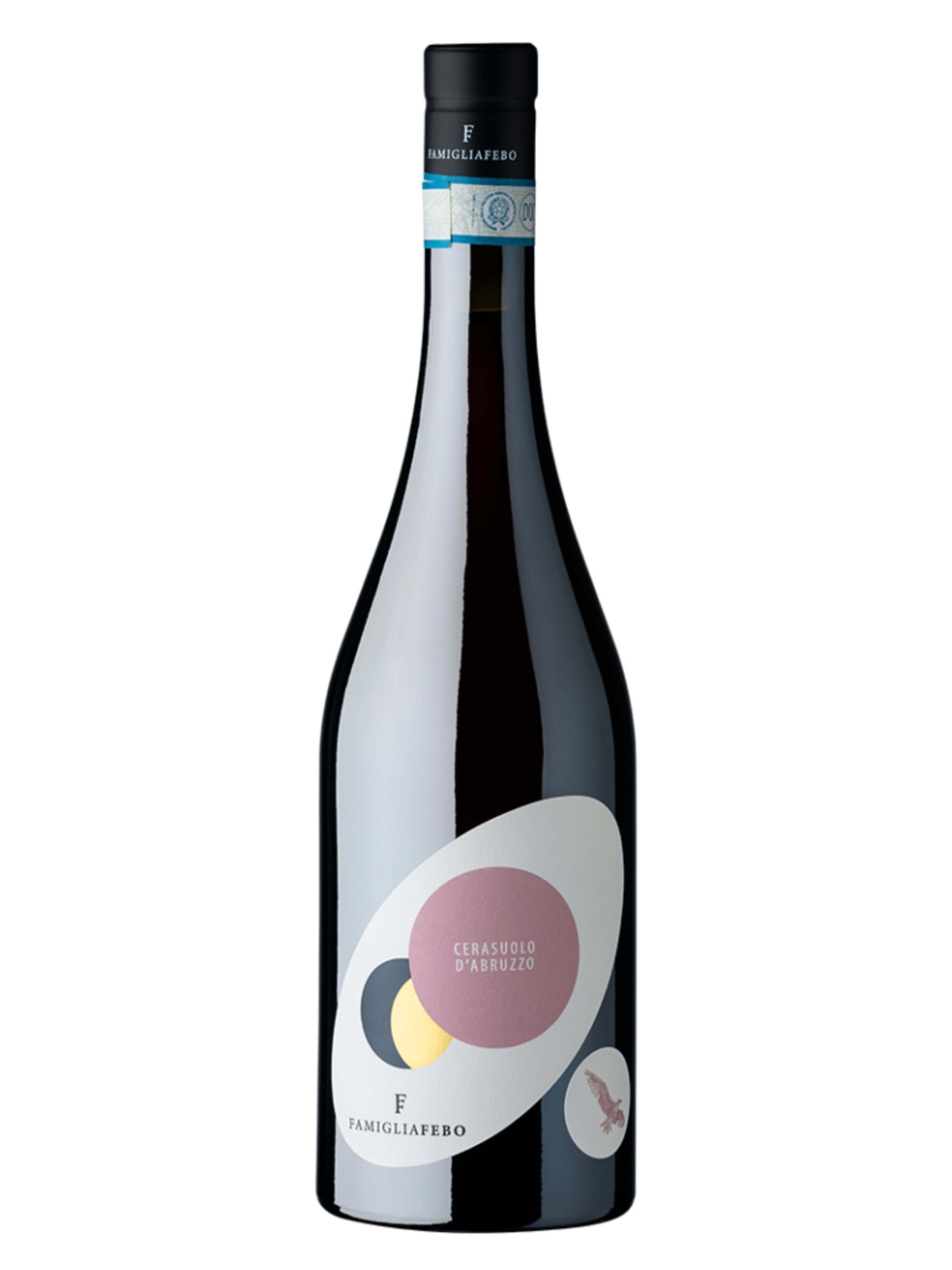
While made as a rosé wine, this Cerasuolo d’Abruzzo is actually more like a light red wine thanks to the dark pigments of the Montepulciano grapes used, farmed on Febo family’s estate vineyards in Abruzzo.
The minimal intervention approach of this natural wine producer results in a lot of vintage variation year after year. For example, the 2021 Cerasuolo d’Abruzzo has a cherry taste with a salty finish, and is considered a “serious” rosé wine while the 2024 is a Rosorange color that bursts with blood orange flavors mixed with cherry.
Region: Italy > Abruzzo > Spoltore & Chieti
Tastes Like: 2021 - Cherries | 2024 - Tart cherries and blood orange
Farming & Winemaking Highlights: Regenerative Agriculture | Sustainable Winery | Biodynamic | Native Yeast Fermentation | Vegan | Organic | Natural Wine
Fun Facts: Both vintages are fermented with native yeast and refined in the winegrower's grandparents' concrete vessels. Great chilled and a good pairing is eggplant parmesan.
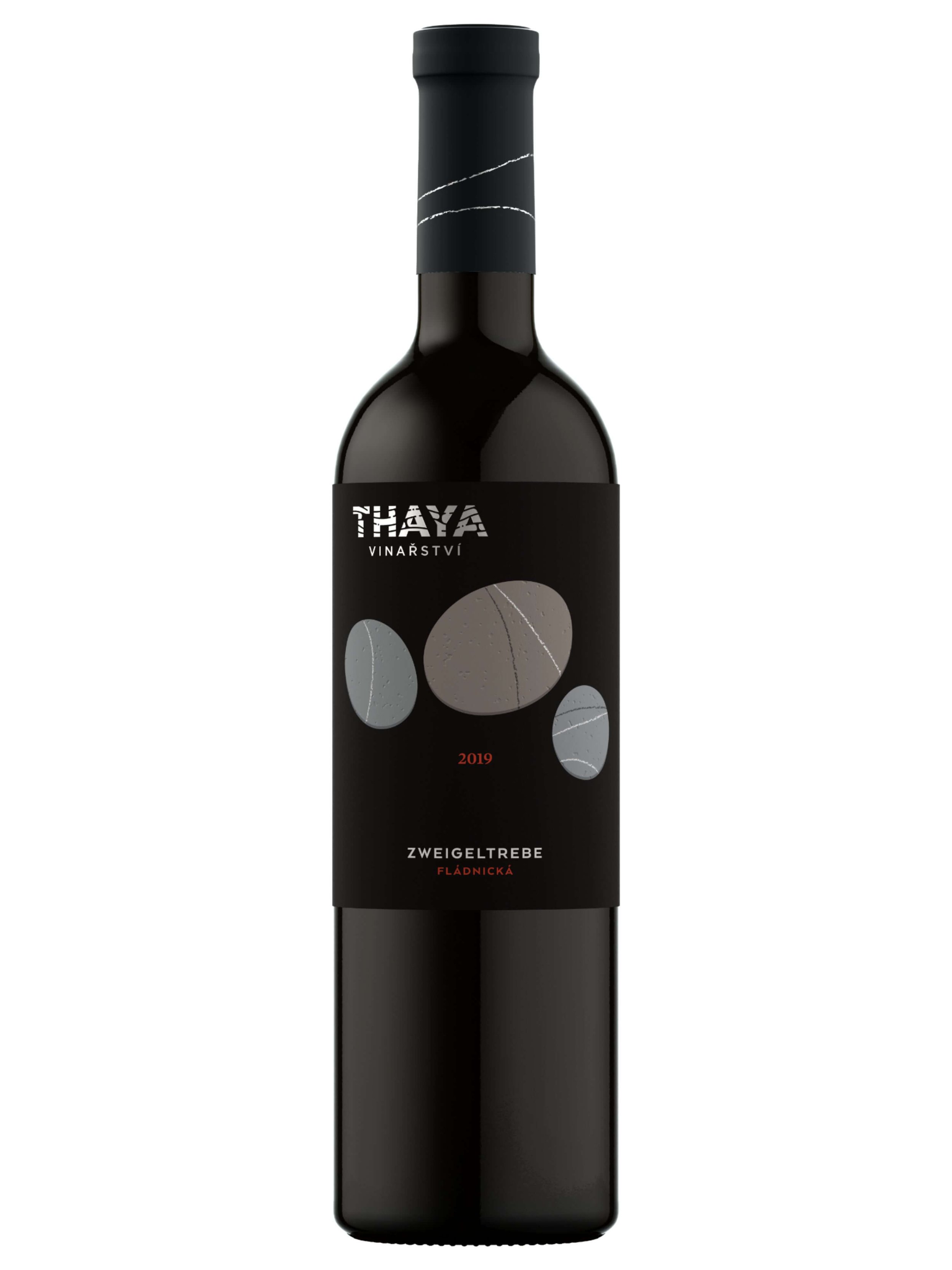
From the Thaya estate winery in the Czech Republic, this single vineyard late harvest Zweigelt, which is called Zweigeltrebe in the Czech language and is a cross between Blaufrankisch and Saint Laurent, is from the Fládnická vineyard and which is in a national park. The wine was made naturally, fermented with native yeasts and aged in french oak barrels (60% new) for 18 months. A robust wine made from grapes with a late harvest ripeness. The color is a dark purple red color. The aroma is pleasantly fruity and spicy, moving into notes of licorice and wild animal. The palate is fruity, full-bodied and long. When tasting you will find it has a ‘little bit of everything’: acid, fruit, tannins and some saltiness. It will have you taking another sip to enjoy it more.
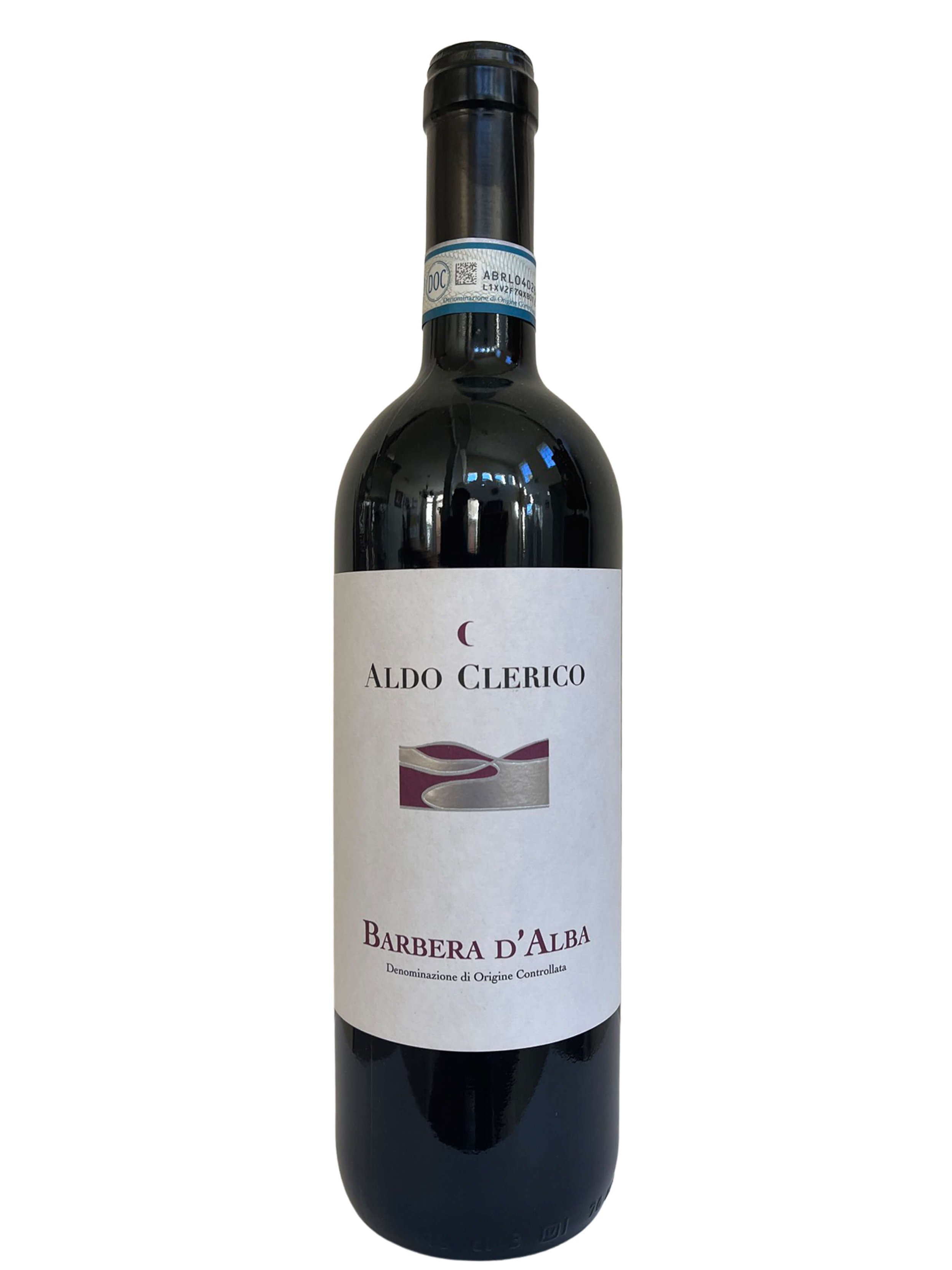
A really good, soft and fleshy Barbera from Alba, from a single vineyard located in the Barolo designated wine region, one of the best areas for Barbera. Nice acidity and fruitiness with some spice, thanks to 14-16 month aging in new and used oak.
A very balanced and elegant wine on the nose, and a good body and structure on the palate with a pleasant and vibrant acidity. A rounded wine with fresh yet fruity notes that finish with a creamy texture thanks to the oak barrel aging.
Do you want to regularly purchase this wine? Check out the Subscribe and Save option available HERE!
Tastes Like: Pretty, ripe, dark cherries
Farming & Winemaking Highlights: Biodynamic | Native Yeast Fermentation | Single Vineyard
Fun Facts: With its aging, this Barbera d’Alba technically follows guidelines for a Barbera d’Alba Superiore, but winemaker Aldo Clerico decides to declassify it.

Dogliani is known as the area which produces the best dolcettos in the world. This expressive structured yet easy-to-drink red wine has purple color, and floral bouquet with red plum notes. On the palate, this dolcetto opens pleasantly with notable tannins that are, however, not overpowering. It finishes with light almond notes. Coming from a single vineyard near Monchiero, this Dogliani is also make with native yeast fermentation.
It can be enjoyed just after bottling, yet it can better itself after a bit of aging in bottle.
Tastes Like: Juicy plump, plums
Farming & Winemaking Highlights: Biodynamic | Native Yeast Fermentation | Single Vineyard
Fun Facts: Originally called Dolcetto di Dogliani, local winemakers lobbied to change the denomination to simply ‘Dogliani’ to avoid the misconception that this wine was ‘little sweet’, as suggested by the translation of ‘dolcetto’ in Italian. They wanted this special dry red wine to be able to make its own name, and let its importance stand for itself.

“Run, don’t walk to find and grab this bottle. It is a prime example of the harmony and complexity this style of wine is capable of expressing” is how VinePair describes this wine in their list of 13 of the Best Sweet Wines.
Fruity, spicy and balanced, this multiple award winning women-made dessert wine, Picolit, is the rarest and most treasured varietal in Friuli, the extreme North East of Italy.
It is made from hand-picked and air-dried picolit grapes that went through noble rot, as with the best dessert wines in the world. Fermented and then aged for 18 months in french oak barrique. Only 1200 bottles were made, and we have the last few available so be quick to grab this meditation wine to sip and savor.
Vigna Petrussa is a certified sustainable and biodiverse women-owned winery.
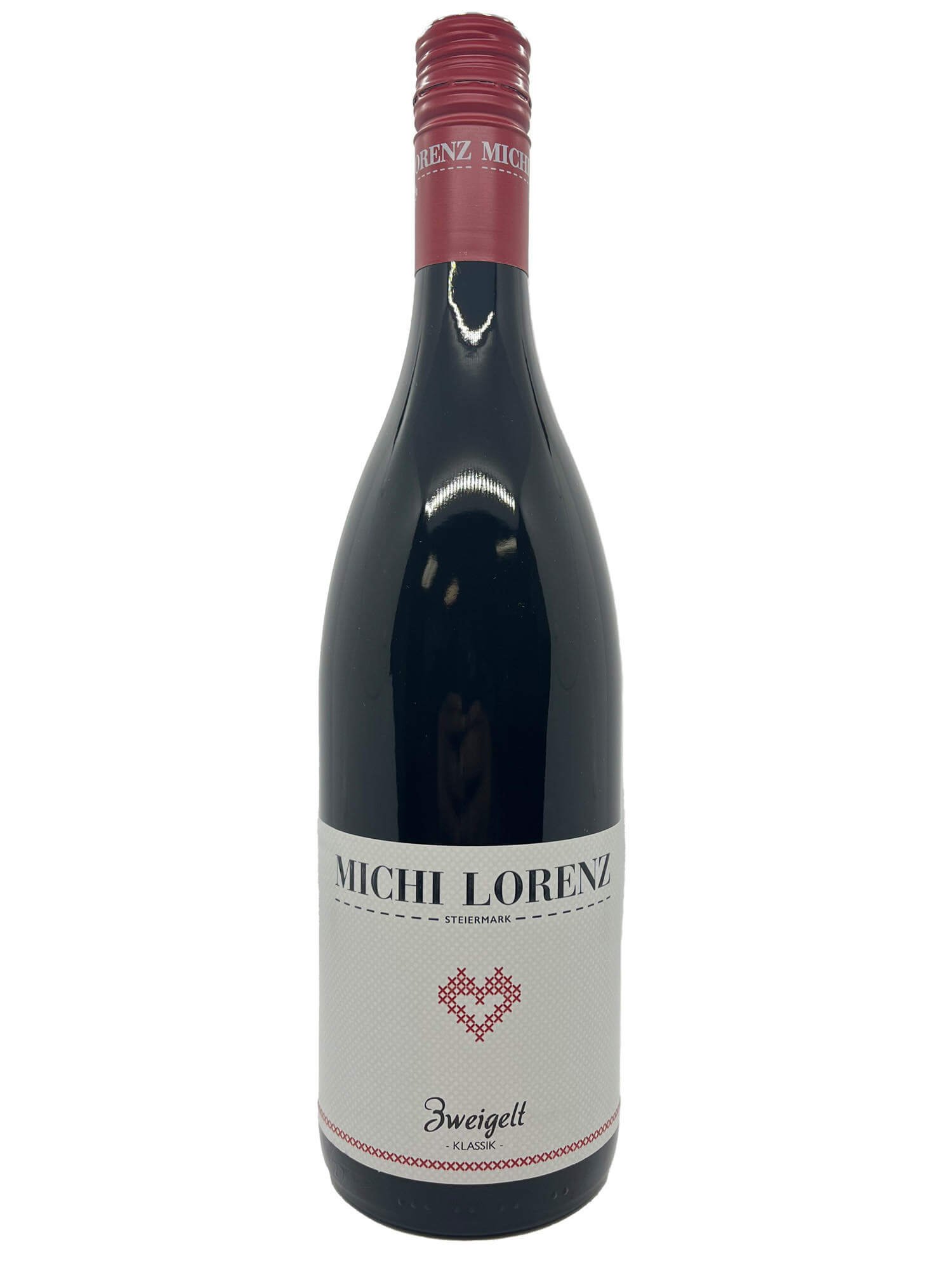
The organic and biodynamically farmed fruit was handpicked from estate hillside vineyards 400 meters above sea level in Sausal. Soils are red schist and loam. The wine underwent native yeast fermentation. After 25 days of maceration on the skins, the wine aged in a combination of stainless-steel tanks and oak barrels with very minimal sulfites added.
The first sniff of this quaffable Zweigelt natural wine is amarena cherries which then leads to vanilla and spice. In the mouth it is fresh with fruit that hides behind the structure and chalky tannins. It has nice texture and a medium slightly bitter finish. It is easy drinking and pairs great with hamburgers.

Expand your horizons with this Italian wine made for Chardonnay lovers looking for an alternative. From Lake Garda, one of the Northern Italian lakes, this sustainably farmed white wine is a balancing act of acidity and fruit that pleasantly plays into a long finish. Plus it is super tasty. If you close your eyes and taste this wine, it is likened to having an apple crumb cake as a white wine. You initially get golden apple and then vanilla and spice.
Acidity and fruit harmonically combine with a salty minerality producing a sweet and salty taste sensation. Fruit bursts forth and taste envelopes the mouth, with some tropical fruit on the long finish.
This Lugana is an ageworthy oaked white wine, equivalent to a Lugana Riserva, made from the noble and native Italian grape, Turbiana, a grape which is likened to Verdicchio.
Overall pleasant and sippable yet complex, this is a great wine for California Chardonnay lovers looking for a change to surprise and delight them with a new white wine italian style.

Prepotto is the birthplace of the hard-to-find Schioppettino varietal. It gets its name from the Italian 'schioppare' or to burst, since the grape 'bursts' in your mouth when you eat it. Aromas and tastes of black pepper and plums. Fermented with indigenous yeasts and aged for two to two and a half years in oak barriques. Strong cheese lovers love to indulge in this wine.
Gold Medal Decanter, plus many other awards. Vigna Petrussa's oak-aged 2019 Schioppettino won the prestigious 3 Bicchieri Award by Gambero Rosso.
Vigna Petrussa is a certified sustainable and biodiverse women-owned winery.
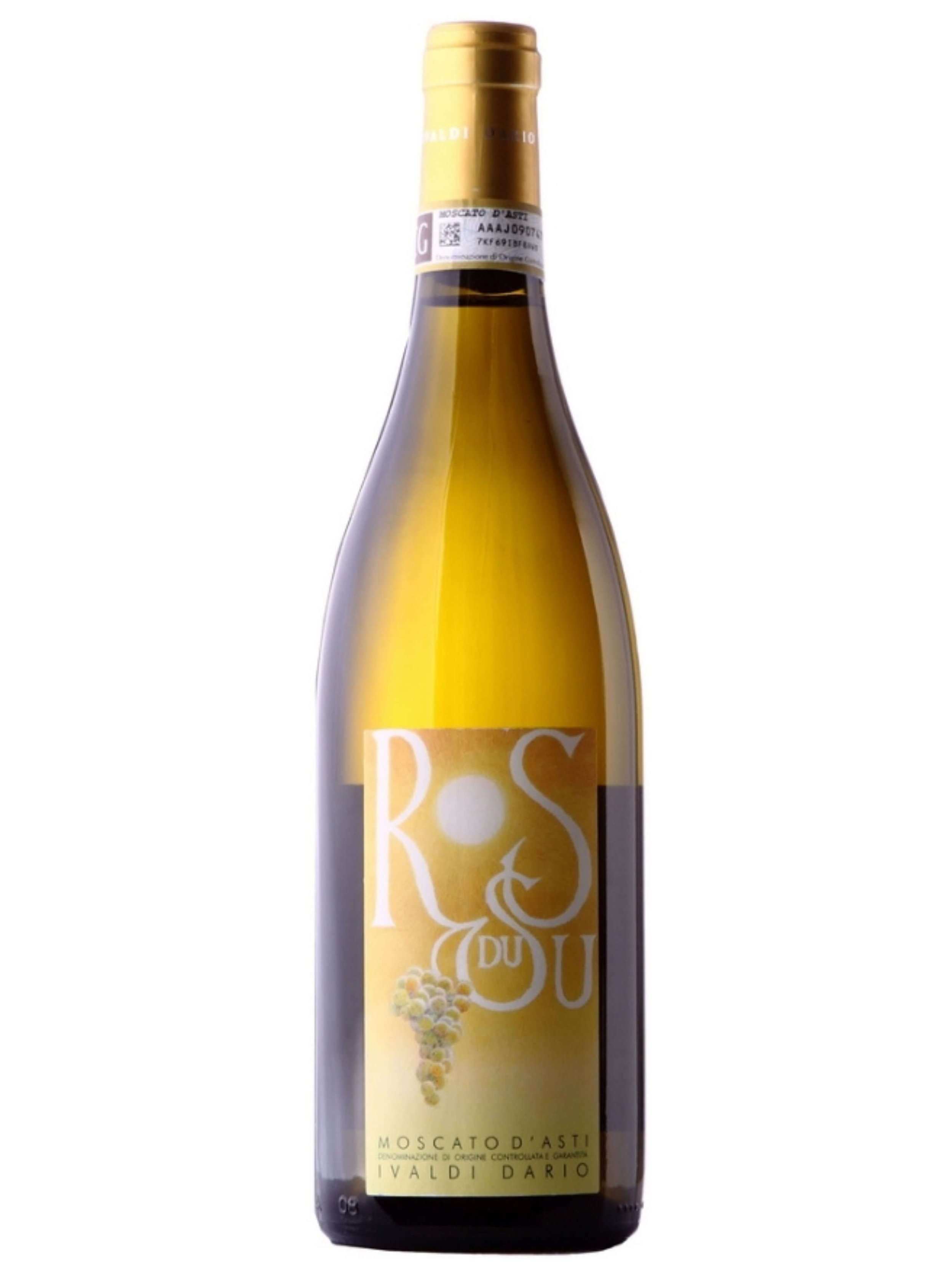
Who doesn’t like chamomile and honey? That’s what this wine reminds you of! It’s a Moscato d’Asti that appeals both to sweet wine lovers and dry wine drinkers wanting a moment with a touch of sweetness.
The name of this wine, Ros du Su, means ‘Rays of Sunlight’ in Piemontese dialect where this Moscato d’Asti comes from. Looking at its bright, golden-yellow color, it is easy to understand the inspiration for this name.
In the glass, the aromatic qualities of moscato are the first noticeable aromas, but underneath subtle and persistent notes of honey and acacia and chamomile flowers come forth creating a complex bouquet. Tasting, the sweetness of the residual sugars are well balanced with freshness and sapidity. A pleasant wine that keeps you sipping, it pairs well with desserts, but is every bit as enjoyable alone in contemplation.
A certified sustainable winery, Ivaldipractices regenerative farming.

Light fragrance recalling sweet acacia honey and dried fruits. This nectar is made from hand selected grapes, dried in crates and refined in French oak barrique. This is produced in a limited run of only 1000 bottles per year.
Vigna Petrussa is a certified sustainable and biodiverse women-owned winery.
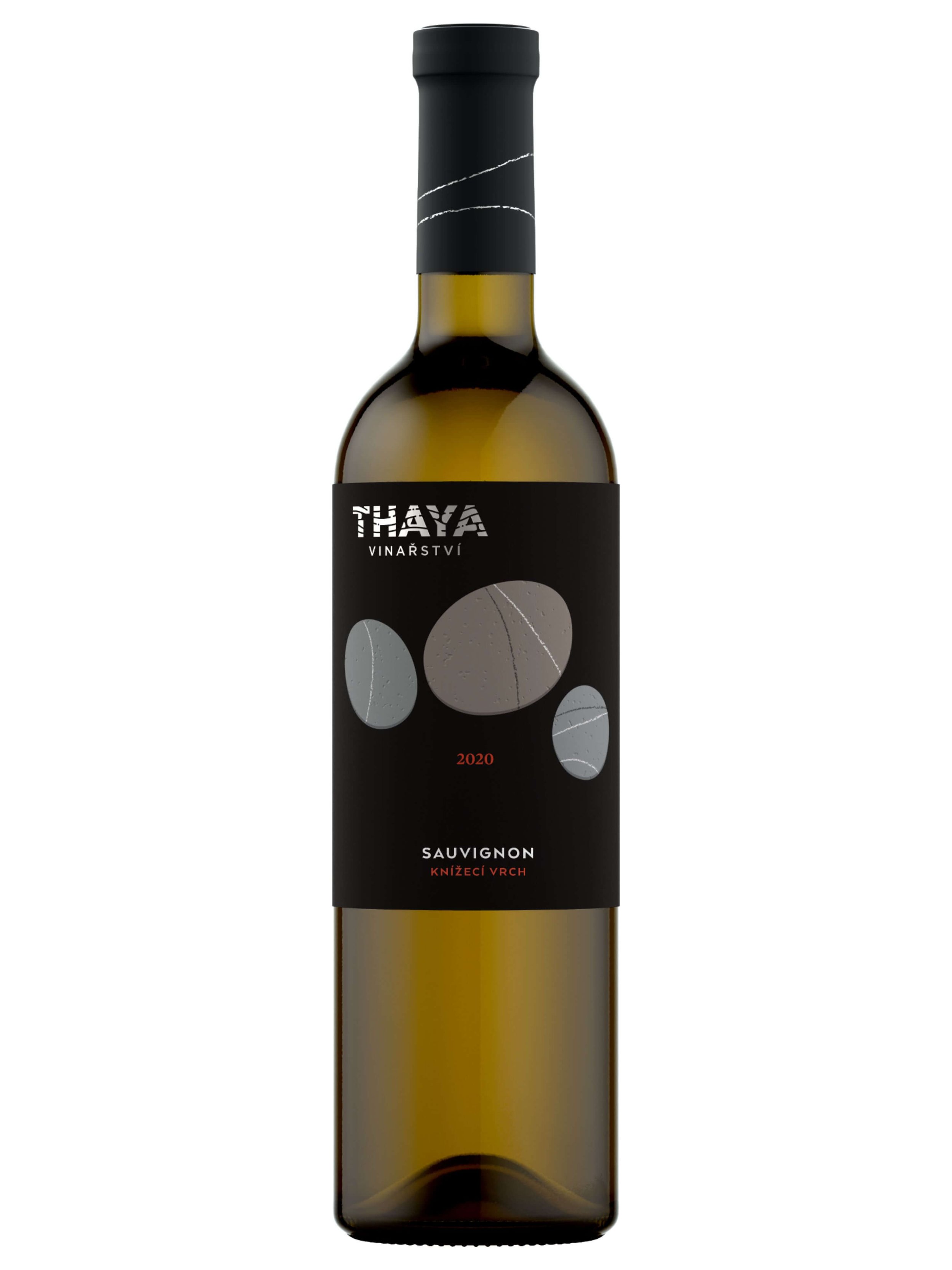
From the Thaya estate winery in the Czech Republic, sipping this late harvest sauvignon blanc is like having a lemon creamsicle as a white wine.
It has an intriguing nose, floral, with cape gooseberry fruit and lemongrass, thanks to aging in french oak barrels for 12 months, of which 20% is new oak. It has great acidity with flavors of lemon and poblano chiles mixed in with a creamy taste and mouthfeel and a long, saline finish.