
Alternative Sparkling Wines For Every Occasion
Who doesn’t remember playing with bubbles as a child? They brought us joy and curiosity as they mimicked a living thing with the way they fluttered around, seeming like the bubble was playing along with us.
It’s no wonder our fascination with bubbles continues into our adulthood. It is the go-to beverage of choice for toasting, right? So much so that it has has helped Champagne and Prosecco reach new heights in sales volume in the US last year.
Those of you that know us, know that we like to push the envelope a bit, to encourage you to march to a beat of a different drummer, even just every so often, when it comes to wine. We bring you alternative wines (and olive oils)
from small farmer-artisans you never heard of,
from places you’re not familiar with,
from grapes you’ve never heard of or tried,
and alternative styles of wine.
Want to explore some new sparkling wines you never had? As a primer, check out this article on sparkling wine types. Otherwise, read on!

Tasting Sgarbato Pet Nat and Uva Tosca grape for the first time with Irene of Frignano estate winery.
Ukrainian Woman Making Sparkling Wine in Modena, Italy
Irene Balim is born in Ukraine and has been living in Italy for many years. She settled in the area of Modena, in the province of Emilia Romagna in north central Italy, just west of Bologna. One of her favorite wineries was the local Frignano estate which was started in 1993. When they found out 5 years ago that the owner had to sell it, they were super disappointed to see their local winery close. So, they decided to get into the game and become vignerons themselves, taking over the winery in 2018.
It’s a small organic estate in the mountains of the Modena province, making 22,000 bottles / year with 15 acres of vineyards. They specialize in Pet Nat and Champagne style organic & natural sparkling wines, in fact they don’t make any Charmat method sparkling wines, differentiating from other wineries in the area who make primarily tank method Lambrusco wine. Irene is quite enthusiastic about the hyperlocal varieties, malbo gentile and uva tosca, which they cultivate. When Vero founder, Sheila Donohue, visited Irene for the first time, it was her first time trying these grapes. Sheila has a soft spot for varieties she’s never tried before. It’s like hunting for a treasure and the experience of full delight when finding it.
Needless to say. we just imported in 2 of Irene’s Pet Nat sparkling wines last month made from these rare native varieties. This is the US debut for Irene’s winery and her wines:
Sgarbato is technically a rose sparkling wine, although you see the color is really a light red. This Pet Nat is made from 100% Uva Tosca, which is native to the area and does better growing in higher altitudes, which is great for Frignano’s high altitude of 1800 feet. In fact, it is known to be the only grape in Emilia-Romagna that can flourish in the mountains. Tasting this wine is like having cranberry juice as a sparkling wine. It’s fascinating! You can taste the freshness of the mountains where the wine is made, yet has also the red fruit to balance it out. The fizziness gives the wine a playful touch. In fact the name of the wine Sgarbato, which means rudely abrupt in Italian, is a playful name for this wine, as it emphasizes how straight to the point the wine is in terms of taste. It’s a wine with a distinct personality. If you like cranberry juice, this is your wine!
Scurone, which means dark but also in slang means shutters, is a Pet Nat Lambrusco blend made mostly from Lambrusco Grasparossa and with 15% of Malbo Gentile. Lambrusco Grasparossa makes deep colored Lambrusco wines, known for its body and tannins. The grape which originates around Castelvetro, which is close to Frignano (which takes its name from the hamlet where they are based). Frignano proudly calls itself the ‘land of malbo gentile’ which shows its commitment to showcase this grape. No surprise then that they use it to blend with their Lambrusco. It is also dark and tannic, like Lambrusco Grasparossa, giving Scurone a richer, blackberry flavored, taste and mouthfeel. In fact, it has grippier tannins than your normal Lambrusco.
Both wines are natural, made with native yeast fermentation, bottle fermented, and unfiltered. As we talked about in this article, whether you prefer using the term method ancestral vs pet nat, this wines are made using an old and natural style of making sparkling wine. Sure, they are wines to give some ‘oomph’ to a celebration, yet they are also a good ‘pick-me-up’ for a brunch, lunch or week night sipping, as they are low in alcohol, and pure as can be when it comes to wine.
A Grape Never Before in the US
We were also busy this spring bringing in producers and wines from Italy never before in the US. This time we think we out did ourselves bringing in Eros Zanon’s Boschera Ancestral Method Natural Sparkling Wine. It’s not the first time we’ve written about this wine, yet because it is still an unknown grape and wine in the US market, we are committed to getting the word out about it! Even wine writers are talking about this skin contact, aged Pet Nat style vintage sparkling wine, commenting on its unusual herbal and citrus taste profile and how it pairs with so many dishes. It’s so rare that there are less than 15 acres of it in the world. Do you want to be the first amongst your friends to try it? Get it now!

Up-and-Comer, according to Vinous, Ivaldi’s Andrea Alta Langa.
A Champagne Style Italian Sparkler Ready to Conquer the World
Vinous just wrote about sparkling wine from Italy, citing the Alta Langa traditional method sparkling wine appellation as the “Up-and-Comer“ of Italian sparkling wines made with the Metodo Classico (méthode champenoise), distinguishing sparkling wine vs champagne style. Alta Langa is a new-comer in terms of it being an official appellation for Champagne style Italian sparklers even though it has older roots in term tradition and history compared to its more famous DOCG counterparts, Franciacorta and Trento.
This year we just imported in for the first time to the US a Blanc de Blancs Alta Langa made from 100% chardonnay by Ivaldi in the Asti province of Piedmont. This sparkling wine is champagne except it is from Italy. Americans are just ‘dipping their toes’ into this wine, as we introduce it to wine stores, restaurants, consumers, and distributors across the country as well. At a recent bubbles event at a wine store / restaurant client in California, we brought the wine for people to try. They enjoyed the freshness and complexity. One person astutely observed sage on the finish, an expression of Ivaldi’s terroir of calcareous soils. 3rd generation winemaker and owner, Andrea Ivaldi, who practices regenerative agriculture, decides to harvest his chardonnay a bit later for this wine to give it more fruit expression. He’s so proud of this wine that he named it after himself - the wine is called Andrea. Learn more about Andrea, his wines and the area of Nizza Monferrato in this article after we spoke with him at a recent VeroTalk wine tasting.
Get to Know Durello Champagne Style Wines
We would be remiss to not mention another brand new Italian sparkling wine producer and wines, Sandro de Bruno’s Durello Sparkling Wines. We were the first to import his Durello Metodo Classico 95 point volcanic wines into the US this year. These are wines made from an obscure, yet historic native grape to Veneto, Italy, called durella. Sandro’s vineyards are in high altitudes grown on volcanic soil next to a regional natural park, all the makings for an age-worthy and mountain fresh complex champagne style wine. We just did a VeroTalk and published an article about the talk and winetasting we did with Sandro. Buy his wines and learn while you taste. Be sure to have some food handy too - Sandro’s Durello sparklers shine when paired with food. Good idea for a New Year’s Eve spread, what do you think?
Alternative Proseccos
Being an importer that specializes in Italian wines, we can’t finish an article on sparkling wines without mentioning Prosecco. Vinous’ recent article about Italy’s Love Affair with Sparkling Wines gives the spotlight to Prosecco italian wine. The reviewer, Eric Guido, starts out by talking about the “top quality-to-price-ratio” you get with Prosecco, but he was not referring to the ubiquitious Prosecco brands you find every where you go. Instead, he goes onto say “The real shame in this is that a great deal of fantastic Prosecco is being produced today that can compete with the big names of Italian sparkling wine, but how can a consumer tell the difference?”
He has a point. Even for those of us that work in the business, searching for a really good Prosecco is like finding a needle in a haystack. The key to getting a really good artisanal prosecco is finding one with good acidity and minerality, which depend a lot on the terroir. Then, you want these components to balance with the delicate flower and fruit that the glera grape, from which Prosecco is made, brings forth.

Here’s what we found when visting the Sanzovo brothers at Col del Balt Valdobbiadene: Jackpot!
Another key aspect of this quest to find a “fantastic Prosecco” is seeking out a winery that only makes wine from their own vineyards that they farm; after which, they make their wine based on the characteristics of their land and fruit that mother nature gave them that year, and not making the wine based on the marketing department’s requirements.
It took us several years to find a Prosecco that met our standards. Finally, last year we introduced to the US market for the Sanzovo brothers’ Valdobbiadene Proseccos, whose winery’s name is Col del Balt, which is the name of the hill where their vineyards lie. As we covered in our articles and one of many VeroTalk virtual wine tastings, the area of Valdobbiadene is where you get the best Proseccos. The Sanzovos follow the criteria we outlined above to find a really good Prosecco, and tasting the product you ‘get-it.’
We initially brought in 2 of their Proseccos, a Brut and a Pet Nat style. Their Brut fits the bill for a fresh, minerally Prosecco with dainty flower aroma and a thirst quenching lime flavor. Their Codolà Pet Nat, or Ancestral Method Col Fondo, is a true alternative Prosecco: sure, it is made from the same grape, glera, and comes from the same vineyards as other Sanzovo Proseccos, yet it is unfiltered and it ages refermenting in the bottle on its lees, resulting in a drier ‘Prosecco’ that gets more complex the longer it ages. Note their Codolà does not say Prosecco on the label because it was not made according to the rules of the DOCG however, and ironically, Codolà is made in the ‘old style’, the ancestral method, which is how the locals in Valdobbiadene made Proseccos before the Charmat method, which is today’s most common method for making Proseccos, became the standard. Then just last month we also brought in their Extra Dry Prosecco, which according to Vinous is “one of Prosecco’s most pleasurable and balanced expressions”. Compared to their Brut, it has a touch more fruity sugar, which garnered our recent ‘People Pleaser’ designation in our 2022 Wine Gift Guide.

Trying Zanon’s alternative prosecco pet nat at Ero’s winery in Veneto, Italy.
Then this year we introduced another new wine producer to the US, also in Valdobbiadene, yet focusing on all alternative proseccos. This is Eros Zanon, who also makes the Boschera col fondo sparkling wine we spoke about earlier. Eros’ ‘thing’ is making sparkling wines from historic, native grapes, yet through bottle fermentation, like metodo classico, or champagne method, but using only native yeast fermentation (like natural wines) and not disgorging the lees, so they remain unfiltered. You won’t find any of Eros’ wines with a DOCG or DOC on the label, as he prefers to follow his own rules, or instincts, when making wine. As a result, he is not able to write Prosecco on the label of Zanon’s Pet Nat prosecco (note the small ‘p’) which is made from 100% glera grape on high altitude vineyards in the most historic, and northernmost, part of Valdobbiadene (Prosecco) wine region. It is a natural wine, as he lets the fermentation happen naturally, letting nature take its course when making wine. Like the Sanzovo’s Codolà, it is another alternative dry prosecco for you to try.
Last but not Least, Some Sweeter Sparklers
Sweet wines are often an after thought. It’s not surprising: when you work in the wine industry, you hear over and over the common industry belief “people talk dry, yet drink sweet.” We also believe that sweet wines are not taken seriously since they are often the cheap wine you find on supermarket shelves. Yet, at least in Europe, sweet wines are part of the culture, and they have a time and a place, e.g., during a meal. And many sweet wines are not cheap, in fact they are often more expensive than dry wines.
Our secret to finding a good sweet wine is that it needs acidity and structure.
Which is why we are super excited about the new entries into our portfolio of sweet wines, both from Ivaldi in Piedmont, Italy, and both sparkling wines.
Like our long search for a really good Prosecco, we had another long one for a really good Moscato d’Asti. Then, when Vero collaborators Sheila Donohue and Jacqueline Mitchell visited Andrea Ivaldi in January of this year and tasted his Moscato d’Asti, they had an ‘ah-ha’ moment, especially Jacqueline who lives in Piedmont and is surrounded by these wines. Ivaldi’s Moscato d’Asti is fresh, intriguingly fragrant, and Andrea Ivaldi admits that he prefers a Moscato d’Asti a little less on the sweet side. The result is a sweet wine that both sweet and dry wine drinkers will be satisfied, hence another winner of the ‘People Pleaser’ category of our 2022 Wine Gift Guide.
Another sweet sparkling wine which is great to have around for holiday meals is Ivaldi’s Brachetto d’Acqui, a sweet red sparkler. Andrea puts his twist on this wine by leaving it on its skins for longer than most Brachettos, giving it some structure to balance out the sweetness. And, boy, that rose flower aroma will draw your nose to the wine in no time!
Stock up on Distinguished Sparklers
Eric Guido sustains in his article in Vinous “if you prefer to try to distinguish yourself, your style and your terroir with a wine that doesn’t fit into what the average consumer expects… then it’s a tough road to travel.” In fact, Eric goes on to say “Many sparkling wines are tiny productions or passion projects that never make it out of the winery.”
We disagree. Hey Eric, we’re making it happen! This is our sweet spot. Vero came about because we saw that the US market was not getting the “good stuff” imported in. We make it easy for you to find really good, distinguished small production wines, since we’re just as picky as you are, if not more.
Whether you work in the industry or are a wine loving consumer, we can help you discover and enjoy sparkling wine more with artisanal alternatives. If you are a distributor, wine store or restaurant, contact us today to find out more about our portfolio. Otherwise, buy wine online today in our online wine store and order wine online to send wine gift for wine lovers, including yourself. Then you all can start the new year with some special sparkling wines!
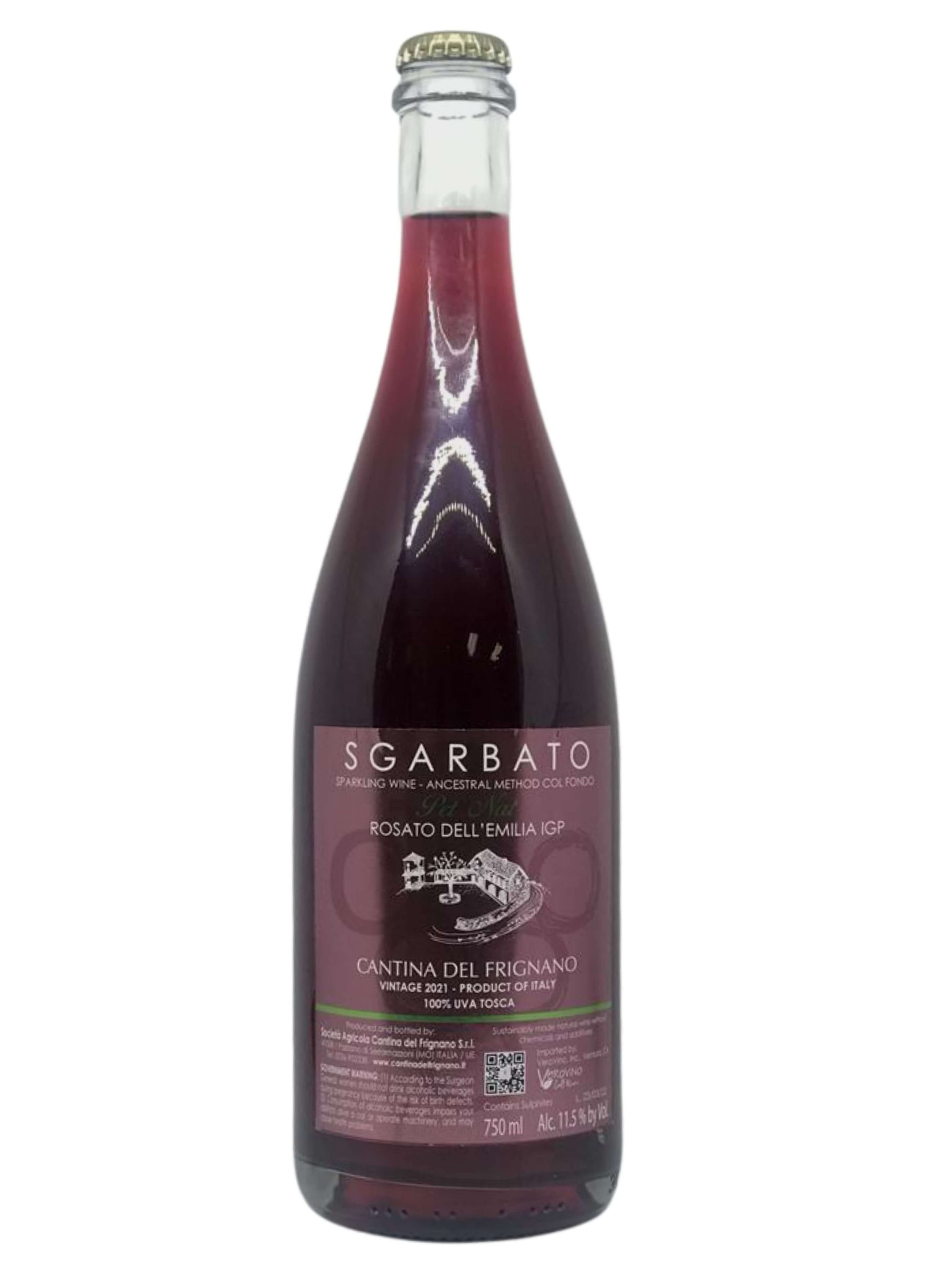
Made from the rare Uva Tosca grape, which grows in higher altitudes in Emilia and is believed to be a descendant of Schiava Grossa, the Alto Adige red grape. Technically a rose wine, it is more like a light red, which looks and tastes like drinking cranberry juice as a sparkling wine. Refreshing and quaffable, with strawberries on the nose and a saline finish, it is great on its own or with light fare. While this grape does not impart much color, 2021 was a dry year, producing more concentrated fruit and color. It is naturally fermented and sparkling 'col fondo' ancestral, or pet nat, style wine.
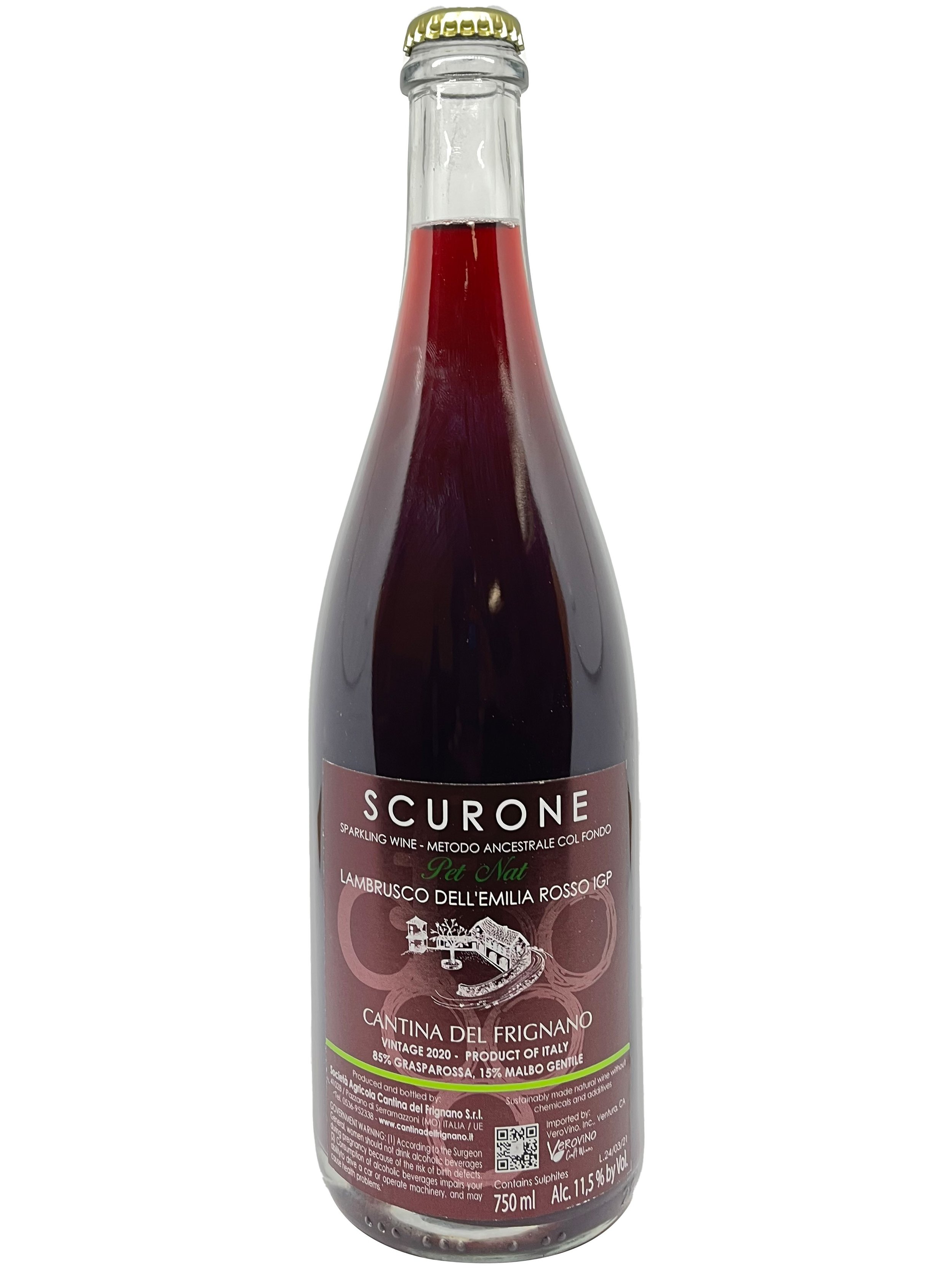
This is an ancestral method Lambrusco made primarily with the Lambrusco Grasparossa grape, and with some Malbo Gentile grape, which is local to the area of Frignano in Modena. It is a lighter red ruby color, light effervescence, a nose that has red fruit with hint of orange peel. It is fresh and fruity, with plum taste, and grippy tannins and noticeable texture.

With a persistent perlage, a bright gold color lights up the glass as complex exotic fruits and citrus aromas burst forth. Tasting, it is a dry wine with a delicate balance of acidity and sapidity keep you sipping and enjoying until the last drop.
The volcanic soil of the Sandro de Bruno vineyards lend well to this ancient, yet up and coming grape known as Durella. With a thick skin rich in polyphenols, they expertly craft this grape in a sparkling wine using a classic Champagne method. A zero dosage, for 36 months the wine rests on the lees before dégorgement and it then rests again.
It is markedly less intense than its 60 month aged and 100 month aged counterparts, creating a great entry point to the durello grape. You can try all three of these wines for yourself in the Durello Flight Set!
Tastes Like: Limes and Green Apples
Farming & Winemaking Highlights: Sustainable Winery | Volcanic Soil | Bottle Fermented | Champagne Style
Fun Facts: - “Linear and polished” is how Kerin O’Keefe in this Wine Enthusiast review describes this 95 point wine.

This Extra Brut Champagne style sparkling wine captivates the senses with complex flavors of lemons, delicate caramel, and underlying notes of apple, stone, and citrus pith.
It is a full-bodied sparkling wine, with a deep golden color and a marked minerality of flint and sapidity. The thick-skinned Durella grape thrives with long aging, and this wine’s 60-month on the lees aging delivers a fine, persistent perlage and a beautifully creamy texture on the palate.
It is markedly more intense than its 36 month aged counterpart, but less so than the 100 month aged counterpart, cutting a nice middle road between the two. You can try all three of these wines for yourself in the Durello Flight Set!
Tastes Like: Lemon cake and lemon pith
Farming & Winemaking Highlights: Sustainable Winery | Volcanic Soil | Bottle Fermented | Champagne Style
Fun Facts: - As noted by Kerin O'Keefe of Wine Enthusiast for a past vintage, this wine presents a "smooth dry and delicious" profile with a bright acidity, resulting in a persistent and evolving experience with every sip.
- Crafted by the winemaker of Sandro de Bruno on high-altitude volcanic soils, near the romantic city of Verona.
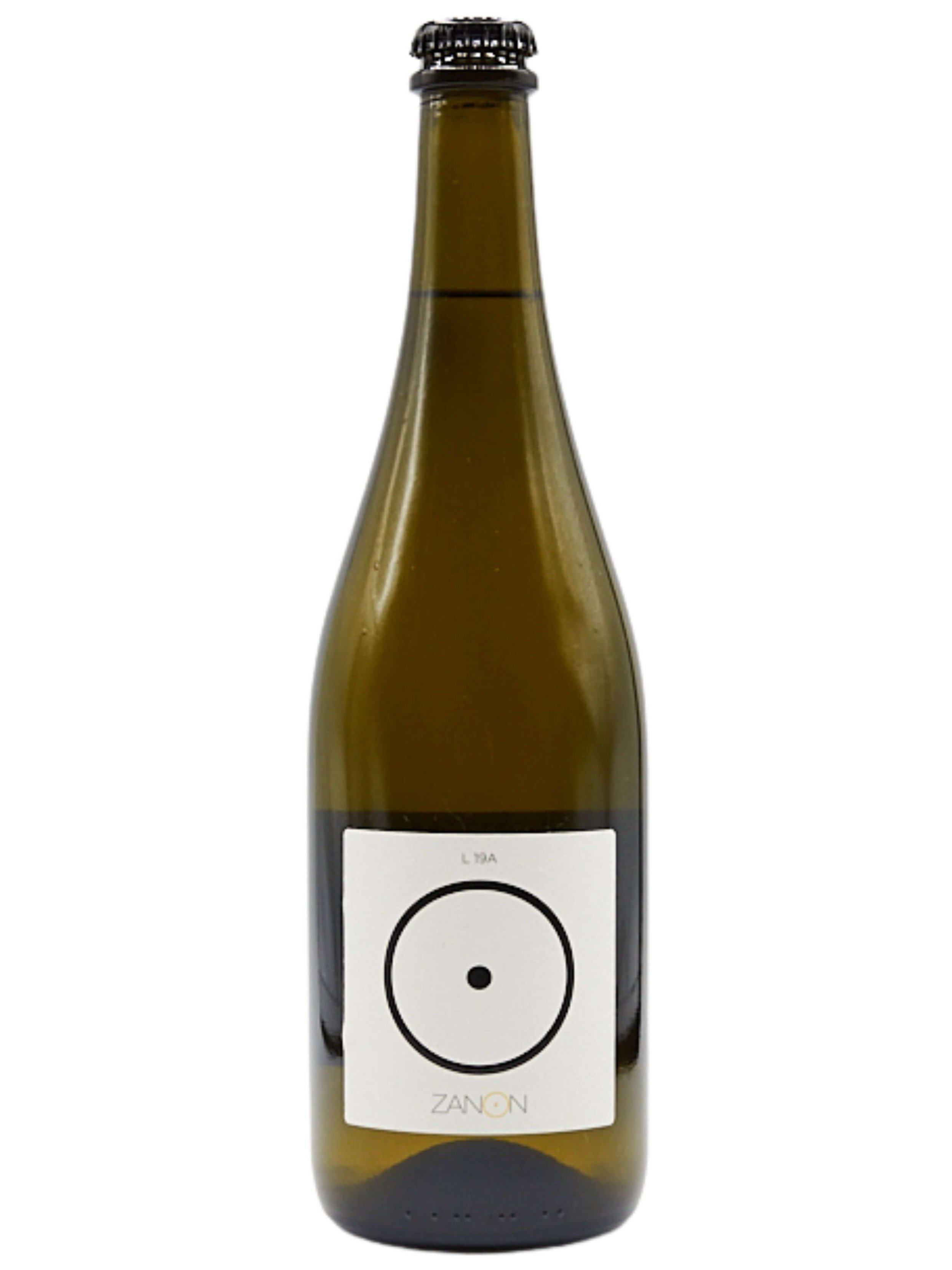
A 100% glera grape white sparkling wine made with native yeast fermentation, this natural wine vintage “prosecco” is from vineyards in the old part of Valdobbiadene, made also in the historic tradition of the ancestral style, or Pet Nat, as it is bottle fermented on the lees. A light color, giving an early hint to its bright acidity, the bouquet of citrus and lemon flowers bursts forth in the glass once it opens. When tasting this ancestral method natural wine, apricots and persistent bubbles create a sparkling wine that is enjoyable with brunch, aperitivos , get-togethers, you name it.
The circle and dot logo represents both the human existence and evolution, as well as winemaker Eros Zanon’s personal view of his vineyards, a dot of small-production boutique quality in the larger circle of large-production Proseccos.
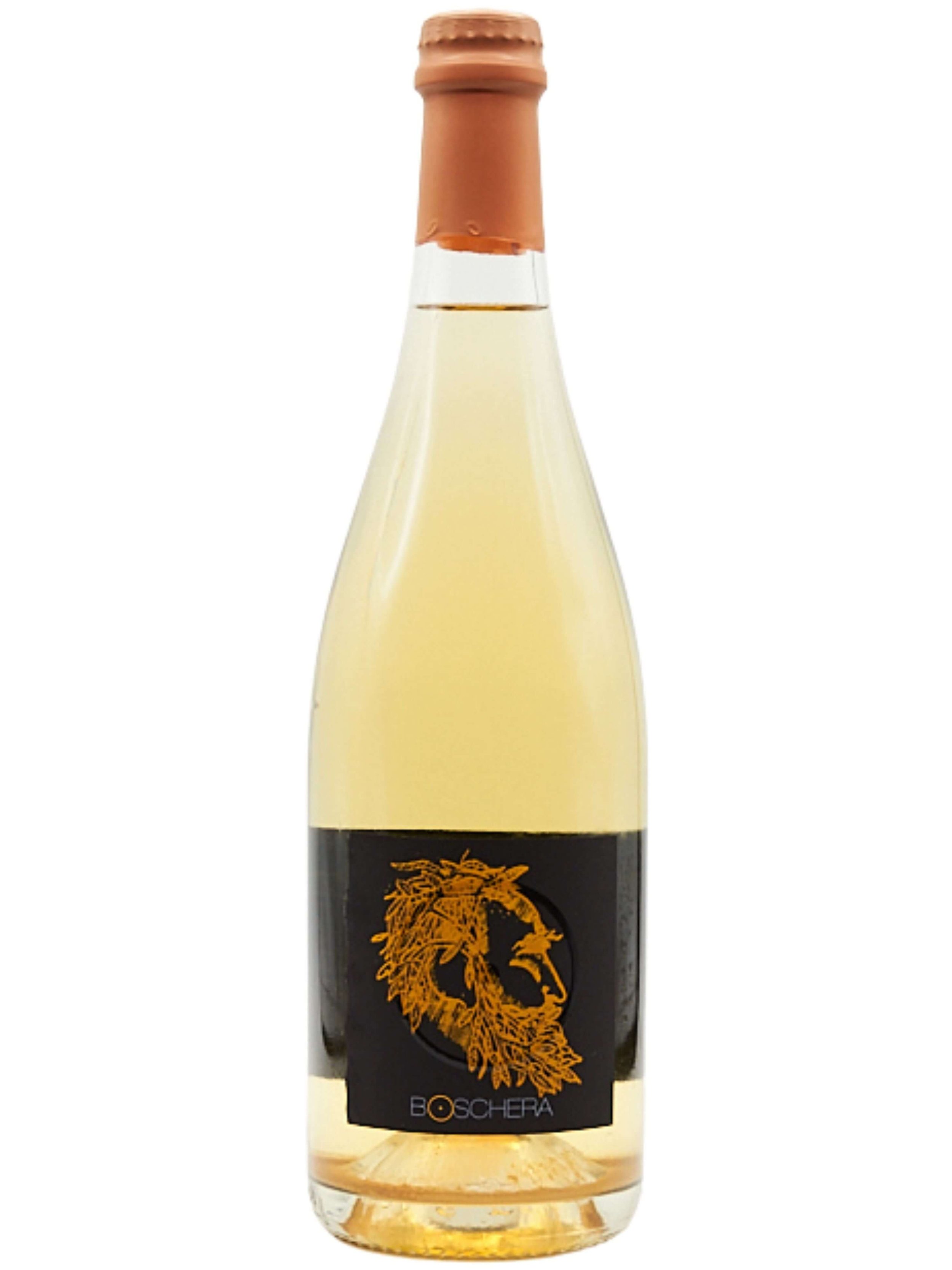
This is an unfiltered sparkling wine made similar to the champagne style from a rare grape called Boschera, native to Veneto, Italy where there is less than 20 acres in the world! We were the first to import this grape into the US!
Compared to the Prosecco grape (Glera), Boschera is more complex, and in fact this wine has been aged for over 3 years in the bottle on the lees.
With 2 days of skin contact giving it a deep yellow color, this native yeast fermented natural wine is then refermented with its native lees and then undisgorged, so it is unfiltered and continues to age on the lees too, allowing it to become more complex over time.
You can say it is a vintage & aged ancestral method, or Pet Nat style, also called Col Fondo in Italian since it is on its lees. It has herbal, nutty and yeasty aromas and savory taste with a long saline finish. Pairs with many foods & throughout the meal, from appetizers to main course.

Before this 'modern era' of Proseccos made with the Charmat method, Prosecco was made with the ancestral method, like this wine, Codolà, where fermentation takes place in the bottle, and it is not disgorged. This means that the wine is unfiltered since it is on its lees. In Italy it is also called a Col Fondo sparkling wine and in the US, we use the French term ‘Pet Nat’ to describe this wine. This results in a white sparkling wine whose aromas and flavors continue to evolve while they are in the bottle. This Col del Balt white sparkling wine made by the Sanzovo brothers has a straw yellow color with lots of fine bubbles and green herb and pear aromas with a hint of lemon zest. It has 0 residual sugar and it tastes dry and clean, with a slightly bitter, lemon rind tasting, finish.

“This is a wonderful DOCG Prosecco. It has very balanced fruit that intertwines with jasmine, green apple, and subtle herbal notes. The palate is elegant with soft, lazy bubbles winding to the top of the glass. It is a joy on the palate, and the balance is undeniable. Such a good wine.” This is how VinePair describes this small production Prosecco in their curated list of the 20 Best Proseccos where this wine beat out all 20 with the highest rating of 93!
In fact, when we had first imported this wine, it was the first time it was in the US market. It took us a while to find a 'good' Prosecco, meaning one that had enough acidity to balance out the fruit along with one that had some personality, and all of Col del Balt Proseccos have great balance.
Made from glera grapes in one of the best areas for Prosecco, Valdobbiadene, this high quality Prosecco has fruity aromas that remind you of fruit cocktail. Its taste is fresh, balanced, nice fruit and minerality with a round mouthfeel and pleasant finish. This extra dry white sparkling wine has approximately 14 grams of natural residual sugar which you don’t taste at all since the acidity balances out the natural sugars.
As well, the new arrival is to be a special Millesimato Valdobbiadene Prosecco Superiore, meaning not only does it come from the select Valdobbiadene “heart” of Prosecco, but it is also from a singular vintage, not a blend of multiple vintages like many Proseccos.

Made from Glera grapes in one of the best areas for Prosecco, Valdobbiadene, this is a crisp, clean delicious dry Prosecco DOCG with a light yellow color and lovely effervescence. It has notes of pear with a minerally flavor and a citrusy, slight bitter finish reminding you of the rich terroir where this wine comes from. This Col del Balt Brut Prosecco made by the Sanzovo brothers has approximately 5g of residual sugar. As well, it is a special Millesimato Valdobbiadene Prosecco Superiore, meaning not only does it come from the select Valdobbiadene “heart” of Prosecco, but it is also from a singular vintage, not a blend of multiple vintages like many Proseccos.
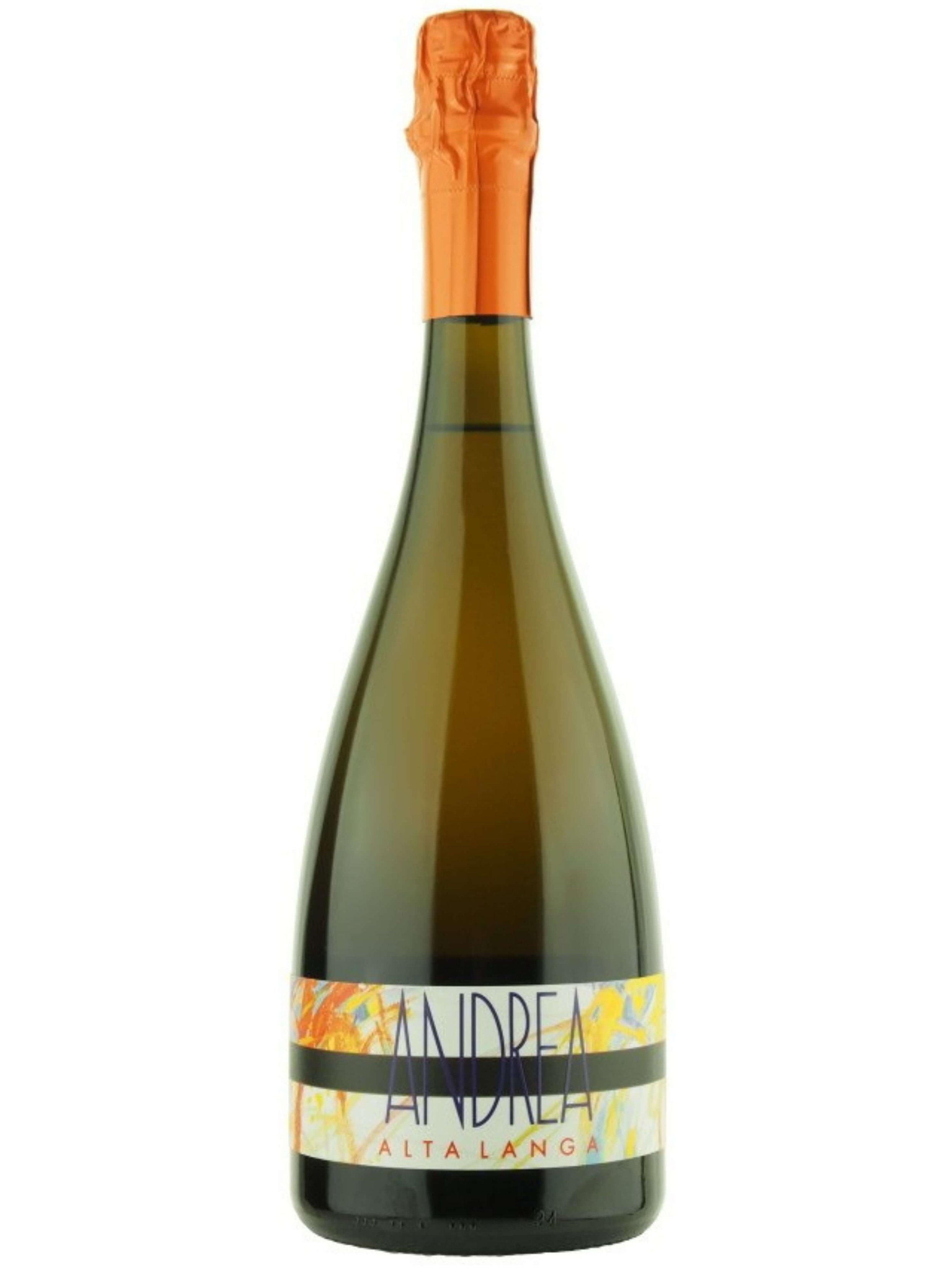
This Alta Langa Spumante, or an Italian sparkling wine, is an Extra Brut, with flavors of bread crust, caramel and candied fruit, with great acidity and salinity, a hint of sage and a long mineral finish.
Made following the traditional Champagne method, it ages on the lees for 30 months in the bottle. Alta Langa is a newer DOCG that is steeped in history and is an up-an-comer amongst Italian traditional method sparkling wines.
This vintage wine is from vineyards at 200 meters that are harvested slightly late to give the wine more structure. A Blanc de Blancs made from 100% chardonnay grapes, fine and persistent bubbles are present with an inviting straw yellow perlage.
Tastes Like: Bread crust, caramel, and candied fruit.
Farming & Winemaking Highlights: Regenerative Agriculture | Sustainable Winery | Biodynamic | Bottle fermented | Champagne Style
Fun Facts: - This wine is named for the current winemaker, Andrea Ivaldi, the 4th generation of his family to make wine, and the first to make a sparkling wine.
- A certified sustainable winery, Ivaldi practices regenerative farming.
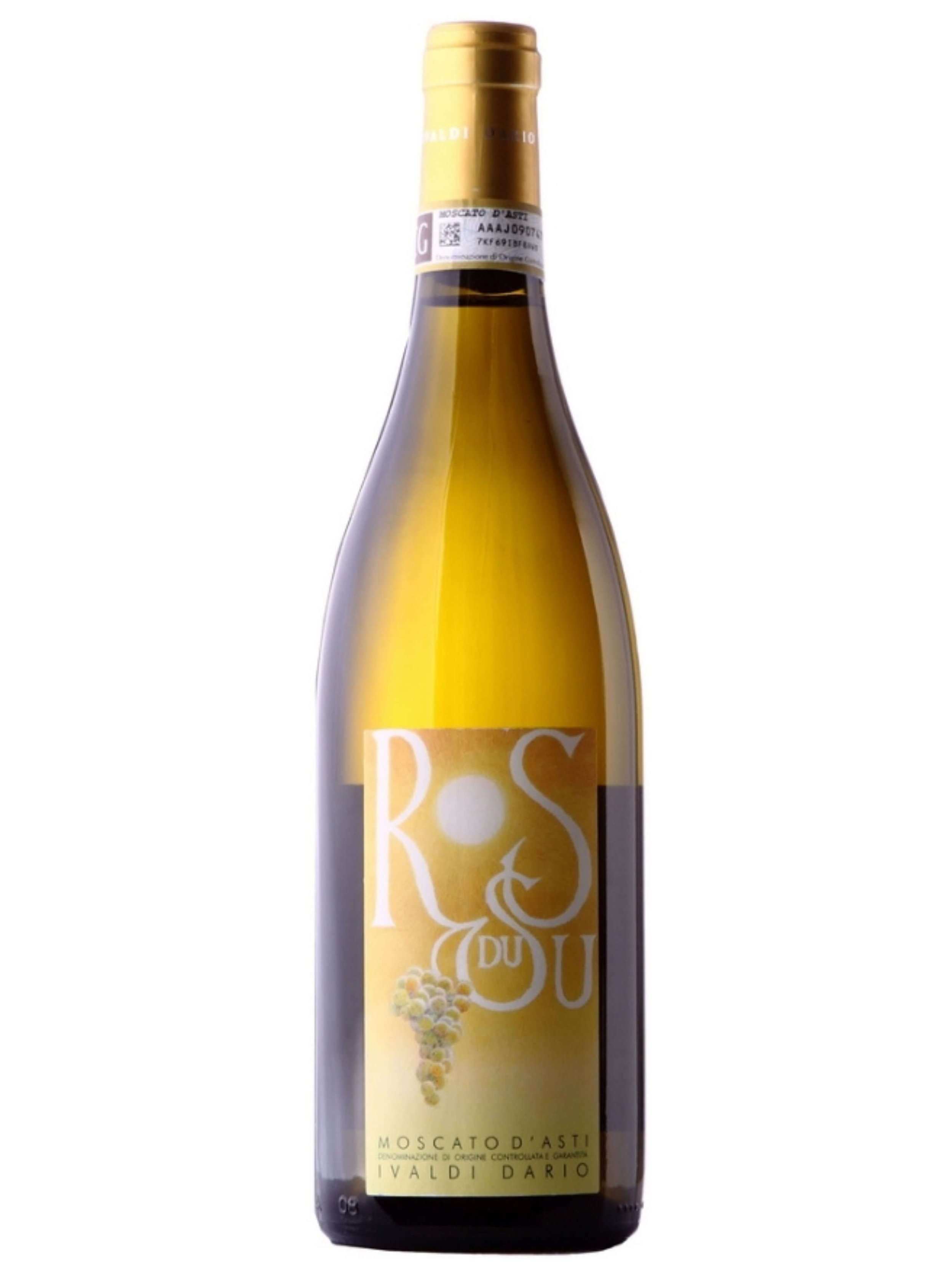
Who doesn’t like chamomile and honey? That’s what this wine reminds you of! It’s a Moscato d’Asti that appeals both to sweet wine lovers and dry wine drinkers wanting a moment with a touch of sweetness.
The name of this wine, Ros du Su, means ‘Rays of Sunlight’ in Piemontese dialect where this Moscato d’Asti comes from. Looking at its bright, golden-yellow color, it is easy to understand the inspiration for this name.
In the glass, the aromatic qualities of moscato are the first noticeable aromas, but underneath subtle and persistent notes of honey and acacia and chamomile flowers come forth creating a complex bouquet. Tasting, the sweetness of the residual sugars are well balanced with freshness and sapidity. A pleasant wine that keeps you sipping, it pairs well with desserts, but is every bit as enjoyable alone in contemplation.
A certified sustainable winery, Ivaldipractices regenerative farming.
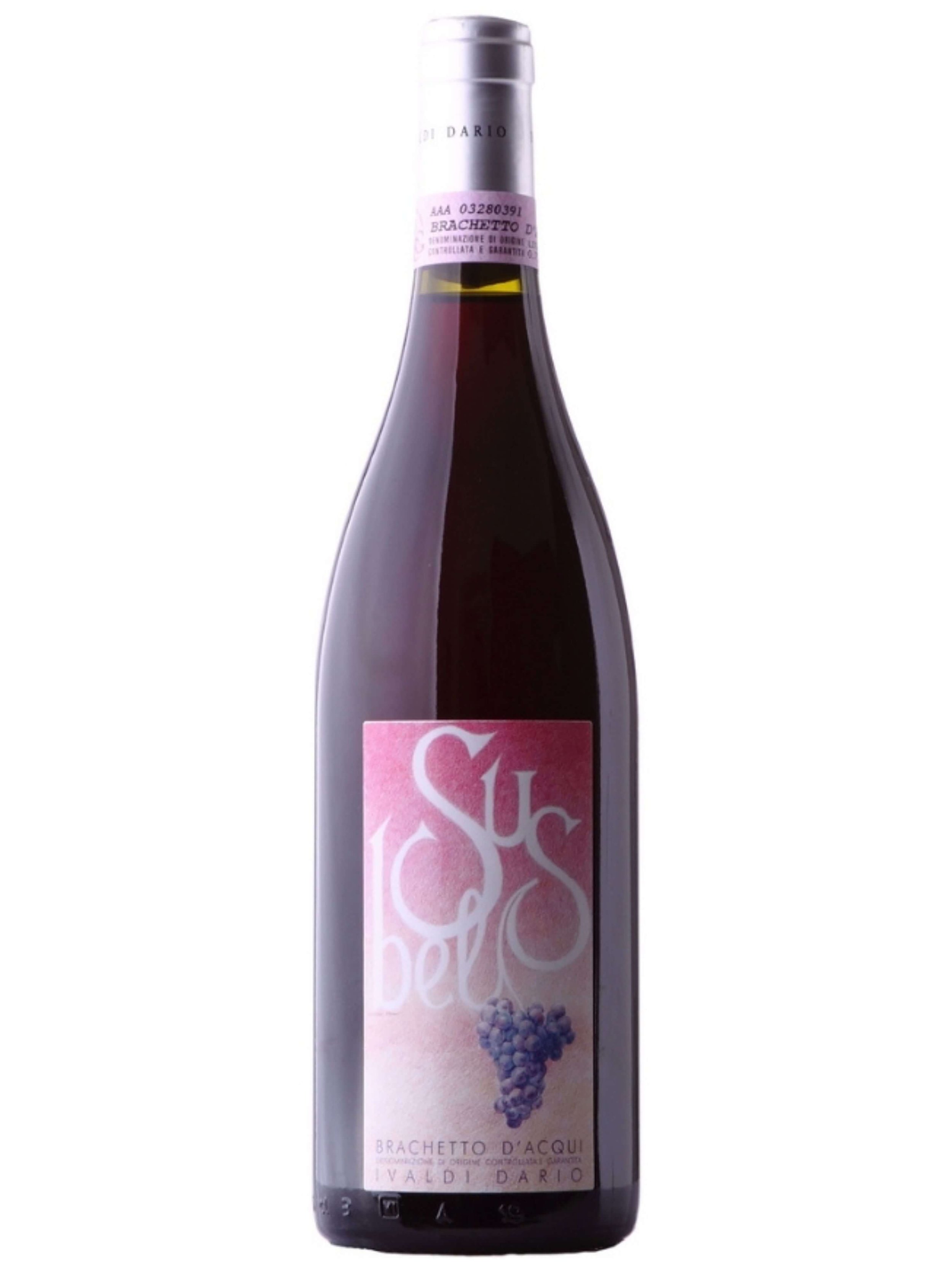
“Can we make Brachetto popular, please?” is how VinePair headlines why this artisanal, aromatic red sweet sparkling wine, just recently imported by us first time to the USA, made it to VinePair’s list of 13 Best Sweet Wines.
An aromatic grape, brachetto, creates a pleasantly slightly sparkling sweet red wine, with delicate rose flower and strawberry notes and strawberry and hibiscus taste. ‘Susbel’, in the local Piemontese dialect of Ivaldi in the Monferrato, refers to the location of the vineyard of this Brachetto d’Acqui, where the sun is bright and well exposed.
Left four days in contact with the skins and fermented with native yeast, this natural wine has a bright and clear light red color, dotted with fine effervescent bubbles. Sipping, the immediate impact is indeed sweet, yet with enough acidity and a hint of tannins to create a harmonious and balanced wine that keeps you coming back for more.
Wonderful to serve slightly chilled to sip with friends in the backyard on a hot summer day, or to serve with fruity desserts. Try pairing it with cheese, like with Humboldt Fog goat cheese - it goes incredibly well. It can also pair with charcuterie. Made with native yeast fermentation and has a residual sugar of 120 g/l.
A certified sustainable winery, Ivaldi Dario practices regenerative farming.