
ABC’s of How to Make Wine
We write about wine all of the time. In fact, it is a good five years now that we regularly publish articles on the subject. But, it just occurred to us that we never wrote about the basics of winemaking. Sure, most of our blog readers know the “how to” of winemaking but the process is actually quite intricate and there is always something to brush up on, or learn a new technique. In fact, do you know that not all wine is made from grapes? Well that’s a discussion for another time.
This article outlines the basic building blocks of winemaking from grapes, like sugars in grape juice that is fermented into alcohol, wine aging choices, and particulars of red winemaking, natural winemaking, to arrive at the final flavors of what we find in our glass. We break down, step by step of how to make wine grapes to bottle, specifically still, dry wines. To learn how to make sparkling wine check out this article, and check out this article for how to make sweet wine. As you’re reading, feel free to browse our previous “Wine 101” articles like on starting a vineyard, the anatomy of the grape and vine, and grape vine training.
Step 1: Harvest
The grape-to-bottle pipeline starts on the vine; or rather, with the removal of grape clusters from said vine. While, as we talked about in our vineyard training article, this can be done mechanically with tractors, or by hand with crates. While terrain or training method might play a choice in this, winemakers might also choose to hand harvest for careful cluster selection (picking only the best or ripest) and/or for preserving the fruit as whole and undamaged as possible.
Another important distinction that can happen at the harvest stage is the choice to produce a single vineyard wine. A lot of wines are made from multiple vineyards (and like in the rare case of Michi Lorenz’s Schist Happens Sauvignon Blanc, not only nine vineyards but four vintages of harvests!), and here winemakers can choose to make the wines all separately and blend them together in the end (like Aldo Clerico’s Classic Barolo), or they can do a single vineyard harvest where all the grapes for a particular wine come from, you guessed it, a single vineyard, no blending here. Oftentimes we will see the name of the vineyard on the bottle, especially when it is a famous or special cru, like in the case of Aldo Clerico’s Barolo Ginestra (which is a single vineyard from the ginestra cru).
From here in the vineyard, be it single vineyard or multiple vineyards, the grapes are transported to the winery for our next steps.

Hand harvesting at Febo.
Steps 2-5: Crushing, Fermentation, Maceration & Pressing
The next steps we are lumping together as which comes first will depend on whether we are making red or white wine. We have decided that the role of “color” in wine is worthy of an article in and of itself. Remember to subscribe to the Vero Newsletter to get an email when that article drops!
Once the grapes arrive in the winery, now comes the time to start processing them to jump start the fermentation that will turn juice into wine. Where the steps are going to be criss-crossed a bit depends on whether red, white, rosé, or orange wine is the desired end result. For this article, to simply as much as possible to the bare bones, we will follow a red winemaking procedure, fermentation and then pressing, however note that in a white winemaking procedure this process will be reversed. If you want to learn more about how wine gets it color, and learn the correct order of all the steps for each color of wine, check out our article “Taste the Wine Rainbow”.
Step 2: Crushing
The freshly harvested grapes can be either crushed or left in whole clusters (machine harvested grapes do not have the option for whole cluster processing as the grapes are basically shaken off the vine and off the stems, essentially meaning that only indivudual berries are brought into the winery). Crushing and destemming is to help start the proccess of releasing the juices right away from the grapes, where with whole clusters, the fermentation takes a little longer to start. In some places, like Port, this crushing is still done “the old fashioned way” via stomping.
Step 3: Fermentation (Spontaneous vs Inoculated Yeasts)
Once the grapes have been processed and are in their fermentation vessels, now the real magic happens: fermentation. Here, yeasts will eat the sugars present in the juices of the grapes and as a by product, produce alcohol and CO2. Where do these yeasts come from? Well, there are essentially two ways: native spontaneous yeasts, or inoculation. A winemaker can choose to add commerically selected winemaking yeast to get the wine fermentation rolling. However, there are yeasts present on the skins of the grapes and inherently in the air, walls, and structure of a winery. A winemaker can choose to leave their grapes and juice in contact with the skins, and the native yeasts present will start a spontaneous fermentation. This is a very important choice for a winemaker as the yeasts can impart certain qualities or flavors in a wine, and going the native yeast route can bring out flavors of terroir difficult to find in a commercially created yeast strain, hence why using native yeasts are so important to those that make natural wine. However, it is worth noting that a young new winemaker starting out with new buildings might actually have difficulty in starting a spontaneous fermentation. Over years of use and harvests, these native yeasts will become part and parcel of the winery buildings themselves, growing and multiplying invisibly in the walls and structure. Newly built structures won’t have this benefit, and the yeasts present on the grapes themselves might not be enough to carry the grapes to fully ferment. However, with time, the yeasts will build up and eventually, one harvest, the new young winemaker will be able to have the desired spontaneous ferment.

Jacqueline Mitchell of Ojai Pacific View, tasting the goods just before crushing.
So, wineries that are several years old have an easier time with a spontaneous native yeast ferment, so imagine generational wineries, and all the history of yeasts that are hidden in their walls! It makes yeast decisions for wineries like the three-generational woman owned Italian winery Vigna Petrussa fun and interesting. Where, for example they do a native yeast fermentation for their prized Schioppettino di Prepotto and Schioppettino di Prepotto Riserva, but in a simpler iteration like the unoaked great chilled Rinera Schioppettino they choose instead to inoculate with selected yeasts.
Step 4: Maceration (Optional)
Maceration is simply the time juice spends in contact with the grape skins. In the case of white wines, this will not happen at all. In red wines, it usually happens during the fermentation in winemaking, where heat created during fermentation helps further to extract colors and tannins from the skins. However, this maceration can actually last much longer than just fermentation, and it is up to the winemaker just how much “skin contact” they want to have in their wine. An important note here is that the longer the contact and maceration, the deeper the color and the more tannins that will be extracted into the final wine.
Step 5: Pressing vs Free Run
Now comes the time to separate the liquid from the skins and seeds, or the winemaking sediment also known as pomace. As mentioned before, in white wines this happens immediately after crushing. In red wines, it will happen after fermentation and maceration. There are two main theories here for this separation, and winemakers can choose to utilize one or both of them in conjuction. This is the choice of pressing the pomace to extract the liquid, or letting everything separate naturally via free run. Free run is just as it sounds, a valve at the bottom of the fermentation or crushing vessel is opened and the liquid is allowed to naturally flow out thanks to gravity (some wineries, like Case Corini which has been making wine for six generations, even have specially built windows to allow from fermentation vessels above to drain directly down into aging vessels). This free run liquid is often very pure in flavor, as we will see in a bit why.

Fermenting and macerating grape skins at Case Corini.
On the other end of the spectrum, we have pressing. This is where the entire mass of liquid and pomace are loaded into a big machine and squeezed until all the liquid has been squished out. There are varying degrees and technologies behind pressing. Once upon a time it was done in wooden crates with a hand twisted press. Now, soft cylinders exist with expanding balloons to help soften the press, extracting liquid without the negative consequences. And what are the dangers of pressing? Well, pressing too hard, or basically wringing every last drop of liquid from the pomace, risks breaking seeds that can release bitter oils and flavors and too many rough tannins. However, there is a middle ground, known as “soft pressing” where using a slowly expanding balloon within the press, the pomace can be gently squeezed without risking breakage of the seeds and can be stopped before that “hard press” is ever even arrived to. It is a fine line between deciding how much potential volume to extract from the pomace, vs the quality of what is being extracted.
For this reason, some wineries may do both, a free-run and soft press, separating the liquids to either blend back together carefully or even make different quality levels of wine. Basically, they can let as much liquid as possible free run out, then gently soft press the rest. It is a nice middle ground between the two methods that doesn’t waste anything, while always avoiding that dreaded hard pressing that just damages juices and wines. This is exactly what Case Corini does in their natural winemaking: the majority of their selection of wines, like those wines sold by Vero, are made entirely with only free run wine, while other blends made with hand pressed wines are sold elsewhere.
Step 6: Aging
Not all wines are aged. In fact, some wines are meant to be drunk young, fresh, and without any significant aging. For these wines, they might pass a short period in stainless steel or cement vessels just to allow stabilization (we don’t want those tartrates, or those crunchy crystals you can sometimes find in the bottom of your glass). Then they move right away onto our last step seven.
But for other wines that a winemaker wants to bring out unique flavors in (some tertiary and secondary aromas are only really possible when a wine undergoes aging), they have a couple of options to pick from: stainless steel, oak, cement, and amphora (which we have already done a whole article on in the past, so we won’t go into it here).
Stainless Steel
Starting off with our most neutral vessel (or the vessel that will impart the least amount of extra flavors), we have the classic stainless steel. Easy to clean, available in large sizes, and now included with incredible technologies like temperature control and complete oxygen protection, one can see why stainless steel has become a popular aging vessel. It lets the wine natually develop, without any oxidation or oaky flavors. Wines like the aforementioned Vigna Petrussa Rinera Schioppettino are made using exclusively stainless steel aging.
Another interesting example is that of the Thaya Chardonnay from the Czech Republic. Fresh, light and citrusy, often it is unbelievable it is actually a chardonnay. Why is that? Often, especially Americans that are used to a California Oaked Chardonnay, where that oak will impart different flavors, leaving the chardonnays some people are used to, to be a completely different style.
Concrete
Concrete, or cement, vessels are interesting. Like a middle ground between stainless steel and oak, they are a great inert vessel to age wine in, and in cases like the Febo family in Abruzzo, can be much older than new technologies like stainless steel. In fact, some, like those of Febo, are passed down from grandparents and previous generations, where they age wines like their Parella Trebbiano Abruzzese or Cerasuolo Montepulciano. Again, like stainless steel, cement doesn’t impart flavors on the wine, letting it age naturally without added aromas.
Oak
Lastly, one of the most classic aging vessels: the oak barrel. While “oak” can be added chemically, or with chips of oak dumped into a stainless steel vessel, these are techniques for corporate wine and you won’t see a Vero Producer using them. Here at Vero, when we talk about “oaked wines” we mean wines aged in real oak barrels.

The cement tanks, purchased and painted by Grandma Febo.
Oak provides two main benefits: flavors that come from the oak itself, and slight oxidation or air contact. In the latter, this can be adjusted by time spent in the barrel, meaning some wineries, liket Michi Lorenz and their Zweigelt, may choose to put some of a wine in oak, and the rest in stainless steel, giving a blending of techniques and oxidation. In the former, oaky flavors (toasty notes and vanilla for example) will depend all on the size and how much the barrel is toasted. For example, the all oaked wine Ojai Pacific View’s Dolcetto is aged entirely in “neutral oak”, meaning the inside of the barrel was completely un-toasted, giving off less of the toasty flavors, and more vanilla and oxidation flavors.
As well, another important choice a winemaker can make, is that of new vs used oak. With ever year, as wine is moved in and out of barrels, the barrels will lose slightly their oaky flavor and aroma. This means, we will find the most and strongest flavors in a new oak barrel, and the weakest and least flavors in a barrel that has been used for many years. Winemakers can choose to mitigate the strong oak flavors by putting some one in new barrels, and some in used barrels, then blending the two together. This is, for example, exactly what happens with the Thaya Zweigelt that while is entirely 100% oak aged, 60% of that oak comes from new barrels, and 40% used barrels, helping to raise complexity with a mixture of the two style flavors.
Step 7: Bottling and Final Packaging
Our last step in the wine production pipeline is bottling and final packing. Once the wine is finished aging, it will be bottled (or siphoned into a bag-in-box), corked, and loaded into crates. From here it awaits sale, whether that be years for some final in-bottle aging and resting, or just a few weeks. Once the wine is ready for sale, it will be labeled and packed into the familar six or 12 bottle boxes, ready for shipment and into the hands of wine lovers around the world!

The barrel room at Thaya.
Tasting Wine Production Methods
What better way to learn about the differences in all the choices a winemaker can make, than by tasting them? With wild and scarce Vero wines, our producers carefully farm and craft each wine with passion, and it is amazing to taste their hard work, and their winemaking choices, through opening a bottle of wine from a Vero producer.
We exist to allow all Americans, across the US, from businesses to consumers, to experience the pleasure of a farm to glass wine, and a really good olive oil too. How can you get your hands on the hidden gems we forage for?
If you are a distributor reach out to us introduce our highly curated portfolio of one of a kind small production wines to your state.
We sell to wine stores and restaurants in certain states - contact us to learn more.
If our farm crafted natural wines and olive oils are not in your local shop or restaurant, buy wine online here, and we’ll ship it to you, including wine gifts.
We also have an award winning wine club for true wine explorers that are seeking to continually discover unique, sustainable and authentic small production wines they never had. These are wines selected by our sommeliers and curated for each box.
We do corporate gifts and sommelier guided wine tastings. Email us and we’ll tailor unique and sustainable corporate gift ideas.
Taste Step 1: The Harvest
Multiple Vineyard Wines
Single Vineyard Wine

This unfiltered sauvignon blanc natural wine is playfully named after the limestone, mineral-rich soil where it was cultivated. It’s from the Sudsteiermark, or South Styria, Austria, known for some of the best sauvignon blanc in the world. It has a bright lemon yellow color with an intense reductive nose that has curious complex aromas that develop more once it breaths, such as tropical fruit aromas. The taste has a 'wow' factor with racy, prickly acidity, really nice texture a VERY long mineral finish. Think of what it’s like to lick a rock - this is it! This is your ‘atypical’ Sauvignon blanc, made from a mix of 9 different Michi Lorenz’s estate vineyards, some early, mid and late harvests, and across 4 different vintages using the complex solaris method. A real one-of-a-kind sauvignon blanc.
A natural, and certified organic and biodynamic wine made with native yeast fermentation.

This is one of the best Barolo wines from the Langhe in Piedmont Italy as well as a great value from one of the storied families of Barolo wineries. This Barolo red wine is the maximum expression of the nebbiolo grape from Aldo Clerico. With vineyards right next to those of Domenico Clerico Barolo vineyards, this Barolo is a good substitute for Burgundy wine.
This garnet colored artisan Barolo has red fruit, rose and spicy leather and tea leaf aromas with elegant structure, long finish leaving a silky mouthfeel. On the nose it is very intense while floral notes mix with typical vineyard scents of violets and red berries. On the palate, the violets blend with licorice flavors and noticeable tannins. A creamy texture from the oak barrels creates a pleasant mix of fresh yet complex flavors.
Tastes Like: Cherries and licorice
Farming & Winemaking Highlights: Biodynamic | Native Yeast Fermentation | Single Vineyard
Fun Facts: This is Aldo's first wine made from 5 different Barolo designated vineyards surrounding his home in Monforte d'Alba, all within the Bricco San Pietro MGA. He vinifies each vineyard and then does an assemblage, creating each vintage a unique expression of his nebbiolo vineyards. It is also made with native yeast fermentation, so can be called a natural wine.

Made from the sought-after Ginestra Barolo Cru, this single vineyard wine epitomizes the greatness of the nebbiolo grape from the Barolo wine region, in terms of structure, age-worthiness and fruit expression. The native yeast fermentation used in making this natural wine also helps bring out the special and sought after terroir of the Ginestra cru.
An intense garnet color, on the nose this Barolo tends towards red fruits, with a touch of balsamic notes. As it opens on the palate the elegant tannins harmonize with the acidity for an overall richness that creates a pleasant and enjoyable experience while sipping alone or with food.
Tastes Like: Balsamic Tabacco leaves
Farming & Winemaking Highlights: Biodynamic | Native Yeast Fermentation | Single Vineyard
Fun Facts: The Ginestra cru is very limited and only a few wineries have access to harvest from there. Aldo can thanks to his wife’s, Valentina’s, Conterno family vineyards.
Fun Facts: The hands on the bottle represent Aldo’s two daughters; for this reason he often says this is the wine closest to his heart.
Taste Step 3: Fermentation
Inoculated Yeast Fermentation and Stainless Steel Aging
Native Yeast Fermentation and Oak Aging
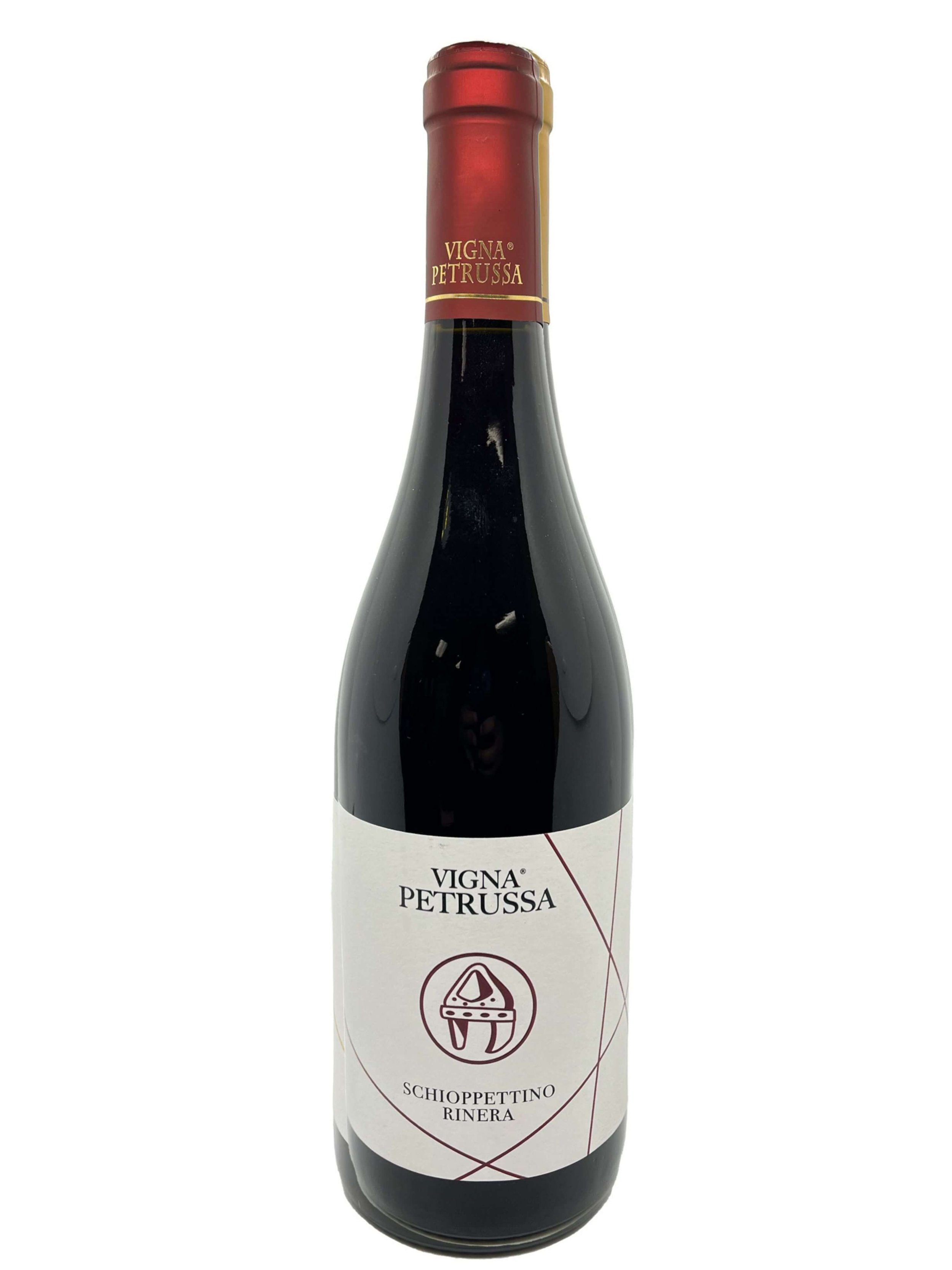
This is an unoaked Schioppettino from a women owned winery who spearheaded the rebirth of Schioppettino in the 'birthplace' of the grape which is Prepotto, Fruili. Having a deep purple-garnet color, it has notes of black pepper and dark fruit. Its taste is tangy, fresh and juicy with a long clean finish. Pairs with many dishes from hamburgers to roast pork. World renowned wine critic, Ian D’Agata calls this Schioppettino a ‘very pretty wine’ and named it a 'Best Buy Italian Wine'.
Some fun facts about this wine:
Vigna Petrussa also calls this wine ‘RiNera’, or a nickname for ‘Ribolla Nera’, local term given to the wine.
The grapes actually come from Prepotto but since it is not aged in oak the winery is not 'allowed' to put Prepotto on the label.
Vigna Petrussa is a certified sustainable and biodiverse women-owned winery.

Prepotto is the birthplace of the hard-to-find Schioppettino varietal. It gets its name from the Italian 'schioppare' or to burst, since the grape 'bursts' in your mouth when you eat it. Aromas and tastes of black pepper and plums. Fermented with indigenous yeasts and aged for two to two and a half years in oak barriques. Strong cheese lovers love to indulge in this wine.
Gold Medal Decanter, plus many other awards. Vigna Petrussa's oak-aged 2019 Schioppettino won the prestigious 3 Bicchieri Award by Gambero Rosso.
Vigna Petrussa is a certified sustainable and biodiverse women-owned winery.

This limited production wine from the birthplace of the Schioppettino varietal is made only in the best years with carefully selected fruit from which Hilde Petrussa makes her own Pied de Cuve native wild yeast. Aged in tonneau for 36 months then 6 months in the bottle. It has a complex nose ranging from black pepper to dark berry compote, allspice and some wild animal fur. Due to its well balanced acidity, tannins and smooth taste, it is a great midway for both Pinot and Cab lovers.
This wine was awarded
a Silver Medal by Decanter
Top Italian Wine in the Go Wine Cantine d'Italia 2024 Guide
90 points by 5starwines
4 crowns by 'Vini Buoni Italiani'
Vigna Petrussa is a certified sustainable and biodiverse women-owned winery.
Taste Step 5: Pressing & Free Run
Free Run
Soft Pressing
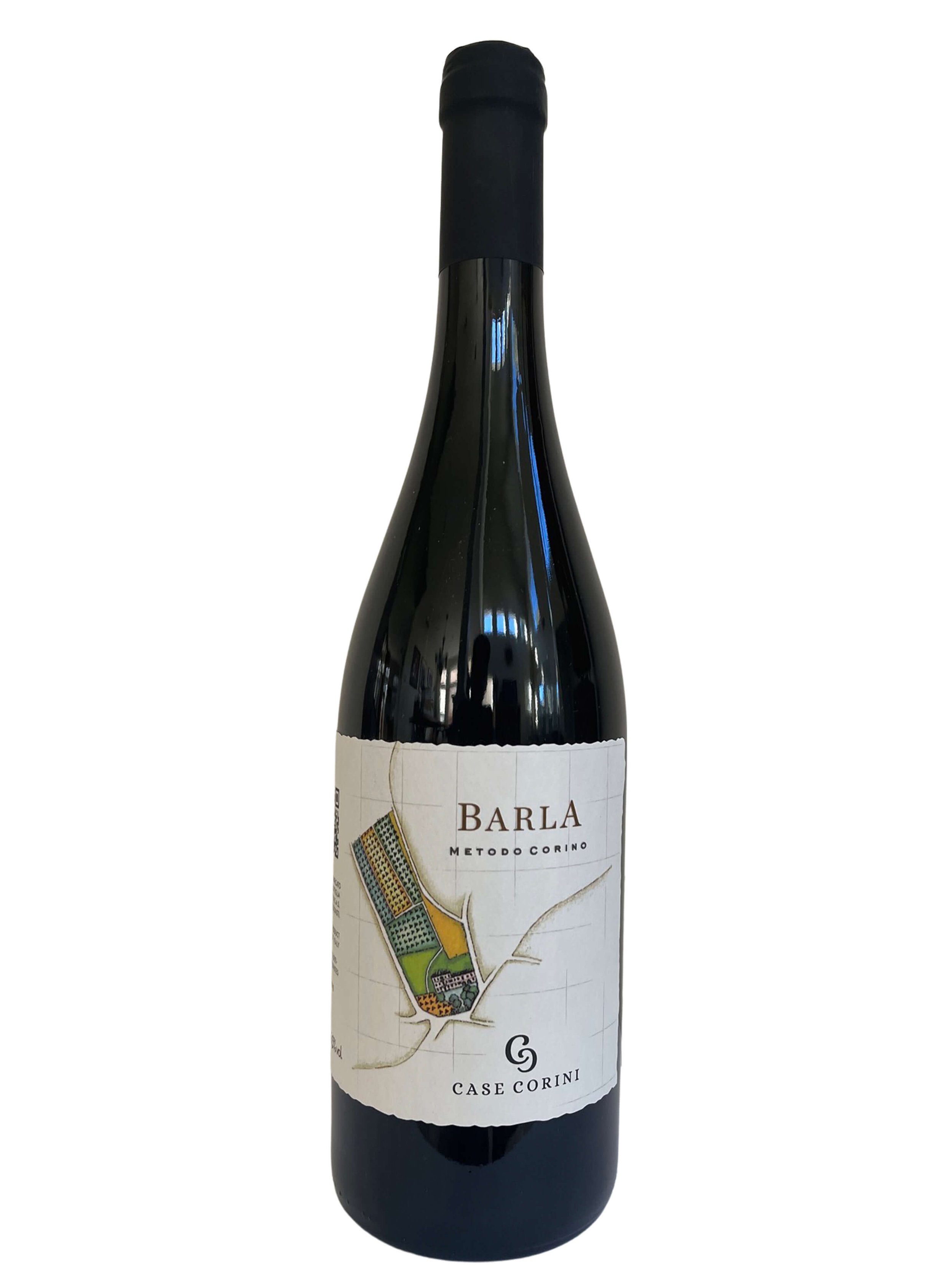
You never had a Barbera like this! Made from 95 year old Barbera vineyard, with some small percentage of other varieties planted over the years in the vineyard. This all natural wine has intense aromas of brandied cherries and a richly textured, delicious dark fruit taste with right balance of fruit, acidity and tannins. Barla is the antique name of the vineyard which used to be the land of an old convent. After a gentle crushing, fermentation starts with native yeast fermentation and wines are left with skin contact for 6-7 weeks, followed by about 36 months of aging in wooden barrels, housed under Lorenzo Corino's family home.
As with all of Case Corini wines, this is a 00 wine, nothing added, nothing removed, no yeast, no sulphites added, organic, biodynamic, vegan. In other words, all natural wine.

Earthy, age-worthy nebbiolo made from 70 year old naturally cultivated vines. Named for the dearly beloved grandfather of Lorenzo Corino. Having a garnet color with orange hues it has a complex, spicy nose with notes of cardamom and cinnamon. When tasting, it is fruit forward, cherry & forest fruits, followed by spices, and chalky tannins envelope the mouth and finishes elegantly. After a gentle crushing, fermentation starts with native yeast fermentation and wines are left with skin contact for 6-7 weeks, followed by about 36 mos of aging in wooden barrels.
As with all of Case Corini wines, this is a 00 wine, nothing added, nothing removed, no yeast, no sulphites added, organic, biodynamic, vegan. In other words, all natural wine.
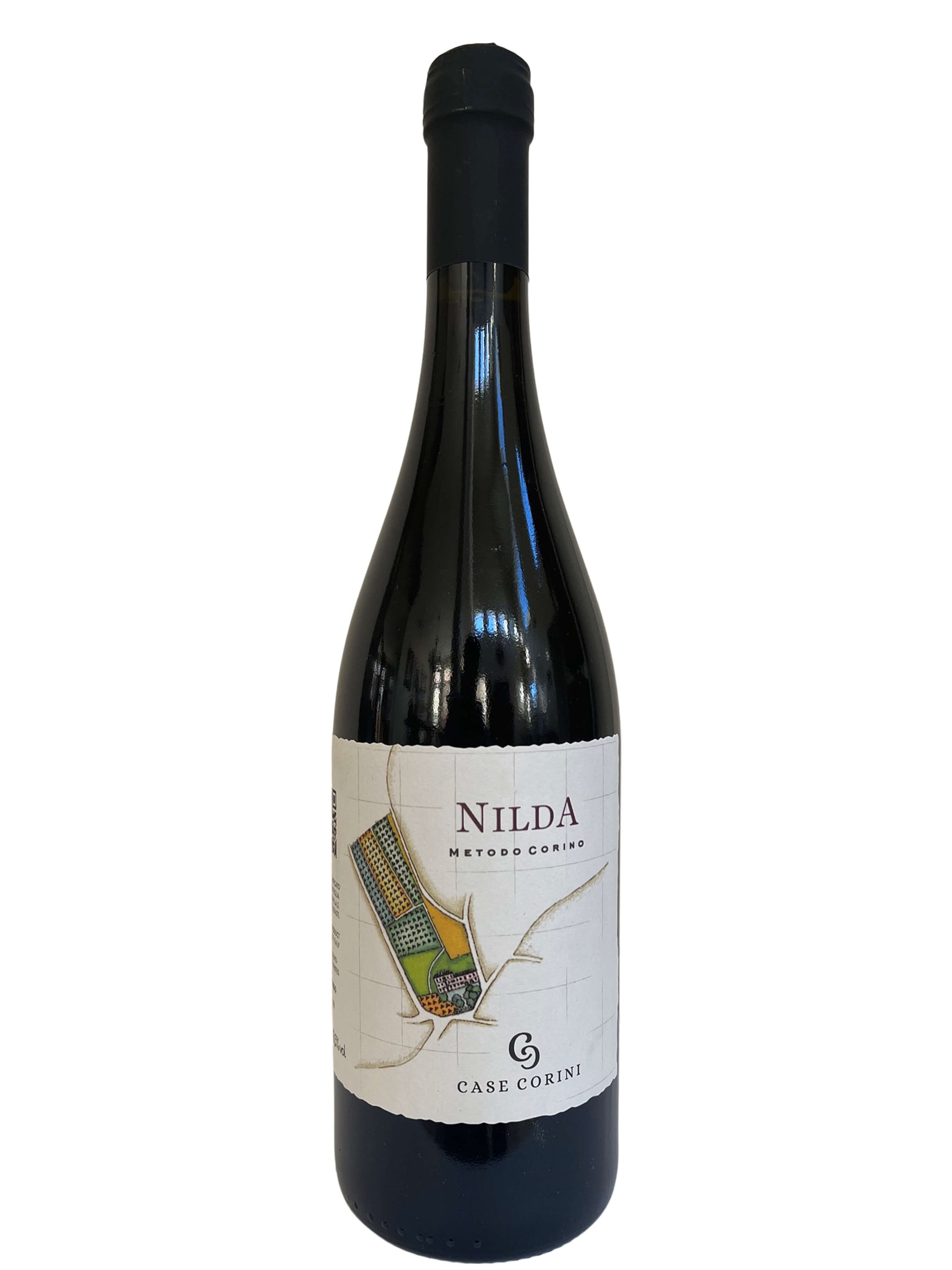
Named after Lorenzo Corino's grandmother, Nilda is Lorenzo & Guido Corino's new red wine from 20 year old vineyards in their hometown of Costigliole d'Asti. It is a field blend mainly of Barbera, along with a mix of other old varieties native to the area. It has aromas of spiced milk chocolate cookies and has a fresh, ripe dark fruit taste with an earthy funkiness and great texture. This vegan wine is made naturally, with no intervention of any kind made and no sulfites added. After a gentle crushing, fermentation starts with native yeast fermentation and wines are left with skin contact for 3-4 weeks, followed by about 12 mos of aging in wooden barrels.
Taste Step 6: Aging
Stainless Steel Aged
Concrete Vessel Aged

From the Czech Republic, Thaya crafts organic wines in the area of South Moravia, near the Austrian border.
A bright lemon color with apple and carnation flower aromas, this chardonnay is round, fresh and fruity with a chalky texture and long finish, all-in-all, nicely balanced. Aged 6 months in stainless steel before bottling.

An organic & vegan natural wine made from 100% trebbiano abruzzese, a white wine grape which the New York Times cites a grape “worth knowing better”. It has an inviting straw yellow color and an exotic nose (look for the saffron!) and an intriguing fruity and herbal taste.
This white wine is age-worthy too! Fermented and refined in grandfather Febo’s concrete vessels.
Region: Italy > Abruzzo > Chieti
Tastes Like: Peaches and Saffron
Farming & Winemaking Highlights: Regenerative Agriculture | Sustainable Winery | Biodynamic | Native Yeast Fermentation | Vegan | Single vineyard | Old Vine | Organic | Natural Wine
Fun Facts: This wine is named from the single vineyard from which it comes, Parella in Chieti.
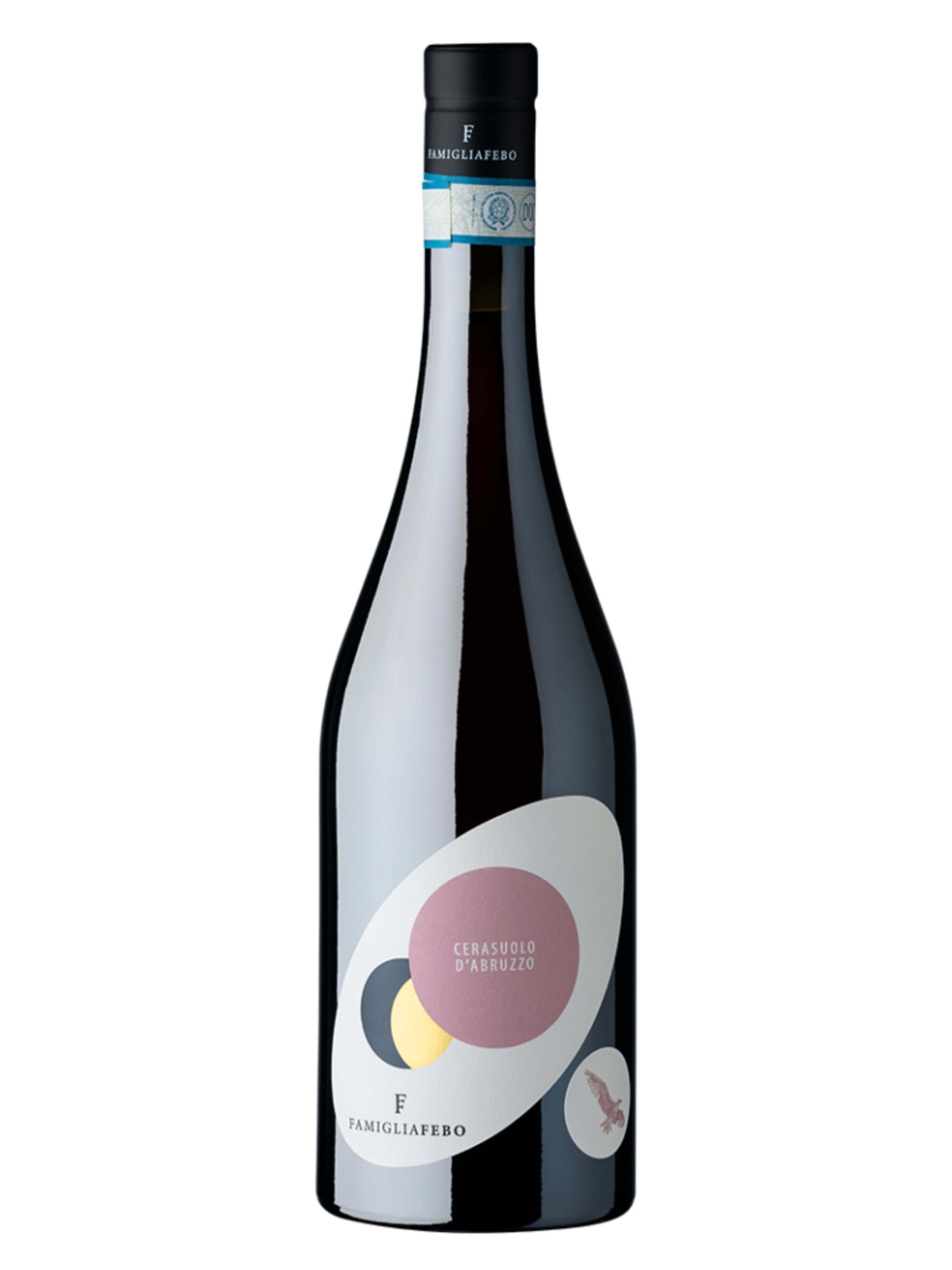
While made as a rosé wine, this Cerasuolo d’Abruzzo is actually more like a light red wine thanks to the dark pigments of the Montepulciano grapes used, farmed on Febo family’s estate vineyards in Abruzzo.
The minimal intervention approach of this natural wine producer results in a lot of vintage variation year after year. For example, the 2021 Cerasuolo d’Abruzzo has a cherry taste with a salty finish, and is considered a “serious” rosé wine while the 2024 is a Rosorange color that bursts with blood orange flavors mixed with cherry.
Region: Italy > Abruzzo > Spoltore & Chieti
Tastes Like: 2021 - Cherries | 2024 - Tart cherries and blood orange
Farming & Winemaking Highlights: Regenerative Agriculture | Sustainable Winery | Biodynamic | Native Yeast Fermentation | Vegan | Organic | Natural Wine
Fun Facts: Both vintages are fermented with native yeast and refined in the winegrower's grandparents' concrete vessels. Great chilled and a good pairing is eggplant parmesan.
Blend of Stainless Steel and Oak Aging
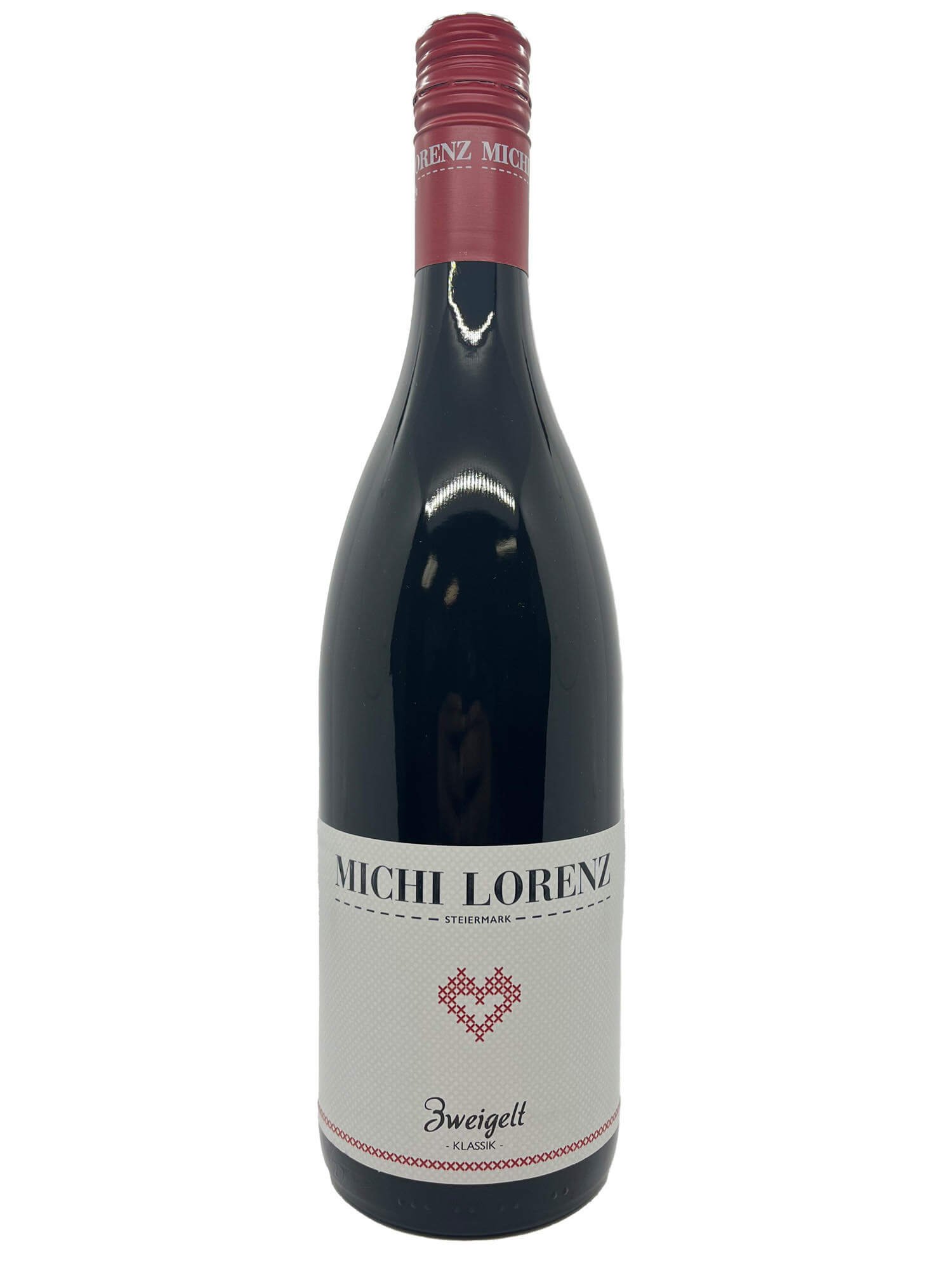
The organic and biodynamically farmed fruit was handpicked from estate hillside vineyards 400 meters above sea level in Sausal. Soils are red schist and loam. The wine underwent native yeast fermentation. After 25 days of maceration on the skins, the wine aged in a combination of stainless-steel tanks and oak barrels with very minimal sulfites added.
The first sniff of this quaffable Zweigelt natural wine is amarena cherries which then leads to vanilla and spice. In the mouth it is fresh with fruit that hides behind the structure and chalky tannins. It has nice texture and a medium slightly bitter finish. It is easy drinking and pairs great with hamburgers.
100% Oak Aging: New and Used Oak Blend
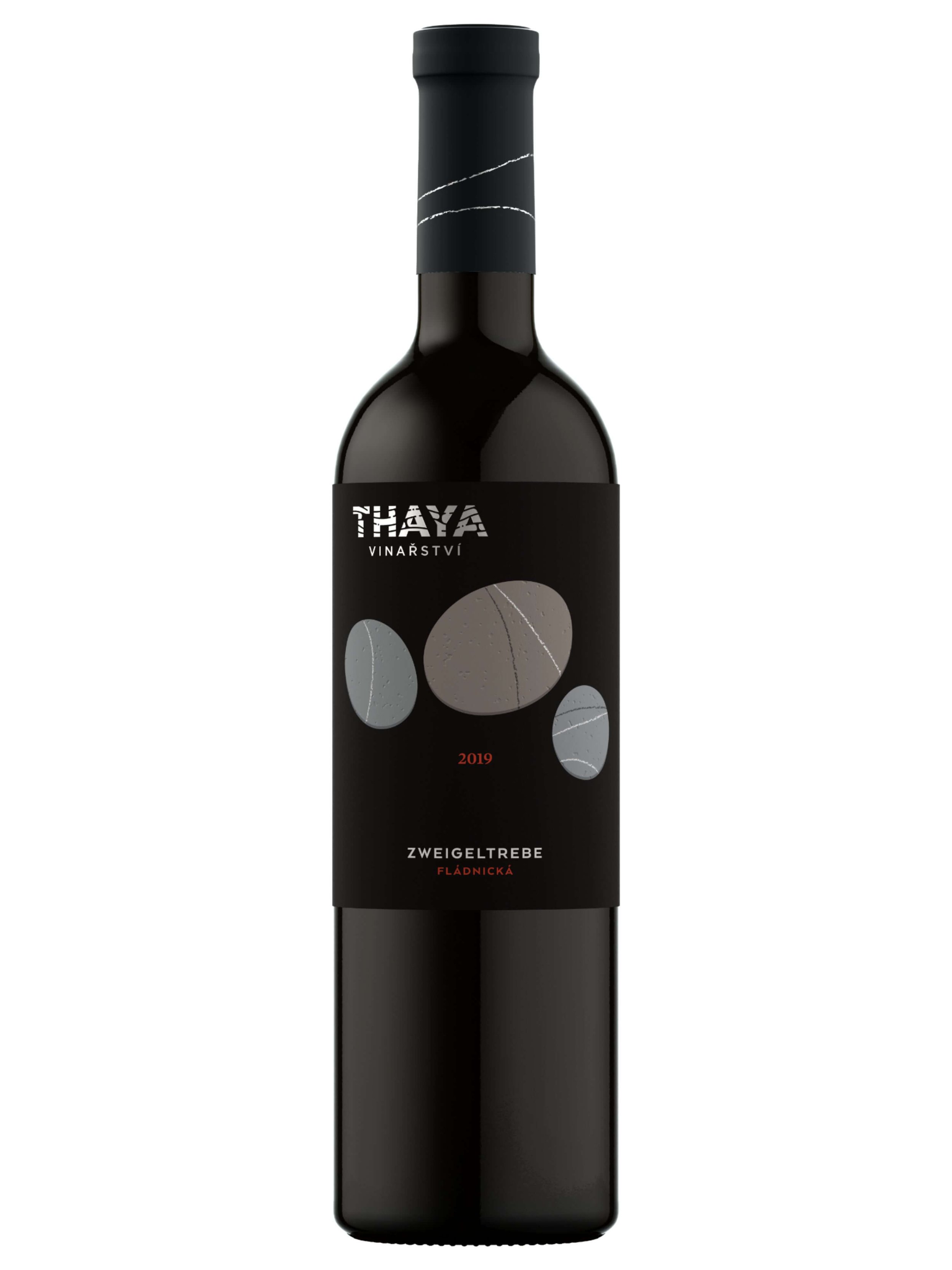
From the Thaya estate winery in the Czech Republic, this single vineyard late harvest Zweigelt, which is called Zweigeltrebe in the Czech language and is a cross between Blaufrankisch and Saint Laurent, is from the Fládnická vineyard and which is in a national park. The wine was made naturally, fermented with native yeasts and aged in french oak barrels (60% new) for 18 months. A robust wine made from grapes with a late harvest ripeness. The color is a dark purple red color. The aroma is pleasantly fruity and spicy, moving into notes of licorice and wild animal. The palate is fruity, full-bodied and long. When tasting you will find it has a ‘little bit of everything’: acid, fruit, tannins and some saltiness. It will have you taking another sip to enjoy it more.
100% Oak Aging: Only Neutral Oak

This mother-daughter winery keep hitting home runs with their ‘experimental’ one acre vineyard of dolcetto on a mountaintop in upper Ojai, California, which started with an idea they brought back with them from Piedmont Italy over 10 years ago. Their super small production Dolcetto experiment is a success, backed up with back-to-back gold medals on their 2019, 2020 and 2021 vintages, and then winning Double Gold and Best of Class in the International Womens Winemakers competition.
The 2020 vintage produced only 23 cases and was aged for over a year in neutral oak. It is fresh and juicy with rich wild berry cassis-like taste. It's an approachable yet complex with a mineral-saline finish. And now, coming off of their wins in 2019 and 2020, Ojai Pacific View has now released the latest edition of their California Dolcetto, the 2021 vintage.
Overall, the wine is a dark purple color, the nose is complex with a mix of plum, herbs, flint and vanilla spice. The fruit and terroir of this old world new world dolcetto red wine that really stands out, thanks to the high altitude and marine fossil soil of this wine estate in upper Ojai.
Here is what other sommeliers are saying about this wine:
Sommelier Marc R. Kauffman:
“Fine wine from Southern California! Italian varietals have been attempted in California with some successes and some not so good examples over the years. The 2019 California Dolcetto from Pacific View Vineyard and Winery is a stunning success! Darkly brooding in the glass, aromas of cedar, spice and vanilla offer a promise of seriously complex wine. Dark cherry and blackberry flavors mingle and dance in your mouth. The tannins are smoothly integrated, and the finish is so smooth I did not want it to end! Harmonious is the one word I would use to describe this wine. This is the third vintage from a very small plot of Dolcetto grapes growing high above the Pacific Ocean in a secluded spot north of Los Angeles. Available only in limited quantities direct to consumer or to a few select restaurants it is well worth the effort to search it out.”