
Breaking Down Sugar and Wine

Sugar in wine has become a hot topic as Americans’ have put wellness as a higher priority in their lives. Some shrewd wine companies have hopped on the band wagon whose sole value proposition pertains to how much sugar is in their wine: from sugar free wine, to low sugar wine, and pitching dry wine as a “better for you” choice (is it really?). Then some others have found other crafty ways of claiming that their wine is healthy, like the infamous “clean wine” pitch made by a famous actress and her business partner that got the US government to speak up about it.
Nevertheless, we “get” the need to balance your health while enjoying not only wine, but food as well. In fact, this led us to publish this article about applying the concept of mindfulness to wine and food as a way to keep healthy while not prohibiting you from enjoying really good wine and food.
But being that sugar seems to be a “bad guy” when it comes to wine, we decided to hone in on the topic and get the facts on the table about sugar in wine. Here goes…
Sweetness in Wine
Sweetness is one of the primary tastes and fundamental components of any wine. Yet determining the interaction of sugar and wine is a complex matter and can be confusing to those buying wine as well as those selling wine. You can ask any two people to taste a wine and evaluate its sweetness level and you are likely to get two divergent answers. While both people are tasting the exact same wine, their perception of sweetness and the way they describe that sweetness can be vastly different. This poses a challenge for consumers when searching for wine at a retail shop, in a restaurant, or when purchasing wine online, and can be equally challenging for the salesperson, sommelier or wine marketer when trying to decipher what the consumer is looking for.
Every person’s tolerance and perception of sweetness is unique and different. For instance, someone tasting a Napa cabernet sauvignon could call it a sweet-tasting wine, due to the abundance of red and purple fruit notes, while another would call the wine bone dry due to its lack of sugar sweetness and its bold tannic structure.

What Makes Wine “Sweet”?
Sugar in wine is the main source of perceived sweetness in wine; however sugar comes in different forms. Sucrose is the main sugar inside any plant, including grapevines. Sucrose is a combination of a single glucose and a single fructose molecule, which break down during the ripening process, so when the grapes begin to ferment there are equal parts sucrose and fructose. During fermentation, however, the yeast prefers to eat up the sucrose, so the remaining sugar, known as “residual sugar”(RS), is typically a majority fructose, which tastes much sweeter than glucose. Ever heard of high-fructose corn syrup? Americans love their sweet things, and this is what savvy packaged food companies use to lure in and keep us eating their products (while also keep us fat)! It’s also a component of many finished wines.
There are other factors that can create a perception of sweetness in wine. Alcohol (ethanol) can have an effect on how wine tastes. Wines that have a relatively high alcohol content (13.5% or higher) can taste sweet even if they are bone dry, which means a bare minimum of RS. The alcohol contributes to the viscosity, or mouthfeel, of a wine, which can be perceived as sweetness on the palate.
Glycerin is another factor that contributes to the perception of sweetness in a wine. The word comes from the Greek and means “sweet,” and it does indeed taste sweet on the palate. Glycerin is present in most wines at a low level, although sweet dessert wines such as Sauternes and Tokaji have it at a much higher level. You can visualize glycerin in a glass of wine by swirling it and watching “legs” form on the bowl of the wine glass. The higher the glycerin, the more persistent these legs!
Pectins can also play a role in wine sweetness. The longer the grapes hang on the vine ripening, the more pectins they contain. Pectins are a jelly-like substance, most often used as a thickening agent in jams and jellies. Fruits like apples and citrus fruit contain a high level of pectin; grapes used in winemaking contain a lower level of pectin, which can taste sweet on the palate. Note that most pectins are filtered out, however some can remain in the finished wine adding to its perceived sweetness.

So, how does the average consumer decipher how much sugar is inside the bottle to determine the wine’s level of sweetness and whether or not it will please their palate?
Sparkling Wines Have Nailed It
We can look to the sparkling wine sector for some answers to the sweetness conundrum. The wine industry, particularly in the European Union (EU), has codified the sweetness levels in a way that brings some sense to the issue, although the terminology can still be confusing to even to the most knowledgeable wine professional!
EU regulations state that the sweetness level of a sparkling wine must be shown on the label (this is not required for “still” wines), and this is expressed in terms such as “brut nature,” “brut,” “extra dry,” “sec” and “demi sec.” But what do these terms mean? Per regulations, such designations are determined by the grams per liter (g/l) of sugar in the finished wine.
For Champagne, for example, the international levels and their designation are as follows:
0-3 g/l = brut nature or brut zero, also referred to as zero-dosage: this is the driest category and a low sugar wine.
0-6 g/l = medium dry: these are very dry.
Up to 12 g/l = brut: these wine are dry, and this is the most popular style.
12-17 g/l = extra dry: these are slightly sweet wine sparkling style.
17-32 g/l = sec/dry: these are noticeably sweet.
32- 50 g/l = demi-sec: these are very sweet.
50 g/l+ = doux or dulce: this is the sweetest category of sparkling wine.
Do you see the confusion? Notice the “extra dry,” category. Logic tells us the if something is “extra” anything, such as “dry,” it would be drier; however, with champagne, “extra dry” is actually sweeter than “dry”! It’s no wonder consumers get confused and uninformed salespeople can steer them wrong!
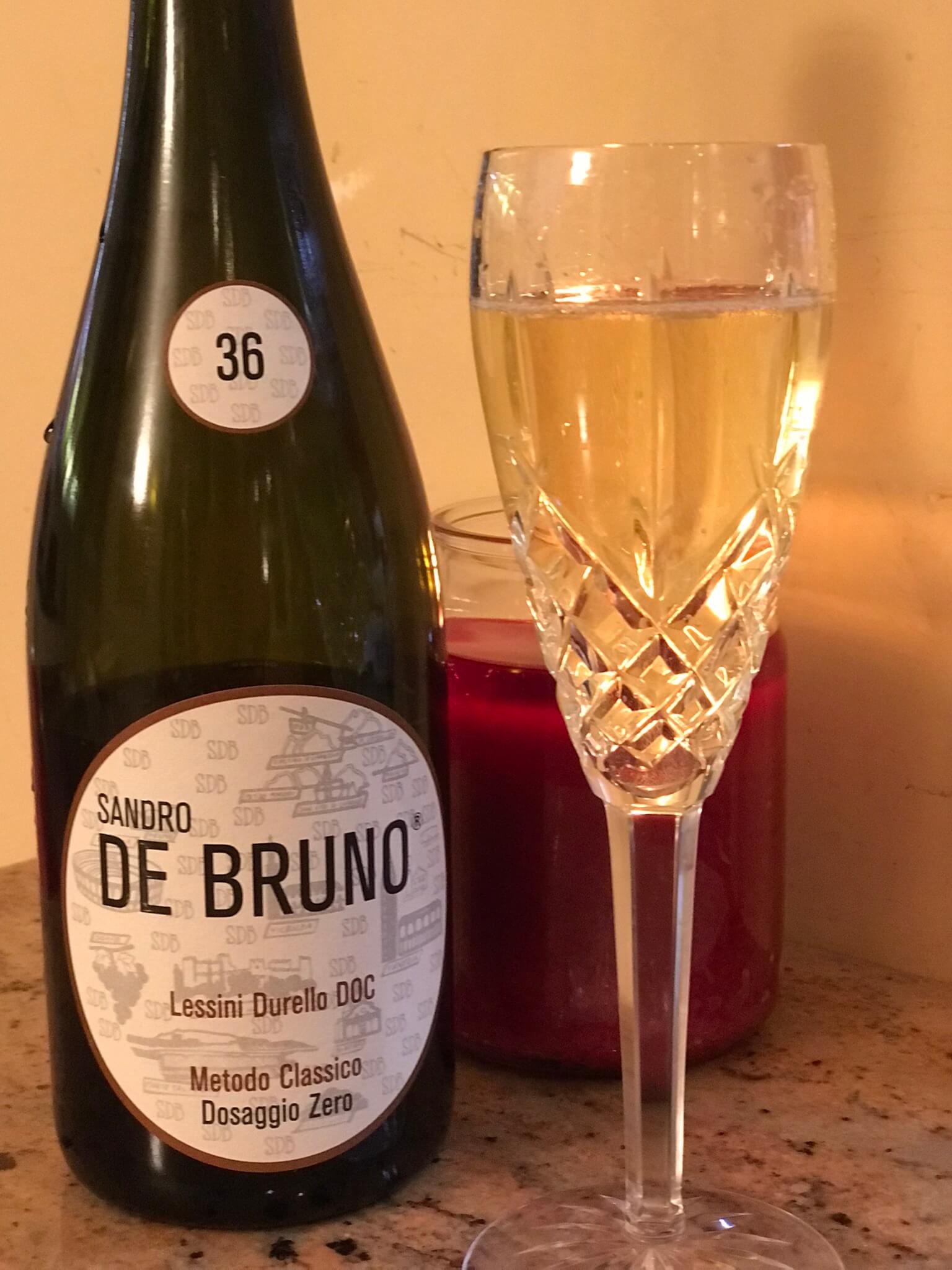
Here’s an example of a zero dosage, or brut nature, champagne style sparkling wine
Prosecco has the same issue. The different levels of sweetness are labeled as extra brut (0-5 g/l, is the driest); brut (up to 12 g/l); extra dry (12-17 g/l), which is off-dry, or slightly sweet; dry (17-32 g/l), which is sweeter than extra dry and brut; and demi-sec (32-50 g/l), which is the sweetest style Prosecco. Dry is sweeter than extra dry! Keep in mind that due to Prosecco’s carbon dioxide (bubbles) and the naturally high acidity of the glera grape (the main grape of Prosecco which you can read about in our previous article), the wine generally does not come across as overly sweet on the palate.
The sugar levels in traditional method sparkling wines, such as Champagne, are achieved through the final addition of a wine and syrup mixture, called “dosage,” which determines the sweetness of the finished wine. Because sparkling wines are so naturally high in acidity, even with the addition of the dosage, the finished wine can still taste bone dry or like a sugar free wine… but not always!
Practical Examples of Sweetness in Sparkling Wine

Here’s a Brut Prosecco by Col del Balt estate.
Some beautiful sparkling wines with varying levels of sweetness that we at Vero import are:
A unique sparkling from Italy is made from the Durella grape. At a recent tasting, wine writer Terry Nozick and wine educator Melanie Webber tried the Sandro de Bruno Lessini Durello Metodo Classico. This Lessini Durella DOC wine, from the Veneto region of Northern Italy, is a zero dosage sparkling wine made in the traditional method. Durella, an ancient grape that can be traced as far back as the 1200s, was once traded for baccala, aka salted cod, with the Norwegians. The tasters noted the beautiful golden colored dry sparkling had persistent bubbles with loads of yellow apple, lemon, a creamy delicacy (it’s aged 26 months) and a touch of flinty minerality. Learn more about this grape on YouTube.
Col del Balt Valdobbiadene Prosecco Superiore Brut, made by the Sanzovo brothers, has approximately 6g of residual sugar. You can watch brothers Fabio and Carlo Sanzovo discuss their glera vineyard in the classic, cool-climate Valdobbiadene region of Prosecco with Vero CEO Sheila Donohue. Learn more about this wine on YouTube. An interesting way to compare and contrast is to look at another wine from Col del Balt: Codolà. This wine made in the ancestral method is like a declassified prosecco bottled on the lees which is super dry as it has no sugar remaining with the yeasts still in the bottle. You can also learn about this wine on YouTube, too.
Ivaldi’s Andrea Extra Brut Alta Langa is a biodynamic Italian sparkling wine (aka “spumante”) made using the traditional Champagne method, which has 13 g/l of RS. Ivaldi’s chardonnay vineyards are grown at 200 meters and he harvests slightly late to give this delicious wine more structure. Learn more about this wine on YouTube.
Experiment with Tasting Different Sugar Levels in Wines
We get that wine lovers want to continue enjoying wine while being focused on their health. After all, “they say” you can add up to 200 ingredients to wine and not disclose it on the label. That’s the beauty of small artisan farmers: instead of being focused on making money, they are focused on their land, traditions and craft, so you know you are getting a wine that has the least amount of intervention and the most care that went into farming and making their authentic wines. By getting wines from small producers, you know you will get a “better for you” wine independent of how much sugar is in it,
We sell our farm to glass wines and olive oils to businesses and consumers across the US:
If you are a distributor reach out to us introduce our highly curated portfolio of one of a kind small production wines to your state.
We sell to wine stores and restaurants in certain states - contact us to learn more.
If our farm crafted natural wines and olive oils are not in your local shop or restaurant, buy wine online here, and we’ll ship it to you, including wine gifts.
We also have an award winning wine club for true wine explorers that are seeking to continually discover unique, sustainable and authentic small production wines they never had. These are wines selected by our sommeliers and curated for each box.
We do corporate gifts and sommelier guided wine tastings. Email us and we’ll tailor unique and sustainable corporate gift ideas.
Article written by Terry Nozick, wine writer and WSET Level 4 Diploma.
Compare and Contrast Different Sugar Levels with these Sparkling Wines

Before this 'modern era' of Proseccos made with the Charmat method, Prosecco was made with the ancestral method, like this wine, Codolà, where fermentation takes place in the bottle, and it is not disgorged. This means that the wine is unfiltered since it is on its lees. In Italy it is also called a Col Fondo sparkling wine and in the US, we use the French term ‘Pet Nat’ to describe this wine. This results in a white sparkling wine whose aromas and flavors continue to evolve while they are in the bottle. This Col del Balt white sparkling wine made by the Sanzovo brothers has a straw yellow color with lots of fine bubbles and green herb and pear aromas with a hint of lemon zest. It has 0 residual sugar and it tastes dry and clean, with a slightly bitter, lemon rind tasting, finish.

Made from Glera grapes in one of the best areas for Prosecco, Valdobbiadene, this is a crisp, clean delicious dry Prosecco DOCG with a light yellow color and lovely effervescence. It has notes of pear with a minerally flavor and a citrusy, slight bitter finish reminding you of the rich terroir where this wine comes from. This Col del Balt Brut Prosecco made by the Sanzovo brothers has approximately 5g of residual sugar. As well, it is a special Millesimato Valdobbiadene Prosecco Superiore, meaning not only does it come from the select Valdobbiadene “heart” of Prosecco, but it is also from a singular vintage, not a blend of multiple vintages like many Proseccos.
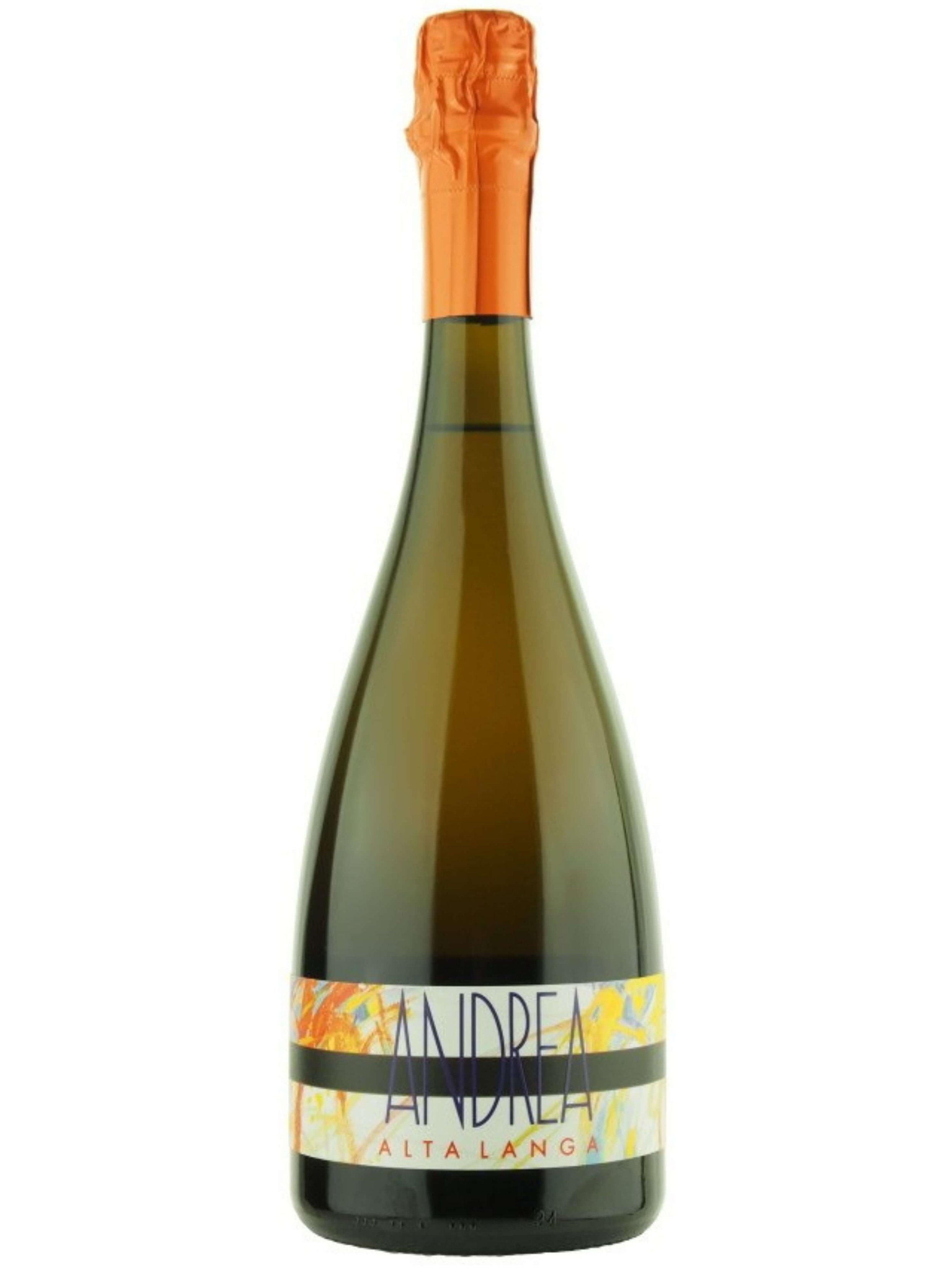
This Alta Langa Spumante, or an Italian sparkling wine, is an Extra Brut, with flavors of bread crust, caramel and candied fruit, with great acidity and salinity, a hint of sage and a long mineral finish.
Made following the traditional Champagne method, it ages on the lees for 30 months in the bottle. Alta Langa is a newer DOCG that is steeped in history and is an up-an-comer amongst Italian traditional method sparkling wines.
This vintage wine is from vineyards at 200 meters that are harvested slightly late to give the wine more structure. A Blanc de Blancs made from 100% chardonnay grapes, fine and persistent bubbles are present with an inviting straw yellow perlage.
Tastes Like: Bread crust, caramel, and candied fruit.
Farming & Winemaking Highlights: Regenerative Agriculture | Sustainable Winery | Biodynamic | Bottle fermented | Champagne Style
Fun Facts: - This wine is named for the current winemaker, Andrea Ivaldi, the 4th generation of his family to make wine, and the first to make a sparkling wine.
- A certified sustainable winery, Ivaldi practices regenerative farming.

With a persistent perlage, a bright gold color lights up the glass as complex exotic fruits and citrus aromas burst forth. Tasting, it is a dry wine with a delicate balance of acidity and sapidity keep you sipping and enjoying until the last drop.
The volcanic soil of the Sandro de Bruno vineyards lend well to this ancient, yet up and coming grape known as Durella. With a thick skin rich in polyphenols, they expertly craft this grape in a sparkling wine using a classic Champagne method. A zero dosage, for 36 months the wine rests on the lees before dégorgement and it then rests again.
It is markedly less intense than its 60 month aged and 100 month aged counterparts, creating a great entry point to the durello grape. You can try all three of these wines for yourself in the Durello Flight Set!
Tastes Like: Limes and Green Apples
Farming & Winemaking Highlights: Sustainable Winery | Volcanic Soil | Bottle Fermented | Champagne Style
Fun Facts: - “Linear and polished” is how Kerin O’Keefe in this Wine Enthusiast review describes this 95 point wine.
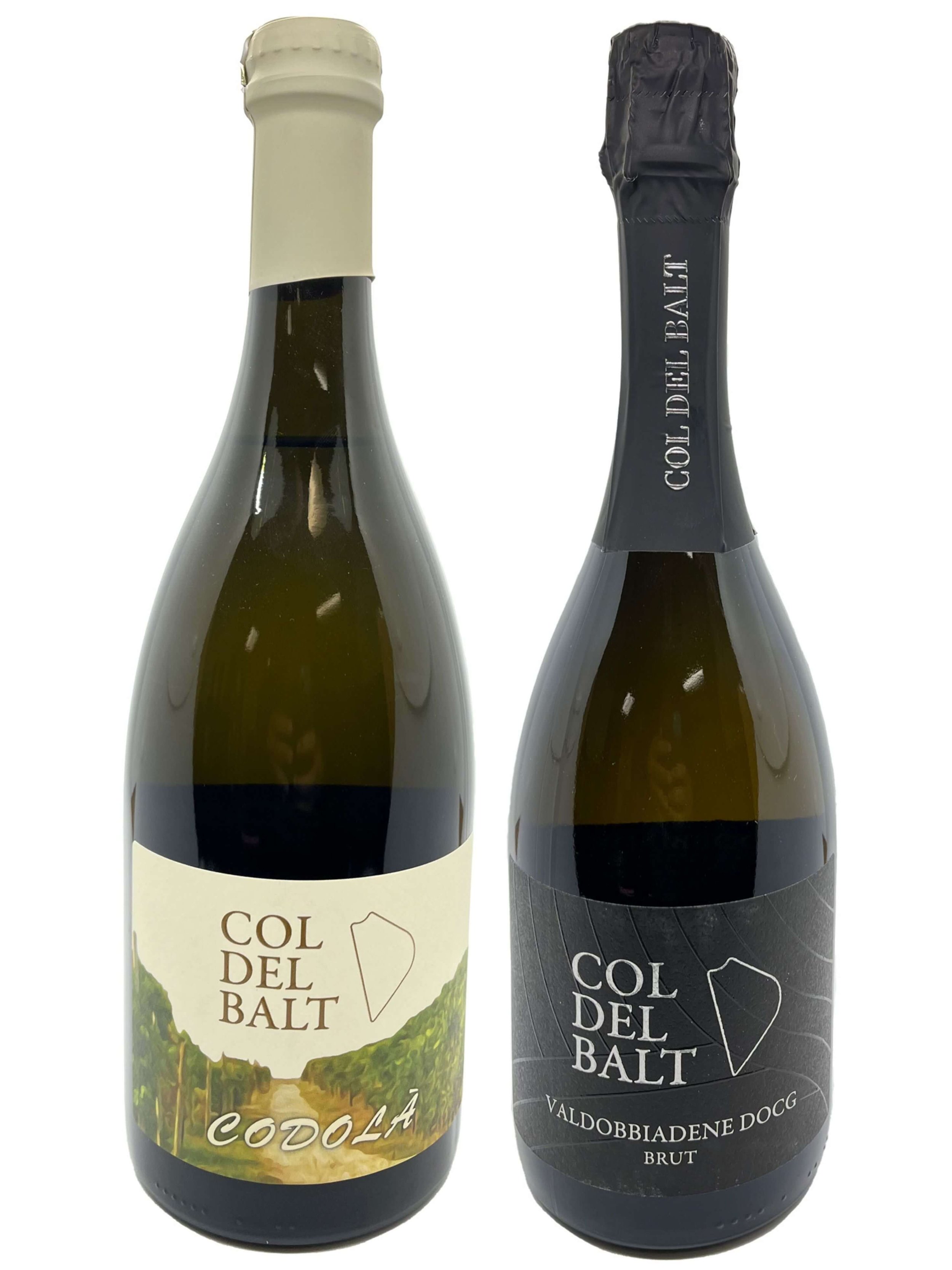
Explore Valdobbiadene, the Prosecco capital of Italy through these two sparkling wines from Col del Balt | Sanzovo. With these two wines you'll taste a delicious, crisp Prosecco Superiore and a Prosecco made in the original style known as the ancestral method, col fondo and pet nat.
Shipping is included in the Continental US for this set, and anything else in your order, so stock up! As well, for a limited time only, we will include for free a patented Professional Sparkling Wine Stopper (a $14.99 value) with your purchase of this set.
Included in this box are:
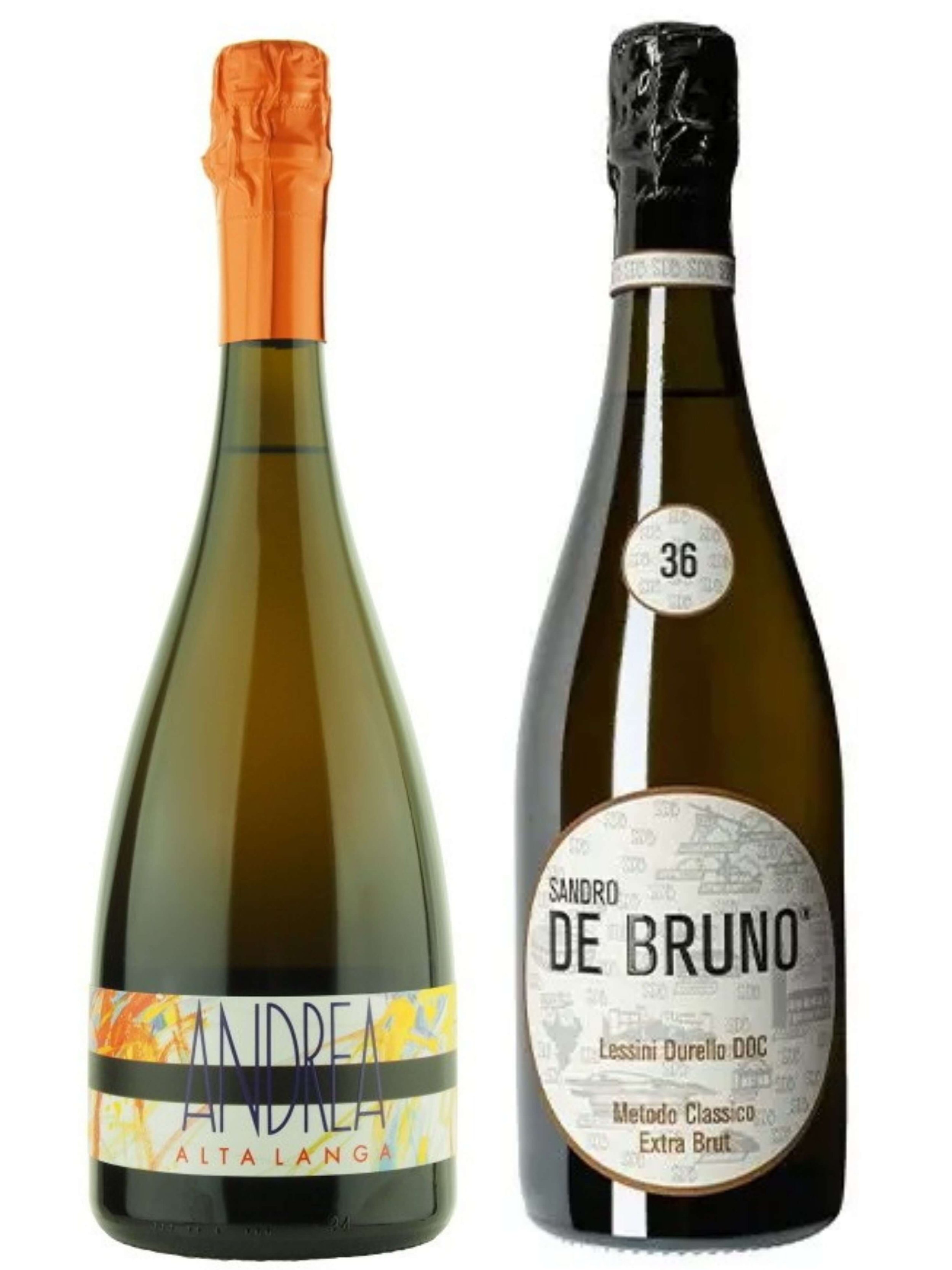
This set of artisanal white sparkling wines have 2 wines made in the traditional Champenoise method, one from Northern Italy, in Piedmont, an Alta Langa, and the other from Verona Italy made with the unique durella grape. Both were refermented on the lees in the bottle for over 30 months, making them complex and delicious. A real treat for yourself or as a gift to that special someone in your life. Shipping in the Continental US is included for any order with this set, as well we will include for a limited time only a patented WAF Sparkling Wine Stopper (a $14.99 value) for free!
Included in this box are: