Is Rosé Wine Just a Fad in America?
Rosé wine in the US became a fad around 15 years ago when the rosé all day craze came about. Before, the idea of drinking a rose wine was almost exclusively thought to be a white Zinfandel, that one style of a “blush”, rather sweet, pink wine.
Yet, rosé wine goes beyond commercially driven fads, which American wine drinkers inadvertently have become accustomed to, and instead have historical roots elsewhere, certainly in the Old World, like in Southern Italy, as we have discussed here.
But is the rose wine fad fading in America?
According to the VinePair, yes. The argument goes something like this: rosé built its identity around being easy, breezy, and uncomplicated. But now that the market is full of other drinks that fill that same role, rosé finds itself stuck, pigeonholed, and a little underappreciated. We, here at Vero, think the diagnosis is right, but the prescription is wrong.
The answer isn't to reposition rosé or dress it up with new marketing.
The answer is simpler, and far more interesting: most people have only ever tasted one or types of rosé. They just need to discover new ones.
That pale, delicate Provençal rosé bottle, the one that launched a thousand Instagram posts, is not the whole story. In fact, it is barely the first chapter.
The world of rosé is as diverse as red or white wine: different grapes, different countries, different winemaking philosophies, different colors, and yes, different vintages that can make the same wine taste like an entirely different creature from one year to the next. So before we write off rosé, let's take off our rosé summer-colored glasses and actually get to know the category of wine itself.
What is a Rosé Wine
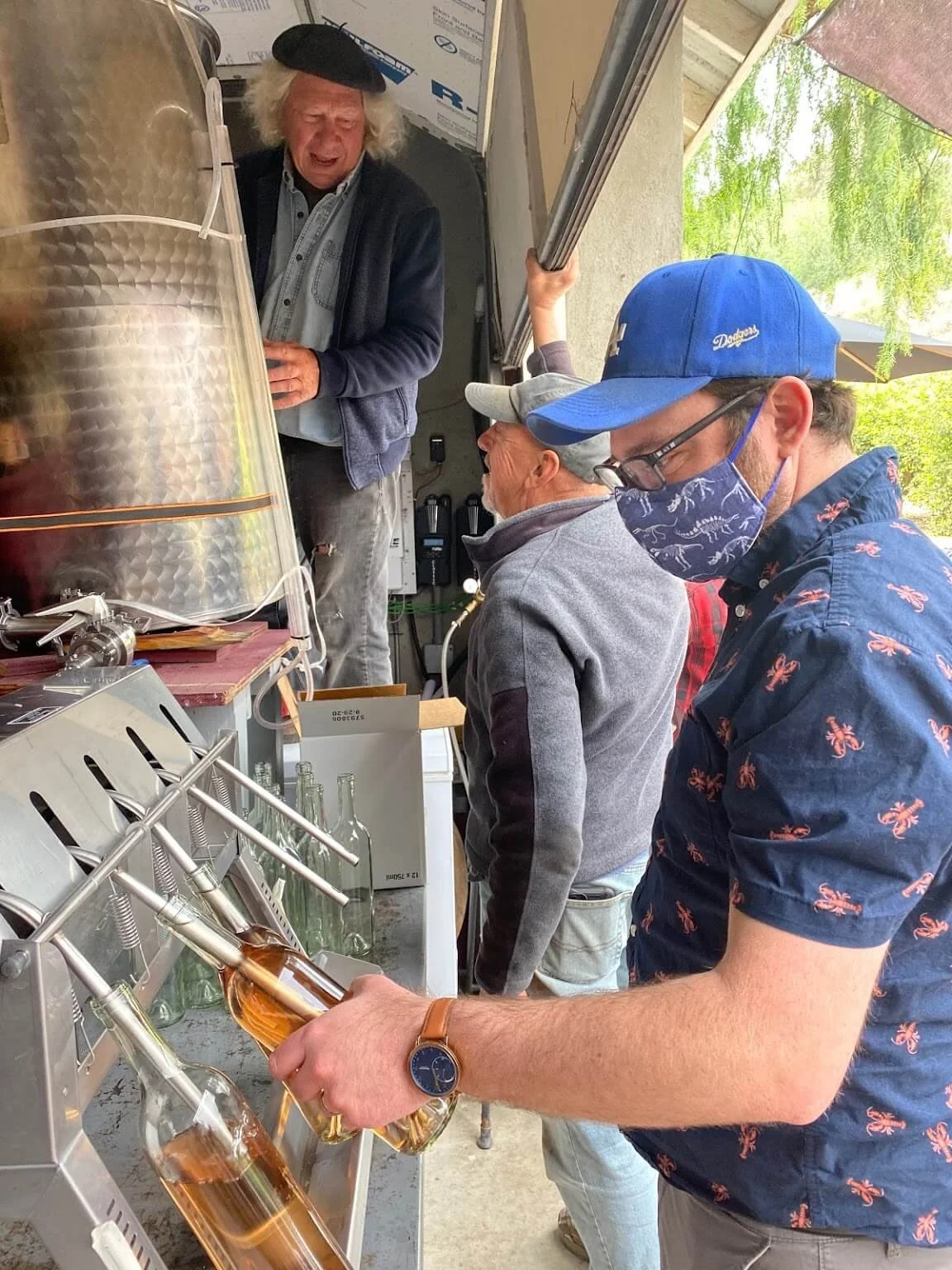
Clos des Amis in California making a rosé wine using the salasso method, draining off some wine after a short maceration period.
To really understand the diversity of rosé, it helps to understand one fundamental concept: skin contact. It is the lever behind the color of every wine in your glass, and once you understand it, the whole spectrum starts to make sense. We’ve talked a lot in previous articles about how wine get’s its color, but let’s recap with a short version focusing on the components most important to rosé.
The compounds that give wine its color live mostly in the skins of the grape, not really the juice. White wine is made by pressing grapes and removing the skins almost immediately, so the juice ferments with little to no color. Red wine sits on those skins for longer, sometimes throughout fermentation, soaking up deep color, tannin, and structure. And then there are the two wines that live in the interesting middle ground.
Orange wine takes white grapes and keeps them in contact with their skins, the way you would a red wine. This results is those beautiful amber and golden hues you might have seen turning heads at a dinner table. Rosé is, in a way, the mirror image: you start with red grapes, but limit the skin contact dramatically, extracting just enough color to land somewhere in the pink spectrum, but without ever crossing over into red wine territory.
But here is where it gets genuinely interesting. "Rosé" is not one method. There are several ways to achieve that separation of juice and skins, and each one produces a distinctly different wine. A winemaker can choose which method to follow based upon which grapes they are using, what their final vision is for the wine, and so many other factors.
Direct press is the most delicate approach: the grapes go straight to the press with minimal or no skin contact at all. It is very similar to how white wines are made, minimal or no skin contact. The result tends to be the palest, most refined rosés. Counterintuitively, this method works beautifully with grapes that are naturally rich in color compounds because even the briefest contact through the crushing and pressing is enough to pick up a pretty pink hue.
Short maceration gives the skins and juice more time together. They can sit together for anywhere from a few hours to a couple of days, before being separated and the juice continuing its fermentation. More and longer contact means more color, more texture, and often more aromatic complexity. This is where you start to see rosés that have real presence in the glass. This is also a method that works well with grapes that have naturally less pigment in their skins, as they might require a bit more time in contact to pick up some color.
Then there is salasso, also called saignée in French, which translates to "bloodletting." In this method, a winemaker begins making a red wine, but after a period of skin contact and maceration, bleeds off and removes portion of the juice. That separation serves two purposes: it concentrates the remaining red wine (the skins to juice ratio is higher), and it produces a rosé that you might call a happy byproduct. These wines tend to carry genuine depth, because they were born from a red winemaking process.
It is worth a brief mention that blending small amounts of red and white wine or pressing red and wine grapes together is technically another way to achieve a pink color, but a little less common that the previously mentioned methods.
One more variable worth understanding: not all red grapes are created equal when it comes to pigment. Some varieties have skins so rich in anthocyanins (the pigment compounds) that even a whisper of contact produces deep, saturated color. Others are naturally lighter. This means the same winemaking method applied to two different grapes can give you wines that look and taste worlds apart.
Viewing Rosé Through Different Glasses
If you ask most wine drinkers to picture a rosé, they will picture the same bottle: pale, almost translucent pink, bone dry, crisp, that typical Provence bottle. And fair enough that style dominated the last two decades of rosé's rise in the US market. While genuinely delicious and certainly a great version of rosé, everything else got quietly pushed to the margins. But, here at Vero, that works for us, because we find the off the beaten path and the margins are where things get interesting.
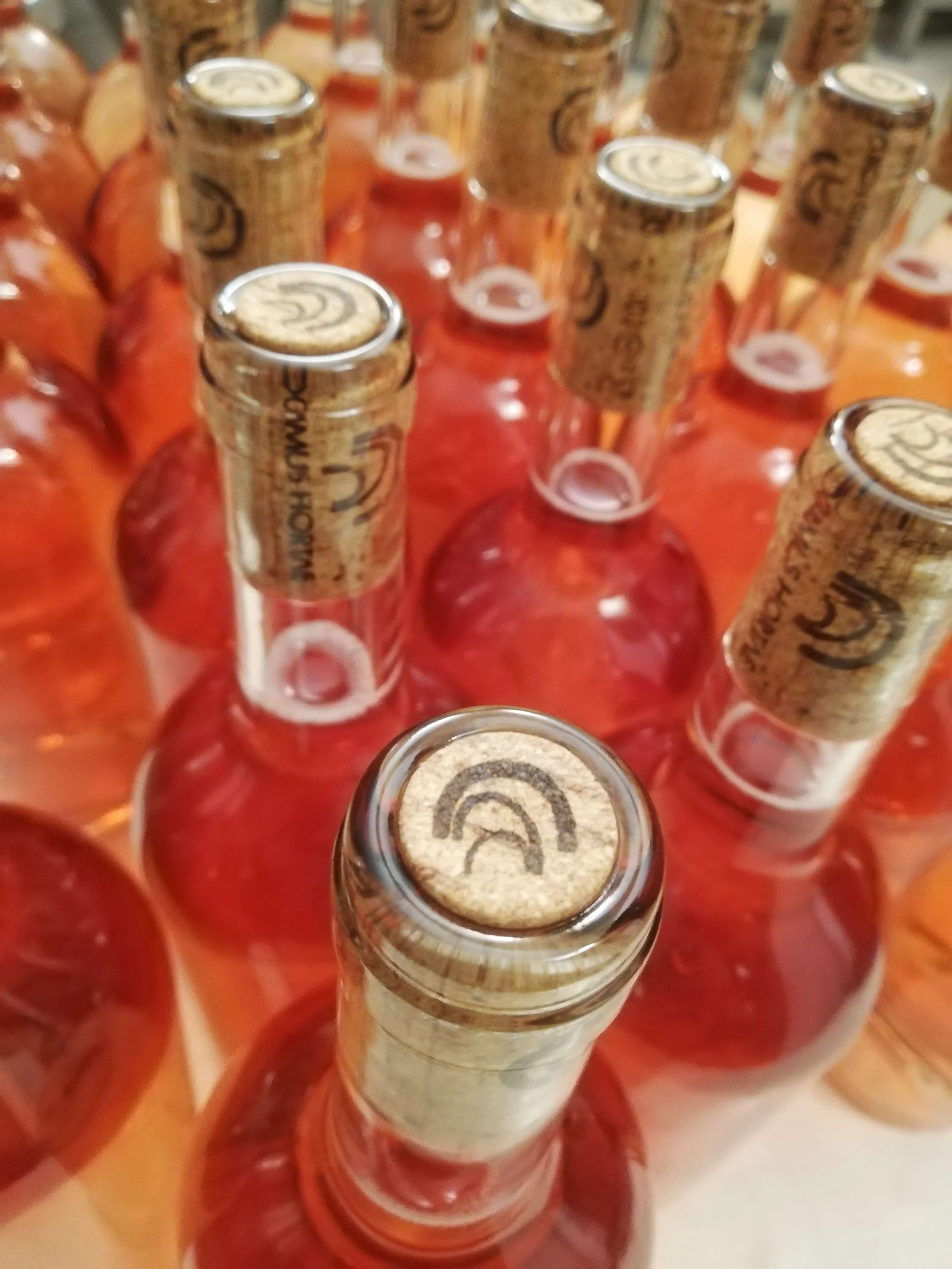
Bright rosé wines from Puglia, Italy.
Consider the range that is actually out there. In southern Italy, in Puglia the rosé capital of Italy, rosés made from native grapes like susumaniello carry pretty pink colors, savory herbal notes. In Abruzzo, Cerasuolo d'Abruzzo, made from the montepulciano grape, is so deeply colored and structured that it almost seems like a red wine in the right lighting. In Emilia-Romagna, a pét-nat rosé from a rare local grape can be fuchsia, fizzy, and juicy in the best possible way. And in Central Europe, a blaufränkisch rosé from the Czech Republic brings spice a character that has nothing in common with anything you might find on a Provence shelf.
These are not niche curiosities. They are expressions of place, grape, and craft, and they share a category name with that pale Provençal bottle almost by coincidence. Which brings us to something that gets overlooked almost entirely in the conversation about rosé: vintage variation. Because rosé is so strongly associated with youth and freshness and easy warm-weather drinking, most people never stop to think about the year on the label. But artisan rosé that is made with intention, from a specific place, and from a specific grape, is just as responsive to the conditions of a given growing season as any serious red or white. A cooler summer produces higher acidity and brighter fruit. A warmer, drier year pushes toward ripeness, depth, and a rounder texture. An earlier harvest versus a later one changes everything. And all of that shows up in the glass, year after year, in wines that are technically the "same" but actually quite different.
We see this vividly with Febo's Cerasuolo d'Abruzzo, a great example of what serious rosé can be. The 2021 vintage is dark, brooding almost, with deep cherry fruit and a long salty finish that lingers the way a good red does. The 2024, from the same winemaker and the same vineyards, is a completely different mood: a rosorange color that practically glows in the glass, bursting with blood orange and tart cherry, bright and alive. Same wine, same vineyard, same maker, but completely different vintages. That is not a flaw or an inconsistency, but rather it is the wine doing exactly what wine is supposed to do: tell you something true about where and when it came from.
It is one more reason to stop thinking of rosé as a category on autopilot, and start paying attention to it the way you would any wine worth your time.
Five Rosés That Prove the Point
This is where the theory becomes something you can actually open and pour. Each of the following rosés represents a different grape, a different region, a different winemaking approach — and together they make a pretty compelling case for everything we have been talking about taking rosé wines more seriously.
Domus Hortae ZuZu, from Puglia, Italy
Susumaniello is one of Puglia's native grapes, and in rosé form it produces something genuinely distinctive: a pretty orangey-pink wine with bright bitter-orange, grapefruit zest, and a fresh herbal note that makes it feel like an aperitivo in a glass. If you enjoy an Aperol Spritz but wish it came without the mixer, ZuZu is your wine. (Pro-Tip: try the susumaniello grape side by side with its red form, Mentore!)
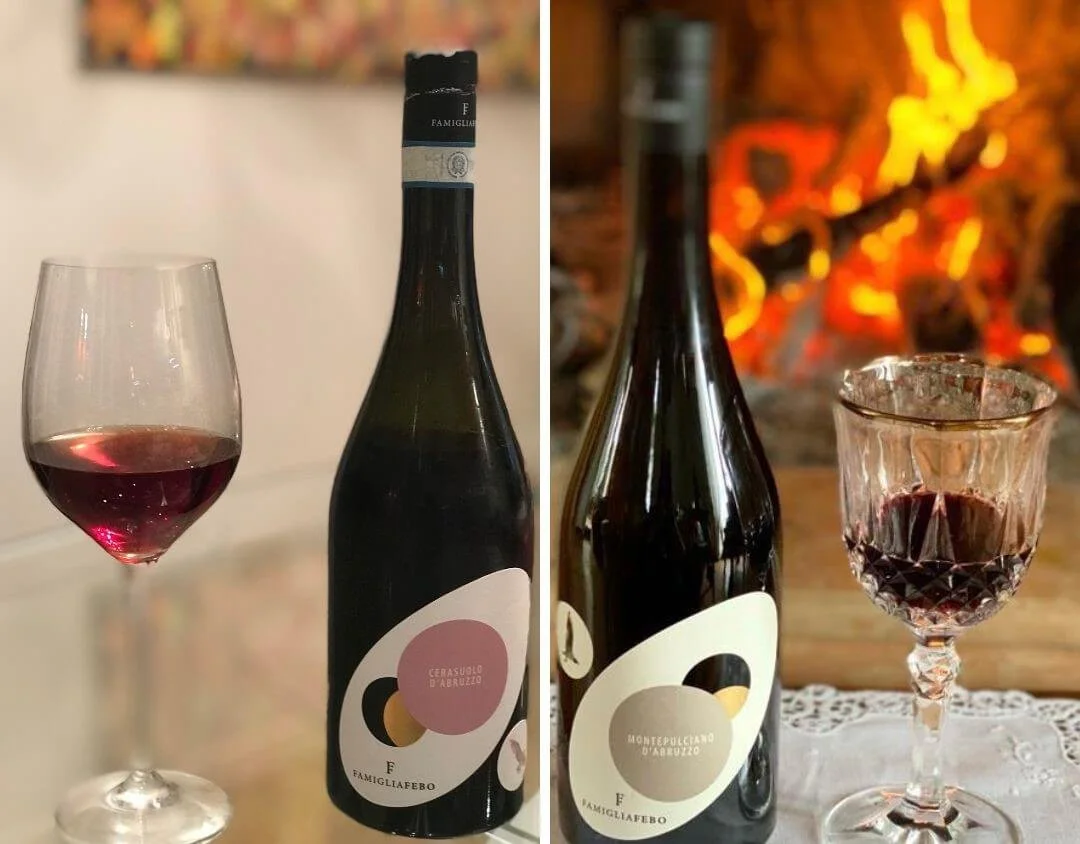
Same grape… different winemaking… different color!
Febo Cerasuolo d'Abruzzo, from Abruzzo, Italy
We already talked about this one, and for good reason. Made from the montepulciano grape, with a brief 2 hour maceration after de-stemming before the juice moves to cement tanks for spontaneous fermentation, this wine is deep, serious, and food-friendly in a way that very few rosés are. Pick up a bottle of the 2021 and one of the 2024 and taste them side by side, it is one of the best wine education experiences we can offer on both vintage variation and rosé variations! (Pro-Tip: Try the montepulciano grape side by side with the red version, the Montepulciano d’Abruzzo!)Foligodia Risveglio, from Lombardy, Italy
Made using the salasso method, there are eight hours of skin contact in cement tanks before the juice is bled off. This biodynamic, no-sulfite blend from northern Italy is as far from a typical rosé as you can get without leaving the category entirely. Spontaneous fermentation, inert vessels, and a philosophy of minimal intervention mean this wine is entirely shaped by its fruit and its vintage.Frignano Sgarbato, from Emilia-Romagna, Italy
Made from Uva Tosca, a rare native grape from the hills outside Modena, this is a pét-nat rosé that goes through 24 hours of skin contact before finishing its fermentation in the bottle. The result is a vivid fuchsia wine with a natural fizz, tart cranberry fruit, and a wild, unpolished energy that is completely its own thing. If you think rosé has to be delicate and pale, this one will change your mind immediately.Thaya Blaufrankisch Rosé, from South Moravia, Czech Republic
Most know Blaufränkisch, if they know it at all, as a structured red wine from Austria. In the hands of Thaya, from the Czech Republic, it becomes something altogether different: an orange-pink rosé with five hours of maceration, seven months in stainless steel, and a flavor profile that leans into spice. Think cinnamon red hot candy, wild forest fruits, and just a whisper of residual sugar that keeps everything in balance. It is unexpected, it is distinctive, and it is exactly the kind of wine that reminds you how wide the world of rosé actually is.
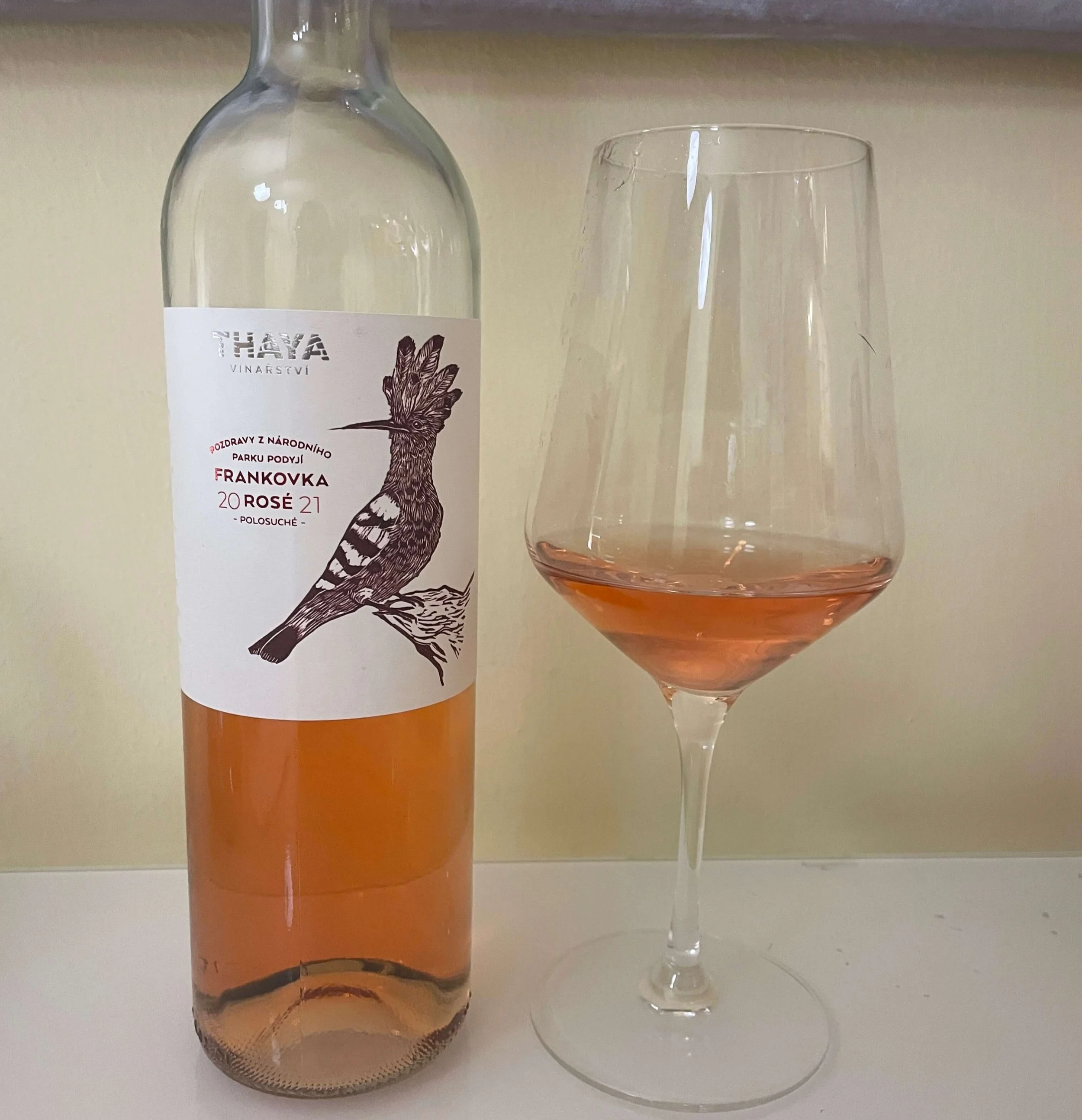
A unique rosé wine from the Czech Republic.
Stop Waiting for Summer
So you see, rosé does not have a relevance problem, but it has a discovery problem. The pale, seasonal version of rosé that most people picture is real, and it is delicious, but it is just one small corner of a very large and genuinely exciting category of “Rosé Wines”. The rest of that category is out there, waiting. And if you are ready to start exploring it, try our Stop and Smell the Rosés Tasting Set if you want to dive in all at once.
For those of you that know our curation style, you know that we love to support small producers and bring you unique and fun wines, and specialty foods. And you can enjoy these curations by trying a selection of different wines, foods, and olive oils from our portfolio. We sell to both businesses and consumers across the US:
We are enlarging our network of distributors around the country. Reach out to us if you are interested in distributing our products.
We sell to wine stores and restaurants in certain states - contact us if you would like more info.
We do corporate gifts and sommelier guided wine tastings. Email us and we’ll tailor unique and sustainable corporate gift ideas.
If our farm crafted wines, specialty foods, and olive oils are not in your local shop or restaurant buy wine online hereand we’ll ship it to you, and we ship to most states.
We also have an award winning wine club for true wine explorers seeking to continually discover unique, sustainable and authentic small production wines they never had.

From the heel of Italy’s boot, Puglia, where they arguably make some of the best rosé wines in Italy, this rosé wine is made from susumaniello, a fruit forward local grape that is ancient to the area. Its beautiful color is thanks to the direct pressing method used to make this wine, before is it aged only in stainless steel. Its taste is like a lighter more fruity aperol spritz, fragrant and herbal. Light, refreshing, and easy to sip this is a great wine for summer.
Tastes Like: An herbal Aperol
Farming & Winemaking Highlights: Regenerative Agriculture | Sustainable Winery
Fun Facts: The name “ZuZu” is an ancient Pugliese dialect word for the grape in this monovarietal susumaniello rose wine.
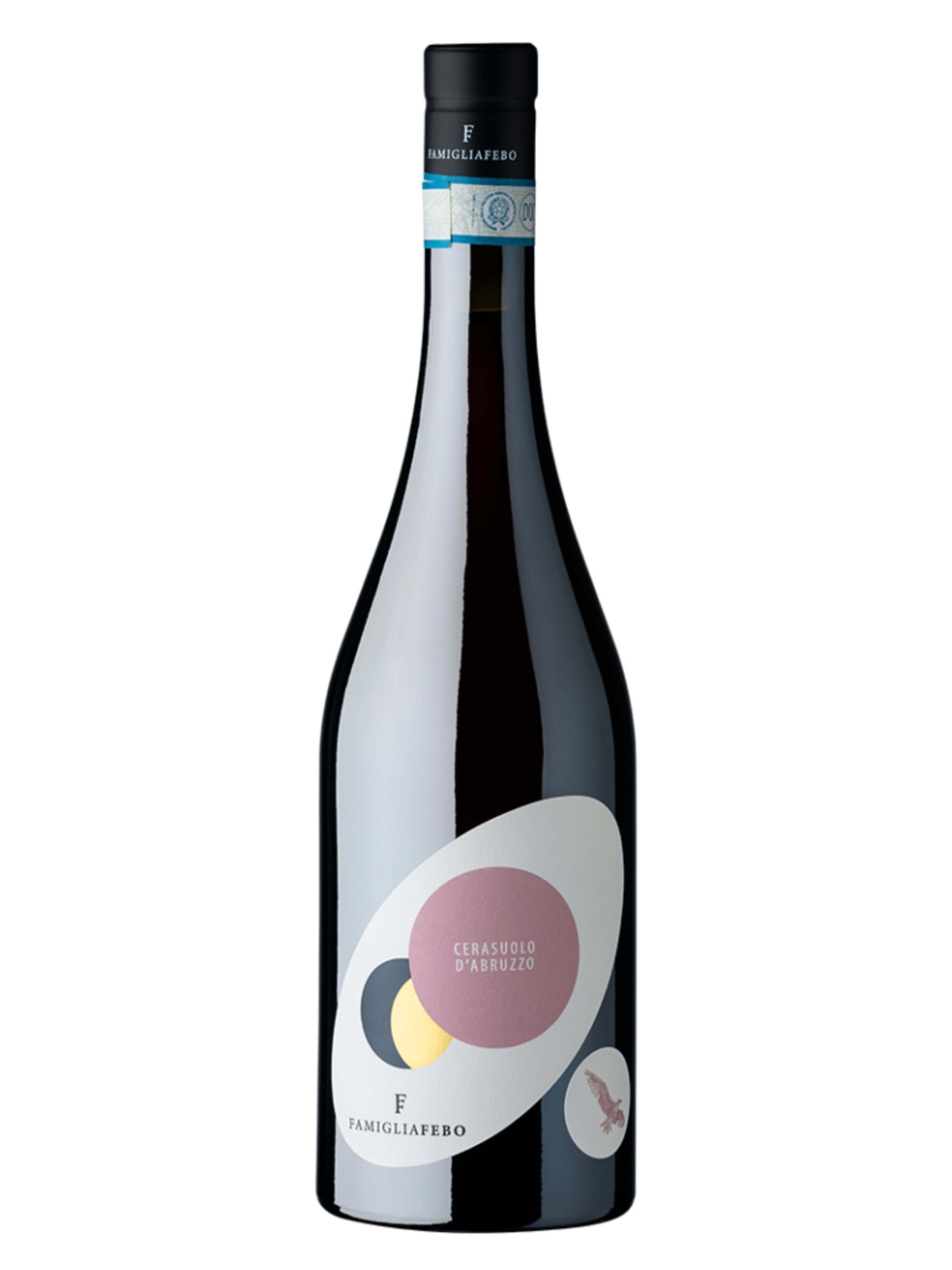
While made as a rosé wine, this Cerasuolo d’Abruzzo is actually more like a light red wine thanks to the dark pigments of the Montepulciano grapes used, farmed on Febo family’s estate vineyards in Abruzzo.
The minimal intervention approach of this natural wine producer results in a lot of vintage variation year after year. For example, the 2021 Cerasuolo d’Abruzzo has a cherry taste with a salty finish, and is considered a “serious” rosé wine while the 2024 is a Rosorange color that bursts with blood orange flavors mixed with cherry.
Region: Italy > Abruzzo > Spoltore & Chieti
Tastes Like: 2021 - Cherries | 2024 - Tart cherries and blood orange
Farming & Winemaking Highlights: Regenerative Agriculture | Sustainable Winery | Biodynamic | Native Yeast Fermentation | Vegan | Organic | Natural Wine
Fun Facts: Both vintages are fermented with native yeast and refined in the winegrower's grandparents' concrete vessels. Great chilled and a good pairing is eggplant parmesan.

A vibrant and chillable red, Risveglio is a fresh take on a rosé with its striking rosorange color. This fruit-forward wine is brimming with a juicy, strawberry marmalade flavor. It is a unique blend of Merlot mixed with native Italian grapes used to make Amarone and other Valpolicella wines, like rondinella, molinara and corvina. Then, adding to its intrigue, woman winemaker, Sharom, makes part of it like a rosé, with short skin contact, and the rest is made more like a red wine, with longer skin contact. This is called the sallasso technique, which results in a more flavor forward wine with darker color. It also boast great texture and a savory, sapido quality. This unfiltered wine is complex and beautifully balanced, finishing with a satisfying, medium length.
Tastes Like: Strawberry marmalade with hints of eucalyptus herbs
Farming & Winemaking Highlights: Regenerative Agriculture | Sustainable Winery | Biodynamic | Native Yeast Fermentation | No additives | No Sulfites added | Unfiltered | Organic | Natural Wine
Fun Facts: The name means “wake back up” in Italian.
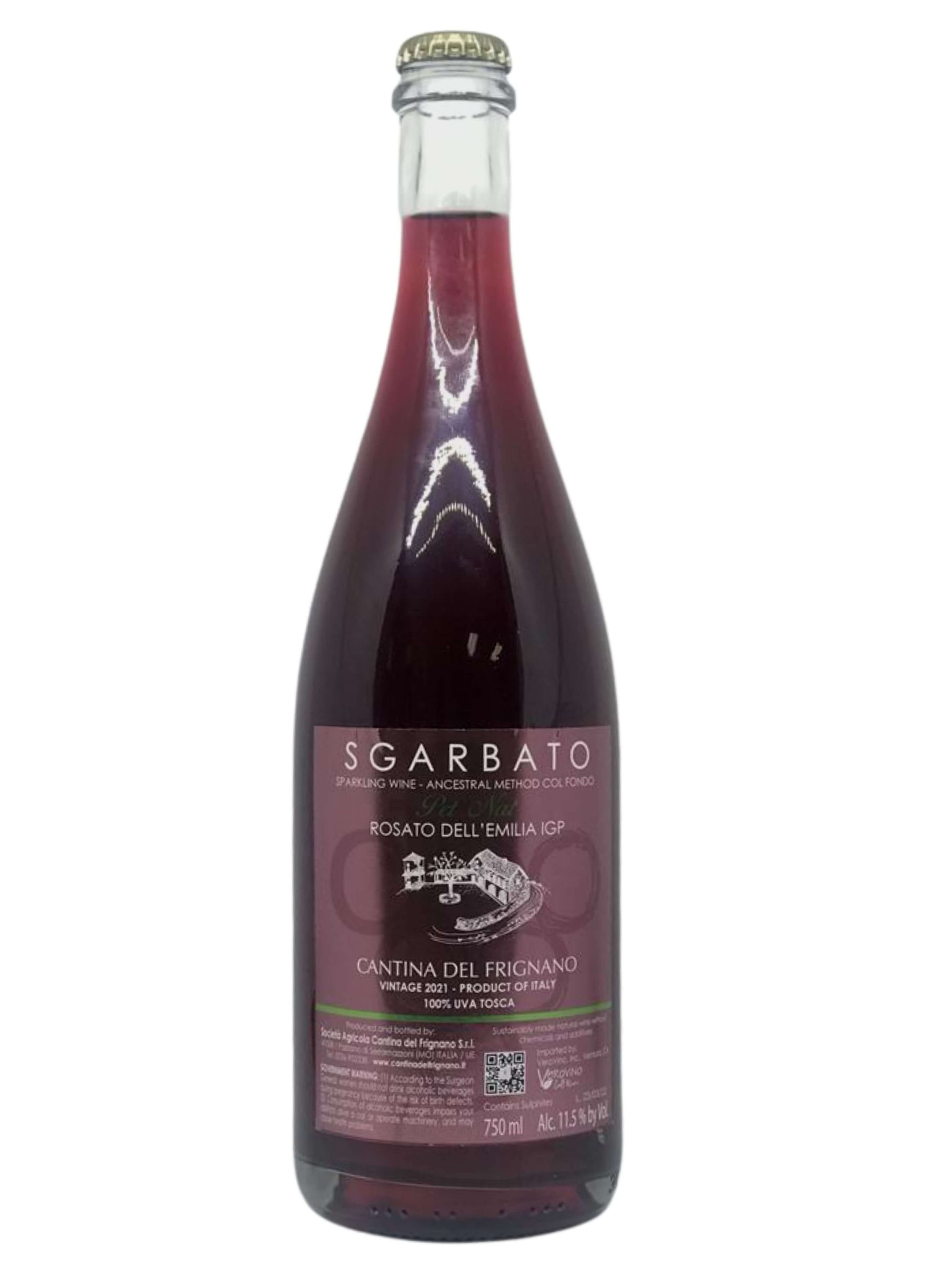
Made from the rare Uva Tosca grape, this dry Pet Nat tastes like drinking cranberry juice as a sparkling wine.
This producer, Frignano, is credited for reviving this forgotten grape which grows in higher altitudes in Emilia area of Northern Italy, and is believed to be a descendant of Schiava Grossa, the Alto Adige red grape.
Refreshing and quaffable, with strawberries on the nose and a saline finish, it is great on its own or with light fare. It is an unfiltered, bottle fermented 'col fondo' sparkling wine also known as ancestral method or Pet Nat style, and made with spontaneous fermentation like a natural wine.

From the Thaya estate winery in the Czech Republic, this 100% Blaufrankisch rosé, which is called Frankova in the Czech language, has an orange-pink color, cinnamon red hot up front and great balance of red forest fruits and juicy acidity, that balances out the 5.9 grams/liter of residual sugar. Stainless steel fermentation and aged for 6 months in stainless steel before bottling.
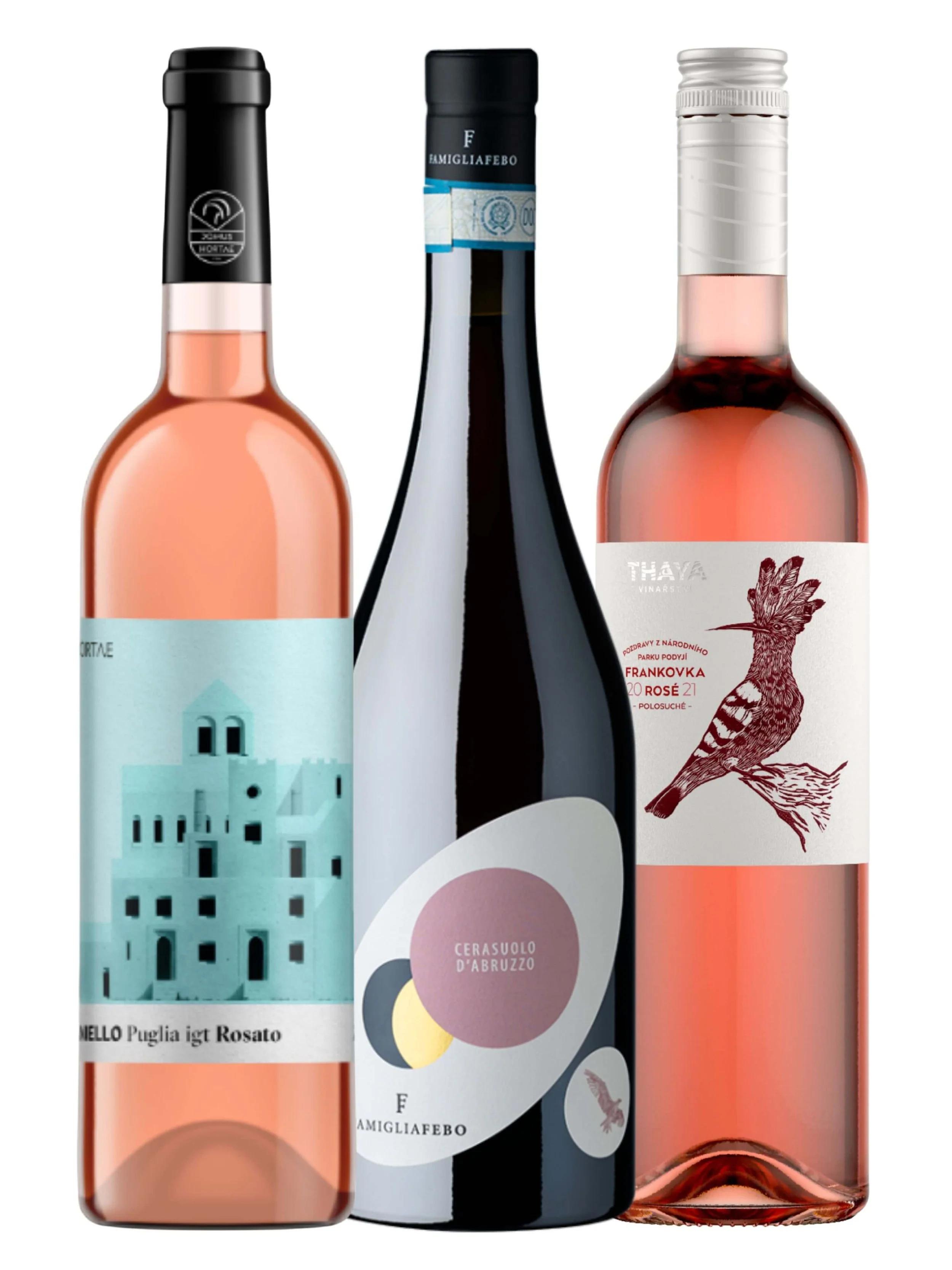
Make sure your glass is rosy with these three rosé wines from artisan producers. Toast with a spicy Czech Republic wine, sip on a Pugliese wine from Southern Italy, and enjoy a fresh and juicy rosé that is almost like a light red wine ready to be chilled.
Shipping is included in the Continental US on this 3 bottle set… and that includes any other add-ons to your order like other rosé wines!
Included in this box are: